C Channel Steel is gaining prominence in construction and manufacturing. Its versatility and strength make it a preferred choice for many industries. According to a recent report by MarketWise, the global C Channel Steel market is expected to grow at a CAGR of over 5% through 2026.
In 2022, the demand for C Channel Steel surged, driven by urbanization and infrastructure projects. Significant investments in renewable energy also boosted its usage in structural frameworks. Reports by Steel Dynamics indicate that C Channel Steel’s lightweight properties contribute to better fuel efficiency and lower emissions in transportation.
However, challenges remain regarding supply chain management and material sourcing. Buyers must navigate fluctuating prices and ensure reliable suppliers. Transparency in sourcing and quality assurance processes is crucial for maintaining competitiveness in the global market. While there are many options, careful consideration of these factors is essential for making informed decisions in 2026 and beyond.
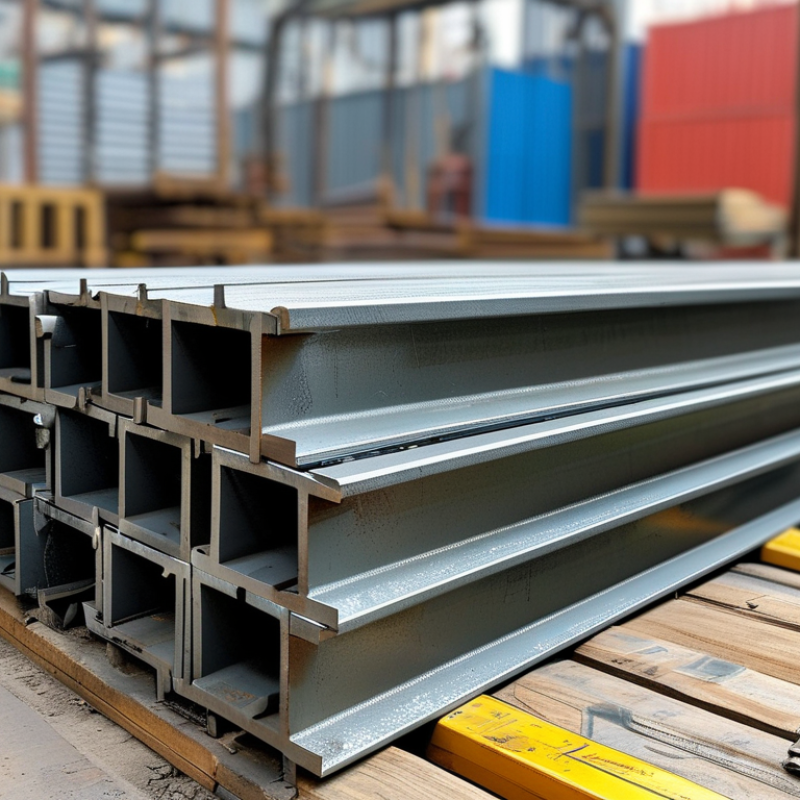
Overview of C Channel Steel and Its Importance in Global Markets
C channel steel plays a vital role in construction and manufacturing. Its shape provides strength and stability, making it essential for various applications. This steel is often used in frames, supports, and other structural components. As global markets evolve, understanding the demand for C channel steel is crucial for manufacturers and buyers.
The importance of C channel steel extends beyond its physical properties. It’s an indicator of market health. High demand often reflects growth in industries such as construction, automotive, and infrastructure. Buyers must consider sourcing strategies that align with these trends. Prices fluctuate, impacting budgets and project timelines.
Despite its advantages, challenges remain. Quality can vary significantly across regions. Buyers should be aware of potential inconsistencies in manufacturing practices. Establishing reliable relationships with suppliers can help mitigate risks. Continuous evaluation of supply chains is necessary. This ensures that quality and standards are maintained throughout the procurement process.
Best C Channel Steel Options for Global Buyers 2026
| Grade |
Dimensions (mm) |
Weight (kg/m) |
Yield Strength (MPa) |
Applications |
| C Channel A36 |
100 x 50 |
7.7 |
250 |
Construction, buildings |
| C Channel S235 |
120 x 60 |
10.1 |
235 |
Structural applications |
| C Channel A572 |
140 x 65 |
12.5 |
345 |
Heavy structures |
| C Channel S355 |
160 x 80 |
15.0 |
355 |
Bridges, frames |
| C Channel Q235 |
200 x 100 |
20.0 |
235 |
General purpose |
Key Factors to Consider When Selecting C Channel Steel
Selecting the right C channel steel involves various key factors. Buyers should consider
steel grades for specific projects. Different grades offer distinct benefits and limitations.
For instance, higher tensile strength may be necessary for structural support. It’s essential to understand the specifications based on your needs.
Another crucial element is the size and dimensions of the C channel steel. Various sizes serve different applications.
Too small may compromise structural integrity, while overly large sections may add unnecessary weight. Additionally, pay attention to the
thickness. It can significantly impact durability and performance under load.
The sourcing process is equally important. Ensure you engage with reputable suppliers. This can influence the quality of the steel you receive.
A poor supplier may lead to subpar materials that are harder to work with. Make sure to do your due diligence. Balance cost against quality, but remember:
the cheapest option isn’t always the best.
Top C Channel Steel Manufacturers and Suppliers for 2026
When exploring the best C channel steel manufacturers and suppliers for 2026, several key players emerge in the global market. Reports indicate that the demand for C channel steel is expected to grow significantly, driven by the construction and infrastructure sectors. According to industry forecasts, C channel steel consumption will increase by 4.5% annually over the next five years. This substantial growth underscores the importance of selecting reliable suppliers.
It's essential to evaluate the manufacturers based on their production capacities and quality assurance processes. Many suppliers offer certifications that reflect their commitment to industry standards. However, not all manufacturers maintain consistent quality. Buyers should conduct thorough research and request samples before making large orders. Understanding the certifications can provide insights into the manufacturer's reliability.
Tip: Always check the supplier's reputation through reviews and industry references before engaging in business.
Furthermore, geographical location plays a vital role in logistics and delivery times. Suppliers situated closer to construction sites often have an advantage. Still, global procurement strategies can yield competitive prices. Balancing cost with quality is crucial. Some manufacturers might offer lower prices but sacrifice grade quality, leading to future project delays and costs.
Tip: Consider long-term impact over short-term savings.
Comparative Analysis of Material Grades for C Channel Steel
When selecting C channel steel, understanding material grades is essential. Different grades offer varying strengths and applications. Common options include mild steel, high-strength low-alloy (HSLA) steel, and stainless steel. Each grade boasts unique properties, affecting durability and resistance to corrosion.
It's crucial to consider factors like load requirements and environmental conditions. Mild steel shows adaptability and ease of fabrication. HSLA offers greater strength with less weight, making it ideal for demanding applications. Stainless steel, while more expensive, resists corrosion effectively, ensuring longevity.
Tips:
- Always check tensile strength and yield strength before purchasing.
- Evaluate the environment where the steel will be used.
- Consider long-term costs versus initial investment.
The decision on material grade affects performance and cost efficiency. In some cases, a lower-grade steel may suffice for light applications. Yet, for critical projects, opting for higher grades could prevent future failures. Thus, a careful evaluation is necessary.
Future Trends and Innovations in C Channel Steel Production
The production of C channel steel is evolving rapidly. Increasing demand drives innovation. Manufacturers are exploring new materials and techniques to enhance quality. The focus is shifting towards sustainability and efficiency. Innovations in metal alloys can improve strength and reduce weight. This can lead to lighter structures that don’t compromise on durability.
Automation is another trend shaping the future. Automated processes minimize human error and increase productivity. Robotics in steel fabrication is becoming more common. However, this raises questions about workforce implications. Training for new skills is essential as the industry modernizes. There’s potential for job displacement, which requires careful consideration.
Sustainable practices are gaining traction. Recycling steel reduces environmental impact. Many producers are adopting green technologies to cut emissions. This aligns with global efforts to combat climate change. Nonetheless, balancing cost and sustainability remains a challenge. Investment in new technology is often expensive, and not all companies can afford it.
Best C Channel Steel Options for Global Buyers 2026
FAQS
: C channel steel is a structural material used in construction and manufacturing. Its shape provides essential strength and stability.
It indicates market health. High demand often signifies growth in industries like construction and automotive.
Buyers need to consider steel grades, sizes, dimensions, and thickness for their specific projects.
Quality can significantly differ across regions. Buyers should be aware of inconsistencies in manufacturing practices.
Finding reliable suppliers is crucial. Poor suppliers may lead to subpar materials, impacting project quality.
Trends include sustainability, automation, and innovations in materials. These aim to improve efficiency and reduce environmental impact.
Sustainable practices reduce environmental impact, aligning with global efforts to combat climate change.
Automation minimizes human error and increases productivity, but raises workforce concerns that require attention.
Balancing cost and sustainability is challenging. New technologies can be expensive, making it hard for some companies to invest.
Continuous evaluation of supply chains and establishing reliable supplier relationships are essential for maintaining quality.
Conclusion
C Channel Steel plays a vital role in various global markets due to its structural integrity and versatility. In selecting the best options for C Channel Steel, buyers need to consider key factors such as material grade, load-bearing capacity, and environmental conditions. This overview highlights the importance of understanding the specifications and applications of C Channel Steel to make informed purchasing decisions.
As we move towards 2026, a comparative analysis of material grades reveals significant differences that can impact overall performance. Additionally, future trends and innovations in the production of C Channel Steel will likely focus on sustainability and improved manufacturing techniques. By staying updated on these developments, global buyers can ensure they choose the most suitable C Channel Steel for their projects, meeting both quality and efficiency standards.

 Minjie Steel