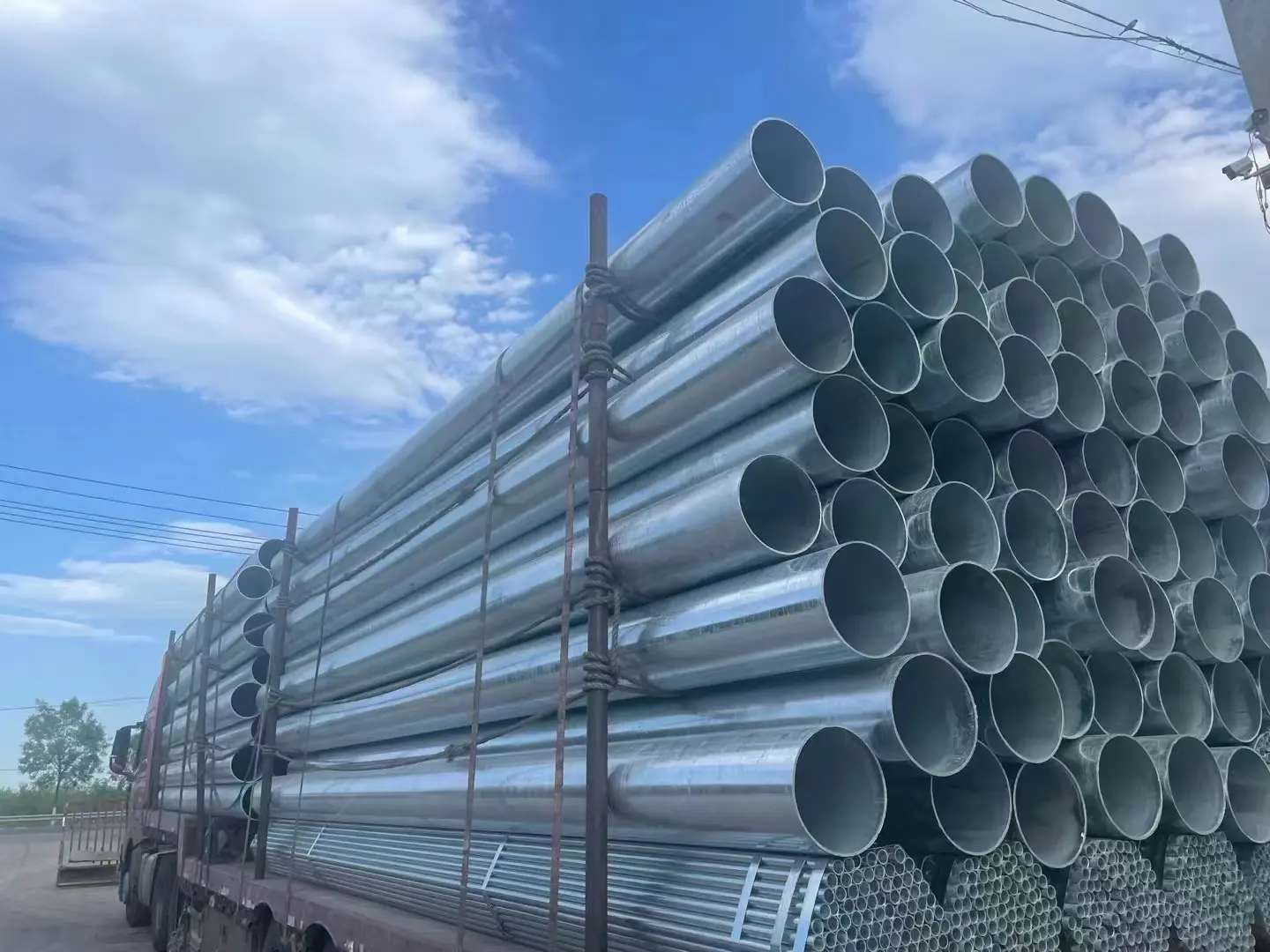
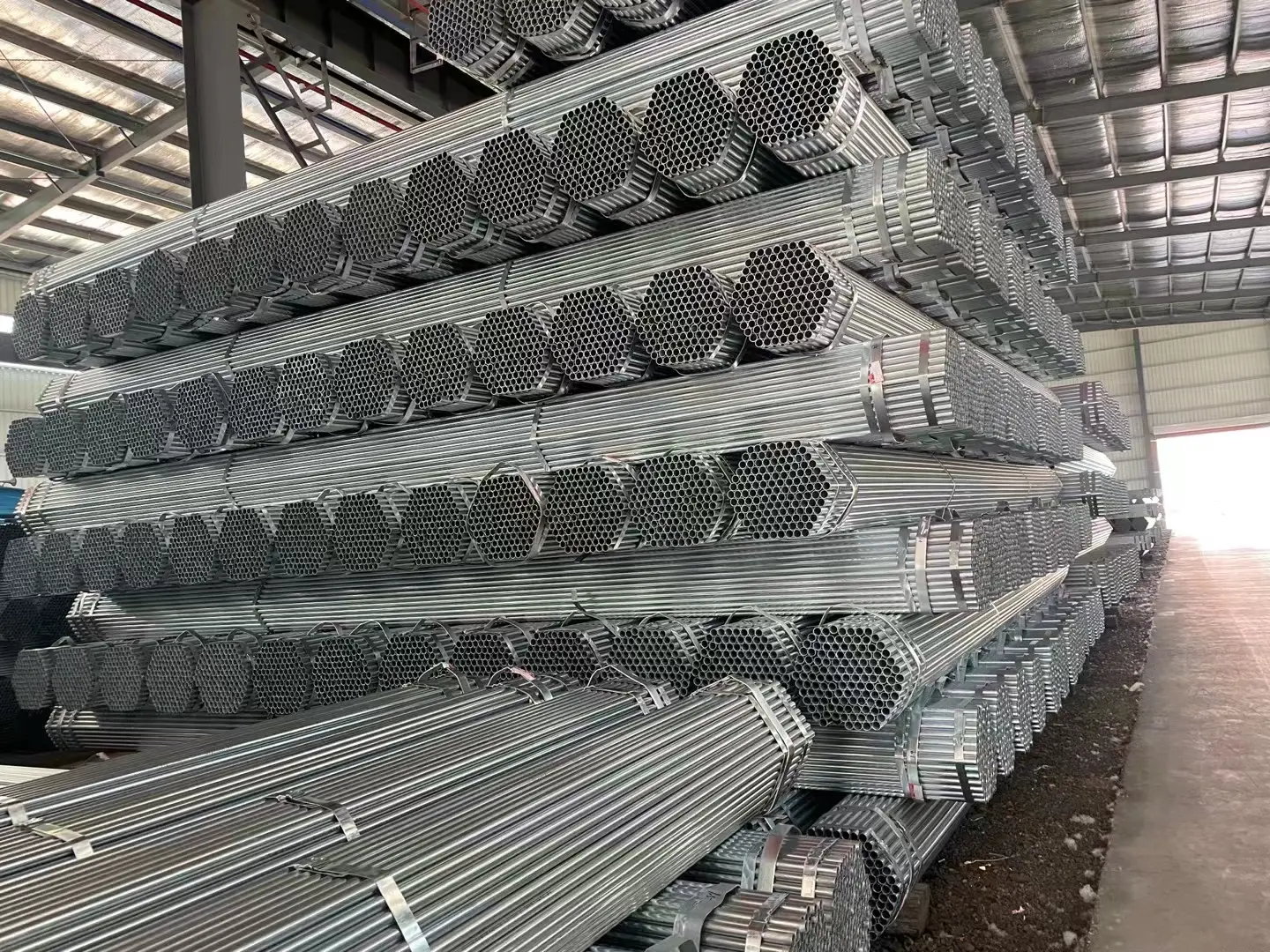
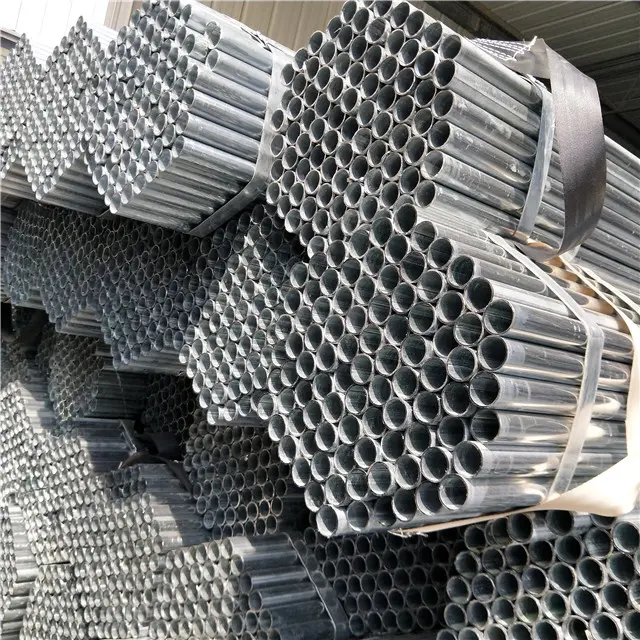
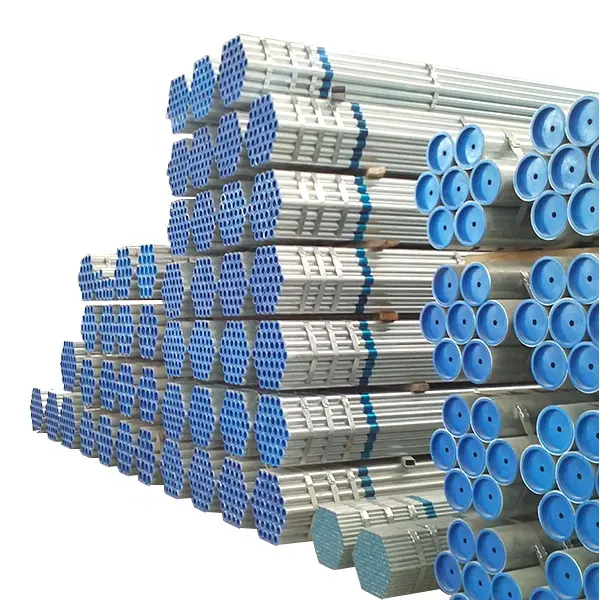
Engineered for extreme hydraulic pressure, structural loading, and infrastructure resilience.
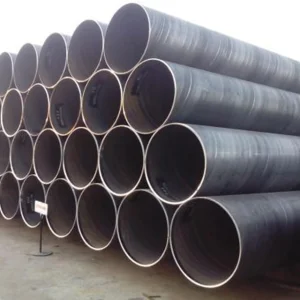
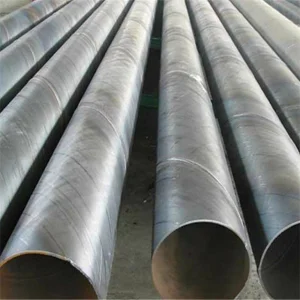
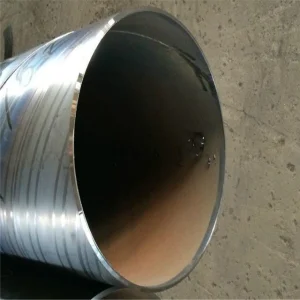
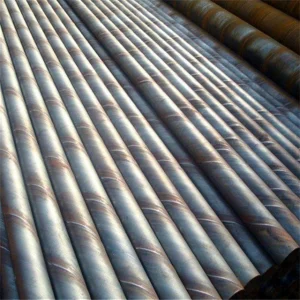
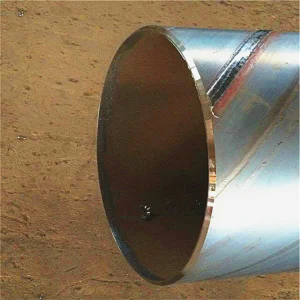
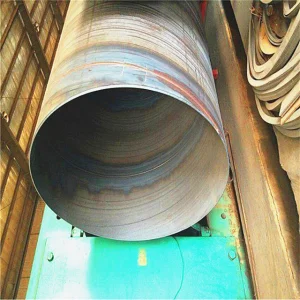
The manufacturing and structural utilization of Spiral Submerged Arc Welded (SSAW) steel pipes have undergone a substantial paradigm shift. Traditionally used for low-pressure water pipelines, modern SSAW pipes are now engineered for critical high-pressure oil and gas transmission systems, complex municipal utility pipelines, offshore structural piling foundations, and deep ocean wind turbine supports. The continuous helical weld seam provides distinct metallurgical advantages, including superior dimensional stability, uniform yield strengths, and the unique ability to produce large-diameter tubes from standardized hot-rolled coil inputs.
Current industrial trends prioritize advanced corrosion-control systems, including 3-layer Polyethylene (3PE), Fusion Bonded Epoxy (FBE), and Zinc-Aluminum-Magnesium alloy coatings. In response to global decarbonization targets, manufacturers are actively investing in R&D to verify SSAW pipe compatibility for hydrogen transport, requiring advanced metallurgy to resist hydrogen embrittlement. As engineering designs demand larger diameters and thinner walls to reduce material costs, precision micro-alloying (utilizing niobium, vanadium, and titanium) has become standard, enabling higher structural yields (up to API 5L X70/X80 specifications) without sacrificing weldability.
Evaluating the complex variables in large-scale steel pipe international supply chains.
Procurement entities face strict regional criteria. Requirements cross-reference API 5L, ASTM A252, and EN 10219 standards. Verification requires non-destructive testing (NDT), ultrasonic testing (UT), radiographic inspection, and hydrostatic pressure verification directly at the mill source.
With steel transport costs highly sensitive to port distance, shipping directly from hubs like China's XinGang port reduces carbon footprint, minimizes transport damage risks, and optimizes transit periods for mega-projects in Southeast Asia, Australia, and the Middle East.
Firms are shifting focus from raw pricing to long-term supply resilience. Key priorities include direct material sourcing channels back to major hot-rolled coil manufacturers, pre-arranged scrap recycling agreements, and robust currency hedging protocols to mitigate pricing shocks.
Discover the technological foundation behind Tianjin Minjie Steel Co., Ltd.
Founded in 1998, Tianjin Minjie Steel Co., Ltd. has evolved into a premier global manufacturer and exporter of structural steel pipes and allied components. Our state-of-the-art facility spans over 70,000 square meters, strategically situated in the core industrial hub of Tianjin, a mere 40 kilometers from XinGang Port—the largest deepwater port in northern China. This geographical alignment provides our international partners with unparalleled logistic advantages, minimizing domestic transport times and maximizing freight economies.
Tianjin Minjie Steel's commitment to mechanical innovation is anchored by our proprietary intellectual properties, including 3 core patents covering customized pipe connections: groove pipes, shoulder pipes, and victaulic coupling configurations. Our current industrial assets include:
Our management framework yields an annual production exceeding 300,000 tons of structural and pressure-rated steel pipes, earning repeat honors and quality certificates from the Tianjin Municipal Government and Quality Supervision Bureau.
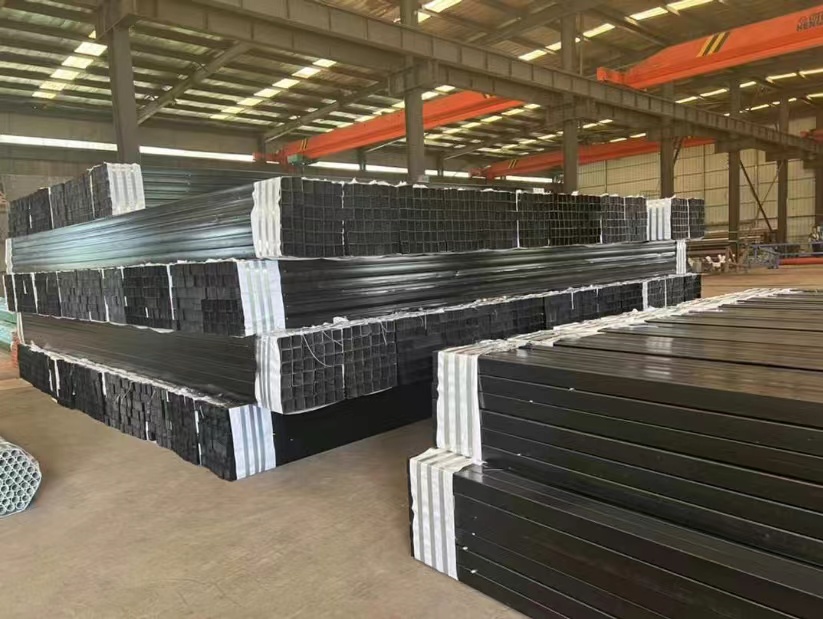
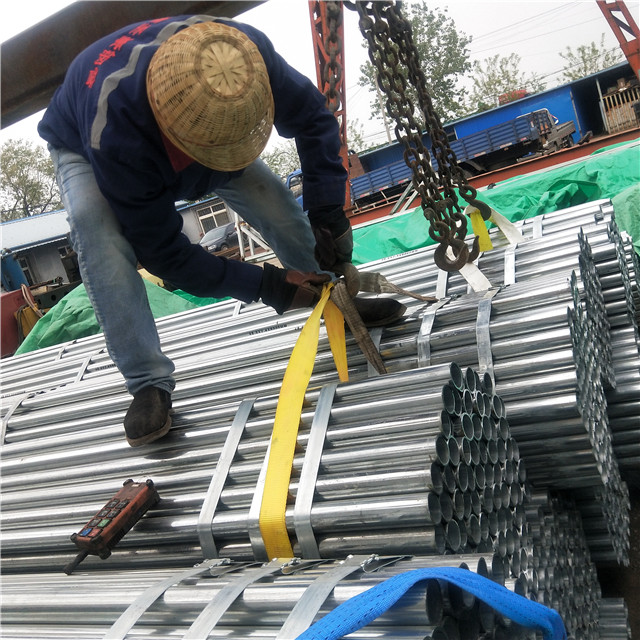
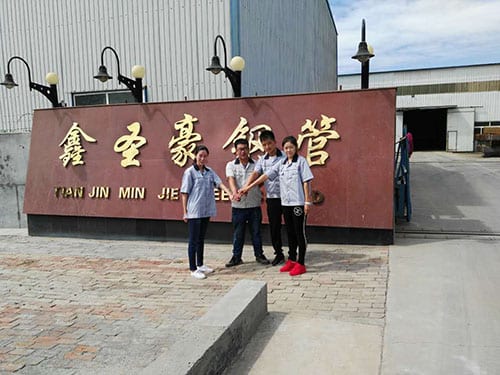
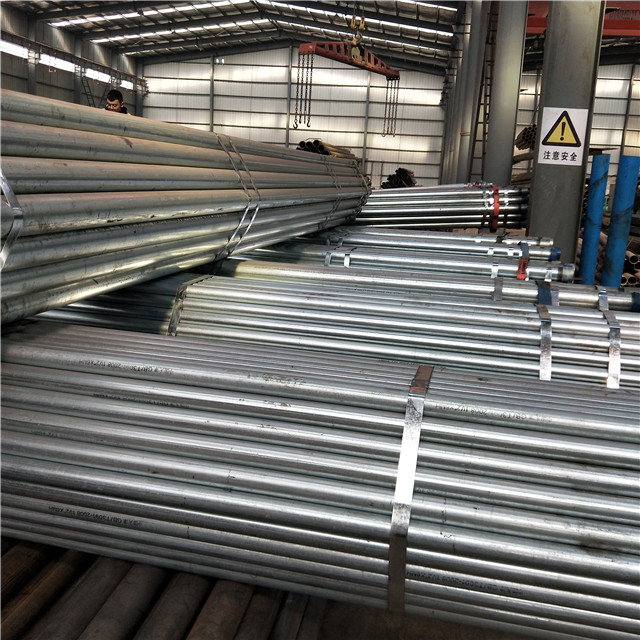
Inside our manufacturing hub and representative sales operations across major global destinations.
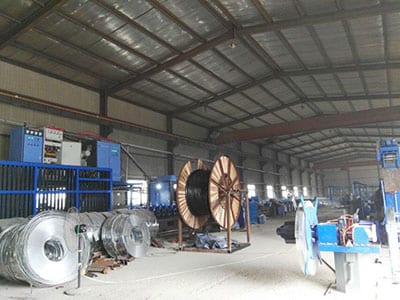
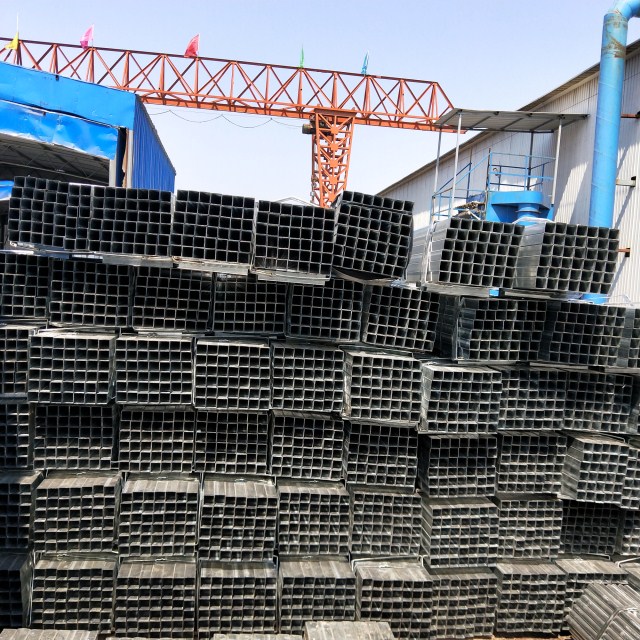
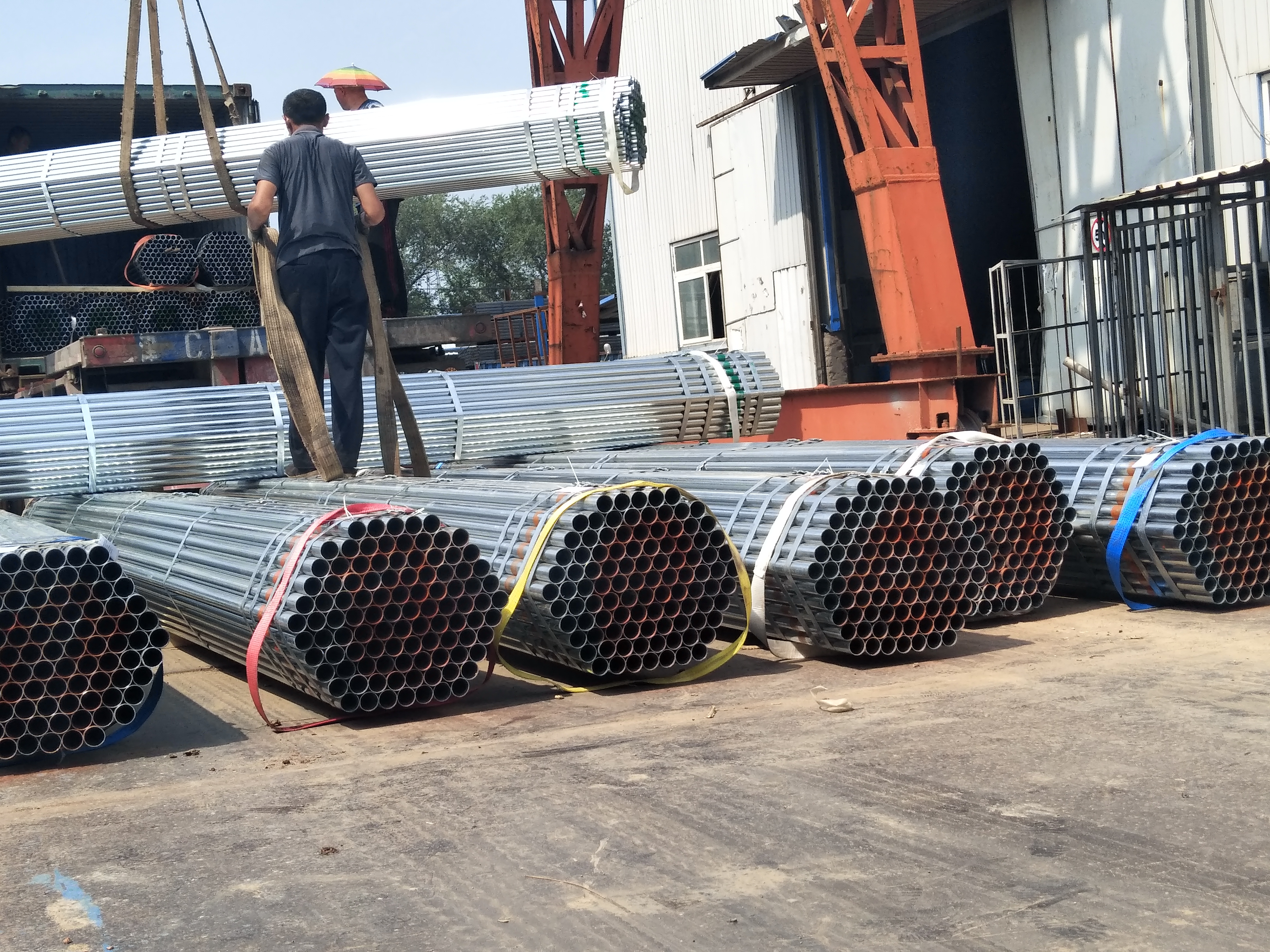
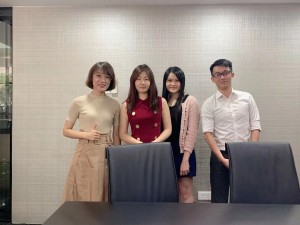
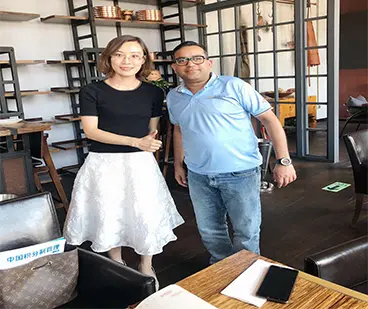
In September 2019, our technical team executed a key visit to Singapore, solidifying supply frameworks for regional marine construction projects and high-volume urban piling designs.
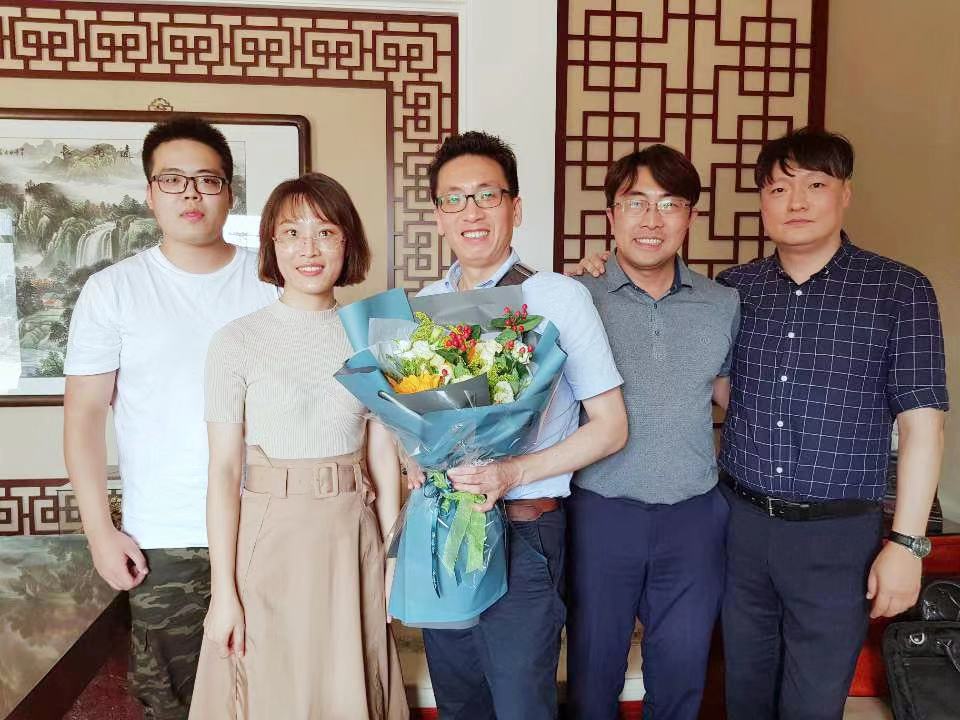
Korean structural engineers visited Minjie in 2019 to inspect automated forming tolerances for specific high-strength hollow section components, validating design parameters.
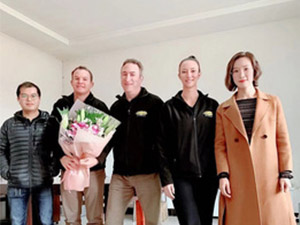
In November 2018, long-term Australian partners visited our hot-dip galvanizing lines, conducting comprehensive quality audits to ensure compliance with local safety structures.
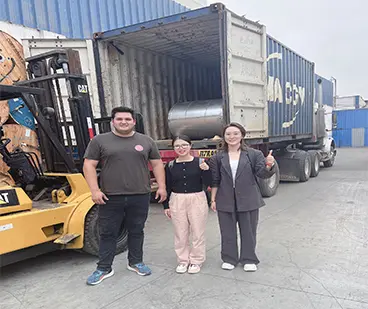
Following rigorous testing parameters verification in 2019, Indian engineering companies established a contract for monthly containerized deliveries for regional development zones.
In June 2017, a delegation from Lebanon signed an immediate contract for 1,000 tons of high-pressure water pipeline systems after conducting mill-wide verification trials.
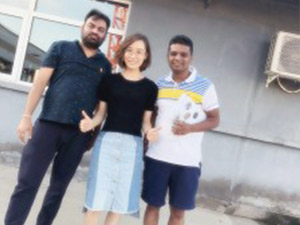
Met at the Canton Fair in 2018, this major partner toured our facility and initiated long-term project-based procurement for energy transmission frameworks.
High-integrity steel designs manufactured to rigorous international engineering standards.
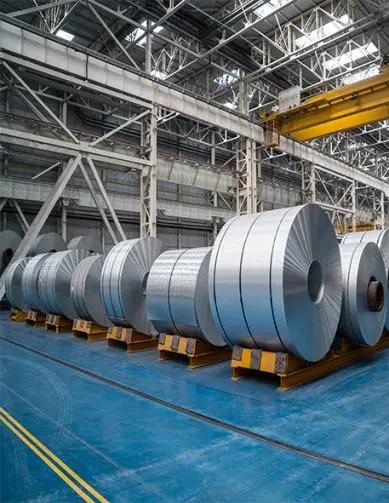
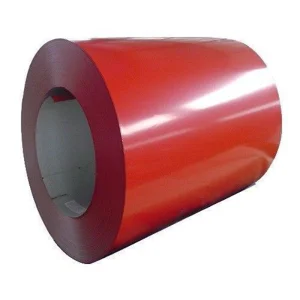
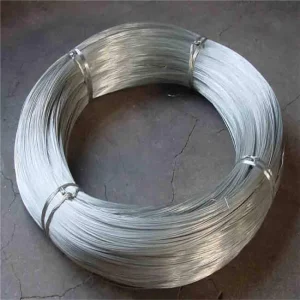
Hot-dipped galvanized, pre-painted (PPGI), and color-coated steel strip configurations engineered for cold forming and roofing.
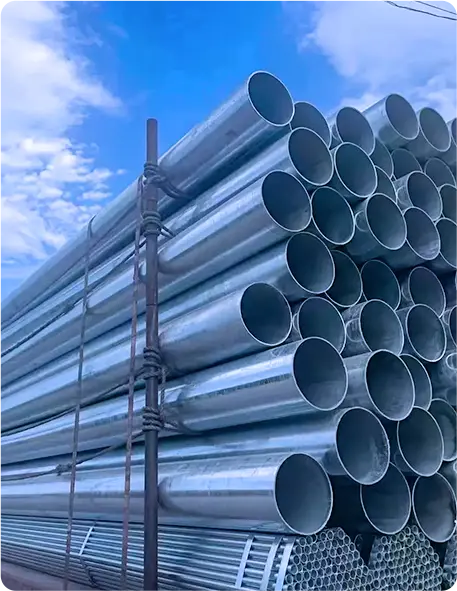
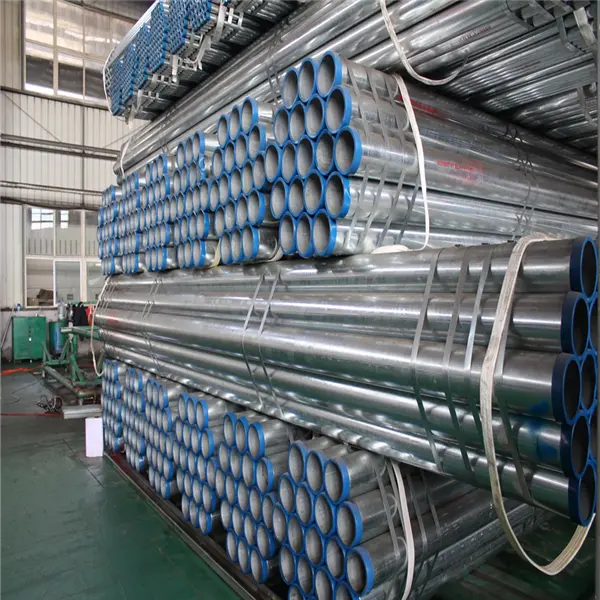
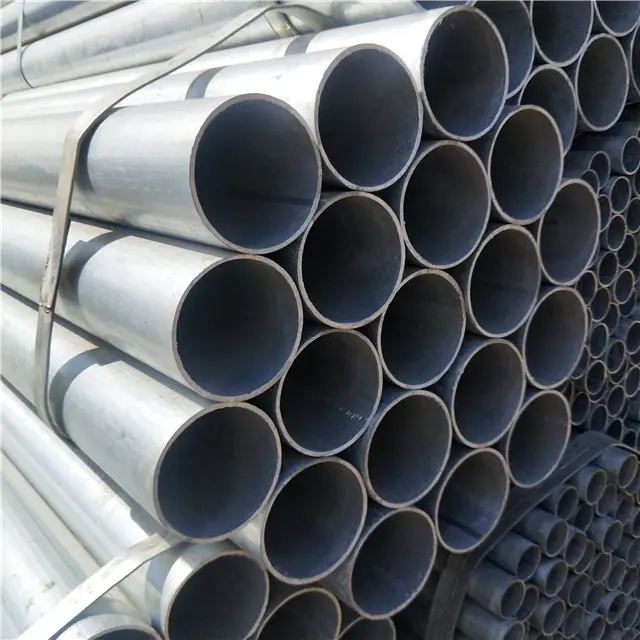
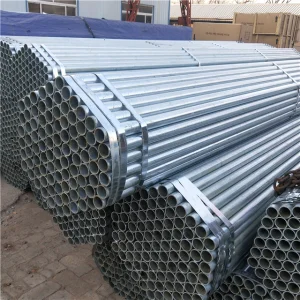
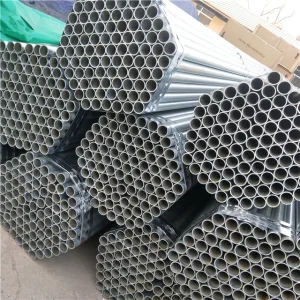
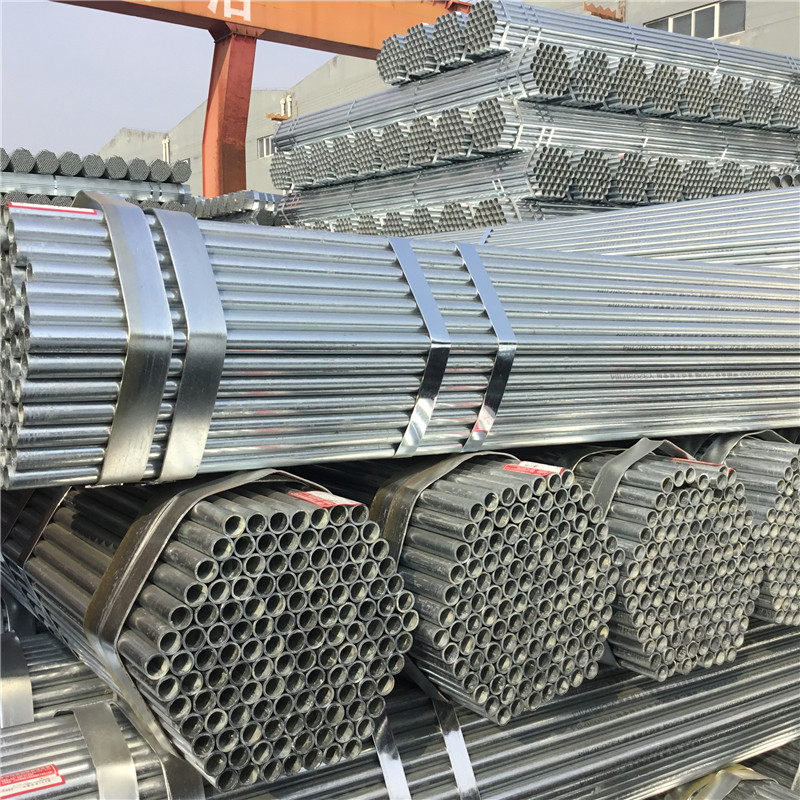
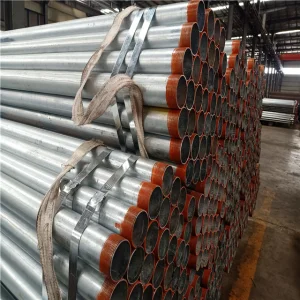
Hot-dipped and pre-galvanized circular hollow sections. Standardized anti-corrosion barrier for high-moisture agricultural and industrial structures.
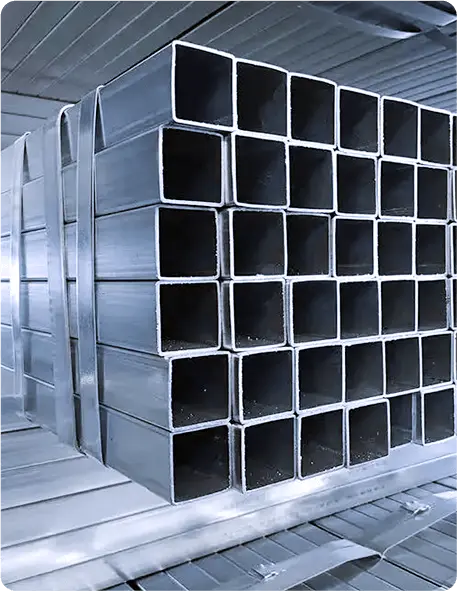
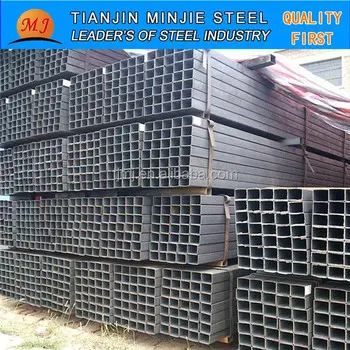
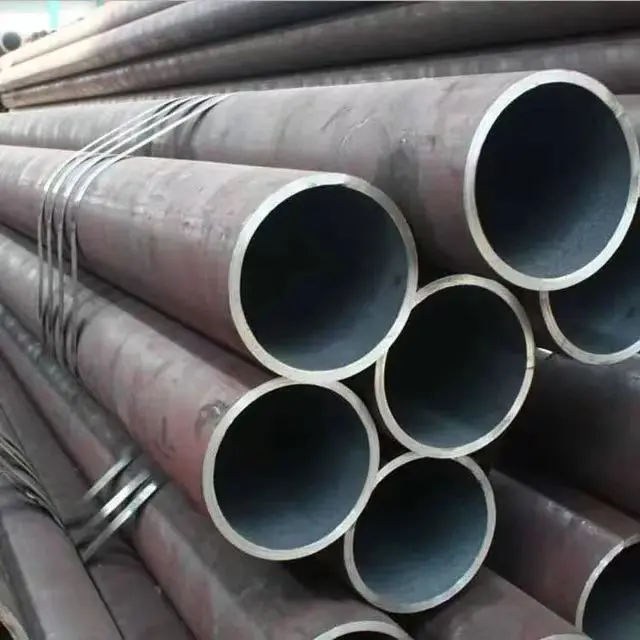
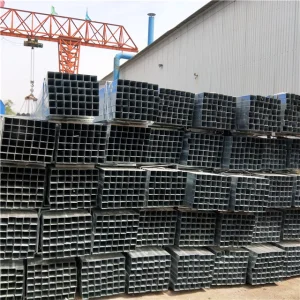
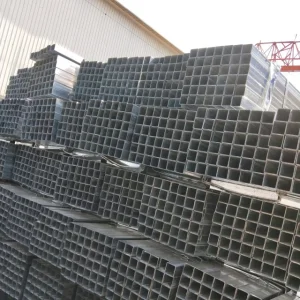
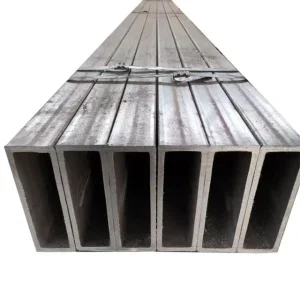
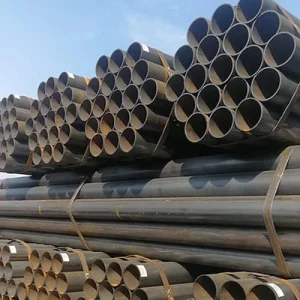
Structural hollow sections offering high torsional resistance, precision straightness, and uniform mechanical properties.
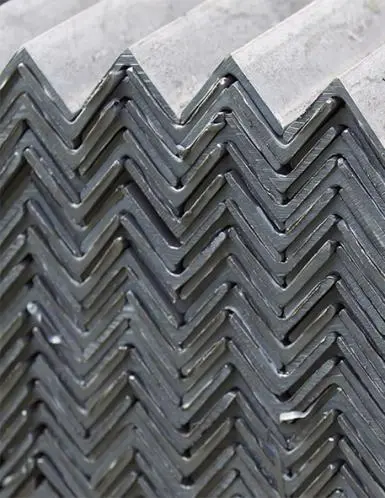
Hot-rolled structural steel profiles optimized for power transmission towers, bridge frames, and heavy machinery foundations.
Confirming compliance with global steel standards via rigorous third-party certifications.
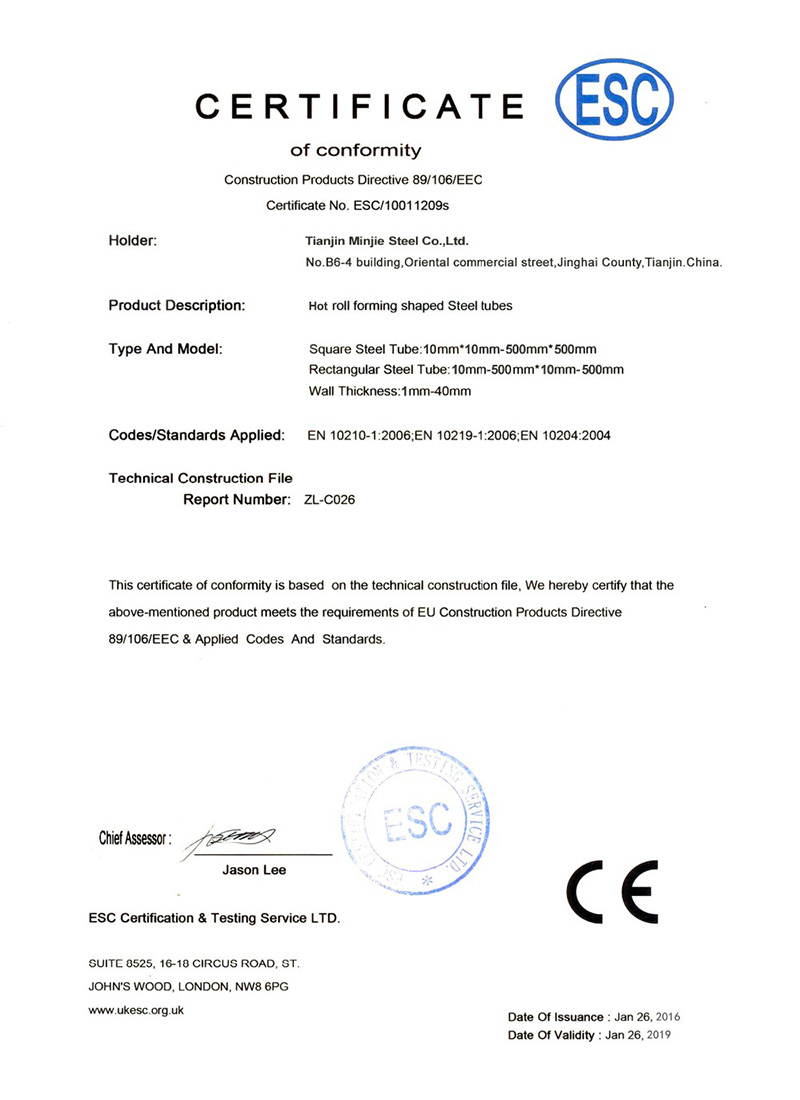
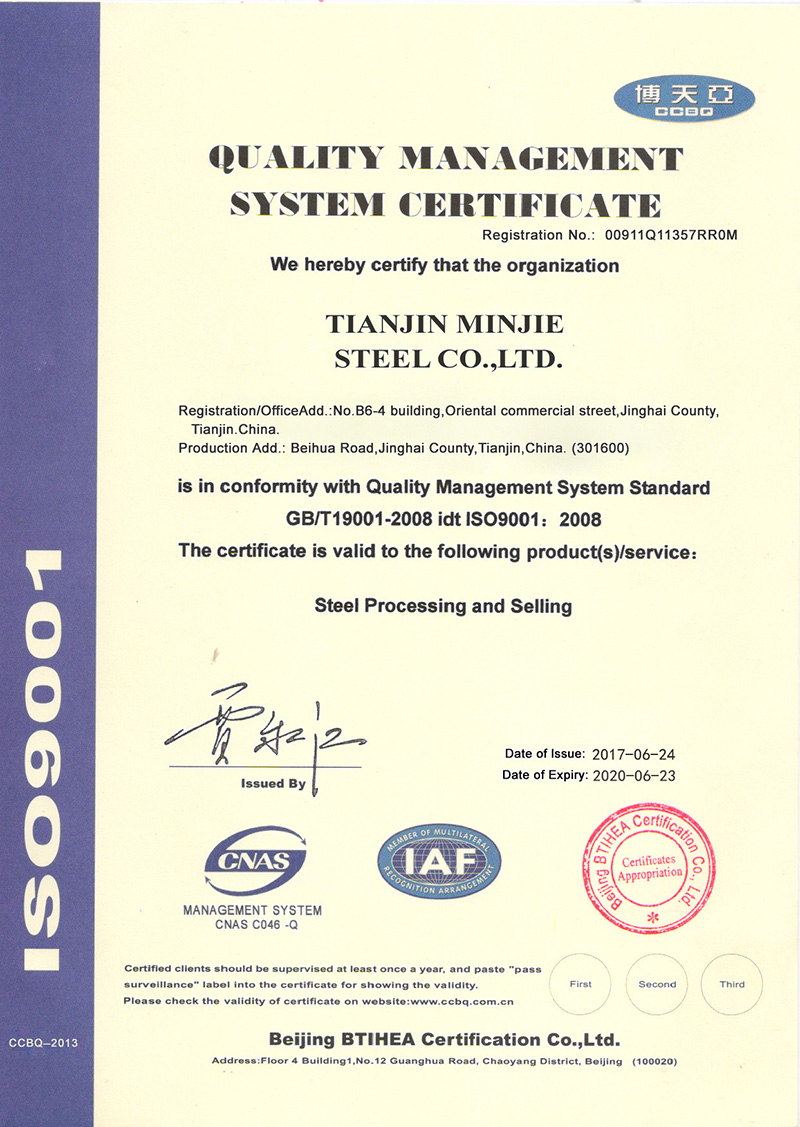
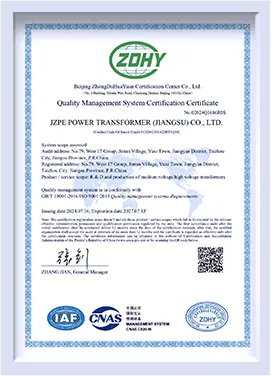
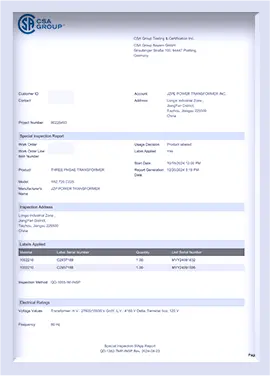
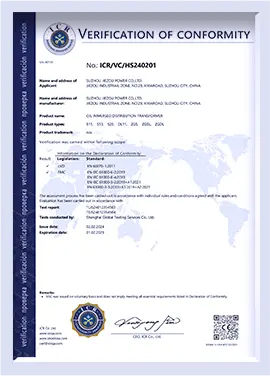
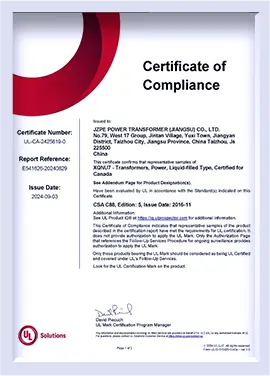
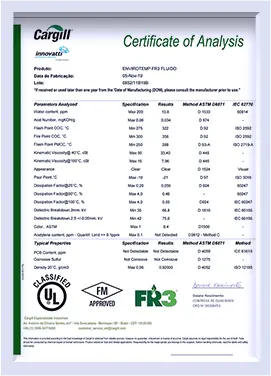
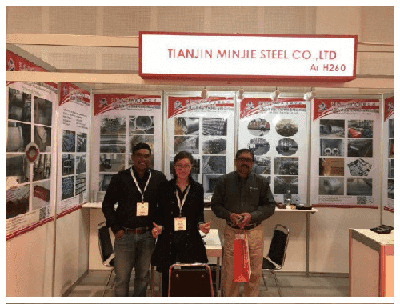
Tianjin Minjie Steel actively participates in the annual Canton Fair, establishing a reliable, direct pipeline for engineering contractors, state-owned procurement representatives, and international distributors. Our exhibits allow procurement officers to interact directly with raw metallurgical certifications, mechanical stress test reports, and patented connection designs.
Over 80% of our new Canton Fair partners schedule follow-up technical inspections at our Tianjin manufacturing hub. This level of verification fosters long-term relationships, allowing global buyers to verify our compliance with complex ISO and regional technical parameters, ensuring supply chain integrity from raw coil to delivered pipe.
Real-world applications of our precision steel products across diverse industrial landscapes.

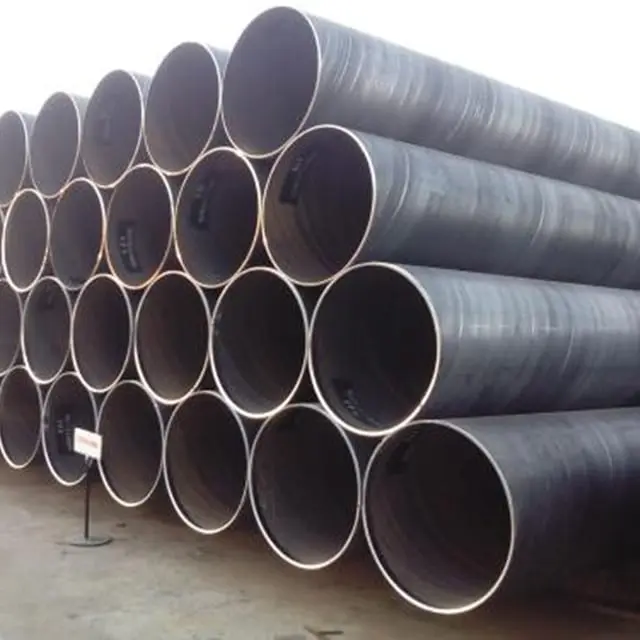
Delivering load-bearing spiral welded steel columns engineered to withstand extreme static loads and environmental corrosion.
Heavy-wall SSAW pipes deployed for abrasive material transport, featuring hardened inner linings for extended life cycles.
High-protection galvanized tube components supplied to commercial agricultural projects throughout the APAC region.
Evaluating mechanical characteristics, dimensions, and operational limitations for strategic selection.
| Feature Parameter | Spiral Submerged Arc (SSAW) | Longitudinal Submerged Arc (LSAW) | Electric Resistance Welded (ERW) | ||||
|---|---|---|---|---|---|---|---|
| Diameter Range | 219 mm – 3020 mm | 406 mm – 1620 mm | 21.3 mm – 660 mm | Wall Thickness | 5.0 mm – 25.4 mm | 6.0 mm – 80 mm | 1.5 mm – 22 mm |
| Residual Stress Profile | Helically balanced; lower peak stress | Higher longitudinal residual stress | Moderate, localized at seam area | ||||
| Tooling Flexibility | High: variable diameters from single coil width | Low: requires specific molds for each diameter | Low: requires rolling-stand configurations | ||||
| Typical Standards | API 5L, ASTM A252, GB/T 9711 | API 5L, EN 10219 | ASTM A53, BS 1387, EN 10217 |
Translating manufacturing specifications into regional structural and pipeline solutions.
For coastal and harbor infrastructures (such as projects in Singapore and coastal Australia), ASTM A252 structural spiral pipes act as load-bearing foundation piles. Their helical configuration resists torsional loads, and FBE coatings prevent saltwater corrosion in tidal splash zones.
SSAW pipes are widely deployed in regional water distribution networks. Internal epoxy linings ensure high-volume water flow, and external 3PE coatings protect pipelines from soil acids, ensuring a service life exceeding 50 years.
With high uniform yield strengths, spiral-welded columns serve as structural supports in transport hubs and heavy industrial plants. The helical weld distributes stress evenly, providing reliable load-bearing performance under seismic conditions.
Addressing key engineering and logistics questions from professional purchasers.
SSAW pipes provide significant production flexibility, allowing manufacturers to produce large-diameter tubes from narrower steel strips. The helical seam distributes internal pressures more evenly compared to a straight seam, which reduces localized stress concentrations. This makes SSAW an exceptionally cost-effective option for large-diameter water pipelines and structural piles.
Our production lines utilize online, real-time ultrasonic testing (UT) and laser tracking systems during the double-sided submerged arc welding process. These systems detect internal weld flaws or deviations instantly. Post-production inspections are supplemented by offline X-ray radiographic checks, physical mechanical tests, and hydrostatic pressure testing to verify weld integrity.
Our proprietary groove, shoulder, and victaulic pipe connection systems provide highly secure joints without requiring field welding. This reduces installation times, eliminates the need for certified onsite welders, and allows for clean thermal expansion and contraction cycles in municipal, fire protection, and mine ventilation pipelines.
For structural, bridge, and marine piling, we conform to ASTM A252 (Grades 1, 2, and 3) and EN 10219. For fluid, gas, and oil pressure lines, we conform to API Spec 5L (PSL1 and PSL2, Grades B through X70) and GB/T 9711. All shipments are supplied with certified Mill Test Certificates (MTC) conforming to EN 10204 3.1.
Our facility is located just 40 kilometers from XinGang Port (Tianjin). This proximity minimizes domestic shipping fees and handling risks, ensuring efficient transit for large project volumes and fast delivery to international container vessels or bulk carriers.
Yes. We operate 3 dedicated hot-dipped galvanizing lines. We apply zinc coating weights exceeding 300g/m² (up to 500g/m² depending on specification), providing a thick barrier protection layer that insulates steel surfaces from high-moisture agricultural and industrial environments.
Each batch is tracked by a unique heat code. We provide complete quality inspection files, including ultrasonic test results, radiographic testing (RT) records for pipe ends, hydrostatic test logs, dimensional verification checks, and chemical analysis certificates for the source steel coil.
Standard sizes are processed through existing scheduling protocols within 15–20 days. For custom diameters, structural thicknesses, or specialized steel grades, lead times range from 30 to 45 days, depending on coil sourcing timelines from partner mills (such as Shougang and Baosteel).
We supply pipes pre-finished with a selection of corrosion protection systems, including 3-Layer Polyethylene (3PE) coating, Fusion Bonded Epoxy (FBE), coal tar epoxy, and rust-inhibiting black varnishes.
We maintain strategic purchase frameworks with major domestic steel suppliers. These relationships stabilize our raw material costs and allow us to provide reliable pricing and consistent supply schedules, even during periods of global market volatility.
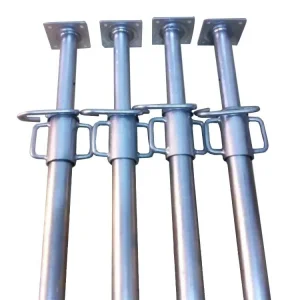
High-durability structural components, scaffolding systems, and specialized piping products.
 Minjie Steel