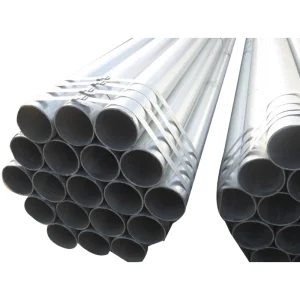
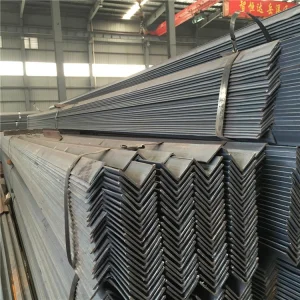
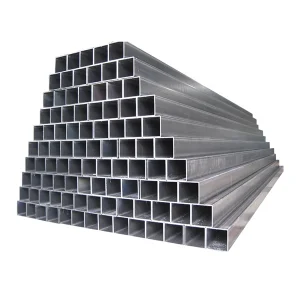
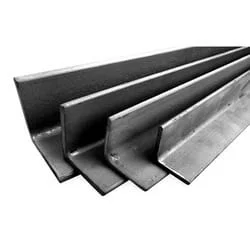
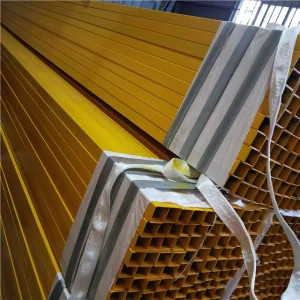
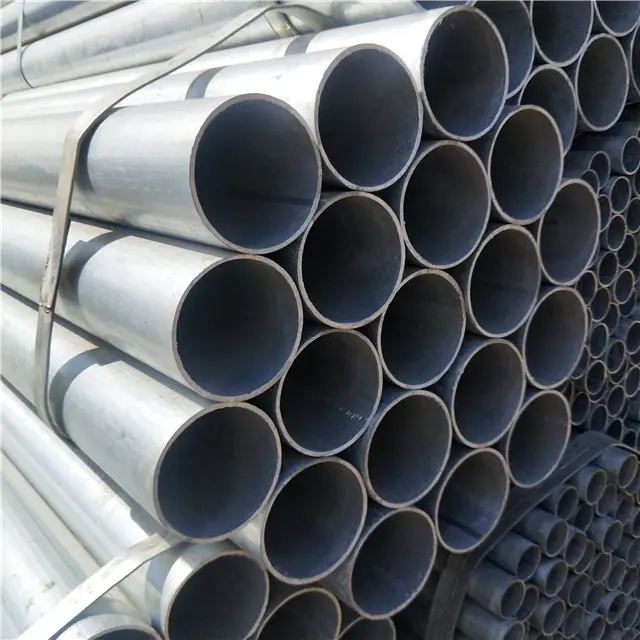
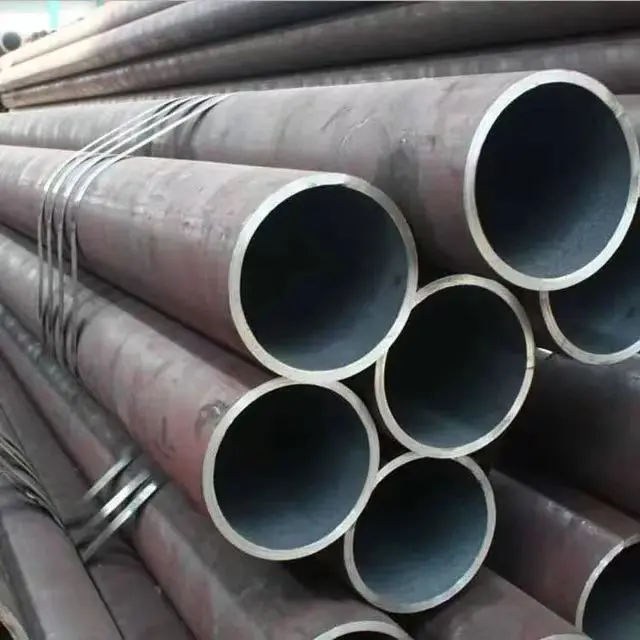
Explore our leading pipeline products engineered with advanced powder coating, corrosion protection, and precise structural configurations. All links below point directly to official product detail pages.
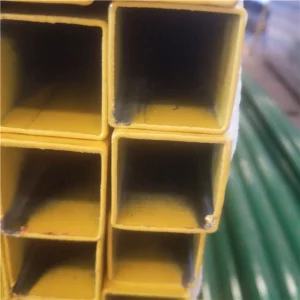
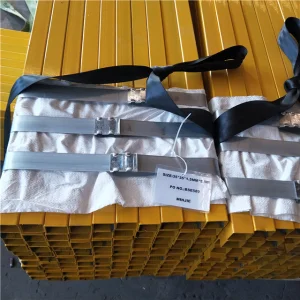
Modern industrial piping is undergoing a significant transition. Traditional corrosion-prevention methods, such as hot-dip galvanizing and wet-liquid painting, are facing scrutiny due to rising environmental regulations (specifically VOC emissions controls) and mechanical limitations in highly acidic, marine, or dynamic engineering environments. Today, Powder Coating Pipes serve as a cornerstone of infrastructural integrity, combining chemical resistance with structural durability.
Historically, piping relies on liquid lacquer to protect underlying steel from oxidation. However, liquid coating contains solvents that dry through evaporation, often leading to microscopic pinholes in the dry film. These microscopic channels allow moisture, oxygen, and chlorine ions to penetrate the substrate, causing premature rust. Industrial powder coating replaces liquid carriers with electrostatic attraction. Under heated curing conditions, dry epoxy, polyester, or hybrid thermoplastic particles fuse together to create a continuous, highly uniform layer. This chemical barrier boasts structural flexibility, preventing chipping or cracking when the underlying pipe experiences mechanical deflection or thermal cycling.
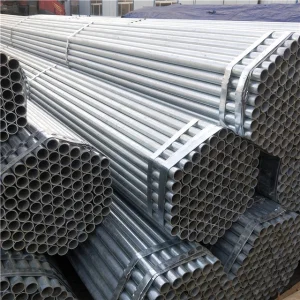
By pairing hot-dip galvanizing or zinc plating with a top-layer electrostatic polyester coating, our piping solutions display exceptional double-barrier protection against electrochemical corrosion.
Exceptional resistance to impact, flexing, and abrasion. The thermosetting polymer network creates a tough, flexible film that handles jobsite transit and erection stress without compromising aesthetics.
No organic solvents, reducing fire hazards and hazardous waste. Compliance with European Union REACH and environmental legislation makes it a preferred choice for green building specifications.
Engineering departments rely on standardized testing to justify the selection of powder coating systems over classic liquid systems. The table below represents standardized performance criteria for premium electrostatic applications:
| Performance Property | Standard Powder Coated Tube | Hot-Dip Galvanized (HDG) | Traditional Liquid Painted Steel |
|---|---|---|---|
| Salt Spray Resistance (ASTM B117) | Up to 1000 - 1500 hours | Dependent on zinc layer thickness | 240 - 500 hours (prone to blistering) |
| UV Protection (ASTM G154) | Excellent (Polyester & TGIC-free formulas) | Fair (oxidizes to dull grey) | Poor (chalking and color fading) |
| VOC Emissions during coating | 0 g/L (Dry powder application) | Negligible (thermal process) | High (contains solvents and thinners) |
| Impact Toughness (ASTM D2794) | 160 in-lbs (High deformation resistance) | Brittle (zinc layer may flake under bending) | Low (susceptible to localized chipping) |
Industrial procurement departments faces dynamic pressures. From raw steel price fluctuations to transport disruptions, buying raw materials is no longer just about cost-per-ton. Procurement managers are shifting their focus to total cost of ownership (TCO) and long-term lifecycle savings.
Key procurement demands when choosing a factory partner include:
By focusing on these issues, companies like Tianjin Minjie Steel Co., Ltd. have positioned themselves as reliable global partners. Their modern production base is located just 40 kilometers from XinGang Port (Tianjin), the largest port in Northern China, enabling prompt loading, minimized port-handling fees, and predictable container schedules.
The modern steel pipe industry relies on automated process controls. Standardizing fabrication protocols removes human error, maximizes utilization rates, and lowers energy overheads.
Implementing a Full Automatic Powder Coating Line System for Metal Tubes allows manufacturers to scale up production. The automation sequence features several key steps:
Multi-stage cleaning removing surface scale, oils, and particulate matter. Application of a thin conversion layer (such as zinc phosphate or advanced nano-ceramic zirconium) maximizes powder adhesion.
Evaporating residual moisture to ensure zero water vapor is trapped beneath the polymer matrix, which prevents future paint blistering.
Reciprocating spray guns deposit a uniform powder layer. The charge difference guides the powder to wrap around the cylindrical or square contours of the pipe, minimizing overspray and waste.
The tubes pass through a convection curing oven. Precise temperature profiles between 180°C to 200°C trigger the chemical cross-linking of the polymer, resulting in a durable, protective shell.
Established in 1998, Tianjin Minjie Steel Co., Ltd. has developed into a leading manufacturer and exporter of steel pipes and profiles. With a manufacturing site spanning over 70,000 square meters and situated just 40 kilometers from XinGang port, we are positioned to serve global markets.
Our production facilities include:
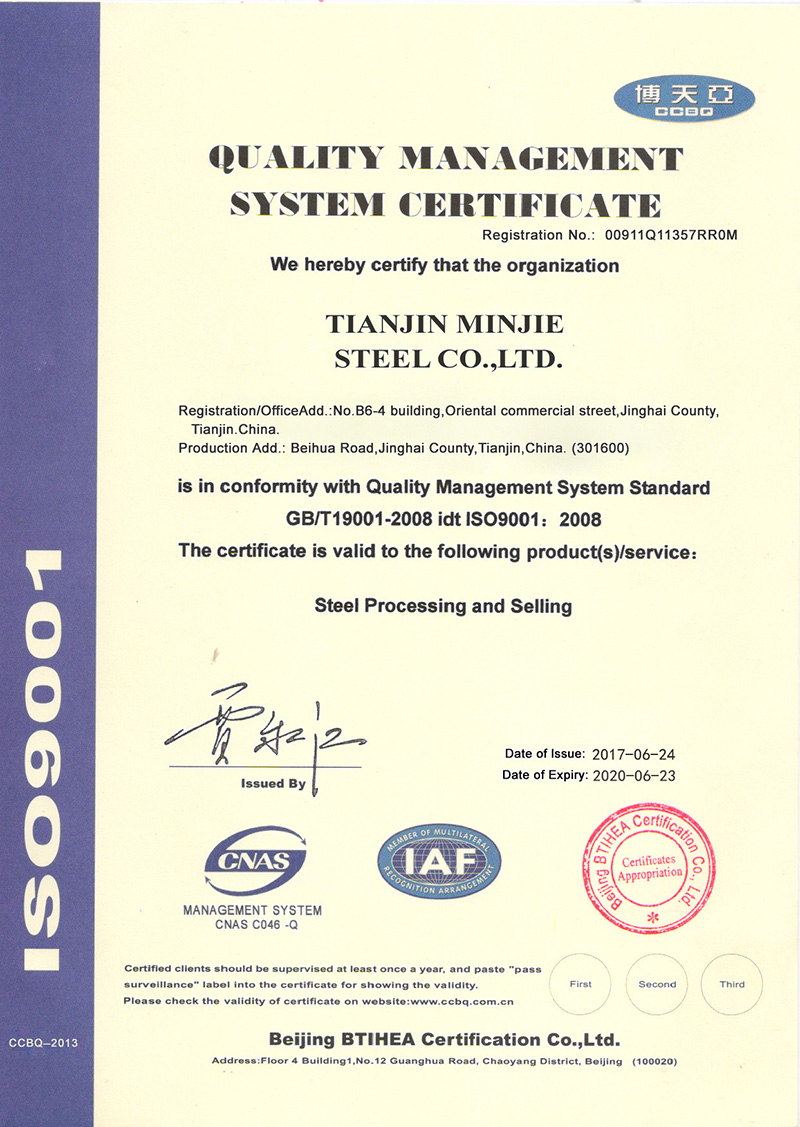
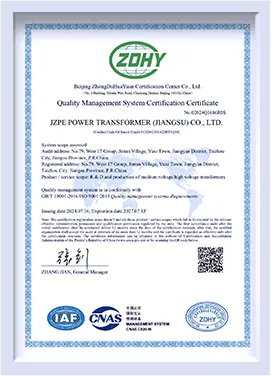
Tianjin Minjie Steel has secured three distinct process patents for specialized connection systems: groove pipes, shoulder pipes, and victaulic pipes. All products are certified to ISO9001 standards and manufactured to meet GB, ASTM, DIN, and JIS specifications.
Our commitment to quality has enabled us to partner with clients across several major markets:
In September 2019, our team visited structural engineering clients in Singapore. Their demand focused on customized pre-galvanized profiles for clean-room structural supports. Our quick manufacturing and compliance with EN 10219 standards earned positive feedback.
In 2019, Korean agricultural developers visited our facilities to finalize custom designs for high-flexibility structural steel tubes. We achieved tight dimensional tolerances, resulting in ongoing project partnerships.
A long-term Australian client visited our factory in November 2018. They audited our manufacturing lines to verify our welding processes and material tracing. This successful verification established us as a preferred supplier for mining platform components.
In 2019, an Indian procurement group visited several regional factories and selected Tianjin Minjie Steel. We established a monthly contract for 10 containers, delivering ERW black and powder coated conduit tubes for local industrial zones.
A visiting delegation in June 2017 finalized an immediate order for 1,000 tons of structural steel pipes to support reconstruction and urban utility framing projects in Beirut.
After initial discussions at the Canton Fair, our Saudi Arabian clients visited our factory in 2018. We established a long-term supply agreement for structural scaffolding and utility pipes for energy development sites.
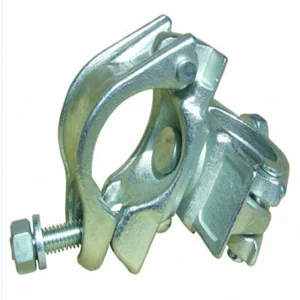
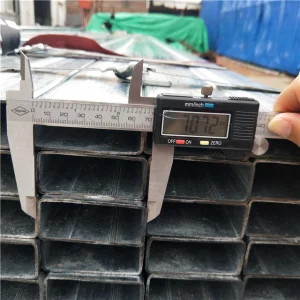
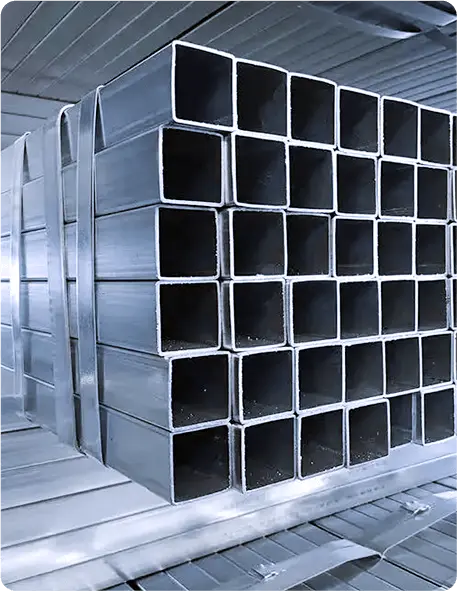
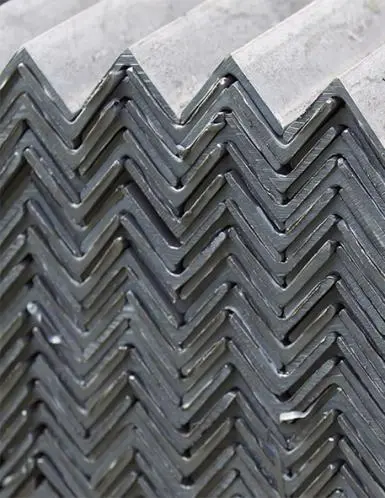
Explore our full range of structural and commercial piping options, featuring standard carbon steel, hollow section tubes, and heavy-duty scaffolding components.
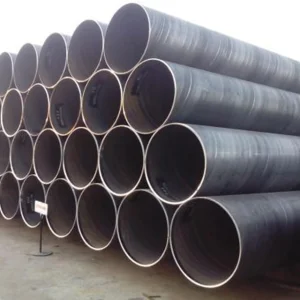
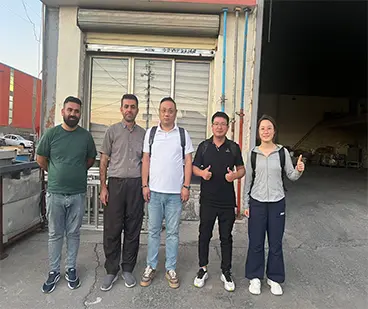
To maintain full transparency, the following gallery showcases the original verified factory images, industrial certifications, client visits, and product groupings from our historical records.
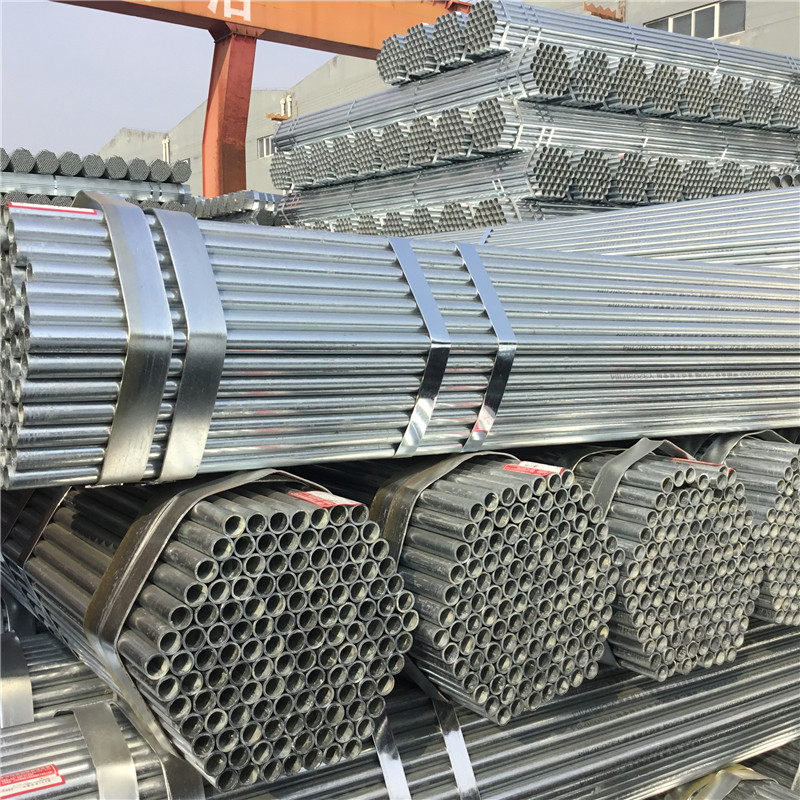 Factory Entrance & Main Building
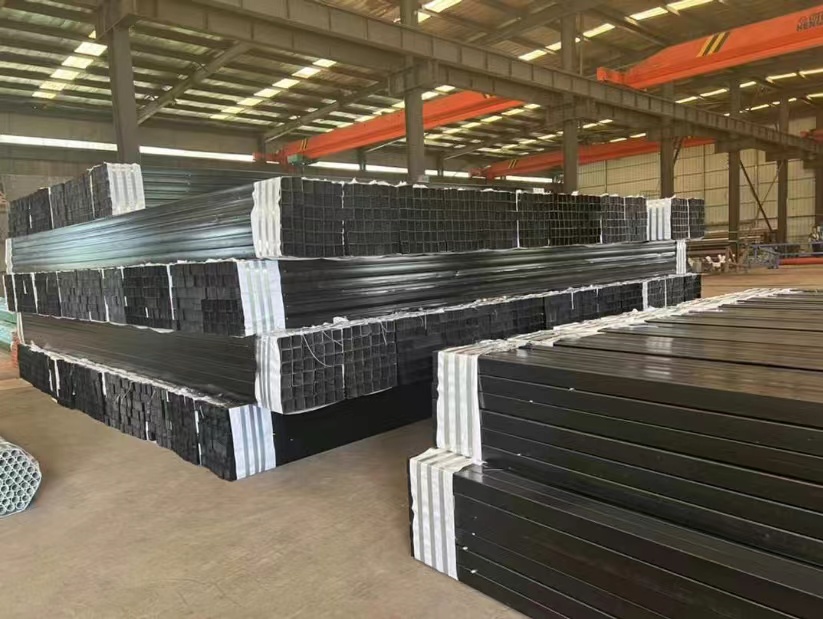 High-Frequency ERW Tube Mill
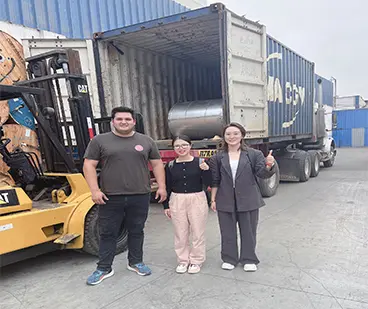
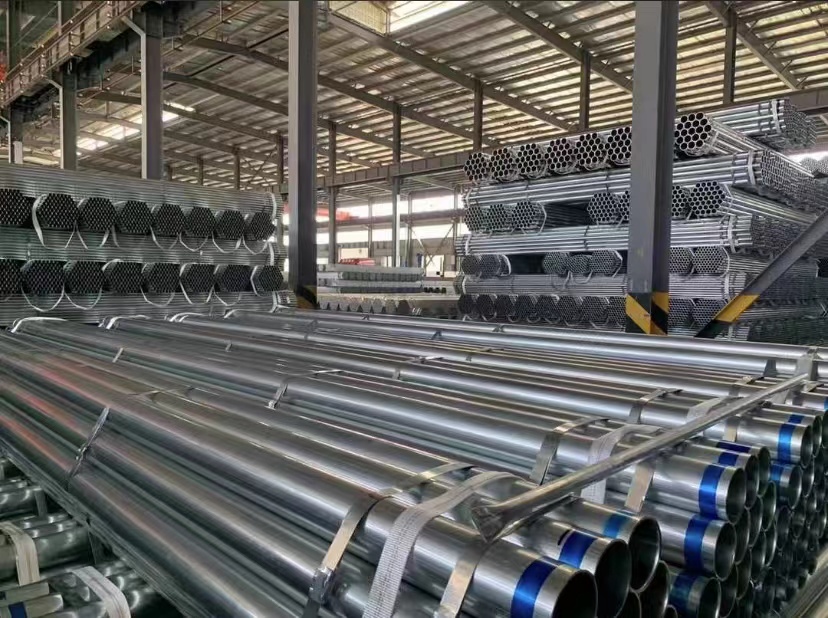 Logistics & Port Operations
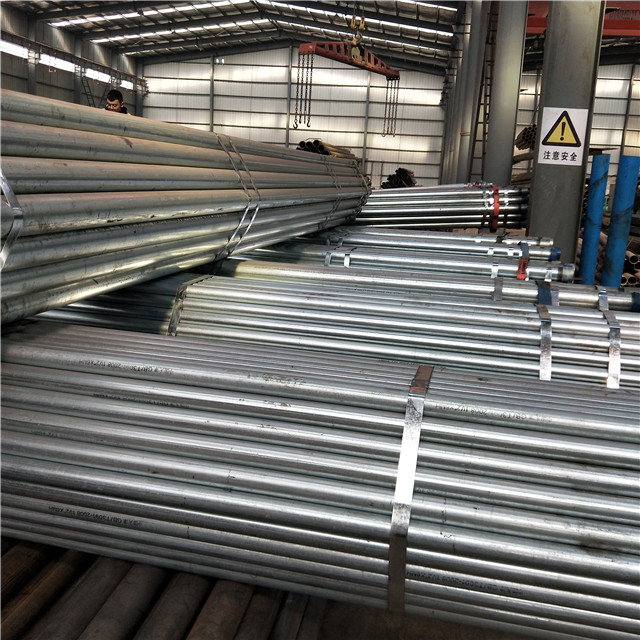
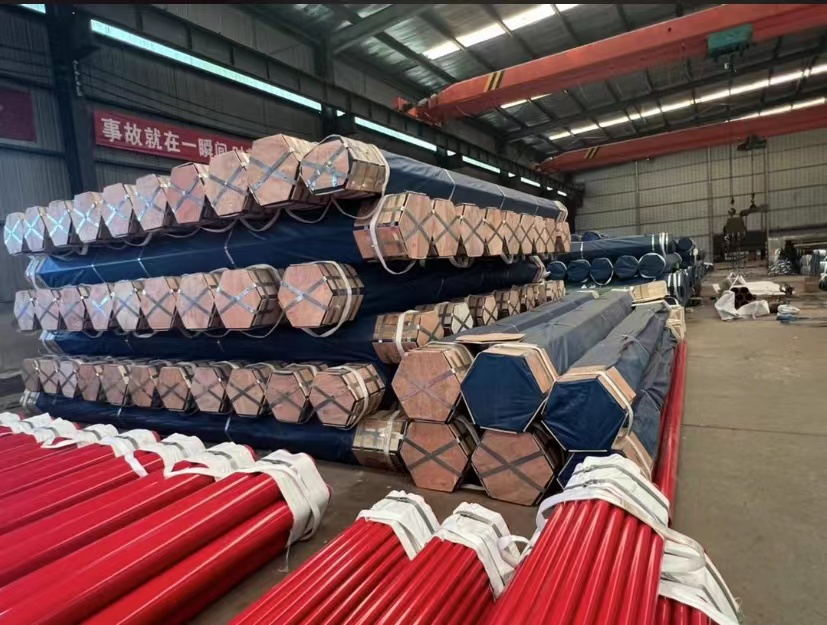 Indoor Storage Facility
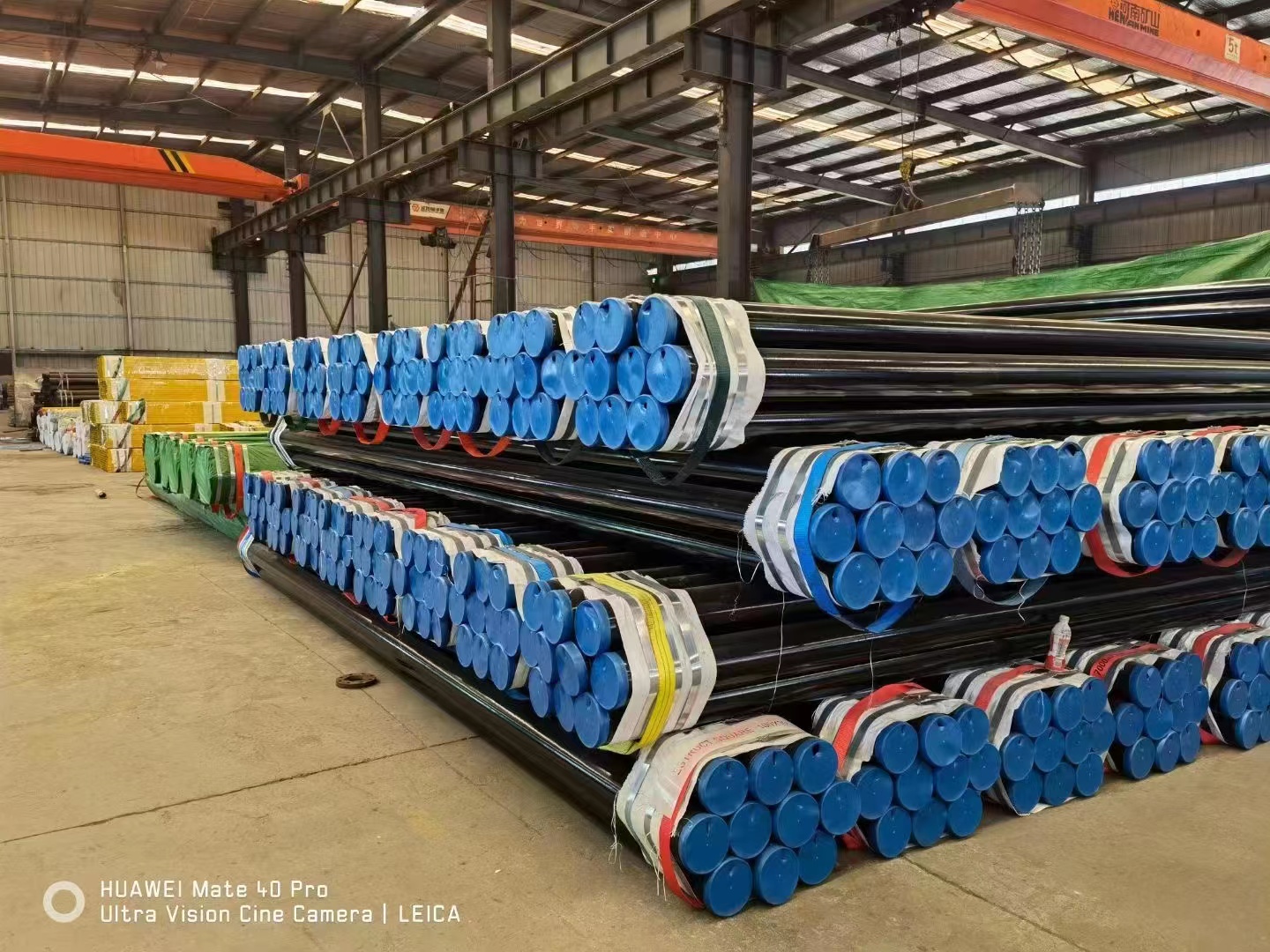 Warehouse Loading Area
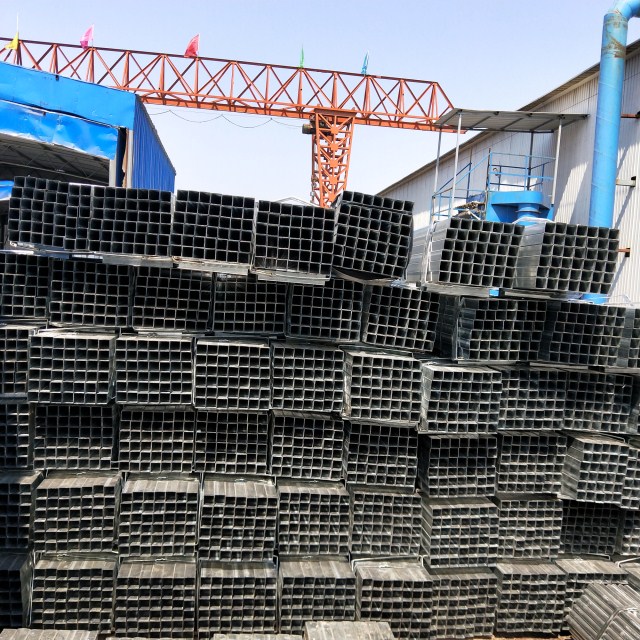
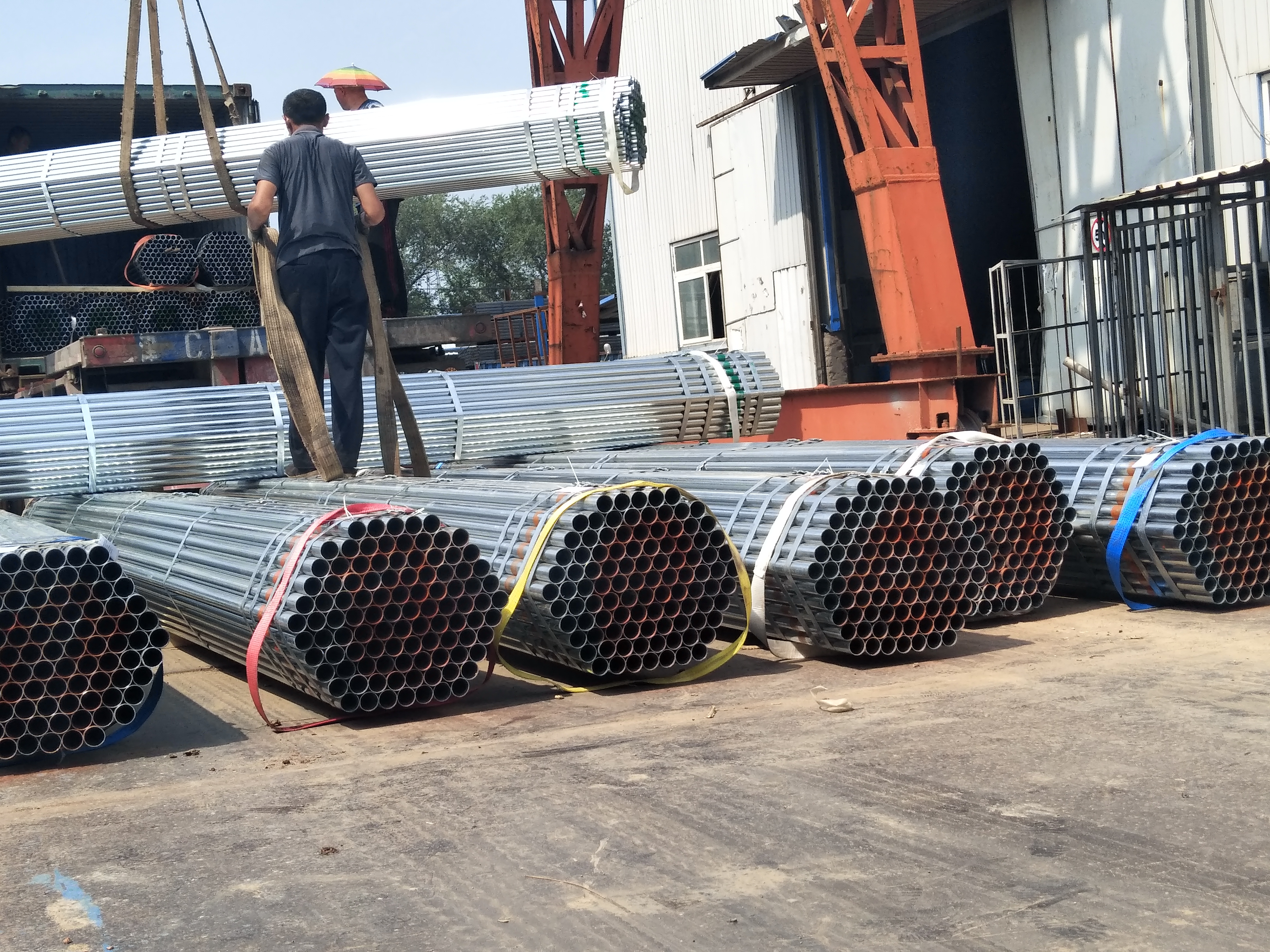
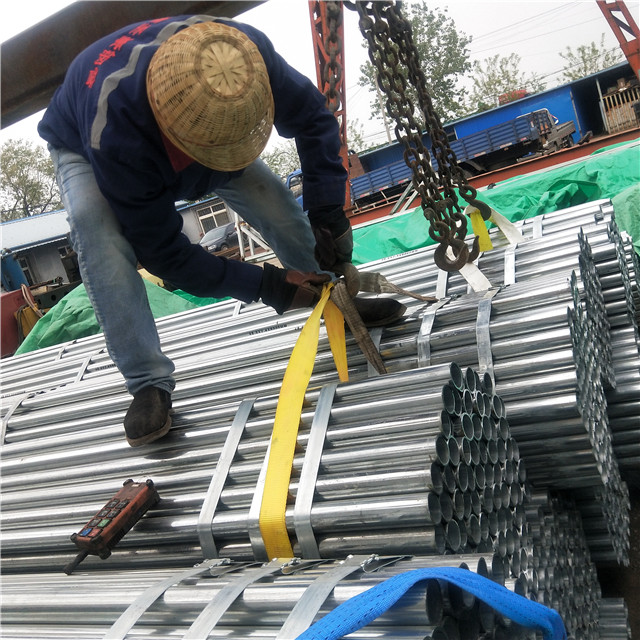
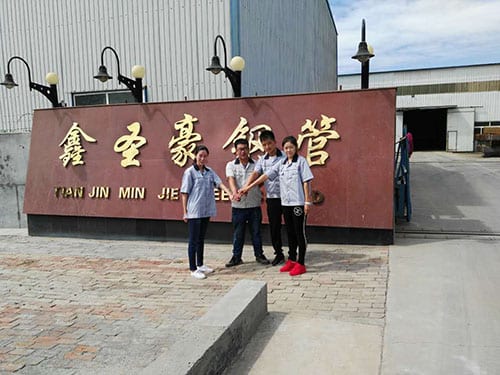
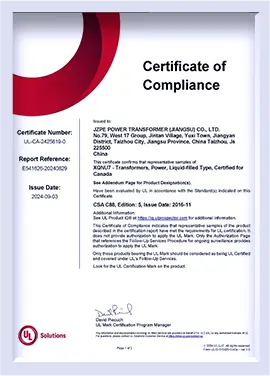
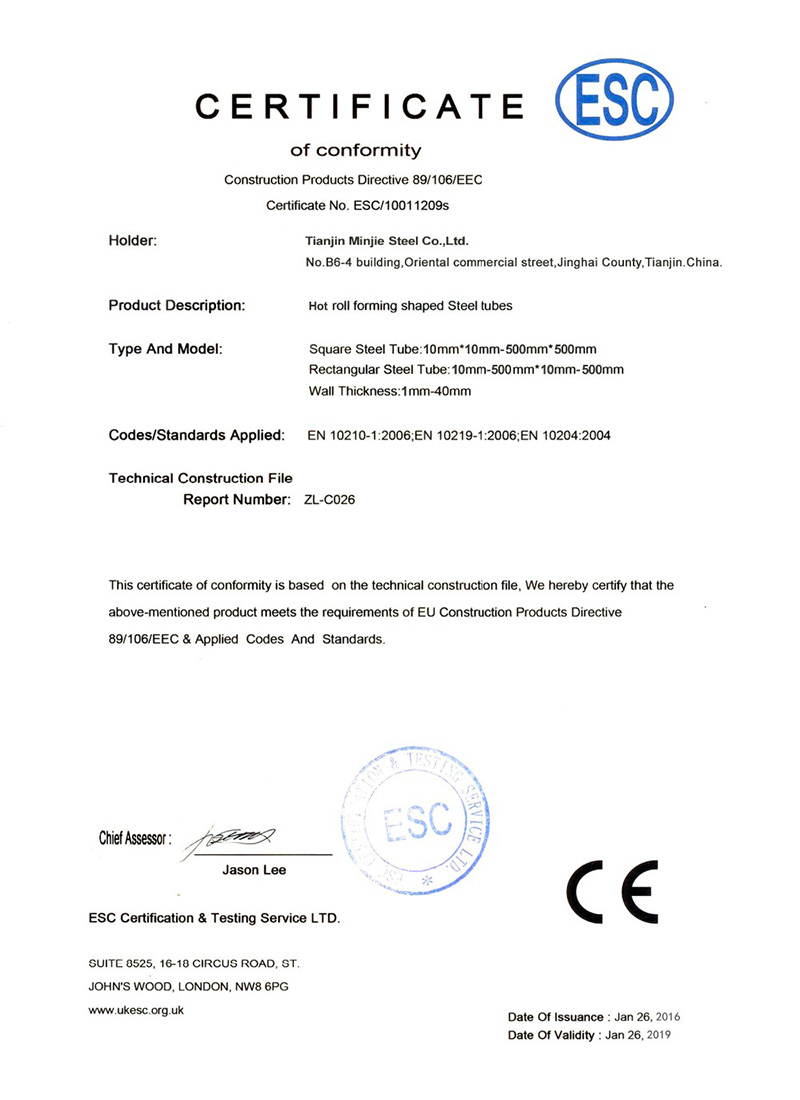 ISO Quality Management System Certification
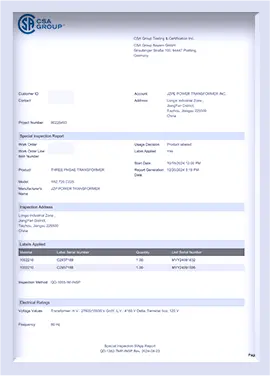
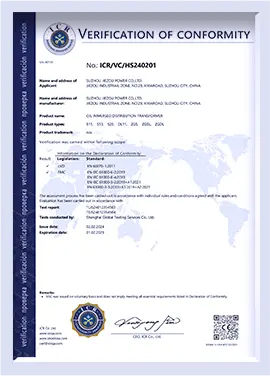
 Bureau Veritas & SGS Technical Verification Report
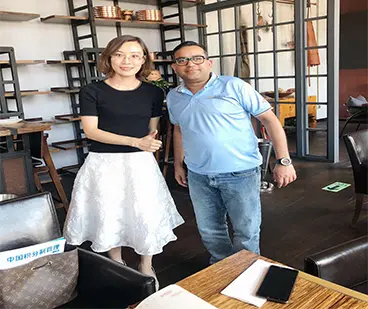
 Singapore Team Meeting (2019)
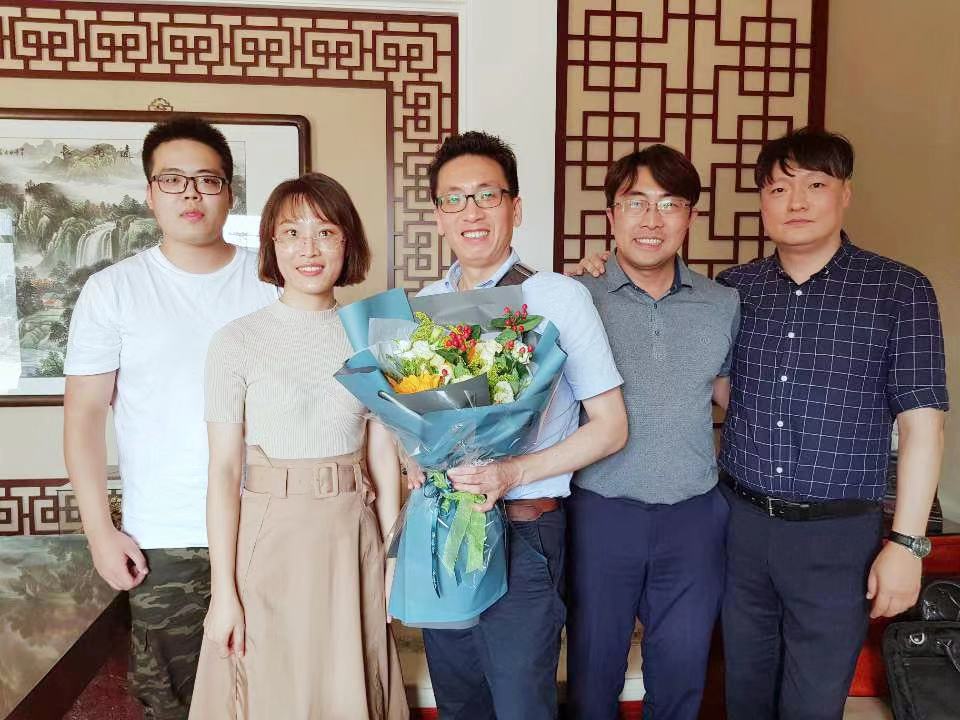 South Korea Custom Design Validation
 Australia Long-term Partner Audit
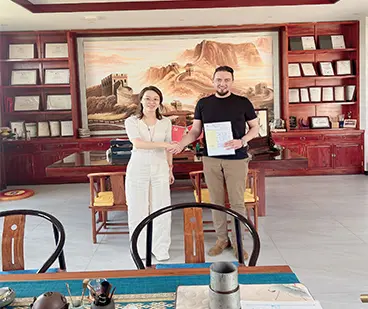
 India Contract Signing Meeting
 Lebanon Order Delivery Audit
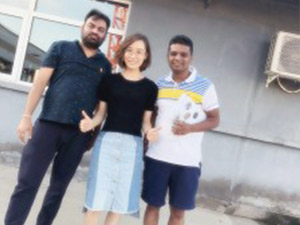 Saudi Arabia Canton Fair Follow-up
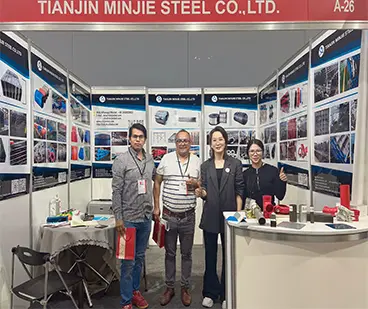
We regularly attend international trade shows, including the Canton Fair, which allows us to meet with global partners and establish long-term relationships.
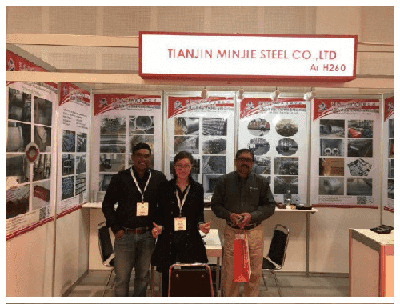 Canton Fair Booth Presentation
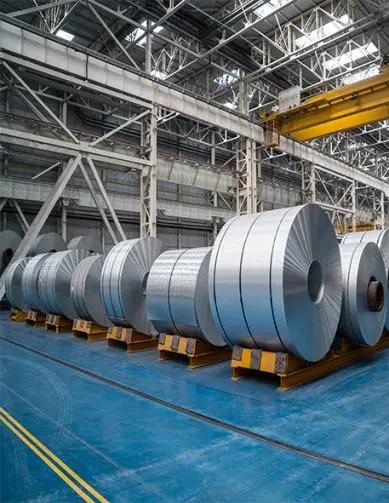
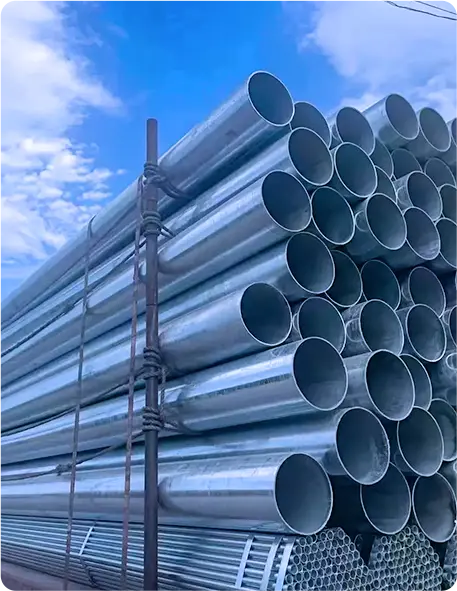

 Minjie Steel