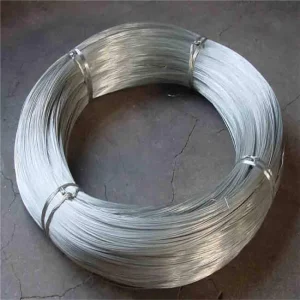
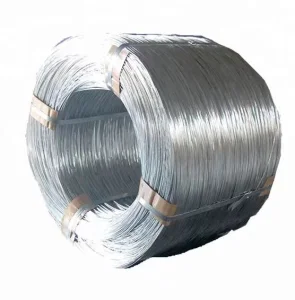
During hot-dipping at ~450°C (842°F), molten zinc reacts with the steel substrate. This creates a multi-layered barrier comprising the Eta phase (100% Zn), Zeta phase (94% Zn, 6% Fe), and Delta phase (90% Zn, 10% Fe). This metallurgical bond is significantly more resilient to shear forces and impact than simple electroplating.
Unlike paint coatings that fail catastrophically once scratched, galvanized wire provides active cathodic protection. Because zinc has a lower electrode potential than iron, it serves as a sacrificial anode, oxidizing to protect any exposed steel core. This is critical for harsh industrial and agricultural boundary lines.
High-quality suppliers structure their catalog around critical industry compliance certifications. Products must adhere to ASTM A641 (Standard Spec for Zinc-Coated Carbon Steel Wire), EN 10244-2, and JIS G3547. These standards dictate exact mass coatings of zinc ($g/m^2$) matching structural life requirements.
| Coating Class (ASTM A641) | Typical Zinc Weight Range ($g/m^2$) | Ideal Exposure Environment | Relative Corrosion Lifespan |
|---|---|---|---|
| Class 1 Coating | 45 – 90 | Dry inland regions, temporary structural fencing | 5 - 10 Years |
| Class 3 / Class A Coating | 240 – 290 | Industrial sectors, humid agricultural fields | 20 - 30 Years |
| Heavy Zinc / Class C Coating | 360+ | High-salinity marine environments, chemical plants | 40+ Years |
The demand for high-quality hot dipped galvanized steel wire suppliers is undergoing a dramatic shift, driven by a global focus on long-lasting infrastructure. Projects in North America, Europe, and Asia-Pacific are increasingly factoring in lifecycle costs rather than initial expenditure. As a result, procurement engineers are requiring strict performance data, including tensile testing, wrapping tests (to verify zinc coating adhesion), and salt spray chamber exposure metrics.
Key industries requiring these materials are scaling rapidly:
Power grids and undersea communication cables require steel wires that provide robust mechanical shielding against subsea currents, earth movements, and marine life. In these applications, galvanized wires must maintain precise tensile strength (often low-carbon or medium-carbon ranges) and highly uniform diameters to prevent damage during high-speed twisting processes.
Farming boundaries and livestock confinement demand wires that withstand atmospheric corrosion, animal pressure, and physical impacts. High-tensile low-carbon and spring-steel core wires dipped in a heavy zinc bath are standard choices, guaranteeing structural stability for decades without sag or breakage.
Suspension bridge structures, utility poles, and construction materials heavily rely on tensioned multi-strand galvanized configurations. The zinc coating acts as a shield against weather, ensuring that core-tension wires remain safe from degradation under variable loads.
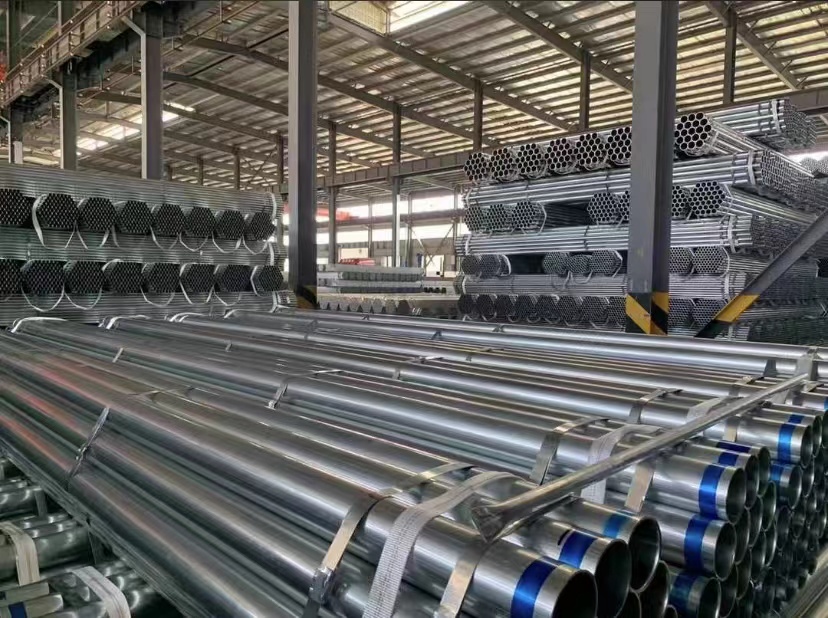
To understand the operational capabilities that back our galvanized steel line, we look to the infrastructure of Tianjin Minjie Steel Co., Ltd. Founded in 1998, our factory spans more than 70,000 square meters, strategically located just 40 kilometers from the XinGang Port—the largest port in Northern China. This close proximity ensures robust logistic support and decreases transit times for ocean-bound containers.
Tianjin Minjie is not just a standard assembly plant; we are an advanced manufacturer with specialized patents and certifications. Our production facility operates:
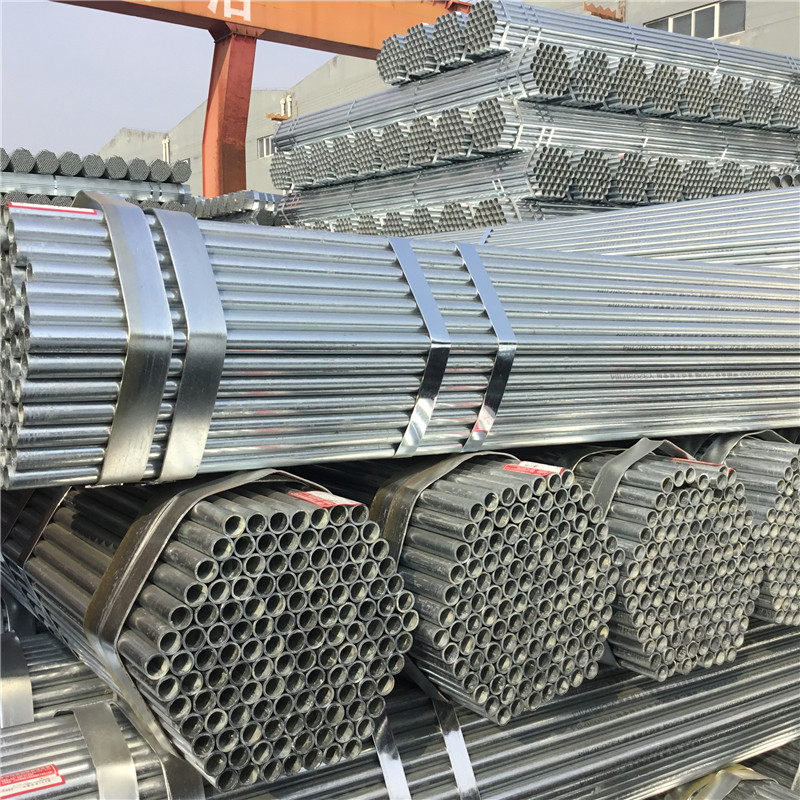
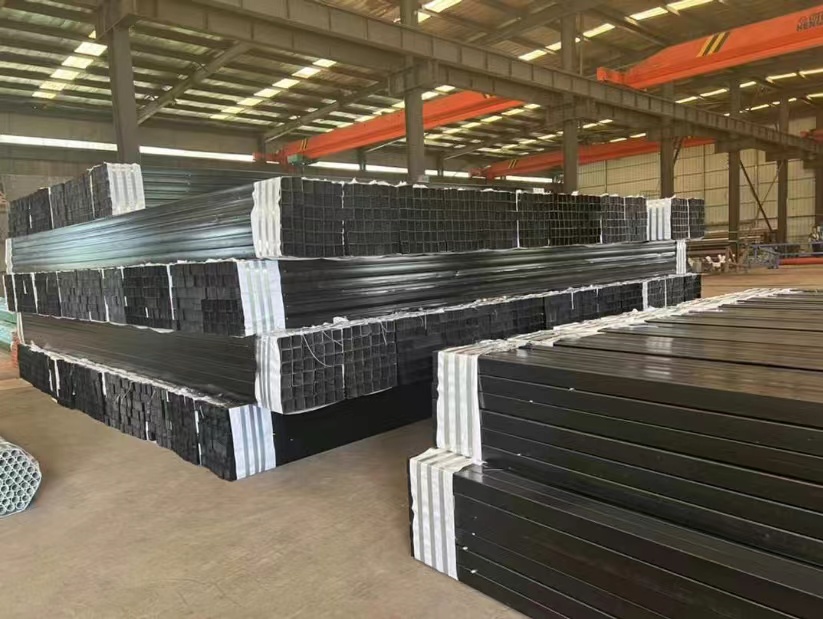
All manufacturing plants operate under the ISO9001 quality management certification, matching national and international standards (GB, ASTM, DIN, JIS). Our yearly output exceeds 300,000 tons of premium steel pipes, scaffold components, and structural wire, ensuring supply chain stability for our partners.
For over two decades, our factory representatives and technical advisers have traveled globally to assist regional engineering projects and build long-term relationships:
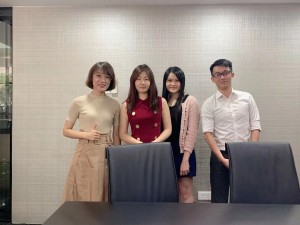
In September 2019, our team visited key clients in Singapore, solidifying partnerships for high-humidity structural piping and cabling projects.
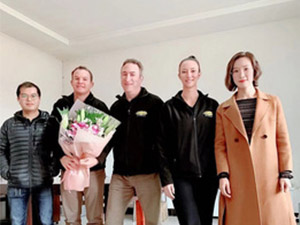
In November 2018, long-term Australian distributors inspected our hot-dip facilities to secure heavy tension fencing wire supply lines.
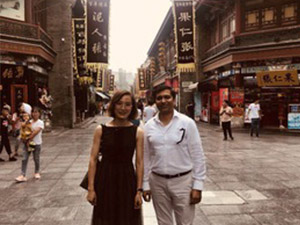
In June 2017, partners from Lebanon placed direct orders for 1,000 tons of structural tubes and high-grade wire, expanding regional operations.
Korean telecom and utility infrastructure demands high structural strength wire stay strands that do not warp under intense sub-zero winters. Standard hot-dipped lines are calibrated to prevent brittleness, keeping the core steel structure safe under heavy ice loads.
Middle-Eastern desert settings present unique corrosion challenges with high heat, low rainfall, and dry sand erosion. Meeting these conditions requires steel wire with thick, uniform zinc-alloy layers that resist structural sandblasting and extreme heat cycles.
During the 2019 trade summits, electrical grid infrastructure companies in India contracted 10 containers per month of heavy-galvanized earth wire. This demonstrates the trust international buyers place in our wire’s electrical grounding safety and durability.
The core difference lies in the thickness of the zinc coating and the bonding method. Hot-dipping immerses the steel wire in molten zinc at high temperatures, creating a thick (typically 100–300+ $g/m^2$), metallurgically bonded iron-zinc alloy layer. Electro-galvanizing utilizes electroplating to deposit a thin, uniform pure zinc coating (usually 10–25 $g/m^2$). For outdoor infrastructure, marine environments, and construction applications, hot-dipped galvanized wire offers significantly longer corrosion resistance.
Under international standards such as ASTM A90 and EN ISO 1461, coating weight is tested via magnetic thickness gauges or through chemical stripping tests. Stripping tests involve weighing a wire sample before and after removing the zinc layer in an acid bath. This measures the exact mass of zinc per unit surface area ($g/m^2$), ensuring compliance with procurement standards.
Standard low-carbon hot dipped galvanized wire is highly ductile and does not suffer from stress corrosion cracking. However, for high-tensile spring steel wire and structural bridge cables, drawing processes must be carefully managed to avoid hydrogen embrittlement. Tianjin Minjie implements precise annealing and post-plating cooling systems to prevent embrittlement.
Quality control starts with our steel billets. Operating under the ISO9001 system, every batch undergoes chemical testing prior to drawing. Tension, elongation, and wrapping tests are conducted after galvanizing. Our proximity to the XinGang Port allows our QC team to monitor shipping containers closely, ensuring products arrive free from oxidation and physical damage.
The wrap test evaluates the adhesion and flexibility of the zinc coating. The wire is wrapped around a mandrel of a specified diameter (often 1x to 4x the wire thickness). High-quality hot-dipped wire must show no flaking or cracking of the zinc coating under visual inspection. This verifies the presence of a healthy metallurgical bond.
 Minjie Steel