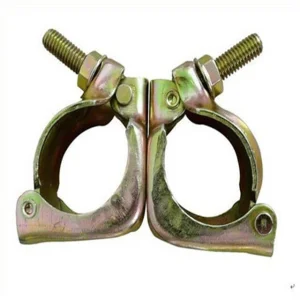
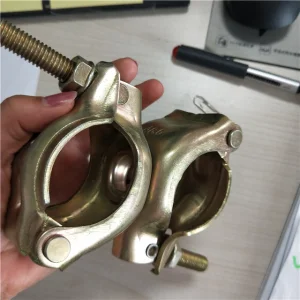
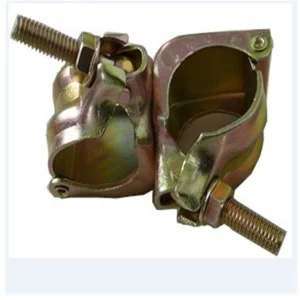
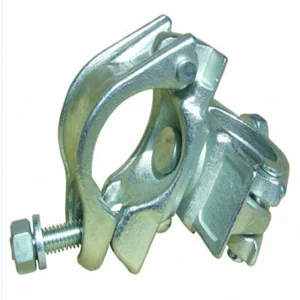
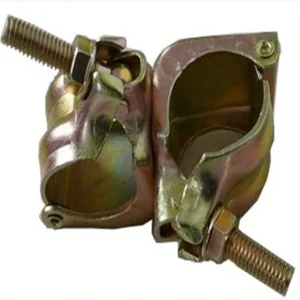
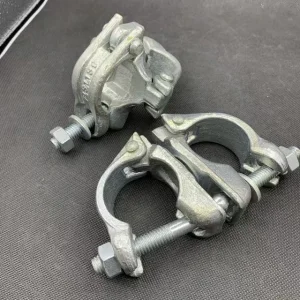
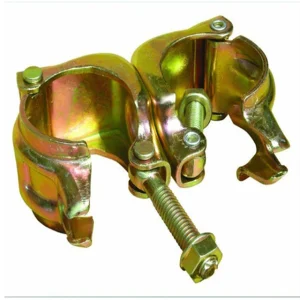
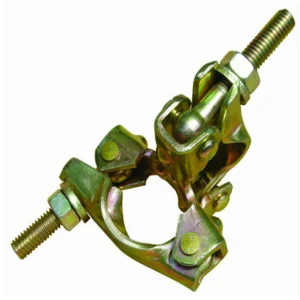
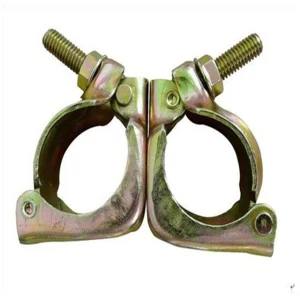
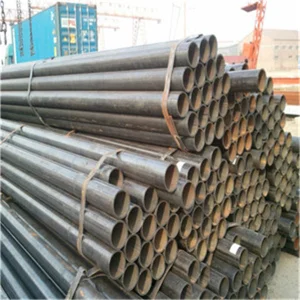
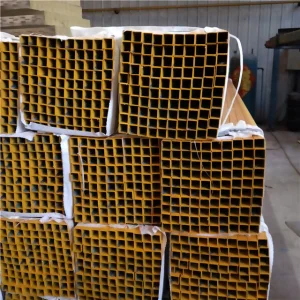
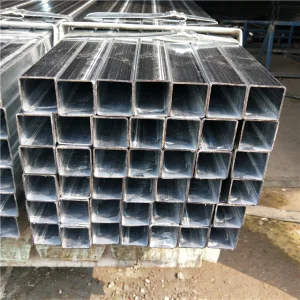
Explore our foundational range of structural connectors engineered to comply with British (BS 1139), European (EN 74), and Japanese Industrial Standards (JIS).
Temporary structural works form the backbone of modern civil engineering, mega-infrastructure, and high-rise commercial developments. At the core of scaffolding safety lies the integrity of structural connectors: scaffold couplers. A single point of joint failure can compromise the structural load path, risking catastrophic failures and severe liability issues. As a leading specialized manufacturer, we present this technical whitepaper detailing the engineering mechanics, testing parameters, and compliance structures critical for Tier-1 contractors, structural engineers, and global procurement directors.
We leverage information gain to bridge the knowledge gap between procurement efficiency and structural reliability. In scaffold coupler design, small variations in chemical composition, metallurgical structures, and dimensional tolerances can lead to profound variances in slip resistance and ultimate load-bearing capacities. Selecting the correct supplier is not merely a purchase decision; it is a fundamental safety protocol.
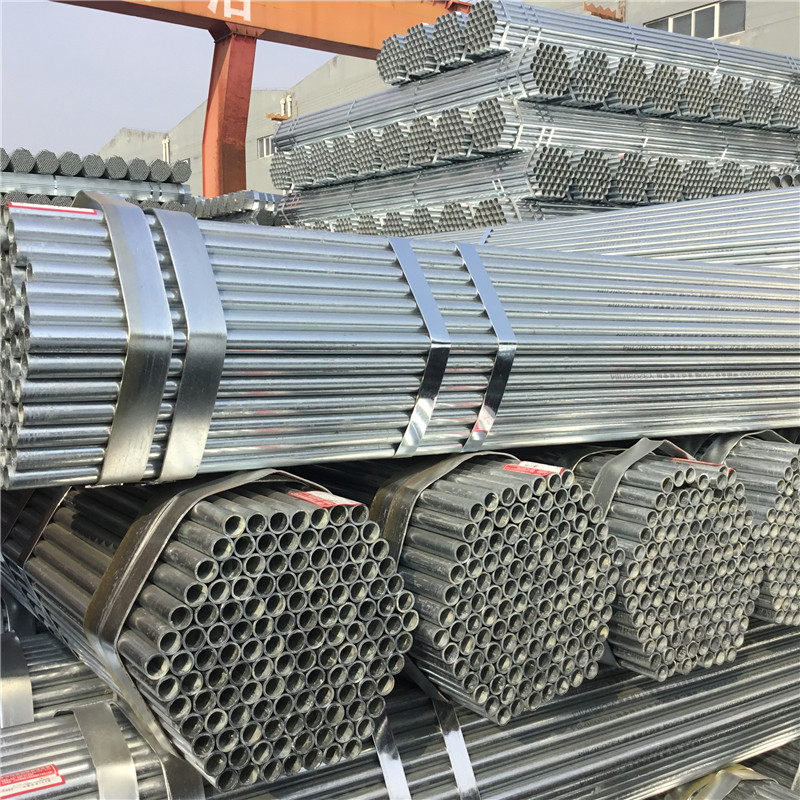
Established in 1998, we have spent over two decades building a world-class manufacturing platform for structural steel and scaffolding solutions.
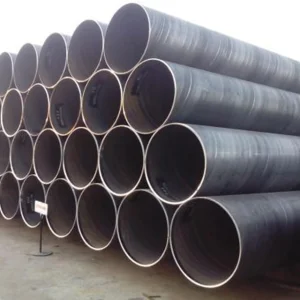
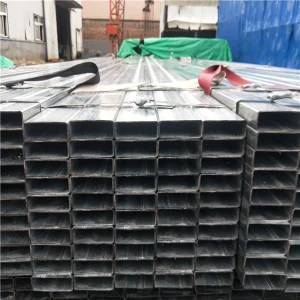
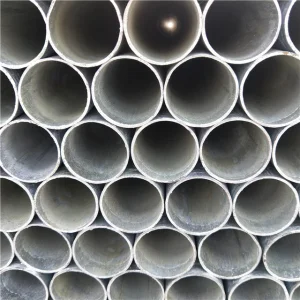
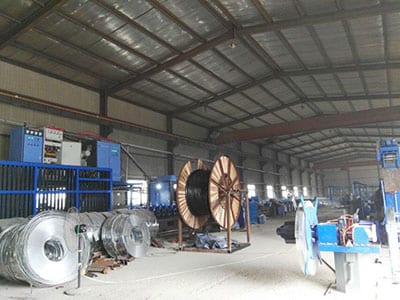
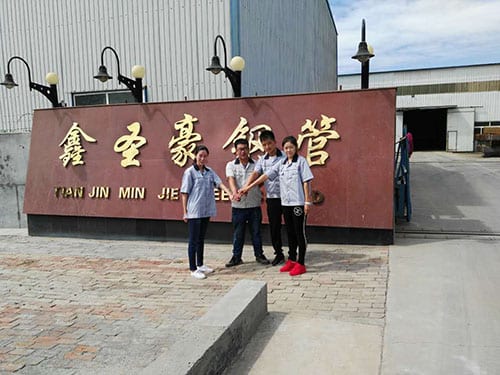
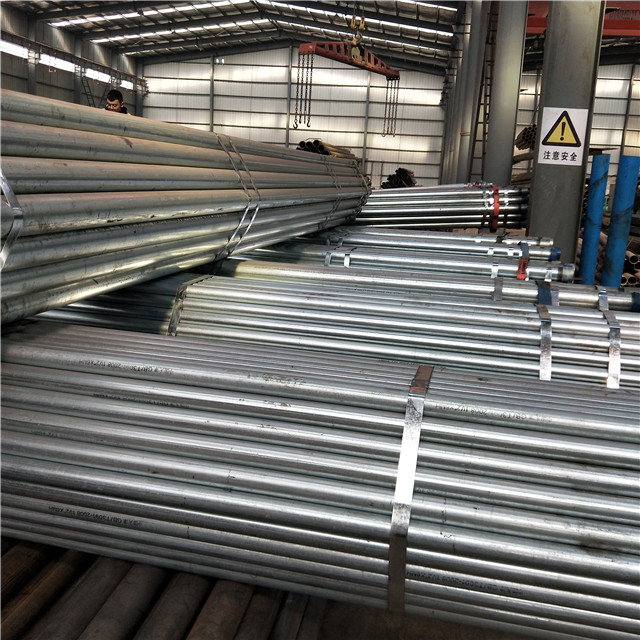
Tianjin Minjie Steel Co., Ltd. is a leading manufacturer and exporter of steel and structural products based in Northern China. Located just 40 kilometers from XinGang Port (Tianjin), the largest port in Northern China, we optimize global supply chains by minimizing domestic transport times and inland freight costs. Our production facilities house 4 pre-galvanized product lines, 8 ERW steel pipe lines, and 3 hot-dipped galvanized process lines, operating under stringent ISO 9001 quality management structures.
Our ongoing commitment to metallurgical innovation has led to the registration of 3 key patents in structural steel pipes: groove pipes, shoulder pipes, and victaulic pipes. In our specialized scaffolding division, raw steel coils (Q235, Q345, S275JR) are processed with precision tolerances to manufacture high-yield structural steel couplers and tubes that exceed standard stress-test parameters globally.
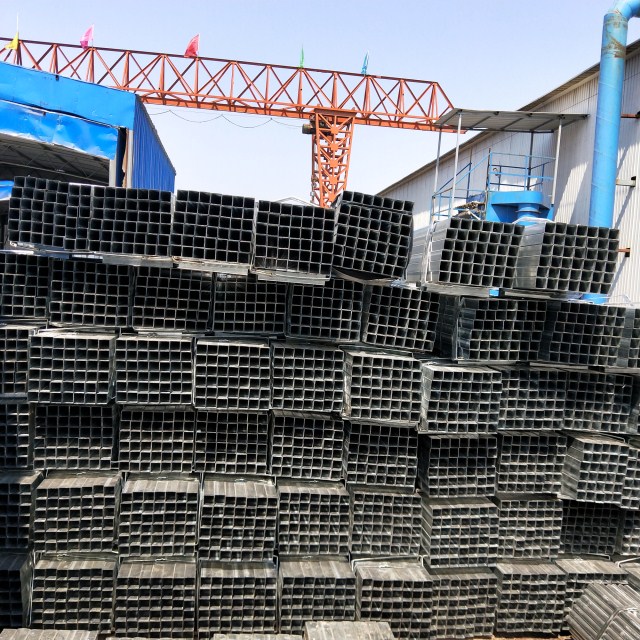
A structural comparison of core coupler designs used to resolve multidirectional stress distributions in tube-and-fitting scaffold matrixes.
These connectors join two scaffolding tubes at exactly 90 degrees. Acting as the primary support joints for ledgers and standards, they undergo testing under extreme vertical shear conditions. Our double couplers strictly follow EN 74-1 Class B slip-resistance standards (15kN min).
Engineered for diagonal bracing and resolving non-orthogonal load matrices, swivel couplers feature a heavy-duty central pivot pin. Our drop-forged structural swivel clamps are designed to resist angular deformation even under intense wind shear and sway-load vectors.
Designed for coaxial, end-to-end alignment of structural standards and ledger tubes. Sleeve couplers use an external compression plate to securely envelop both pipes, resisting bending stresses that could lead to column buckling.
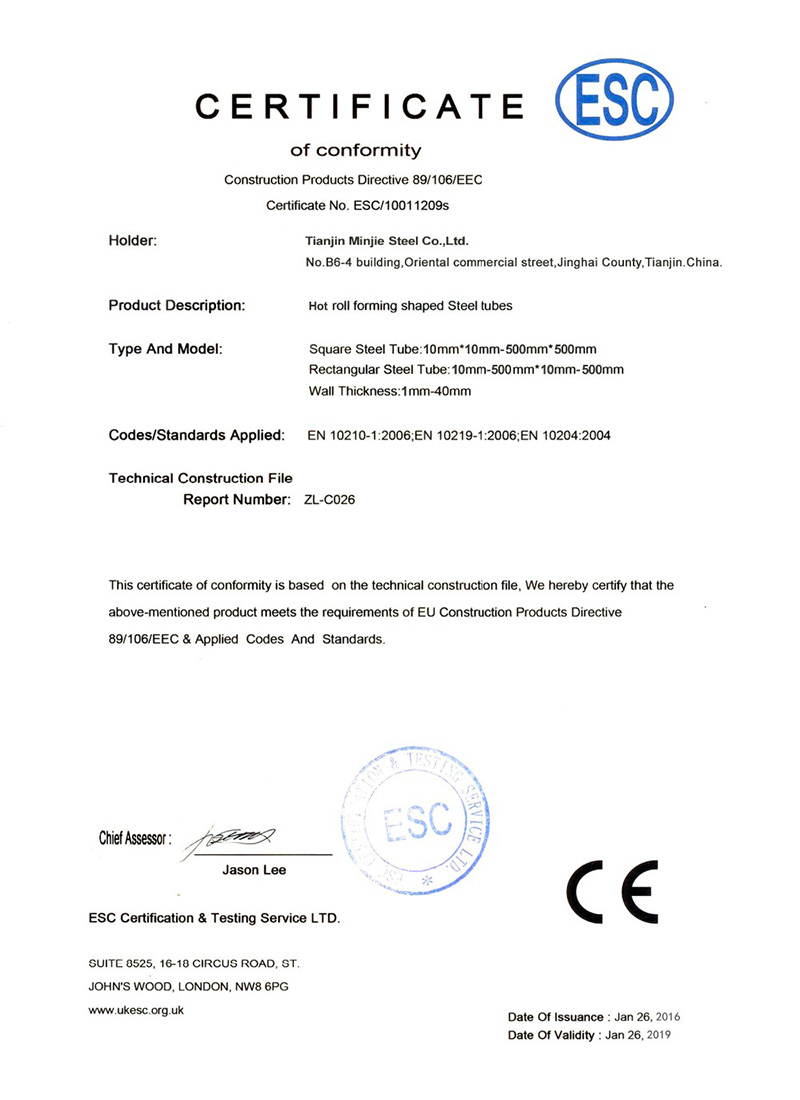
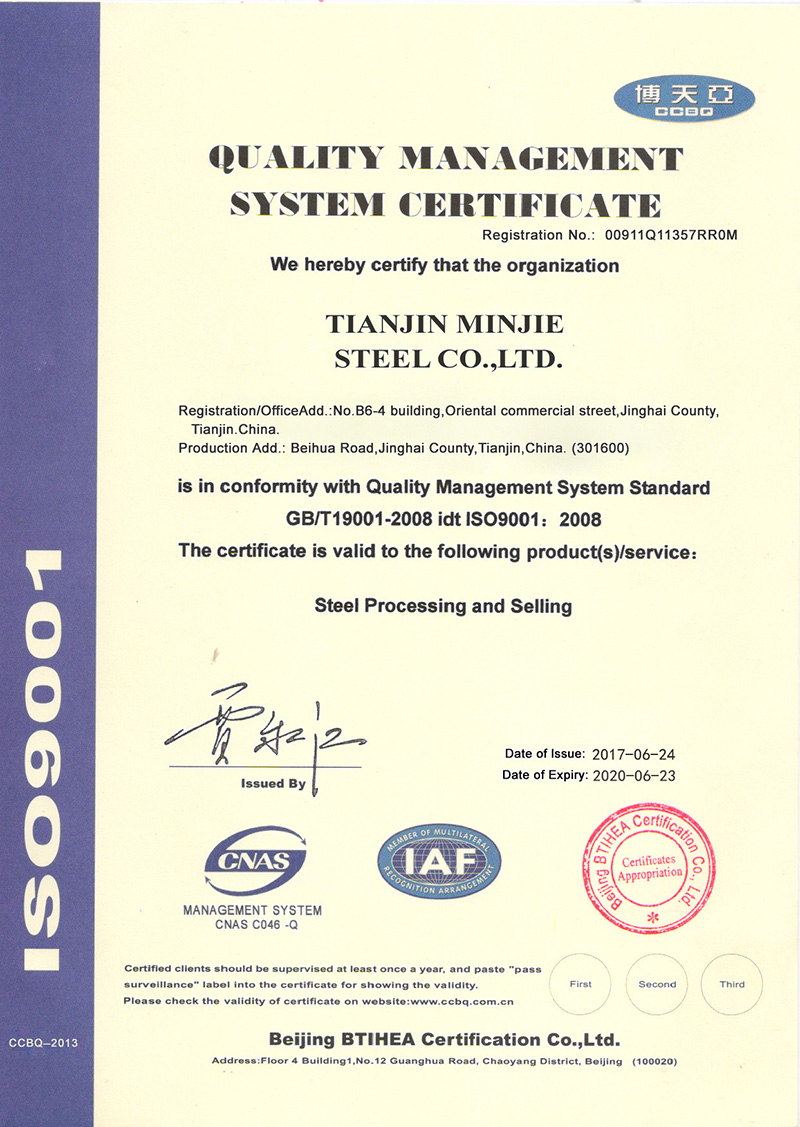
Quality in scaffolding products is validated through strict testing data and verifiable compliance. All products manufactured by Tianjin Minjie Steel Co., Ltd. are certified under the ISO 9001:2015 quality management system, confirming that our production line tolerances remain consistent across manufacturing runs.
How localized industrial integration enables cost efficiency without compromising raw material specifications.
Located in the heart of Northern China's steel-producing region, we secure direct mill pricing on Q235 and Q345 coils. This localized proximity eliminates long-distance transport costs and structural markups, providing a competitive cost-benefit to our global partners.
Operating three hot-dipped galvanized lines directly within our complex allows us to control the curing cycle, thickness uniformity, and overall surface finish of the zinc coating. In-house processing ensures a consistent zinc thickness exceeding 40 microns for optimal corrosion protection.
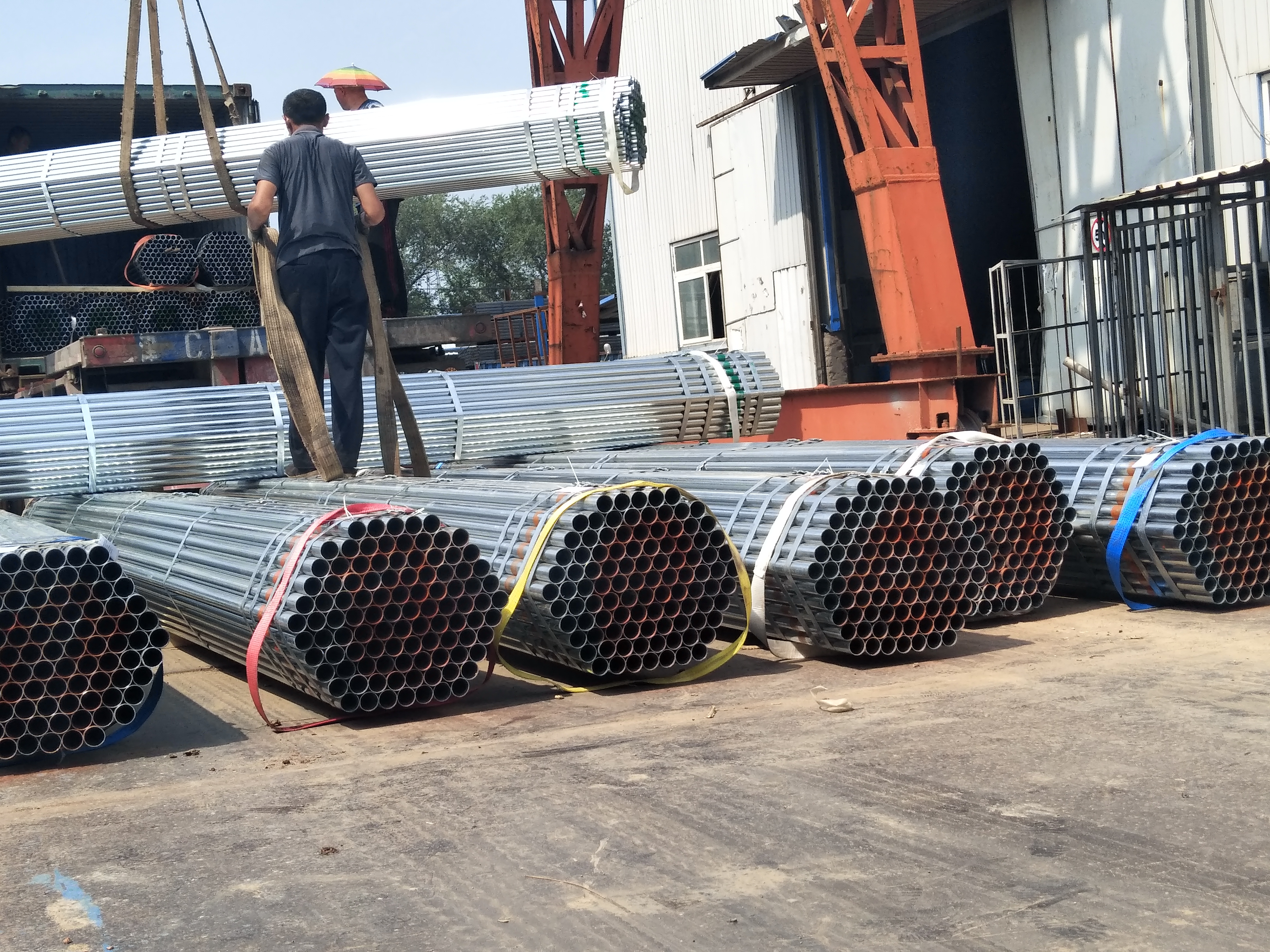
Located 40 km from the port, our shipping division bypasses complex inland transport channels. We offer full-container loading (FCL) optimization and bulk vessel packaging, reducing overall shipping lead times to the Americas, Europe, and the Middle East.
Verified through years of international cooperation, supplier audits, and global site validations.
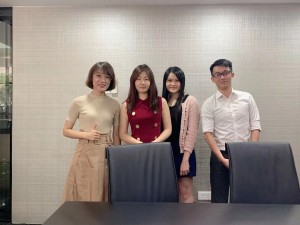
Evaluated for high-load compliance (2019).
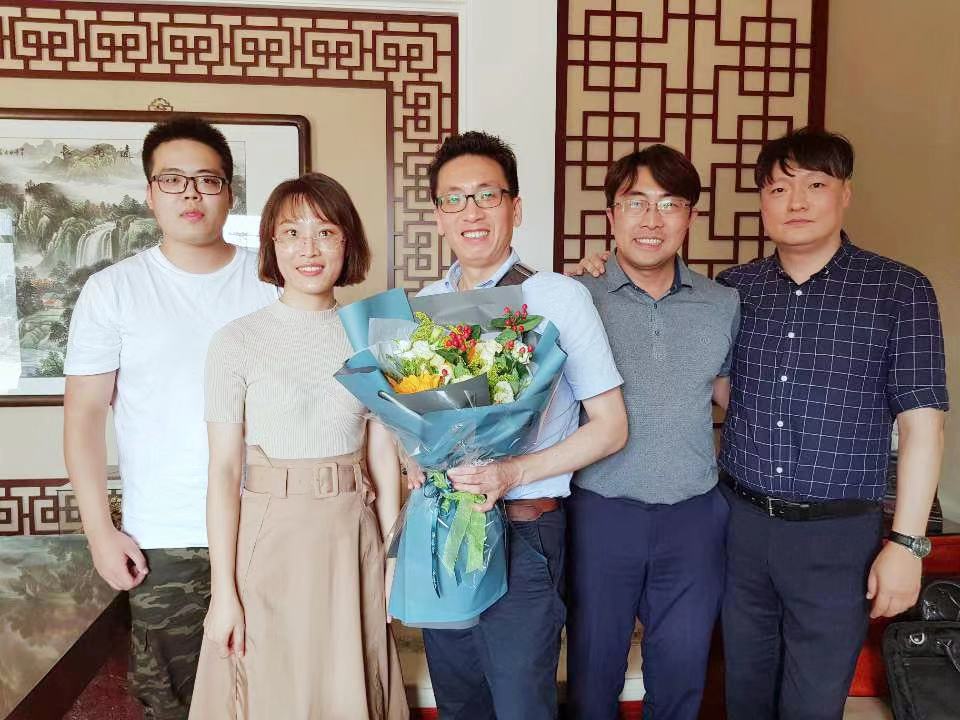
Custom heavy industrial couplers (2019).

Testing standards matching AS 1576 (2018).

Canton Fair engagement leading to volume contracts.
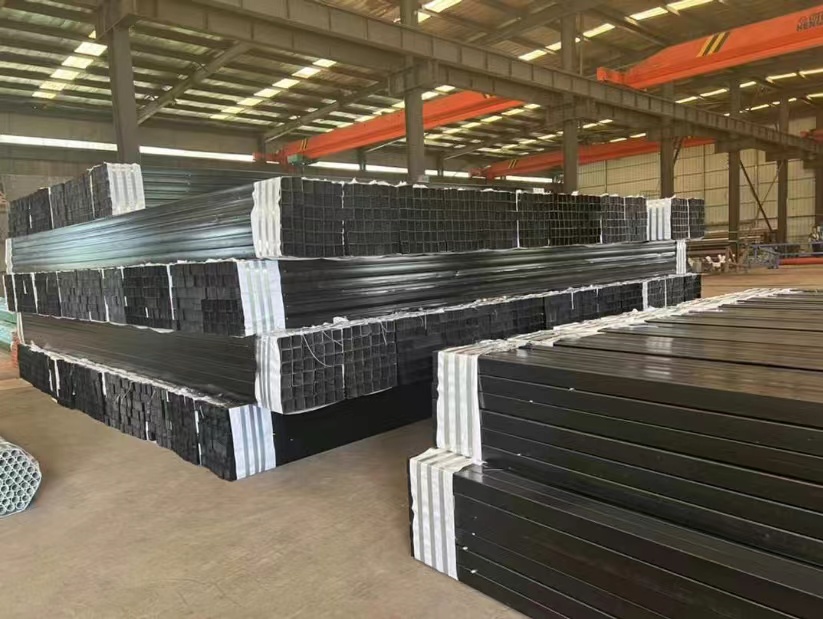
1,000-ton delivery pipeline (2017).
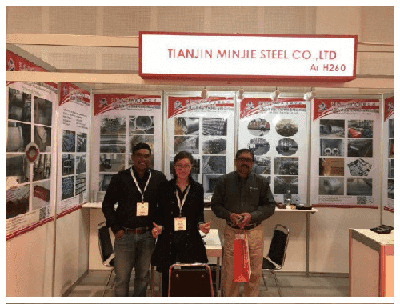
Annual presentation of our industrial line to international buyers.
The technical evolution of temporary structural connections and safety parameters.
As standard hot-dip galvanizing faces environmental restrictions, Zn-Al-Mg coatings are emerging as a key alternative. This chemistry offers self-healing properties on cut edges and provides up to three times the corrosion resistance of standard coatings in high-salinity zones.
Modern scaffolding engineering is transitioning from traditional carbon steels (like Q235) to high-strength low-alloy structural steels (like Q345 and S355). This allows for thinner-walled tubes and lighter couplers while maintaining the same safe working load (SWL) capacities.
IoT-enabled smart sensors are now being integrated into high-stress couplers on critical infrastructure. These sensors measure real-time bolt tension and slip displacement, warning site managers of load imbalances before structural failures can occur.
How correct coupler selection ensures safety across specialized, high-risk construction projects.
Offshore structures are subjected to salty marine environments and high wind shear. High-thickness galvanized drop-forged couplers are required to prevent structural degradation from chloride-induced oxidation.
Complex piping layouts require scaffolding that adapts to non-linear structures. Swivel couplers are key for anchoring bracing structures to existing refinery towers without interfering with operational pipelines.
Heavy concrete formwork loads require robust vertical shoring towers. Right-angle couplers must withstand continuous compression forces to prevent the structural standards from bowing under wet concrete weights.
Suspended facade structures require reliable wall anchors. In these setups, drop-forged couplers secure the scaffold ties to embedded anchor rods, countering forces generated by high wind speeds at altitude.
We address key technical questions to assist engineers and procurement teams in selecting compliant products.
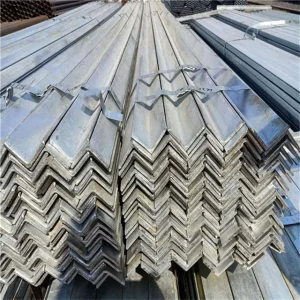
Complementary structural products manufactured to coordinate with our scaffolding connection systems.
 Minjie Steel