Best Steel Pipe Options for Global Buyers in 2026?

Time:2026-06-25 Author:Madeline
0%

In 2026, the steel pipe market is set to evolve dramatically. Global buyers must stay informed about the best options available. Steel pipes are crucial for various industries, including construction and oil and gas. Choosing the right steel pipe can enhance project efficiency and safety.

With numerous manufacturers, selection can be overwhelming. Buyers should focus on factors like quality, durability, and cost. Different applications may require specific types of steel pipes. For instance, seamless pipes are often preferred in high-pressure systems. However, they can be more expensive than welded alternatives.

Understanding the market landscape is essential. While many suppliers advertise quality, not all meet standards. Researching manufacturers' reputations can help avoid costly mistakes. Steel pipe choices may also reflect changing global standards and environmental considerations. Thus, buyers face the challenge of balancing price with reliability.
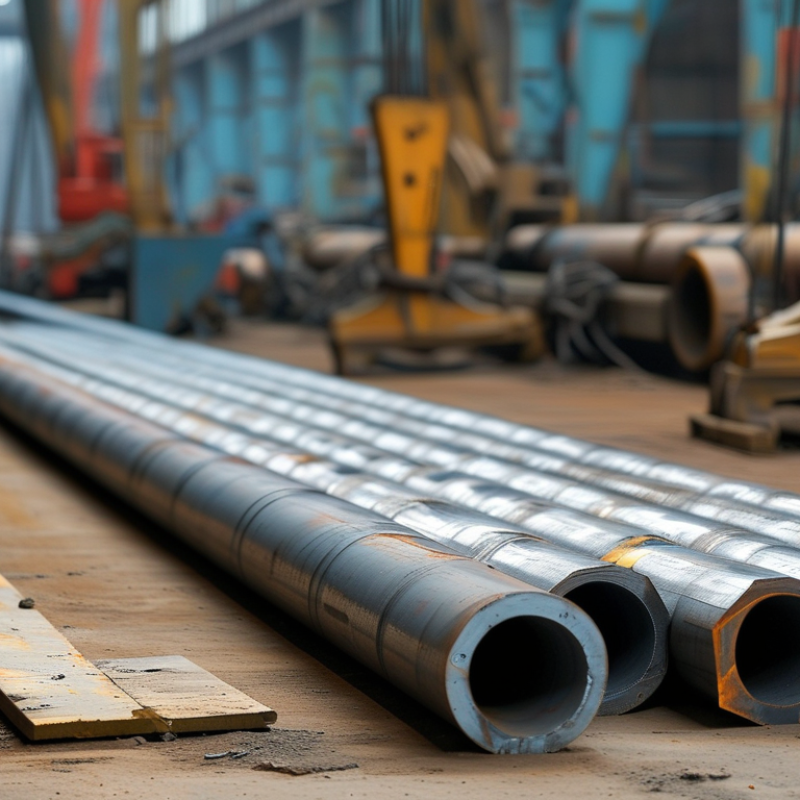
Best Steel Pipe Options for Global Buyers in 2026?

Overview of Global Steel Pipe Market Trends in 2026

In 2026, the global steel pipe market is poised for significant evolution. According to recent industry reports, the demand for steel pipes is projected to grow by 3.5% annually. This growth is driven by ongoing infrastructure projects and increasing energy sector investments. Emerging economies are expected to be primary contributors, with a surge in construction and manufacturing activities.

Market trends indicate a shift toward higher quality standards. Buyers are increasingly favoring pipes with enhanced corrosion resistance and durable coatings. Reports suggest that by 2026, nearly 40% of the market will demand specialty steels, catering to these evolving needs. The focus on environmental sustainability also influences material choices.

Tips: Consider emphasizing quality over price. Investing in superior materials can yield long-term savings. Additionally, keep track of evolving regulations that may affect specifications. Staying ahead in understanding these trends will ensure better decision-making. Choosing the right suppliers is critical, so seek out those with proven expertise in the steel pipe industry.

Global Steel Pipe Market Trends in 2026

Key Factors Influencing Steel Pipe Selection for Buyers

Selecting the right steel pipe is crucial for global buyers in 2026. Key factors influence this process. Buyers must consider durability and corrosion resistance. Different applications require specific qualities.

Tips: Assess the environment where the pipe will be used. Harsh conditions may demand higher resistance. This impacts longevity and performance significantly. Researching material specifications is vital. Understanding the different grades helps in making informed choices.

Price plays a significant role too. It can vary based on many elements, such as sourcing and manufacturing. Don't shy away from seeking multiple suppliers. Compare costs while ensuring quality standards remain high. This balance is often challenging but necessary.

Flexibility in order quantities can also affect pricing and availability. Buyers often find rigid minimum order requirements limiting. Look for suppliers that offer better adaptability. This allows for adjustments based on market needs and prevents overstock. Remember, flexibility can lead to improved cash flow and reduced risk.

Comparative Analysis of Steel Pipe Materials and Types

When choosing steel pipe materials, various factors come into play. The most common types include carbon steel, stainless steel, and alloy steel. Carbon steel pipes are widely used due to their strength and affordability. However, they are susceptible to corrosion, which can lead to maintenance challenges over time.

Stainless steel pipes stand out for their resistance to corrosion and higher durability. They are ideal for harsh environments. Yet, this comes at a premium price point. The choice often boils down to cost versus longevity and performance. Furthermore, alloy steel pipes offer enhanced strength, making them suitable for heavy-duty applications. However, their complexity in manufacturing can create issues in quality control.

Understanding the specific requirements of a project is crucial. It can guide the selection process effectively. As market demands shift, keeping informed about the latest developments in steel manufacturing will be essential. Each material has its pros and cons, influencing its viability in different scenarios. The goal should always be to strike the right balance for intended use.

Sustainability and Environmental Impact in Steel Pipe Production

The production of steel pipes significantly impacts the environment. Traditional methods often lead to high carbon emissions. However, producers are now exploring innovative techniques. Sustainable practices are becoming essential as the demand for eco-friendly materials grows.

Recycling old steel is one effective strategy. It reduces waste and resource consumption. This process can lower energy use, but it presents challenges. Not all steel can be recycled easily. Some pipes become mixed with contaminants, complicating recycling efforts. Upscaling this process requires collaboration among industry players.

Investing in cleaner technologies is crucial. Electric arc furnaces emit less carbon than traditional blast furnaces. Still, these technologies may require significant upfront investments. Buyers must weigh costs and benefits. As sustainability becomes a core value, the industry faces a critical period for change. Addressing these challenges may lead to improved practices.

Future Innovations in Steel Pipe Technologies and Their Benefits

The steel pipe industry is on the cusp of significant innovations by 2026. Advanced manufacturing techniques and new materials will play a vital role in enhancing performance and sustainability. According to a recent market analysis by Smithers, the global steel pipe market is projected to grow at a CAGR of 5.3% between 2022 and 2026, driven by demand in construction and infrastructure.

A noteworthy innovation is the development of corrosion-resistant coatings. These coatings extend the lifespan of steel pipes in harsh environments. Additionally, manufacturers are exploring high-strength alloys. These materials increase durability while reducing weight, enhancing efficiency in transport and installation. Reports suggest that the use of such advanced materials can reduce long-term maintenance costs by approximately 25%.

The integration of smart technologies also presents significant opportunities. Sensors embedded in steel pipes can monitor pressure and detect leaks in real-time. This data-driven approach not only improves operational reliability but also fosters proactive maintenance strategies. However, the challenge remains in standardizing these technologies across global markets. Achieving interoperability among various systems could be a crucial hurdle as the industry moves forward.

FAQS

: What should buyers consider when selecting steel pipes?

: Buyers must assess durability and corrosion resistance based on the pipe's intended application.

How do harsh environments affect steel pipe selection?

Harsh conditions may require higher resistance, influencing longevity and performance significantly.

Why is researching material specifications important?

Understanding different grades helps buyers make informed choices about which steel pipe to select.

How does price influence the selection of steel pipes?

Price varies based on sourcing and manufacturing. Comparing multiple suppliers is essential for value.

What role does order quantity flexibility play?

Flexibility in orders can improve cash flow and reduce the risk of overstock for buyers.

What innovations are emerging in the steel pipe industry?

Advanced manufacturing techniques and new materials, such as corrosion-resistant coatings, enhance performance.

How do high-strength alloys benefit steel pipes?

They increase durability while reducing weight, making transport and installation more efficient.

What is the importance of smart technologies in steel pipes?

Embedded sensors can monitor pressure and detect leaks, improving operational reliability and maintenance.

What challenge does the steel pipe industry face with smart technologies?

Standardizing technologies across global markets poses a significant hurdle for interoperability.

How can long-term maintenance costs be reduced?

Using advanced materials in steel pipes is reported to lower long-term maintenance costs by around 25%.

Conclusion

The article titled "Best Steel Pipe Options for Global Buyers in 2026" provides a comprehensive overview of the anticipated trends within the global steel pipe market. It highlights key factors that will influence buyers' selections, including material properties, cost considerations, and application requirements. A comparative analysis of different steel pipe materials and types offers insights into their strengths, weaknesses, and ideal use cases, enabling informed purchasing decisions.

Moreover, the article delves into the critical aspects of sustainability and environmental impact associated with steel pipe production. As the industry evolves, future innovations in steel pipe technologies are expected to bring about significant benefits, enhancing efficiency, reducing carbon footprints, and supporting global efforts towards sustainable development. Overall, this guide is invaluable for buyers seeking to navigate the steel pipe market in 2026 effectively.


Madeline

Madeline

Madeline is a dedicated marketing professional with a wealth of expertise in our company's core offerings. With a keen understanding of the industry, she brings a unique perspective to her role, consistently delivering high-quality content that highlights the superior aspects of our products. As......