When it comes to global procurement of greenhouse materials, finding quality greenhouse tubes is essential. These tubes serve as the backbone for supporting plants and structures in various agricultural settings. A good greenhouse tube ensures durability and strength while providing flexibility in design choices.
China stands out as a key player in this market. It offers a broad range of greenhouse tube options. However, not all suppliers provide the same quality. Therefore, potential buyers must exercise caution. Understanding the specifications and capabilities of greenhouse tubes can help in making informed decisions.
Buyers must reflect on their unique requirements. Are you considering the climate impact? How about the long-term investment? Aligning your needs with the right product is crucial for success. In this guide, we will explore the various aspects of procuring greenhouse tubes in China, emphasizing reliability and trustworthiness in your purchasing journey.
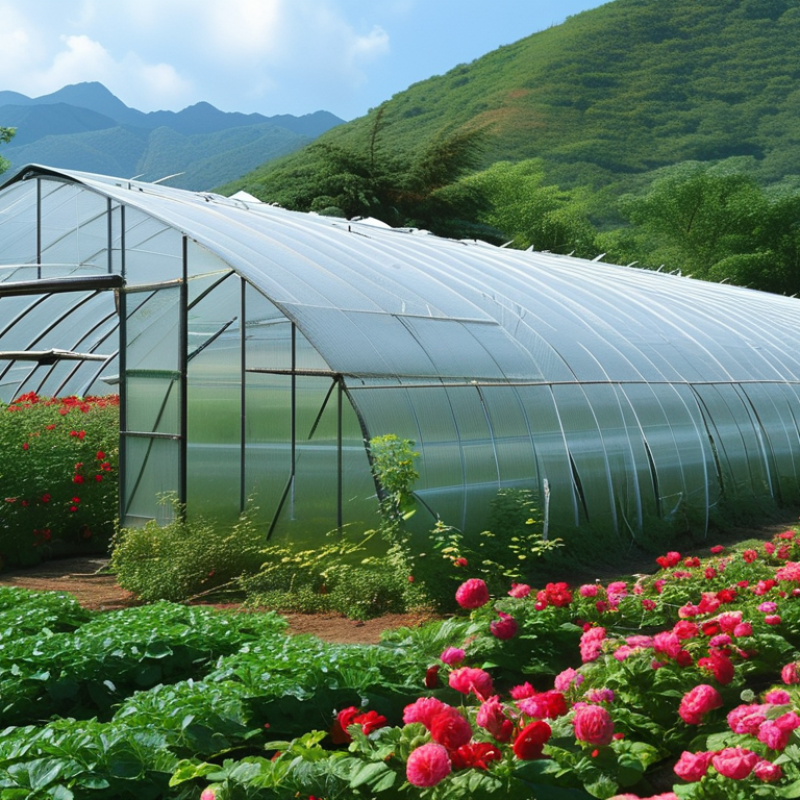
When sourcing greenhouse tubes from China, several critical factors come into play. It's essential to evaluate the materials used in manufacturing. High-quality tubes typically feature strong, durable materials that withstand various weather conditions. Verify that suppliers adhere to international quality standards. This can significantly impact the longevity of your greenhouse.
Tips: Always request samples before making bulk purchases. Check the weight and flexibility of the tubes. If possible, assess how they perform under pressure. Understanding the manufacturing process can also provide insights into quality control measures.
Another important aspect is the credibility of the supplier. Look for reviews and testimonials from previous buyers. A supplier with a solid reputation is likely to provide better service and products. Engage with suppliers directly, asking questions about their production capabilities and previous projects.
Tips: Use video calls to assess facilities if possible. Ask for certifications related to quality and safety standards. This can give you confidence in your choice. Always be prepared to negotiate terms that protect your investment.
Greenhouse tubes are crucial for modern agricultural practices. They support the structure and durability of greenhouses, enhancing plant growth. Studies suggest that the right materials significantly affect the longevity and efficiency of greenhouse operations. Common materials include PVC, polycarbonate, and polyethylene, each offering unique benefits. PVC is lightweight and cost-effective, often preferred for small-scale operations. Polycarbonate offers superior insulation, which can be vital in colder climates.
In the global market, the demand for high-quality greenhouse tubes is on the rise. Reports indicate that the global greenhouse market reached a valuation of approximately $33 billion in 2022. This growth underscores the need for reliable materials that stand the test of time. However, not all suppliers meet the required standards. Many operations still struggle with structural integrity. This can lead to loss and increased costs. Making informed decisions about specifications becomes essential.
Key specifications such as diameter, thickness, and UV resistance play vital roles in sustainability. Industry data shows that tubes with higher UV resistance can last up to 12 years longer than lower-rated options. Yet, many buyers overlook these details. They may prioritize cost over quality. An informed choice can lead to fewer replacements and a more efficient growing environment. Balancing cost and quality remains a challenge in global procurement.
The greenhouse tube industry is experiencing remarkable growth, driven by sustainable agricultural practices. Many farmers now prioritize efficiency and environmental sustainability. These trends lead to increased demand for high-quality greenhouse tubes. As technology advances, new materials are being developed to enhance durability and energy efficiency.
Market projections show a steady upward trajectory. Analysts predict an annual growth rate of over 5% in the coming years. This shift aligns with global efforts to improve food security. Innovations such as UV-resistant coatings and lightweight structures contribute significantly to this trend. However, not all innovations have been successful. Some products fail to meet durability standards, causing concern among buyers.
Consumer education plays a crucial role in procurement. It is vital for buyers to understand product specifications and compatibility. Engaging with trusted suppliers can mitigate the risks associated with subpar purchases. Participants in the market must remain vigilant about quality. The evolving landscape presents opportunities and challenges, urging stakeholders to adapt and rethink their strategies constantly.
When analyzing the global market for greenhouse tubes, cost is a critical factor. A variety of materials from PVC to polyethylene are available, making price comparisons essential. Prices can range widely based on quality and material type. For example, a high-end greenhouse tube made from durable PVC may cost significantly more than a standard polyethylene option.
Importantly, regional pricing disparities exist. In North America, greenhouse tubes might be priced higher due to transportation costs and manufacturing standards. In contrast, emerging markets may offer more competitive rates. Yet, affordability does not always indicate quality. Cheaper tubes may lack longevity. Buyers should weigh the initial cost against the expected lifespan of the product.
It is also crucial to consider supply chain factors. Tariffs and import duties can impact overall expenses. Fluctuating raw material costs further complicate price structures. Gathering quotes from various suppliers can provide insights into best value. This process encourages reflection on budget versus quality. Buyers should ensure that their choices align with both cost-effectiveness and operational needs.
When procuring greenhouse tubes, quality assurance is crucial. Standards and certifications ensure that products meet specific requirements. These guidelines help buyers identify reliable suppliers. They also prevent the risk of investing in subpar materials.
Quality standards vary by region. Important certifications include ISO, CE, and ASTM. These designations indicate that products fulfill rigorous testing. A supplier with these certifications demonstrates commitment to excellence. However, not every company adheres to these standards. This gap can lead to inconsistent product quality.
Buyers should conduct thorough research. Request documentation from suppliers and verify their claims. Look for reviews and feedback from other customers. This information can guide purchasing decisions. Ensuring compliance with recognized standards is key to a successful procurement process. Ultimately, prioritizing quality will result in a better investment in the long term.
: Greenhouse tubes support greenhouse structures and enhance plant growth. Their durability is key for modern agriculture.
Common materials include PVC, polycarbonate, and polyethylene. Each offers unique benefits for different agricultural needs.
Higher UV resistance can increase the lifespan of tubes. Some can last up to 12 years longer than lower-rated options.
There is a growing demand for high-quality tubes driven by sustainable practices. Efficiency is becoming increasingly prioritized by farmers.
Buyers should check for certifications like ISO and CE. Research suppliers and look for customer reviews to confirm quality.
Many buyers prioritize cost over quality, risking structural issues. Not all suppliers meet the necessary standards for durability.
Key specifications include diameter, thickness, and UV resistance. These factors can greatly affect sustainability and long-term efficiency.
Analysts expect the industry to grow over 5% annually, driven by advancements in technology and increasing demand for sustainability.
Some new innovations fail to meet durability standards, causing buyers to question their investments.
Engaging with trusted suppliers is critical. Buyers must stay informed about product specifications to reduce risks in procurement.
When sourcing greenhouse tubes from China, buyers must consider several critical factors to ensure they make informed procurement decisions. Key specifications, such as materials and dimensions, play a vital role in determining the efficiency and longevity of greenhouse structures. As the global market for greenhouse tubes continues to expand, understanding market trends and growth projections can help buyers anticipate demand and make strategic investments.
Moreover, a thorough cost analysis is essential, as prices for greenhouse tubes can vary significantly across regions. By comparing these prices, buyers can secure competitive offers while maintaining quality. To ensure the best standards are met, understanding the quality assurance measures, including certifications and compliance with international norms, is crucial. This comprehensive approach enables buyers to optimize their sourcing of greenhouse tubes for agricultural use, ultimately enhancing their operational productivity.

Minjie Steel