China Best Seismic Stabilizer Bracket Manufacturer?

Time:2026-09-28 Author:Charlotte
0%

A seismic event can turn an unsecured pipe, cable tray, or duct into a costly failure point. FEMA’s E-74, Reducing the Risks of Nonstructural Earthquake Damage, documents how nonstructural components can be damaged even when a building’s main structure remains standing. USGS National Seismic Hazard Model publications also show why seismic risk must be assessed by location, not by a single national average. Small details matter. A bracket’s steel grade, weld consistency, anchor compatibility, and installation clearance all affect performance. A Seismic Stabilizer Bracket is therefore more than a metal fitting; it is part of a coordinated restraint system.

For buyers asking, “China Best Seismic Stabilizer Bracket Manufacturer?”, the useful answer depends on evidence, application, and project requirements. Compare manufacturers by reviewing load calculations, product test reports, material traceability, corrosion protection, and documented quality controls. Ask how the bracket performs with the actual pipe or service load, substrate, and anchorage—not just in a catalogue image. FEMA guidance offers practical context for nonstructural seismic risk, but it does not rank suppliers or certify individual products. That distinction is easy to overlook. A polished brochure is not proof of performance, and one test cannot cover every installation condition. This guide examines the criteria that help engineers and procurement teams assess Chinese manufacturers with care, while recognizing that no supplier should be called “best” without project-specific evidence.
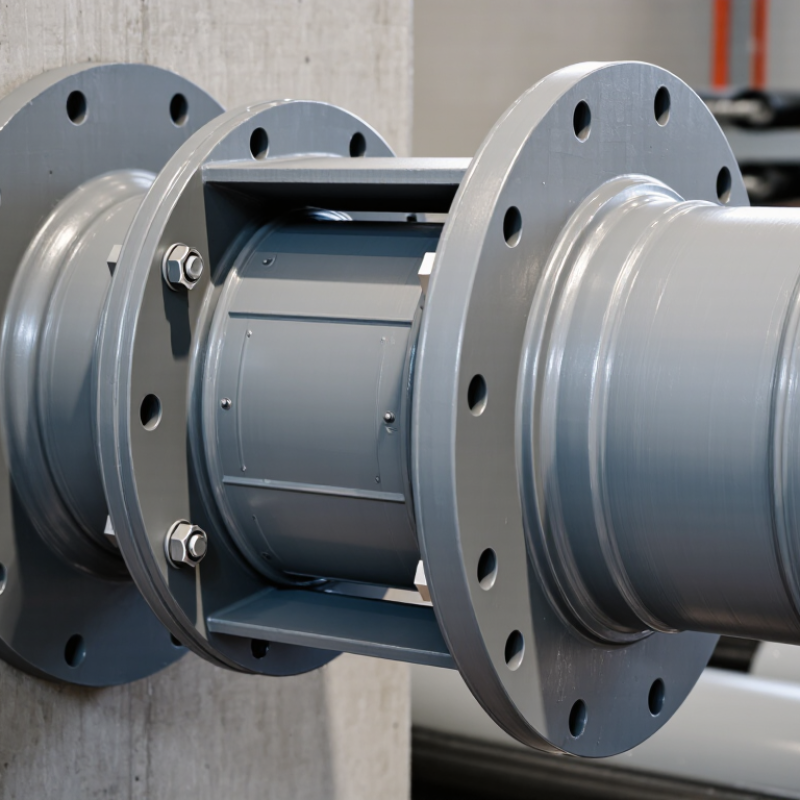
China Best Seismic Stabilizer Bracket Manufacturer?

What Is a Seismic Stabilizer Bracket?

What Is a Seismic Stabilizer Bracket?

A seismic stabilizer bracket is a metal connector that helps restrain pipes, ducts, cable trays, or equipment during earthquake-related movement. It links the supported item to a building structure, creating a defined path for lateral forces. Without that connection, a suspended pipe may swing, strike nearby services, or pull against its hangers. The bracket does not stop an earthquake. It helps limit movement and reduce damage when correctly selected and installed.

Its shape and capacity depend on the equipment, support spacing, expected loads, and the structure it attaches to. Installers should check the substrate, fasteners, bracket orientation, and clearance around adjacent lines. Small details matter. A bracket that looks heavy-duty can still be unsuitable if the anchor or supporting steel is weaker. Field measurements can reveal clashes that drawings miss; those should be reviewed, not improvised away. Seismic restraint is part of a coordinated support system, so qualified design and inspection are important. Real sites are rarely perfect; documenting adjustments helps the next person understand what changed.

How Seismic Stabilizer Brackets Support Building Systems

China Best Seismic Stabilizer Bracket Manufacturer?

Seismic stabilizer brackets help limit sideways movement in building services during an earthquake. They can support pipes, ducts, cable trays, and other suspended equipment. A bracket connects the supported system to the building structure, helping transfer movement forces through its attachment points. The aim is controlled restraint, not a promise that equipment will remain undamaged. Small details matter.

On a job site, installers may need to check the bracket position, anchor type, supporting material, and clearance around nearby services. A strong bracket attached to weak concrete may not provide reliable support. Likewise, a pipe needs room for expected thermal movement; restraint should not create a new stress point. These decisions should follow the project’s seismic design and applicable technical requirements, with qualified professionals reviewing the details. Installation records and visual checks can help identify loose fasteners or shifting supports over time. Yet inspections are sometimes rushed. That deserves attention.

Bracket selection also depends on load, service type, layout, and the structure available for attachment. Clear drawings and product data make coordination easier for engineers and installers. No single bracket suits every building system, and field conditions can differ from the original plan. A careful review before installation can prevent avoidable rework and improve the support system’s reliability.

Common Bracket Designs, Materials, and Performance Standards

China Best Seismic Stabilizer Bracket Manufacturer?

Common bracket designs include single-angle supports, gusseted plates, and channel-frame assemblies. A compact angle bracket can suit light services, while heavier pipes or cable trays may need paired braces and reinforced connections. The right layout depends on equipment weight, brace spacing, expected movement, and the supporting structure.

Fit matters. A strong bracket can still fail if its anchor or substrate is weaker.

Carbon steel is widely used for its strength and ease of fabrication. Stainless steel can help in damp or corrosive environments, though material selection should match the site conditions. Designers should check the full load path, including bolts, welds, anchors, and the concrete or steel base.

Small details count. A slotted hole may simplify installation, but it can also affect movement and connection behavior.

Performance should be checked against applicable building codes and project specifications, including seismic requirements referenced by standards such as ASCE 7. Where required, review documented load capacity, anchor data, and cyclic or component testing. Requirements differ by location and application, so one test report may not cover every installation. Field conditions can be messy, too; confirm clearances and brace angles before fixing the final layout.

How to Evaluate Seismic Bracket Manufacturers in China

Evaluating seismic bracket manufacturers in China starts with verifiable engineering evidence, not polished catalogs. FEMA P-58 estimates that nonstructural components can account for about 82% of a representative building’s replacement value. That figure makes support systems worth close scrutiny. Ask for calculations and test reports covering the exact bracket configuration, load, brace angle, anchor, and installation spacing—not a similar product. Test the assembly.

Check whether the design aligns with China’s GB 50981-2014 code for seismic design of building mechanical and electrical equipment. Request material certificates, production inspection records, and laboratory reports that identify the tested specimen and method. ISO/IEC 17025 accreditation can help establish a laboratory’s competence, but it does not prove every product configuration is suitable. Visit the factory, review weld consistency, coating thickness, and traceability from steel batch to finished part. A tidy report can still conceal a weak assumption, such as an anchor substrate unlike the project site. Compare engineering support, delivery controls, and corrective-action records alongside price; the cheapest quote may omit details that matter during installation.

China Best Seismic Stabilizer Bracket Manufacturer? - How to Evaluate Seismic Bracket Manufacturers in China

Use this comparison framework to assess suppliers consistently. The weights are illustrative buyer-assigned values, not official certification criteria, a market ranking, or a claim about any particular manufacturer.

Evaluation Dimension Illustrative Weight What to Verify Useful Evidence to Request Buyer Score
(0–5)
Code and design capability 20% Can the supplier explain how its proposed seismic support system is selected and designed for the project’s building services, loads, layout, and applicable requirements? Project-specific design calculations, layout drawings, design assumptions, and confirmation of the standards used. Check the relevance of GB 50981-2014, the Chinese code for seismic design of building equipment engineering, where applicable. —
Product and system documentation 15% Are brackets, channels, connectors, anchors, and other system components clearly identified and supported by consistent technical documentation? Product drawings, specifications, installation instructions, component lists, and applicable test or assessment reports. Check whether documents cover the actual proposed configuration. —
Testing and performance evidence 15% Does the available evidence relate to the relevant components or assembled system, load direction, connection details, and installation conditions? Test reports showing the tested sample, test method, loads, setup, results, and issuing laboratory. Verify report authenticity and scope with the issuer where necessary. —
Material and corrosion protection 12% Are base materials, fasteners, coatings, and corrosion-protection options stated clearly for the intended indoor or outdoor environment? Material specifications, coating details, inspection records, and relevant corrosion-test evidence. Confirm that the specified finish matches the project environment. —
Manufacturing quality control 12% Are production processes controlled, inspection responsibilities defined, and nonconforming products handled systematically? Quality-management documentation, incoming and in-process inspection records, final inspection criteria, calibration records, and corrective-action examples. —
Traceability and consistency 10% Can supplied products be traced to material batches, production lots, inspection results, and approved specifications? Sample labels, batch records, inspection certificates, and a demonstration of how product changes are controlled and communicated. —
Installation support 8% Are installation requirements, connection details, and inspection points understandable to the project team? Installation manuals, detail drawings, checklists, training options, and responses to project-specific technical questions. —
Supply and project communication 8% Can the supplier confirm production capacity, lead-time assumptions, packaging, export documentation, and a clear process for handling changes? Written quotation, production schedule, packaging details, shipping documents list, and named responsibilities for order and technical coordination. —
Total 100% Suggested method: score each dimension from 0 (no satisfactory evidence) to 5 (strong, relevant evidence), then multiply each score by its weight. —

Standards references and project requirements should be checked against the current contract documents and applicable regulations. A document or certificate should be verified for scope, validity, and relevance to the specific product and project.

Manufacturing Quality, Testing, and Project Applications

China Best Seismic Stabilizer Bracket Manufacturer?

Manufacturing quality begins with traceable materials, accurate dimensions, and consistent welds. FEMA’s E-74 guide, Reducing the Risks of Nonstructural Earthquake Damage, notes that nonstructural components can represent about 80% or more of a building’s total cost. That makes bracket quality a practical concern, not a minor detail. Factory checks should record steel grade, coating thickness, hole spacing, and weld condition. A misaligned hole can complicate installation. Small errors matter.

Tips: Check that test samples match production materials, thicknesses, and connection details. Ask for dated inspection records, not just a certificate.

Testing should reflect the intended assembly and project conditions. Where required, representative nonstructural components can be evaluated using ICC-ES AC156 shake-table procedures. Engineers should verify brace geometry, anchor capacity, and the complete load path against project design criteria, including applicable ASCE 7 requirements. For hospitals, plant rooms, and commercial buildings, coordination with mechanical and structural teams helps avoid clashes with ducts, pipes, and cable trays. Site photos and torque records improve traceability. Still, laboratory results cannot capture every field variation; installation quality needs equal attention.

FAQS

What does a seismic stabilizer bracket do?

It limits sideways movement in pipes, ducts, cable trays, and suspended equipment. It transfers movement forces into the building structure. It cannot promise zero damage.

Which building systems may need seismic stabilization?

Common examples include chilled-water pipes, air ducts, cable trays, and suspended mechanical equipment. Each system needs a different support review. One bracket rarely suits everything.

What should installers check before fitting a bracket?

Check the bracket position, anchor type, concrete condition, and nearby clearance. Confirm the pipe still has room for thermal movement. Small gaps matter.

Why is the attachment material important?

A strong bracket cannot compensate for weak concrete or unsuitable steel. The anchor must match the substrate and expected load. The load path should be continuous.

How can buyers evaluate a manufacturer’s technical evidence?

Request calculations and test reports for the exact bracket configuration. Check the load, brace angle, anchor, spacing, and connection details. Similar evidence may not be enough.

What manufacturing records should be reviewed?

Review steel grade, coating thickness, hole spacing, weld condition, and production inspection dates. Material traceability should connect each steel batch with finished parts. Paperwork can still hide assumptions.

How should seismic testing reflect real project conditions?

Test samples should match production materials, thicknesses, and connection details. Engineers should also review brace geometry, anchor capacity, and the complete load path. Test the assembly.

How can installation quality be monitored after completion?

Keep site photos, torque records, and installation notes. Inspect for loose fasteners, shifted supports, and damaged coatings. Inspections are sometimes rushed.

Does a laboratory report prove that every installation will perform well?

No. Laboratory results cannot capture every field variation, weak substrate, or installation error. Qualified professionals should review the project-specific details.

What helps prevent avoidable rework?

Compare drawings with actual site conditions before installation. Coordinate pipes, ducts, trays, and structural attachments early. A careful review is worth the time.

Conclusion

A Seismic Stabilizer Bracket is a structural support component designed to help secure building services and equipment when a building moves during an earthquake. By connecting systems such as pipes, ducts, cable trays, and mechanical units to suitable structural points, these brackets can limit unwanted movement and help reduce the risk of damage or disruption. Their designs, materials, and load capacities vary according to the application, so selection should account for system weight, installation conditions, and relevant performance requirements.

When evaluating manufacturers in China, buyers should consider engineering capability, material traceability, production consistency, quality controls, and the availability of test documentation. Clear specifications and evidence of testing help confirm that a bracket is appropriate for the intended project. Reviewing manufacturing processes, inspection procedures, and experience with comparable applications can also support informed decisions. Careful coordination among the manufacturer, designer, and installer helps ensure that the chosen support solution fits the building system and project requirements.


Charlotte

Charlotte

Charlotte is a seasoned marketing professional with a deep understanding of the company's portfolio and a passion for elevating its presence in the market. With a keen eye for detail and a commitment to excellence, she ensures that our professional blog is regularly updated with insightful articles......