China Best Connection Scaffolding Solutions for Global Buyers?

Time:2026-08-19 Author:Amelia
0%

The construction industry increasingly relies on effective scaffolding solutions. Connection Scaffolding has emerged as a crucial element in this sector. According to a recent report by MarketsandMarkets, the global scaffolding market is expected to reach $70 billion by 2025. This growth is driven by infrastructure projects, urbanization, and the rise of green building practices.

China has positioned itself as a leading player in this market. Manufacturers in the region provide a variety of Connection Scaffolding products that cater to diverse needs. Their innovations enhance safety and efficiency on job sites. However, challenges remain, such as compliance with international safety standards and fluctuating raw material costs. Buyers must navigate these complexities when choosing suppliers.

Connection Scaffolding products from China often blend quality with affordability. Nevertheless, potential buyers should conduct thorough research. Evaluating suppliers based on their reliability, past performance, and certifications is essential. The right connections in scaffolding can greatly impact project success. Ensuring you source from a trustworthy supplier is a critical step toward achieving that goal.
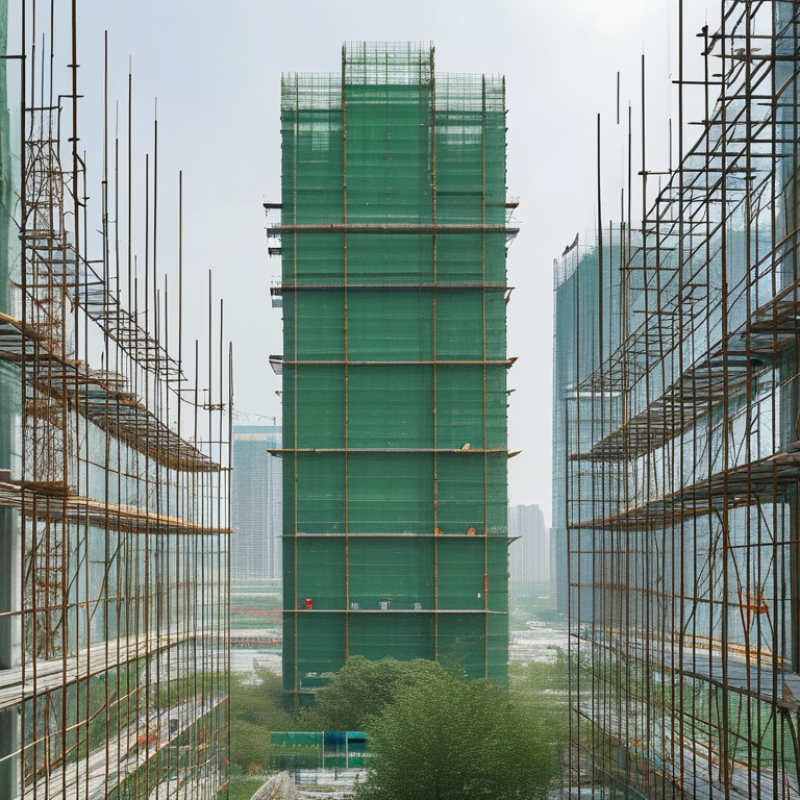
China Best Connection Scaffolding Solutions for Global Buyers?

Overview of China's Scaffolding Industry and Market Trends

China's scaffolding industry is rapidly evolving. With a growing demand for construction, the market shows promising trends. There is a shift towards safety and efficiency. Manufacturers are adopting advanced materials. Steel and aluminum scaffolding are becoming popular choices. These materials offer durability and ease of assembly.

Market trends indicate an increasing focus on innovation. Eco-friendly practices are gaining traction. Companies are looking for sustainable solutions. However, challenges remain. Not all manufacturers comply with safety standards. Quality control is essential but not always consistent. This inconsistency can lead to serious risks on construction sites.

Global buyers need to be cautious. Understanding local regulations is vital. Collaborating with trusted suppliers is crucial. This helps ensure quality and safety in projects. Despite challenges, the potential for growth in China's scaffolding industry is significant. The landscape is changing, and opportunities abound for those willing to navigate it wisely.

Key Features of Scaffolding Solutions Offered by Chinese Manufacturers

Chinese manufacturers are quickly establishing themselves as leaders in the scaffolding solutions market. They meet global demand with products that emphasize safety, durability, and cost-effectiveness. A recent industry report estimates the global scaffolding market will reach $9.5 billion by 2027, reflecting a CAGR of 5.8%. This growth calls for innovative scaffolding solutions from trusted manufacturers.

One key feature of scaffolding solutions from China is advanced materials. Many products utilize high-strength steel and lightweight aluminum, ensuring resilience while reducing transportation costs. Additionally, assembly techniques have improved, allowing for the erection of structures in less time. These advancements contribute to higher productivity on construction sites.

Tips for buyers include evaluating the supplier's certifications. Ensure they adhere to international safety standards. Engaging with manufacturers about their quality assurance processes can provide insights into their reliability. Moreover, consider the after-sales support offered. This aspect often reflects the manufacturer’s commitment to customer satisfaction and product longevity. Sourcing from Chinese manufacturers can yield competitive advantages, but due diligence is crucial.

Benefits of Sourcing Scaffolding from China for Global Buyers

Sourcing scaffolding from China has become a strategic decision for many global buyers. According to a report by IBISWorld, the global scaffolding market is valued at approximately $51 billion as of 2023. With China's advanced manufacturing capabilities, buyers can access high-quality scaffolding solutions at competitive prices. Many manufacturers excel in quickly producing large orders, reducing lead times significantly.

Moreover, the Chinese scaffolding sector is renowned for its innovation. Research indicates that over 30% of scaffolding is now made with advanced materials like lightweight aluminum and composite fibers. This shift not only enhances safety but also leads to cost savings due to lower transportation fees. Buyers report a 15% decrease in overall project costs when sourcing from China compared to local suppliers.

While the benefits are clear, challenges exist. Quality consistency can be an issue, requiring thorough supplier vetting. Buyers might face language barriers in communication, which can complicate negotiations. Understanding regional regulations is also essential. Many companies have encountered delays due to compliance issues. Addressing these concerns proactively can lead to fruitful partnerships and successful projects.

Comparative Analysis of Chinese Scaffolding Solutions vs. Global Competitors

When assessing Chinese scaffolding solutions against global competitors, several factors emerge. Chinese manufacturers often offer competitive pricing and a diverse range of products. Many of these solutions meet international safety standards, but variations can exist. Durability and quality control are sometimes areas for improvement. Buyers should carefully evaluate these aspects.

**Tips:** Always ask for product certifications. This ensures compliance with safety standards in your region. Comparing materials and methods used in different products can yield valuable insights.

The global market demands innovation and quality. Chinese companies are increasingly adopting advanced technologies in scaffolding production. Yet, some buyers report inconsistencies in supply chain reliability. Delivery times and communication can vary. This necessitates careful planning and dialogue with suppliers.

**Tips:** Establish clear timelines and expectations with suppliers. Strong communication helps mitigate potential delays. Consider visiting manufacturing facilities if possible to assess the processes firsthand.

Sustainability Practices in China's Scaffolding Manufacturing Sector

The scaffolding manufacturing sector in China is shifting towards sustainable practices. This is driven by a growing awareness of environmental impacts and regulatory pressures. Reports estimate that approximately 1.6 billion tons of construction waste is generated annually in China. This poses not only operational challenges for companies but also risks for the environment.

In response, many companies are adopting eco-friendly materials and processes. For instance, the use of recyclable metals and sustainable wood has increased significantly. A recent study indicated that 70% of scaffold manufacturers incorporate at least one sustainable practice in their operations. However, challenges remain. There are discrepancies in sustainability standards across the industry, which can lead to confusion among buyers.

Not every manufacturer leads in this area. Some still rely heavily on traditional practices. This creates a gap between companies committed to sustainability and those that lag behind. Transparency in supply chains is also lacking. Buyers should carefully assess potential suppliers, looking for those that demonstrate accountability and genuine commitment to sustainability practices.

FAQS

: What materials are commonly used in scaffolding?

: Steel and aluminum are popular choices. They are durable and easy to assemble.

Why is safety important in scaffolding?

Inconsistent quality can lead to serious risks. Adhering to safety standards is essential.

What trends are influencing China's scaffolding market?

There is a growing focus on innovation and eco-friendly practices. Sustainability is becoming a priority.

How can global buyers ensure quality from suppliers?

Collaborating with trusted suppliers is crucial. Understanding local regulations helps maintain quality and safety.

What should buyers consider when choosing a manufacturer?

Evaluate certifications and verify adherence to international safety standards. This ensures reliability.

What are the potential risks in the scaffolding industry?

Not all manufacturers comply with safety standards. This inconsistency can pose serious risks on sites.

How do advancements in assembly techniques benefit construction?

Improved assembly techniques speed up construction time. This leads to higher productivity on job sites.

Why is after-sales support important?

It reflects a manufacturer’s commitment to customer satisfaction. Good support indicates a focus on product longevity.

What challenges do manufacturers face in the scaffolding industry?

Quality control is often inconsistent. This can impact overall safety and effectiveness.

What can buyers expect from the growth of the scaffolding market?

The market is projected to reach $9.5 billion by 2027. Opportunities are significant for willing investors.

Conclusion

China's scaffolding industry has witnessed significant growth, driven by increasing infrastructure projects and demand for innovative building solutions. The key features of Connection Scaffolding solutions provided by Chinese manufacturers include their versatility, cost-effectiveness, and ease of assembly. Global buyers benefit from sourcing these products due to competitive pricing and the ability to meet diverse construction needs.

A comparative analysis reveals that while Chinese scaffolding solutions offer robust quality and customization options, they also emphasize sustainability practices that align with global environmental standards. Overall, China stands out as a pivotal player in the scaffolding market, providing reliable and innovative Connection Scaffolding options that cater to the evolving needs of construction projects worldwide.


Amelia

Amelia

Amelia is a seasoned marketing professional with a wealth of expertise in our company’s core offerings. With an unwavering passion for driving growth and innovation, she plays a pivotal role in shaping our marketing strategies and enhancing brand visibility. A key aspect of her responsibilities......