In the evolving landscape of global sourcing, Gi Pipe has emerged as a preferred choice for many industries. John Smith, a recognized expert in the metal industry, emphasizes, "Gi Pipe offers unmatched durability and versatility." This highlights why many businesses are choosing Gi Pipe for their projects.
Gi Pipe, or galvanized iron pipe, is known for its resistance to corrosion. This feature is crucial in various applications, including plumbing and construction. Businesses benefit from its longevity and cost-effectiveness. In an era of rising costs, choosing the right materials is essential.
However, sourcing Gi Pipe isn't without challenges. Quality inconsistencies can affect project outcomes. It’s vital to partner with reputable suppliers. The right choice ensures reliable supply chains and product integrity. Balancing quality with cost can be daunting, requiring careful consideration. In this complex market, understanding Gi Pipe's benefits and risks is crucial for successful sourcing.
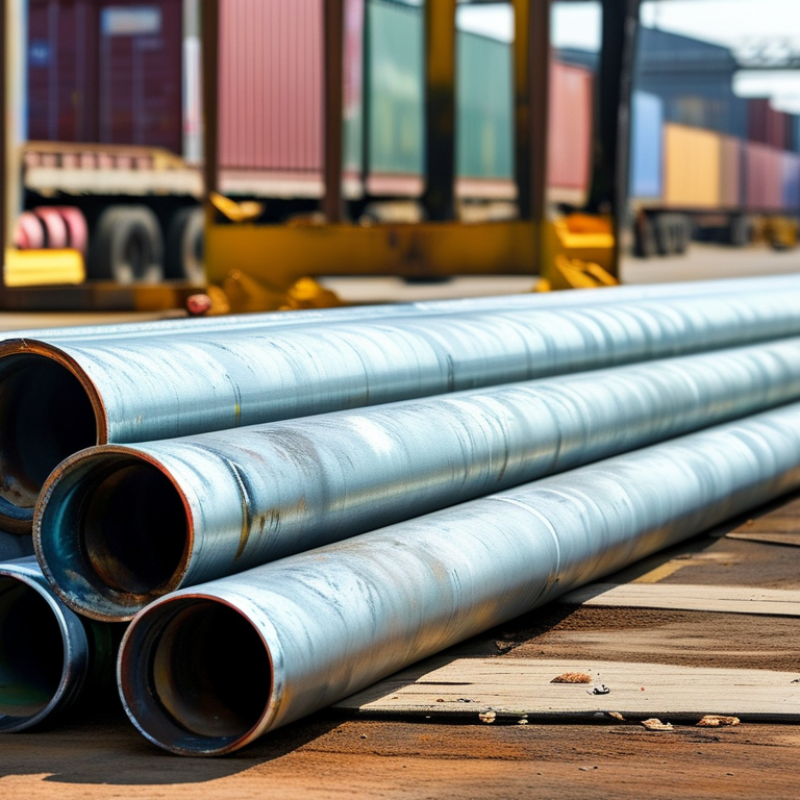
When it comes to sourcing materials globally, galvanized iron (GI) pipes stand out for their durability and versatility. Understanding the fundamentals of GI pipes is crucial for informed decision-making. They provide an effective solution for plumbing and construction due to their excellent resistance to corrosion. This characteristic ensures long-lasting performance, particularly in harsh environmental conditions.
**Tips:** Always check the specifications of GI pipes you plan to source. Different projects may require different thicknesses and coatings. Don’t overlook the importance of considering the weight of these pipes. Heavier pipes can impact transportation costs significantly.
Another critical aspect is compatibility. Ensure that the GI pipes you choose align with other materials in your project. Mismatched materials can lead to leaks or structural failures. Engaging with experienced suppliers can help mitigate these risks. It’s not just about the price; reliability and quality must be prioritized.
**Tips:** Research potential suppliers thoroughly. Look for reviews or case studies demonstrating their expertise. Never compromise on quality to save costs. Remember, a faulty pipe can lead to costly repairs down the road.
| Dimension | Material | Weight (kg/m) | Standard | Application |
|---|---|---|---|---|
| 1/2 inch | Galvanized Steel | 1.24 | ASTM A53 | Water Supply |
| 3/4 inch | Galvanized Steel | 1.77 | ASTM A53 | Plumbing |
| 1 inch | Galvanized Steel | 2.35 | ASTM A53 | Construction |
| 1 1/4 inch | Galvanized Steel | 3.23 | ASTM A53 | Industrial |
| 2 inch | Galvanized Steel | 4.54 | ASTM A53 | Oil & Gas |
: GI pipes are known for their durability and corrosion resistance. They are versatile in construction and plumbing.
Different projects may need different thicknesses and coatings of GI pipes to meet specific requirements.
Mismatched materials can lead to leaks or structural failures. Compatibility is essential for project integrity.
Researching suppliers helps ensure quality and reliability. Look for reviews or case studies to evaluate their expertise.
Regular inspections can identify potential corrosion issues. This proactive approach supports optimal performance and longevity.
Prioritize quality and experience in suppliers. Certifications can confirm that their products meet industry standards.
Yes, new manufacturers may offer innovative solutions. However, evaluate their credibility and capacity.
Responsive communication indicates a supplier's commitment. They should address your concerns effectively and quickly.
A faulty pipe can lead to costly repairs later. It’s crucial to prioritize quality to avoid future issues.
Not all GI pipes are equal. Quality varies, and awareness of corrosion risks is necessary for system reliability.
This article explores the essential aspects of using GI pipes for global sourcing needs, emphasizing their durability and corrosion resistance. GI pipes, made from galvanized iron, are highlighted for their long-lasting nature, making them a preferred choice in various industries. The article also presents market statistics that depict current trends and future projections, illustrating the growing demand for GI pipes worldwide.
In a comparative analysis, GI pipes are evaluated against other pipe materials, showcasing their advantages in specific applications. Additionally, the article provides guidelines for selecting quality GI pipe manufacturers, outlining key criteria to ensure reliability and performance in sourcing decisions. Overall, this comprehensive overview underscores the significance of GI pipes in global sourcing, enriching readers’ understanding of their benefits and market dynamics.

 Minjie Steel