When considering material procurement, the choice of a Zinc Coated Tube can significantly impact project success. These tubes offer excellent corrosion resistance, which translates into durability and longevity. A Zinc Coated Tube can withstand harsh environments, making it suitable for various applications. Industries such as construction, automotive, and manufacturing often rely on these tubes for reliable performance.
Despite the benefits, it's essential to recognize potential challenges. The manufacturing process may vary, leading to inconsistencies in quality. Buyers must evaluate suppliers carefully to ensure adherence to industry standards. Not all Zinc Coated Tubes are created equal, and poor choices can lead to costly repairs or replacements.
In summary, opting for a Zinc Coated Tube offers practical advantages, but conducting thorough research remains crucial. Understanding the nuances of quality and supply standards empowers companies to make informed decisions. As the demand for reliable materials grows, the role of Zinc Coated Tubes in procurement will continue to evolve.
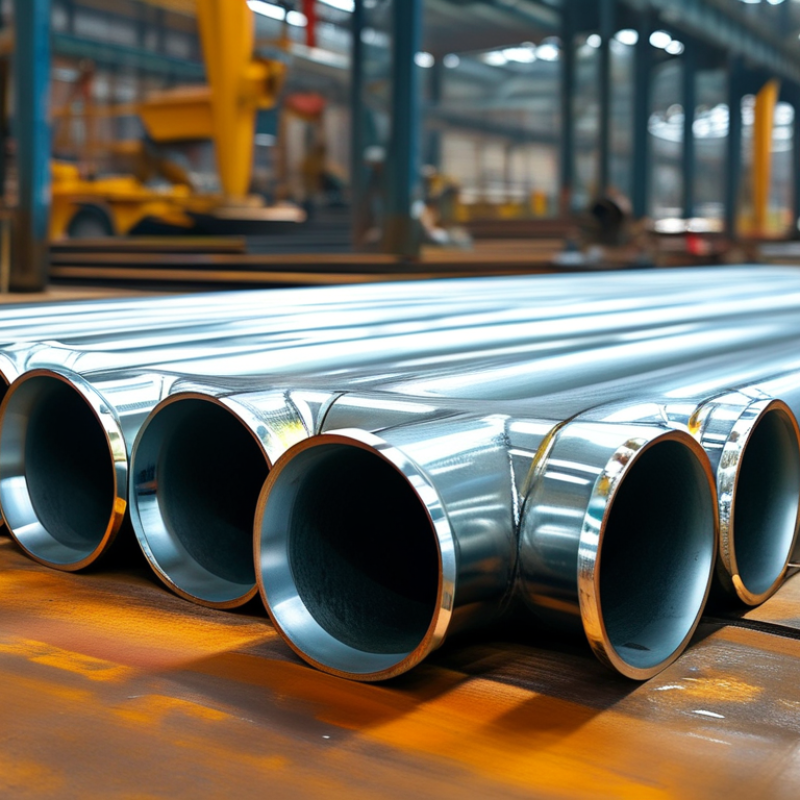
Why Choose Zinc Coated Tube for Your Procurement Needs?
When considering procurement needs, the choice of materials can significantly affect durability and performance. Zinc-coated tubes stand out for several compelling reasons. They offer excellent corrosion resistance, crucial in industries like construction or automotive. This protective coating helps extend the lifespan of the tubes, reducing maintenance costs. For projects exposed to harsh environments, the longevity provided by zinc finishes can be invaluable.
Moreover, zinc-coated tubes are relatively lightweight compared to alternatives. This makes them easier to handle and install, reducing labor costs and time. However, it's essential to consider the application carefully. Not all zinc coatings are created equal. Some may not withstand specific conditions, leading to premature failure. Therefore, understanding the requirements of your project is vital.
Lastly, sourcing reliable materials is paramount. Poor-quality zinc coatings may lead to unexpected issues down the line. Ensuring you're procuring from experts in the field can mitigate risks. This attention to detail will enhance overall project success. In conclusion, while zinc-coated tubes are advantageous, proper selection and sourcing remain critical for optimal results.
Understanding Zinc Coating and Its Benefits for Steel Tubes
Zinc coating is a well-established method for enhancing the corrosion resistance of steel tubes. According to the World Steel Association, more than 50% of steel is used in environments where corrosion is a significant issue. Zinc-coated tubes provide a protective barrier that extends their lifespan. In harsh weather conditions, this can result in a service life that is up to five times longer than untreated steel.
The benefits of zinc coating go beyond just corrosion protection. It also improves the paint adhesion and aesthetic appeal of steel tubes. Reports have shown that zinc-coated surfaces can reduce maintenance costs by as much as 30%. In industries where cost efficiency is crucial, choosing zinc-coated tubes can lead to significant savings over time. However, it’s important to consider that the coating may wear off in some aggressive environments, necessitating regular inspections to ensure reliability.
Another aspect to think about is the environmental impact of zinc coating techniques. While zinc itself is a sustainable resource, the manufacturing processes can produce waste. Various studies suggest that improving these processes could provide a dual benefit: enhancing tube longevity while minimizing environmental harm. Balancing these factors is essential for organizations aiming to be socially responsible.
Key Industry Standards and Specifications for Zinc Coated Tubes
Zinc coated tubes are essential in various industries, particularly for their durability and corrosion resistance. There are specific industry standards and specifications that govern these materials. Compliance ensures that the tubes perform effectively in diverse applications.
When selecting zinc coated tubes, consider the coating thickness. A thicker layer offers better protection but adds weight. Users might overlook this aspect, leading to potential long-term issues. It’s crucial to match the coating to your specific environment.
Pay attention to the quality of the zinc coating, which can vary. Manufacturers must adhere to established standards, like ASTM A123, to ensure longevity. A reliable tube will undergo stringent testing to confirm its strength and resilience.
Tip: Always seek documentation on compliance. This will provide reassurance about the material's performance. Another tip is to consult with industry professionals to better understand the specifications required for your project. Making informed decisions is vital.
Durability and Corrosion Resistance: The Science Behind Zinc Coating
Zinc coated tubes have gained attention for their unique properties. The science behind zinc coating plays a crucial role in their durability. This coating acts as a protective barrier against rust and corrosion. When metal is exposed to air and moisture, it can deteriorate quickly. The zinc layer significantly slows down this process.
Corrosion resistance is particularly important in construction and manufacturing. Environments with high humidity or harsh chemicals can be challenging. Zinc coated tubes withstand these conditions better than bare steel. They maintain structural integrity over time. This reliability is vital for long-term projects.
However, there are some considerations to keep in mind. While zinc coated tubes offer excellent protection, they are not completely immune to corrosion. Scratches or damage to the coating can lead to vulnerability. Regular inspections and maintenance are essential. Understanding these nuances is key to making informed procurement choices.
Cost-Benefit Analysis: Zinc Coated Tubes vs. Other Coatings
When considering procurement, the cost-benefit analysis of
zinc coated tubes versus other
coatings is crucial. Zinc coated tubes offer significant advantages in
corrosion resistance. According to industry reports, these tubes can withstand harsh environmental conditions
better than untreated steel. This results in lower maintenance costs over time. A study from the
American Galvanizers Association highlights that galvanized steel can
last 50 years or more in outdoor environments.
In contrast, coatings like paint or plastic may deteriorate more quickly. They often require
frequent reapplication. A detailed analysis indicates that the
lifecycle cost of zinc coated tubes is about 20% lower than other coated options.
Even as manufacturing costs fluctuate, the durability of zinc coatings provides a reliable
long-term investment.
On the other hand, there can be challenges. Zinc coatings may not be suitable for all applications,
particularly where aesthetic finish is a priority. In environments with high mechanical wear,
alternative coatings might outperform zinc. This prompts careful evaluation of specific project needs.
It highlights the importance of tailored solutions in procurement decisions. Despite their advantages,
zinc coated tubes require thoughtful consideration of application context.
Applications and Industries That Benefit from Zinc Coated Tubes
Zinc coated tubes serve a variety of applications across multiple industries. They offer excellent corrosion resistance, making them suitable for use in harsh environments. The automotive industry greatly benefits from these tubes, as they are used in exhaust systems and body panels. Their durability helps manufacturers reduce maintenance costs.
In construction, zinc coated tubes are vital for structural purposes. They are employed in scaffolding, providing safety and stability. Additionally, in the agricultural sector, these tubes are used for irrigation systems and fencing. Their resistance to rust ensures long-lasting performance. However, not all zinc coatings are created equal, and improper application can lead to failures.
Manufacturers must evaluate their specific needs when choosing zinc coated tubes. The type of coating can affect both performance and cost. Some may find that the initial expense leads to long-term savings. Others might prefer alternative materials for their projects, noting factors like weight and strength. Balancing these considerations is essential for optimal procurement decisions.
FAQS
: Zinc-coated tubes offer excellent corrosion resistance, which is essential in various industries. They extend lifespan and reduce maintenance costs.
No, not all zinc coatings are equal. Some may not perform well in extreme conditions, leading to potential failures.
Zinc-coated tubes can last up to five times longer than untreated steel in harsh weather conditions, improving durability significantly.
Zinc is a sustainable resource, but the manufacturing process can produce waste. Improving these processes can reduce environmental impact.
Yes, in aggressive environments, the coating may wear off. Regular inspections are necessary to ensure continuous reliability.
Sourcing from reliable suppliers is crucial. Poor-quality coatings can lead to unexpected problems and project failures later on.
Conclusion
Zinc Coated Tubes have become increasingly popular in various industries due to their superior protection against corrosion and enhanced durability. Understanding the process of zinc coating reveals its benefits, which include a significant extension of the lifespan of steel tubes and compliance with key industry standards and specifications. The science behind zinc coating highlights its effective barrier against environmental factors, making it an excellent choice for applications in harsh conditions.
A cost-benefit analysis shows that, when compared to other types of coatings, Zinc Coated Tubes provide a more economical solution without compromising on quality. Their versatility allows them to be utilized across multiple industries, offering reliable performance in a range of applications. By choosing Zinc Coated Tubes, companies can ensure they are investing in high-quality materials that meet their procurement needs effectively.

 Minjie Steel