How to Choose the Right Carbon Steel Pipe for Your Project?

Time:2026-07-15 Author:Ethan
0%

Choosing the right Carbon Steel Pipe is crucial for any project. John Smith, a renowned expert in pipe selection, once stated, “The right material makes all the difference.” Carbon Steel Pipes are popular due to their strength and versatility. However, not all pipes fit every application.

Understanding the specific needs of your project is essential. Factors like pressure, temperature, and environment all play a role. For instance, a pipe suited for high-pressure systems may not perform well in corrosive environments. We must reflect on these elements when making a choice.

It’s worth noting that even seasoned professionals can overlook critical details about Carbon Steel Pipe specifications. Each project presents unique challenges that can cause hesitation. Striking a balance between functionality and durability is imperative. The future of your project hinges on this decision.
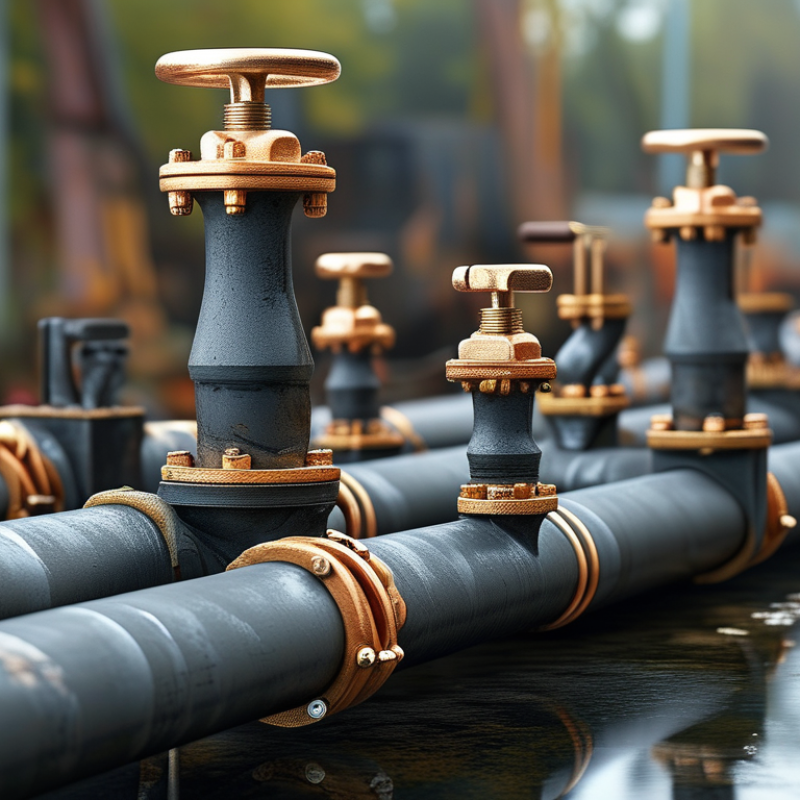
How to Choose the Right Carbon Steel Pipe for Your Project?

Understanding the Basics of Carbon Steel Pipes for Your Project

When starting any project that involves carbon steel pipes, it's crucial to grasp the basics. Carbon steel pipes come in various grades, and each grade has distinct features. These features determine their suitability for different applications. Familiarity with these grades can help simplify the decision-making process.

Another important aspect is the pipe's diameter and wall thickness. A project requiring high pressure or temperature might need thicker walls. Conversely, a lightweight project might benefit from standard wall thickness. You must consider the operational environment. Will it be exposed to chemicals or extreme temperatures? This can significantly affect your choice.

While it's easy to get overwhelmed by technical specifications, taking the time for research is essential. Misjudging the required standard can lead to project delays or failures. Assessing your project's specific needs and potential challenges upfront will ensure a more reliable outcome. Effective planning here cannot be overstated; it can save time and resources in the long run.

Evaluating the Different Grades of Carbon Steel Materials

Choosing the right grade of carbon steel pipe can significantly impact your project’s success. Different grades offer varied strength, ductility, and corrosion resistance. Low carbon steel, for instance, is easy to fabricate but may lack durability in harsh environments. On the other hand, high carbon steel provides exceptional strength but can be challenging to work with.

When evaluating carbon steel grades, consider the intended use. Will the pipe face high temperatures or aggressive chemicals? If so, opting for alloyed grades might be wise. Each grade is distinct. E.g., ASTM A106 is common for high-temperature applications. However, each project may test a material's limits, revealing unexpected failures. Knowing the limitations can guide you to safer choices.

Another crucial factor is the pipe's diameter and wall thickness. Thicker walls provide better pressure resistance but can be heavier and harder to install. A heavier pipe might lead to complications, including unsupported spans or increased costs. Regular assessments can help determine if your chosen grade is appropriate or if adjustments are needed as the project evolves.

Identifying the Size and Dimensions Suitable for Your Needs

Choosing the right carbon steel pipe for your project requires precise attention to size and dimensions. Begin by assessing the specific requirements of your application. Consider factors such as pressure needs, temperature ranges, and the medium to be transported. It’s essential to understand how these elements impact pipe selection.

Tip: Measure your available space before purchasing. Make sure the pipes will fit comfortably within your project’s layout. Unexpected dimensions can lead to costly adjustments.

Be mindful of industry standards and classifications. Carbon steel pipes come in various sizes, including wall thickness and diameter. A pipe that is too small can restrict flow, while one that is too large may be impractical. Check your measurements against established specifications.

Tip: Consult a trusted guide or a professional before making a purchase. Sometimes, dimensions don't align with expectations. Researching can save you time and resources in the long run.

Every project is unique, and one size does not fit all. Take time to reflect on your specific needs and the parameters of the project. Making informed choices can lead to better outcomes.

Assessing the Specific Applications and Uses of Carbon Steel Pipes

When selecting carbon steel pipes, it’s critical to consider their specific applications. These pipes are used across various industries, including construction, oil and gas, and manufacturing. Each sector has unique requirements, such as pressure ratings, temperature resistance, and corrosion resistance. For instance, in the oil and gas sector, pipes must withstand high pressures and harsh environments. Understanding these needs is crucial for making an informed choice.

Another important aspect is the pipe’s mechanical properties. Carbon steel pipes come in different grades, affecting their strength and durability. Higher carbon content increases strength but can reduce ductility. This trade-off might not be evident at first glance. You may find that a pipe that seems suitable does not perform well under specific conditions. Additionally, the pipe's wall thickness can influence its suitability for different applications. Thicker walls can handle greater pressures but also increase cost. Addressing these factors early can prevent issues later in your project.

Considering the Cost and Availability of Carbon Steel Options

When selecting carbon steel pipes, cost and availability are critical factors. Currently, carbon steel prices vary significantly. According to the World Steel Association, the average price for hot-rolled carbon steel is around $700 per ton. This price fluctuates based on global demand, raw material costs, and geopolitical factors. Therefore, project managers must keep a close eye on market trends.

Availability of carbon steel options can pose challenges. A report from the American Iron and Steel Institute highlights that domestic supply chains struggle to meet increasing demand. Some grades of carbon steel are in short supply. This scarcity can lead to extended lead times and higher costs. It’s crucial to assess whether local suppliers have the required materials on hand.

Understanding these factors helps in making informed decisions. Evaluating the total cost of pipeline procurement involves more than just the raw material price. It's essential to consider transportation costs, potential delays, and project timelines. While carbon steel remains a reliable choice for many applications, shortages may lead to reconsidering alternatives, such as stainless steel or other alloys.

Cost and Availability of Carbon Steel Pipes

This chart represents the average cost (in $ per foot) and availability (in percentage) of various sizes of carbon steel pipes commonly used in construction projects.

FAQS

: How do I determine the right size for a carbon steel pipe?

: Assess your project needs, including pressure, temperature, and medium type.

What should I measure before purchasing pipes?

Measure your available space to ensure the pipes fit well within your layout.

Why is understanding industry standards important?

It helps you select the correct wall thickness and diameter for effective flow.

What could happen if I choose the wrong pipe size?

A pipe that's too small restricts flow; one too large may not fit practically.

How can I avoid costly mistakes in pipe selection?

Consult a professional or reliable guide before finalizing your purchase.

What factors affect the cost of carbon steel pipes?

Prices vary based on global demand, raw material costs, and market trends.

What challenges can arise in carbon steel availability?

Domestic supply may struggle, leading to shortages and extended lead times.

How should I evaluate the total cost of procurement?

Consider not just material costs but also transportation, delays, and timelines.

When might I reconsider using carbon steel?

If shortages persist, exploring alternatives like stainless steel may be necessary.

What should I think about for unique project needs?

Reflect on specific requirements; one size does not fit all solutions.

Conclusion

Selecting the right Carbon Steel Pipe for your project involves several key considerations. First, it's essential to understand the basics of carbon steel pipes, including their composition and structural characteristics, which play a significant role in their performance. Evaluating the different grades of carbon steel materials is crucial as it affects factors like strength and durability, ensuring you choose a pipe that meets your specific requirements.

Next, identifying the appropriate size and dimensions is vital for compatibility with your project's design. Assessing the specific applications and uses will help you determine the best type of carbon steel pipe suited for your needs, whether for construction, infrastructure, or industrial purposes. Finally, consider the cost and availability of carbon steel options, as this can impact your project's budget and timeline. By thoroughly analyzing these aspects, you can make an informed decision that aligns with both functional and financial goals.


Ethan

Ethan

Ethan is a seasoned marketing professional with a deep expertise in our company's innovative product line. With a passion for sharing knowledge and insights, he takes the lead in regularly updating our corporate blog, where he explores industry trends, product features, and effective marketing......