ERW Steel Pipe, or Electric Resistance Welded Steel Pipe, has gained a strong foothold in various industrial applications. Industry reports indicate that the demand for ERW steel pipes is expected to grow at a CAGR of 6.2% from 2021 to 2028. This growth is primarily driven by the increasing need for infrastructure development and energy projects worldwide.
The manufacturing process of ERW steel pipes offers excellent quality and cost-effectiveness. These pipes are made from high-quality steel coils, allowing for consistent wall thickness. According to the American Society for Testing and Materials (ASTM), ERW pipes meet stringent quality standards. However, it is essential to consider the potential challenges in sourcing reliable suppliers and ensuring product specifications.
Choosing ERW Steel Pipe for your projects not only ensures durability but also supports sustainability efforts. Steel is recyclable, contributing to a reduced environmental footprint. Yet, there are areas of improvement in welding techniques and material selection. Evaluating these factors will help ensure the right choice in your upcoming projects.
What is ERW Steel Pipe? Definition and Key Characteristics
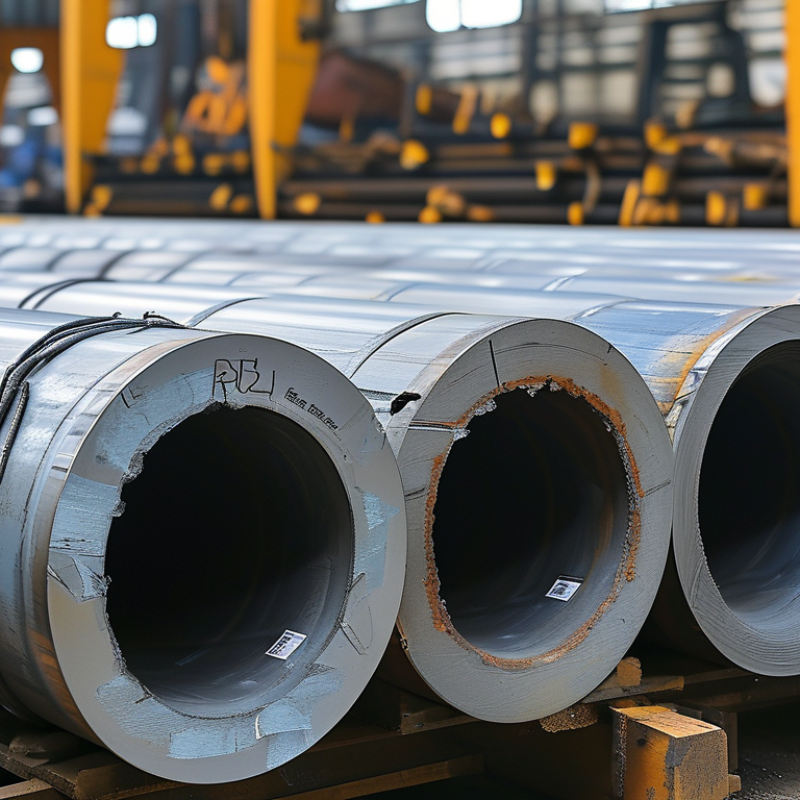
ERW (Electric Resistance Welded) steel pipe is a type of welded steel pipe known for its high strength. It is produced by rolling a sheet of steel and welding the edges together. This method creates a strong, uniform pipe suitable for various applications. ERW pipes are often used in construction, plumbing, and oil and gas industries. Their smooth surface allows for easy transport of fluids, making them reliable choices.
Key characteristics of ERW steel pipe include its cost-effectiveness and versatility. It can be produced in various diameters and wall thicknesses. This flexibility meets the needs of project specifications. However, the welding process may sometimes lead to quality inconsistencies. It's vital to ensure that quality control measures are in place. Proper inspection can help identify any defects early.
Another important aspect is the corrosion resistance of ERW pipes. When coated appropriately, they offer durability in challenging environments. Yet, without proper maintenance, rust can develop. Users should be aware of this aspect and plan for regular inspections. Ultimately, understanding these characteristics helps in selecting the right materials for projects.
ERW Steel Pipe - Performance Characteristics
This chart illustrates the key characteristics of ERW steel pipes compared to other types of pipes based on various metrics such as tensile strength, weld smoothness, and cost-effectiveness. The data reflects common findings in the industry.
The Manufacturing Process of ERW Steel Pipe: Step-by-Step Overview
The manufacturing process of ERW steel pipe involves several crucial steps. Initially, flat steel strips are sourced, cut to length, and cleaned thoroughly to remove contaminants. This preparation is essential for creating high-precision pipes that meet industry standards.
Following this, the strips are heated at their edges and then rolled into a cylindrical shape. The process utilizes electric resistance welding to fuse the edges together, which ensures a strong and durable seam. This method is efficient and allows for the mass production of pipes.
After welding, the pipes undergo a series of tests for quality assurance. This includes pressure testing and visual inspections. Many manufacturers may overlook this step, leading to potential issues down the line. Ensuring that each pipe meets specified standards is critical for performance. Additionally, the final product is subjected to various finishing processes, such as coating or galvanizing, to enhance its corrosion resistance. These finishing touches play a significant role in extending the pipe's lifespan in various applications.
While the ERW steel pipe manufacturing process is efficient, it is essential to evaluate the end product's quality continuously. Even minor flaws during the welding stage can compromise structural integrity. Regular audits and quality checks can ensure reliability. Taking these measures fosters trust in the final product, making it suitable for diverse projects. Understanding this process is vital for project managers seeking to utilize ERW steel pipes effectively.
Applications of ERW Steel Pipe in Construction and Infrastructure Projects
ERW steel pipe, or Electric Resistance Welded steel pipe, plays a crucial role in construction and infrastructure. Its strength and versatility make it a popular choice. Common applications include structural support, water conveyance, and electrical conduits. Many projects benefit from ERW pipes due to their high resistance to external pressures.
In urban construction, ERW pipes are essential for carrying water and gas. These pipes are reliable and durable, often outperforming alternatives. They can fit into tight spaces, making them ideal for densely populated areas. However, not all uses are perfect. Some projects have faced corrosion issues over time when ERW pipes were not properly coated or maintained.
Infrastructure projects, such as bridges and highways, also utilize ERW steel pipes. Their ability to withstand heavy loads is invaluable. Yet, careful planning is crucial. Designers must consider the environment to ensure maximum lifespan. Using ERW pipes requires knowledge of their limitations and the proper installation techniques.
Advantages of Choosing ERW Steel Pipe Over Other Pipe Types
ERW steel pipe, or Electric Resistance Welded pipe, has gained popularity in various construction and industrial projects. The advantages it offers make it a top choice among engineers and contractors. One significant benefit is its cost-effectiveness. ERW pipes are generally less expensive to produce, making them a budget-friendly option without compromising quality.
Another advantage is their strength and durability. The welding process ensures a strong bond throughout the pipe, reducing the likelihood of joints failing over time. This feature makes ERW pipes reliable for transporting liquids and gases. They can withstand varying pressures and are less prone to leaks.
When considering materials for your next project, keep these tips in mind. Choose the right wall thickness based on the application’s demands. Think about the pipe's corrosion resistance as well; coatings can enhance longevity. Assess the installation requirements; ERW pipes are lightweight, making them easier to handle during transport and assembly.
These details are crucial for project success. While ERW pipes present many benefits, it’s essential to analyze their suitability for your specific needs. Not every project is the same, and sometimes traditional methods might be more appropriate. Always evaluate the risks and potential drawbacks when selecting materials.
Industry Standards and Certifications for ERW Steel Pipe Quality Assurance
ERW steel pipe, or Electric Resistance Welded pipe, is manufactured through the welding of flat steel strips. This method results in a strong and durable product. However, the quality of ERW pipes relies heavily on industry standards and certifications. Recognizing these standards can enhance the reliability of the materials used in construction projects.
Quality assurance for ERW steel pipes comes from several key certifications. For instance, the American Society for Testing and Materials (ASTM) sets essential guidelines. Adhering to these standards ensures structural integrity and safety in applications. Looking for certifications like API 5L and ISO 9001 adds an extra layer of trust. While many suppliers claim compliance, verifying these certifications can be time-consuming but worthwhile.
Tips: Always request documentation before purchasing. Familiarize yourself with the common standards. You might find that not all products meet your project’s requirements. Engaging trusted suppliers can ease this process, as they are often more transparent about their certifications and processes. Stay proactive in ensuring your materials align with necessary quality assurances.
FAQS
: Flat steel strips are sourced, cut to length, and thoroughly cleaned.
The edges are heated and then rolled into a cylindrical shape.
Electric resistance welding is used to fuse the edges together.
Quality assurance includes pressure testing and visual inspections.
Minor flaws during welding can compromise structural integrity and performance.
They are coated or galvanized to enhance corrosion resistance.
They are used for structural support, water conveyance, and electrical conduits.
Corrosion issues may occur over time if the pipes are not adequately coated.
Certifications like ASTM, API 5L, and ISO 9001 are crucial for quality assurance.
Always request certification documentation and engage trusted suppliers for transparency.
Conclusion
ERW Steel Pipe, or Electric Resistance Welded Steel Pipe, is a type of steel pipe known for its durability and versatility in various applications. This pipe is produced through a welding process that involves passing an electric current through the pipe’s edges, resulting in a strong and seamless joint. The manufacturing process includes several key steps, such as preparing the steel sheet, forming it into a cylindrical shape, and finally welding the edges together.
ERW Steel Pipe is widely utilized in construction and infrastructure projects due to its cost-effectiveness and high strength. It is preferred over other pipe types for its consistent quality and adaptability to various projects. Additionally, ERW Steel Pipes adhere to strict industry standards and certifications, ensuring reliability and safety in their applications. This makes them an excellent choice for engineers and builders seeking efficient piping solutions.

 Minjie Steel