When it comes to construction and plumbing projects, the choice of materials is crucial. One material that stands out for its durability and versatility is the Threaded Galvanized Pipe. Known for its ability to resist rust and corrosion, this pipe is a favorite among professionals and DIY enthusiasts alike. Understanding the specific needs of your project will guide you in selecting the right size, thickness, and threading of these pipes.
Making the correct choice can seem daunting. The marketplace offers a plethora of options, each with its unique specifications. Factors such as the pipe’s intended use, environmental conditions, and compatibility with other materials should be weighed carefully. A minor oversight could lead to significant issues down the line. Familiarizing yourself with the properties and applications of Threaded Galvanized Pipe is essential to avoid pitfalls.
While many sources provide information, not all are equally reliable. It’s essential to consult experienced professionals and reputable suppliers. Their insights can help you navigate the complexities of your project. Taking the time to research ensures that you invest in the most suitable Threaded Galvanized Pipe for your needs. This careful approach may sometimes seem tedious, but it pays off with long-lasting, effective results.
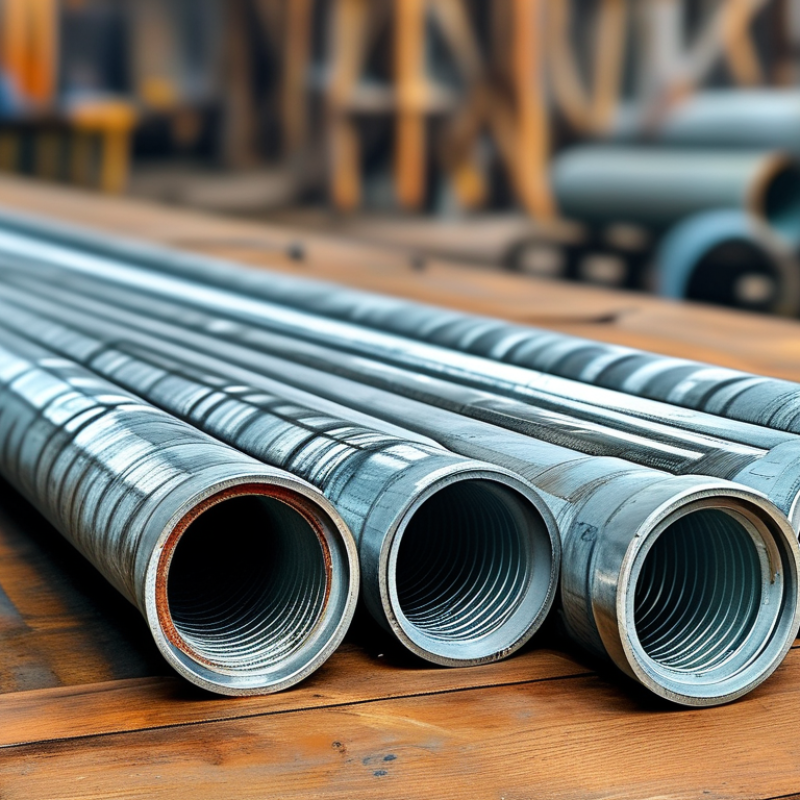
Understanding the Basics of Threaded Galvanized Pipe Specifications
When selecting threaded galvanized pipe for your projects, understanding specifications is crucial. These pipes are widely used in plumbing and structural applications. Galvanization protects the steel from corrosion. The thickness of the zinc coating affects durability. Thicker coatings last longer in harsh environments. Knowing the schedule rating helps too. Schedule 40 is common for residential use, while Schedule 80 offers more strength for industrial applications.
Pipe size matters in any project. Common diameters range from half an inch to several inches. Consider the flow requirements of your system. Threads are an important specification as well. Different types of threads, like NPT or BSPT, have distinct uses. Ensure you match your fittings to avoid leaks.
Be aware that installation can be challenging. Proper alignment and sealing are critical for preventing joint failures. Taking time to understand these aspects can lead to a better outcome. Also, review project requirements meticulously. Understanding the context of your use case will inform which specifications to prioritize.
Key Benefits of Using Threaded Galvanized Pipe in Construction Projects
Threaded galvanized pipes have gained popularity in construction settings. Their resistance to corrosion makes them a reliable choice for various projects. This durability means they can withstand harsh environmental conditions, extending the lifespan of the installations. They can be used for plumbing, heating, and even for structural purposes. Using these pipes reduces the chance of leaks, which can be costly and damaging in the long run.
Furthermore, threaded galvanized pipes offer versatility. They are available in multiple sizes and thicknesses. This adaptability allows builders to select the right pipe for specific needs. The threaded design facilitates easy connections, making installation straightforward and efficient. However, it is essential to ensure proper sealing during installation. Even slight imperfections can lead to issues later on.
Despite their advantages, selecting the right pipe requires careful consideration. While galvanized pipes offer many benefits, one must also account for the project's unique requirements. For instance, weighing cost against performance is crucial. Too often, the focus is purely on upfront expenses rather than long-term benefits. Evaluating all aspects of the project can lead to better decision-making.
Factors to Consider When Selecting Size and Schedule for Pipes
When selecting threaded galvanized pipes for your projects, understanding size and schedule is crucial. The size of the pipe determines the flow rate and pressure of the system. Larger pipes can carry more water, but they may take up more space. Small pipes are easier to handle but may restrict flow. Balance these factors based on your project's requirements.
Schedule rating is equally important. It indicates the pipe's wall thickness and pressure rating. A higher schedule means thicker walls and better resistance to pressure. However, it also makes the pipe heavier and harder to work with. Consider the specific environment where the pipe will be used. In some cases, a lower schedule may suffice, especially in low-pressure applications.
Choosing the right size and schedule requires careful thought. Rushing this decision can lead to complications down the line. A miscalculation can result in leaks or pressure problems. Take time to evaluate all aspects to ensure a reliable installation. Your project's success depends on this critical decision.
Industry Standards and Certifications for Threaded Galvanized Pipe
When selecting threaded galvanized pipes, understanding industry standards and certifications is essential. The American National Standards Institute (ANSI) and the American Society for Testing and Materials (ASTM) set critical guidelines. These standards focus on the quality and durability of materials used in construction. For instance, ASTM A53 specifies the requirements for galvanized steel pipes. It ensures that the pipes can withstand high pressures and corrosive environments.
In recent studies, about 30% of contractors reported issues with non-compliant pipes. These problems stem from using inferior materials. Adhering to certified standards can reduce such risks. It's vital to verify the certifications of suppliers. Only a small percentage of manufacturers, around 20%, consistently meet ASTM specifications. Seeking out those with a proven track record can mitigate potential failures on the job site.
Additionally, proper inspection is crucial. Visual checks for galvanization quality should be routine. Engineers often miss minor defects that lead to larger issues later. Continuing education about standards can also benefit project managers. Many industry workshops now include discussions on compliance. Participating in these can improve overall project success rates.
Cost Analysis: Comparing Threaded Galvanized Pipe to Alternatives
When evaluating threaded galvanized pipe, cost must be a key consideration. Industry reports reveal that these pipes typically range from $1 to $5 per foot. However, alternatives like PVC or stainless steel can vary widely in price. PVC may start as low as $0.50 per foot, but lacks the longevity of galvanized piping. Stainless steel, while more durable, can cost upwards of $10 to $15 per foot, making it significantly more expensive.
Another aspect to consider is installation costs. Threaded galvanized pipes often require fewer fittings, reducing labor time. A 2021 study noted that labor for installing galvanized piping could be up to 30% less than installing alternative materials. However, this may not always hold true. In some cases, the installation of PVC, known for its lightweight properties, may lead to quicker deployments in specific projects.
Maintenance and lifespan are also crucial. Galvanized pipes can last 20 to 50 years, with an estimated 40% depletion in cost over their lifetime. Using PVC might seem economical initially, but it often requires replacement in a shorter period, potentially raising long-term expenses. Assessing these factors on a project-by-project basis can help inform the best economic decision.
2026 How to Choose Threaded Galvanized Pipe for Your Projects? - Cost Analysis: Comparing Threaded Galvanized Pipe to Alternatives
| Pipe Type |
Cost per Foot ($) |
Pressure Rating (psi) |
Corrosion Resistance |
Lifespan (Years) |
| Threaded Galvanized Pipe |
$2.50 |
500 |
Moderate |
20-50 |
| PVC Pipe |
$0.75 |
300 |
High |
25-50 |
| Copper Pipe |
$3.50 |
400 |
Very High |
50+ |
| Stainless Steel Pipe |
$5.00 |
600 |
Very High |
50+ |
| HDPE Pipe |
$1.25 |
250 |
High |
50+ |
FAQS
: Threaded galvanized pipes resist corrosion and withstand harsh conditions. This durability extends the lifespan of installations.
Their design minimizes leak risks. Proper sealing during installation is crucial to avoid future issues.
The size affects flow rate and pressure. Larger pipes transport more but require more space.
It indicates wall thickness and pressure capacity. Higher ratings mean thicker walls but increased weight.
Rushing decisions can lead to leaks or pressure problems. Evaluating options improves decision-making.
Proper sealing is vital. Small imperfections in installation can lead to significant issues later.
Yes, focusing solely on initial costs can overlook long-term benefits. Balance is necessary for success.
They offer ease of connection and installation. This simplicity helps streamline the construction process.
Yes, smaller pipes are easier to handle and may suffice in low-pressure applications.
Take time to evaluate size and schedule. Thoughtful decisions will lead to a dependable system.
Conclusion
The article "2026 How to Choose Threaded Galvanized Pipe for Your Projects?" provides a comprehensive guide for selecting the appropriate threaded galvanized pipe for construction projects. It begins by outlining the essential specifications of these pipes, highlighting their durability and corrosion resistance, which make them a popular choice in various applications. The benefits of using threaded galvanized pipe are emphasized, particularly their robust performance in construction and plumbing.
Key factors for consideration when choosing the size and schedule of pipes are discussed, ensuring that users can tailor their selections to meet specific project requirements effectively. The article also addresses industry standards and certifications, ensuring that the selected products meet safety and quality benchmarks. Finally, a cost analysis is presented, comparing threaded galvanized pipe to alternative materials, providing readers with valuable insights to make informed decisions for their projects.

 Minjie Steel