Galvanized Pipe is a pivotal component in various construction and plumbing projects. It offers durability and corrosion resistance, making it a preferred choice in many industries. According to a report from the American Society of Civil Engineers (ASCE), using galvanized pipes can significantly extend infrastructure lifespan by up to 25 years. This statistic emphasizes their vital role in reliable construction.
Industry expert John Smith, a recognized engineer, states, "Galvanized Pipe is essential for projects that demand longevity and performance." His insights highlight the importance of choosing quality materials. However, not all galvanized pipes are created equal, and variations in manufacturing can lead to inconsistencies in performance.
When selecting galvanized pipe, considerations like coating quality and thickness matter. Flaws in these areas can result in potential failures over time. Construction professionals must weigh these factors carefully. The benefits are substantial, but understanding the potential pitfalls is crucial for ensuring project success.
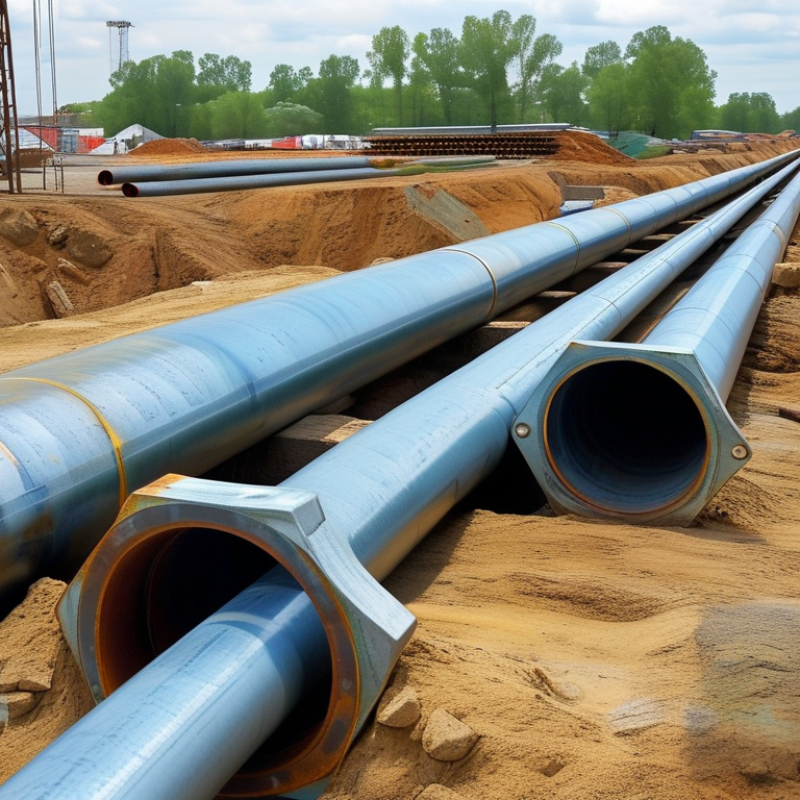
Galvanized pipe is highly valued in various applications for its excellent corrosion resistance. The zinc coating protects the steel beneath from moisture and acids. This barrier significantly reduces rust formation, extending the pipe's lifespan. Many projects benefit from this durability. Construction sites, irrigation systems, and even residential plumbing make use of galvanized pipes. Their ability to resist corrosion makes them reliable for long-term use.
However, not all galvanized pipes perform equally. Quality of coating and material can vary. It’s crucial to select pipes that meet industry standards. Check for certifications and guidelines before purchase. While galvanized pipes are resistant to rust, they can still corrode over time if not properly installed or maintained. Some users have reported issues with scaling, which can affect water quality. Regular inspections can help identify potential problems before they escalate.
Ultimately, understanding the properties of galvanized pipe is essential. It’s important to weigh its benefits against potential drawbacks. A well-informed choice leads to successful projects. This includes considering factors like environment and usage frequency. Balancing these elements can ensure the longevity and effectiveness of your installations.
| Benefit | Description |
|---|---|
| Corrosion Resistance | Galvanized pipes are coated with zinc to prevent rust and corrosion, enhancing their lifespan. |
| Cost-Effective | They are generally less expensive than stainless steel and offer similar durability. |
| Durability | The galvanized coating protects them from damage, increasing their mechanical strength. |
| Low Maintenance | Minimal maintenance is required compared to other types of pipes, saving time and cost. |
| Versatility | Suitable for various applications including water supply, construction, and irrigation systems. |
| Environmentally Friendly | Zinc used in galvanization is non-toxic and recyclable, making it a sustainable choice. |
| Improved Safety | Galvanized pipes reduce the risk of leaks and burst pipes related to rust deterioration. |
| Long-Lasting Performance | Typically lasts for several decades under normal conditions due to their corrosion resistance. |
| Aesthetic Appeal | Has a bright, shiny finish, which is often more visually appealing than standard black iron pipes. |
: Galvanized pipe has excellent corrosion resistance due to its zinc coating. This protects steel from moisture and acids.
With proper care, galvanized pipes can last up to 50 years or more. This longevity reduces replacement frequency.
Yes, they can still corrode if not properly installed or maintained. Regular inspections help identify issues early.
They require less maintenance compared to other materials. This leads to long-term savings for many projects.
Some believe they are outdated or less effective. In reality, they have proven their value over decades.
Environmental factors can significantly impact performance. Always assess your project's specific needs before selection.
Yes, their weight and installation difficulty can be challenging. Welding requires special consideration due to coating properties.
They are popular for irrigation systems due to their longevity. This can decrease maintenance costs by up to 30%.
Ensure they meet industry standards. Check certifications and guidelines to avoid potential quality issues.
While newer options exist, galvanized pipes remain durable and cost-effective for many applications. Assess their pros and cons carefully.
Galvanized Pipe offers a multitude of advantages that make it an ideal choice for various projects. One of the most significant benefits is its corrosion resistance, which ensures longevity even in challenging environments. This quality not only enhances the durability of the pipes but also reduces the need for frequent replacements, translating into cost-effectiveness for long-term use.
Additionally, the versatility of Galvanized Pipe allows it to be utilized across multiple industries, from construction to agriculture. Its ease of installation and maintenance further adds to its appeal, enabling quicker project completion and minimal downtime. Overall, Galvanized Pipe stands out as a reliable and efficient solution for many piping needs.

 Minjie Steel