Choosing among today’s Folding Aluminium Ladders requires more than comparing prices, heights, and polished product photographs. The strongest options balance low weight, rigid construction, secure locking joints, and dependable footing. They should also fit real situations, from reaching a ceiling light indoors to carrying tools across a small renovation site. A ladder can look impressive online and still feel awkward on uneven flooring. That detail matters.
Ladder-safety educator Tom McCall, who trains maintenance teams on portable access equipment, often says, “A good ladder supports the task; it should never become the task.” His point is practical. The best Folding Aluminium Ladders open smoothly, lock visibly, and remain stable when the user shifts position carefully. Wide steps reduce foot pressure. Non-slip feet help protect polished floors. A compact hinge can save storage space, but complicated mechanisms may invite mistakes. More features do not always mean safer performance.
This guide compares leading designs through a user-focused lens. It considers material thickness, hinge quality, platform comfort, folded size, weight capacity, and safety certification. It also separates useful innovation from attractive marketing. Some models deserve attention. Others may disappoint after repeated handling. That is worth admitting.
Real experience can change the ranking. A lightweight ladder may be perfect for an apartment, yet unsuitable for frequent trade work. A taller model may offer reach but create storage problems. Readers should check local requirements, inspect every locking point, and follow the manufacturer’s instructions. No single ladder wins every situation. The right choice depends on reach, environment, frequency, and honest self-assessment.
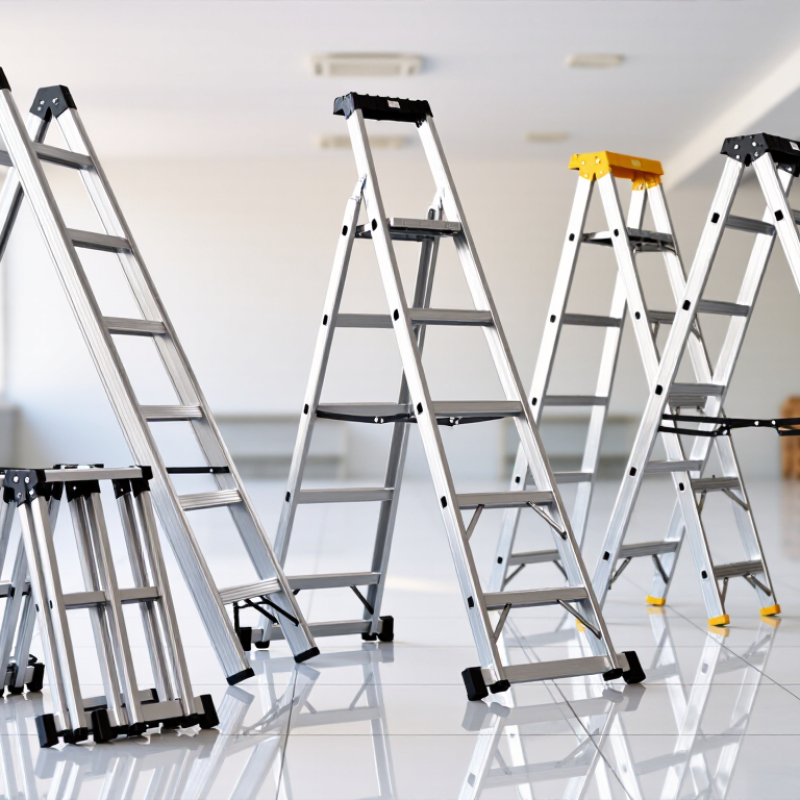
Top folding aluminium ladders combine low weight with dependable support for household and trade work. Their aluminium frames resist rust and remain easier to carry than steel alternatives. A strong ladder should feel rigid when opened, not twist under normal movement. Check the stated load capacity, including your body weight, tools, and materials. A ladder that barely meets the limit leaves little practical margin.
Secure hinges are essential. They should lock clearly and resist accidental release during climbing. Wide, textured steps give better footing, especially when dust or light moisture is present. Look for non-slip feet with firm contact on smooth floors. Uneven feet can make a short task feel unexpectedly risky. The folding joints should operate smoothly without pinching fingers. They should also remain protected from dirt and paint buildup.
Size matters. A compact model fits behind a door, while a taller model reduces overreaching. Never use the top platform unless its instructions specifically permit standing there. I once underestimated how quickly a tool bag could affect balance. That small mistake changed my view of useful ladder design. A practical model includes a stable work platform, a secure tool tray, and clear operating labels. Before each use, inspect hinges, steps, feet, and locking points. Replace damaged parts instead of trusting appearance alone. Choose a ladder with documented testing and a safety standard applicable to your region.
What Are the Top Folding Aluminium Ladders?
Main Types of Folding Aluminium Ladders
Folding aluminium ladders usually fall into four practical types: step, telescopic, articulated, and platform models. Each design suits a different working height and storage need. Step ladders offer a wide base and quick access for indoor tasks. They work well beside kitchen cabinets, shelves, and low ceilings. A platform version adds a larger standing area, which can reduce foot fatigue during longer jobs. However, its extra weight may make transport less convenient.
Telescopic ladders collapse into a compact column. They are useful for car storage, maintenance work, and tight apartments. Their sliding sections demand careful locking checks before every climb. Articulated ladders use hinged joints and can form step, leaning, or scaffold-like positions. They offer flexibility, but incorrect adjustment creates a serious stability risk. Small hinges matter.
Safety data explains why construction quality cannot be treated as decoration. The U.S. Consumer Product Safety Commission cites more than 500,000 ladder-related injuries treated annually in the United States. A CDC and NIOSH analysis also reported that ladders were involved in 43% of fatal falls among construction workers. For selection, check the duty rating, hinge design, anti-slip feet, tread depth, and visible locking indicators. Aluminium is light, but it can flex under uneven loading. That detail is easy to underestimate. A ladder meeting recognized standards still needs level ground, three-point contact, and honest height planning. In practice, users often choose maximum reach instead of stable reach. That choice deserves reconsideration.
| Type of Folding Aluminium Ladder | Typical Configuration | Common Working Height | Main Advantages | Best-Suited Tasks | Typical Safety Features | Important Considerations |
|---|---|---|---|---|---|---|
| Folding Step Ladder | Self-supporting ladder with two hinged sections and broad steps. | Approximately 1.8–3.6 m, depending on the number of steps and user height. | Quick to set up, compact when folded, and suitable for frequent indoor use. | Changing light bulbs, reaching storage areas, decorating, cleaning, and light maintenance. | Non-slip feet, slip-resistant steps, a locking spreader, and a stabilizing top platform or handrail. | Use only when fully opened and locked. The top step or platform should be used only as permitted by the ladder instructions. |
| Folding Platform Ladder | Self-supporting step ladder with a larger standing platform near the top. | Approximately 2.0–4.0 m of working height. | Provides a more stable standing position and allows both hands to remain available for short-duration tasks. | Stockroom work, painting, installation, retail maintenance, and overhead indoor tasks. | Large anti-slip platform, locking braces, handrails, and reinforced spreaders. | A platform is not a substitute for fall protection at elevated heights. Follow the rated standing-level limit. |
| Twin-Sided Folding Step Ladder | Two climbable sides joined by a hinged frame; it can usually be positioned without leaning against a wall. | Approximately 1.5–3.0 m. | Can be approached from either side and is useful where a supporting wall is unavailable. | Warehouse picking, aisle work, event setup, and maintenance in open areas. | Anti-slip feet, secure hinges, spreader locks, and reinforced steps on both sides. | Keep all four feet on a firm, level surface. Do not use it as a leaning ladder unless the model is specifically designed for that purpose. |
| Folding Extension Ladder | Hinged ladder that opens as a step ladder and can be converted into a straight or leaning ladder. | Approximately 3.5–6.0 m in the extended configuration. | Combines several ladder positions in one unit and is easier to transport than separate ladders. | Building maintenance, exterior access, ceiling work, and tasks at different heights. | Hinge locks, rung locks, non-slip feet, stabilizer bars, and clearly marked operating positions. | Each configuration has different height and angle requirements. Lock every hinge before climbing and maintain a safe angle when used as a leaning ladder. |
| Multi-Position Folding Ladder | Articulated ladder with several locked positions, such as step, leaning, extension, and trestle modes. | Approximately 2.5–5.5 m, depending on the selected position. | Highly versatile and useful when different access arrangements are required. | Home renovation, installation work, trade maintenance, and irregular access locations. | Automatic or manual hinge locks, locking indicators, wide feet, anti-slip rungs, and optional stabilizer bars. | All hinges must be locked on both sides before use. Never change the configuration while occupied. |
| Telescopic Folding Aluminium Ladder | Collapsible ladder with sliding sections that reduce its storage length; some models also include hinged joints. | Approximately 2.6–4.5 m when fully extended. | Very compact for transport and storage, especially in vehicles or small utility rooms. | Short-duration maintenance, inspection, travel, and occasional household access. | Individual rung locks, anti-pinch spacing, non-slip feet, locking indicators, and a stabilizing base on some designs. | Keep fingers clear while closing. Inspect every rung lock and avoid using the ladder if any section does not lock correctly. |
| Folding Work Platform Ladder | Low-rise folding frame with a wide platform and a guardrail or handrail on selected models. | Approximately 1.5–3.0 m of working height. | Offers a broad, relatively comfortable standing surface for tasks requiring more time at a low height. | Painting, merchandising, light assembly, inventory work, and indoor facility maintenance. | Wide anti-slip deck, locking frame, handrail or guardrail, and high-friction feet. | Designed for low-level access rather than roof or high-elevation work. Keep the platform clear of loose tools and materials. |
| Folding Loft or Attic Ladder | Compact hinged ladder designed to fold into sections for access to lofts, attics, or storage platforms. | Typically suitable for ceiling heights of approximately 2.4–3.2 m. | Folds into a compact profile and is convenient where permanent stair access is impractical. | Residential loft access, attic inspection, and retrieving stored items. | Secure mounting points, anti-slip treads, locking sections, handrails, and stable end feet. | Installation must support the intended load and match the opening size. Use only on a properly secured, level landing. |
| Folding Work Step | Small, wide-base aluminium step with one or two broad treads and a folding frame. | Approximately 1.2–2.0 m of working height. | Lightweight, easy to carry, and faster to deploy than a full-height ladder. | Kitchen, office, retail, workshop, and low-level household tasks. | Wide anti-slip treads, locking hinges, non-slip feet, and a stable base. | Suitable only for low heights. Do not stand on the top surface unless it is specifically designed and labelled as a standing platform. |
What Are the Top Folding Aluminium Ladders?
Safety should guide every folding aluminium ladder choice, not appearance or price. A reliable ladder should display its maximum load, operating instructions, and the safety standard used for testing. Depending on your region, this may include EN 131, ANSI, or an equivalent national requirement. Check the label carefully. Missing information is a warning sign.
Stability depends on several small details. Look for firm locking hinges, wide non-slip feet, and spreader bars that open fully. When opened, the ladder should stand evenly without rocking on a hard, level surface. Test each lock by hand before climbing. Keep three points of contact, and avoid standing on the highest permitted step. A slight reach can shift your balance quickly.
Aluminium is light, but it conducts electricity. Keep the ladder away from overhead cables and wet electrical work. Inspect the rails, steps, rivets, hinges, and feet before every use. Bent rails or cracked plastic parts should not be ignored. They may look minor.
I have learned that many accidents begin with rushed setup. A ladder can meet a standard and still become unstable on loose flooring. Never place cardboard or improvised objects under one foot. Move the ladder instead. The safest model is one that matches the task, user weight, working height, and surface conditions. Clearance around the climbing area matters too. Five quiet minutes of checking can prevent a very serious mistake.
For a non-self-supporting ladder configuration, OSHA recommends the 4:1 setup rule: the base should be positioned one unit away from the supporting surface for every four units of vertical rise. The chart shows the required base distance and approximate ladder length for common working heights. Folding aluminium ladders should also have locked hinges, secure spreaders, slip-resistant feet, a visible load rating, and a stable, level setup. The 4:1 rule does not replace the manufacturer’s instructions or apply to a fully opened step-ladder configuration.
Choosing a folding aluminium ladder starts with the job, not the advertised height. Aluminium is lightweight, corrosion-resistant, and easy to carry between rooms. Its weakness is flexibility. Thin rails may feel springy during movement. Look for strong hinges, wide feet, and evenly spaced rungs. A ladder that folds neatly can still feel awkward when opened. I once measured storage space but forgot doorway clearance. That mistake was surprisingly costly in time.
Load capacity needs careful checking. It includes your body weight, clothing, tools, and any materials you carry. Never treat the maximum rating as a comfortable target. A ladder rated for 150 kilograms may feel unstable near that limit, especially on uneven flooring.
Check whether the rating covers every folding position. Some designs support less weight when fully extended. Reliable manufacturers usually provide clear instructions and testing information, but vague labels deserve caution. Do not guess.
Height comparison is more than counting rungs. Measure the working area, then allow space for safe hand placement and stable footing. Avoid standing on the top step unless the instructions specifically permit it. A shorter ladder may be safer indoors because it reduces leaning and overreaching. For ceilings, a model with adjustable sections can help, but extra joints require closer inspection. Test each lock before climbing. Even careful users can miss one.
What Are the Top Folding Aluminium Ladders?
Choosing the Right Folding Aluminium Ladder for Your Needs
A folding aluminium ladder should match the task, not merely the advertised height. For indoor painting, a compact step model may provide better control and easier storage. For higher work, check the safe reaching height without standing on the top step. Measure doorways, vehicle space, and storage areas before buying. A ladder that fits your workroom may not fit your car.
I once selected a lightweight ladder because carrying it upstairs seemed effortless. Its platform, however, felt too narrow after several minutes of work. That experience changed how I compare models. Look for wide, non-slip feet, strong hinge locks, and a stable standing platform. The rated load should include your body weight, clothing, tools, and materials. Aluminium is light, but it conducts electricity. Keep it away from live electrical equipment and overhead cables.
Check for safety markings and instructions that meet recognized standards in your region. Before every use, inspect the hinges, rivets, steps, and rubber feet. Set the ladder on a level, dry surface, and confirm that every locking mechanism engages fully. Do not use it on boxes, loose flooring, or uneven ground. A folding ladder with extra sections can improve flexibility, but it may also increase setup errors. I still recheck each hinge before climbing, even when the ladder looks perfectly clean.
The common types are step, telescopic, articulated, and platform ladders. Step models suit cabinets, shelves, and low ceilings. Telescopic models collapse into compact columns. Articulated ladders offer several working positions. Platform models provide a wider standing area, but they may weigh more.
A compact step ladder usually works well indoors. It offers a broad base and quick access. Use it beside kitchen cabinets or shelves. Measure storage space before buying. A ladder that fits the room may not fit your vehicle.
Yes, they collapse into a narrow column. They can fit inside a car or small apartment. Check every sliding section before climbing. Each lock must engage completely. Small locking mistakes can cause major instability.
Check the load rating, hinge strength, tread depth, feet, and locking indicators. Include your body weight, clothing, tools, and materials. Look for clear instructions and safety markings. Missing information is a warning sign.
Place the ladder on hard, level, dry ground. Open every spreader bar fully. Confirm that the ladder does not rock. Keep three points of contact while climbing. Never use boxes or cardboard beneath one foot.
Aluminium conducts electricity. Keep the ladder away from live equipment and overhead cables. Avoid wet electrical work. A lightweight ladder can still create serious danger. This detail is easy to forget.
Use the safe reaching height, not the maximum advertised reach. Never stand on the highest permitted step. Move the ladder instead of leaning too far. A small reach can quickly shift your balance.
Inspect it before every use. Check the rails, steps, rivets, hinges, feet, and plastic parts. Look for bends, cracks, or loose components. Do not ignore small damage. I still recheck clean-looking hinges, because appearance can mislead.
Folding Aluminium Ladders offer a practical combination of portability, strength, and convenience for household, maintenance, and professional tasks. Their key features typically include lightweight aluminium construction, corrosion resistance, compact folding designs, secure locking mechanisms, wide steps, and supportive handrails. Common types include step ladders, telescopic ladders, multi-position ladders, and compact platform models, each suited to different working heights and spaces.
When selecting among Folding Aluminium Ladders, safety should be a priority. Look for stable feet, slip-resistant steps, strong hinges, reliable locking systems, and compliance with applicable safety standards. Compare the ladder’s material quality, maximum load capacity, folded size, and usable height rather than focusing on height alone. The right choice depends on how often the ladder will be moved, the available storage space, the expected workload, and the surfaces where it will be used. A well-matched ladder should provide dependable stability while remaining easy to carry, store, and operate.

Minjie Steel