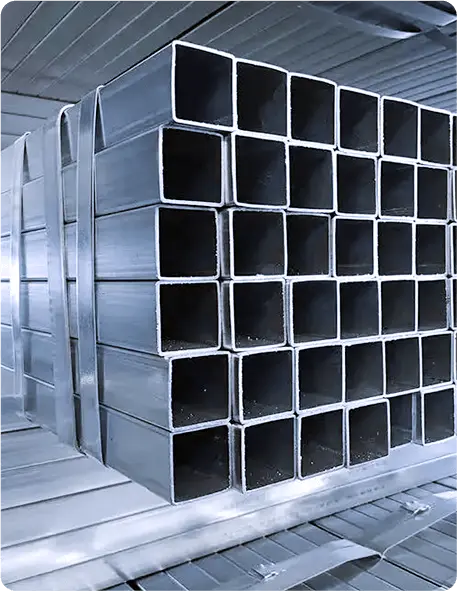
Our complete line of heavy-duty galvanized structural tubes, scaffolding components, and integrated concrete shoring assets developed under rigorous ISO 9001:2015 frameworks.
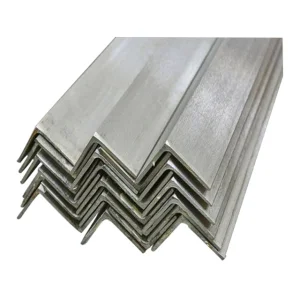
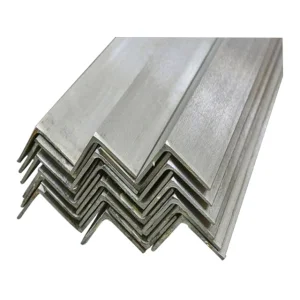
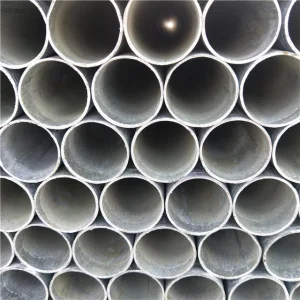
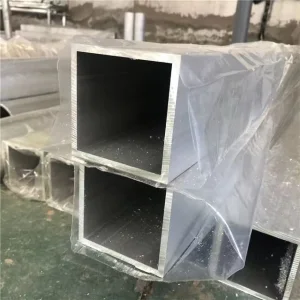
An engineering breakdown of modern concrete structures, structural shoring synergies, and the shift from traditional timber to monolithic aluminum formwork alloys.
In modern high-rise and residential construction, project managers evaluate formwork based on pour cycles, surface finish, and structural stability. While steel scaffolding and structural frames provide foundational strength, the engineering synergy of precision-extruded aluminum panels allows for up to 300 reuses, drastically lowering per-cycle infrastructure costs.
Aluminum Formwork components utilize 6061-T6 aluminum alloys. This provides tensile strengths exceeding 290 MPa. Compared to structural timber, which degrades rapidly under alkaline concrete moisture, aluminum displays negligible thermal expansion and high tolerance to dynamic hydrostatic concrete pouring pressures (up to 60 kN/m²).
The system permits simultaneous casting of walls, columns, slabs, and beam structures. In multi-family high-rises, this monolithic consolidation reduces typical floor-to-floor schedules from 12 days (using wood and traditional steel frames) to an efficient 4-to-5 day structural rotation.
Unlike plywood formwork, which presents an environmental disposal cost after 5-10 pours, aluminum panels are 100% recyclable. After completing lifecycle thresholds (250-300 pours), the scrap aluminum retains up to 30-40% of its initial material base cost, aligned with global green building certification targets.
| Performance Characteristic | Aluminium Formwork (6061-T6) | Traditional Plywood / Timber | Heavy Structural Steel Formwork |
|---|---|---|---|
| Cycle Capacity (Reusability) | 250 - 300 Pours (Highly Durable) | 5 - 10 Pours (High Degradation) | 100 - 150 Pours (Susceptible to Rust) |
| System Weight per m² | 18 - 25 kg/m² (No Crane Needed) | 15 - 20 kg/m² (Variable moisture) | 35 - 50 kg/m² (Requires Tower Crane) |
| Slab Finish Finish Quality | Smooth / Plaster-Free Finish | Rough / Requires Plastering | Fair Face / Micro-defects common |
| Hydrostatic Pressure Capacity | 60 kN/m² | 30 - 40 kN/m² | 80 kN/m² |
| Scrap/Recycling Value | High Recovery (~35% original cost) | Zero / Discard Costs | Medium (~15% original cost) |
Leveraging over 25 years of structural metal fabrication expertise in Tianjin, China's metalworking and logistics hub.
Founded in 1998, Tianjin Minjie Steel Co., Ltd. operates a sprawling production campus spanning over 70,000 square meters. Conveniently situated just 40 kilometers from XinGang Port—the primary shipping corridor in North China—we optimize raw material incoming lines and international container shipments to over 70 countries.
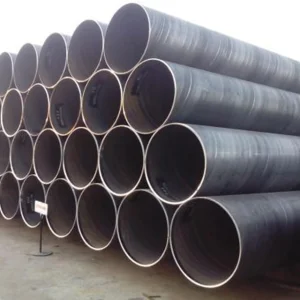
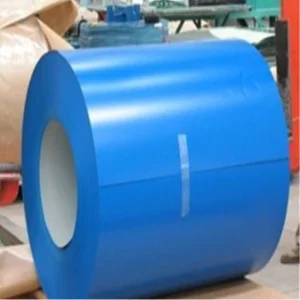
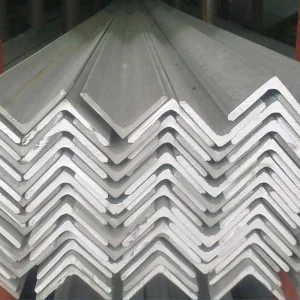
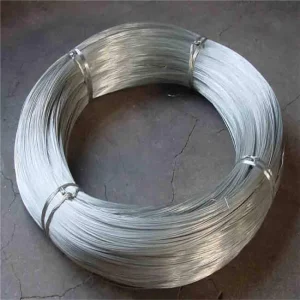
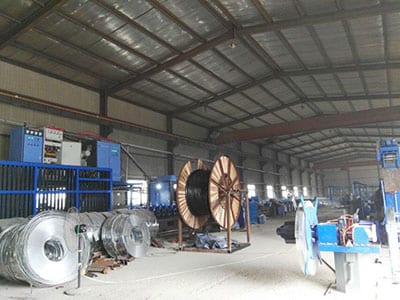
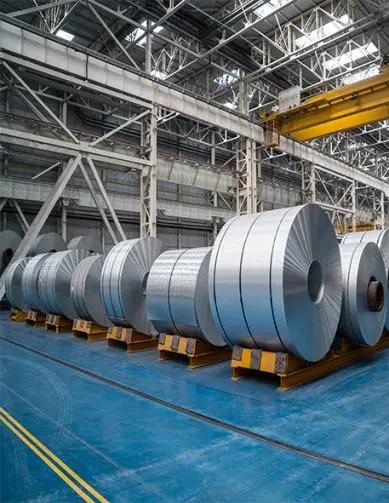
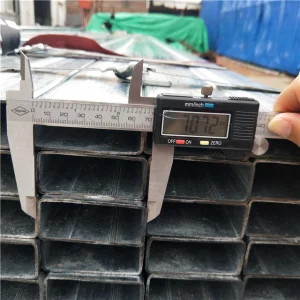
Our core capabilities focus on structural steel fabrication, custom structural frameworks, and auxiliary scaffolding systems that support heavy-duty formwork installations. By incorporating 4 pre-galvanized manufacturing lines, 8 ERW (Electric Resistance Welded) steel pipe production assets, and 3 advanced hot-dipped galvanizing lines, we ensure full quality control from smelting to final packaging. Our processing frameworks follow GB, ASTM, DIN, and JIS standardizations to ensure compatibility with European and American structural codes.
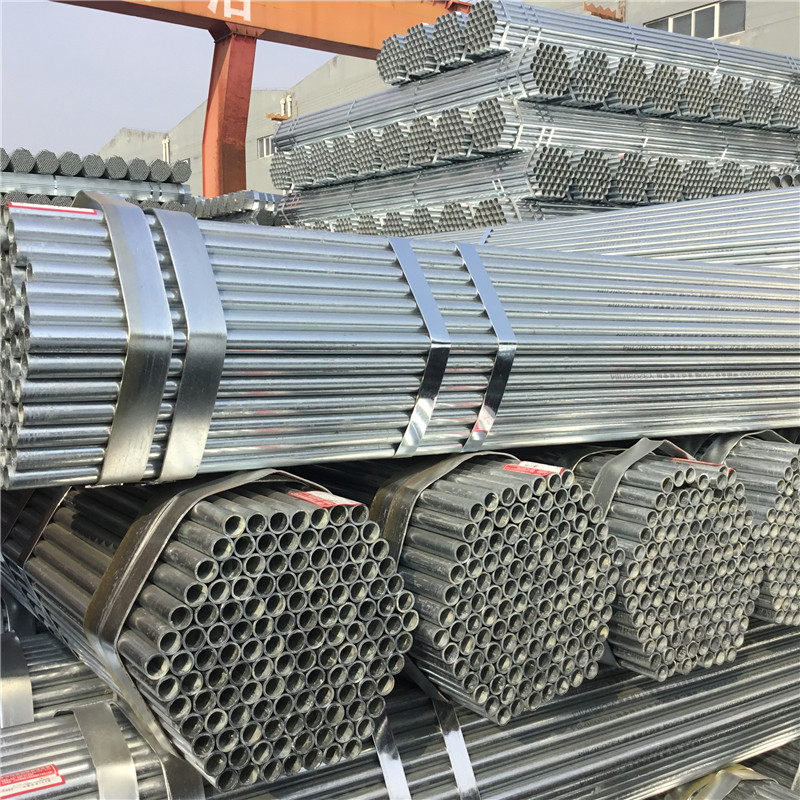
Deploying automated welding and continuous galvanizing lines to maintain premium dimensional tolerances across all concrete support pipelines and structures.
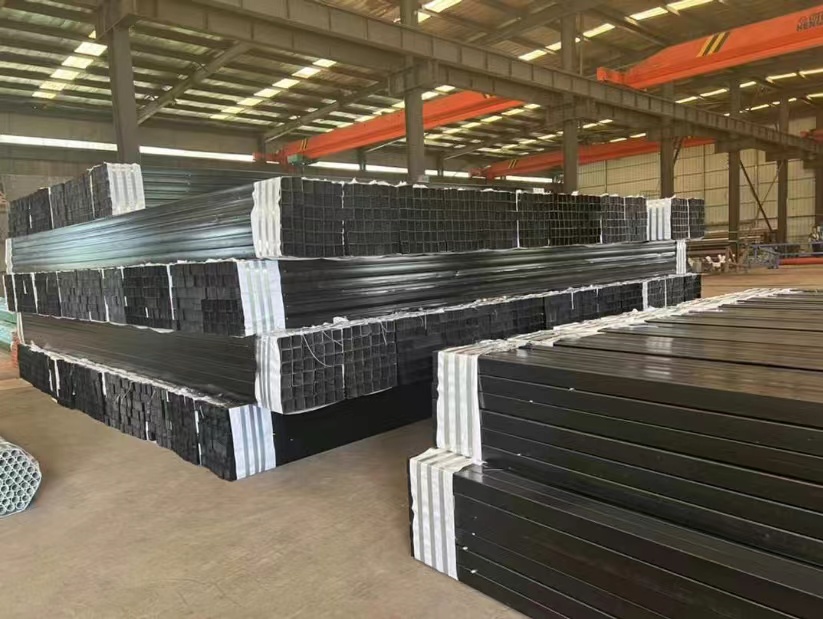
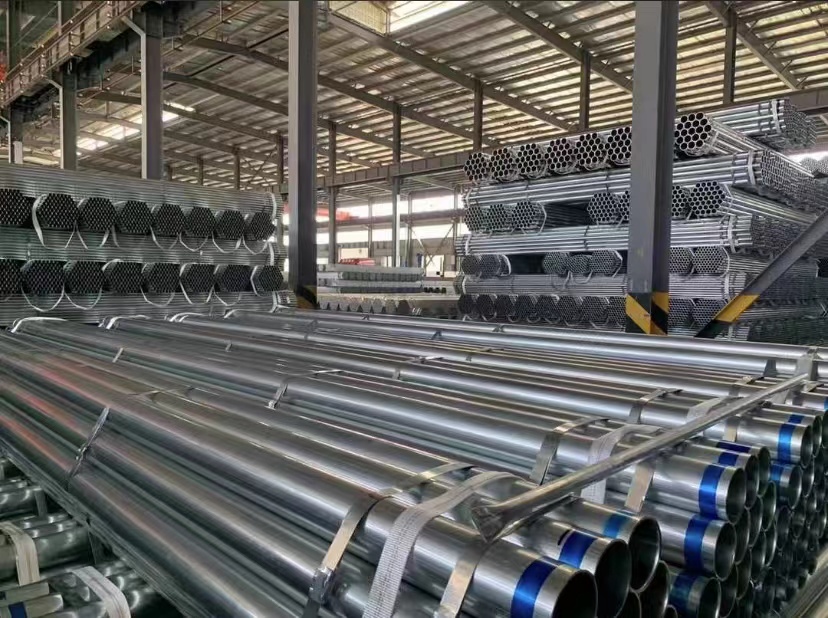
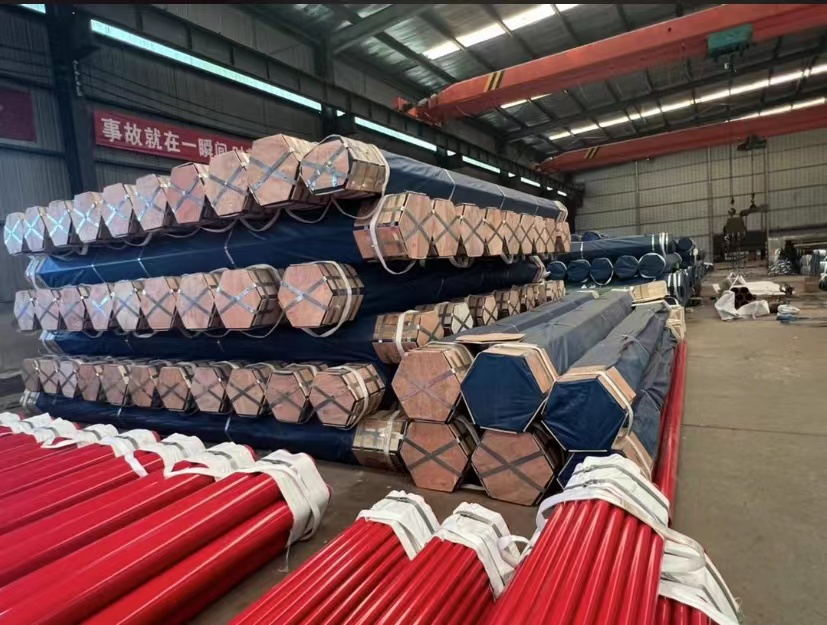
Analyzing how aluminum panels interface with structural steel support networks to assure safety and alignment across global construction contexts.
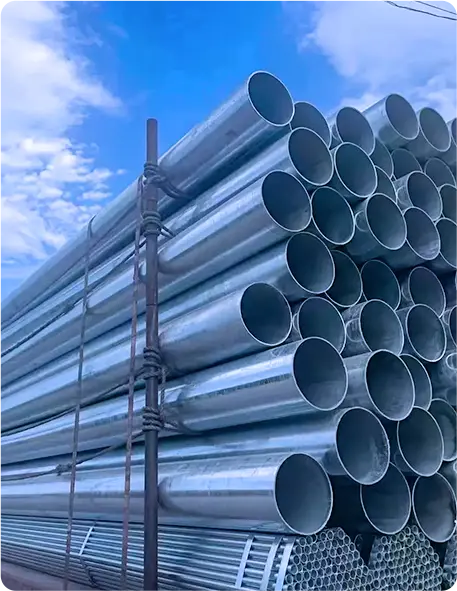
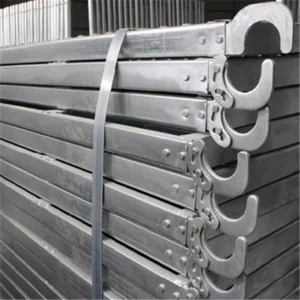
Aluminum formwork alone cannot complete a high-rise floor. It relies on structural steel components: adjustable steel props, horizontal shoring pipes, and heavy-duty scaffolding boards. Minjie’s hot-dip galvanized scaffolding tubes and hook boards provide the rigid, level base required to stabilize aluminum panels during hydrostatic concrete pouring.
In highly regulated markets like Singapore, building standards require high structural precision. Monolithic concrete casting using aluminum panels alongside BS 1387 certified scaffolding pipes ensures compliance with local Building and Construction Authority (BCA) tolerances, avoiding post-casting correction expenses.
In hot desert environments, concrete curing times must be closely controlled. The high thermal conductivity of aluminum panels, supported by pre-galvanized pipe networks, aids in uniform heat dissipation during hydration. This reduces thermal cracking risk in thick load-bearing wall castings.
Understanding the chemical and mechanical advantages of high-performance systems and the engineering behind structural anchoring.
Aluminum formwork systems are manufactured using 6061-T6 alloy, a precipitation-hardened metal containing silicon and magnesium as its primary alloying elements. This structure provides high structural yield strength and corrosion resistance.
To resist heavy concrete pressure, panels are reinforced with extruded rib profiles on the backside. These ribs distribute lateral hydrostatic pressure evenly. The interface surface is treated with an anti-alkali passivation coating, preventing concrete from sticking. This ensures smooth stripping and maintains a high-quality concrete finish without requiring thick plastering.
To maintain structural alignment during pouring, the panels are secured with high-tensile steel tie rods, wedges, and pin connectors. These accessories must resist shear stress, which is why they are manufactured from hot-dip galvanized Q235B or Q345B steel. Our factory in Tianjin supplies these steel accessories alongside the structural support framing, providing a complete structural package.
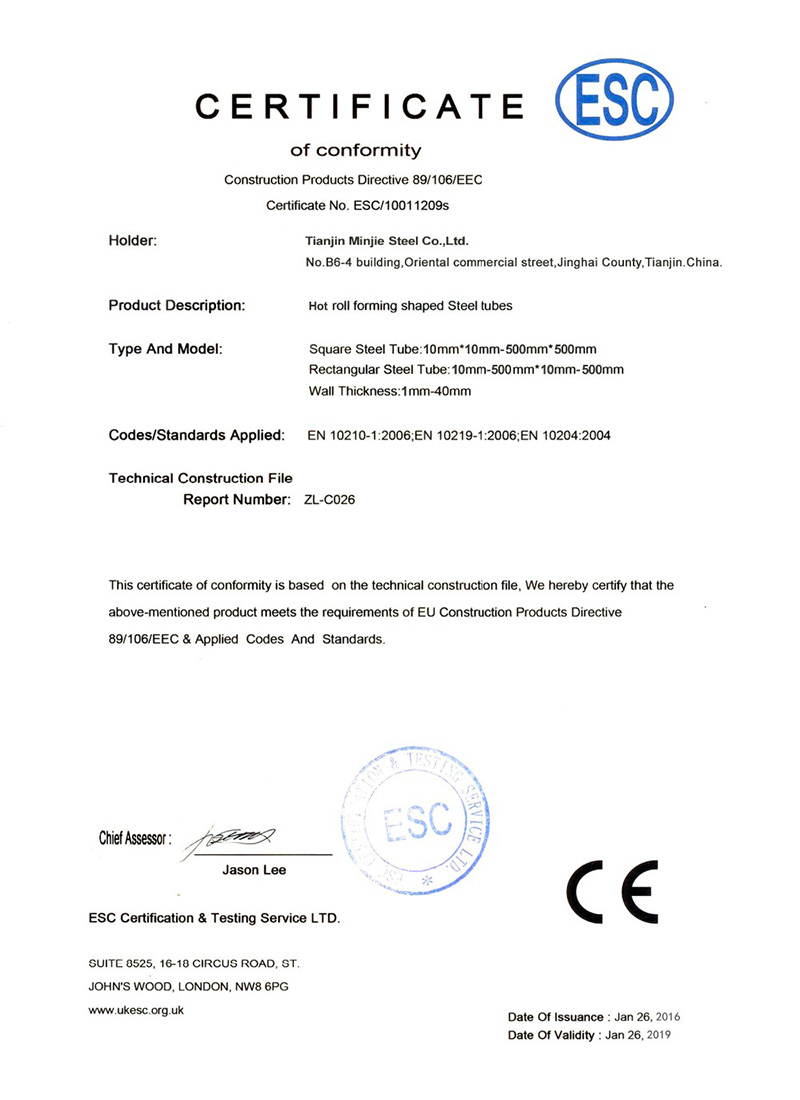
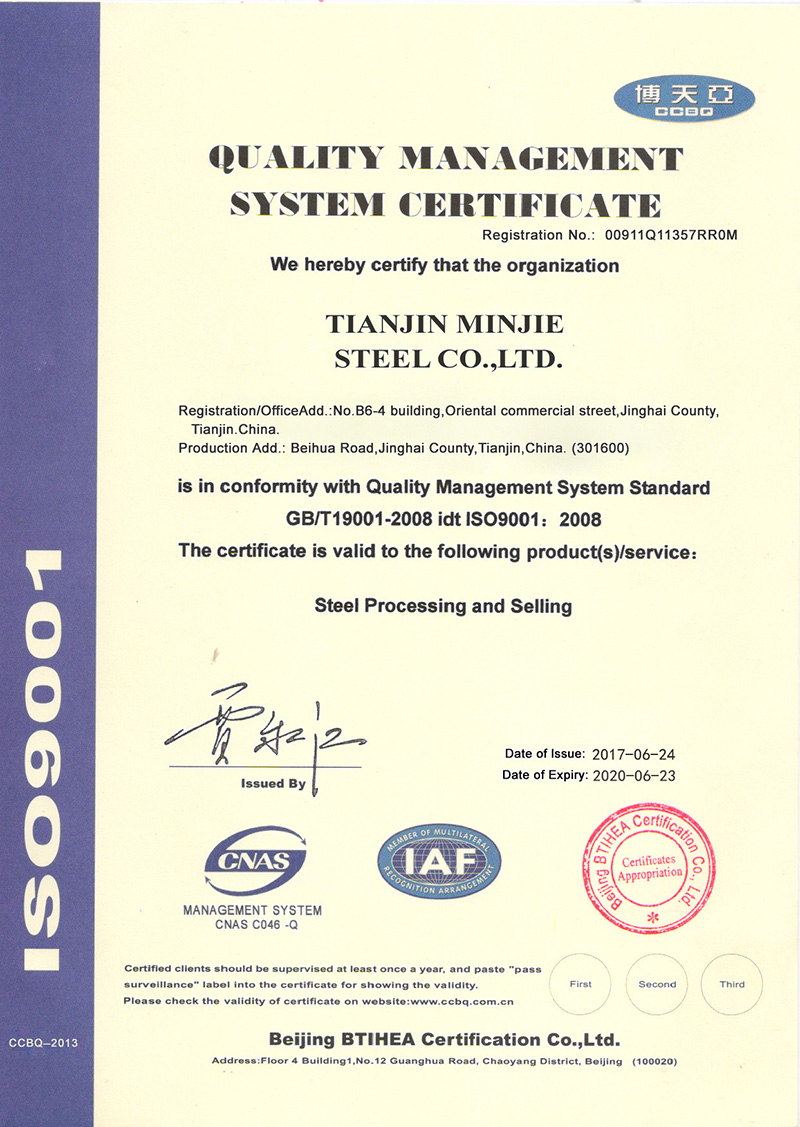
Minimizing transit delays and reducing logistics overhead through strategic port access and structured supply chain management.
Tianjin Minjie’s manufacturing facility is located just 40 kilometers from XinGang Port, the largest maritime gateway in Northern China. This proximity reduces inland trucking times, lowers local transit costs, and helps prevent delays when shipping large container volumes of heavy structural steel and scaffolding pipes.
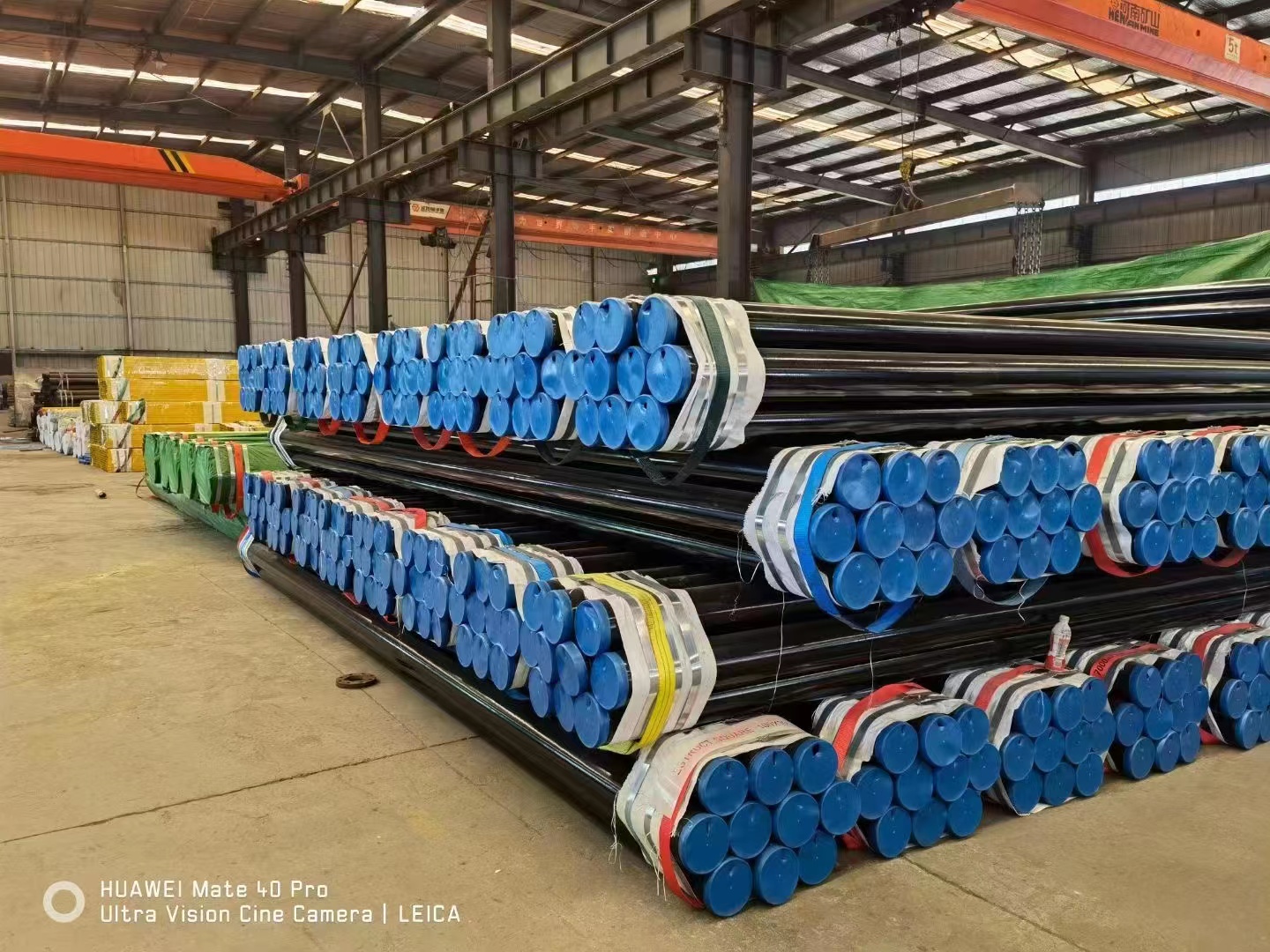
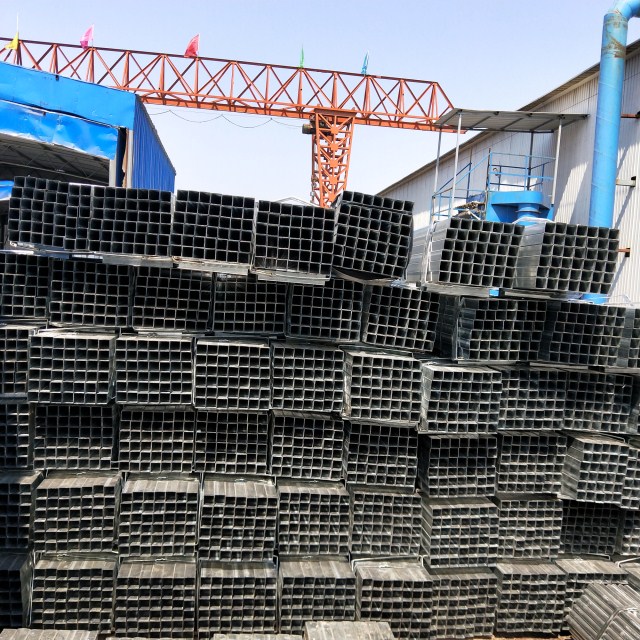
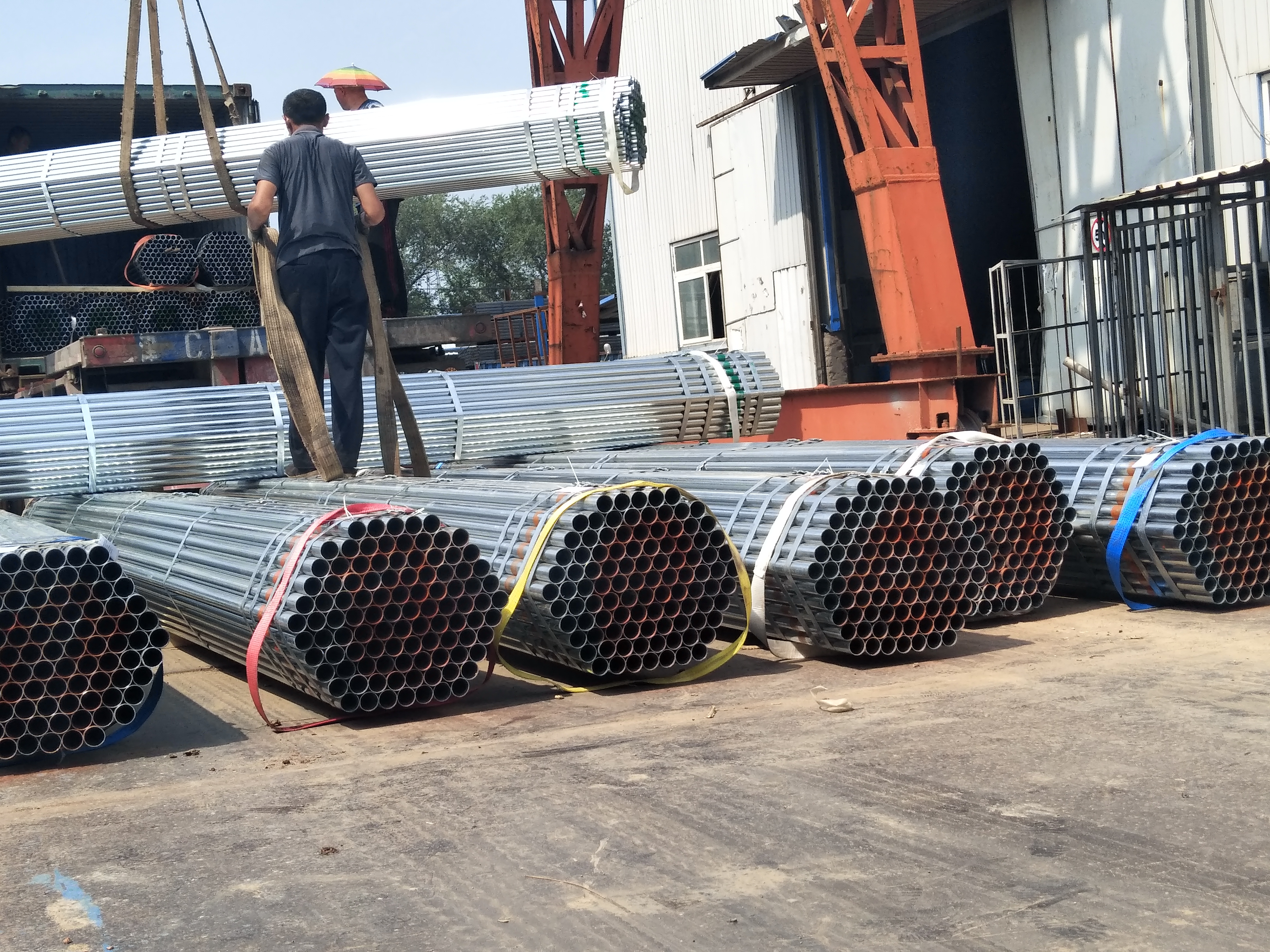
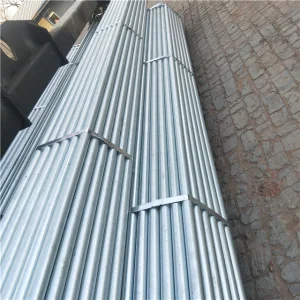
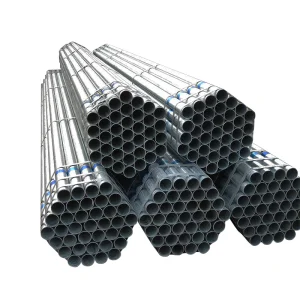
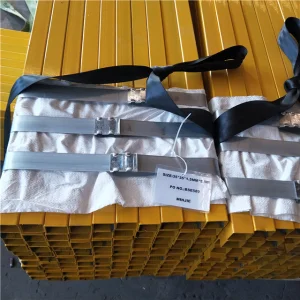
For maritime export, our structural tubes and scaffolding boards are packed in dense, hexagonal bundles secured with high-tensile steel straps. This packaging method helps prevent shifting during sea transit, maximizes container space utilization, and reduces unloading times at destination ports.
Every shipment is accompanied by a Mill Test Certificate (MTC) indicating chemical composition, yield strength, tensile strength, and galvanizing thickness. This documentation enables procurement teams to confirm material properties and trace raw material batches back to the manufacturer.
Direct answers to common engineering, procurement, and structural integration questions regarding aluminum formwork and scaffolding support systems.
A history of supplying structural components to commercial, residential, and industrial construction projects worldwide.
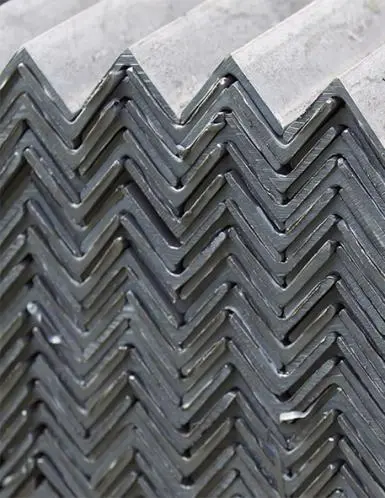
Our complete line of heavy-duty galvanized structural tubes, scaffolding components, and integrated concrete shoring assets developed under rigorous ISO 9001:2015 frameworks.
 Minjie Steel