In global industrial maintenance, maritime shipyards, and high-rise commercial construction, safety is paramount. The structural deck forms the foundation of vertical work. Traditionally, construction operations relied on timber or heavy structural steel. However, modern safety standards and cost metrics are driving a widespread transition toward Aluminum Scaffold Planks.
From a structural metallurgy perspective, aluminum scaffolding stages made of premium 6061-T6 or 6082-T6 structural alloys provide a unique strength-to-weight ratio. They reduce raw structural weight by up to 50% compared to traditional steel plates, translating into lower physical strain on assembly crews, faster erection times, and significantly lower freight costs.
For procurement managers, the transition to aluminum provides a clear return on investment (ROI). Wooden planks rot, warp, split, and carry combustible risks in high-temperature petrochemical works. Steel planks offer strength but succumb to atmospheric corrosion, requiring galvanization. Lightweight aluminum planks resist oxidation naturally, are non-combustible, and maintain structural integrity across decades of intense site deployment.
Leveraging 6061-T6 and 6082-T6 structural grades. Standard tempering ensures a tensile strength of ≥ 290 MPa and yield strength of ≥ 240 MPa. This provides high load-bearing capacity with minimal elastic deformation.
Integrated drainage holes and knurled, raised surface patterns provide reliable traction in wet, oil-rich, or marine environments, complying with industrial safety standards.
Automated robotic MIG welding ensures consistent penetration on load-bearing structural hook connections, eliminating localized fatigue points.
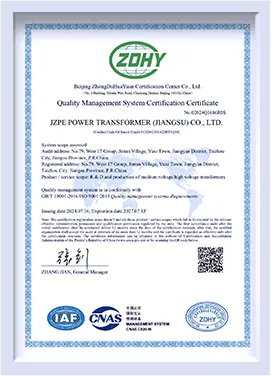
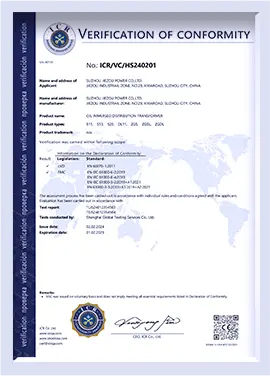
When purchasing structural aluminum planks, compliance with local building and workplace safety regulations is essential. A reliable manufacturer must support the following engineering frameworks:
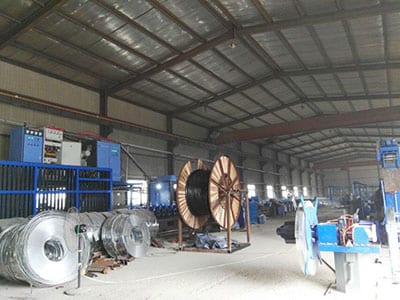
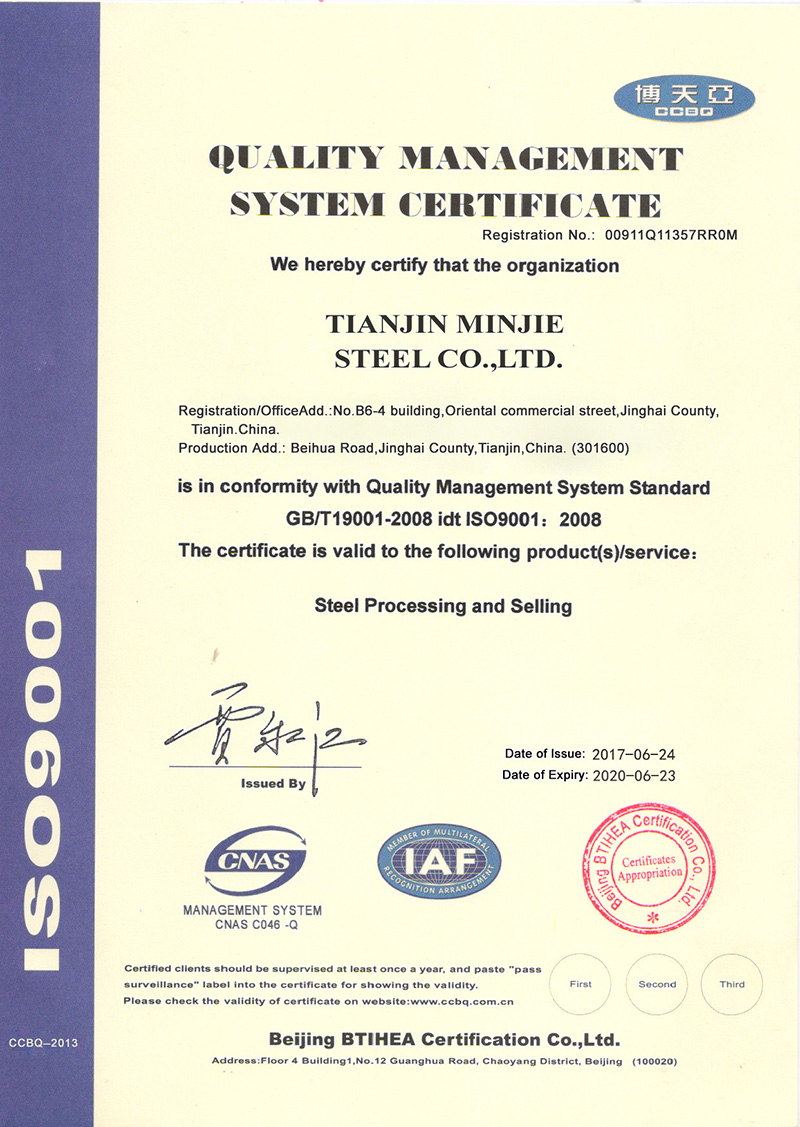
Our ISO9001 certified manufacturing facility in Tianjin incorporates systematic material tracing, spectrometer material validation, and weld testing to ensure consistency across batches.
Sourcing aluminum scaffold planks from our integrated industrial facility in China provides structural, logistical, and economic advantages.
Raw aluminum extrusion billets are sourced directly from localized smelters, reducing inter-provincial shipping costs and insulating procurement managers from market fluctuations.
Operating integrated extrusion mills allows us to control profile wall thickness, internal reinforcement ribs, and custom length configurations down to millimeter tolerances.
Located just 40 kilometers from XinGang Port (Tianjin), the largest shipping port in North China. This proximity reduces domestic handling fees and simplifies container logistics.
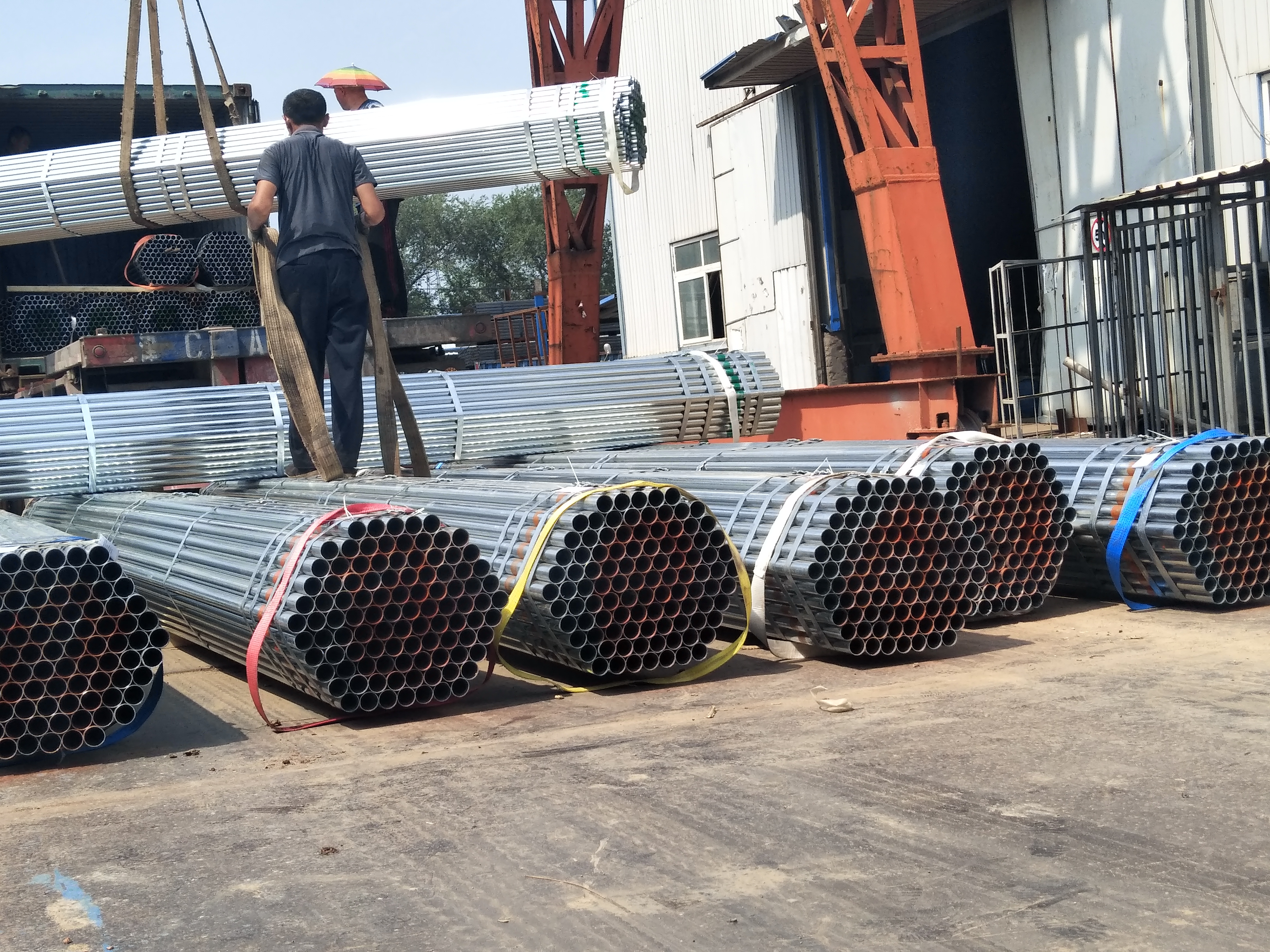
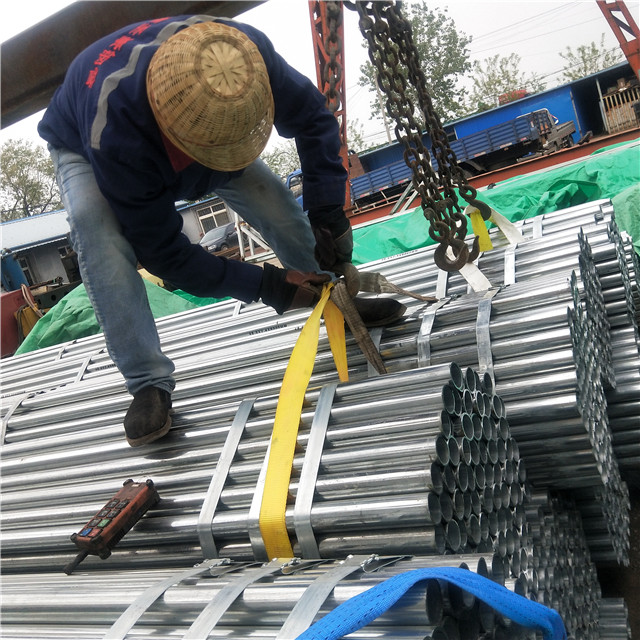
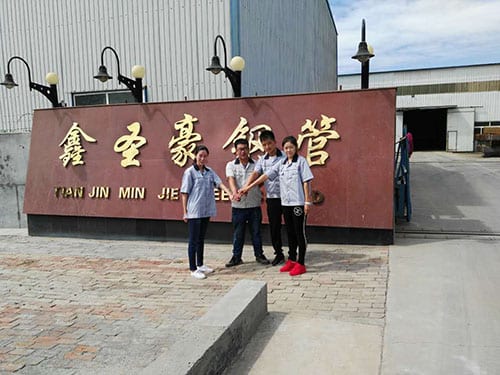
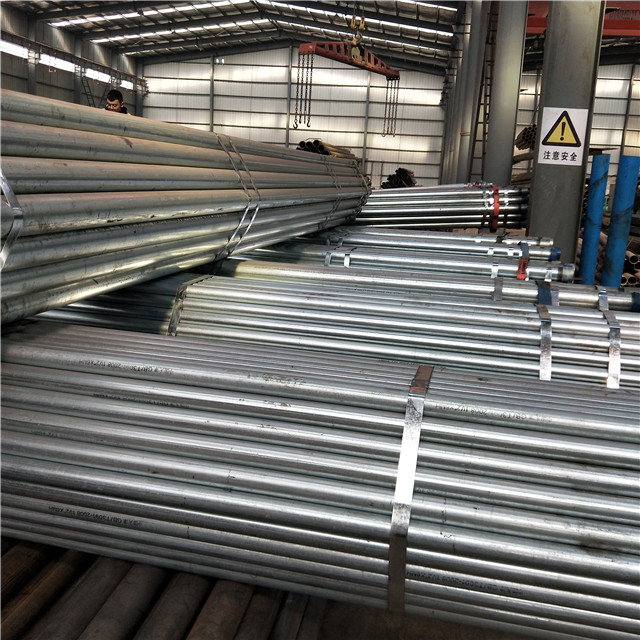
Our structural and access products have been shipped worldwide, supporting infrastructure, energy, and commercial projects across key markets.
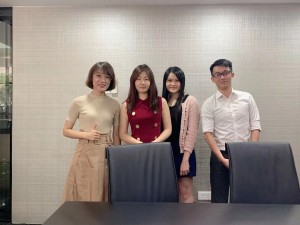
In September 2019, our delegation visited Singapore to audit the long-term performance of our access planks under humid, tropical conditions. Our systems were commended for high oxidation resistance.
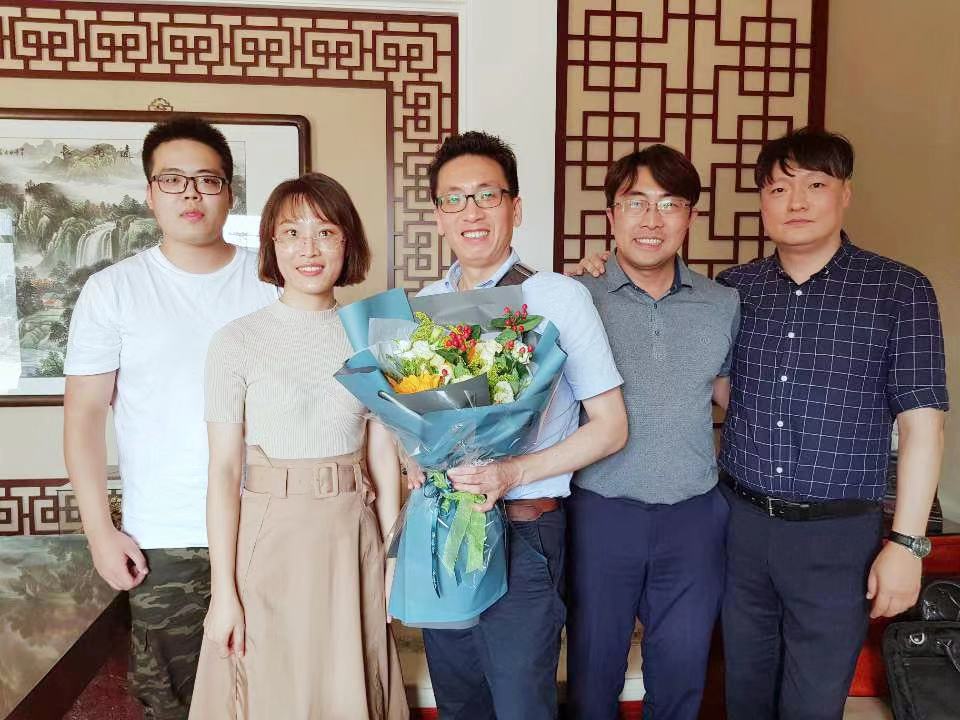
In 2019, key engineering partners from South Korea toured our manufacturing facility to evaluate custom structural designs, establishing long-term product supply channels.
We have partnered with Australian infrastructure suppliers for years. In November 2018, they visited our factory to confirm our structural load capabilities and expand our supply volume.

In 2019, Indian procurement groups completed extensive on-site testing in our factory, leading to recurring monthly shipments of up to 10 containers.

A Lebanese engineering contractor visited our facility in June 2017 to secure critical components, finalizing an immediate contract for 1,000 tons of structural materials.

Established at the Canton Fair in 2018, our partnership with Saudi oil field services providers has grown into a reliable supply line for heavy-duty structural access systems.
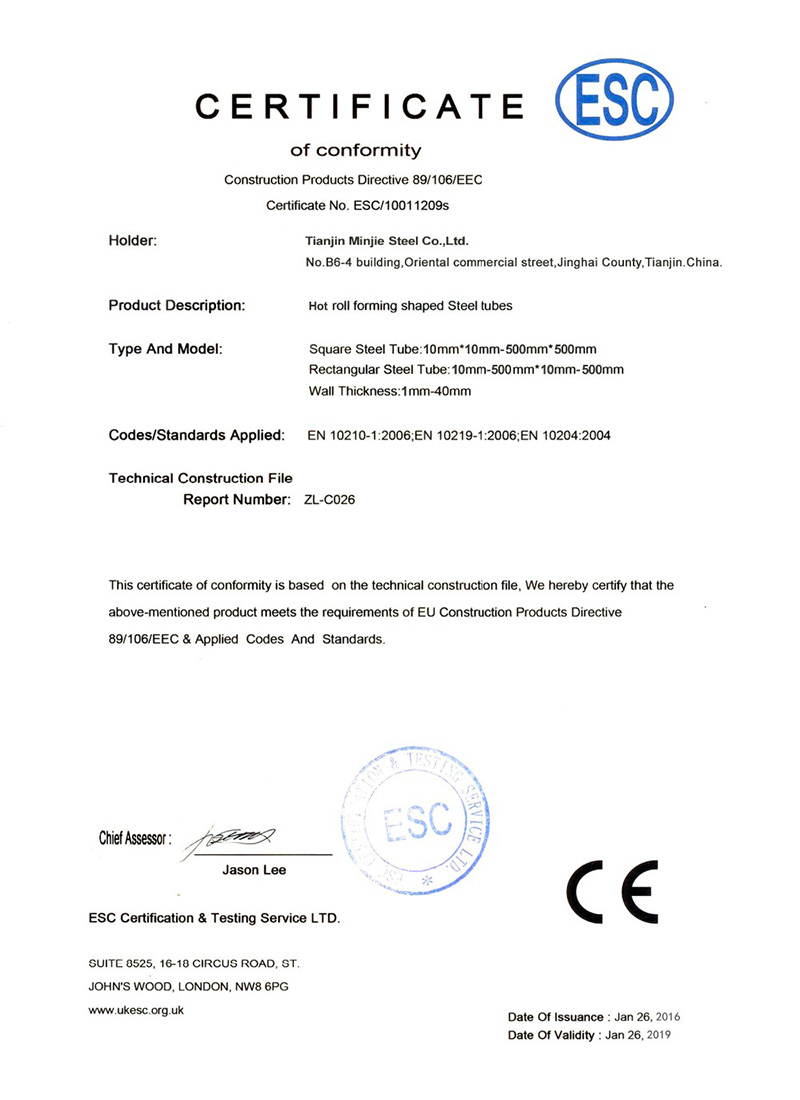
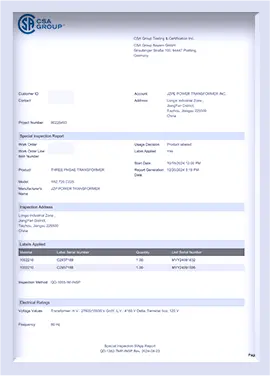
Our factory operates under ISO9001 quality certification. Our testing procedures include chemical composition checks, tensile and yield tests, bend tests, and weld penetration testing.
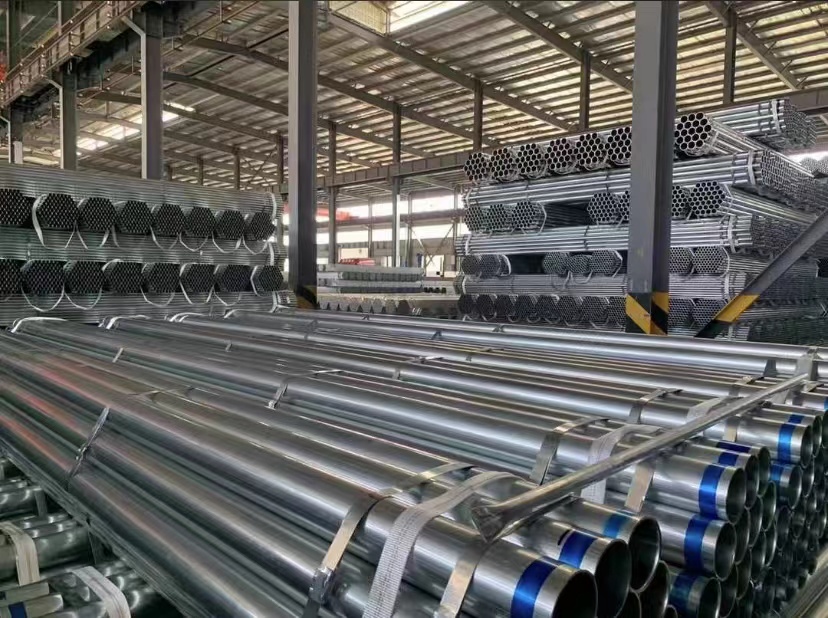
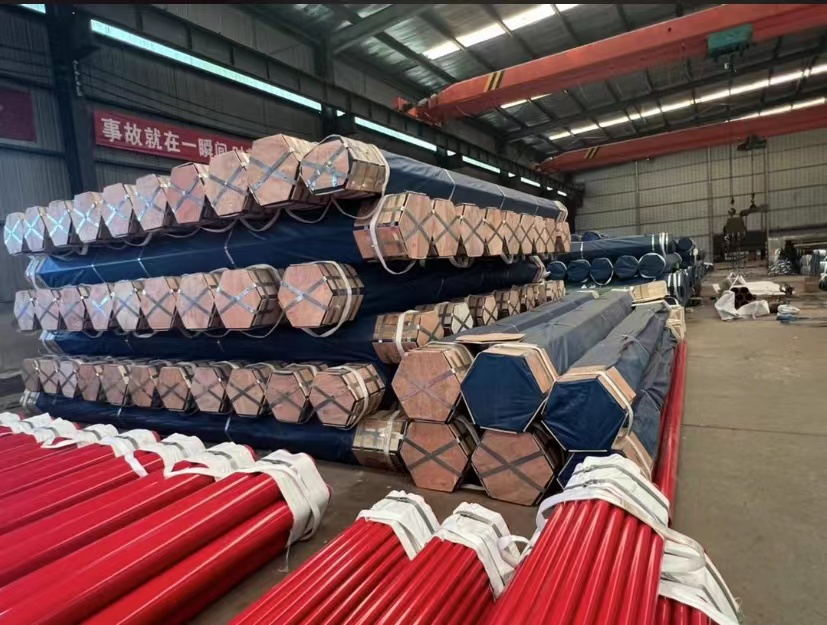
We manage 4 pre-galvanized lines, 8 ERW line systems, and 3 hot-dipped galvanized systems, processing structural materials according to global GB, ASTM, DIN, and JIS specifications.
Highly resistant to salt-water corrosion, our 6061-T6 aluminum planks provide a durable access solution for shipyards and offshore platforms.
Aluminum boards do not shed dust or particulate matter, making them suitable for microelectronics, pharmaceutical facilities, and food processing spaces.
In swing stages and suspended scaffolding, minimizing weight is critical to optimizing load capacity. Aluminum planks reduce dead weight, increasing dynamic load margins.
The global access equipment market is shifting toward sustainability and automation. Developers are demanding environmentally conscious solutions to reduce their carbon footprint.
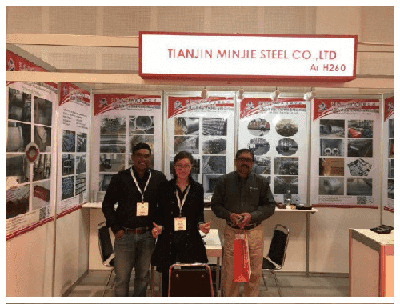
Our annual participation in the Canton Fair has helped establish partnerships with international developers, leading to on-site factory visits and customized supply agreements.
Participating in the Canton Fair allows us to connect directly with global engineers, demonstrating our quality control systems and material testing capabilities in person. About 80% of our partners visit our Tianjin factory after the fair to review our production lines.
Through these interactions, we refine our products to meet the safety requirements of different target markets, adapting hook dimensions, load tolerances, and material specifications.
 Minjie Steel