Engineered to international standards with industry-leading zinc coatings, dimensional accuracy, and exceptional load capacities.
A comprehensive whitepaper examining material standards, manufacturing process technologies, and supply chain resilience in international civil works.
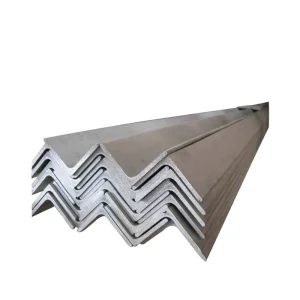
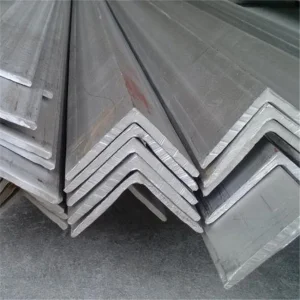
In modern industrial design, structural steel stands as the bedrock of physical infrastructure. Steel angles, classified into Equal Angle Steel and Unequal Angle Steel, constitute the structural framework of projects ranging from municipal bridges to utility-scale solar photovoltaic mounting structures. As civil engineering requirements move towards extreme load capabilities and prolonged asset lifespans, the selection of steel angle suppliers must depend on scientific material selection, metallurgical performance, and structural reliability.
Steel angles function under complex load profiles including tension, compression, and shear forces. Understanding the raw mechanical properties is critical for any engineering procurement group. The three primary structural materials widely exported from advanced Chinese steel mills include:
| Steel Grade | Equivalent Standard | Min. Yield Strength (MPa) | Tensile Strength (MPa) | Max Carbon Content (%) | Key Industrial Applications |
|---|---|---|---|---|---|
| Q235B | JIS G3101 SS400 | 235 | 370 - 500 | 0.20% | Lightweight trusses, warehouse racks, greenhouse frames |
| Q345B | EN 10025-2 S355JR | 345 | 470 - 630 | 0.20% | Heavy steel frames, machinery chassis, transmission towers |
| ASTM A36 | ISO 630 E275B | 250 | 400 - 550 | 0.26% | Commercial buildings, marine structures, bridge supports |
For outdoor industrial projects, the principal point of degradation is oxygen-driven corrosion. Top-tier manufacturers utilize two core zinc deposition methods to prevent rust propagation:
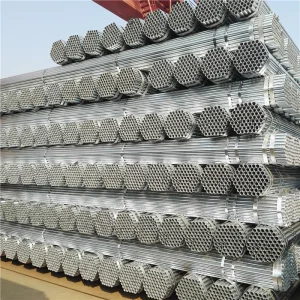
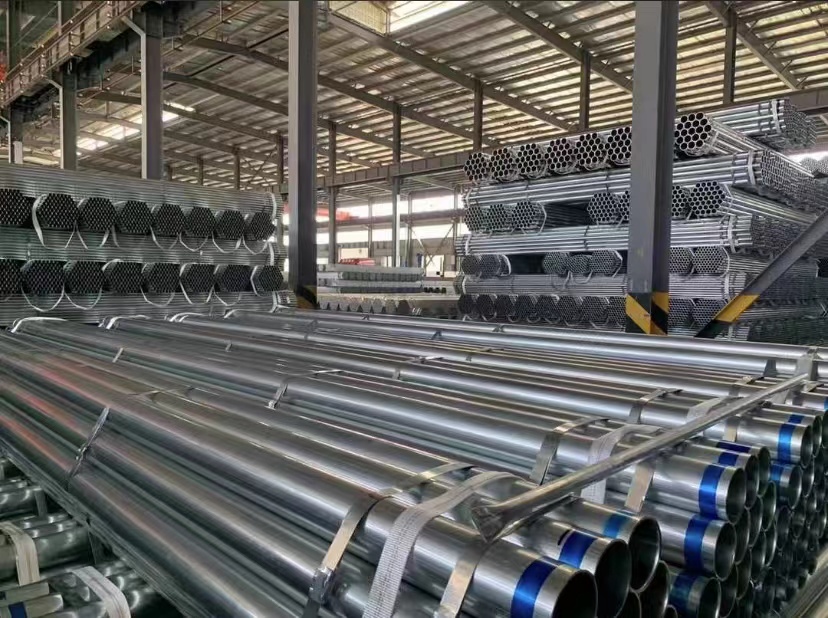
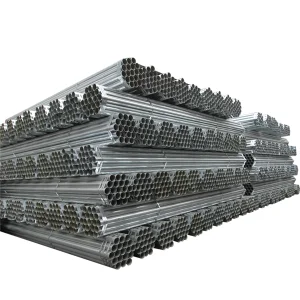
Hot-Dip Galvanizing (HDG): Immersive coating processes where the steel structure is bathed in molten zinc at approximately 450°C. This chemical reaction develops three distinct zinc-iron alloy layer phases (Eta, Zeta, and Delta) which provide sacrificial anode protection and mechanical barrier properties, easily resisting marine, coastal, or humid agricultural microclimates.
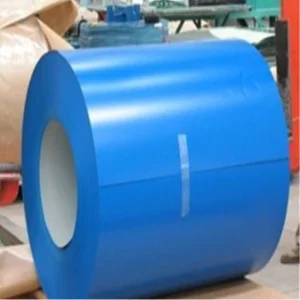
Pre-Galvanization (GI): Run via continuously processed steel sheet lines prior to shape forming, producing a consistent, micro-smooth aesthetic with exact coating weights (such as Z120 to Z275 formulations). Ideal for precision components, indoor ventilation ductwork, or controlled greenhouse frames.
How Tianjin Minjie Steel Co., Ltd. leverages smart manufacturing and logistical proximity to ensure consistent global delivery.
The contemporary global supply chain requires manufacturers to display high levels of operational reliability. Established in 1998, Tianjin Minjie Steel Co., Ltd stands as a key player in Northern China's structural metals landscape. Operating a state-of-the-art facility spanning over 70,000 square meters, the company maintains direct logistics channels just 40 kilometers from XinGang Port (Tianjin)—the largest maritime transport hub in North China. This proximity reduces land freight transit times and minimizes domestic handling hazards before trans-oceanic shipping.
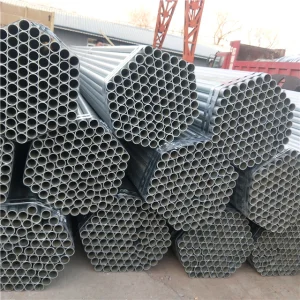
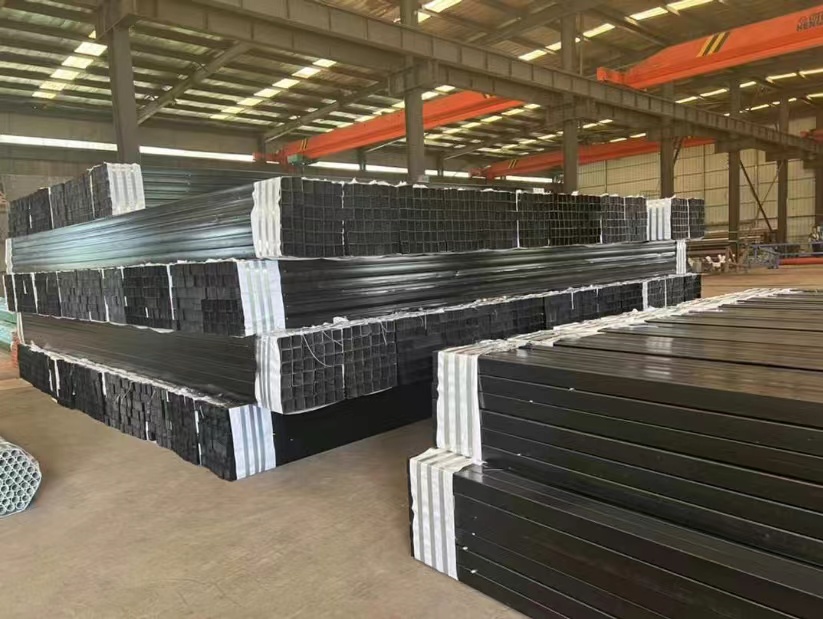
Highly automated continuously fed lines ensuring uniform zinc application, precise dimensions, and fast output matching high-volume commercial demands.
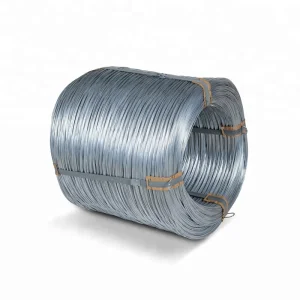
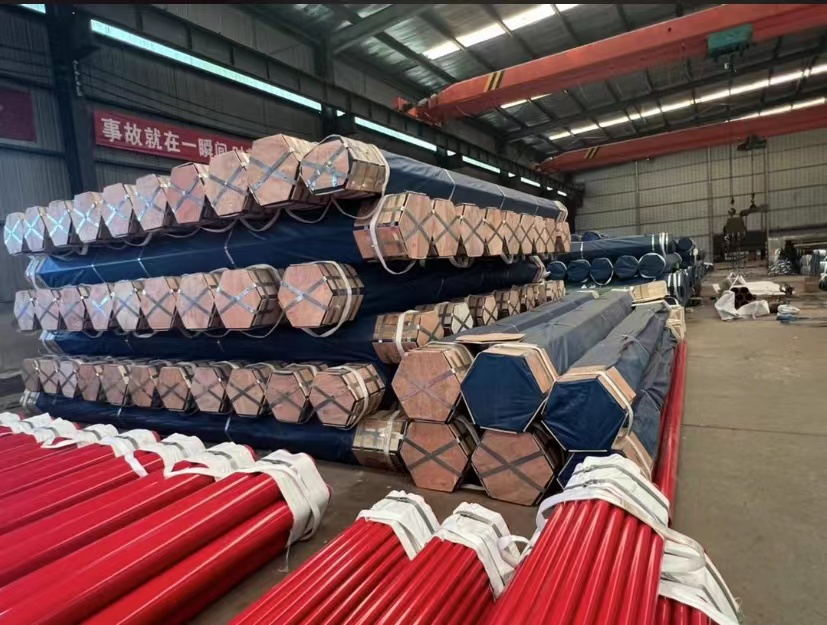
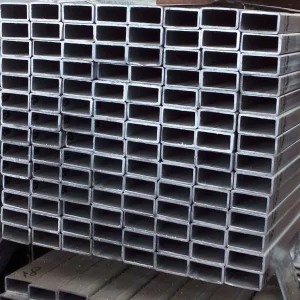
Advanced high-frequency induction welding technologies delivering micro-precise structural tolerances, compliant with ASTM, DIN, JIS, and GB standards.
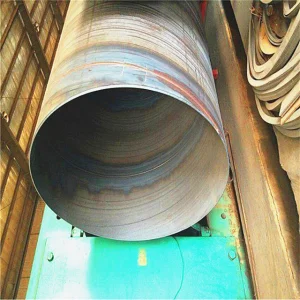
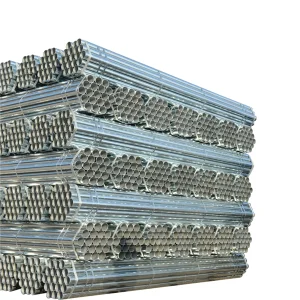
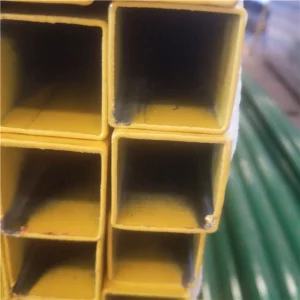
Designed for heavy-gauge carbon steel structures requiring maximum weather protection in marine, coastal, and harsh industrial environments.
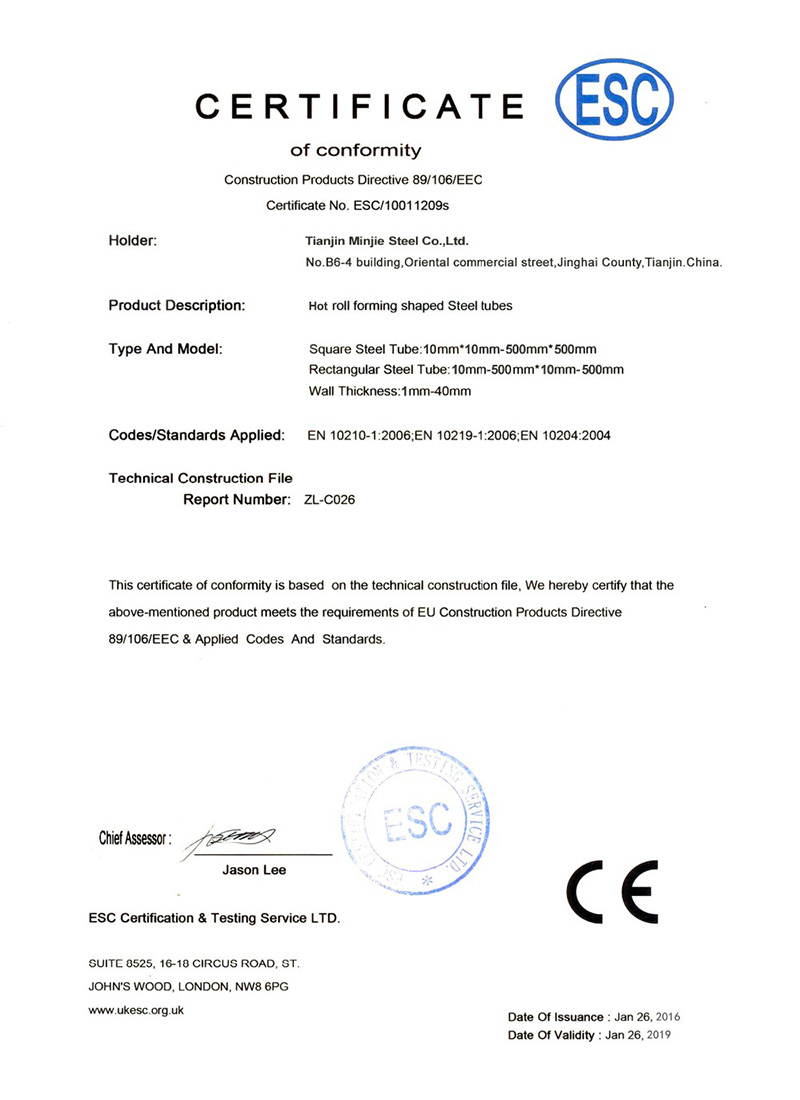
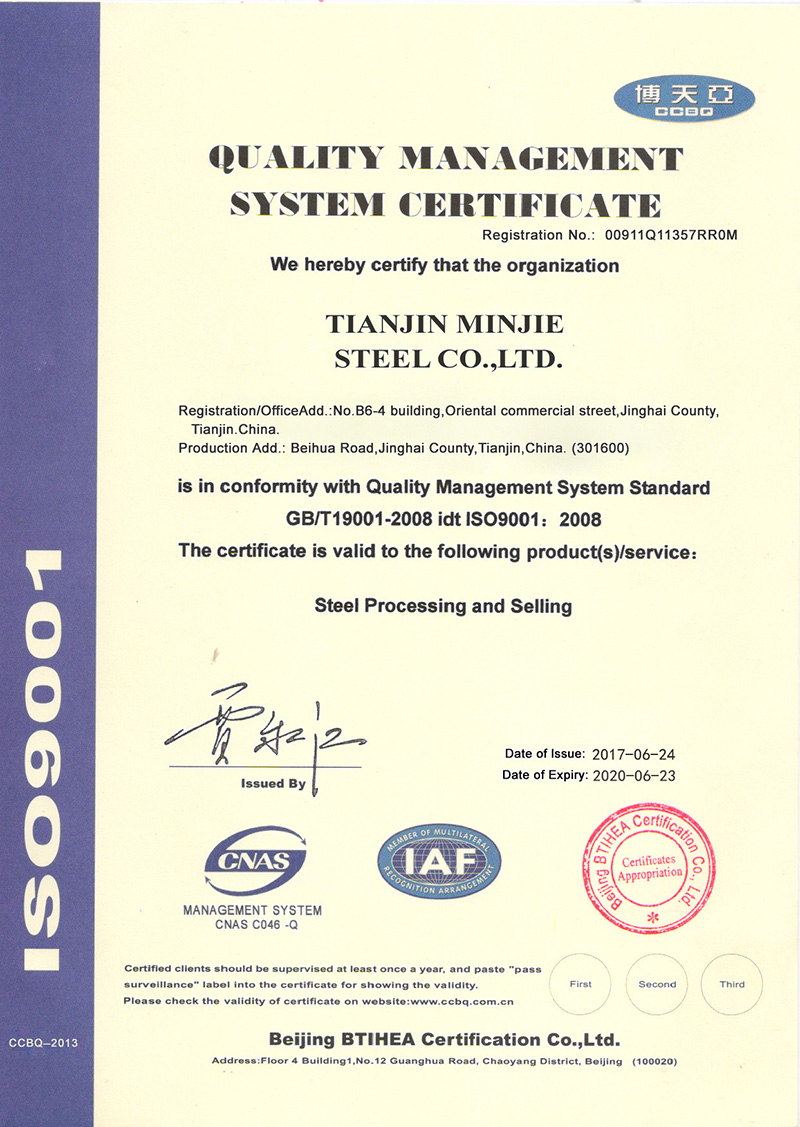
In addition to raw capacity, Minjie Steel holds three distinct utility patents: Groove Pipe, Shoulder Pipe, and Victaulic Pipe connections. These proprietary developments demonstrate the factory's capacity to design solutions beyond simple commodity profiles. Backed by ISO 9001 Quality System Certification, Minjie Steel ensures that every batch, from structural steel angles to scaffolding components, is tracked from raw billet sourcing to final export dispatch.
Verifiable milestones of our factory's international partnerships across major infrastructure markets.
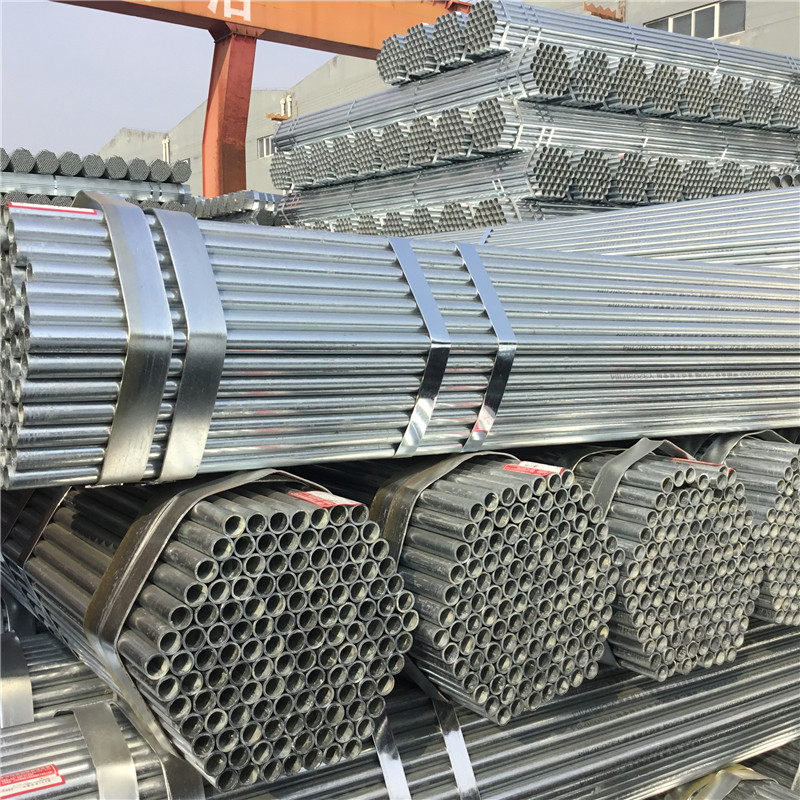
Our commitment to transparent operations is demonstrated by regular international client visits and long-term supply arrangements. We design and deliver custom steel configurations for engineers globally, ensuring compliance with local import parameters.
Visited municipal construction clients in Singapore, reinforcing our structural supply lines for local infrastructure frameworks.
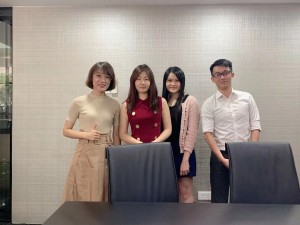
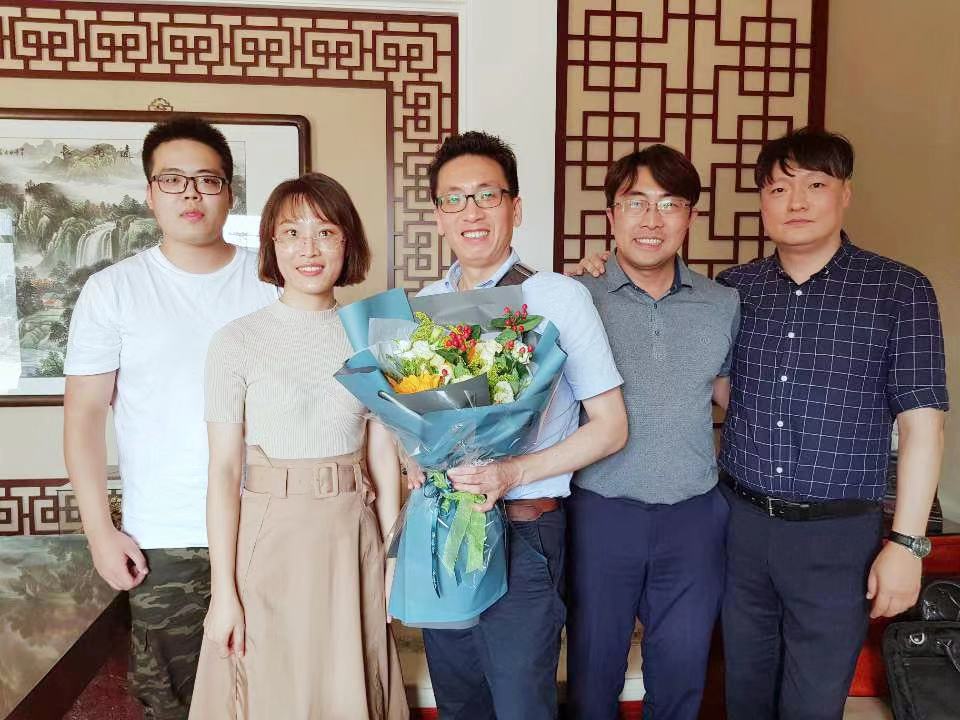
Collaborated with Korean engineers on custom steel designs, meeting strict tolerance requirements for advanced engineering frameworks.
Long-term Australian client audited our manufacturing lines, confirming compliance with local standards for steel profile integrity.
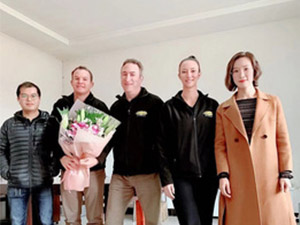
Signed a direct supply contract for 10 structural containers monthly after our facilities cleared detailed supplier assessments.


How structural profiles support solar installations, scaffold assemblies, and modern agricultural projects.
Solar tracking assemblies require structures that can withstand high wind loads and outdoor exposure for decades. Equal and unequal steel angles serve as critical support rails and bracing. Heavy galvanization (often exceeding 600 g/m² or 85 microns) ensures these structural supports maintain their load-bearing capacity throughout the installation's operational life.
Greenhouse construction requires structural components with thin cross-sections for light transmission, balanced with sufficient structural strength. Using pre-galvanized Q235B and Q345B steel pipes and structural angles provides the required stability for wind and snow loads, while offering reliable resistance to internal humidity and chemical treatments.
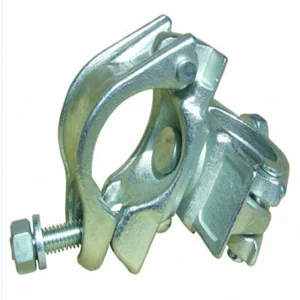
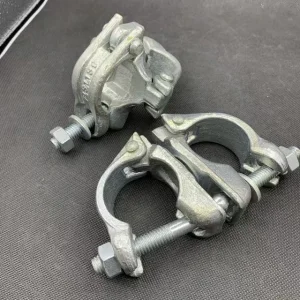
For high-rise commercial construction, worker safety is paramount. Utilizing high-strength scaffolding steel tubes (48.3mm OD) paired with drop-forged swivel couplers ensures rigid connection points. The structural steel angles act as perimeter toe-boards, primary platform brackets, and diagonal braces, maintaining structural alignment under live work loads.
Technical information and sourcing guidance for steel angle procurement.
Retaining identical links and resource destinations to guarantee consistent navigational architecture.
 Minjie Steel