Direct access to certified, laboratory-tested structural and fluid-transmission carbon steel pipes finished with specialized protective coatings.
In modern industrial applications, liquid and gas transportation networks, municipal pipelines, and heavy-duty structural frames represent the foundational lifelines of global infrastructure development. Coated carbon steel pipes are the premier material choice for projects requiring extreme mechanical strength alongside robust long-term resistance to harsh environmental deterioration. Untreated carbon steel possesses exceptional structural integrity, yet remains highly vulnerable to galvanic, atmospheric, and chemical corrosion when installed in underground, maritime, or highly acidic industrial environments.
To overcome these challenges, protective coatings act as physical barriers that restrict oxygen and moisture contact with the underlying steel substrate. Advanced multi-layer systems, including Three-Layer Polyethylene (3PE), Fusion Bonded Epoxy (FBE), Hot-Dip Galvanizing (HDG), and specialized Powder Polymer Coatings, extend pipeline lifespans by up to 50 years. This effectively reduces lifetime operations and maintenance (O&M) costs, mitigates safety hazards, and eliminates risk profiles associated with structural failures or leaks.
Global procurement teams must match local geological and atmospheric conditions with the appropriate coating specification. Selecting the correct chemistry is a critical engineering decision that dictates flow efficiency, structural loading limits, and cathode protection compatibility. In the following sections, we examine key technical specifications, regional case studies, and manufacturing capabilities that define China's leadership in high-efficiency steel coating production.
Established in 1998, Tianjin Minjie Steel Co., Ltd. has spent over two decades developing advanced metallurgical production and surface treatment technologies. Our facility spans over 70,000 square meters, strategically situated in the industrial hub of Tianjin, only 40 kilometers from Tianjin Xingang Port—the largest deep-water seaport in northern China. This geographic proximity ensures prompt transit, optimized transport logistics, and reduced delivery times for heavy industrial consignments bound for global markets.
Our manufacturing capacity is backed by advanced production infrastructure, configured to meet stringent international standards (including ASTM, DIN, JIS, EN, and GB). The facility operates:
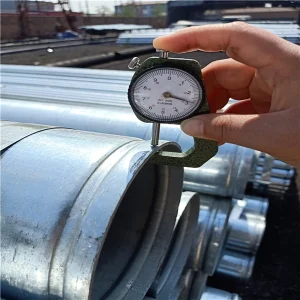
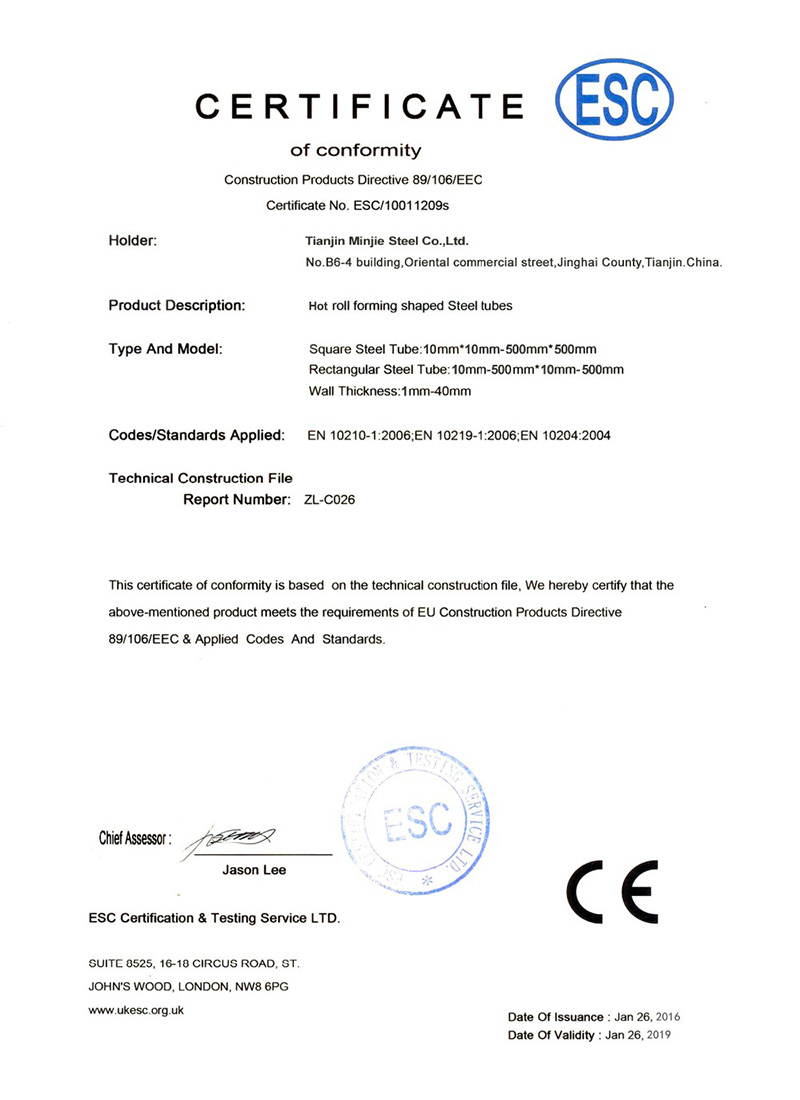
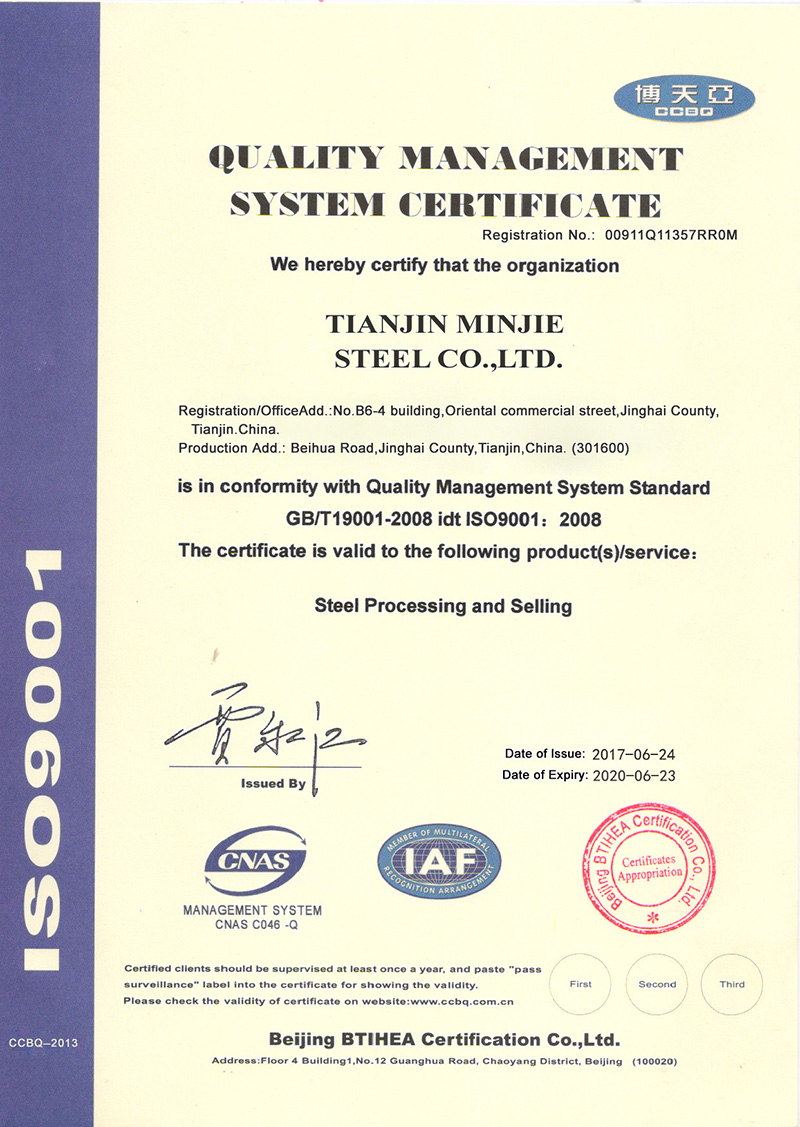
Our facilities operate under the ISO 9001:2015 Quality Management System, ensuring tracking and testing at every stage of production—from raw steel coil validation to final magnetic holiday detection of polymer coatings.
Selecting an appropriate surface treatment requires analyzing mechanical stresses, chemical exposures, and the thermal profile of the pipeline's operational environment. Below is a comparison of common coating choices:
| Coating Type | Layer Architecture | Key Technical Standards | Recommended Environments | Pros & Cons |
|---|---|---|---|---|
| 3PE (Three-Layer Polyethylene) | FBE Primer (100μm) + Copolymer Adhesive (200μm) + PE Outer Layer (2.5mm) | DIN 30670, ISO 21809-1, CAN/CSA Z245.21 | High-pressure underground transmission (oil, gas, water), subsea pipelines. | Superior mechanical protection and electrical resistance; higher initial cost. |
| FBE (Fusion Bonded Epoxy) | Single-layer thermosetting epoxy powder (300–500μm) | AWWA C213, API RP 5L9, ISO 21809-2 | High-temperature pipelines, chemical transport, reinforcement bars. | Excellent adhesion and cathodic disbondment resistance; lower impact resistance. |
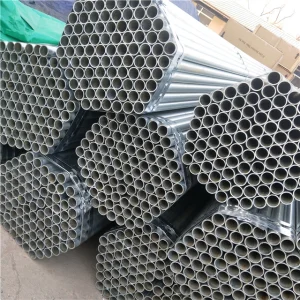
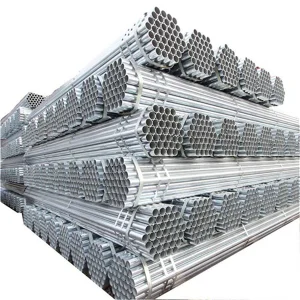
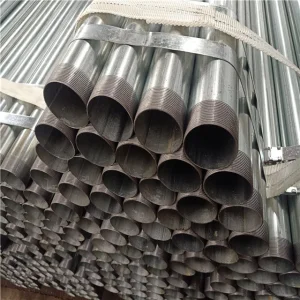
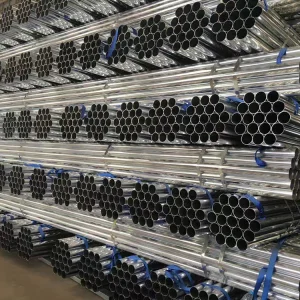
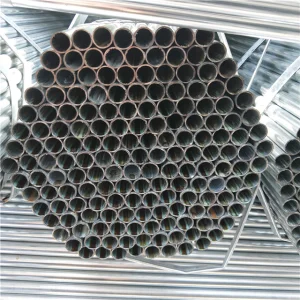
| Hot-Dip Galvanizing (HDG) | Molten zinc immersion (coating weight 500–610 g/m²) | ASTM A53, EN 10240, BS 1387 | Outdoor structural frames, water supply lines, fire sprinkler systems. | Sacrificial anode protection, durable coverage; susceptible to acidic conditions. |
| Powder Coating (PP/PE) | Electrostatic thermoset coating (50–150μm) | EN 10219, ASTM A972 | Lightweight construction, agricultural greenhouses, automotive frames. | Wide aesthetic selection, uniform coverage; not designed for heavy abrasion. |
Our coated carbon steel pipe systems are used globally, meeting localized engineering standards and demanding geological requirements across diverse regions:
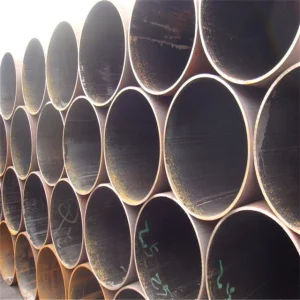
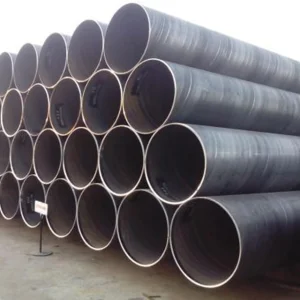
Marine infrastructure requires reliable protection against saltwater corrosion. We supplied 3PE-coated API 5L X52 spiral-welded steel pipes to Singapore, ensuring robust mechanical resistance for deep-water foundation piling.
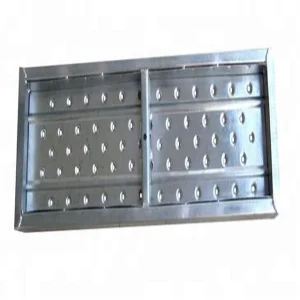
We provided heavy-duty hot-dip galvanized scaffolding tubes and metal planks to building contractors in Australia, compliant with local safety and environmental standards.
For oil and water transport networks in Saudi Arabia and Lebanon, we supplied anti-corrosive BS1387 threaded pipes and grooved fire-protection carbon pipes designed to handle high pressures.
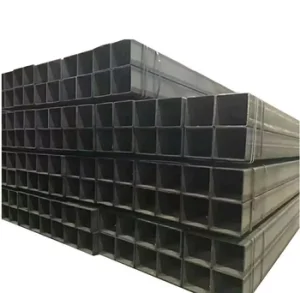
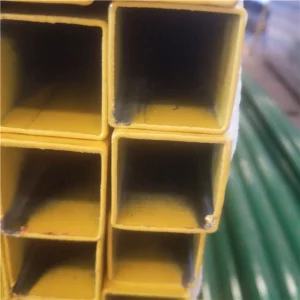
We manufactured custom rectangular and square pre-galvanized structural tubes for Korean agricultural greenhouse frames, balancing strength and structural stability under high wind loads.
Our Tianjin factory optimizes the cost of carbon steel pipe production through raw material access, integrated supply chains, and highly automated manufacturing lines. The northern China steel manufacturing cluster gives us direct access to high-quality hot-rolled steel coils, minimizing logistical and handling costs.
Our automation systems manage temperature, immersion time, and coating thickness, ensuring consistency across production batches. This vertical integration allows us to offer competitive pricing without compromising on international standards. Global buyers benefit from our reliable raw material supply, high production capacity, and strategic location near Xingang Port, facilitating efficient shipping and handling.
The coated carbon steel pipe sector is adapting to meet sustainability goals, improve safety standards, and reduce life-cycle environmental impact. Key trends shaping global demand include:
Frequently asked technical questions regarding coated steel procurement, installation, and performance characteristics.
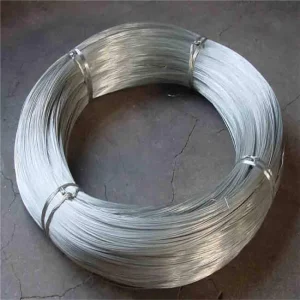
Explore our complete range of wire products, structural sections, and coated tubing configurations engineered to meet international project requirements.
 Minjie Steel