Modern high-rise construction requires engineering technologies that balance safety, operational speed, and cost efficiency. China electric scaffolding for construction represents a significant advancement over traditional manual tubular frame scaffolding systems. By utilizing centralized mechanical lifting engines, these platforms climb exterior building envelopes synchronously, reducing heavy manual labor requirements and minimizing worker exposure to open heights.
As urbanization accelerates globally, high-rise residential towers and dense commercial zones require building structures exceeding 100 meters. The installation of traditional scaffolding at such heights presents major safety hazards, wind vulnerabilities, and long staging timelines. Electric climbing systems, or Auto-Climbing Platforms (ACP), solve these issues by attaching directly to the structural concrete walls of buildings, climbing upwards as the concrete structures are cast. This structural connection provides high stability and reduces dependency on tower cranes, accelerating project schedules.
Direct mechanical anchoring ensures that scaffolding moves in guided paths, eliminating sway under wind load conditions.
Automated electric motors hoist the entire platform with one operator, saving up to 75% in staging assembly labor costs.
Climbs up to 10-15 meters per hour, matching the rapid cycle times of high-performance concrete forming systems.
Established in 1998, Tianjin Minjie Steel Co., Ltd. has expanded into a premier industrial steel production base in Northern China. Our manufacturing facility covers more than 70,000 square meters and is strategically located just 40 kilometers from XinGang Port (Tianjin)—the largest maritime gateway in Northern China. This proximity enables fast global logistics and freight handling for international construction projects.
With an annual output of various steel pipes and scaffolding components exceeding 300,000 tons, Minjie Steel supports global projects with strict quality controls. Our production systems feature 4 pre-galvanized product lines, 8 ERW steel pipe product lines, and 3 hot-dipped galvanized processing lines. We supply high-yield carbon steel structural bases in accordance with international standards, including GB, ASTM, DIN, and JIS under the ISO9001 quality system certification.
Tianjin Minjie Steel holds 3 key product design patents for specialized piping system connection methods: Groove Pipe, Shoulder Pipe, and Victaulic Pipe. These designs help secure piping configurations under high-pressure scenarios, ensuring safe performance when integrated into industrial building services and temporary utilities.
When procuring electric scaffolding systems from Chinese manufacturers, satisfying local safety standards is crucial. International contractors must adhere to strict regulatory frameworks such as EN 12810/12811 in Europe, OSHA in the United States, and AS/NZS 1576 in Australia and New Zealand. Tianjin Minjie Steel adapts to these frameworks through tailored material grades and structural design checks.
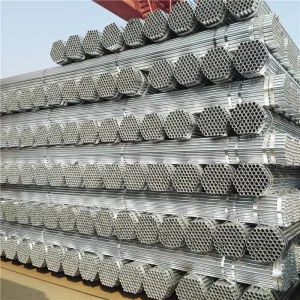
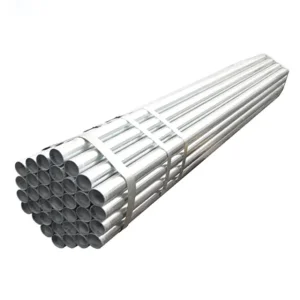
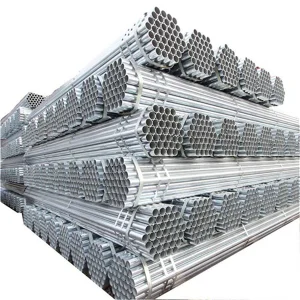
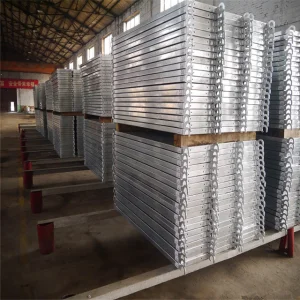
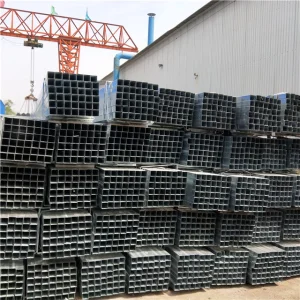
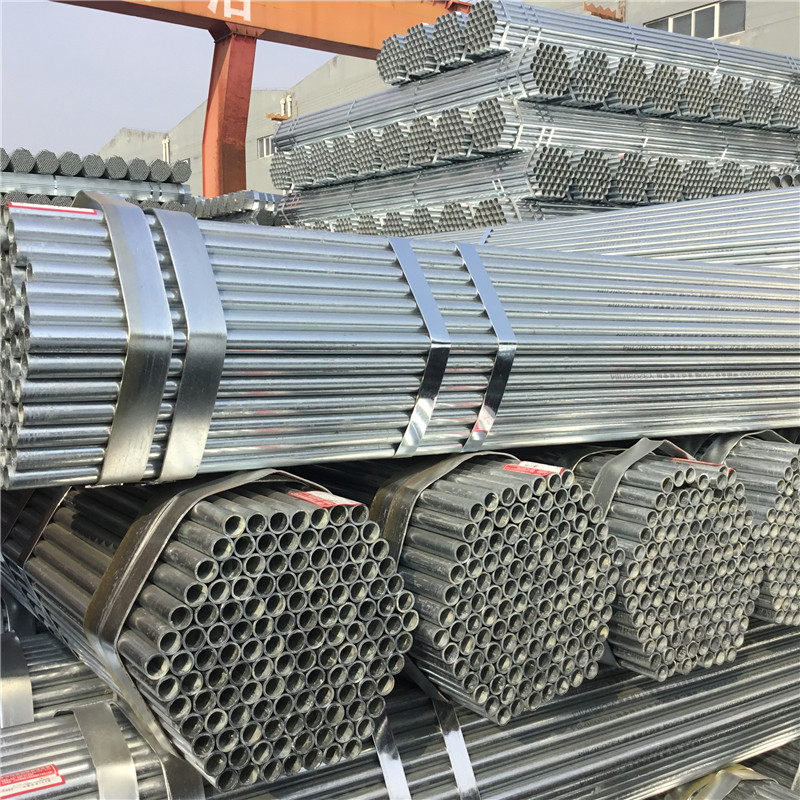
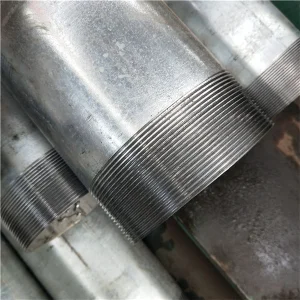
Our electric scaffolding supports are manufactured from high-tensile Q235B and Q345 carbon steel, which provide reliable structural performance. For coastal or highly corrosive industrial environments, we supply hot-dip galvanized finishes with zinc deposition rates exceeding Z275 (275 g/m²), protecting components from rust and extending the service life of temporary construction elements.
| Compliance Standard | Target Market | Material Requirements | Typical Scaffolding Applications |
|---|---|---|---|
| EN 12810 / EN 12811 | European Union | Q235B & Q345 Carbon Steel, Hot-dip Galvanized | System scaffolds, modular climbing towers, high-load decks |
| OSHA 1926.451 | North America | Schedule 40 seamless pipe, high-strength structural grade | Frame scaffolding, electric hoists, fall arrest tie-off anchors |
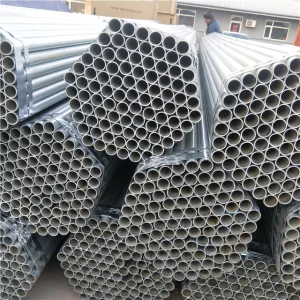
| AS/NZS 1576 | Australia & New Zealand | 48.3mm OD scaffolding tubes with heavy wall thickness | Rigid tube-and-coupler, safety structural walkways |
| GB 5144 / GB 15831 | Domestic & Belt and Road | Premium ERW carbon steel tubes with tested weld seams | Integrated climbing scaffolding platforms |
Our steel products are exported globally. The continuous quality validation by international contractors and engineers at our facility demonstrates our production capabilities and technical reliability.
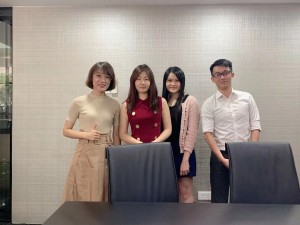
In September 2019, our team visited Singapore-based clients, establishing supply partnerships based on reliable production timelines and high-spec mechanical tubes.
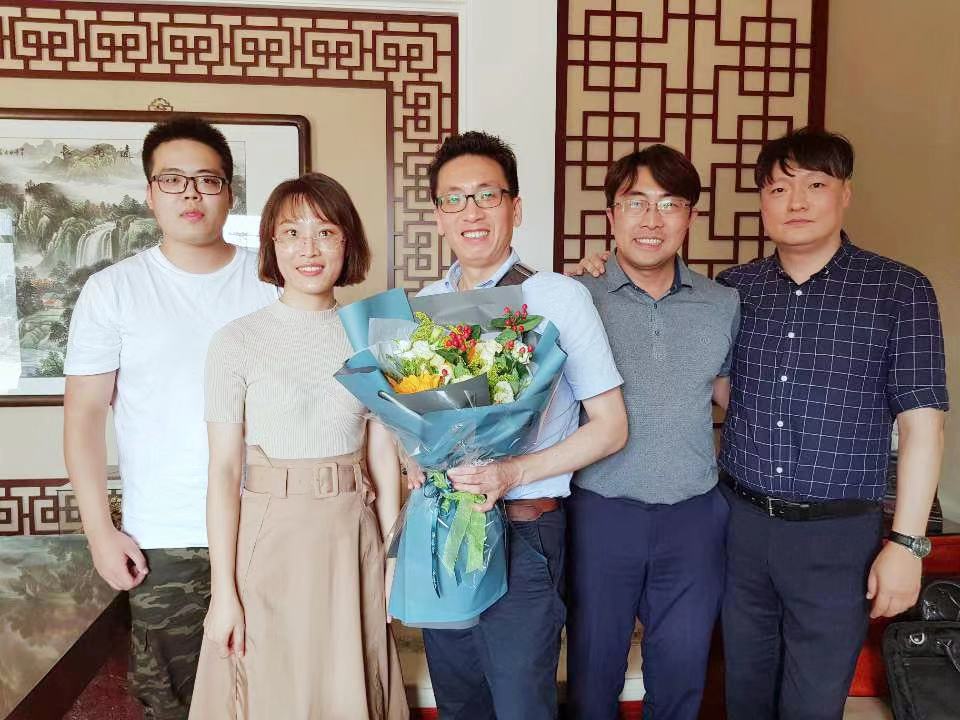
In 2019, Korean engineering representatives visited our factory to collaborate on customized designs and establish long-term structural steel supply lines.
In November 2018, long-term Australian partners visited our facility to audit our EN/AS-compliant manufacturing processes and confirm order quality.
In 2019, Indian construction buyers selected Minjie Steel after auditing local factories, signing monthly supply contracts for 10 structural container cabinets.
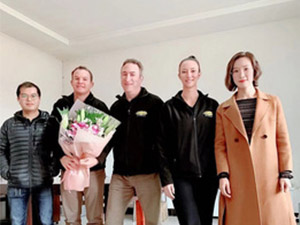
In June 2017, a Lebanese delegation finalized a direct purchase agreement of 1,000 tons of high-grade steel pipes for regional infrastructure development.
Originating from contacts at the Canton Fair, our Saudi Arabian clients visited our factory in 2018 to establish supply agreements for high-grade galvanized piping.
Scaffolding components are continuously exposed to environmental humidity, concrete slurry splashes, and mechanical impacts. Steel materials require effective chemical composition and surface treatments to prevent oxidation and structural degradation.
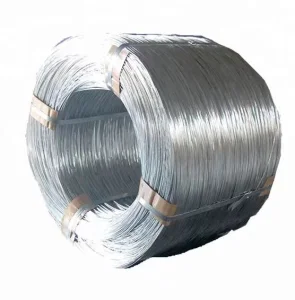
For outdoor high-rise construction, hot-dip galvanizing is an effective method for protecting steel. During this process, steel sections are immersed in molten zinc at approximately 450°C, creating a series of zinc-iron alloy layers. This metallurgical bond provides a tough barrier that resists mechanical damage during transit and assembly, while also offering sacrificial protection to any exposed steel from scratches.
Our hot-dip galvanized processes achieve coating weights exceeding 275 grams per square meter, helping to extend the structural lifespan of outdoor scaffolding.
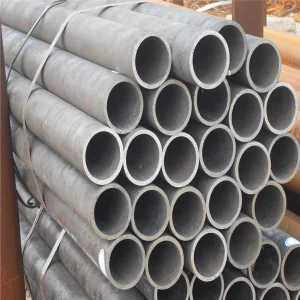
High-frequency ERW welding ensures smooth joints and minimizes internal stresses that could compromise safety under loads.
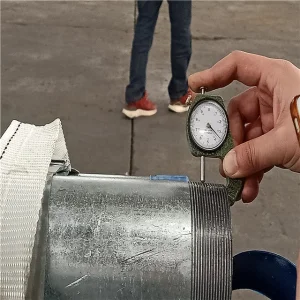
Outer diameters and wall thicknesses are held within narrow tolerances (±0.05mm), ensuring compatible fits with standard couplers.
The global construction sector is shifting toward smart, automated job sites. Future scaffolding configurations will transition from simple steel frames to intelligent access systems. Key developments include:
1. Sensor Integration: Modern climbing platforms are increasingly equipped with load cells and tilt sensors that communicate via wireless networks. If a hoist becomes overloaded or out of level, the system automatically halts to prevent structural failure.
2. Eco-Friendly Operations: By replacing gas-powered equipment with electric drive units, contractors reduce site noise and carbon emissions, helping projects meet environmental certification requirements such as LEED or BREEAM.
3. High-Performance Materials: The integration of lightweight, high-yield alloy steels maintains structural capacity while reducing overall system weight, which helps lower motor hoisting load demands.
Key information to assist global procurement managers and structural engineers when evaluating equipment options.
 Minjie Steel