Explore our primary range of standard-compliant welded pipes, high-strength structural tubes, and zinc-coated materials engineered to meet strict international construction guidelines.
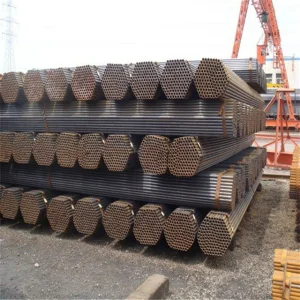
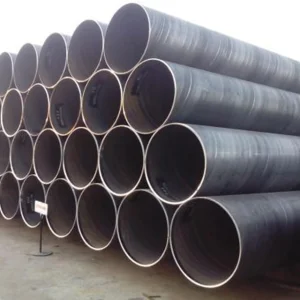
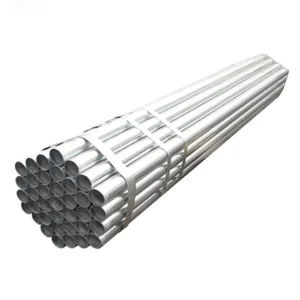
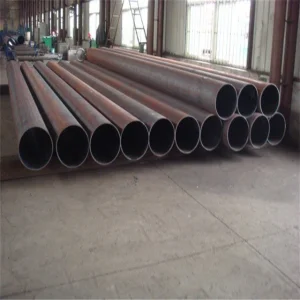
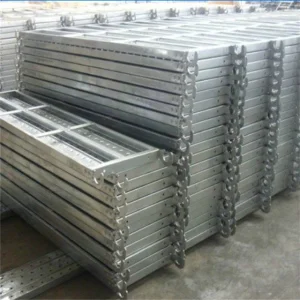
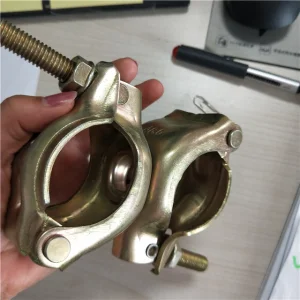
In modern industrial and commercial infrastructure development, safety, structural integrity, and durability are paramount. Galvanized steel scaffolding stands as the backbone of high-rise construction, marine engineering, petrochemical plants, and infrastructure projects worldwide. Standard steel is highly susceptible to atmospheric oxidation and mechanical wear; thus, hot-dip galvanization is not merely an option—it is a global safety mandate.
Across Europe, North America, and the Asia-Pacific region, stringent occupational health and safety regulations (such as OSHA in the US and EN 12811 in Europe) demand scaffolding systems that resist corrosion and mechanical fatigue. By applying a thick, metallurgically bonded zinc coating, galvanized scaffolding prevents rust propagation, ensures predictable structural capacities, and extends the operational lifespan of temporary access systems from months to decades.
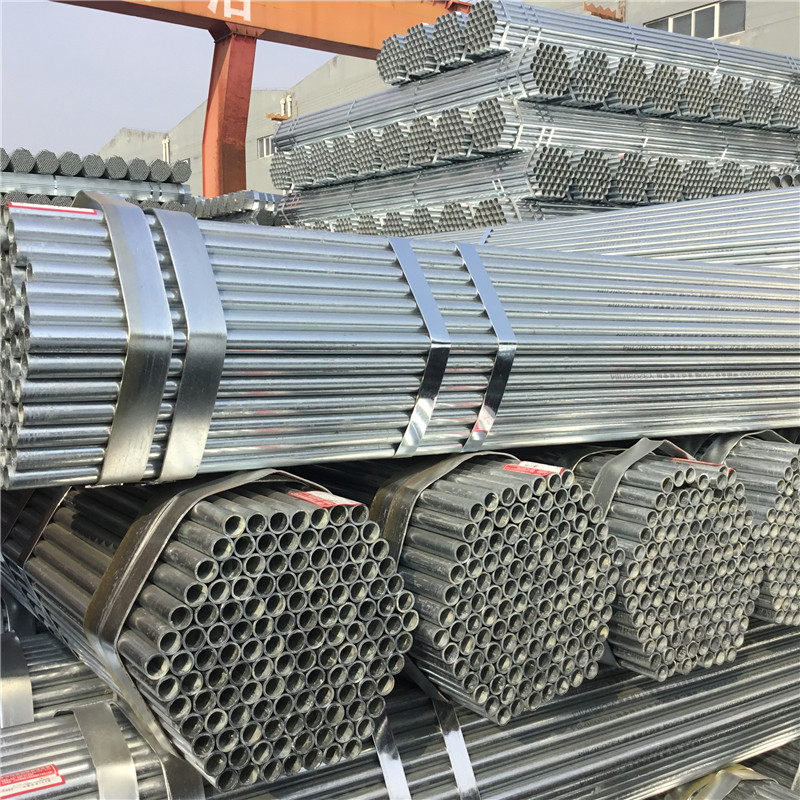
Unlike standard paints or powder coatings that merely shield the steel sheet, hot-dip galvanization forms a series of zinc-iron alloy layers (Eta, Zeta, Delta, and Gamma phases) that are harder than the base steel itself. This metallurgical reaction provides two layers of defense: barrier protection and sacrificial (cathodic) protection. If the scaffolding is scratched or dented on-site, the surrounding zinc layer naturally corrodes first, self-healing the exposed steel and preventing safety failures caused by internal rusting.
Our manufacturing capacity and strategic location ensure seamless logistical support and superior product availability for global infrastructure projects.
Established in 1998, Tianjin Minjie Steel Co.,Ltd has grown into a premier manufacturer and exporter of structural steel products and scaffolding systems. Strategically located in Tianjin—just 40 kilometers from the XinGang Port, the largest port in Northern China—we leverage unmatched shipping and logistics pipelines to service clients in over 60 countries.
Our facility spans more than 70,000 square meters, housing top-tier production technologies. Our manufacturing assets include:
We operate 4 pre-galvanized product lines, 8 ERW steel pipe lines, and 3 hot-dipped galvanized process lines, ensuring precision formatting and thickness uniformity across all production batches.
Our commitment to research and development has secured 3 national patents for structural optimization: groove pipe, shoulder pipe, and victaulic pipe systems designed for specialized quick-connect construction configurations.
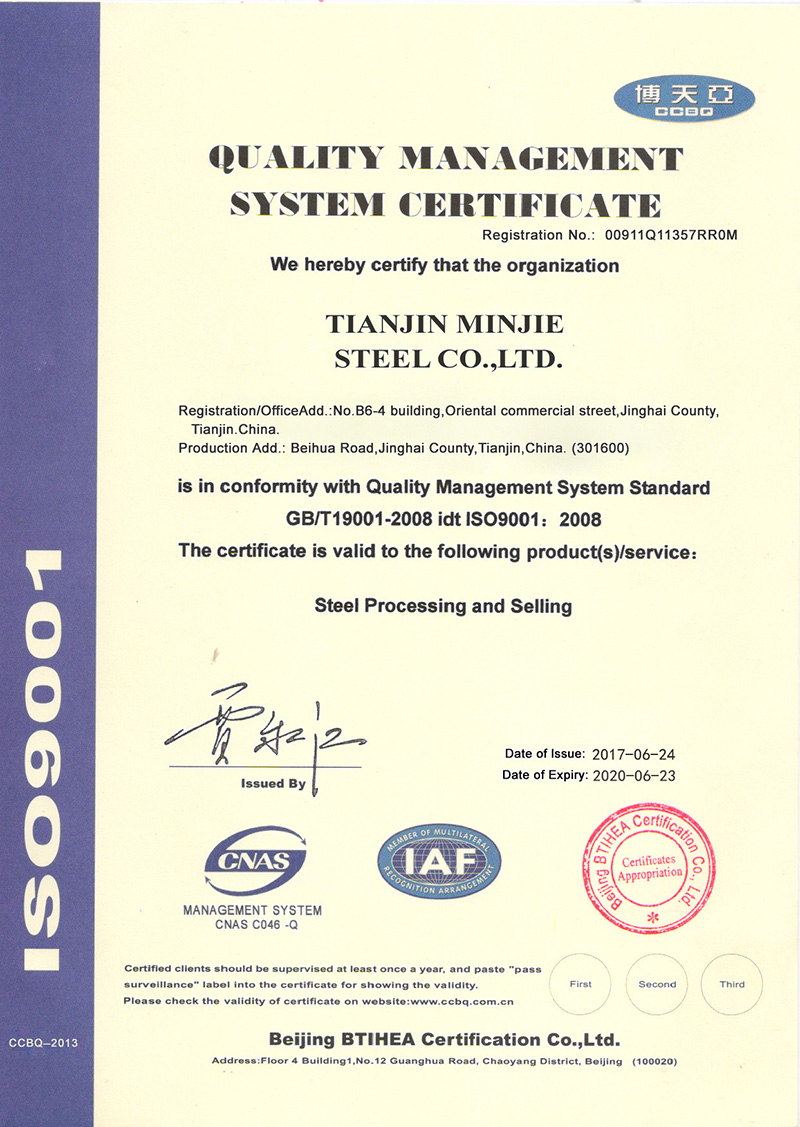
All operations, from raw material procurement to chemical analysis and dimensional testing, strictly adhere to the ISO9001 Quality Management System, ASTM, DIN, JIS, and BS standards.
Global procurement teams favor Chinese factories not only for cost efficiencies but also for advanced integration across the steel supply chain. From iron ore refinement and steel billet production to hot-rolled coil processing, tube welding, and final galvanization, the entire production workflow is highly integrated within local industrial zones.
Our raw material coils are sourced directly from state-owned steel mills, guaranteeing consistent grade chemistry (such as exact Carbon, Manganese, and Silicon ratios in Q235B and Q345B steel) that smaller mills cannot match.
With an annual output exceeding 300,000 tons, Tianjin Minjie Steel can manufacture, pack, and export high-volume structural projects simultaneously without compromising lead times, even during seasonal demand peaks.
Our patented structural connections (groove, shoulder, and victaulic coupling styles) reduce on-site assembly time by up to 35% compared to traditional coupler systems, reducing labor costs for developers.
How we maintain ISO 9001 and international standard compliance across every order.
Every batch of incoming carbon steel coils is tested for chemical composition. We confirm elements such as Carbon, Silicon, Manganese, Phosphorus, and Sulfur to ensure compliance with ASTM, EN, and JIS requirements.
Using our 8 ERW steel pipe lines, billets are cold-formed and high-frequency welded. We run continuous eddy-current testing along the weld seams to verify structural integrity under load.
Pipes are pickled in acid baths to remove impurities and then submerged in a molten zinc bath at temperatures around 450°C (842°F). This step creates a robust protective alloy coating.
We check dimensional accuracy, thickness, and alignment. Electromagnetic gauges measure the zinc coating thickness to verify compliance with EN ISO 1461 and ASTM A123 standards.
Different engineering projects demand custom structural specifications. Understanding the environmental variables of each site is critical to choosing the correct scaffolding profile.
Offshore oil rigs, coastal bridges, and port installations face constant exposure to salt spray and high humidity. Tianjin Minjie’s hot-dip galvanized pipes, boasting zinc coatings over 80 microns thick, provide long-term corrosion resistance in harsh marine environments.
Urban high-rises require high-strength-to-weight ratio scaffolding. Our ASTM A500 and BS 1387-compliant structural pipes ensure structural integrity at extreme heights. These tubes withstand high wind loads and heavy structural dead loads.
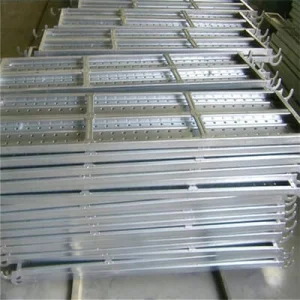
Industrial maintenance within refineries and power generation hubs demands fire-safe, non-slip access solutions. Our structural steel walking boards and ringlock scaffolding couplers facilitate easy setup and reliable footing in high-risk areas.
At Tianjin Minjie Steel Co.,Ltd, our client relations are built on face-to-face verification, factory audits, and long-term supply agreements. We travel globally and host buyers from across the world to ensure total alignment in engineering specifications.
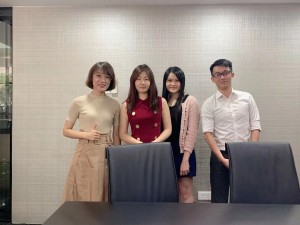
In September 2019, our technical team traveled to Singapore to inspect construction sites using our products and consult on structural pipe specifications. Our engineering support earned praise from local contractors.
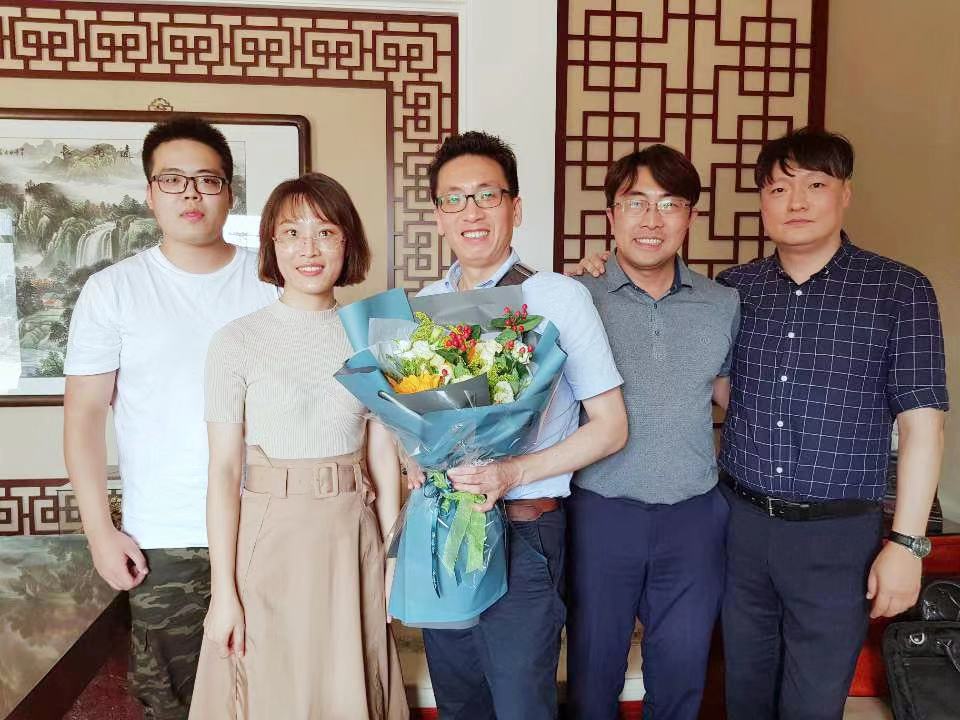
In 2019, structural design engineers from South Korea visited our Tianjin plant. They audited our manufacturing processes and established a supply framework for custom-engineered scaffolding components.
In November 2018, long-term procurement partners from Australia visited our factory to verify our capacity upgrades, confirming our alignment with AS/NZS structural standards.
Following a factory audit in 2019, a prominent Indian construction conglomerate selected Minjie Steel, establishing a monthly supply contract of 10 containers to support regional infrastructure projects.
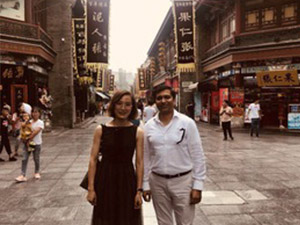
In June 2017, a commercial buyer from Lebanon visited our plant. After evaluating our inventory and testing facilities, they placed an order for 1,000 tons of high-grade steel pipes.
We met our Saudi Arabian partners at the Canton Fair in 2018. Following a site visit, they established a long-term supply agreement with us for galvanized construction tubes.
Tianjin Minjie Steel participates in the annual Canton Fair. Historically, 80% of our new customers choose to audit our Tianjin factory following our initial meetings. Our transparency during these audits helps establish trust with global buyers.
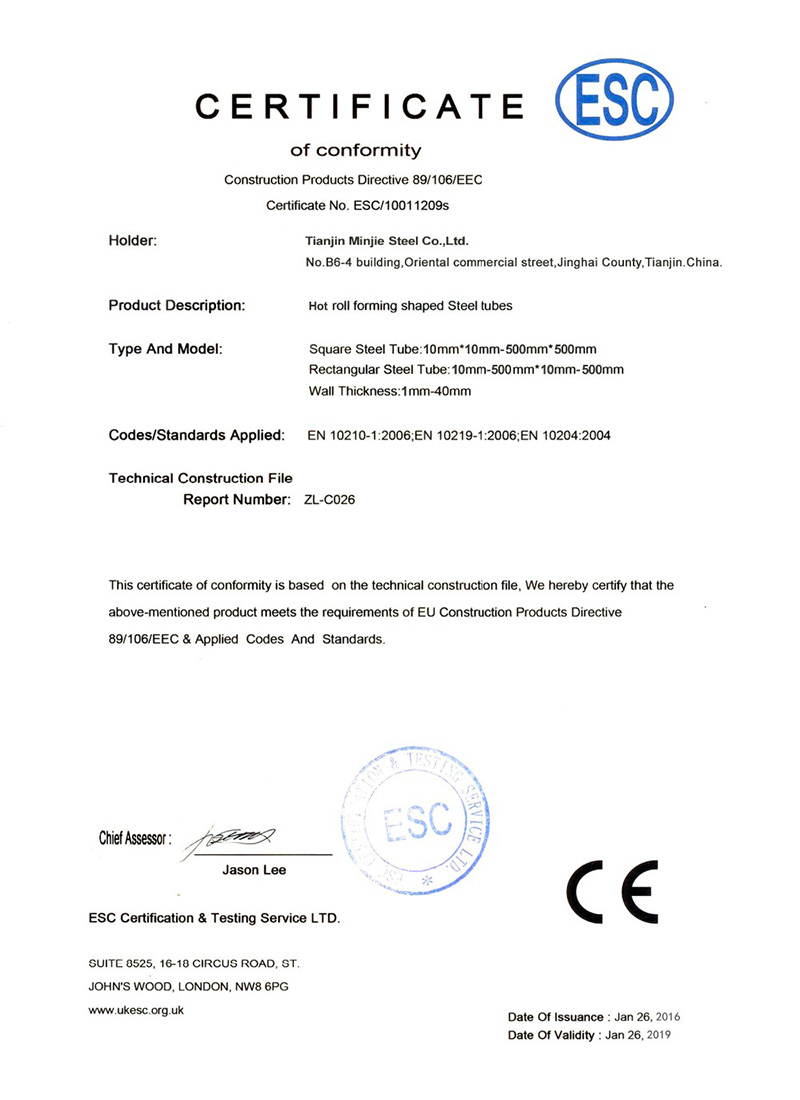
Tianjin Minjie Steel maintains strict quality control measures to comply with global construction requirements. We run continuous material trace checks and verify dimensional accuracy across all product lines.
As the construction industry shifts toward modular, sustainable practices, scaffolding technology is evolving. Buyers should keep the following advancements in mind:
ZAM coatings are emerging as an alternative to traditional hot-dip galvanizing. Incorporating aluminum and magnesium improves flat-surface corrosion resistance and protects cut edges, extending the service life of scaffolding components.
Integrating HSLA steel allows manufacturers to reduce wall thicknesses while maintaining structural capacity. This reduces overall scaffolding weight, leading to lower freight costs and safer handling on-site.
Modern rental and construction companies are embedding RFID tags directly into scaffold tubes. This assists with inventory tracking, identifies component age, and logs inspection schedules on complex job sites.
When sourcing scaffolding components, procurement managers should verify the following parameters to ensure product quality and durability:
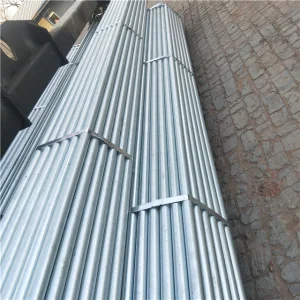
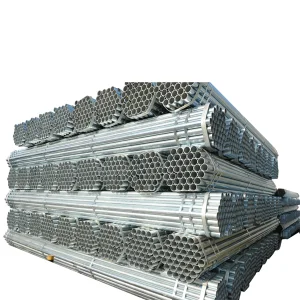
Always verify the zinc coating thickness. Pre-galvanized options range from 15 to 30 microns (suitable for indoor or dry areas), while hot-dip galvanized components should measure between 50 and 85 microns to withstand outdoor conditions.
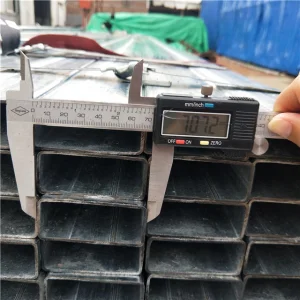
Ensure scaffold pipes maintain precise outer diameter tolerances and minimal ovality. Irregularities can prevent couplers from seating correctly, introducing structural weak points.
Verify that internal weld beads are clean and flush, especially if the tubes must slide inside telescoping systems or receive end-fittings.
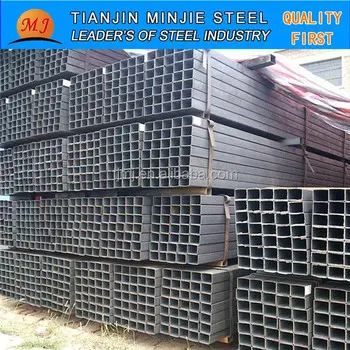
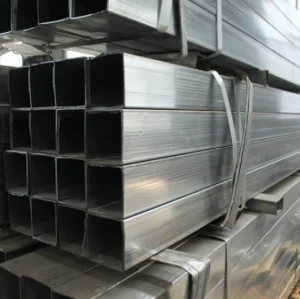
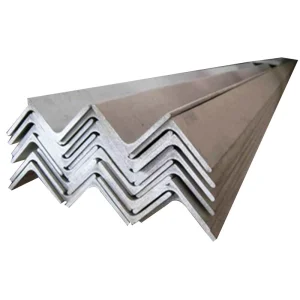
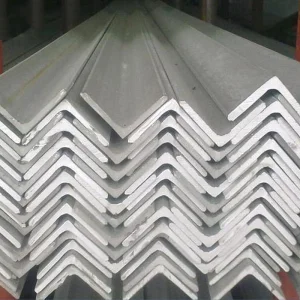
Examine our selection of square, rectangular, and angled profiles designed for heavy load-bearing structural support.
 Minjie Steel