Direct supply line from our comprehensive steel processing and structural pipe fabrication factory.
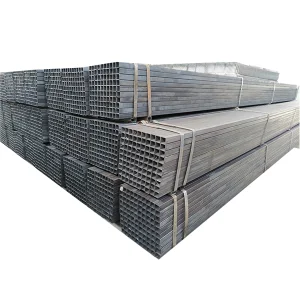
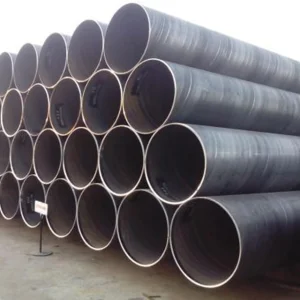
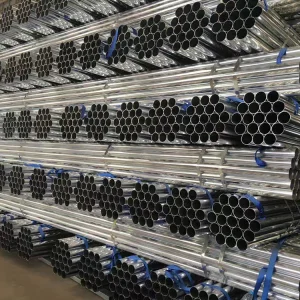
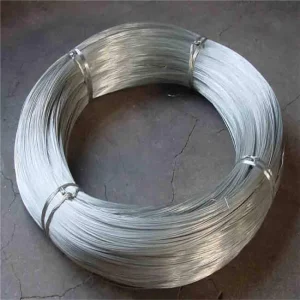
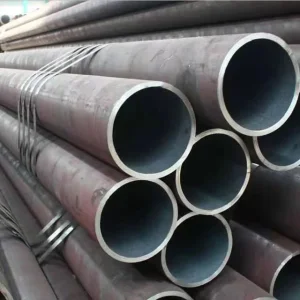
Within structural engineering and heavy industrial manufacturing, the longevity of metal substrates is defined by their resistance to oxidation and mechanical wear. Hot Dip Galvanizing (HDG) represents the primary industrial solution for providing barrier and sacrificial protection to structural steels. As a leading manufacturer and exporter, Tianjin Minjie Steel Co., Ltd manages structural design compliance, mechanical property guarantees, and custom alloy combinations to meet demanding engineering specifications.
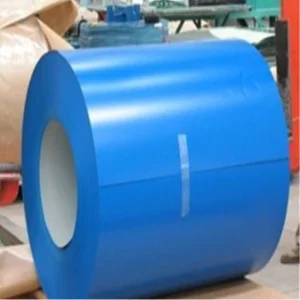
The core metallurgical mechanism of Hot Dip Galvanizing Coils relies on the creation of a series of zinc-iron alloy layers formed through a chemical diffusion process. When low-carbon or low-alloy steel is immersed in molten zinc at approximately 450°C (842°F), zinc reacts with iron to form intermetallic phases: the Gamma (Γ) layer (outermost alloy layer next to the base metal, approximately 75% Zn and 25% Fe), the Delta (δ) layer (highly ductile, 90% Zn and 10% Fe), the Zeta (ζ) layer (monoclinic crystal structure, 94% Zn and 6% Fe), and the Eta (η) layer (pure zinc, 100% Zn on the outer surface). This structure ensures that even when subjected to extreme physical impacts or abrasions, the substrate remains protected from galvanic and atmospheric corrosion.
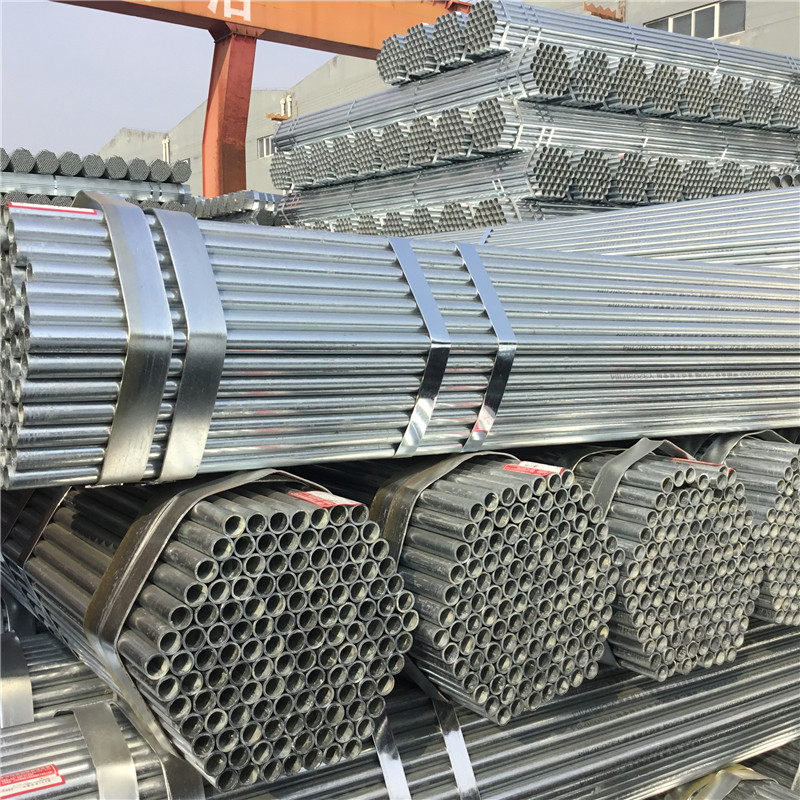
A direct comparison of global raw material specifications and chemical protection profiles designed to streamline standard alignment for procurement officers.
| Specification Standard | Designation Grades Available | Coating Range (GSM) | Surface Passivation Options | Primary Application Fields |
|---|---|---|---|---|
| ASTM A653 / A653M | CS (Type A, B, C), SS (Grade 33, 40, 50, 80), HSLAS | G30 to G235 (90 g/m² - 705 g/m²) | Chemical Passivation, Oiling, Chrome-Free | Structural framing, roof panels, HVAC ducting, solar racking |
| EN 10346 | DX51D, DX52D, DX53D, DX54D, S220GD to S550GD | Z100 to Z600 (Total double-sided coating mass) | Trivalent passivation (Cr3+), anti-fingerprint (AFP) | Automotive chassis components, structural silos, purlins |
| JIS G3302 | SGCC, SGCD1 to SGCD4, SGH340 to SGH540 | Z08 to Z60 (80 g/m² - 600 g/m²) | Chromate-free environment-compliant coatings | Home appliances, agricultural cladding, industrial enclosure |
| GB/T 2518 | Q195, Q235, Q345, DX51D+Z, S350GD+Z | 40 g/m² to 600 g/m² | Oiled, unoiled, phosphated, passivated | General fabrication, welded structural tubing, wire drawing |
We deliver Zero Spangle, Minimized Spangle, and Regular Spangle options. Zero spangle is optimized for post-painting, while regular spangle provides traditional aesthetic values for exterior exposed structures.
Our chemical passivation treatments utilize advanced Cr3+ formulations, satisfying strict REACH and RoHS global directives without compromising humidity and salt spray resistance.
Engineered for diverse post-processing techniques, ranging from simple lock-forming (DX51D) to deep drawing applications (DX54D), and ultra-high strength structural steels (S550GD).
A benchmark of manufacturing capability, quality credentials, and geographical advantages in Northern China.
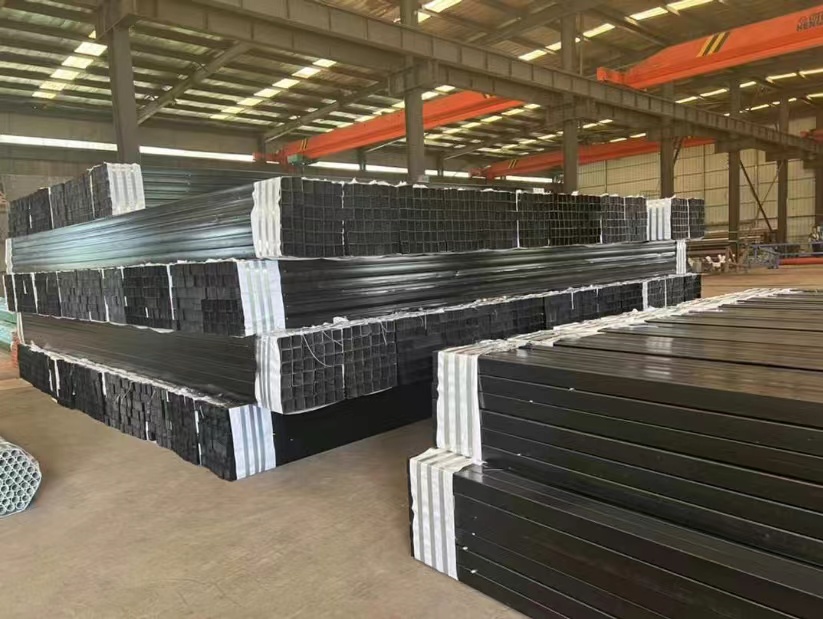
Founded in 1998, Tianjin Minjie Steel Co., Ltd has developed into an integrated industrial complex covering over 70,000 square meters of manufacturing space. Located just 40 kilometers from XinGang Port—the primary maritime shipping hub in North China—we ensure rapid transit times, minimized handling damage, and optimized freight logistics for bulk and container shipments.
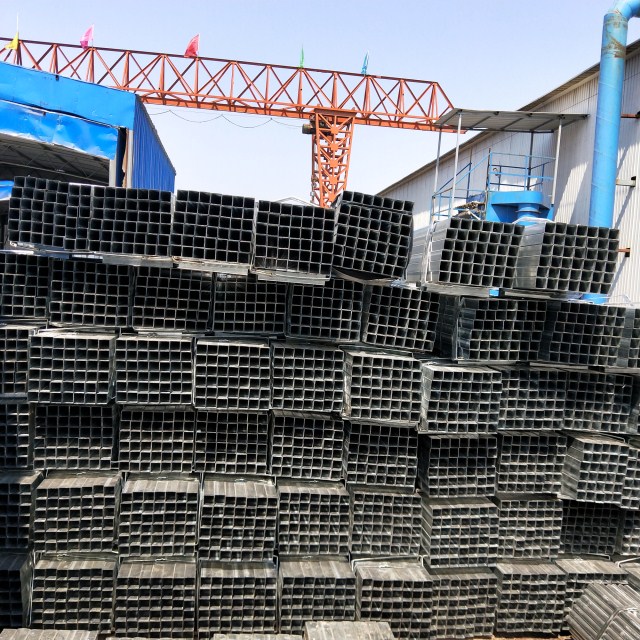
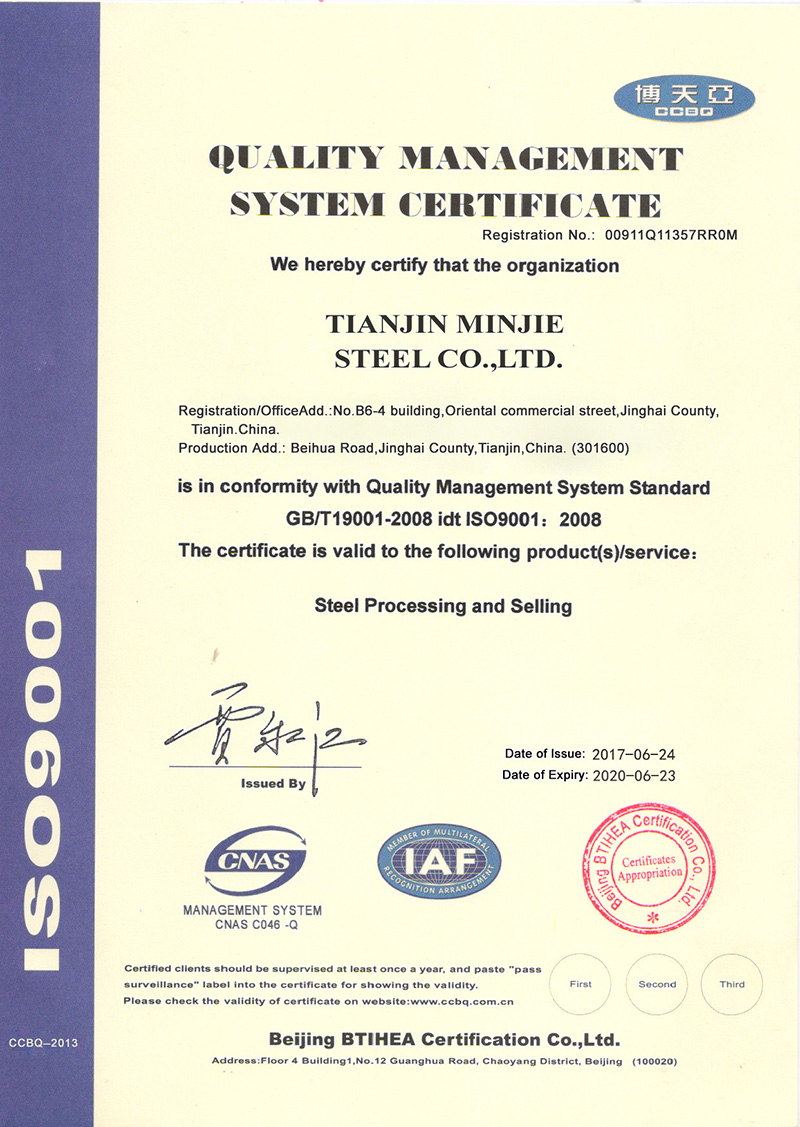
Our operations combine continuous galvanization line technology, ERW pipe rolling mills, and square section structural fabrication facilities. Over two decades of technical experience allows us to manufacture products in compliance with international standard bodies, including GB, ASTM, DIN, and JIS, with all systems fully audited and certified under the ISO9001 quality management framework.
Our facility is equipped with 4 continuous pre-galvanized product lines, 8 high-frequency ERW steel pipe product lines, and 3 specialized hot-dip galvanized process lines. This layout enables customized zinc thickness controls up to Z600 (600g/m² total double-sided mass).
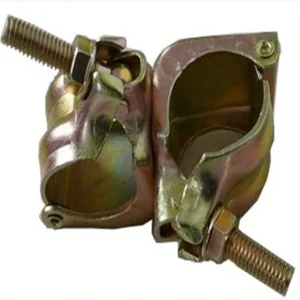
We hold 3 design and structural patents: Groove Pipe, Shoulder Pipe, and Victaulic Pipe connector systems. These innovations simplify connection procedures for high-pressure fluid lines and industrial scaffolding frameworks.
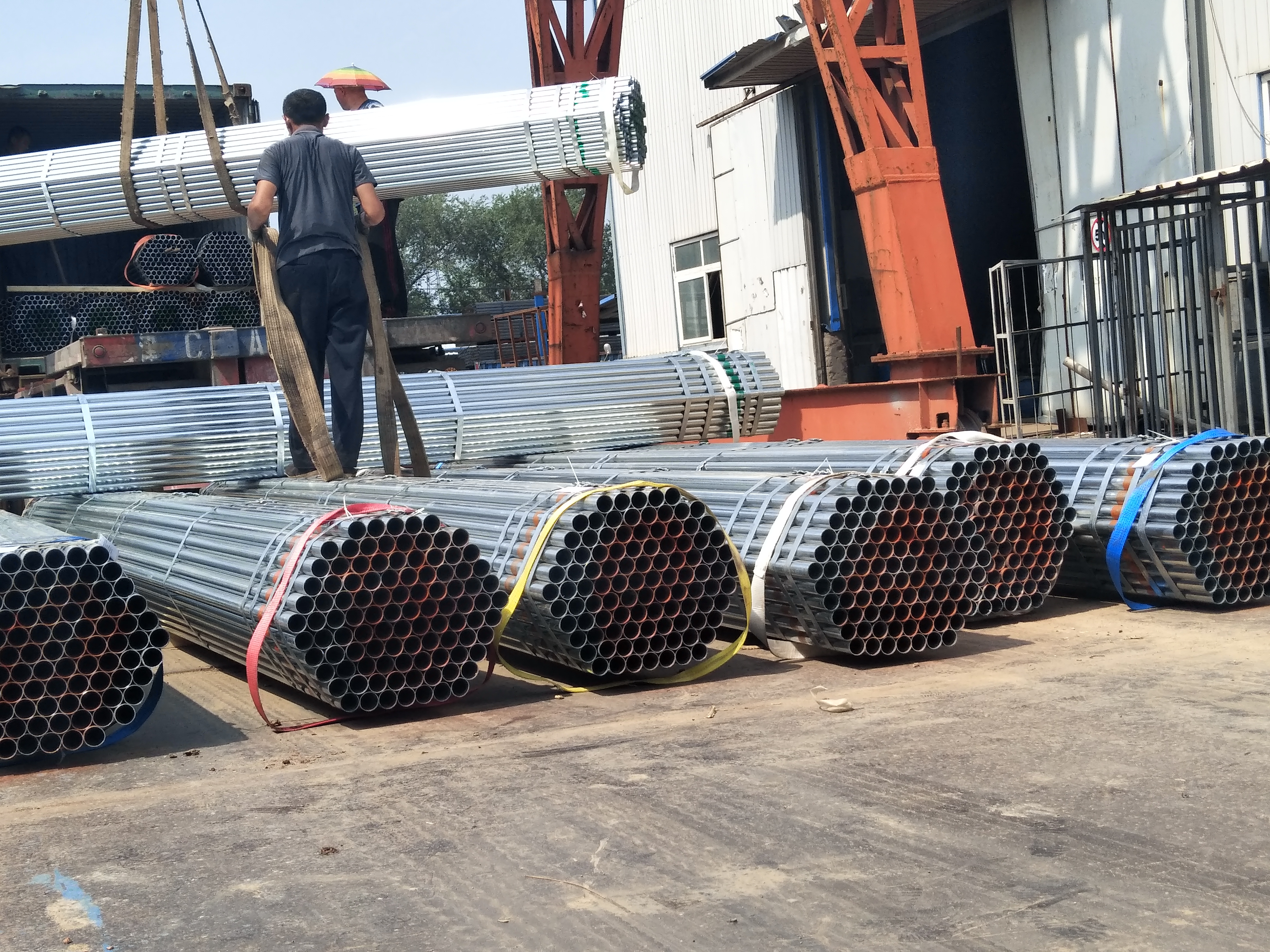
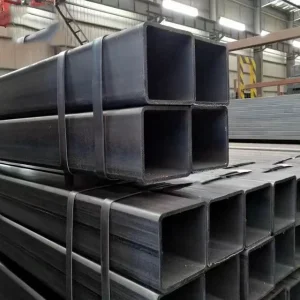
With an annual processing capacity exceeding 300,000 metric tons, our materials are utilized in machinery manufacturing, solar racking structures, greenhouse frames, automotive parts, containment systems, and scaffolding networks.
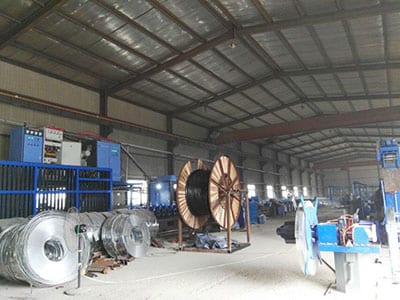
Building long-term engineering relationships through direct technical consultations, on-site inspections, and industrial collaboration.
In September 2019, our team completed structural deliveries for civil construction projects in Singapore. Site inspections verified mechanical compliance and surface finish quality under local high-humidity marine conditions.
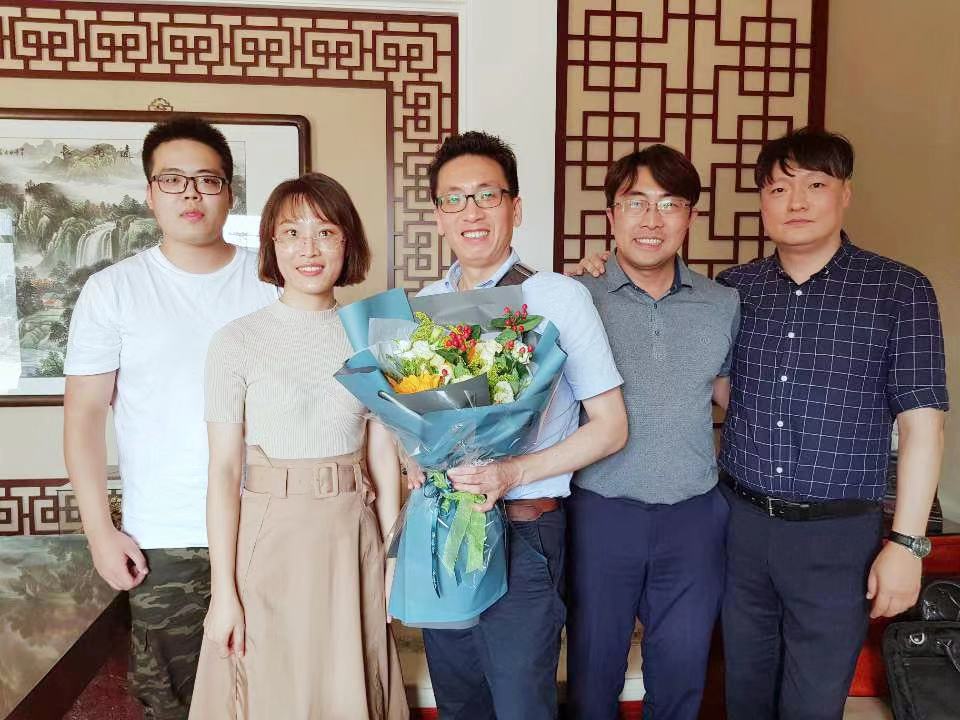
During 2019, South Korean industrial design engineers visited our plant to establish manufacturing protocols for custom structural sections, aligning tooling parameters with their modular frame blueprints.

In November 2018, long-term Australian distribution partners conducted a comprehensive facility audit, certifying our continuous hot-dip lines for structural components in compliance with AS/NZS standards.
Following initial consultations at the Canton Fair, our Saudi partners initiated volume supply chains for heavy structural pipes optimized for thermal expansion and high UV/sand exposure environments.
A Lebanese trading group inspected our facilities in June 2017. Their review of physical testing processes led to an immediate order of 1,000 tons of structural steel pipes.
In 2019, Indian engineering clients audited our hot-dipped production lines for high-volume structural supply. This evaluation led to a contract for recurring monthly shipments of structural hollow profiles.
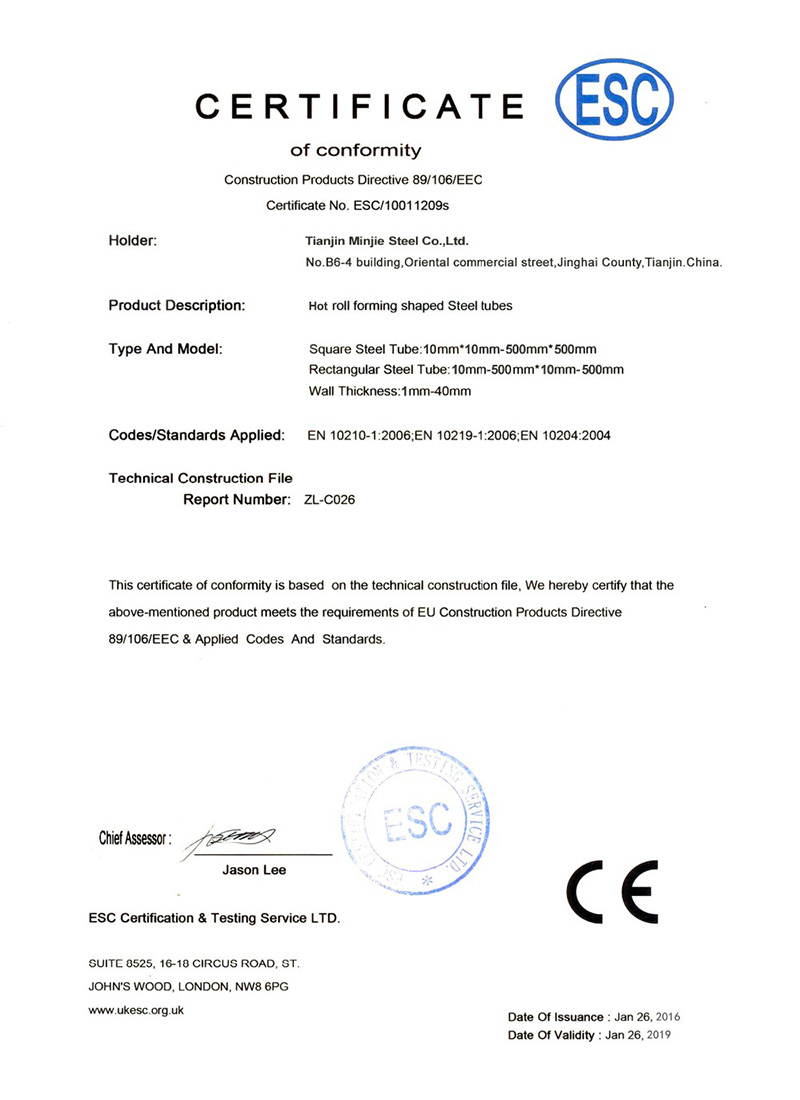
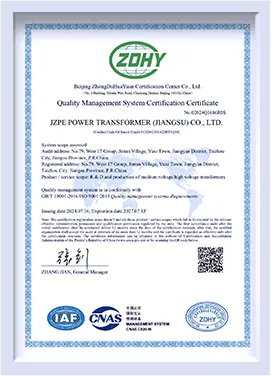
Our manufacturing and processing lines undergo continuous calibration audits to verify performance consistency.
The global expansion of utility-scale photovoltaic solar projects has led to increased demand for corrosion-resistant structural materials. Solar mounting racks must operate in harsh outdoor environments for 25 to 30 years without structural failure. This service life requires the use of Hot Dip Galvanizing Coils with heavy coating profiles (Z450 to Z600) or specialized Zinc-Aluminum-Magnesium (ZAM) alloy coatings. ZAM coatings provide enhanced edge protection through the formation of a dense, zinc-carbonate layer that inhibits corrosion along cut edges and punched holes. Sourcing high-coating-mass galvanized steel is critical to reducing localized maintenance and ensuring long-term structural integrity.
Steel processing plants are adapting to stricter carbon emission limits and environmental criteria. Traditional galvanizing relies on energy-intensive zinc pots and passivations containing hexavalent chromium (Cr6+). In contrast, modern operations utilize induction heating systems and chrome-free passivating options (Cr3+ or organic polymer coatings) to meet global environmental regulations like REACH and RoHS. This transition allows project developers to minimize environmental impact while maintaining corrosion protection performance.
Changing international trade policies require procurement managers to adopt flexible sourcing strategies. Evaluating regional tariffs, anti-dumping duties, and import quotas is essential. Partnering with suppliers that maintain transparent logistics networks, verify country-of-origin details, and locate factories close to major deep-water ports (such as our facility 40 kilometers from XinGang Port) helps reduce overall transport costs, simplify customs clearance, and ensure predictable delivery schedules.
For cold-forming and roll-forming processes, coating adhesion is critical. Our hot-dip process is calibrated to limit Zeta layer growth, producing a thinner, more ductile alloy profile. This prevents micro-cracking and flaking along tight bend radii, protecting the base metal during fabrication.
Our zinc coatings are designed to withstand diverse climate zones. According to ISO 12944 corrosion category metrics, a Z275 coating (approx. 20 microns per side) offers robust protection in C3 industrial and marine environments, reducing overall maintenance requirements.
Connecting with international engineering contractors and distributors to supply certified structural steel materials.
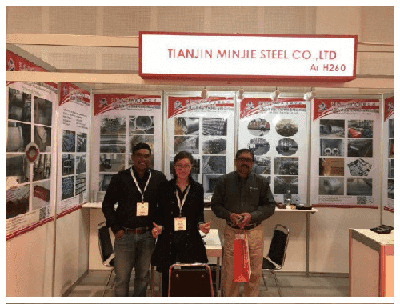
Tianjin Minjie Steel Co., Ltd participates in the Canton Fair annually, presenting our structural pipes, galvanized coils, and scaffolding systems. Approximately 80% of our contract partners schedule factory visits following these technical discussions to inspect our continuous galvanization lines and quality testing processes.
We work directly with structural engineers and supply chain managers to align our material processing with project blueprints, ensuring that final mechanical properties meet the performance demands of their specific builds.
Answers to common technical and logistical questions for structural steel procurement.
Pre-galvanized coils are continuously zinc-coated at high speeds prior to final pipe forming or stamping, resulting in a thin, uniform zinc layer (typically 40g/m² to 120g/m²). Hot-dip galvanizing after fabrication involves dipping the finished structural component into molten zinc, producing a thicker coating (typically over 300g/m² to 600g/m²) that covers all welds, cut edges, and interior surfaces for superior long-term corrosion resistance in exterior environments.
In C4 marine or C5 highly corrosive industrial environments, the annual corrosion rate of zinc ranges from 2.1 to 8.4 microns. A Z275 coating (approx. 20 microns of zinc per side) will typically begin showing red rust within 3 to 10 years, whereas a heavy Z600 coating (approx. 42 microns per side) can offer 10 to 20 years of barrier protection before the steel substrate is affected.
Standard chemical passivation forms a thin chromate film that prevents wet-storage stain (white rust). However, this film can reduce paint adhesion. If post-painting or powder coating is required, clients should request oiled-only, phosphated, or specialized acrylic passivated coatings to ensure proper adhesion without chemical peeling.
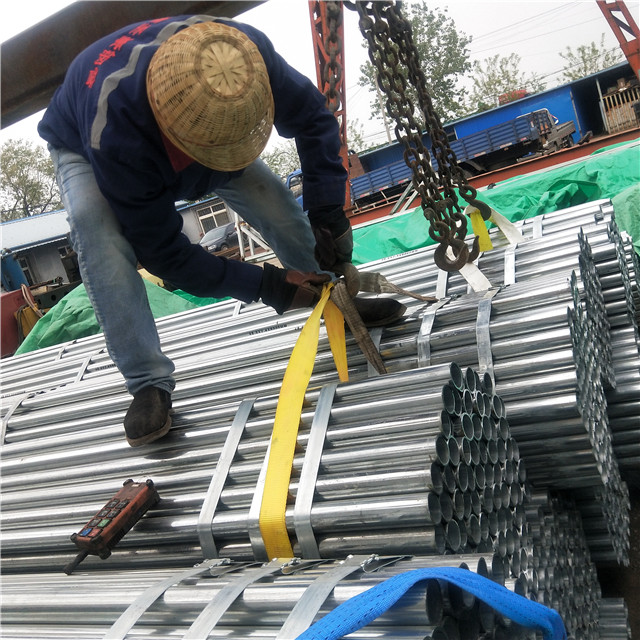
Galvanized scaffolding tubes are manufactured to comply with EN 39 or BS 1139 standards. These standards specify precise steel grades (typically S235GT), physical dimensions (outside diameter of 48.3mm, wall thickness of 3.2mm or 4.0mm), and strict yield and tensile requirements to ensure safe load-bearing capacity under tension and bending forces.
High-strength steels (tensile strength over 1000 MPa) are susceptible to hydrogen absorption during acid pickling prior to galvanizing. To mitigate this risk, we optimize pickling times, utilize specialized acid inhibitors, and pre-heat structural materials when necessary to bake out absorbed hydrogen before immersion in the molten zinc bath.
Explore our full range of structural steel profiles, scaffolding systems, and customized steel coils.
 Minjie Steel