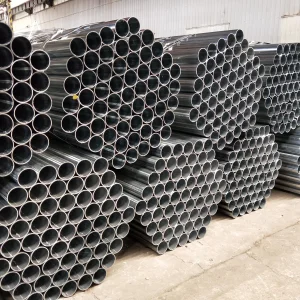
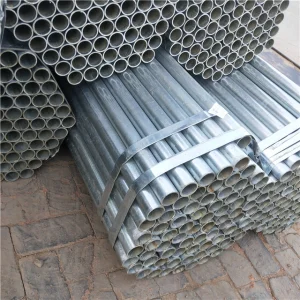
Direct factory supply chain solutions with rigorous quality assurance under international testing standards.
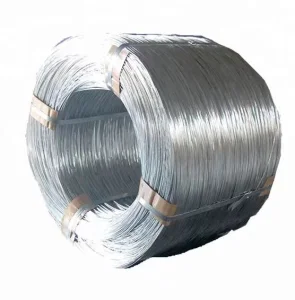
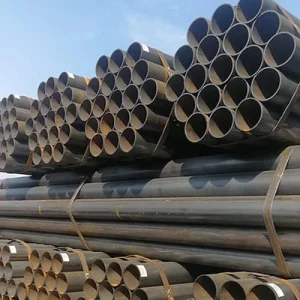
Within the structural engineering domain, the selection of profiles forms the boundary between structurally sound architectures and structural failure. The I-Beam, characterized by its cross-sectional shape resembling the capital letter 'I', serves as the primary load-bearing horizontal component across contemporary civil engineering projects. To make an informed procurement decision, project managers must understand the physical and material principles governing these structural members.
The primary advantage of the I-Beam lies in its bending resistance. The structural profile consists of two horizontal plates, known as flanges, connected by a vertical component, known as the web. The web absorbs shear stresses, while the flanges withstand the bending moments experienced by the beam. According to the Euler-Bernoulli beam theory:
Modern steel factories produce I-beams in compliance with regional standard guidelines. The primary material grades selected depend on yield strength, tensile limits, and environmental conditions:
| Standard Category | Material Grade | Yield Strength (Min) | Tensile Strength | Typical Industrial Applications |
|---|---|---|---|---|
| ASTM (American) | A36 Carbon Steel | ≥ 250 MPa | 400 - 550 MPa | Light commercial frames, warehouse racks, agricultural equipment |
| ASTM (American) | A572 Grade 50 | ≥ 345 MPa | ≥ 450 MPa | Bridges, heavy construction equipment, transmission towers |
| EN (European) | S235JR | ≥ 235 MPa | 360 - 510 MPa | Secondary structural supports, platform gratings, interior stairs |
| EN (European) | S355JR | ≥ 355 MPa | 470 - 630 MPa | Heavy industrial hangars, crane runways, marine offshore platforms |
| GB (Chinese) | Q235B | ≥ 235 MPa | 370 - 500 MPa | General structural framing, greenhouse columns, architectural trusses |
| GB (Chinese) | Q345B | ≥ 345 MPa | 470 - 630 MPa | High-strength structural members, multi-story frameworks, transport corridors |
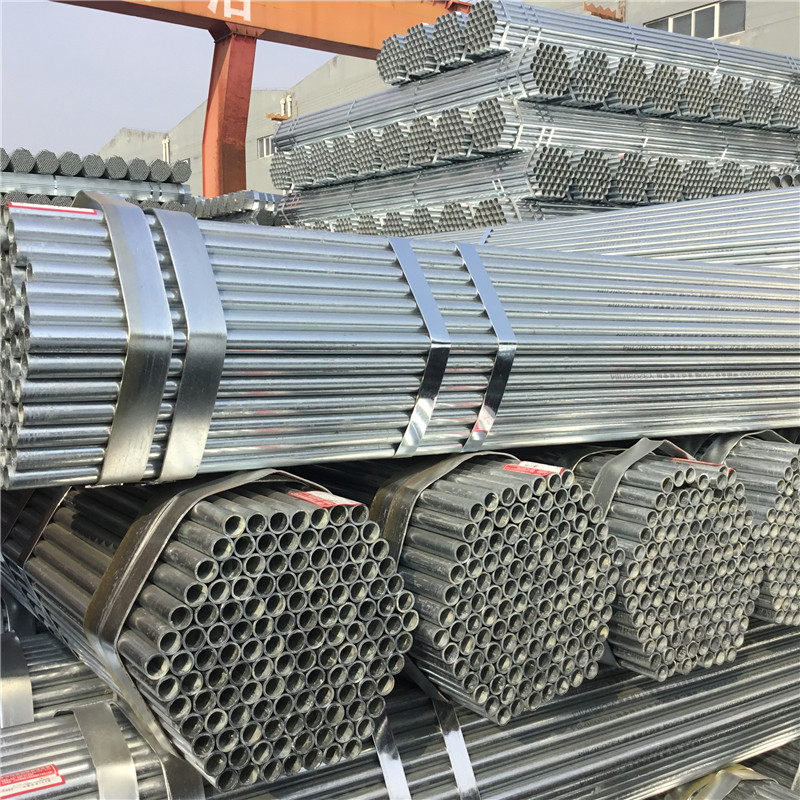
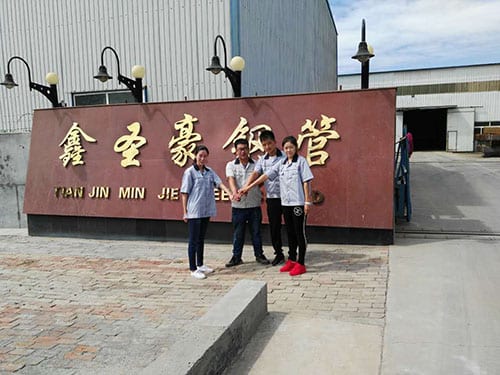
Established in 1998, Tianjin Minjie Steel Co., Ltd has developed into an export-oriented steel manufacturing enterprise. Spanning over a 70,000 square meter production zone, the factory is located 40 kilometers from Xingang Port (Tianjin), the largest shipping port in Northern China. This provides logistical advantages for global shipping and transport.
Our production capabilities include 4 pre-galvanized product lines, 8 ERW steel pipe lines, and 3 hot-dip galvanized process lines. We manufacture in accordance with global standards (GB, ASTM, DIN, JIS) and operate under the ISO 9001 quality certification framework. We also hold three distinct manufacturing patents covering groove, shoulder, and victaulic connections, supporting our project delivery across diverse construction environments.
The demand for structural steel, particularly I-beams, is driven by structural trends in global urbanization, industrial warehousing, and infrastructure modernization. As energy codes, seismic standards, and environmental regulations tighten globally, structural procurement teams require materials that satisfy both performance and compliance criteria.
Modern transport hubs, logistics warehouses, and high-rise commercial structures rely on the mechanical properties of structural steel. Key drivers include:
Procurement teams often face challenges such as lead-time fluctuations, material grade mismatches, and compliance failures. Tianjin Minjie Steel addresses these challenges through integrated supply chains and quality management:
Ductile structural steel profiles designed to deform elastically under high-intensity dynamic loads, preserving frame integrity during seismic events.
Advanced hot-dip galvanization lines provide zinc barriers that protect steel structures from environmental exposure in industrial and maritime settings.
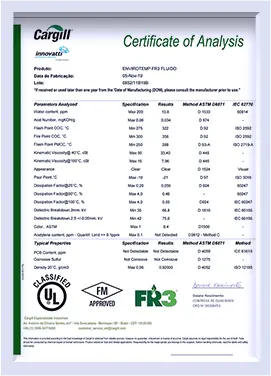
Products are shipped with EN 10204 3.1 Mill Test Certificates and trace reports, confirming mechanical and chemical properties.
The structural steel manufacturing industry is undergoing transitions driven by digital fabrication, environmental regulations, and materials science. Suppliers must adapt to remain competitive in global supply chains.
The reduction of greenhouse gas emissions is a priority in structural engineering. The industry is moving from standard coal-fired Blast Furnaces (BF-BOF) toward direct-reduced iron (DRI) combined with Electric Arc Furnaces (EAF) powered by green energy. This transition aims to reduce the carbon footprint of structural steel profiles. Procurement teams are increasingly evaluating the embodied carbon (via Environmental Product Declarations - EPDs) of structural I-beams before purchasing.
Through the addition of precise trace quantities of Titanium, Vanadium, and Niobium, manufacturers can produce high-performance structural steel with finer grain structures. This micro-alloying technique improves weldability, low-temperature toughness, and atmospheric corrosion resistance, allowing structural engineers to use lighter profiles without compromising structural safety.
Modern steel manufacturing integrates with Building Information Modeling (BIM) software, such as Tekla Structures. I-beams can be pre-cut, drilled, and detailed with millimeter precision at the factory based on digital files. This direct-to-fabrication workflow reduces site preparation times, construction waste, and erection costs.
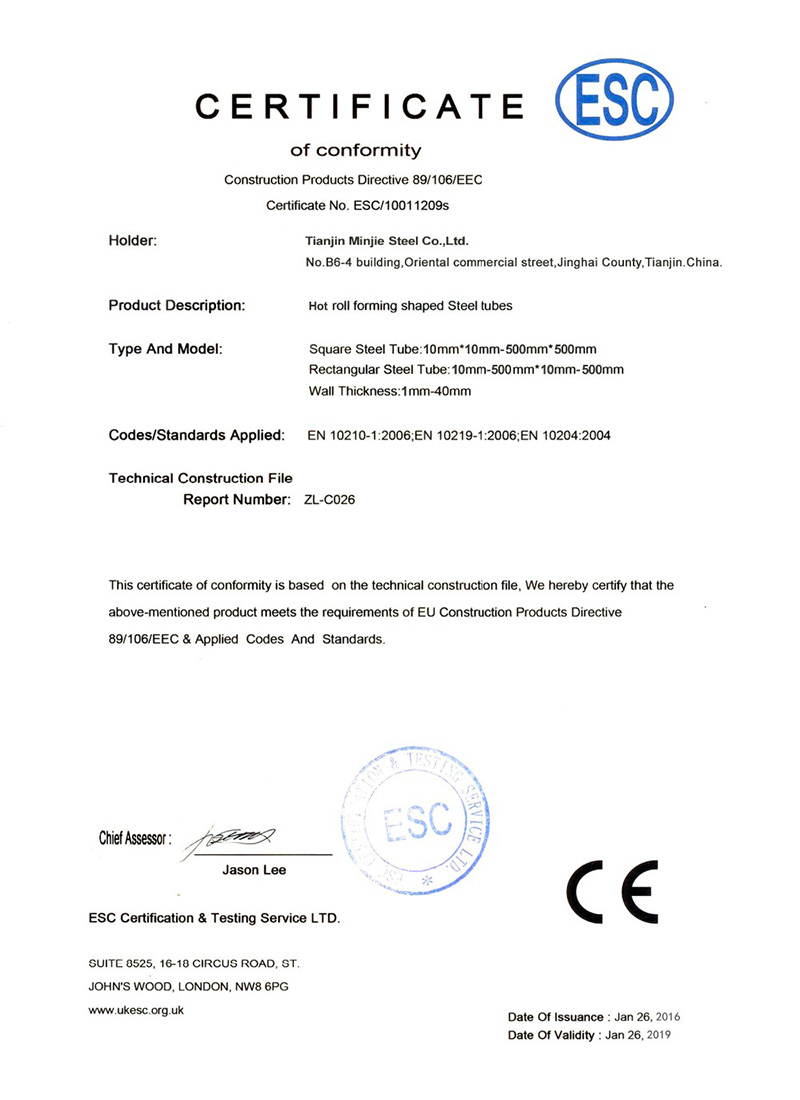
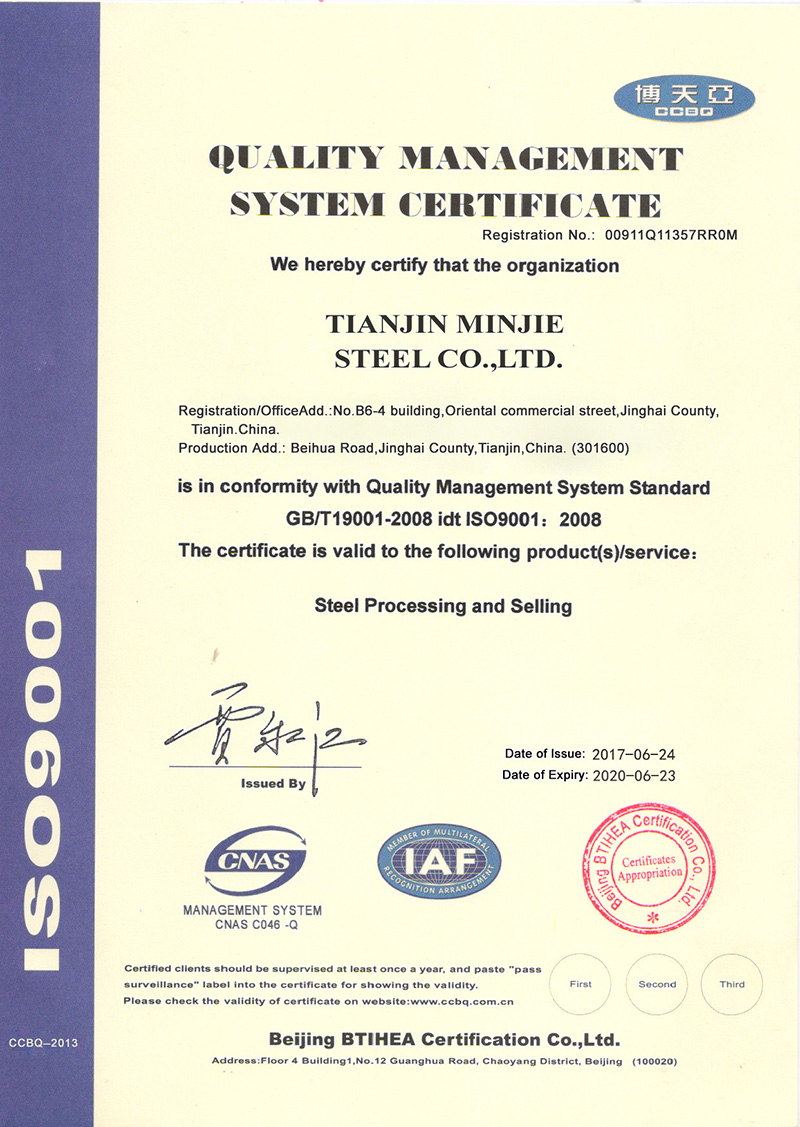
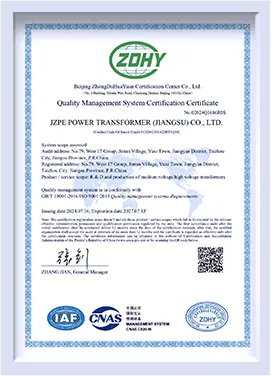
ISO 9001 System Certificate
Quality management controls governing product design, rolling, and testing.
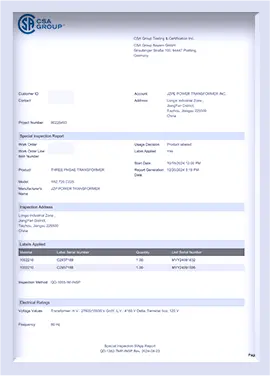
Factory Inspection Report
Independent auditing verifying compliance with international export standards.
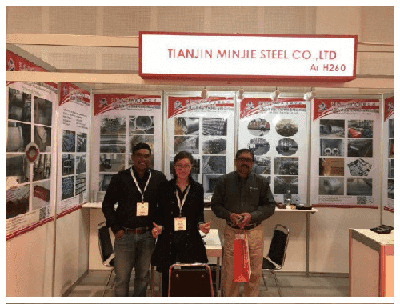
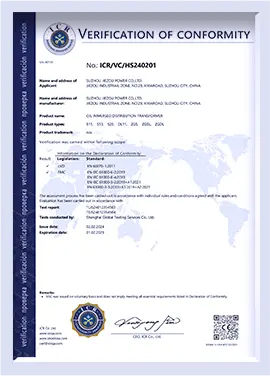
Trade Compliance
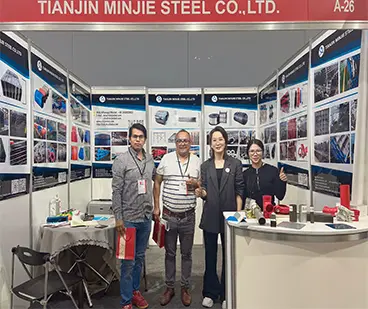
Annual participant in the China Import and Export Fair (Canton Fair).
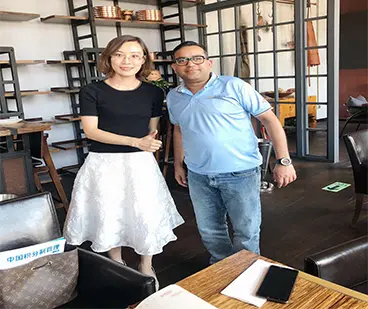
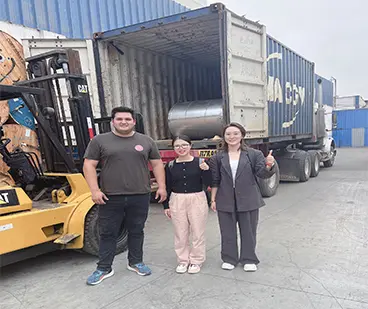
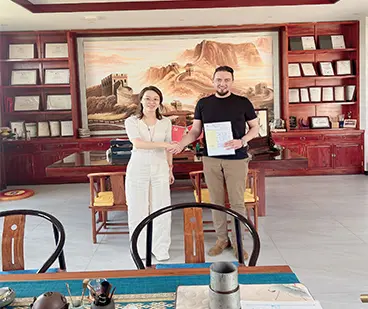
Developing international relationships through transparency, technical validation, and on-site factory audits.
In September 2019, our team visited structural clients in Singapore to coordinate supplies for logistics hub infrastructure, establishing technical specifications for high-strength steel profiles.
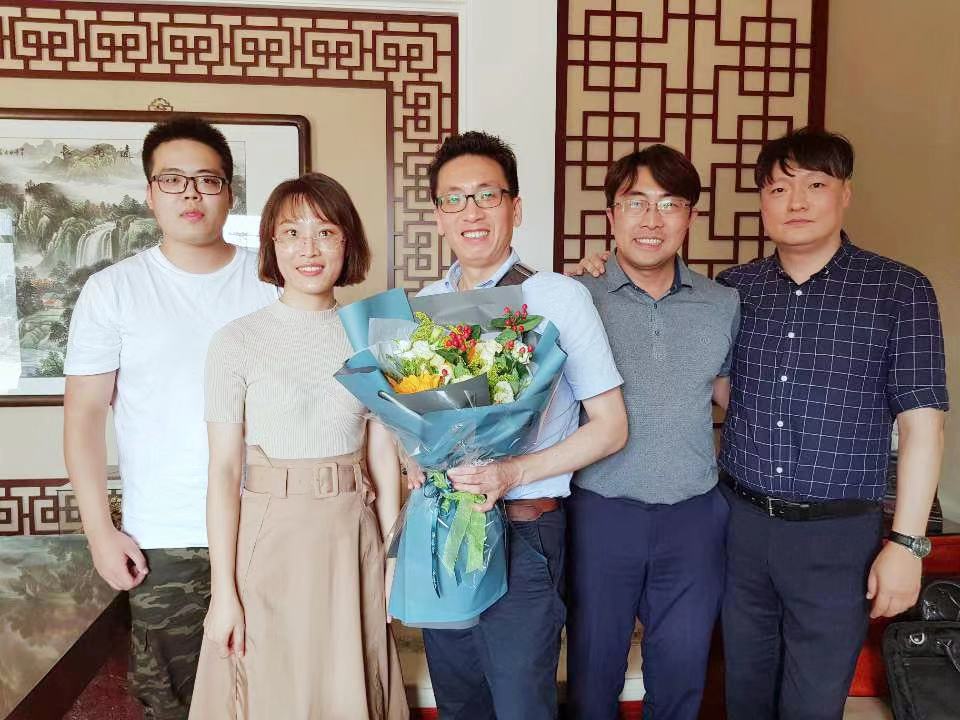
In 2019, structural engineering clients from South Korea visited our Tianjin plant to inspect customized framing designs and review production quality control procedures.
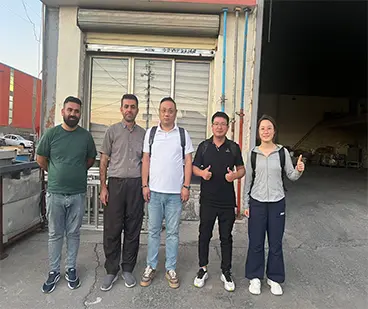
An Australian mining infrastructure client visited in November 2018 to verify hot-dip galvanized coating processes and confirm compliance with AS/NZS standards.

In 2019, Indian procurement officers audited our ERW and structural lines. Following the inspection, they finalized recurring monthly supply agreements for urban infrastructure projects.
A logistics client from Lebanon inspected our facilities in June 2017, confirming cargo procedures for shipping over 1,000 tons of structural framing products.

After meeting at the Canton Fair in 2018, our Saudi partners visited the factory to coordinate structural materials for chemical plant scaffolding and framing systems.
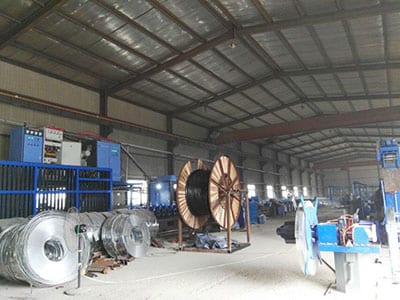
Visualizing our raw material processing, rolling equipment, and certified storage yards.
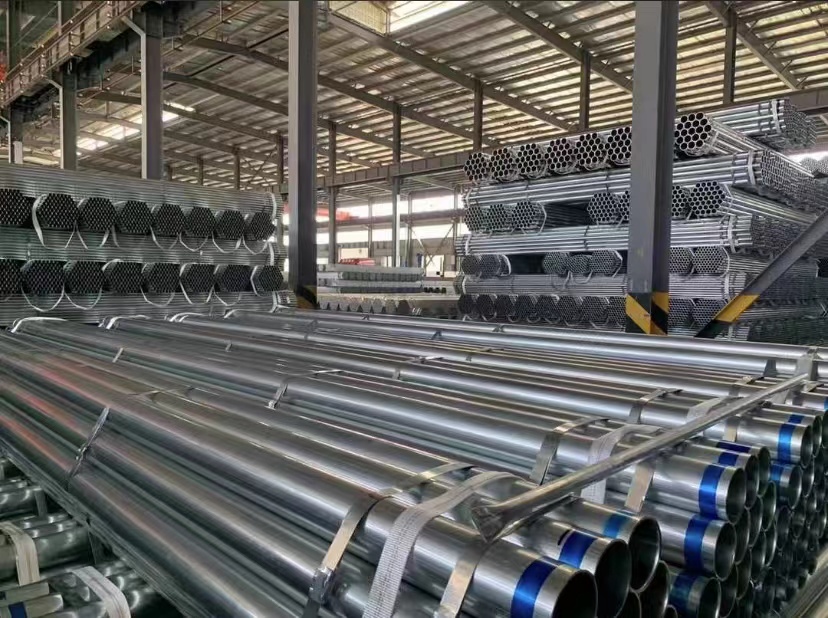
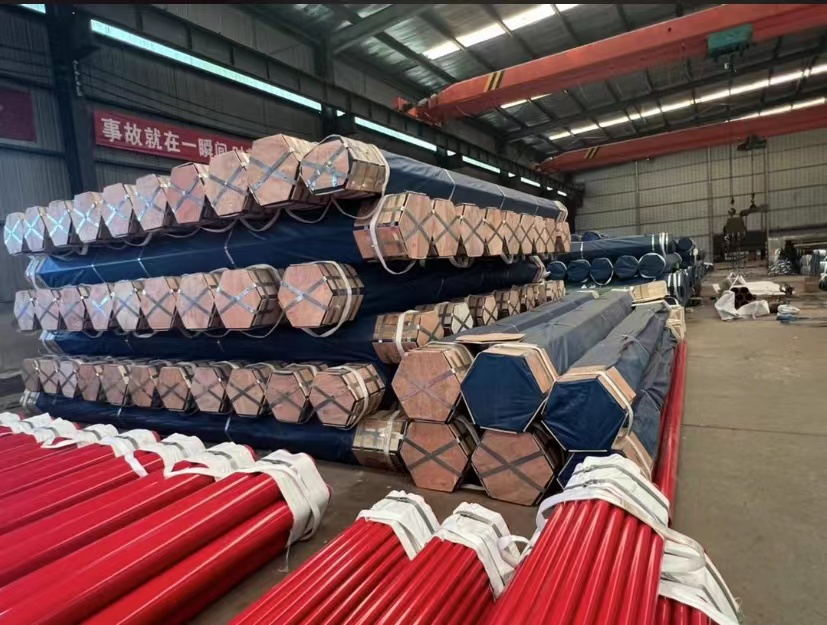
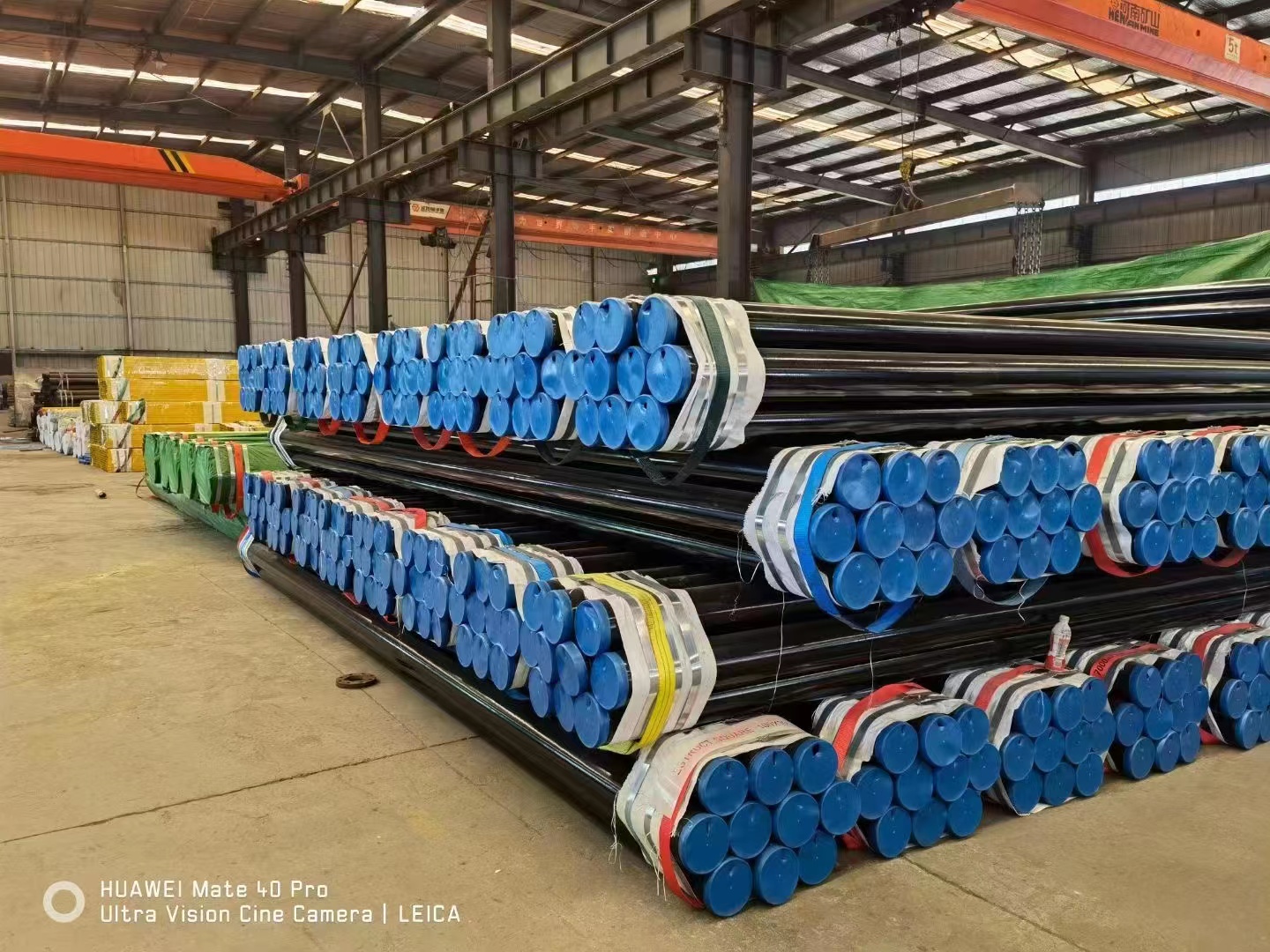
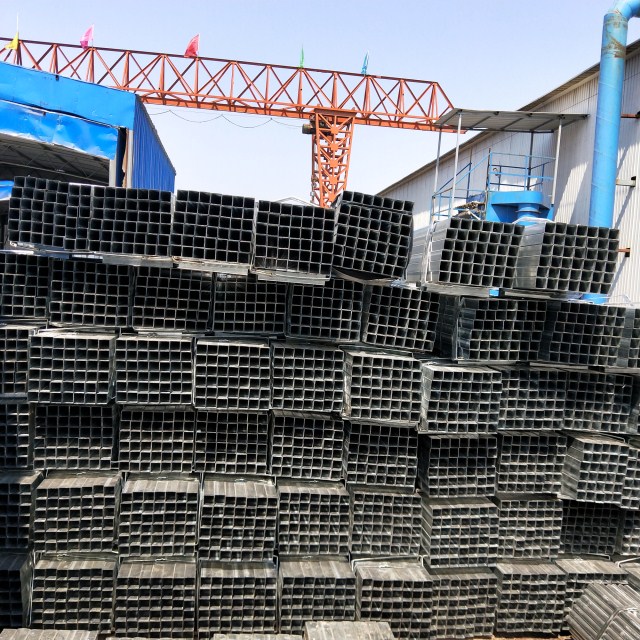
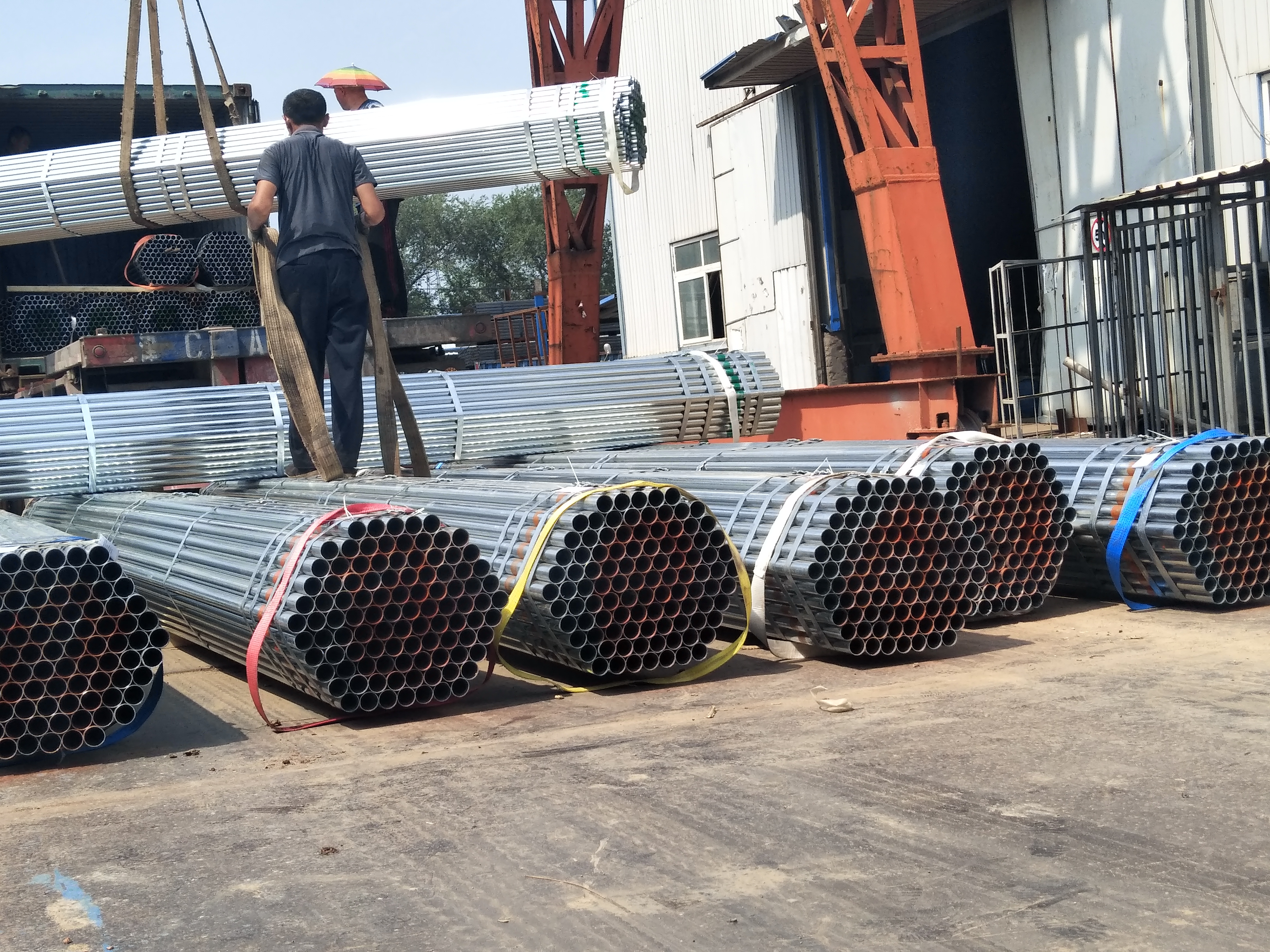
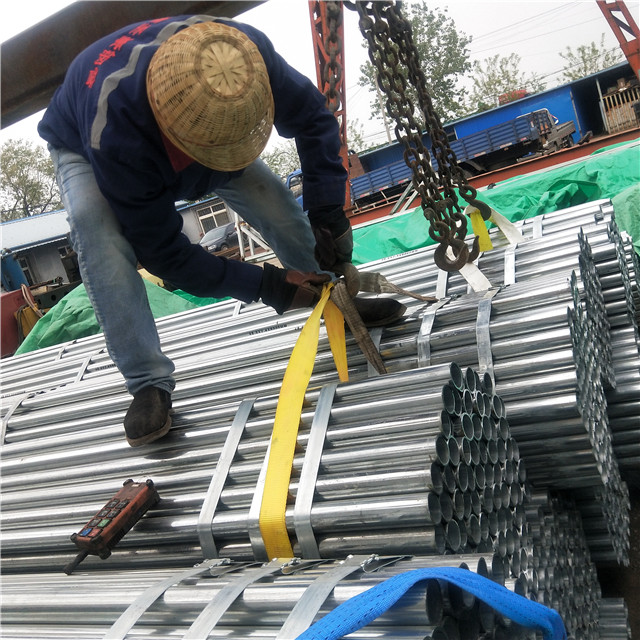
In addition to structural I-Beams, our production lines process flat and tubular structural products. These are categorized into four main product groups to support industrial and residential projects:
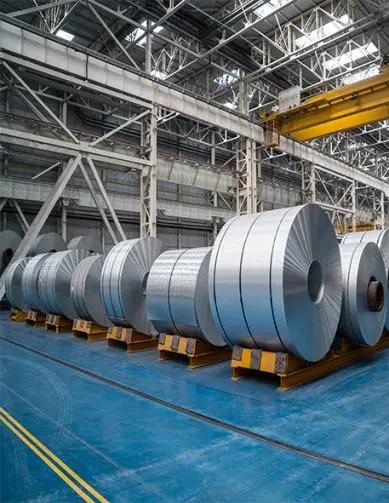
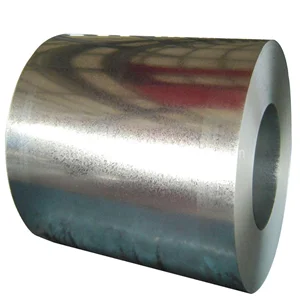
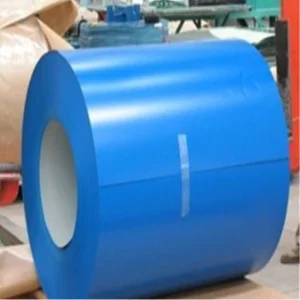
Hot-dipped galvanized, pre-painted (PPGI), and color-coated steel strip coils for roofing sheets and structural profiles.
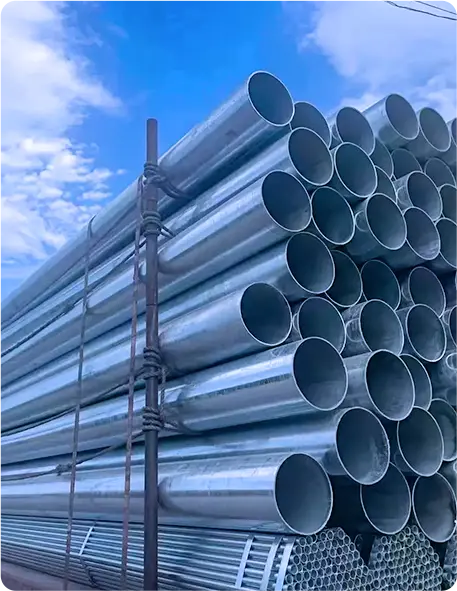
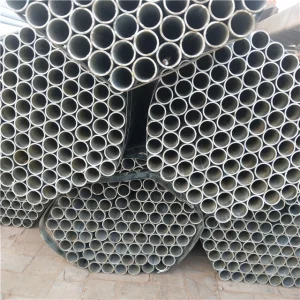
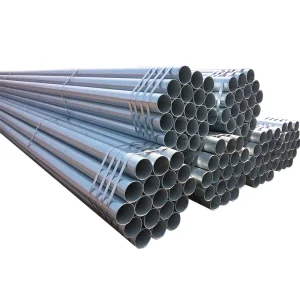
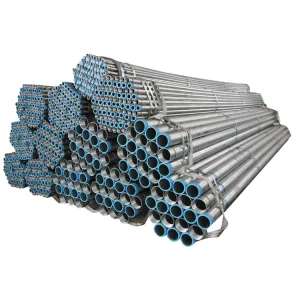
Hot-dipped, pre-galvanized, and zinc-aluminum coated steel pipes for water supply, fire protection, and gas lines.
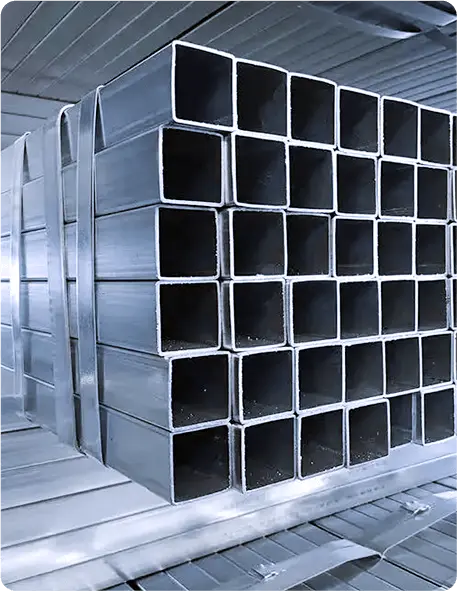
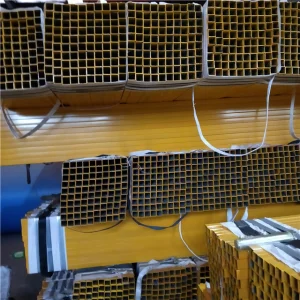
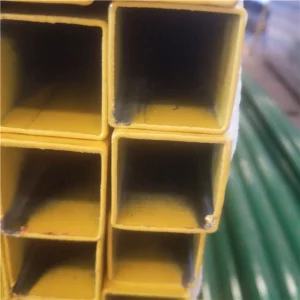
Square and rectangular structural hollow sections (SHS/RHS) used in equipment frames, vehicles, and construction.
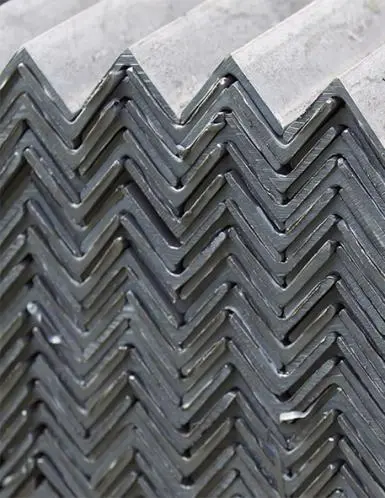
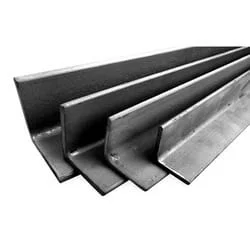
Hot-rolled equal and unequal angle steel profiles (Q235/Q345) for transmission towers and truss support systems.
Detailed technical answers to common queries raised by structural engineers, procurement managers, and logistics planners.
Hot-rolled I-beams are produced as a single monolithic piece by passing heated billets through rolling stands. This method provides uniform material properties and eliminates seam vulnerabilities. Welded I-beams are fabricated by welding three separate plates (two flanges and one web) together. This approach is typically used for custom sizes, very deep webs, or when varying steel grades are required in a composite beam.
We control the chemical composition of the steel, limiting the Sulfur content to ≤ 0.010% and conducting Z-direction testing (ASTM A770). We also pre-heat the weld zone and use low-hydrogen electrodes (such as E7018) to minimize hydrogen diffusion, reducing the risk of tearing in joints subject to high restraint.
We abrasive blast steel surfaces to ISO 8501-1 Sa 2.5 profile standards, removing mill scale, rust, and contaminants. This provides a profile height of 40-75 microns, ensuring adhesion for protective zinc-rich epoxy primers or powder coating applications.
For long-distance maritime freight from Xingang Port, products are bundled with heavy-duty steel bands, edge guards, and vapor corrosion inhibitor (VCI) packaging. For ungalvanized steel, we apply a temporary anti-corrosive oil coating to prevent surface oxidation from saltwater humidity.
Yes, in many structural applications, Q345B serves as an equivalent to S355JR. Both have a minimum yield strength of approximately 345-355 MPa. However, the engineer of record must verify chemistry, weldability, and Charpy impact energy ratings (Q345B has a specified impact energy at 20°C, similar to the S355JR requirement) before substitution.
We manufacture structural shapes in compliance with EN 10034 and ASTM A6 tolerances. These standards govern permissible variations in depth, flange width, out-of-squareness, web off-center deviation, and straightness (camber and sweep) to ensure fitment on construction sites.
Custom structural profiles, industrial hollow sections, and specialty scaffolding components manufactured for global projects.
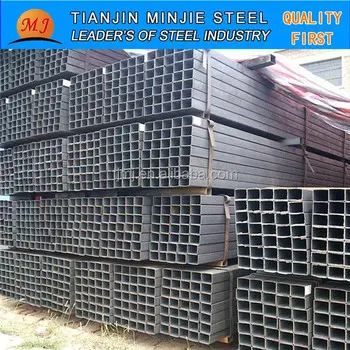
Coated structural steel tubes designed for load distribution in industrial frames and heavy packaging machinery components.
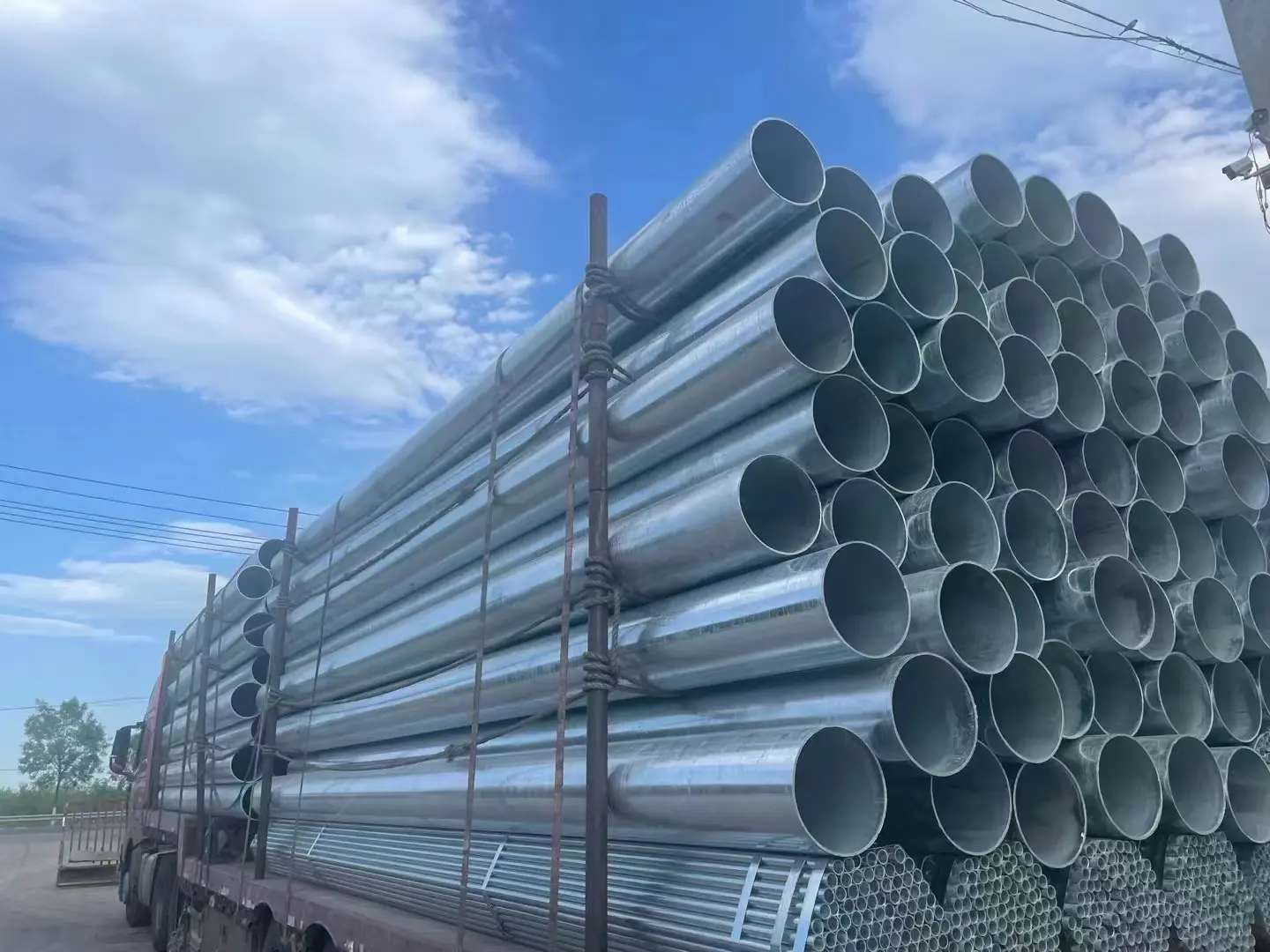
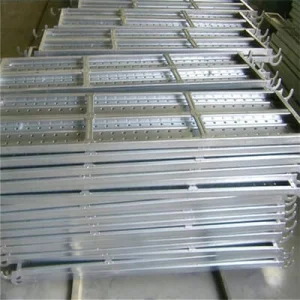
Pre-engineered scaffold support lines fabricated from Q235B low carbon steel, optimized for load capacity and corrosion resistance.
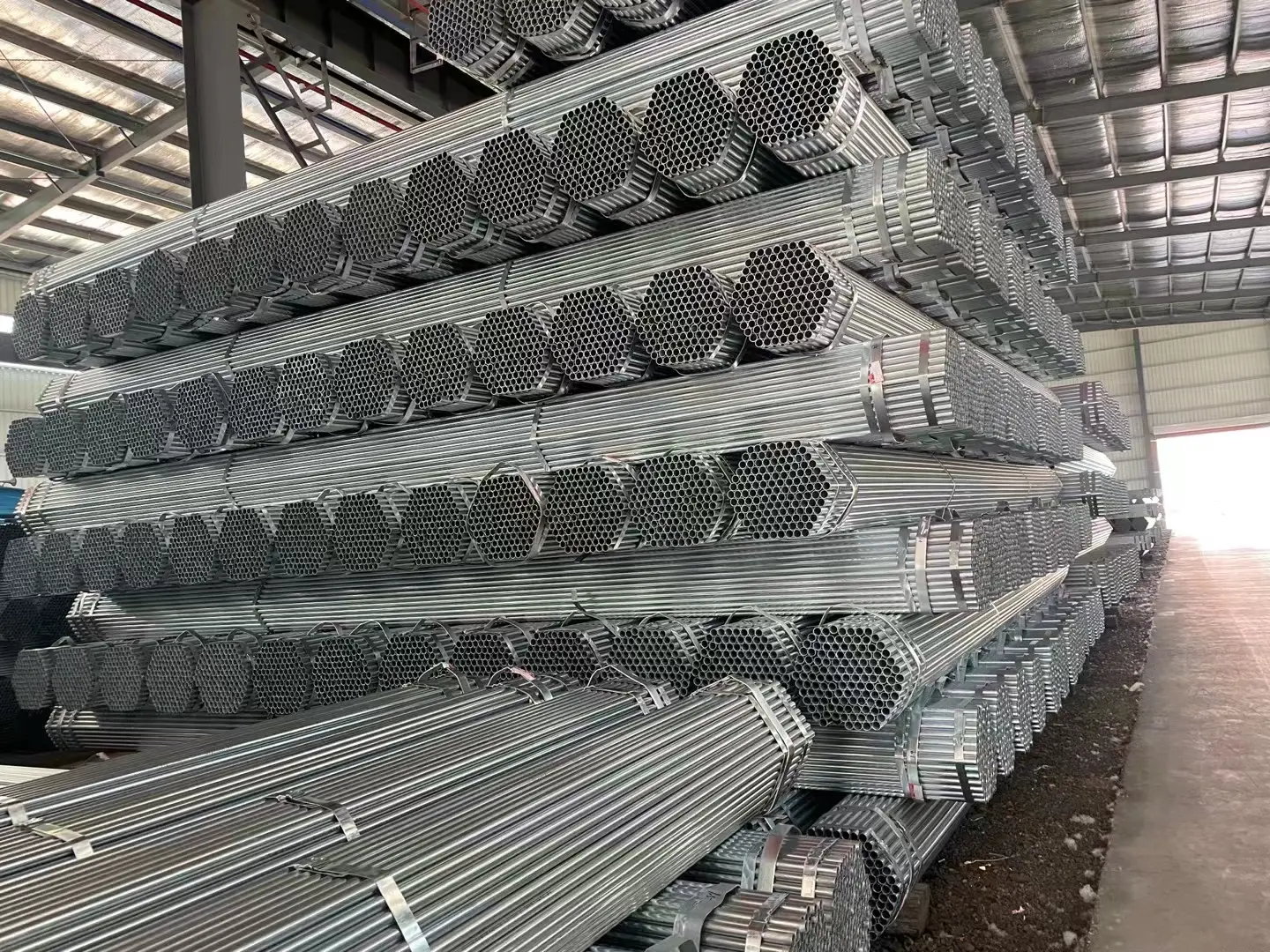
Galvanized hollow pile sections utilized in foundation reinforcements, boundary barriers, and outdoor steel framing projects.
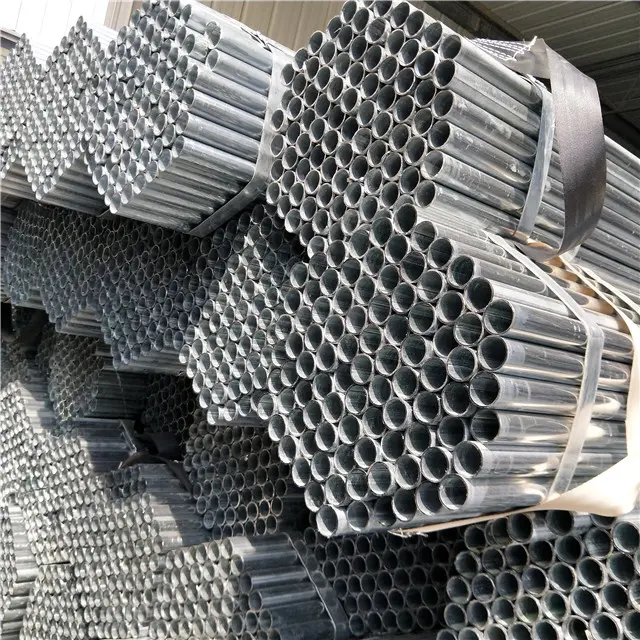
Standard pre-galvanized circular sections matching BS 1387 requirements, used in HVAC framing, greenhouses, and mechanical installations.
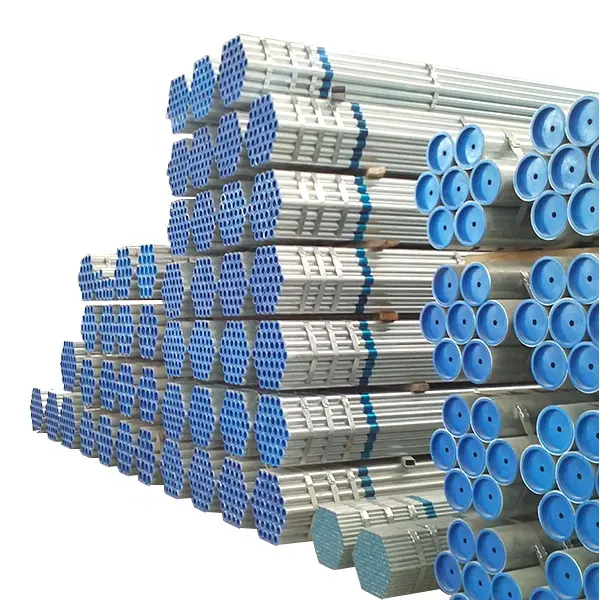
Custom structural profiles designed for high-load bracing, industrial trusses, and structural platforms.
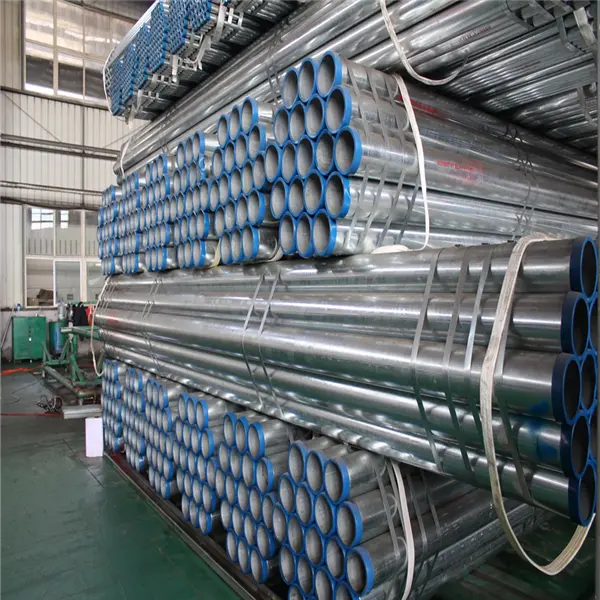
Welded carbon structural pipes produced using continuous ERW mills, providing dimensional consistency for building frames.
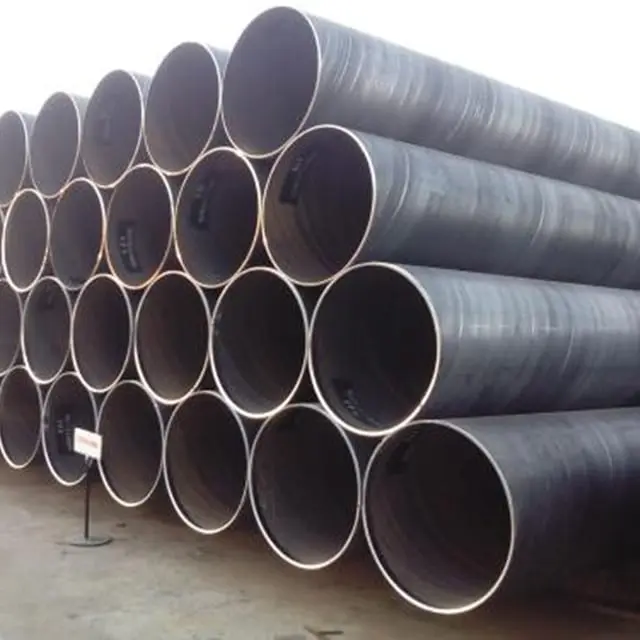
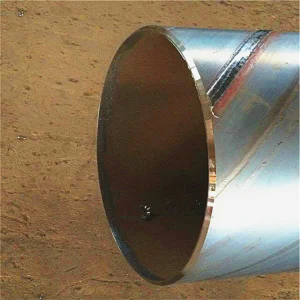
Large diameter spiral welded piping (SSAW) fabricated from Q235B steel, designed for deep foundation piling, water transport, and drainage systems.
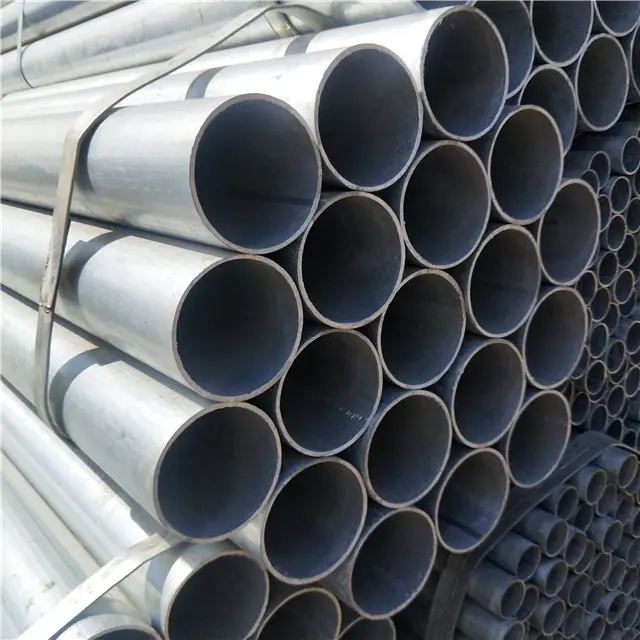
Hot-dipped structural tubing featuring uniform zinc layers to prevent corrosion in exposed agricultural and industrial frameworks.
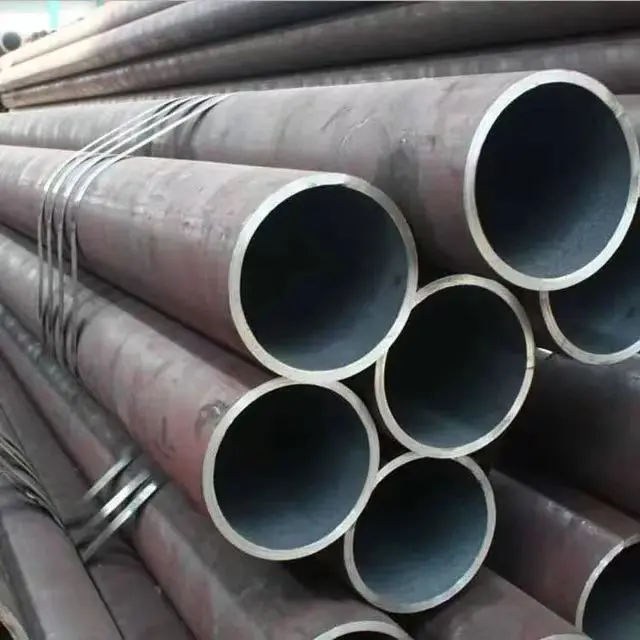
High-strength Q345 carbon steel ERW pipes designed for dynamic mechanical stresses, heavy industrial infrastructure, and structural columns.
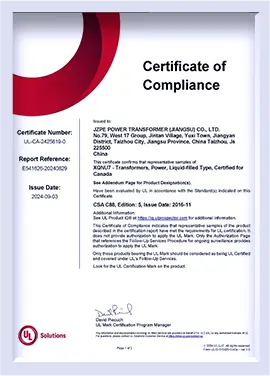
We verify the mechanical properties of our products using independent laboratory testing in accordance with international standard protocols.

High-grade carbon, galvanized, and spiral-welded steel products manufactured to international standards.
 Minjie Steel