In modern industrial engineering and infrastructure construction, the mechanical integrity of structural components is paramount. Among the diverse array of structural steel shapes, iron angles (frequently classified as structural L-shapes, steel angle bars, or L-profiles) function as primary structural elements, supporting mechanical loads, resisting bending moments, and establishing frameworks across heavy industrial sectors. Selecting the appropriate manufacturing standard, metallurgical composition, and supply chain origin directly impacts the structural longevity and compliance profiles of multi-million dollar engineering projects.
Global procurement teams are shifting away from localized transactional sourcing in favor of highly optimized offshore production nodes, notably within China's dominant industrial manufacturing hubs. This document provides a comprehensive structural whitepaper assessing the engineering characteristics, quality-assurance metrics, international code compliances, and supply-chain optimizations required when partnering with a leading China iron angles supplier.
Key Insight: Strategic iron angle procurement requires balancing mechanical capacity, geographical routing efficiency, and chemical tolerances against localized construction standards (e.g., Eurocode 3, AISC 360, or AS/NZS 3678.1).
Steel angles are engineered with two perpendicular legs forming a 90-degree angle. They are divided into two geometric classifications: equal angle sections and unequal angle sections. The choice between equal legs (e.g., L100x100) and unequal legs (e.g., L125x75) depends entirely on the directional load paths of the structural system. Equal angles offer identical moments of inertia across both primary axes, rendering them ideal for compression members, truss networks, and modular frameworks. Unequal angles provide specific geometric advantages in asymmetric loading scenarios, such as lintels, brackets, and structural framing where clear clearances are required.
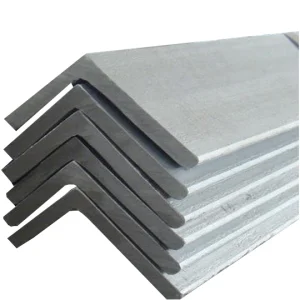
Symmetrical cross-section offering uniform load resistance across major structural axes. Essential for spatial truss systems, towers, and general structural reinforcement.
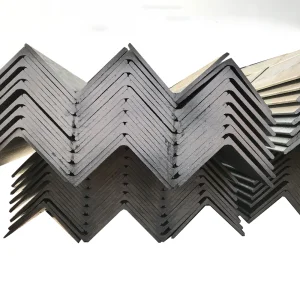
Asymmetric design featuring mismatched leg dimensions. Custom-engineered for specialized architectural configurations, structural hangers, and complex machine frames.
Integrated hot-dip galvanization and micro-alloy surface preparation ensuring up to 50 years of anti-corrosion protection in high-salinity and industrial atmospheres.
Established in 1998, Tianjin Minjie Steel Co., Ltd has engineered a fully integrated manufacturing infrastructure encompassing over 70,000 square meters of production space. Located only 40 kilometers from XinGang Port—the largest commercial maritime terminal in northern China—the plant delivers unparalleled logistical flexibility, allowing for rapid transit schedules and reduced transport risks.
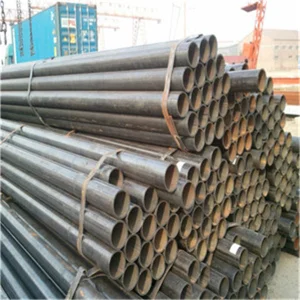
Our production facilities include 4 pre-galvanized production lines, 8 high-performance ERW (Electric Resistance Welded) steel pipe lines, and 3 specialized hot-dipped galvanized processing lines. We process steel in accordance with GB, ASTM, DIN, and JIS codes. Every stage of manufacturing operates under strict compliance with the ISO 9001 Quality Management System, guaranteeing structural safety and metallurgical consistency.
In addition to structural angle bars, our factory is recognized for holding 3 key technical patents: groove pipe design, shoulder pipe coupling mechanisms, and victaulic pipe connection systems. Our annual output across multiple steel categories exceeds 300,000 metric tons, supporting key projects in structural fabrication, automotive engineering, mechanical assembly, agricultural greenhouse construction, and industrial scaffolding.
A primary challenge for procurement managers sourcing iron angles internationally is verifying compliance across disparate standardization frameworks. A drawing engineered in the European Union may specify S235JR structural steel, whereas a North American specification will require ASTM A36, and an Asian infrastructure blueprint will specify Chinese GB/T 700 Q235B or Q345B. Understanding these structural equivalences is critical to prevent site failures and secure regulatory approvals.
The table below provides a chemical and mechanical comparison of the major structural steel standards utilized in international iron angle production:
| Steel Grade & Code | Yield Strength (Min MPa) | Tensile Strength (MPa) | Max Carbon Content (%) | Max Manganese (%) | Typical Applications |
|---|---|---|---|---|---|
| ASTM A36 (US) | 250 MPa | 400–550 MPa | 0.26% | - | Bridges, general structural frames, brackets |
| EN 10025 S235JR (EU) | 235 MPa | 360–510 MPa | 0.17% | 1.40% | Trusses, building structural frameworks |
| GB/T 700 Q235B (CN) | 235 MPa | 370–500 MPa | 0.20% | 1.40% | Support systems, scaffolding, minor trusses |
| GB/T 1591 Q345B (CN) | 345 MPa | 470–630 MPa | 0.20% | 1.70% | Heavy cranes, machinery chassis, transmission towers |
In highly corrosive marine, industrial, or open-air agricultural environments, standard structural steel is vulnerable to oxidation. To address this, we apply a comprehensive hot-dip galvanization process that meets the ASTM A123/A123M or EN ISO 1461 specifications. In this process, the iron angle is fully immersed in molten zinc at approximately 450°C (840°F).
This temperature triggers a metallurgical reaction, forming a series of zinc-iron alloy layers (Gamma, Delta, and Zeta phases) covered by a top layer of pure zinc (Eta phase). These alloy layers are harder than the steel substrate itself, providing high mechanical resistance against abrasions during transportation and erection. The resulting zinc coating thickness typically ranges from 45 microns to over 85 microns, protecting the steel from rust for up to 50 years.
Over the past two decades, Tianjin Minjie Steel Co., Ltd has established long-term partnerships with customers worldwide. Our engineering solutions and structural steel products have been exported to diverse markets, including Singapore, South Korea, Australia, India, Lebanon, and Saudi Arabia. Each regional project requires specific technical adaptations and dedicated quality assurance protocols.
Collaborated closely on complex high-density building frameworks and urban solar mounting structures requiring high durability in marine environments.
Supplied custom structural configurations and specialized designs matching precise industrial assembly tolerances.
Delivered heavy galvanized steel products compliant with AS/NZS standards, built to withstand challenging outdoor environmental conditions.

Executed large-scale bulk procurement contracts for civil infrastructure development, supplying over 10 containers monthly.
Supplied high-strength structural profiles for major commercial developments, including a single-order shipment of 1,000 tons of steel pipes.
Established a long-term supply agreement following the Canton Fair, delivering high-performance structural steel built for hot, dry desert conditions.
Sourcing structural steel from China provides significant competitive advantages, extending beyond basic manufacturing costs. The primary driver of this value is the concentration of upstream raw material supplies and downstream logistics providers. As an established industrial hub, the Tianjin manufacturing zone offers integrated production capabilities, connecting raw steel refinement, hot-rolling mills, zinc coating facilities, and specialized logistics corridors.
This geographic concentration reduces transport times and prevents quality degradation during transit. Proximity to XinGang Port allows us to offer flexible shipping arrangements, including Free on Board (FOB), Cost, Insurance, and Freight (CIF), and Delivered Duty Paid (DDP). Additionally, we provide localized compliance support, collaborating with third-party testing agencies like SGS, BV, and Intertek to perform pre-shipment inspections and issue comprehensive Mill Test Certificates (MTC) in accordance with EN 10204 3.1 standards.
Under Google's Search Quality Rater Guidelines, demonstrating Experience, Expertise, Authoritativeness, and Trustworthiness (E-E-A-T) requires providing verifiable technical data and proven track records. Our twenty-five years of experience, combined with ISO-compliant manufacturing lines, patented structural steel designs, and documented client testimonials from diverse markets, show our commitment to quality. Our products are backed by verified testing certifications, giving engineers, architects, and procurement officers the assurance they need to specify our steel for critical structural projects.
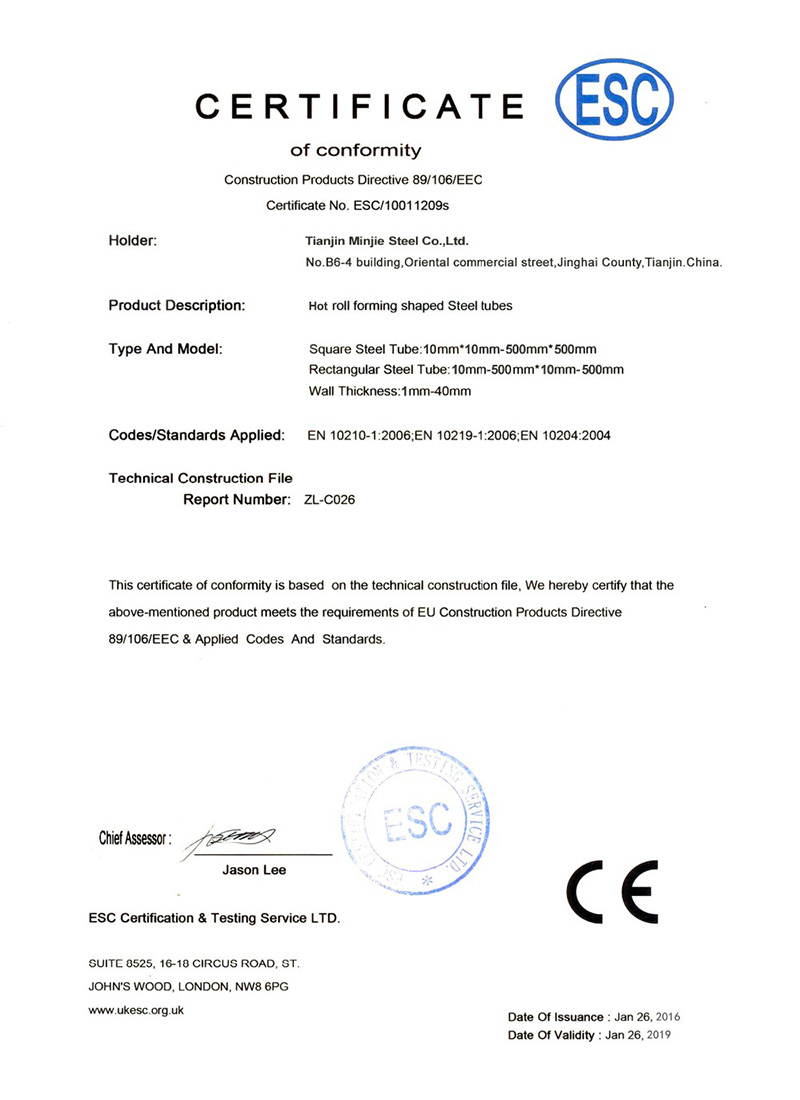
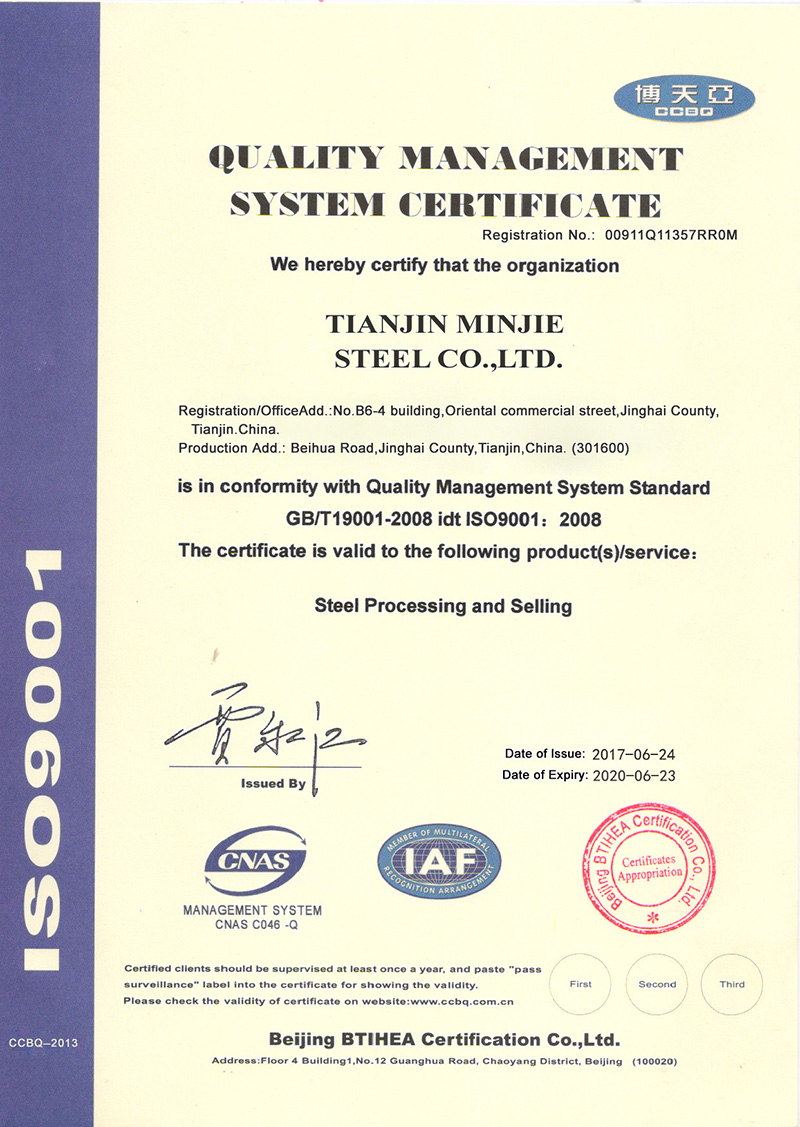
Our manufacturing and quality-control systems are fully certified under the ISO 9001 framework, ensuring consistent and traceable product performance.
We provide full chemical composition analyses and mechanical stress-test reports for every batch, confirming alignment with international design standards.
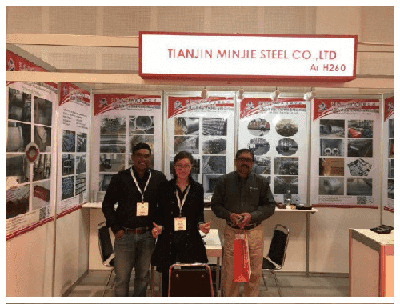
We regularly present our structural steel products and patented connections at the Canton Fair, meeting face-to-face with international clients.
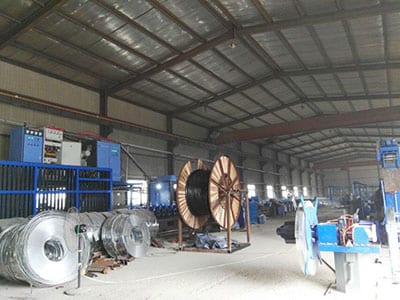
Equipped with high-precision sizing machinery to ensure tight tolerances on all dimensions, leg angles, and thicknesses.
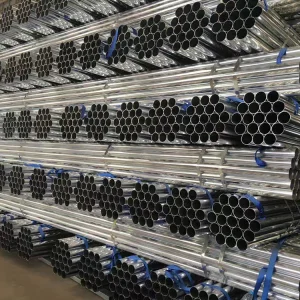
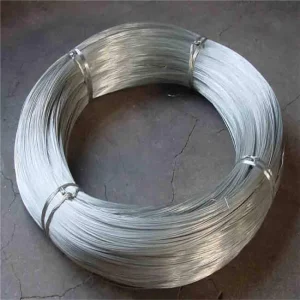
Continuous hot-dip galvanizing lines designed to handle structural L-profiles, tubes, and rods with uniform coating thickness.
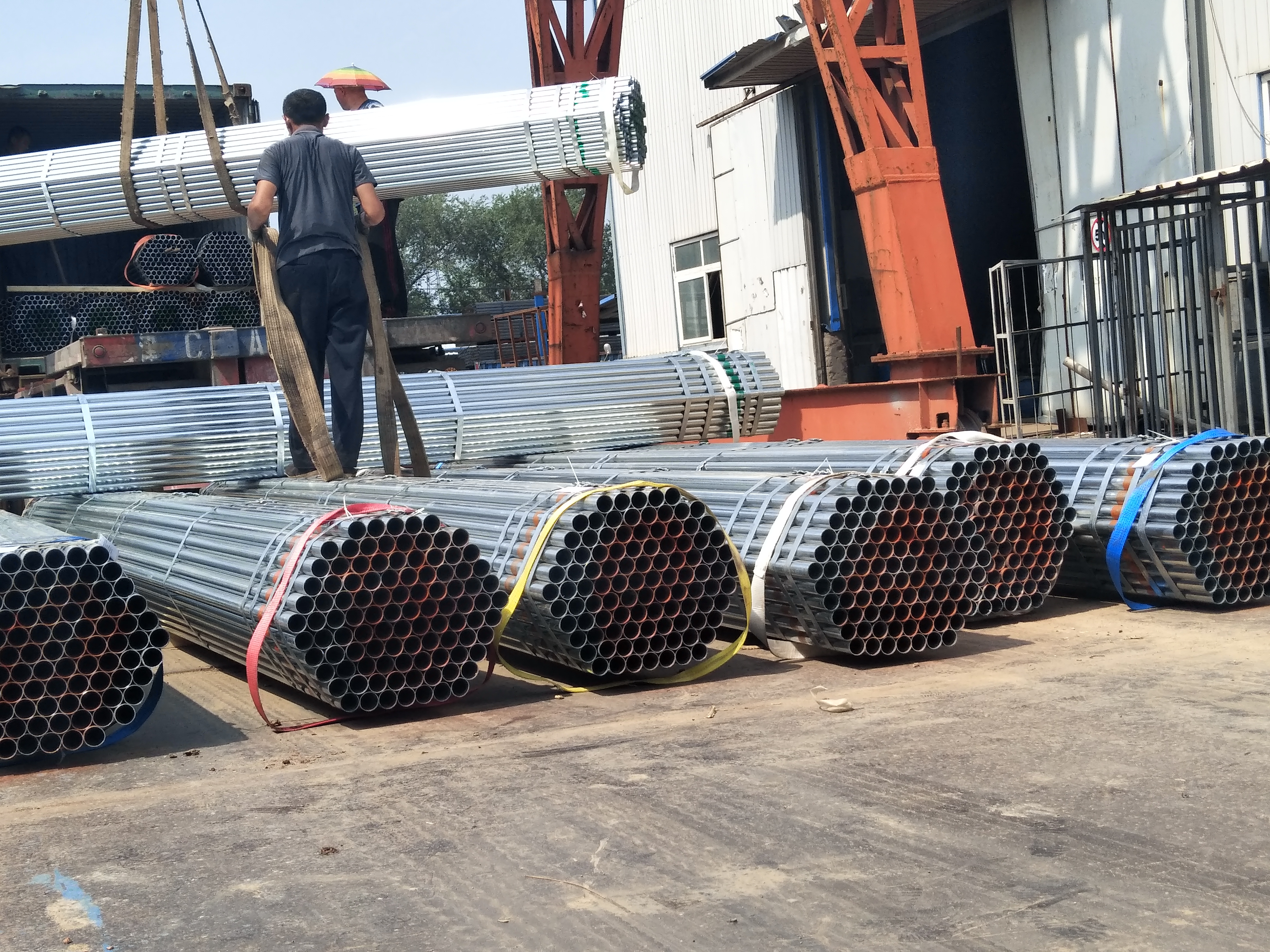
Reinforced bundling protocols and anti-corrosive packaging protect our steel products during maritime transit.
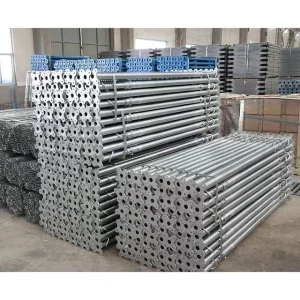
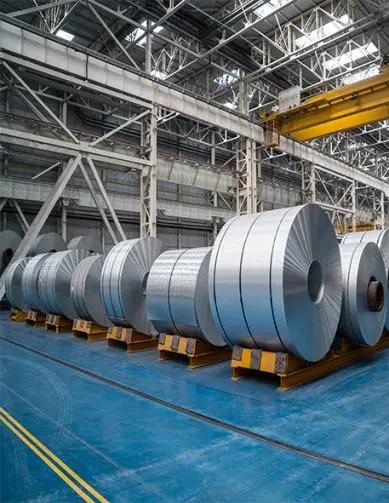
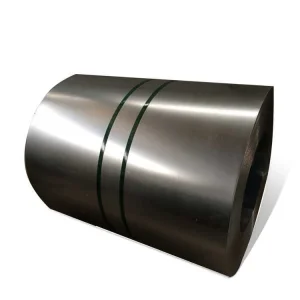
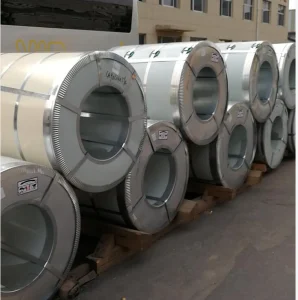
Hot dipped galvanized steel coil, prepainted galvanized steel coil and color-coated strip production processing systems.
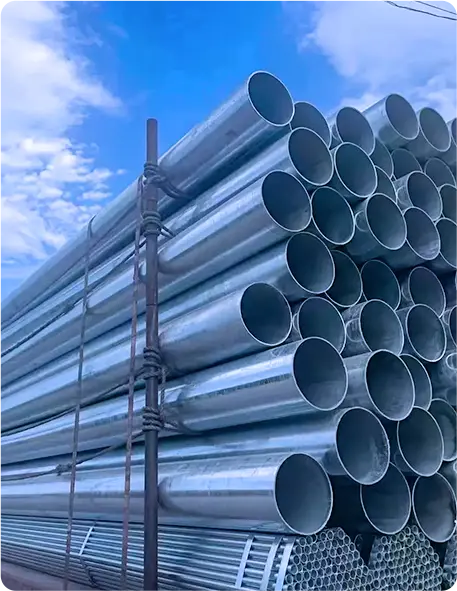
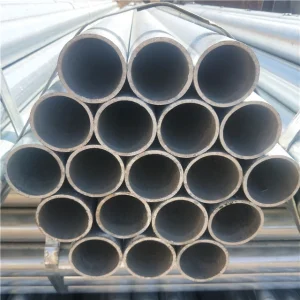
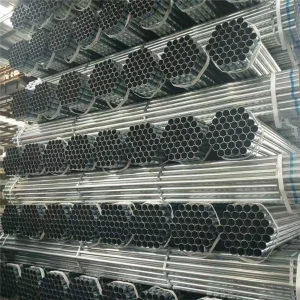
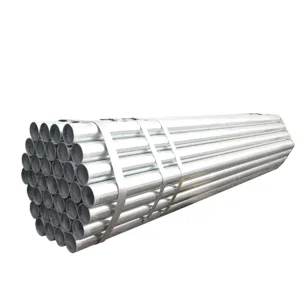
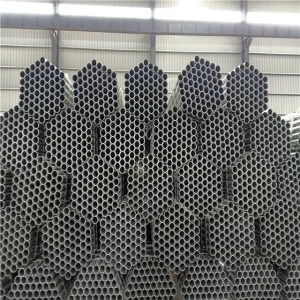
Pre-galvanized steel pipe, hot-dipped galvanized pipe, and advanced zinc-aluminum steel pipe fabrication lines.
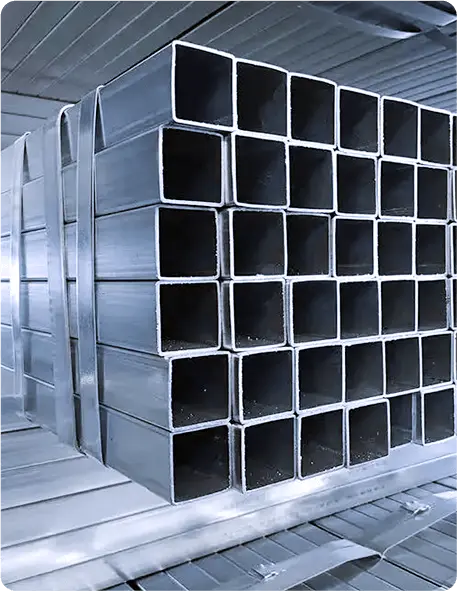
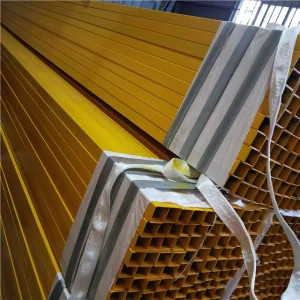
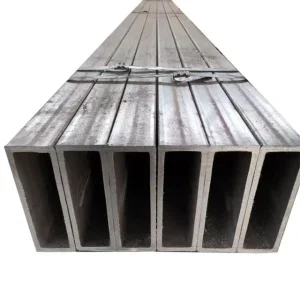
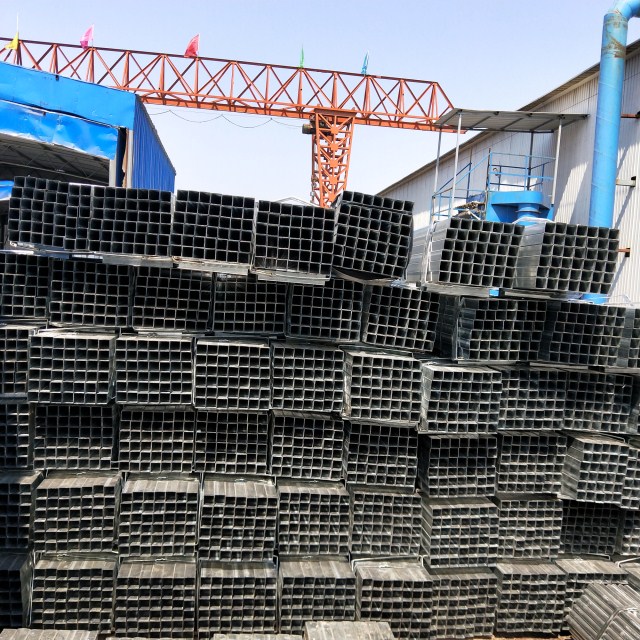
Square steel pipe and rectangular structural steel pipe sizing machinery, outputting precise hollow profiles.

Hot rolled equal angle steel and galvanized structural profiles outputting uniform mechanical parameters.
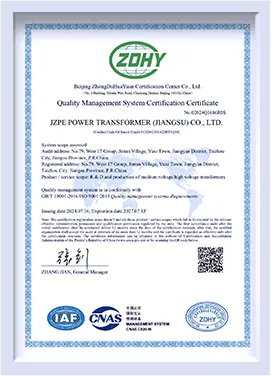
Our inspection team evaluates tensile capacity, yield points, elongation values, and coating thickness on-site.
Providing custom solutions for agricultural framing, industrial warehouses, and specialized machinery manufacturing.
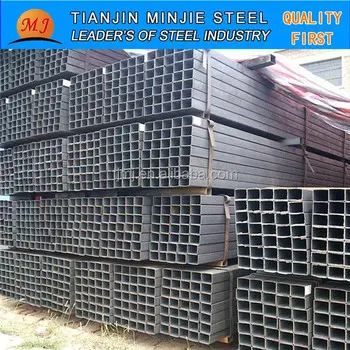
Precision painted square tubes (50x150mm) and rectangular structural profiles designed for industrial machinery and heavy equipment frames.
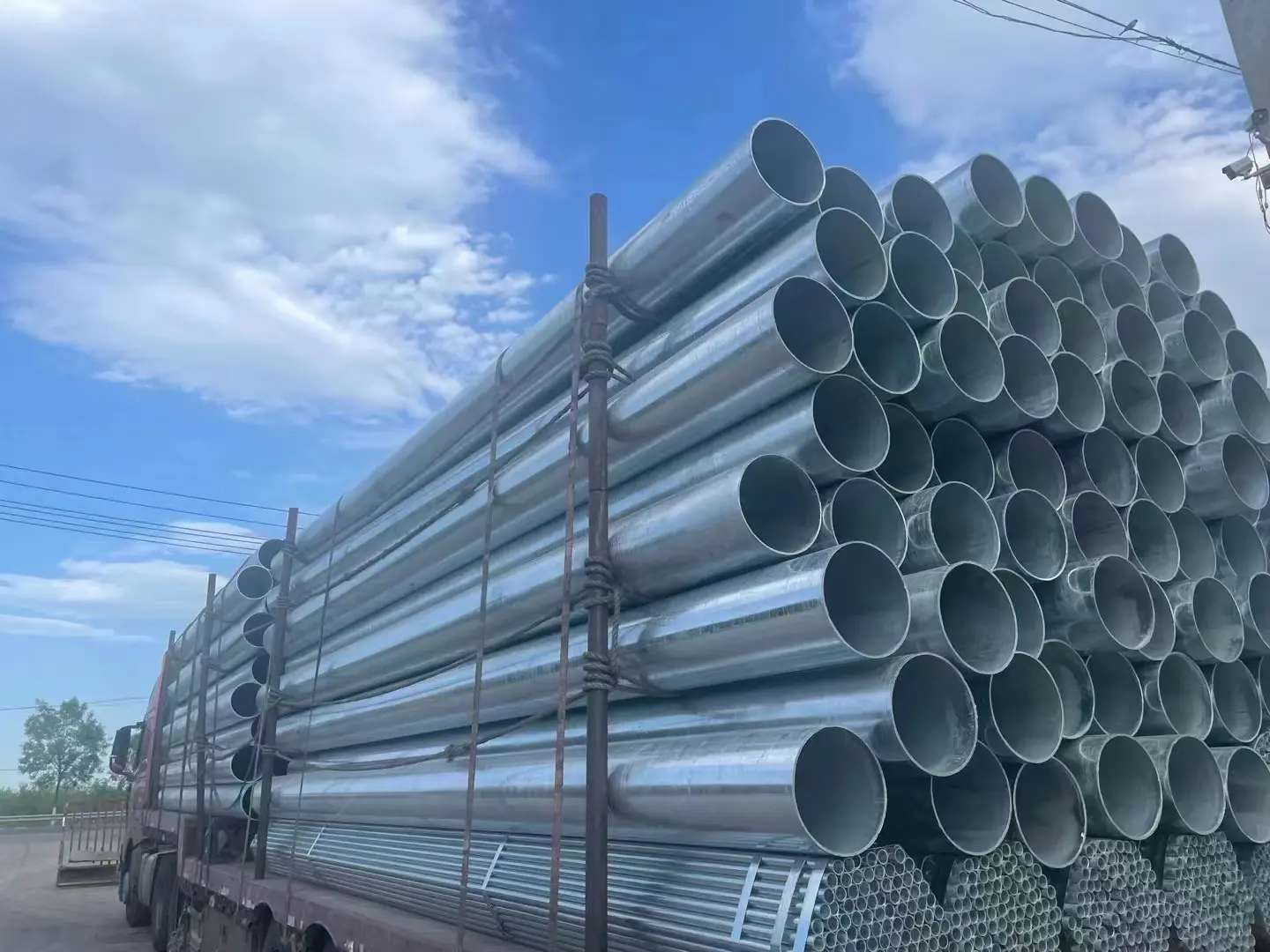
High-durability 2 3/8 inch scaffolding pipe designed for temporary shoring systems and structural construction support.
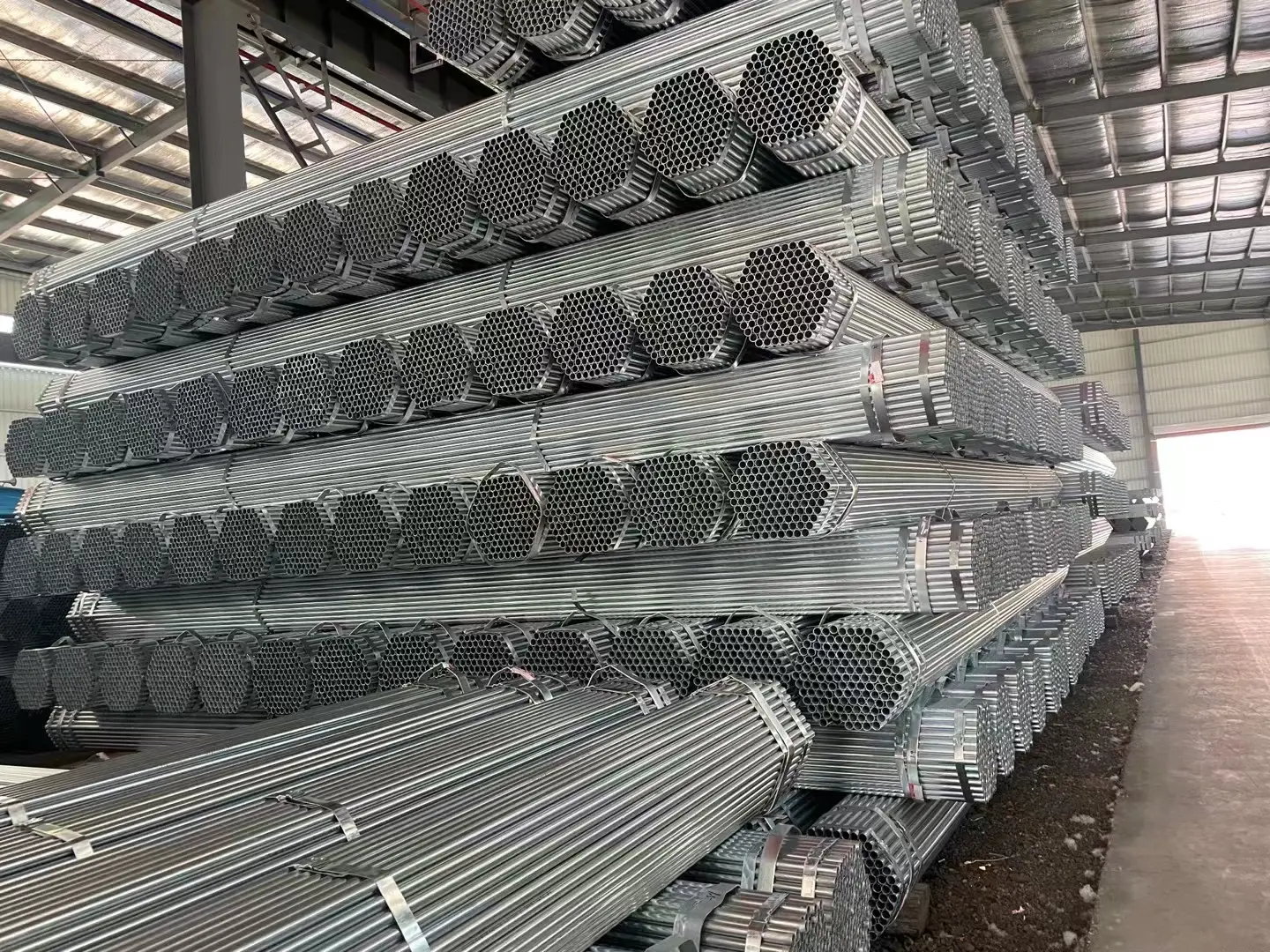
Galvanized steel pipe framing designed for perimeter fencing, solar tracking mounts, and outdoor architectural barriers.
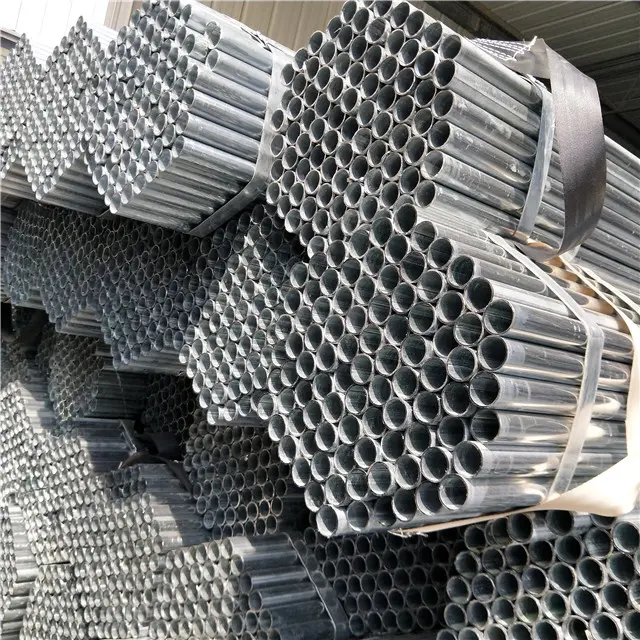
Pre-galvanized steel pipe compliant with British Standard 1387, engineered for light-gauge fluid transport and structural frameworks.
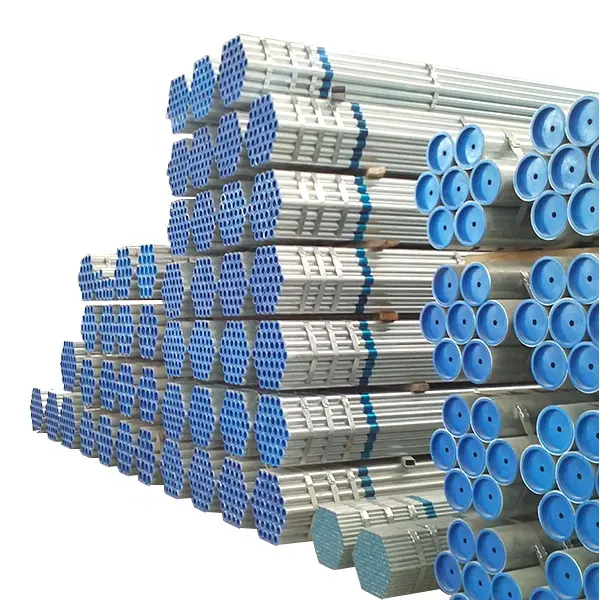
Electric resistance welded (ERW) carbon steel pipes built to custom sizes for specific structural and architectural requirements.
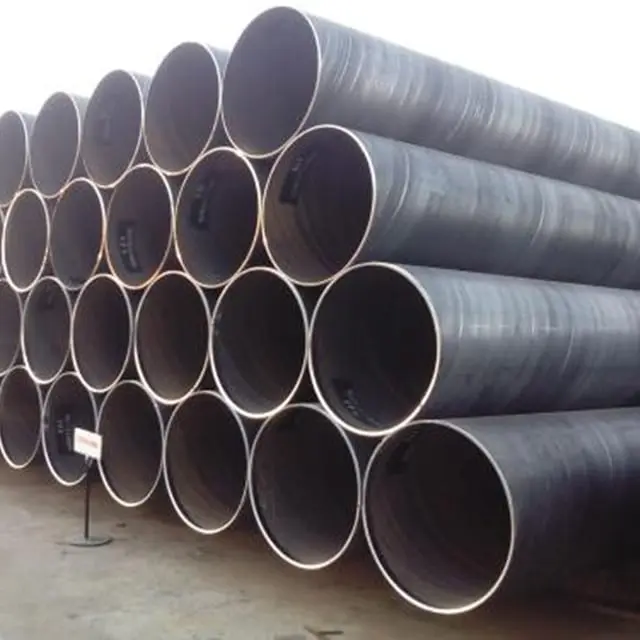
Large-diameter spiral welded pipe, suitable for low-pressure fluid transport and deep structural piling applications.
 Minjie Steel