Explore our foundational structural metal products designed for heavy construction, scaffold access, and infrastructure safety.
Executive Overview: High-altitude work safety, rapid transport dynamics, and structural weight reduction are driving the shift toward high-grade aluminum access systems. The global market for aluminum ladders, modular scaffolds, and access platforms is undergoing a rapid evolution. Industrial safety metrics (e.g., ANSI, OSHA, EN 131) now dictate strict engineering constraints on structural suppliers. This document analyzes how integrated metallurgical processing in hubs like Tianjin, China, optimizes both performance and procurement costs for global enterprises.
In modern civil engineering, manufacturing, and commercial warehousing, work-at-height operations present substantial structural and safety challenges. For decades, heavy steel scaffolding and basic timber platforms dominated these sectors. However, the international industrial safety landscape has undergone a tectonic shift. Environmental mandates, strict ergonomics parameters, and rising labor costs have positioned aluminum access structures—such as step, multi-purpose, telescoping ladders, and mobile tower scaffolds—as the global standard.
The global demand for high-strength aluminum ladders and scaffold configurations is projected to grow at a compound annual rate exceeding 5.7% over the coming decade. Key industrial sectors driving this demand include aerospace maintenance, chemical processing facilities, cleanroom production lines, telecom maintenance, and high-efficiency agricultural operations. Traditional metals are increasingly replaced by premium 6000-series aluminum alloys (primarily 6061-T6 and 6063-T5) due to their outstanding strength-to-weight ratio, built-in corrosion resistance, and excellent weldability. By leveraging these materials, structural engineers design access equipment that is easily transportable, does not spark under flammable conditions, and remains structurally sound in highly corrosive marine or industrial chemical environments.
Tianjin has long established itself as the premier hub for global metallic structural engineering. Serving as a crucial gateway to global shipping corridors, Tianjin's manufacturing zone benefits from highly integrated supply chains that reduce lead times and optimize logistics costs. Let us evaluate the core advantages of localizing manufacturing and procurement within this cluster:
Our direct access to primary metal smelting, continuous billet casting, and precision extrusion lines minimizes raw material transit costs and allows for micro-alloying adjustments on-demand.
Advanced robotized welding systems, multi-axis CNC machining, and automated powder coating plants ensure structural components are fabricated with sub-millimeter tolerances.
Tianjin manufacturers maintain rigorous design alignments with testing facilities, allowing rapid certification of safety apparatus to EN 131, ANSI A14.2, and AS/NZS standards.
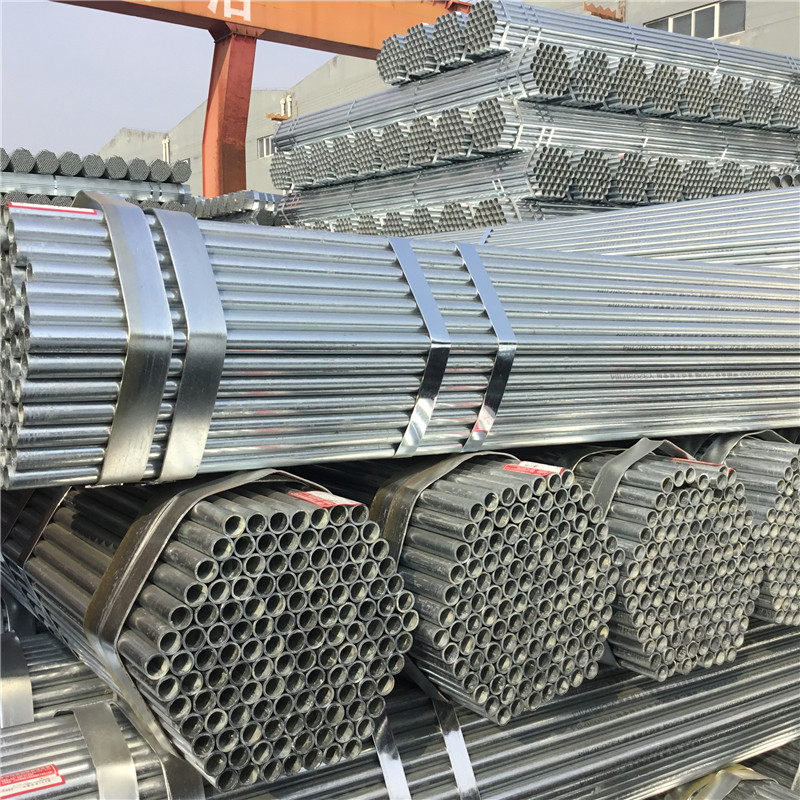
Established in 1998, Tianjin Minjie Steel Co., Ltd. has developed into a premier industrial manufacturing and exporting force. Our state-of-the-art facility spans over 70,000 square meters, strategically situated just 40 kilometers from XinGang Port—the largest and most advanced maritime trade gateway in northern China. This optimal geographic location facilitates direct, cost-efficient bulk shipping to global industrial corridors.
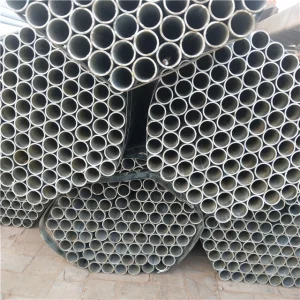
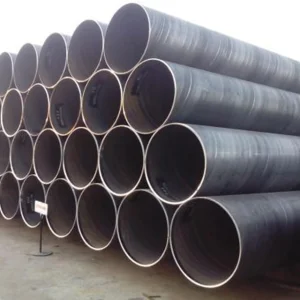
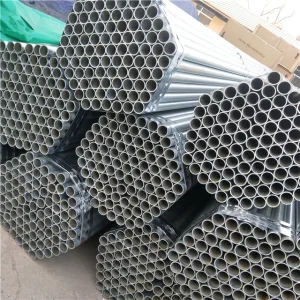
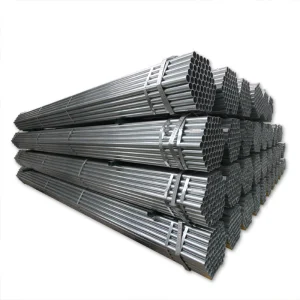
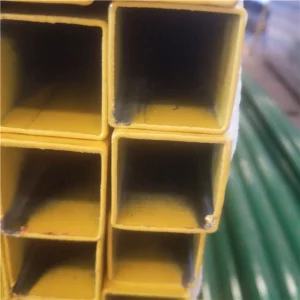
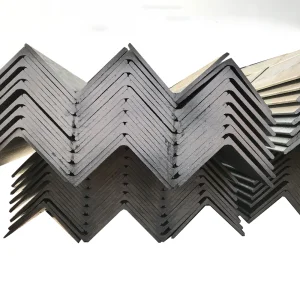
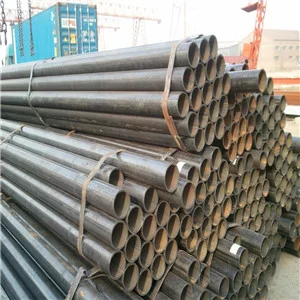
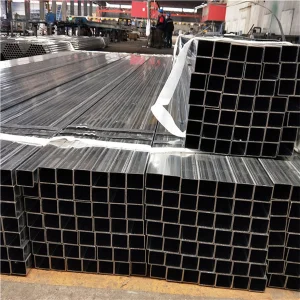
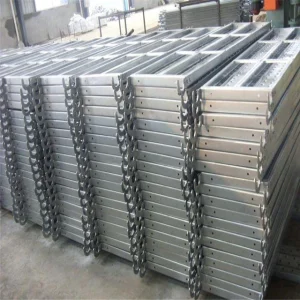
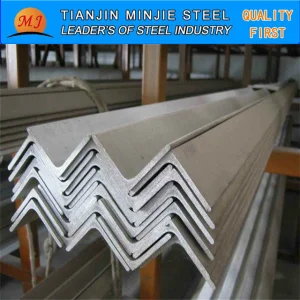
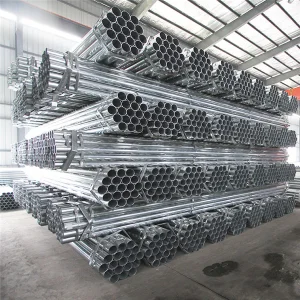
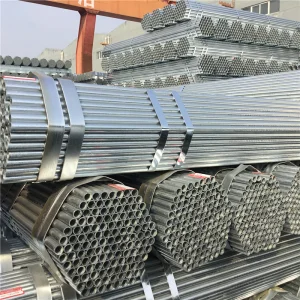
As a professional manufacturer and exporter of metal structural elements, our core competency focuses on pre-galvanized steel pipe, hot-dip galvanized pipe, welded steel pipe, square & rectangular structural tubes, and integrated scaffolding access systems. Over decades of research and development, we have secured 3 engineering design patents, including specialized groove pipe, shoulder pipe, and Victaulic system configurations.
Our manufacturing complex houses 4 automated pre-galvanized product lines, 8 high-performance ERW steel pipe fabrication lines, and 3 advanced hot-dipped galvanized processing lines. All manufacturing operates under strict accordance with GB, ASTM, DIN, and JIS standards, regulated by a comprehensive ISO9001 quality management system.
In structural engineering, the performance of an access ladder or scaffolding system depends entirely on metal grade selection and structural design. For industrial-grade climbing structures, raw metal must demonstrate high tensile strength, fatigue resistance, and durability against cyclic loading. While structural steel remains the standard for heavy structural scaffolding systems, modern worksites utilize hybrid structures where load-bearing frames are steel and mobile access decks, ladders, and walk boards are engineered from aluminum.
This hybrid approach optimizes safety while reducing overall structure weight. For instance, combining steel structural pipes (such as BS1387 galvanized tubes) with light, high-strength aluminum ladders or walk boards allows site operators to build tall, rigid scaffolding towers that can be quickly reconfigured. Additionally, applying advanced surface coatings—such as powder coating or hot-dip galvanization—to all structural items prevents galvanic corrosion at the junction points where aluminum and steel components interface.
| Material Type | Standard Specifications | Tensile Strength (MPa) | Corrosion Resistance | Primary Application Areas |
|---|---|---|---|---|
| Aluminum Alloy 6061-T6 | ASTM B221, EN 755 | ≥ 290 | High (Anodized/Self-passivating) | Ladders, Steps, Mobile Access Platforms, Scaffolding Decks |
| Structural Steel Q235B | GB/T 700, EN 10025 | 370 - 500 | Medium (Requires Hot-Dip Galvanization) | Structural Scaffolding Pipes, Walk Board Hooks, Frameworks |
| BS1387 Galvanized Steel | BS 1387, EN 10255 | 320 - 460 | High (Hot-Dip Galvanized Zinc Layer) | Heavy Scaffolding Systems, Structural Guardrails, Support Piles |
| Aluminum Alloy 6063-T5 | ASTM B221, EN 755 | ≥ 186 | Excellent (Anodized) | Light-duty Steps, Multi-purpose Ladders, Architectural Trims |
Our manufacturing capacity extends to an annual output of various structural pipes and access profiles exceeding 300,000 tons. This high-capacity output is backed by rigorous testing. Every production run undergoes extensive testing, including raw material chemical verification, hydrostatic testing, weld line ultrasonic checks, and coating thickness measurements. This systemic approach has earned Tianjin Minjie Steel Co., Ltd. numerous quality awards and honor certificates from the Tianjin municipal government and quality supervision bureaus.
Our specialized production lines (including pre-galvanizing and hot-dipped galvanizing process lines) use precision automated temperature management to control zinc thickness. This level of quality control is essential for components like access hooks, structural joints, and modular ladder brackets, ensuring they withstand heavy, repeated use on construction sites.
Our facility houses high-precision roll-forming machines and extrusion processing equipment. This setup allows us to fabricate custom profiles, specialized walk boards, and structural tubes to meet strict OEM client specifications. By combining steel production with advanced aluminum profiles, we serve as a single-source provider for global scaffolding, access, and industrial structural systems.
Furthermore, our close proximity to XinGang Port (40 km) allows us to offer optimized logistics, fast container loading, and efficient export handling, minimizing shipping costs for international buyers.
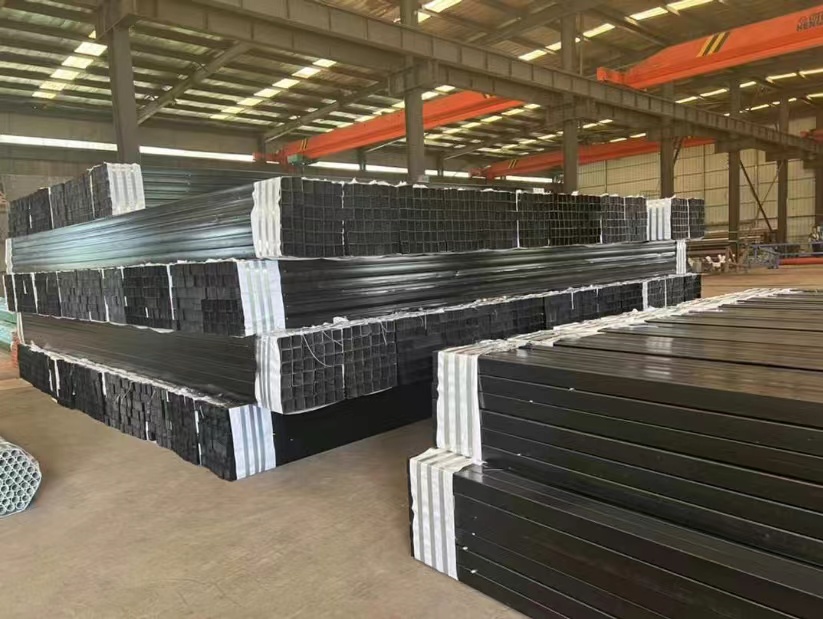
Our structural components and access products are exported to industrial clients across key international markets.
In September 2019, our delegation traveled to Singapore to review active construction projects and establish supply networks for high-specification structural elements, earning praise for our product finish and on-site support.
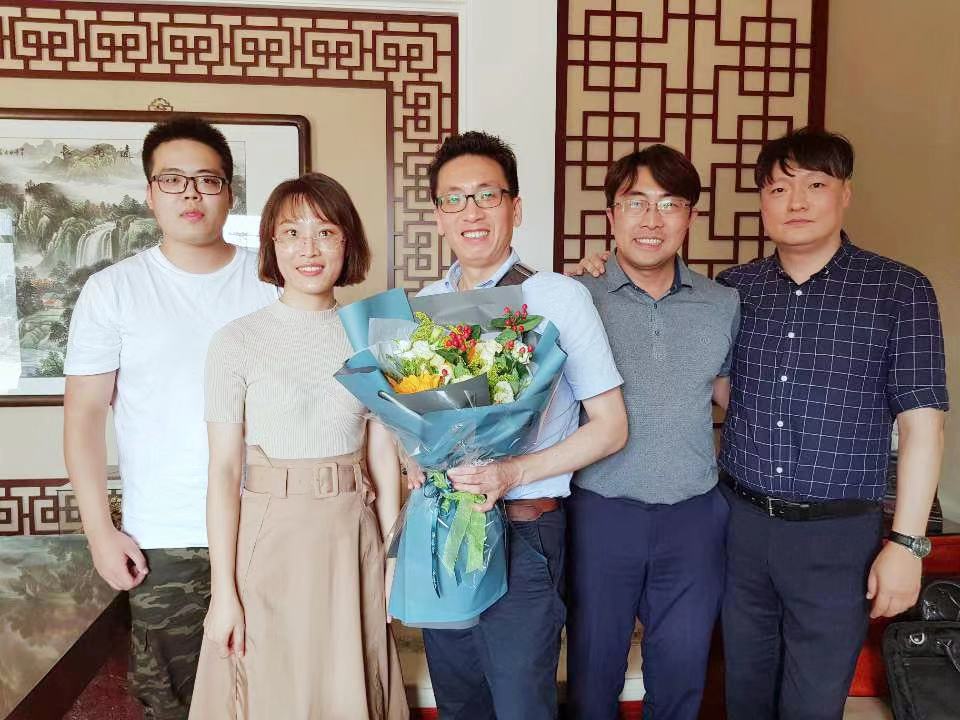
In 2019, Korean technical engineering teams visited our production facility to evaluate custom structural designs, resulting in a successful joint-supply agreement for infrastructure applications.

Long-term Australian clients visited our factory in November 2018 to perform structural test audits and verify safety margins for mining and construction access products.
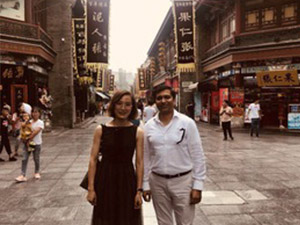
In 2019, after visiting multiple Asian manufacturers, an Indian engineering consortium selected our factory for structural supply, signing a monthly contract for 10 shipping containers.

Following initial discussions at the Canton Fair, Saudi Arabian partners visited our production facility in 2018 to establish supply agreements for industrial access and scaffolding systems.
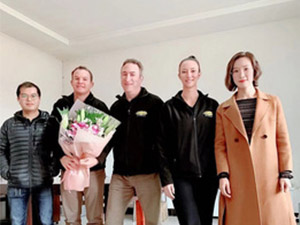
In June 2017, a Lebanese engineering firm visited our factory, confirming an immediate order of 1,000 tons of structural steel tubing for infrastructure work.
How we process raw metal into high-performance structural systems and safety-certified access components.
Converting raw billets and coils into precise structural profiles under strict dimensional controls.
Automated CNC routing, punching, and mechanical interlocking to create rungs, steps, and connections.
Hot-dip galvanizing, anodizing, or powder coating to ensure reliable, long-term corrosion resistance.
Subjecting components to load testing, weld checks, and compliance audits before shipping.
Purchasing agents for construction firms, industrial plants, and safety distributors must evaluate critical performance metrics beyond unit price. When sourcing aluminum ladders and hybrid steel access structures, procurement teams should prioritize the following compliance factors:
Different markets mandate specific structural load ratings for access equipment. In North America, ANSI A14.2 specifies Type IA (300 lbs / 136 kg capacity) or Type IAA (375 lbs / 170 kg capacity) for heavy duty industrial use. In Europe, the EN 131 standard classifies ladders into "Professional" and "Non-Professional" categories, requiring steps and stiles to withstand vertical loads up to 150 kg without permanent deformation. For scaffolding systems, EN 12811 defines distinct load classes, matching structural walk boards and ladders with the maximum allowable distributed load of the entire tower.
The joint between the step/rung and the vertical stile is a primary point of stress concentration. Traditional systems use simple mechanical rivets, which can loosen over time under cyclic loading. Premium industrial ladder systems feature a dual-action connection method: rungs are hydraulically swaged into the side rails and then welded using advanced TIG systems. For steel structures, the quality of ERW welded pipes and structural tubes directly affects the integrity of the connection. Tianjin Minjie Steel Co., Ltd. addresses this by employing advanced high-frequency induction welding to ensure strong, clean joints.
For outdoor construction, coastal project sites, and chemical plants, structural components must withstand harsh atmospheric conditions. Steel components require hot-dip galvanization with a minimum zinc coating thickness of 55 to 85 microns to protect against rust. Aluminum components should undergo type II clear or colored anodizing, which thickens the metal's natural oxide layer. This treatment provides excellent protection against moisture, mild acids, and industrial wear, preventing corrosion at connection points.
Modern access systems are engineered for diverse, highly demanding operational environments:
Professional answers to common engineering, procurement, and logistical questions about structural metal and access systems.
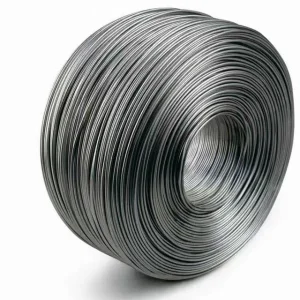
Explore our secondary structural metal products, wire solutions, and specialized building components for industrial and civil projects.
 Minjie Steel