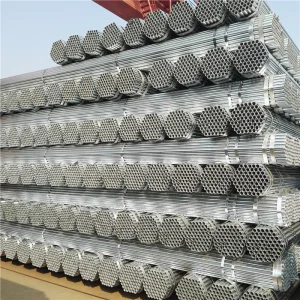
Explore our premium structural steel components, engineered to meet the highest international load-bearing standards including ASTM, EN, DIN, and BS specifications.
A comprehensive examination of metallurgical properties, structural load capabilities, corrosion dynamics, and manufacturing excellence in modern structural scaffolding networks.
In modern civil engineering and high-rise construction, metal scaffolding functions as both a temporary structural framework and a vital safety barrier. The shift from wood and bamboo to advanced structural steel scaffolding systems (such as modular Ringlock and Cuplock) represents a significant evolutionary step. This transition is driven by the need for superior load-bearing capacity, consistent structural safety, and high-speed erection on commercial job sites.
From an engineering perspective, modern metal scaffolding must withstand diverse loading forces: static dead loads (structural elements, steel planks), dynamic live loads (personnel, equipment, material staging), and environmental lateral forces (wind shear, seismic activity). As a result, selecting raw steel with optimal yield strengths and maintaining strict dimensional tolerances during manufacturing are critical requirements for structural performance.
The mechanical properties of scaffolding tubes determine the system's ultimate limit state. At Tianjin Minjie Steel Co., Ltd, our production lines utilize premium carbon steel alloys, primarily focusing on Q235B and Q345B/Q355B structural grades. These grades offer an optimal balance of yield strength, ductility, and weldability.
| Steel Grade | Yield Strength (ReH Min, MPa) | Tensile Strength (Rm, MPa) | Elongation (A5 Min %) | Primary Applications |
|---|---|---|---|---|
| Q235B (Equivalent to S235JR / ASTM A36) | 235 | 370 - 500 | 26% | Standard scaffolding tubes, frame systems, base collars, and light-duty ledgers. |
| Q345B / Q355B (Equivalent to S355JR / ASTM A572 Gr. 50) | 345 / 355 | 470 - 630 | 22% | High-load Ringlock standards, heavy-duty shoring towers, and structural truss ledgers. |
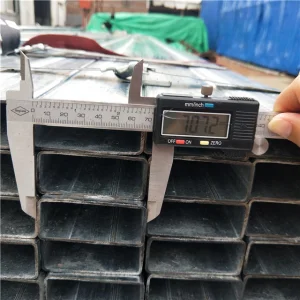
In addition to raw material selection, manufacturing tolerances are closely monitored. Wall thickness variations are restricted to ±5% (well within EN 10219 and ASTM A53 standard requirements), and ovality is strictly controlled. This ensures that couplers and modular joints connect securely, minimizing rotational slippage at the critical structural nodes.
Environmental exposure is a primary cause of structural degradation in metal scaffolding. Oxidized steel suffers from reduced wall thickness, which compromises load-bearing capacity. To mitigate this risk, we employ two main zinc protection technologies:
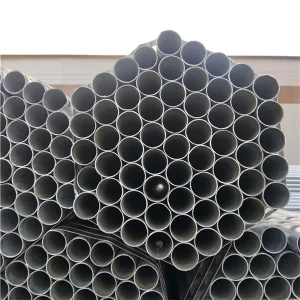
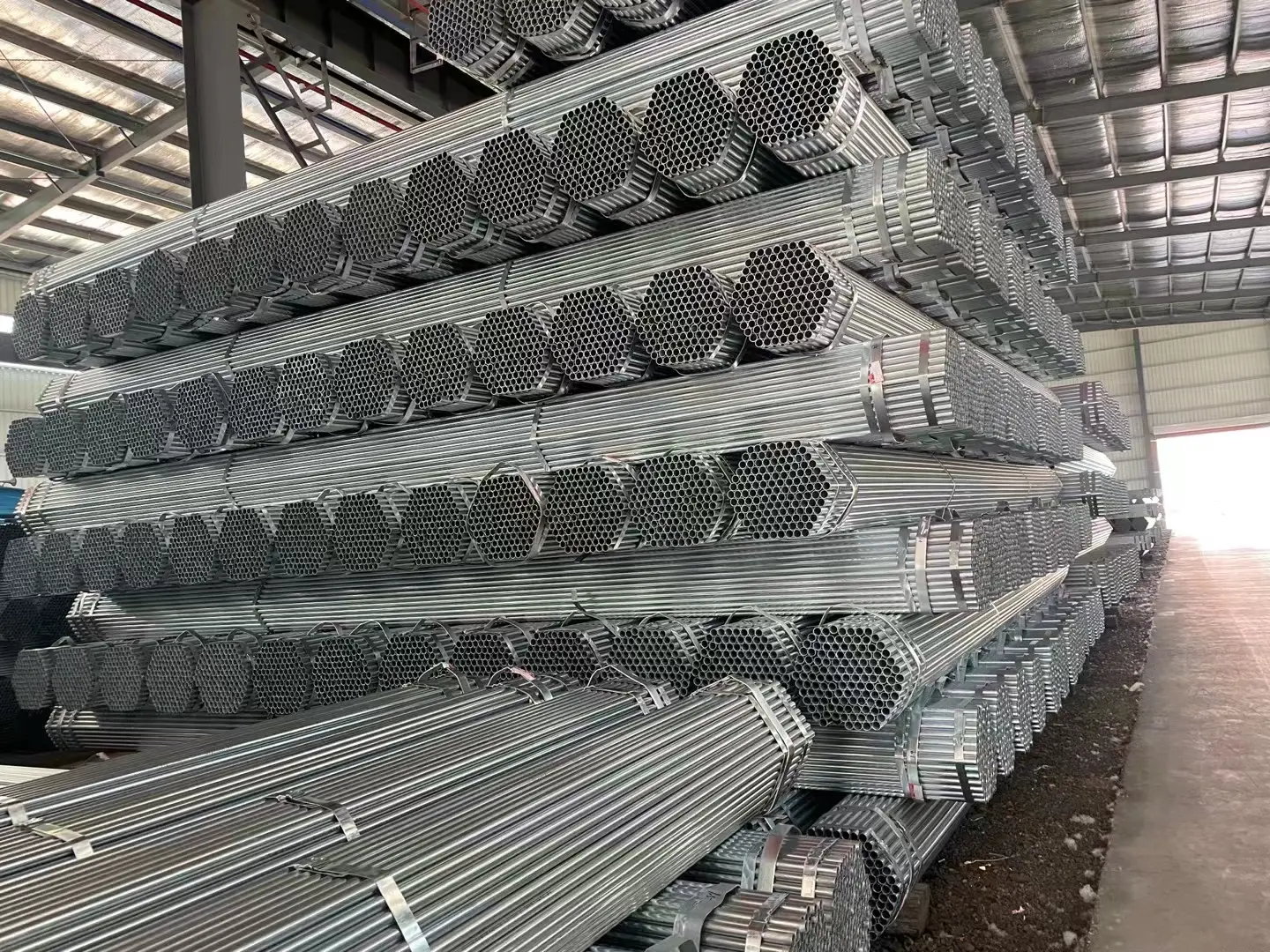
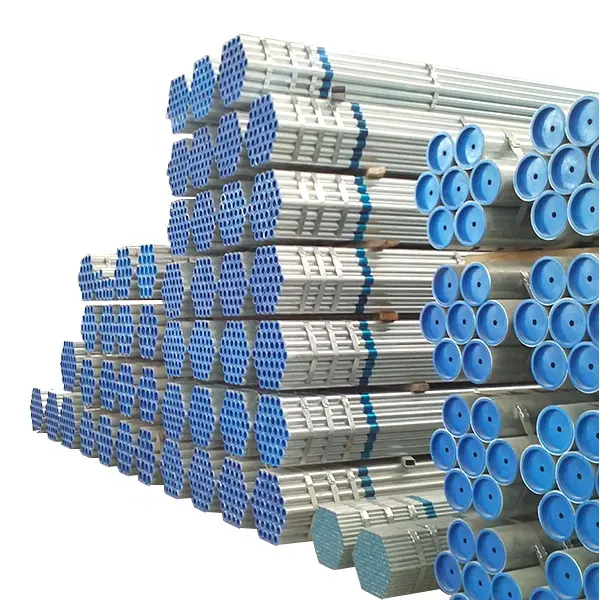
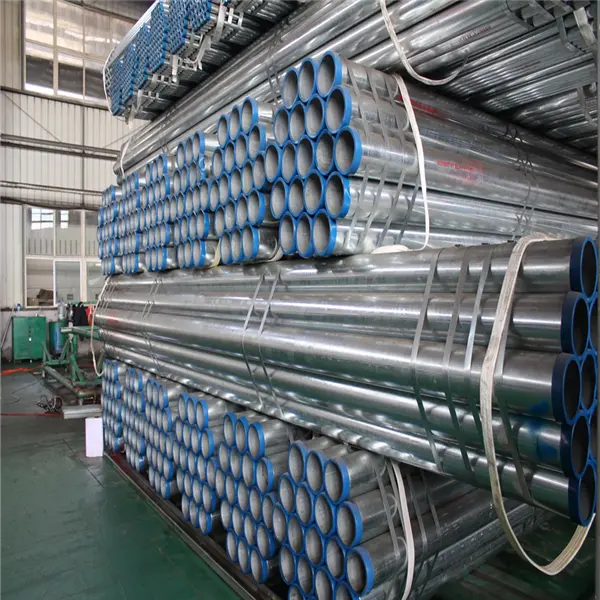
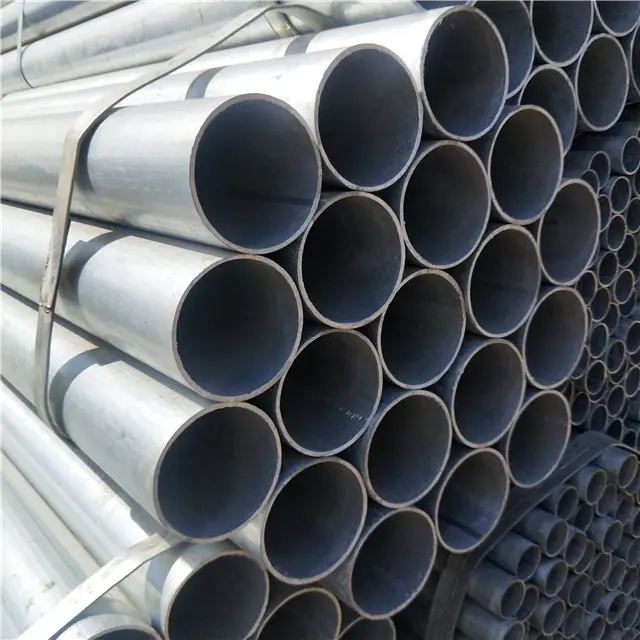
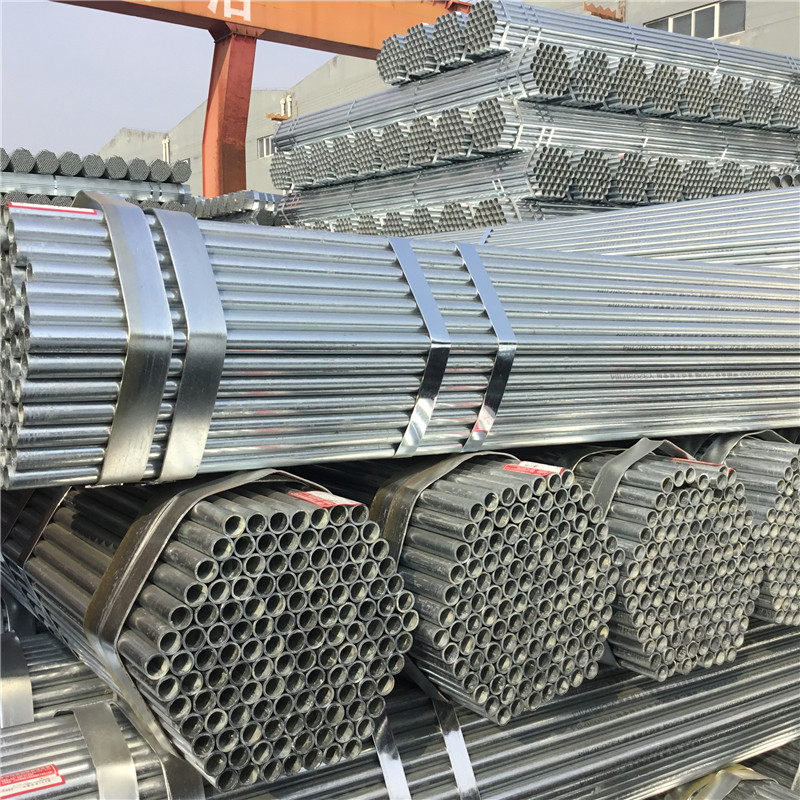
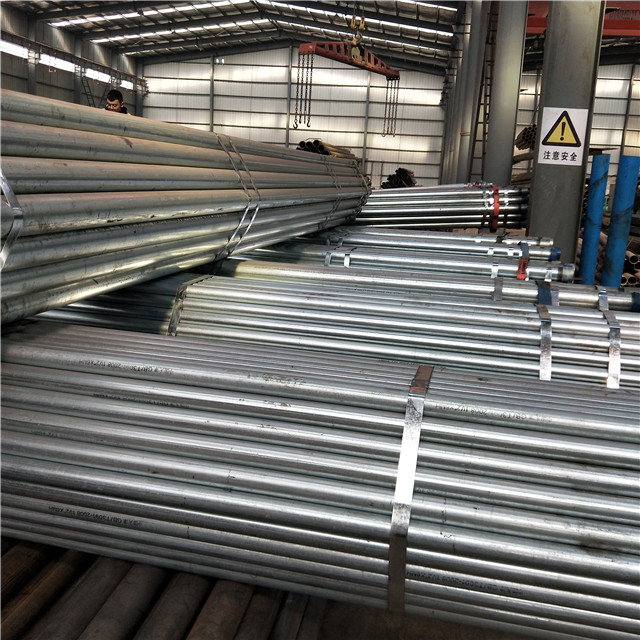
Processed according to ISO 1461 and ASTM A123. Completed structural pipes are fully submerged in molten zinc at approximately 450°C. This creates a multi-layered, metallurgically bonded zinc-iron alloy coating with a typical thickness of 60 to 80 microns. HDG provides exceptional durability, self-healing protection for surface scratches, and a service life exceeding 20 years in highly corrosive marine or industrial environments.
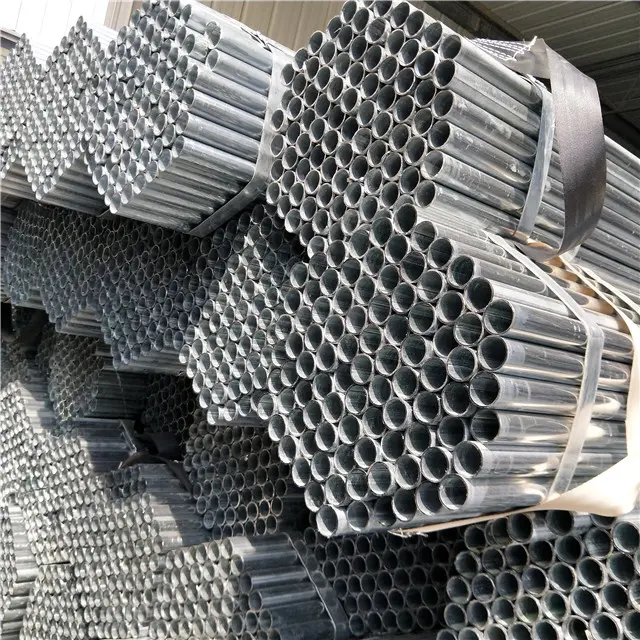
Constructed using steel strips that are continuously galvanized before being rolled and welded into tube form. Typical zinc coating masses range from 120g/m² to 275g/m². The weld seam is subsequently sprayed with zinc to restore corrosion protection. Pre-galvanized pipes offer a smooth finish, tight dimensional tolerances, and a cost-effective solution for light to medium-duty applications and dry environments.
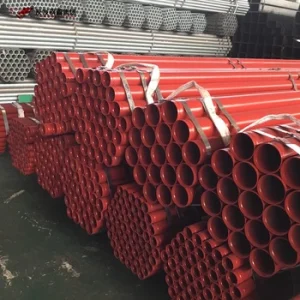
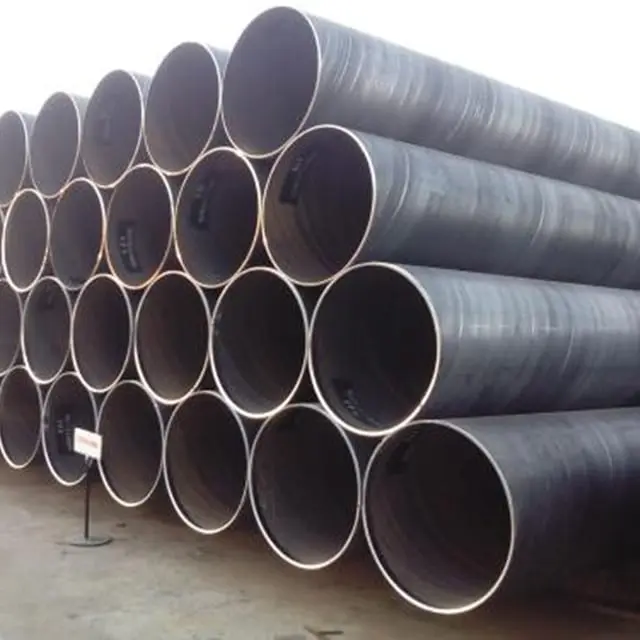
For specialized architectural projects and high-visibility urban sites, we also supply powder-coated steel tubing. This finish provides color-coded structural identification along with an extra barrier against atmospheric moisture and chemical exposure.
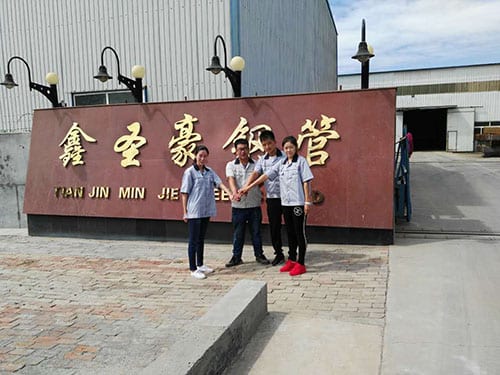
Established in 1998, Tianjin Minjie Steel Co., Ltd. has grown into a leading manufacturer and exporter of structural steel and scaffolding products. Spanning a modern manufacturing area of over 70,000 square meters, our facilities are located just 40 kilometers from Xingang Port (Tianjin)—the largest maritime trade hub in North China. This location enables efficient loading, customs clearance, and global ocean shipping.
Our manufacturing setup features specialized production lines designed for high volume and consistent quality:
Through focused R&D, we have secured patents for key industrial piping solutions, including Groove Pipes, Shoulder Pipes, and Victaulic-compatible Joint Systems. These designs simplify fluid transportation and mechanical scaffolding assembly, reducing field labor costs and improving structural stability.
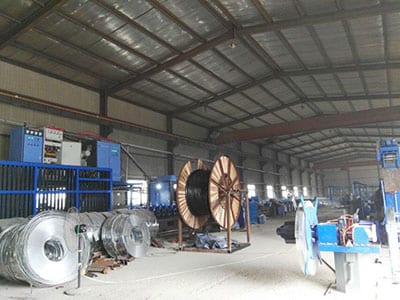
High-frequency longitudinal welding of Q235B structural tubes.
Hot-dip zinc coating line achieving ISO 1461 compliance.
System testing for standard ledger alignments and rosette locks.
Cold-forming and sizing mill for heavy-duty structural steel frames.
Specialized machinery for roll grooved ends on schedule carbon steel pipes.
Destructive load tests and weld seam ultrasonic inspection.
We work with international safety bodies to ensure all scaffolding components meet or exceed native performance regulations in North America, Europe, Australia, and the Middle East.
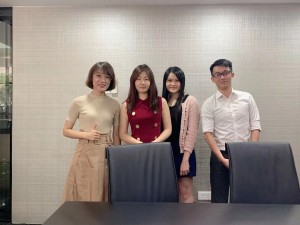
Refining modular structural designs to align with SS280 standards for urban high-rise applications.
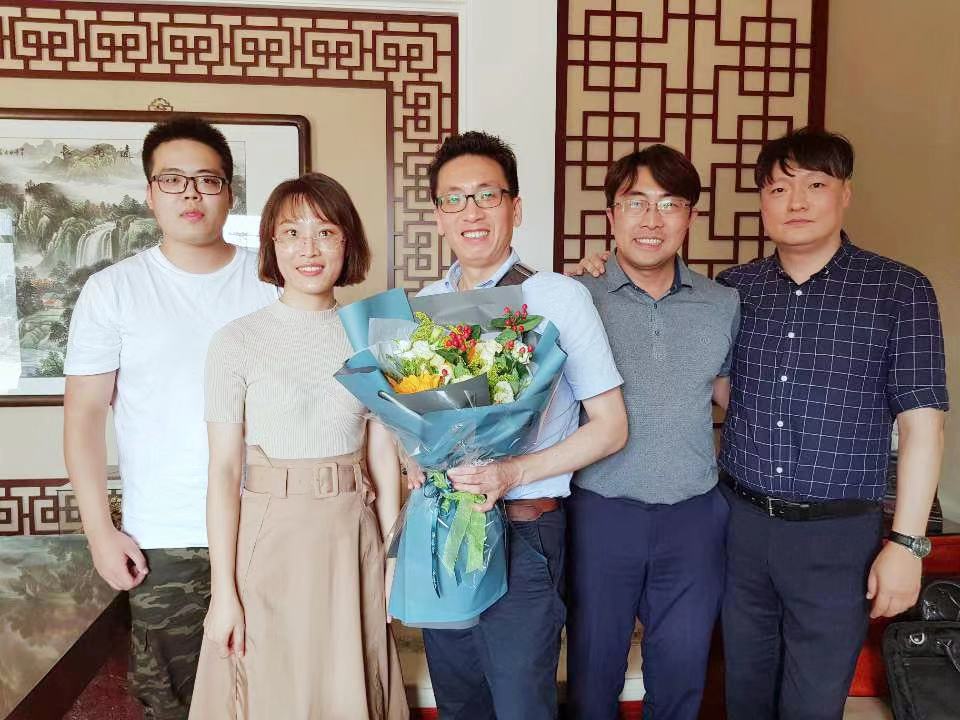
Collaborative structural engineering sessions on custom temporary shoring solutions.
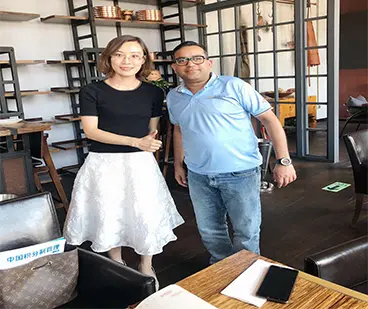
Factory inspection evaluating structural steel grade compatibility with AS/NZS 1576.3.

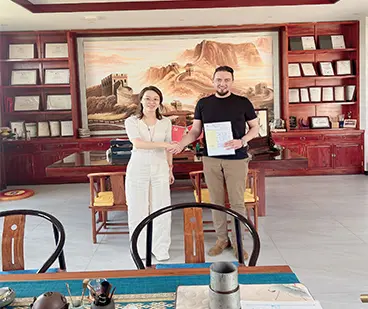
Finalizing supply contracts for large-scale energy sector structural components.
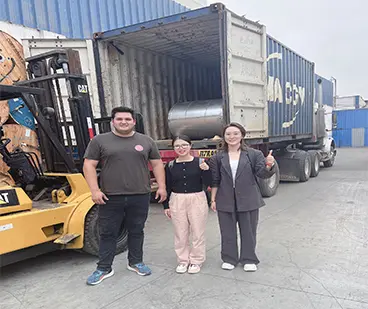
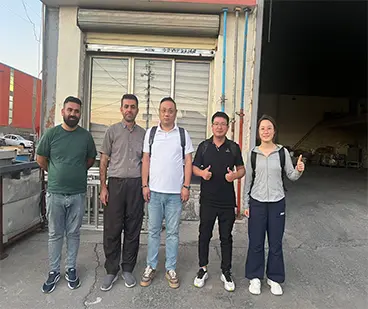
Successful inspection of hot-dip galvanized ERW line production runs.
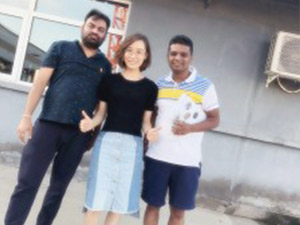
High-volume procurement of corrosion-resistant pipe systems for coastal environments.
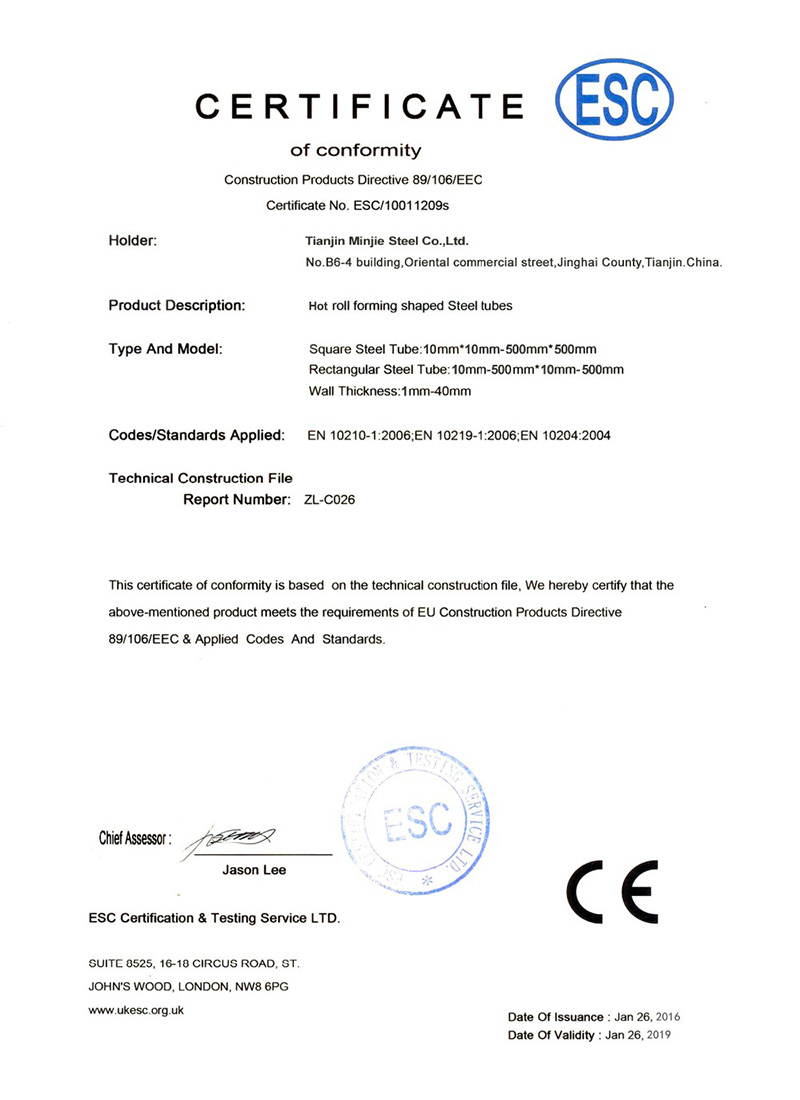
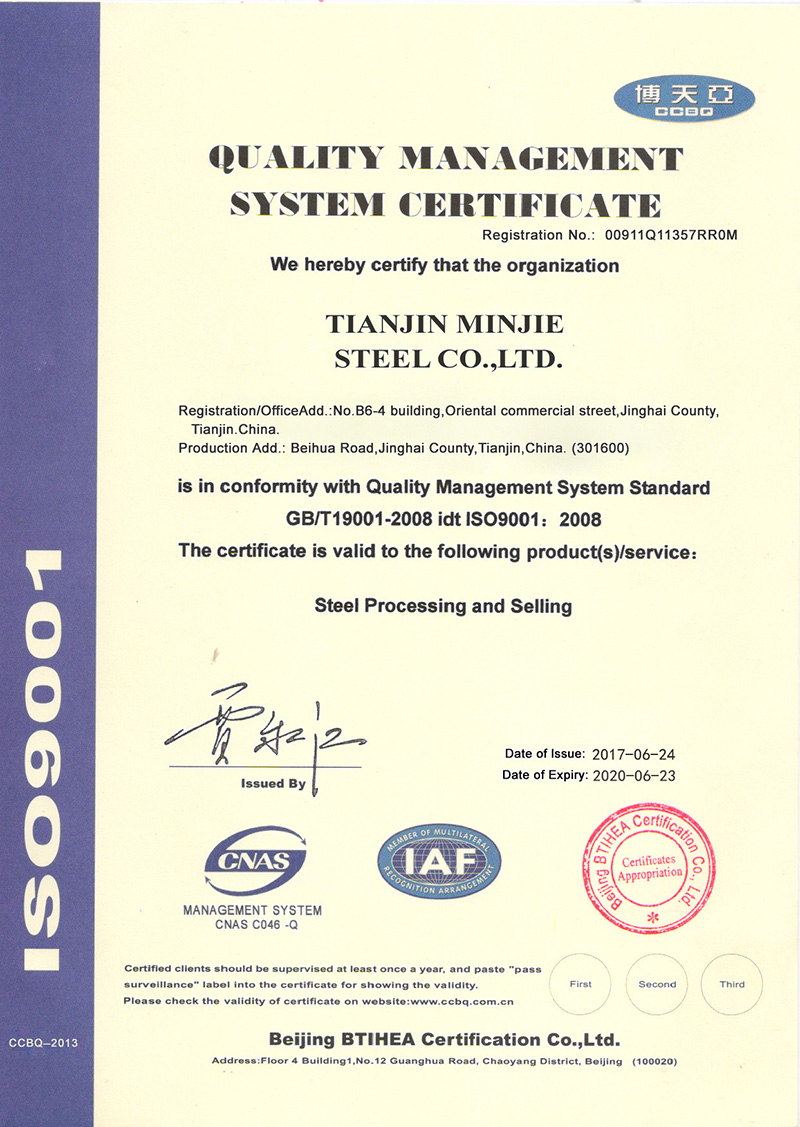
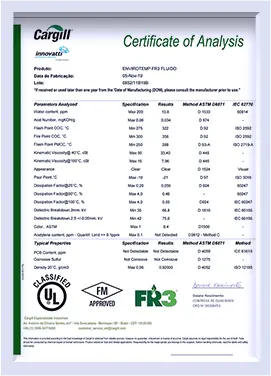
To ensure high quality, Tianjin Minjie Steel operates under a certified ISO 9001:2015 Quality Management System. We run standard quality control audits covering chemical analysis of incoming raw material, weld seam ultrasonic inspections, tensile strength testing, and galvanization coating thickness checks.
Our structural components are certified to comply with several international standards:
We supply diverse industrial sub-products including coil raw materials, hollow sections, structural angles, and custom scaffolding system configurations.
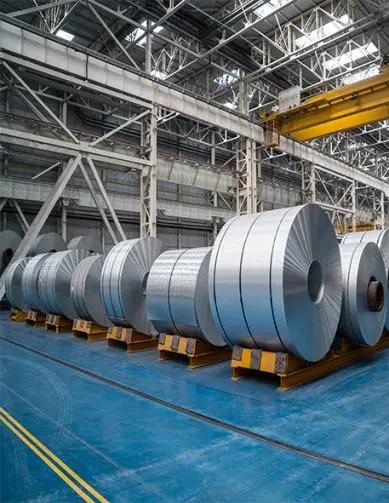
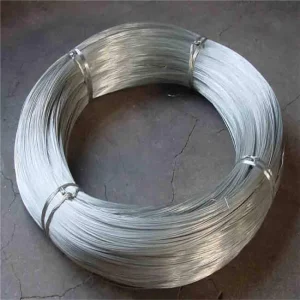
Hot-dipped, pre-painted, and color-coated steel strip coils ready for profiling.
Request Engineering Quote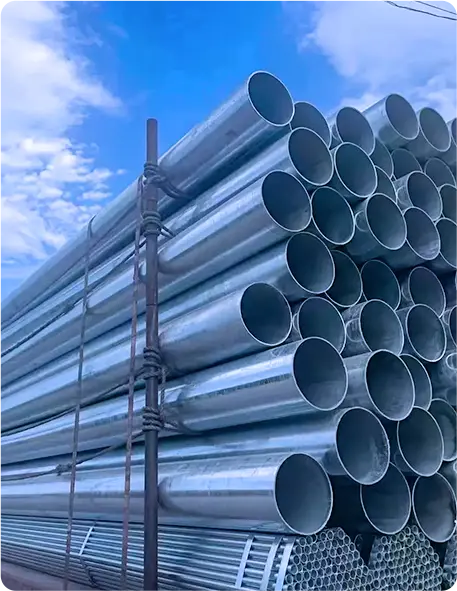
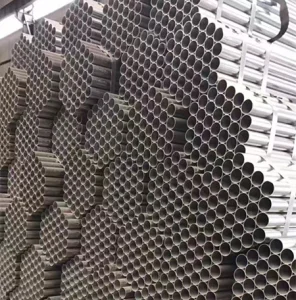
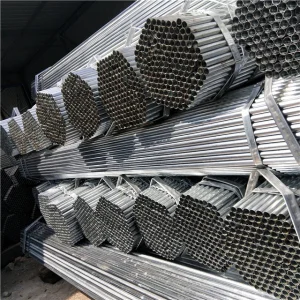
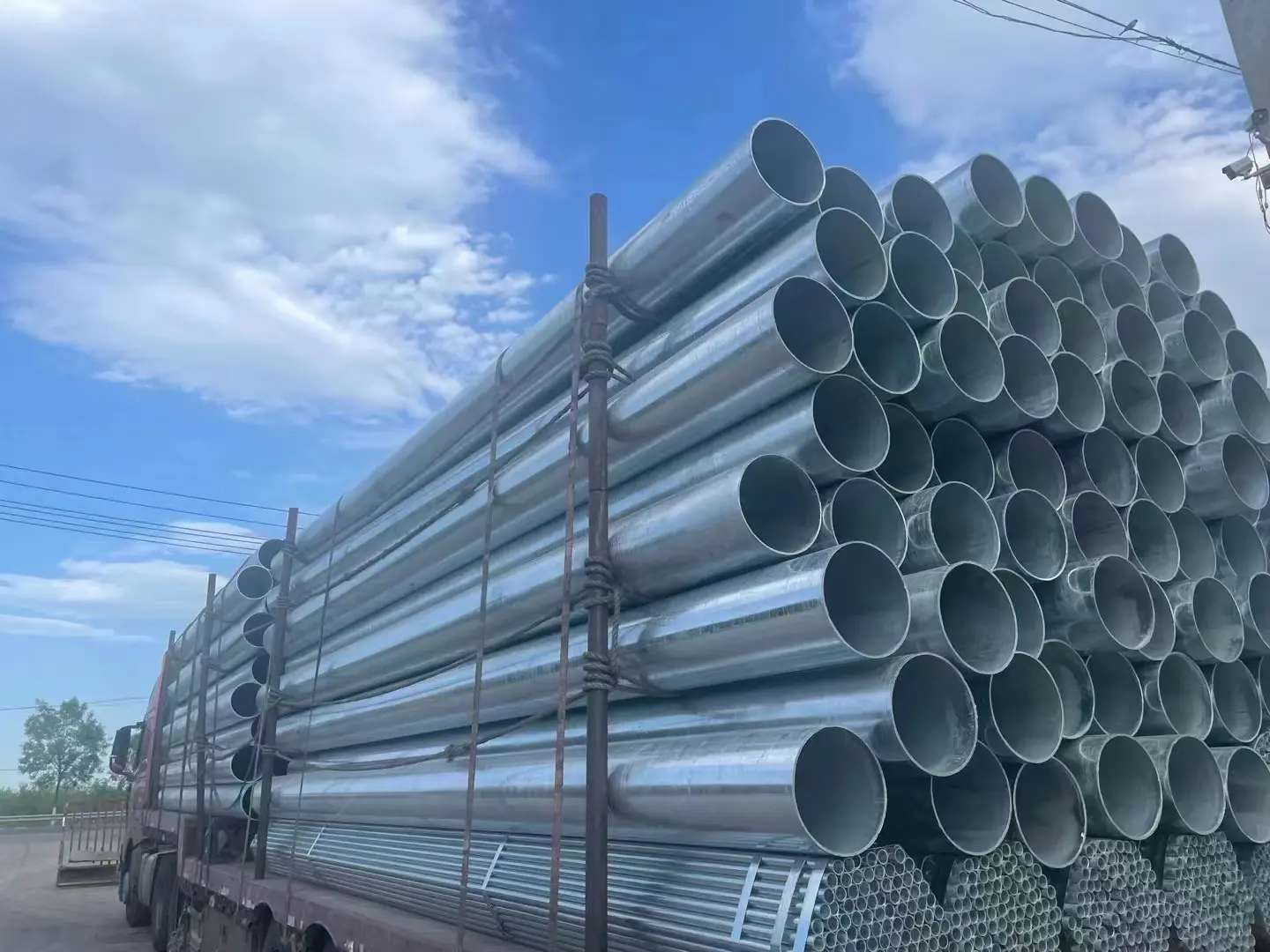
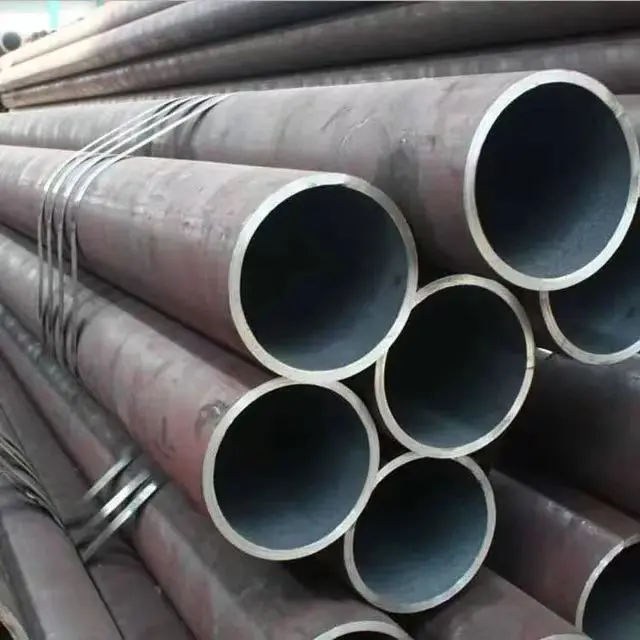
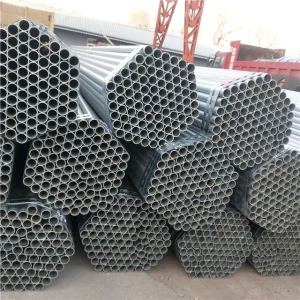
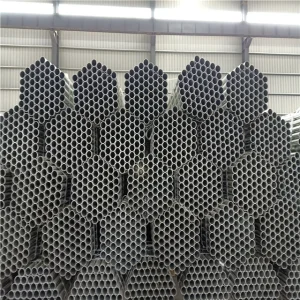
Hot-dipped and zinc-aluminum-coated round tubes for scaffolding.
Request Engineering Quote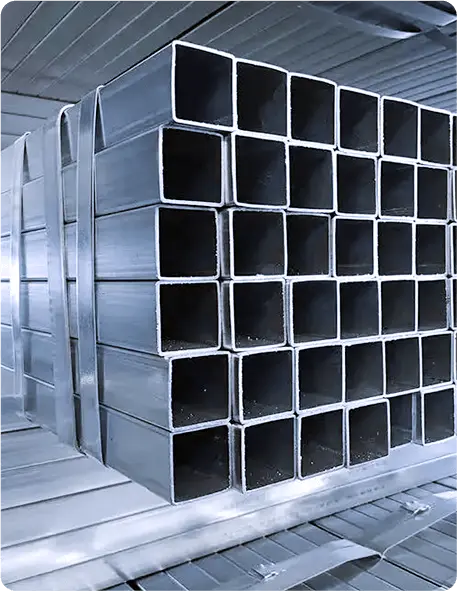
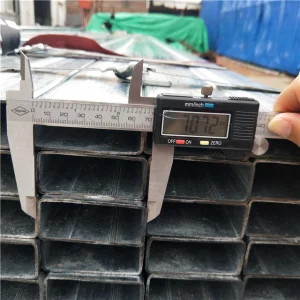
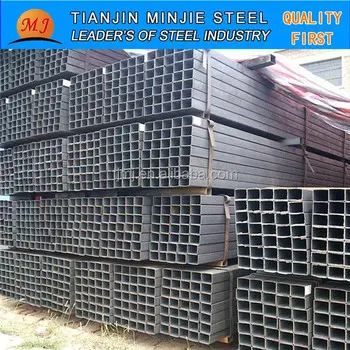
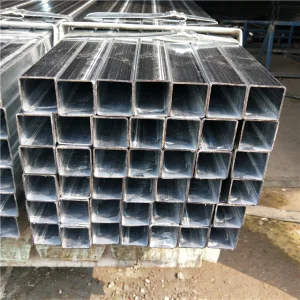
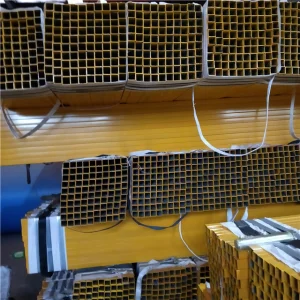
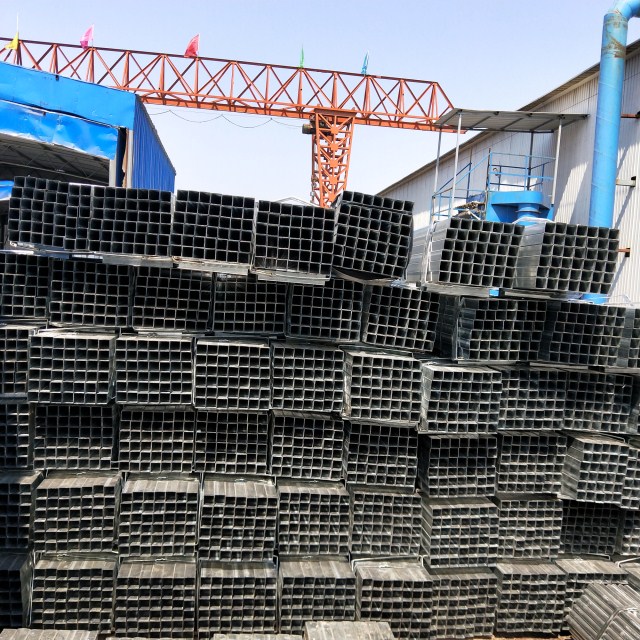
Square and rectangular structural steel profiles for framing assemblies.
Request Engineering Quote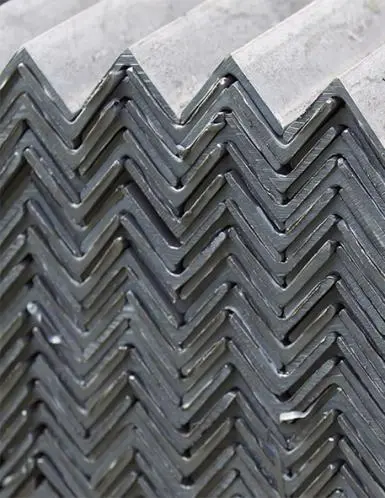
Equal and unequal hot-rolled galvanized L-profiles for bracings.
Request Engineering Quote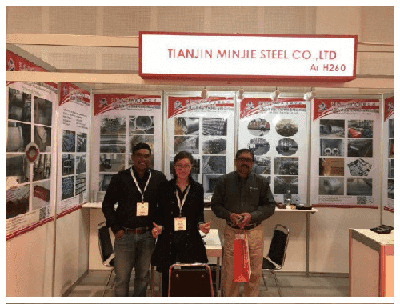
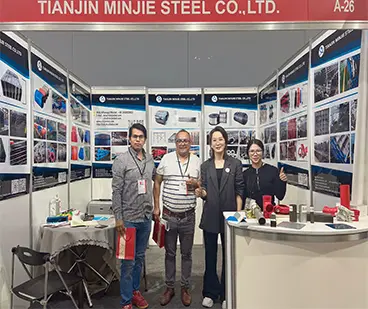
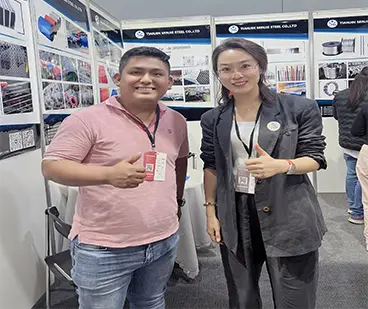
Tianjin Minjie Steel is a regular exhibitor at the annual Canton Fair, engaging with international procurement managers and project contractors from around the world. Up to 80% of our new trade partners visit our Tianjin manufacturing plant after the fair to verify our production capacity first-hand.
Our scaffolding and structural piping products are utilized globally across key industries:
An analysis of evolving metallurgical standards, automation in fabrication, and the global commercial dynamics shaping structural shoring technology.
To optimize field efficiency and reduce labor costs, the global scaffolding industry is moving toward lightweight, high-capacity components. Traditional carbon steel systems often require heavy wall thicknesses to meet safety margins. By moving to High-Strength Low-Alloy (HSLA) steel, such as Q355B or S355, we can decrease wall thickness by up to 15% while maintaining or increasing load capacity.
This reduction in weight lowers logistical costs, reduces physical strain on assembly crews, and decreases carbon emissions during transportation. It also facilitates faster erection and dismantling cycles on site.
The structural integrity of modular scaffolding (such as Ringlock rosettes and Cuplock cups) depends on weld connection quality. Manual welding can introduce defects like porosity, incomplete penetration, and slag inclusion, which compromise safety under heavy loads. To address this, Tianjin Minjie Steel has updated key assembly areas with robotic welding systems.
These automated systems deliver consistent weld penetration and geometry. Paired with non-destructive ultrasonic and electromagnetic testing of weld seams on production runs, this machinery ensures that each locking node can reliably handle its designed shear and axial loads.
While Hot-Dip Galvanization remains the industry standard for corrosion resistance, next-generation projects are adopting Zinc-Aluminum-Magnesium (ZAM) coatings. ZAM coatings provide several advantages over traditional zinc finishes:
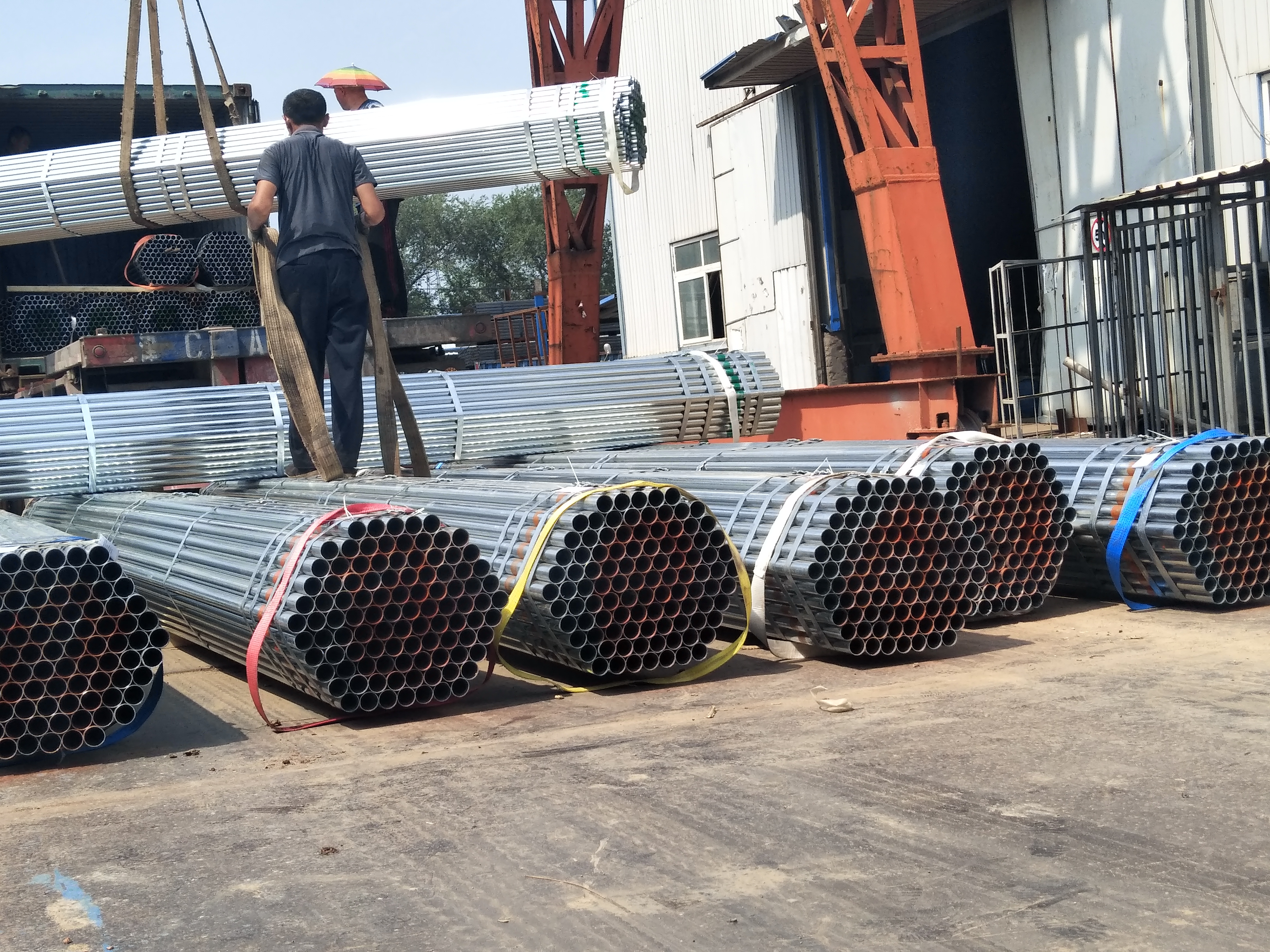
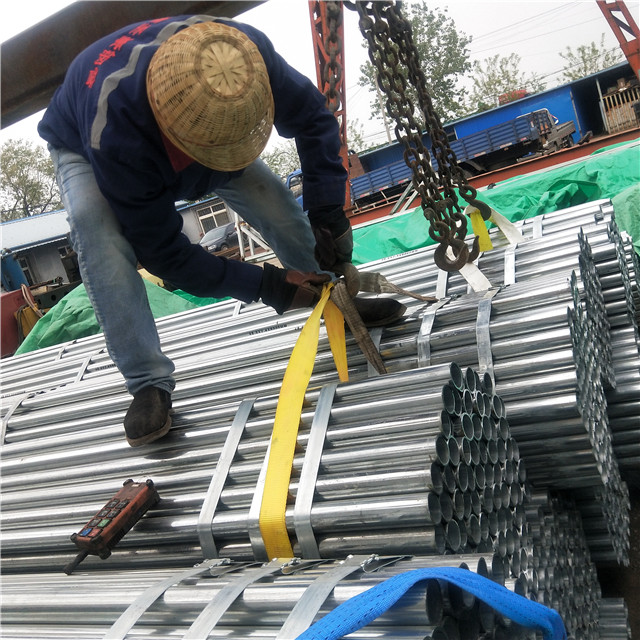
Our structural pipes and modular scaffolding components have been successfully deployed in petrochemical projects, offshore docking facilities, and municipal developments worldwide. The following reference gallery shows verified field use and material batches delivered to international ports:

Find answers to common questions about steel grades, standard certifications, anti-corrosion finishes, and international shipping logistics.
A: The difference lies in their mechanical yield strengths. Q235B has a minimum yield strength of 235 MPa and is commonly used for standard tubing and frame systems. Q345B/Q355B has a higher minimum yield strength of 345/355 MPa. This higher capacity is suitable for load-bearing components like Ringlock standards and heavy-duty shoring towers, allowing projects to safely carry higher loads with less material weight.
A: Hot-Dip Galvanizing (HDG) is done after fabrication by dipping the steel components into molten zinc. This coats both the inside and outside of the tube, as well as the weld seams, with a thick layer (60-80 microns) that typically lasts over 20 years in outdoor or coastal settings. Pre-galvanizing uses steel strips that are zinc-coated before forming and welding. It offers a thinner layer (typically 15-20 microns) and a smoother finish, which is cost-effective for indoor or dry environments but requires seam touch-ups.
A: We operate under an ISO 9001:2015 certified quality framework. Every production batch undergoes raw material analysis, tensile and elongation tests, dimensional checkups, and non-destructive weld testing. Third-party testing reports from organizations like SGS or TÜV are available for export shipments to confirm compliance with European, American, and Australian standards.
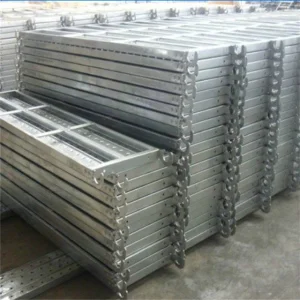
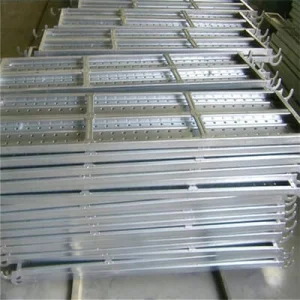
A: The service life depends on the environment and the finish. Pre-galvanized planks used in dry climates generally last 3 to 5 years. Hot-dip galvanized catwalks and steel deck boards with structural ribbing can last 10 to 15 years under regular use. Proper handling, avoidance of overloads, and dry storage during downtime help maximize service life.
A: Our factory is located 40 kilometers from Xingang Port in Tianjin. This close proximity reduces inland transport costs, speeds up container loading, and helps protect goods from weather exposure during transit. It also allows us to coordinate closely with shipping lines for timely departures.
Browse our supplementary range of high-precision painted and galvanized steel tubes, structural piles, and scaffolding accessories.
Select components below to examine their structural properties, including weight tables, load ratings, and details on our corrosion protection systems.
 Minjie Steel