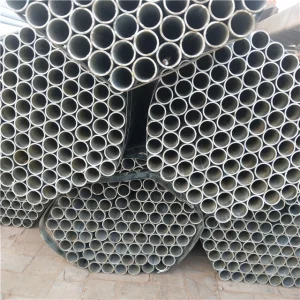
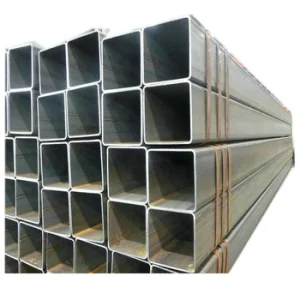
China More To Carry Manufacturer & Manufacturers

High-Load Structural Carbon Steel & Advanced Galvanized Pipe Solutions for Critical Industrial Applications Worldwide

1. Executive Whitepaper: The Paradigm Shift in "More To Carry" Steel Manufacturing

In modern industrial and structural engineering, the concept of "More to Carry" translates directly into mechanical resilience, optimized load-to-weight ratios, and superior tensile endurance. As global infrastructure advances toward larger spans, higher buildings, and more aggressive marine and agricultural environments, the demands placed on structural steel hollow sections, galvanized pipes, and wire products have reached unprecedented thresholds.

Tianjin Minjie Steel Co., Ltd., since its founding in 1998, has stood at the intersection of metallurgical evolution and structural design. Standard structural solutions often fall short under dynamic loading, atmospheric oxidation, and tectonic shifts. Achieving the capacity to "carry more" requires a meticulous integration of micro-alloying elements, precise heat treatment protocols, and advanced zinc-coating science. From ERW (Electric Resistance Welded) processing lines to state-of-the-art hot-dip galvanizing baths, the mechanical properties are engineered to exceed international benchmarks.

"Our metallurgical philosophy centers on information gain and engineering integrity. By controlling grain-boundary orientation and optimizing pre-galvanization cold-forming stages, we provide structural steel that yields higher load carrying capabilities per unit mass, guaranteeing safety margins for major infrastructure developments globally."
1998
Established Year
70,000㎡+
Production Area
300K+ Tons
Annual Production Output
3 Patents
Proprietary Piping Patents

Macro Industry Solutions & Structural Integrity

The transition toward sustainable design demands modular structures that require minimal maintenance over a 50-to-100-year lifecycle. Key macro-industries depend on our "More to Carry" systems:

Modern Commercial Greenhouses
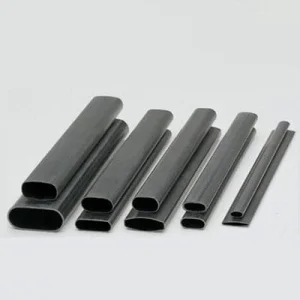
Utilizing pre-galvanized elliptical tubes and S235JR pipes that bear extreme wind and heavy snow loads while offering optimal anti-condensation profiles.
Urban Mechanical Infrastructure & Scaffolding
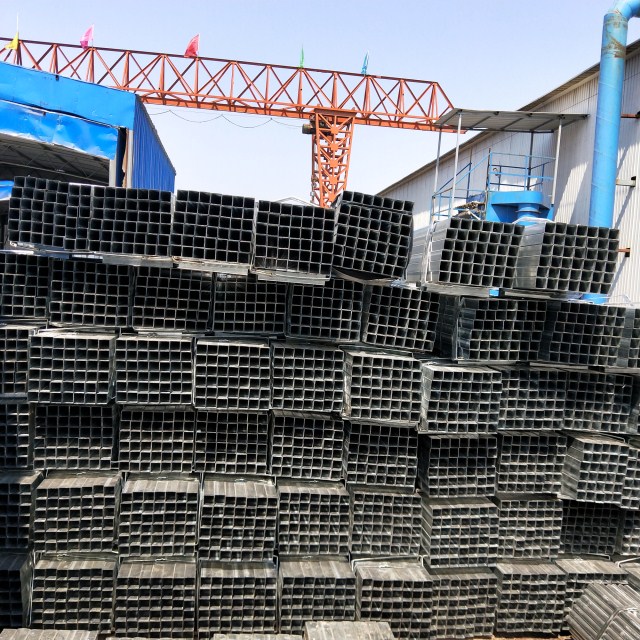
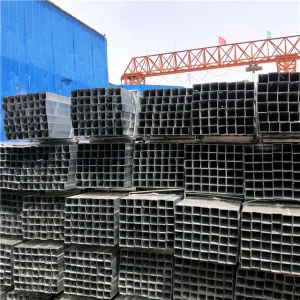
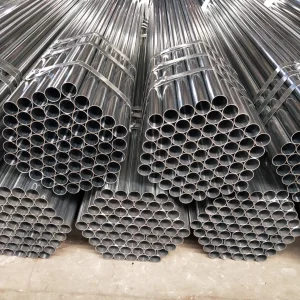
High-strength Q235 and Q345 carbon steel hollow profiles engineered to hold massive loads in scaffold structures, securing high-altitude construction phases.
High-Pressure Fluid Transmission Systems
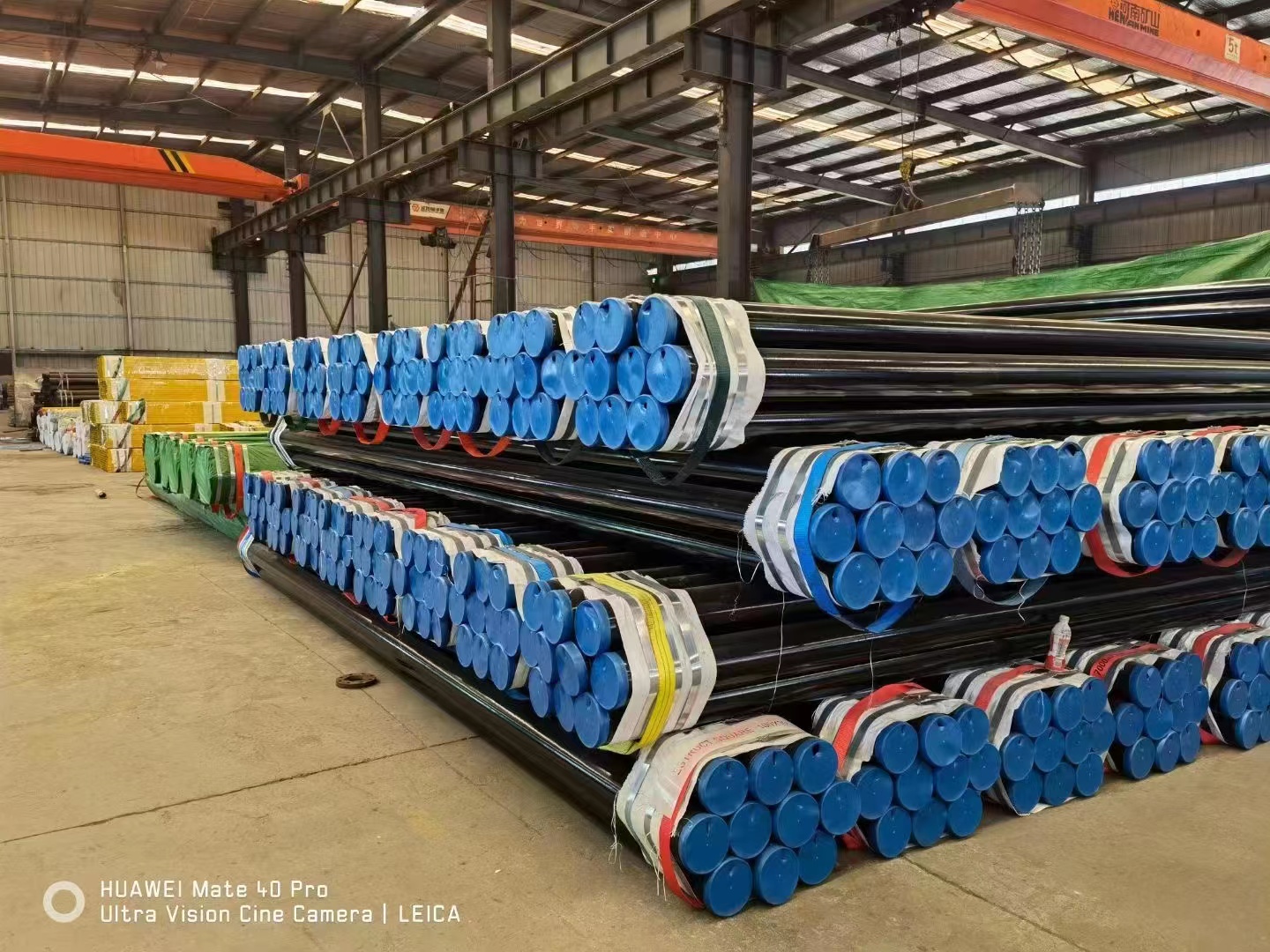
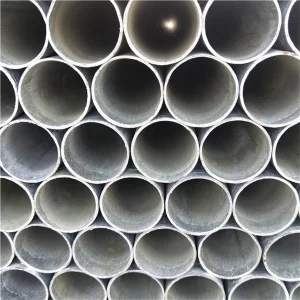
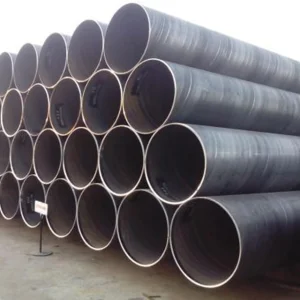
Thick-walled hot-dip galvanized and epoxy-lined spiral welded steel pipes designed for municipal water systems, oil transportation, and mining slurry removal.
Industrial Warehousing and Racking
Cold-formed structural hollow sections designed to sustain maximum static loads for high-density vertical storage, resisting deformation and mechanical fatigue.
2. Global Market Dynamics: Supply Chain & Logistics Strategy

In a volatile global industrial ecosystem, procurement agents must evaluate more than just factory-gate pricing. Long-term partners focus on geopolitical supply stability, raw material vertical integration, and shipping logistics. Located only 40 kilometers from XinGang Port (Tianjin)—the largest maritime trade hub in Northern China—Tianjin Minjie Steel provides a structural logistical advantage. This proximity minimizes land transit hazards, lowers localized port charges, and accelerates customs procedures for massive container shipments.

Furthermore, structural raw materials undergo meticulous tracing. By sourcing direct billets from tier-one domestic refineries, we monitor sulfur and phosphorus levels down to the thousandth of a percent. This strict raw material intake prevents brittle cracking during high-velocity roll-forming and subsequent punch-hole fabrications—essential properties for structures bearing critical static loads.

Compliance, Standardization & Localization Protocols

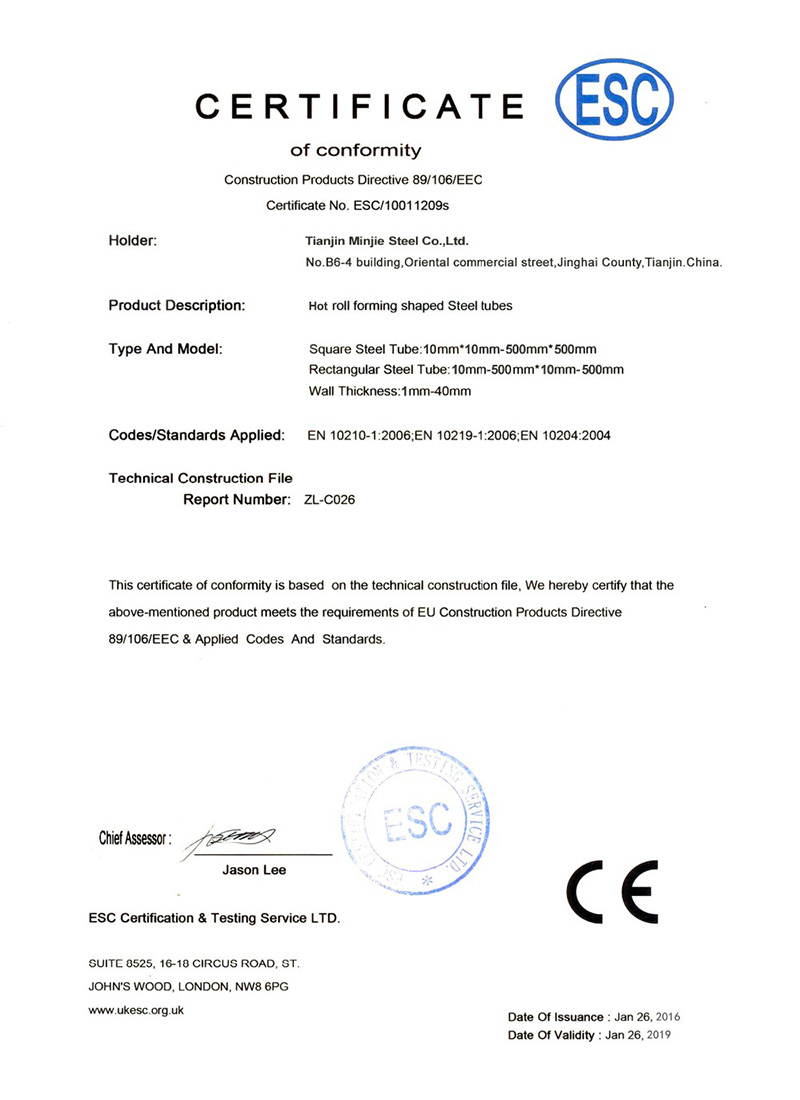
To operate seamlessly in strict regulatory markets across North America, Europe, Australia, and the Middle East, our production runs strictly adhere to local standard frameworks. Our laboratory performs continuous yield and chemical testing on every batch to satisfy global certifications:

ASTM A53 / A500 Standards (Americas)
Ensuring wall thickness tolerances, mechanical tensile properties, and straightness for structural carbon steel tubes and high-pressure fluid conduits.
EN 10219 / EN 10255 Standards (Europe)
Governing cold-formed welded structural hollow sections of non-alloy steels and threaded steel tubes suitable for connection via grooved fittings.
AS/NZS 1163 (Australia/New Zealand)
Strict structural steel compliance demanding precise low-temperature impact toughness testing, safeguarding against structural failure in cold climates.
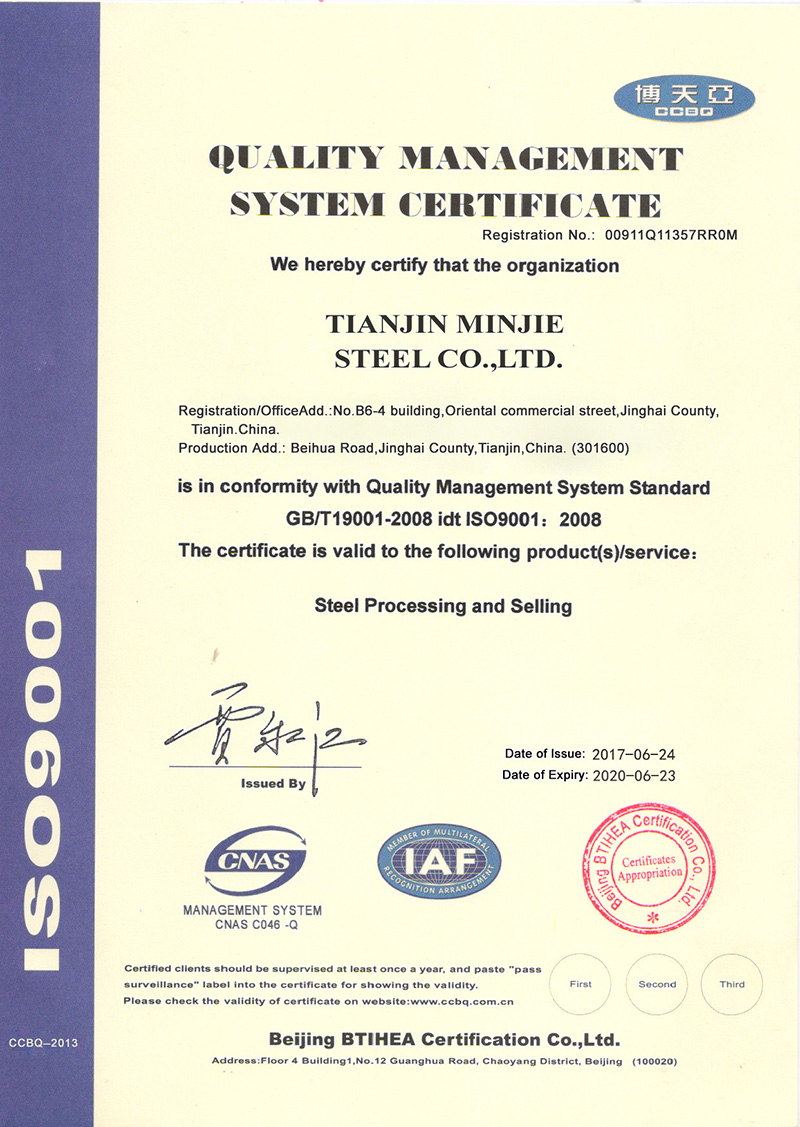
ISO 9001 Quality Management
Systematized process inspections spanning raw steel receipt, roll forming, welding, heat treatment, hot-dip galvanization, and packaging.
3. Custom Engineering & Patent Technologies

True technical value is demonstrated through continuous research and proprietary developments. Tianjin Minjie Steel holds three central patents that directly address the pain points of on-site assembly and structural mechanical loads. These innovations—groove pipe, shoulder pipe, and victaulic connection systems—provide seamless mechanical locking mechanisms that replace field welding, which often degrades the protective zinc coating.

Through advanced grooving technologies, we produce pipes with precise concentric dimensions. These pipes are immediately ready for rapid, high-pressure victaulic clamps on the construction site. These systems reduce labor hours by up to 50%, prevent thermal stress cracks common with manual arc-welding, and allow thermal expansion and contraction without piping system failures.

Technology Roadmap and Quality Control System

Our mill's technology roadmap focuses on moving beyond standard coatings toward highly resilient zinc-aluminum-magnesium alloy surfaces. Our current hardware deployment consists of:

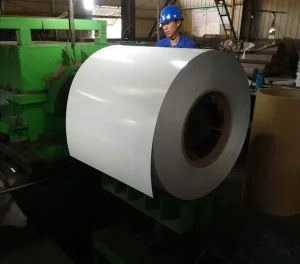
  • 4 Pre-Galvanized Production Lines: Dedicated to forming uniform, highly formable pre-coated steel components suitable for precision stamping.
  • 8 ERW (Electric Resistance Welded) Pipe Lines: Generating high-frequency induction welds with post-weld heat treatment (annealing) to eliminate residual structural stress.
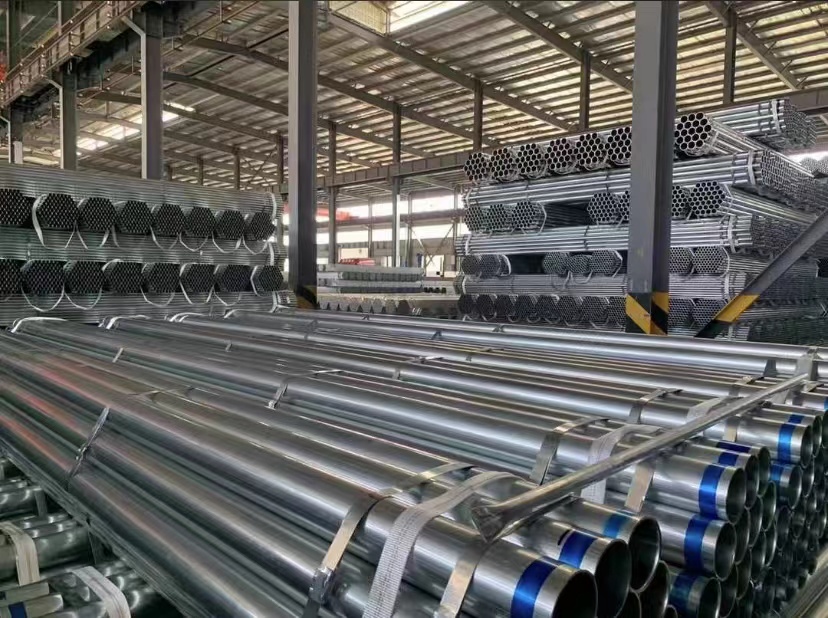
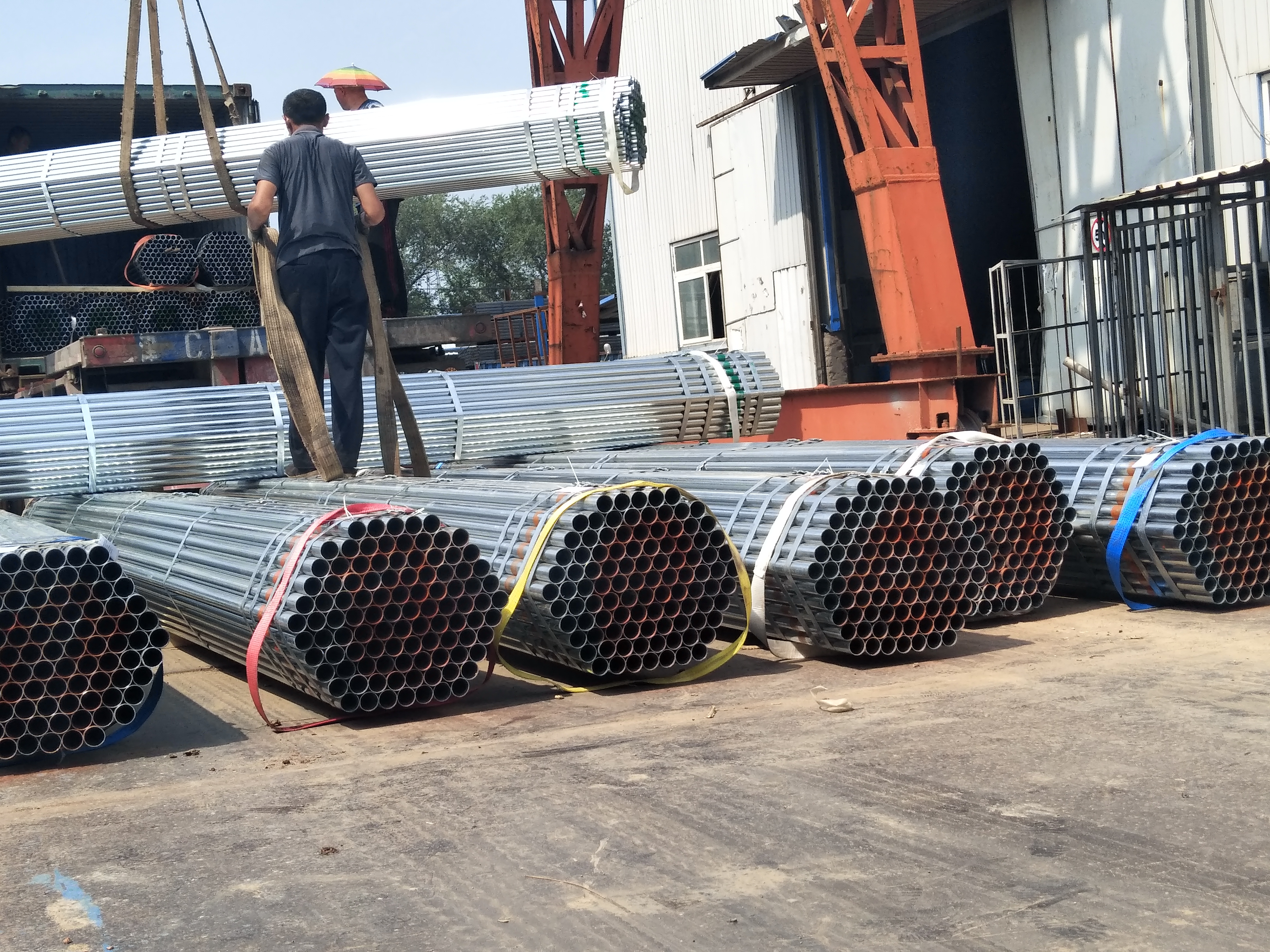
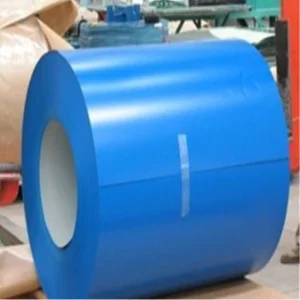
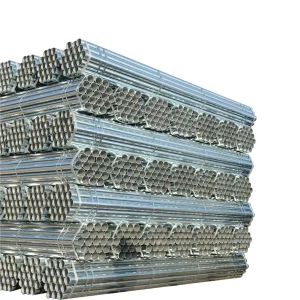
  • 3 Hot-Dip Galvanizing Process Lines: Utilizing deep zinc baths to ensure complete chemical metallization of the steel cross-section, forming robust zinc-iron alloy protective layers.
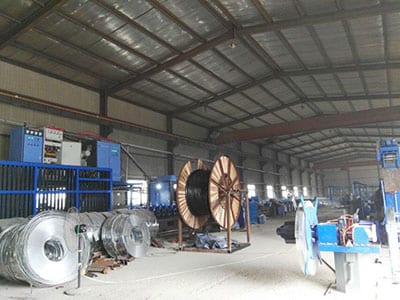
Our Global Footprint & Factory Infrastructure

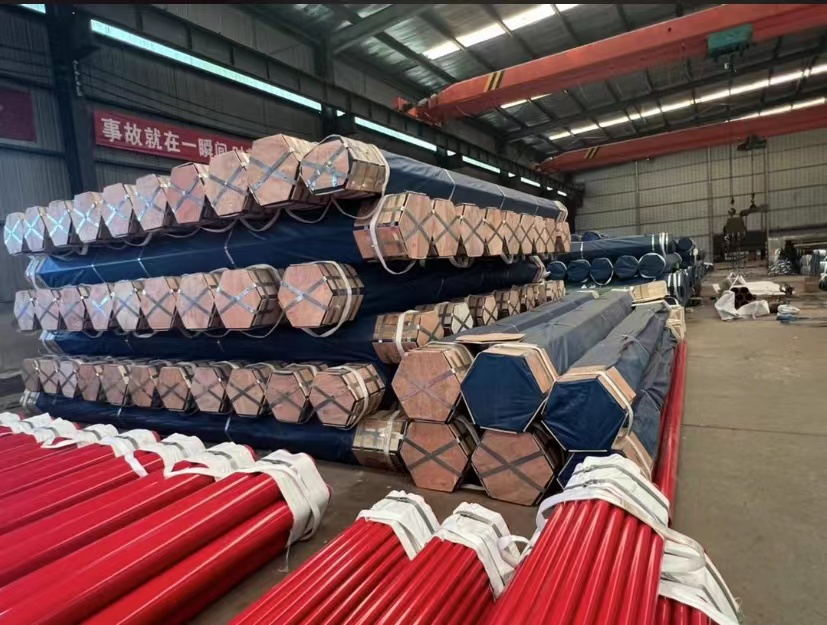
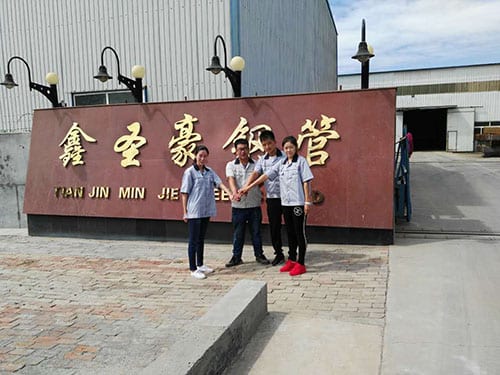
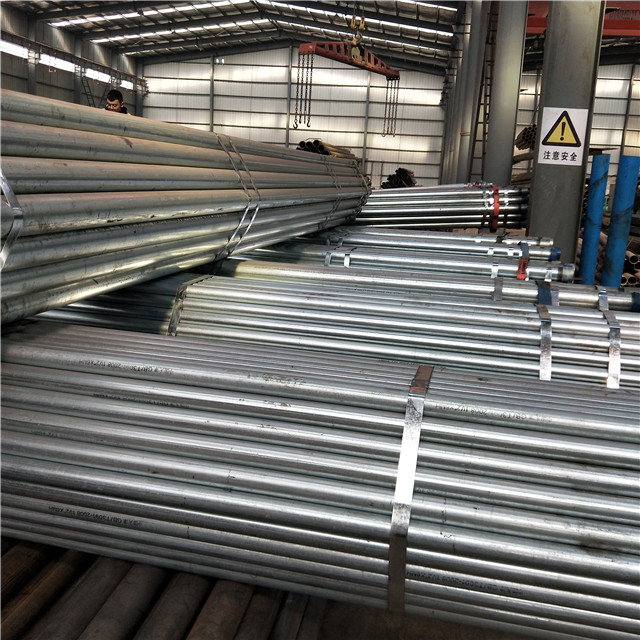
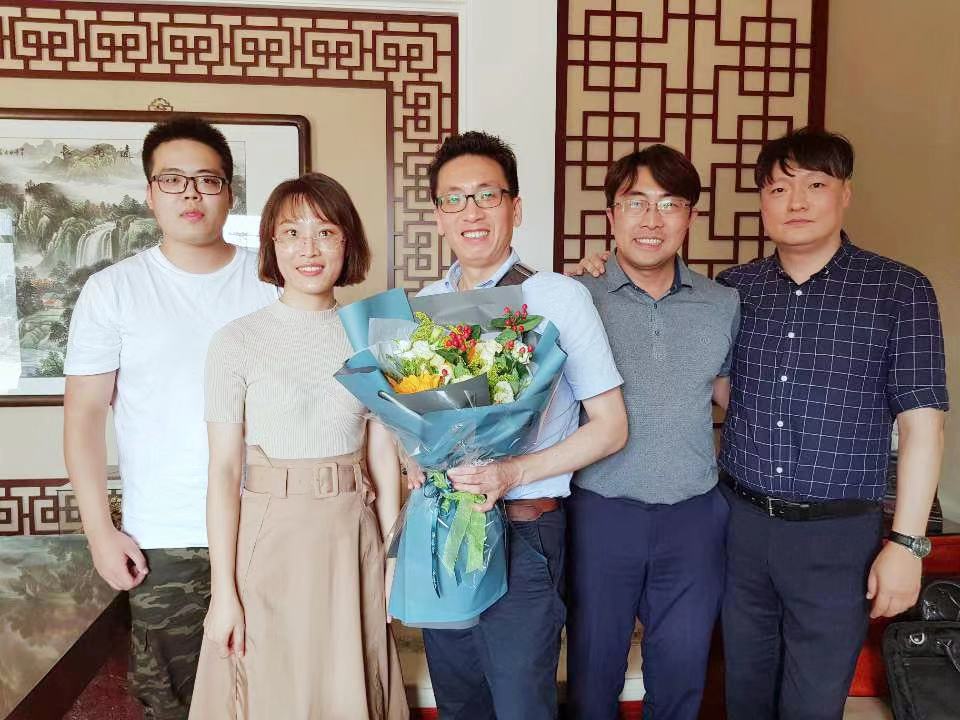
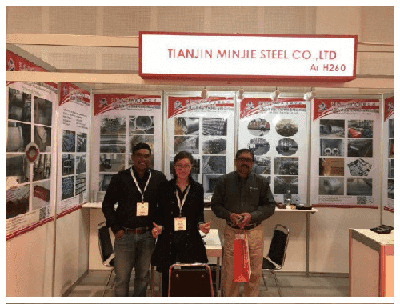
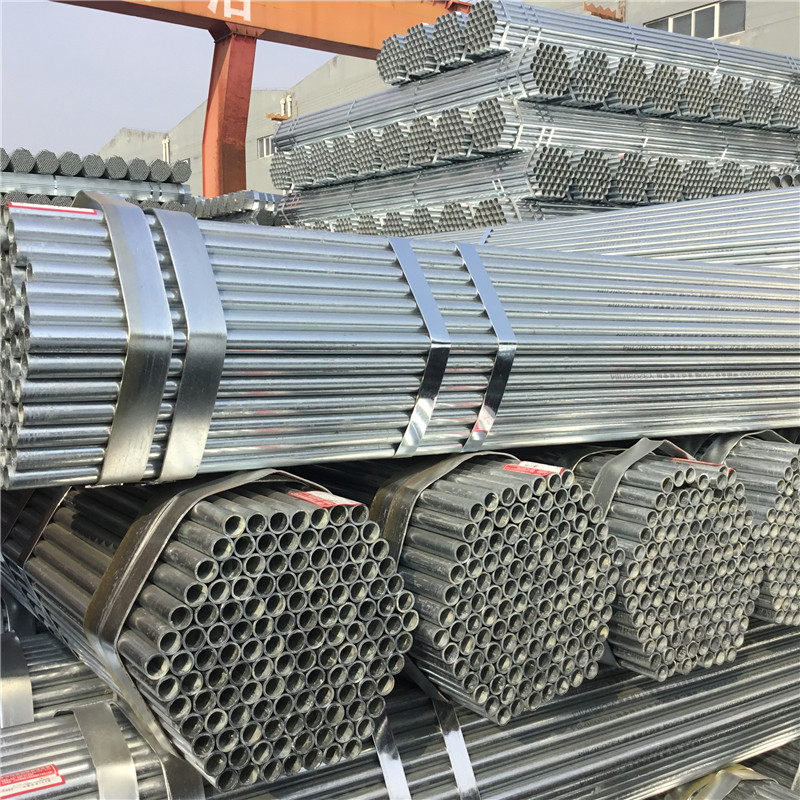
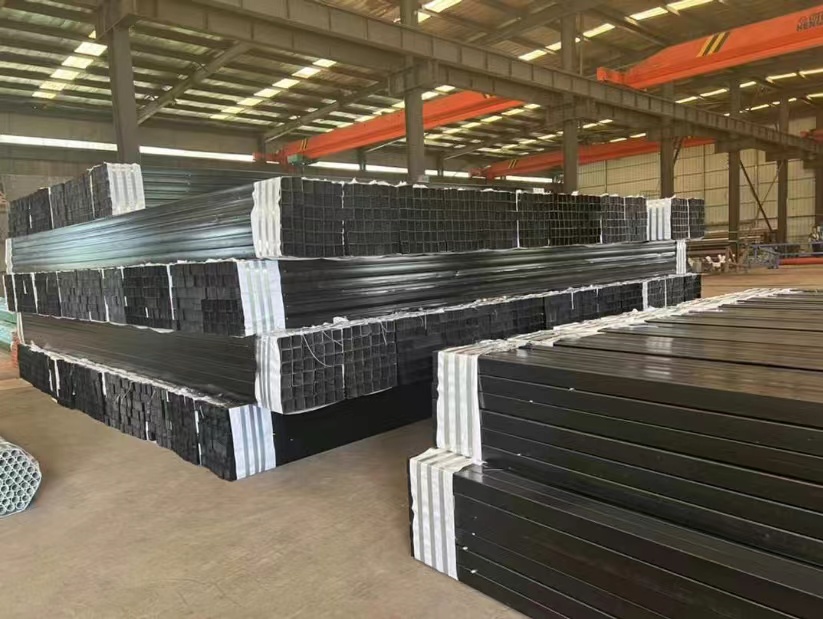
Over the past two decades, Tianjin Minjie has welcomed trade delegations and delivered high-strength steel systems to projects across the globe.
4. Technical In-Depth Q&A (FAQ)

Technical explanations regarding materials selection, chemical composition, coating weights, and loading properties.

Q1: What defines a "More To Carry" structural pipe, and how does it compare to standard commercial tubing?
A "More To Carry" pipe refers to products specifically engineered for enhanced load-bearing limits. Ordinary structural tubes may have variations in chemical composition and weld-line integrity that reduce their yield strengths under dynamic loads. We control these parameters through precise thermal cycles and low-tolerance roll-forming, providing reliable yield points (up to 345 MPa for high-strength classes) to ensure maximum safety under tension and load compression.
Q2: How does the location of your Tianjin factory benefit procurement logistics?
Tianjin Minjie is situated just 40 kilometers from XinGang Port (Tianjin), the primary maritime hub of Northern China. This close proximity reduces local container drayage costs, minimizes road transit risks for structural materials, and enables fast container delivery to the port. This logistics layout helps lower maritime transport costs and guarantees prompt shipment dispatches.
Q3: What are the distinct benefits of your patented Groove, Shoulder, and Victaulic pipe designs?
Our patented piping designs feature pre-formed mechanical grooves or shoulders, eliminating the need for on-site welding or custom threading. Field welding destroys the zinc layer, leaving steel vulnerable to quick corrosion. Our victaulic system maintains the integrity of the galvanized coating, reduces installation labor times by half, and allows for thermal movement within the pipeline without leaking.
Q4: What is the typical life expectancy of your Hot-Dip Galvanized pipes in outdoor agricultural or marine settings?
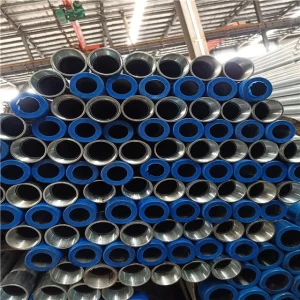
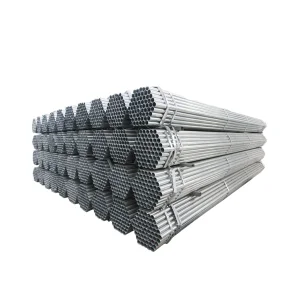
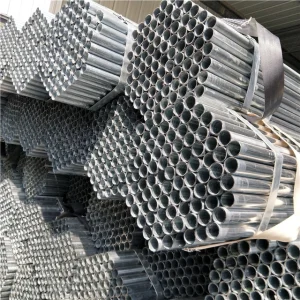
For hot-dip galvanized pipes (such as BS1387 and ASTM A36 variants), we apply high-density zinc coatings exceeding 300g/㎡ (customizable up to 500g/㎡). In standard agricultural greenhouses (C3 corrosive environments), this protective coating offers an oxidation-free lifespan exceeding 25 years. In coastal settings (C4/C5), it provides over 15 years of service before requiring first maintenance.
Q5: Can you explain your QA verification process for custom-ordered structural hollow sections?
Quality control starts with verifying metallurgical receipts from tier-one steel suppliers. We track chemical composition (including C, Mn, Si, P, S). Post-forming, our QA technicians perform non-destructive eddy current testing to verify weld-line fusion. Every batch undergoes physical yield, tensile, and elongation tests in our ISO 9001 laboratory, and customers receive formal EN 10204 3.1 Material Test Certificates (MTC).
Q6: Do you accommodate custom geometries, such as elliptical profiles, for specialized agricultural projects?
Yes, our plant is equipped with precision roll-forming dies that produce special shapes, including pre-galvanized elliptical, flat-oval, and triangular profiles. These shapes are widely used in modern, high-load greenhouse frameworks because they offer higher cross-sectional properties against wind shear and vertical load forces than standard round steel pipes.