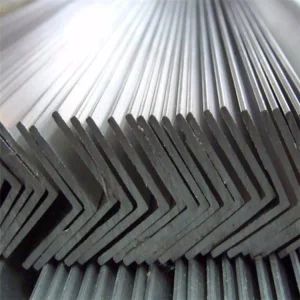
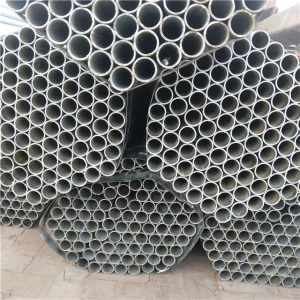
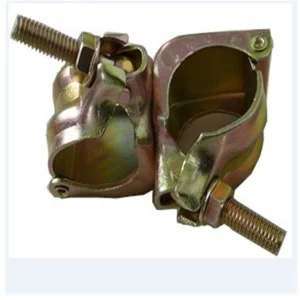
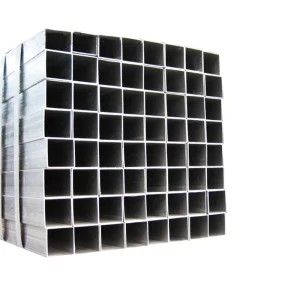
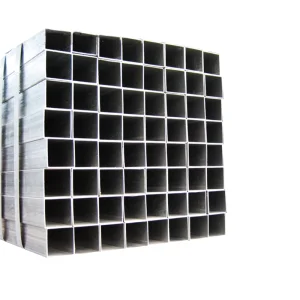
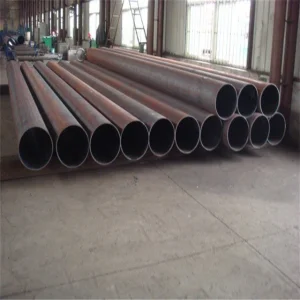
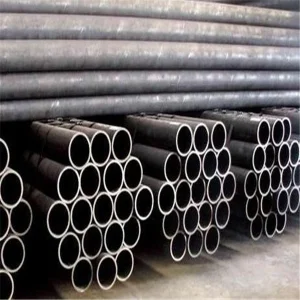
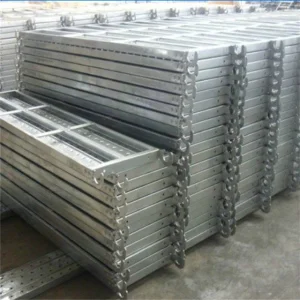
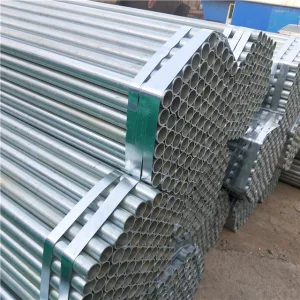
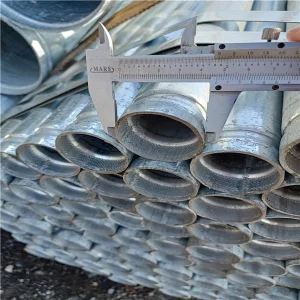
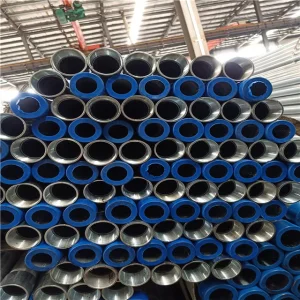
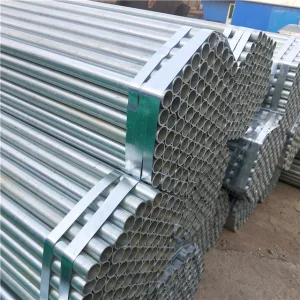
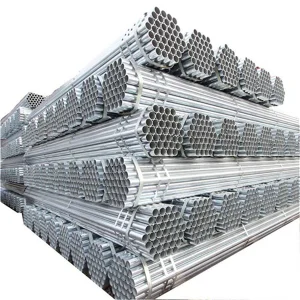
Explore our top-tier hot-rolled structural steel shapes, galvanized piping systems, and core manufacturing components.
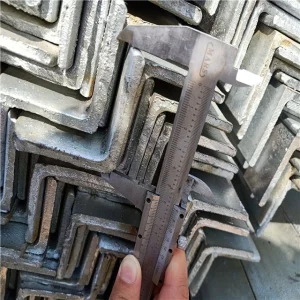
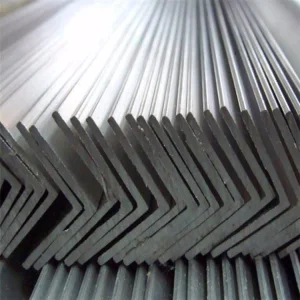
Mild Steel (MS) plate sheets, manufactured primarily through advanced hot-rolling or subsequent cold-finishing technologies, serve as the foundational bedrock for global engineering and architectural developments. Defined by a carbon composition typically ranging from 0.05% to 0.25%, mild steel combines optimum weldability, high ductility, and exceptional formability with cost-effective structural strength. Unlike high-carbon variants, MS plate sheets are highly receptive to surface treatments such as hot-dip galvanization, pickling, and oiling, making them incredibly versatile across aggressive atmospheric conditions.
As a leading China MS Plate Sheet Supplier & Factory, Tianjin Minjie Steel Co., Ltd addresses critical performance metrics for structural components. Heavy industrial projects rely on MS plates for high load-bearing designs. By selecting precise alloy formulations (such as ASTM A36, Q235B, Q345B, and EN 10025 S235JR), our international clients ensure that their projects comply with rigorous structural calculation criteria, balancing tensile limits with superior structural safety margins.
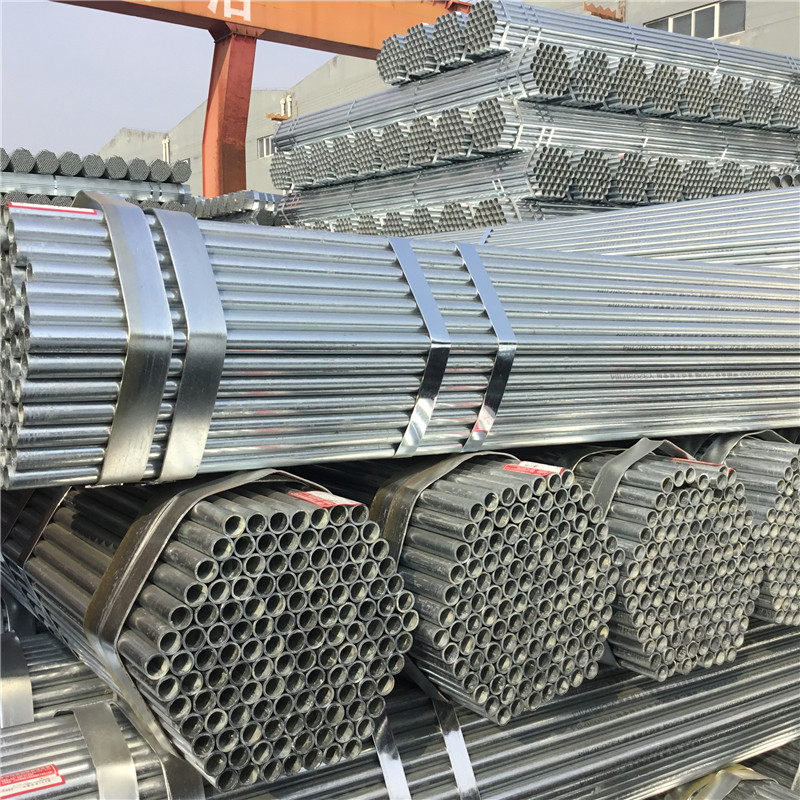
Analyzing the industrial cluster effects, logistics integrations, and raw material capabilities that define China's metallurgical dominance.
China's steel clusters feature unparalleled vertical integration. From iron ore smelting and blast furnace refinement to high-capacity hot rolling mills, the production chain is fully contiguous. This eliminates cross-province transit costs, controls thermal energy loss, and ensures strict batch-to-batch chemical homogeneity. Ultimately, these factors deliver structural stability and reliable performance for engineering applications.
Tianjin Minjie Steel is located just 40 kilometers from XinGang Port, the largest port in Northern China. This close proximity ensures minimal overland transport overhead, reduces the risk of coastal humidity exposure for finished steel sheets, and allows for rapid bulk or container vessel shipping to global markets. This ensures competitive, reliable freight logistics for our international clients.
Leveraging state-of-the-art hydraulic levelers, laser-guided slitting machines, and computer-controlled shearing lines, Chinese manufacturing centers deliver MS sheets custom-cut to precise lengths. This minimizes on-site scrap, reduces weld joint requirements, and optimizes material utilization for large-scale bridge, industrial vehicle, and infrastructure fabrications.
Cross-reference table matching global material standards, chemical properties, and yield profiles for MS plates.
| Standard Name | Common Grade | Carbon Content Max (%) | Yield Strength Min (MPa) | Tensile Strength (MPa) | Key Applications |
|---|---|---|---|---|---|
| GB/T 700 | Q235B / Q345B | 0.20% | 235 / 345 | 370 - 500 | Greenhouses, civil building materials, structural piping, agricultural machinery structures. |
| ASTM | A36 / A572 Gr. 50 | 0.25% | 250 / 345 | 400 - 550 | General machinery construction, bridge design, rivets, bolted joints, offshore components. |
| EN 10025 | S235JR / S355JR | 0.22% | 235 / 355 | 360 - 510 | Heavy steel scaffolding systems, container frameworks, infrastructure baseplates. |
| JIS G3101 | SS400 / SS490 | 0.25% | 245 / 325 | 400 - 510 | Shipbuilding, railway rolling stock, storage tanks, pre-fabricated steel frame structures. |
An overview of our manufacturing capacity, quality control infrastructure, and global footprint.
Founded in 1998, Tianjin Minjie Steel Co., Ltd has evolved into a premier manufacturer and exporter of high-grade steel solutions in Northern China. Our state-of-the-art facilities are equipped with:
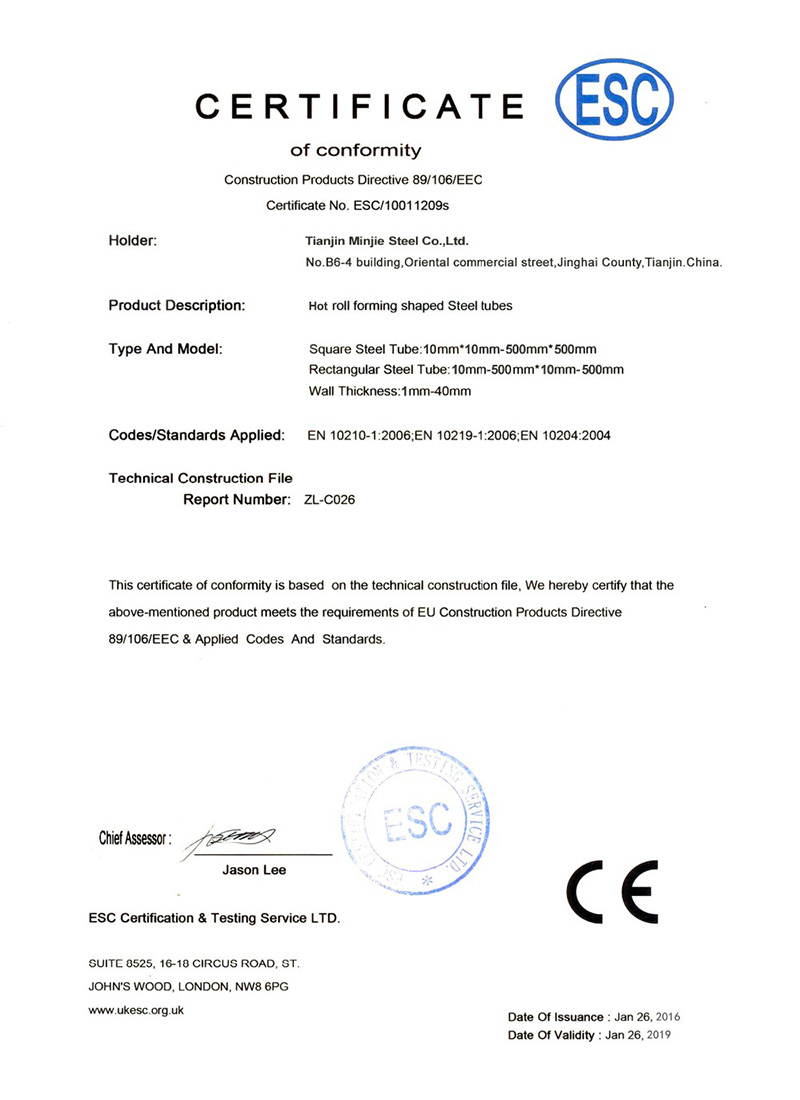
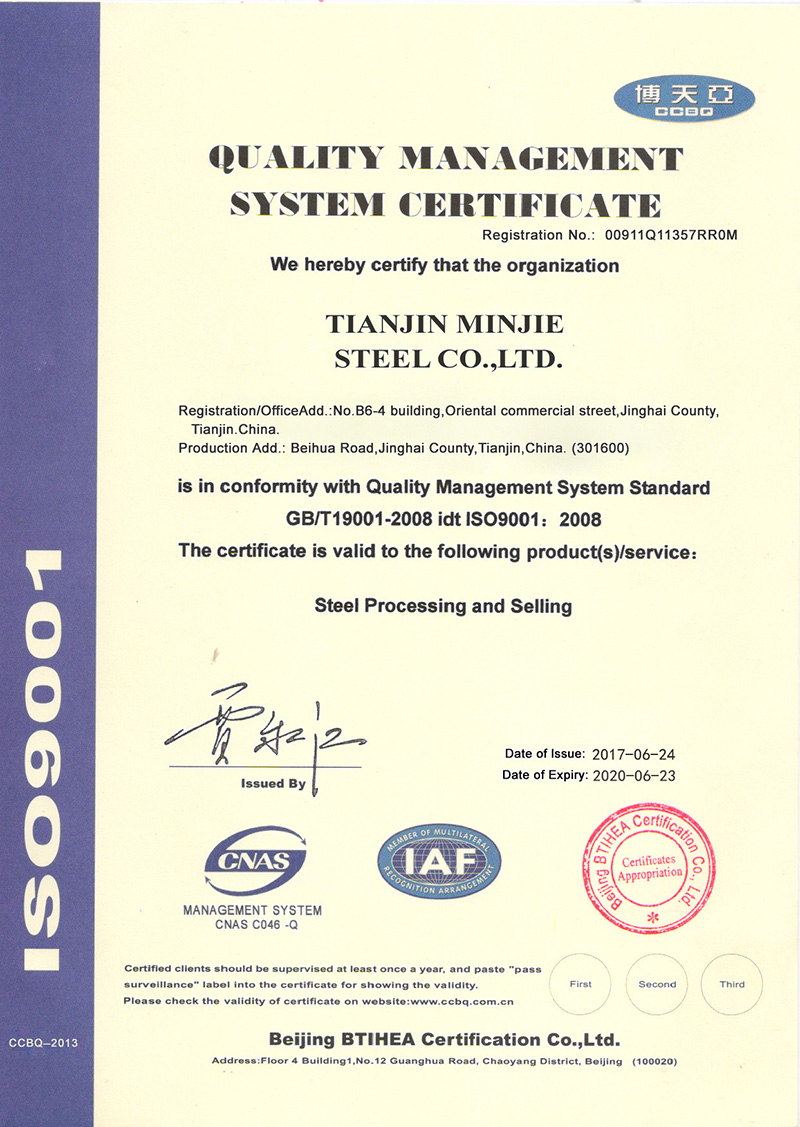
All of our structural products are manufactured under the ISO9001 quality certification framework, ensuring international compliance with standards like ASTM, DIN, GB, and JIS.
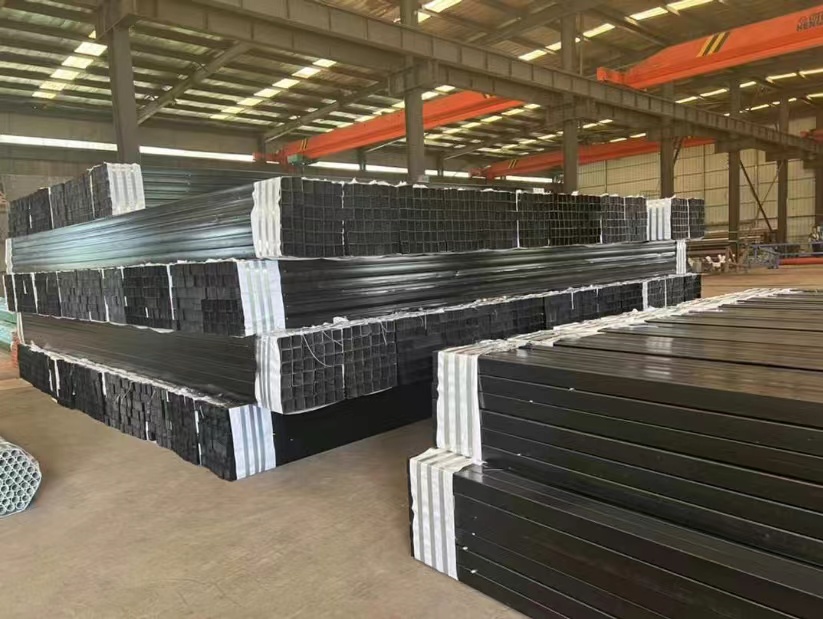
Our long-term partnerships are built on transparency. Clients worldwide visit our factory to verify our quality control systems firsthand.
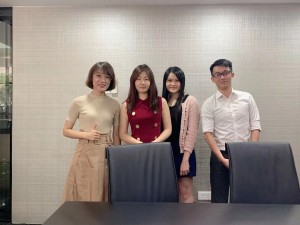
In September 2019, our team visited Singapore clients to align technical parameters for local urban developments, earning high praise for our quality assurance systems.
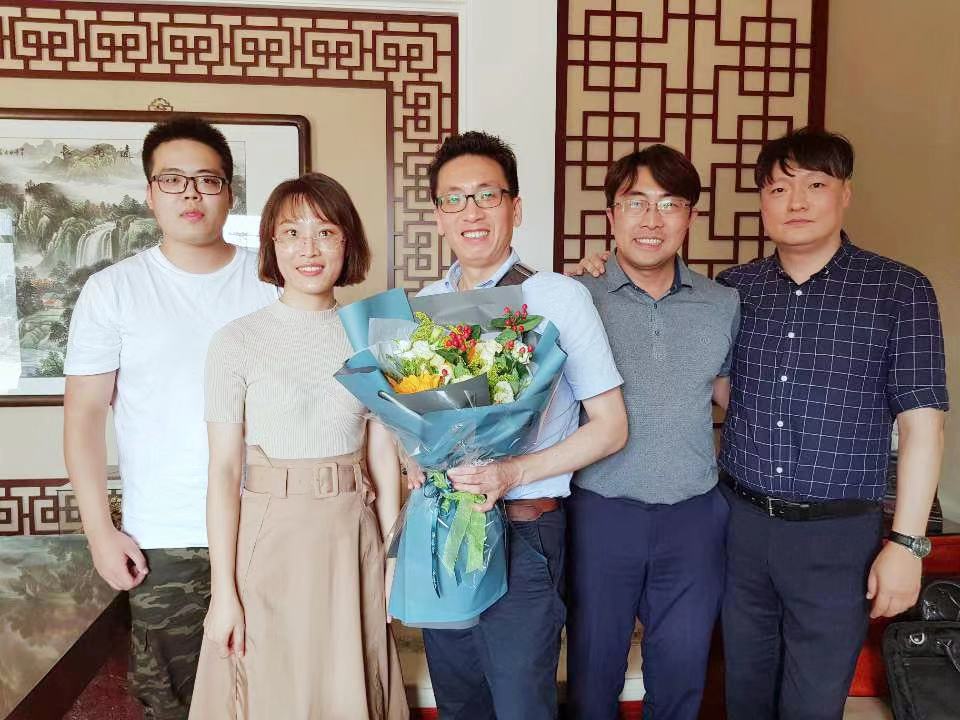
In 2019, South Korean engineering clients visited our factory to collaborate on customized structural profiles, leading to a long-term supply agreement.
A long-term Australian partner visited our Tianjin factory in November 2018 to perform structural test validations, confirming our capacity to meet local standards.

Following audits of multiple Northern China factories, an Indian procurement group chose Minjie, signing a recurring monthly order of 10 containers.

In June 2017, a delegation from Lebanon audited our high-frequency welding processes and placed a spot order for 1,000 tons of steel pipe.

A client from Saudi Arabia, met at the Canton Fair, visited our production lines in 2018 and established a long-term partnership for infrastructure materials.
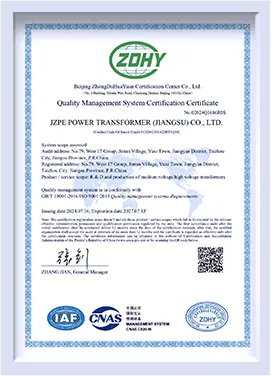
Our manufacturing processes are verified by international testing agencies to ensure compliance with global structural standards.
How mild steel plates, sheets, and structured profiles drive heavy industrial applications globally.
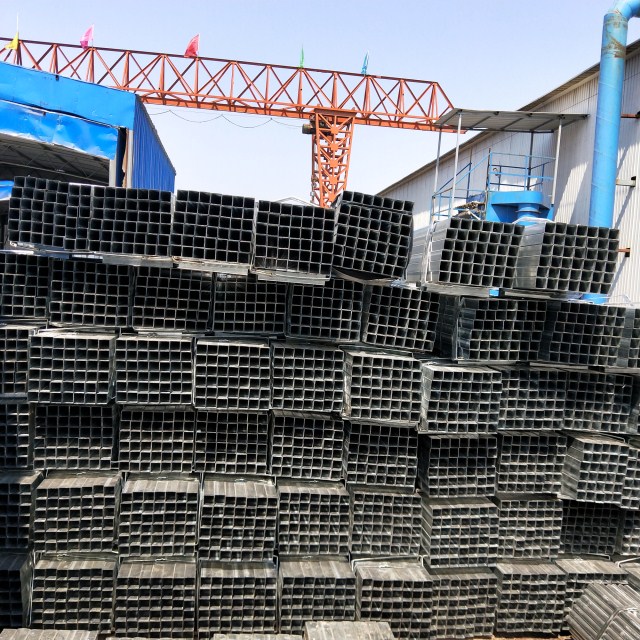
Mild steel plate products are essential for structural beams, column base plates, and bridge girders. The low-carbon properties of ASTM A36 and Q235B provide excellent fatigue resistance and reliability under tensile loading, making them ideal for high-stress zones in seismic structures and high-rise developments.
Due to constant exposure to soil moisture, chemical fertilizers, and fluctuating temperatures, agricultural structural tubes and structural sheets require robust protection. Utilizing our pre-galvanized and hot-dipped zinc coatings prevents atmospheric oxidation, significantly extending the lifespan of greenhouse frames and agricultural machinery components.
From manufacturing international cargo containers to designing heavy-duty warehouse racking, MS sheet material provides the strength and wear resistance required for heavy handling and high stacking. Our precise slitting processes help shipping lines and logistics hubs build structural frameworks that maximize structural integrity while keeping deadweight to a minimum.
Expert metallurgical and logistic insights to streamline your next procurement cycle.
Q235B has a yield strength of 235 MPa and is widely used for general structural components. Q345B is a low-alloy, high-strength steel with a yield strength of 345 MPa. It contains small additions of manganese and other micro-alloying elements, making it suitable for heavy-duty components and load-bearing structures that require reduced weight without sacrificing structural integrity.
We use a multi-layered protection protocol: applying passivation treatments to the zinc coating, wrapping products in water-resistant VCI paper, and securing bundles with steel strapping. Desiccant packs are also placed inside cargo containers to absorb excess humidity during ocean shipping.
Yes. Leveraging precision rolling mills and advanced cold leveling machinery, we can achieve tolerances that are tighter than standard commercial requirements (such as ASTM A6 or EN 10029 specifications). Please specify your exact dimensional and flat tolerances when requesting a quote.
Each batch is shipped with a Mill Test Certificate (MTC) conforming to EN 10204 3.1. This certificate details the chemical composition (Carbon, Manganese, Silicon, Sulfur, Phosphorus) and mechanical test results (Yield Strength, Tensile Strength, Elongation, and Impact testing where applicable) of the material.
Explore our structural hollow sections, API line pipes, scaffolding components, and galvanized fittings designed for harsh working environments.
 Minjie Steel