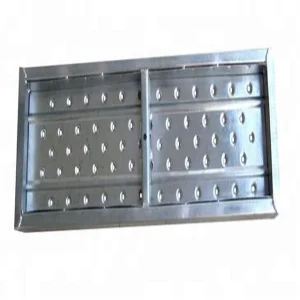
Explore our industrial grade steel tubes, sheets, and structural pipes conforming to rigorous global certifications.
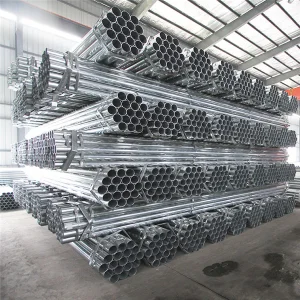
In the globalized industrial landscape, sourcing steel pipes, hollow sections, structural steel, and scaffolding components requires an intricate understanding of B2B discount frameworks. B2B "offers and discounts" from leading Chinese steel mills and factories do not represent arbitrary retail price cuts. Instead, they constitute highly structured, index-linked volume pricing models, production run scheduling efficiencies, and logistics consolidation strategies. High-volume purchases of structural materials, such as China Square Steel Pipe Q235 or API 5L Seamless Steel Pipe, allow manufacturers to maximize continuous production campaigns, which substantially reduces the scrap rate and tooling transition times.
Industrial buyers can realize significant cost savings by scheduling orders to coincide with mill rolling programs. Tianjin Minjie Steel Co., Ltd utilizes an integrated manufacturing grid to synchronize buyer schedules with raw hot-rolled strip supplies. By offering rebates and optimized pricing scales on volume commitments exceeding certain tonnages, the factory minimizes structural overheads. This efficiency is directly transferred to global engineering contractors and stockists. Understanding these seasonal and logistics-based structural discounts is key to optimizing capital expenditure (CAPEX) for global pipeline, civil infrastructure, and commercial construction projects.
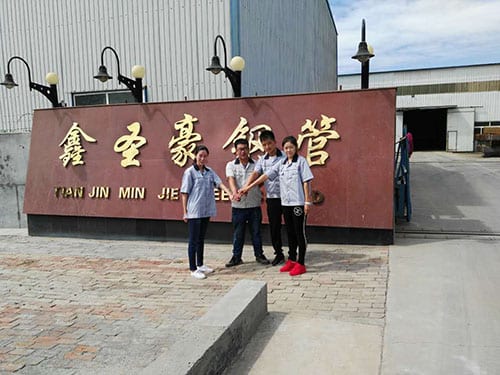
Established in 1998, Tianjin Minjie Steel Co., Ltd has evolved from a regional tube mill into a massive, globally recognized steel manufacturing powerhouse. Spanning a state-of-the-art facility of over 70,000 square meters, our strategic positioning just 40 kilometers from XinGang Port—the primary maritime gateway to Northern China—provides an unparalleled logistical edge. This physical proximity allows us to rapidly dispatch heavy containers directly to international freight liners, shielding buyers from costly and complex domestic freight transits.
Over the last 25 years, our technical division has pushed the boundaries of mechanical connection technology, securing 3 core patents that have revolutionized modular fluid and gas piping:
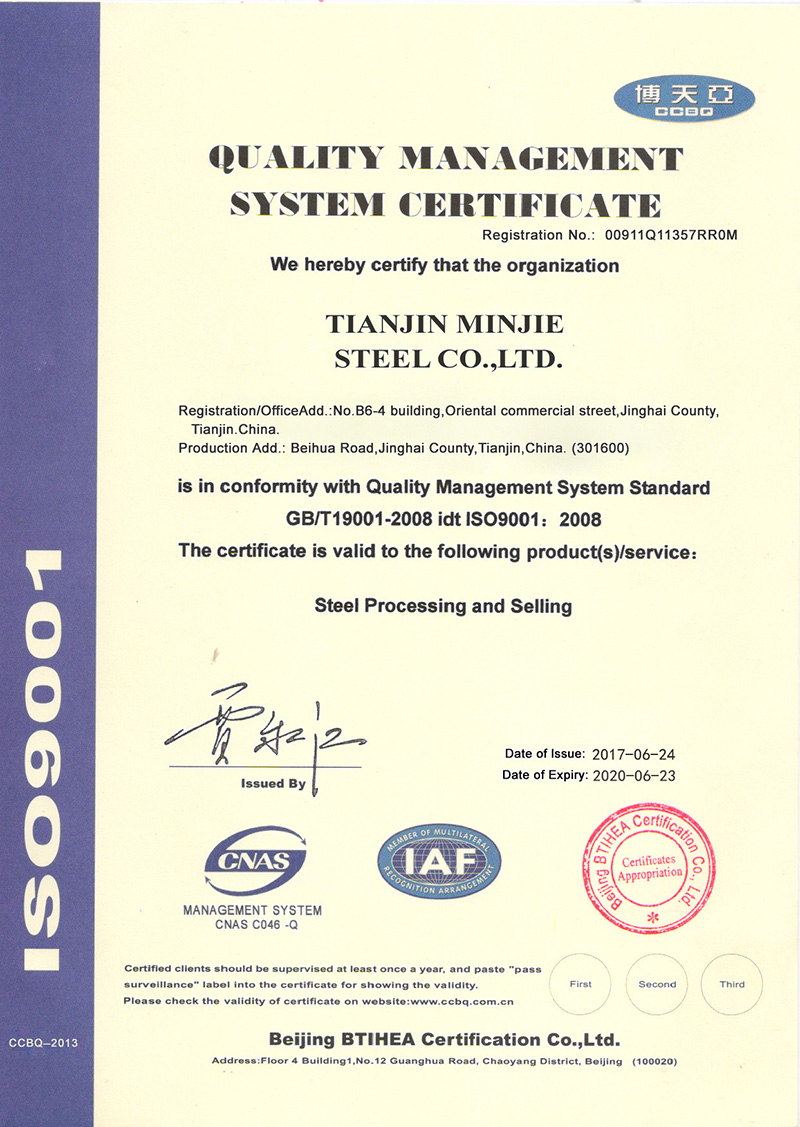
Our manufacturing infrastructure is designed to fulfill massive bulk orders under strict international standard guidelines. Our production floor features 4 pre-galvanized product lines, 8 ERW steel pipe product lines, and 3 hot-dipped galvanized process lines. Every production run is meticulously aligned with global quality standards, including GB, ASTM, DIN, and JIS. This comprehensive adherence is validated by our rigorous, audited ISO 9001 quality management system.
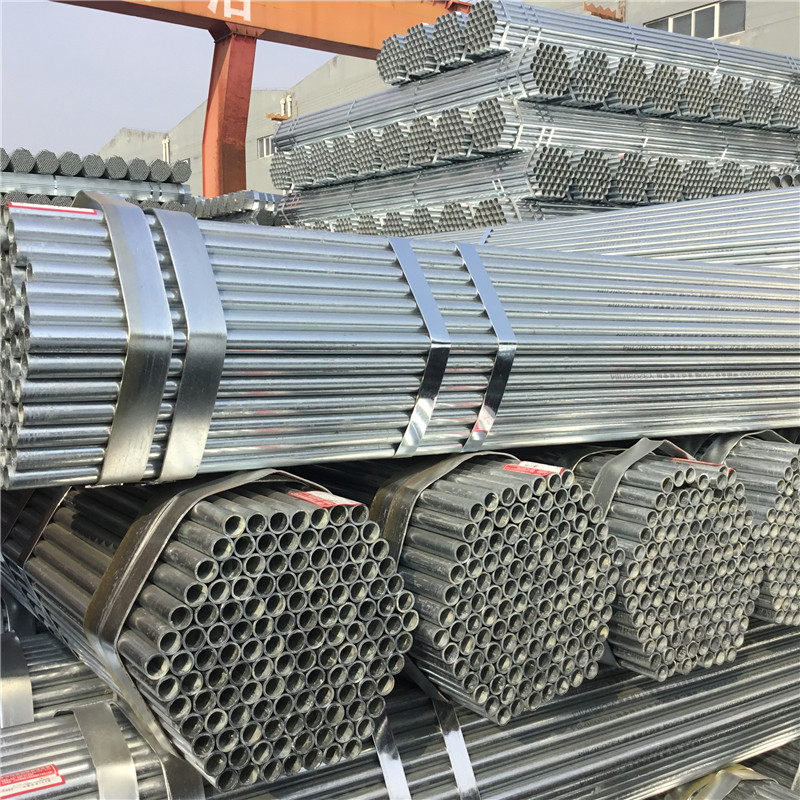
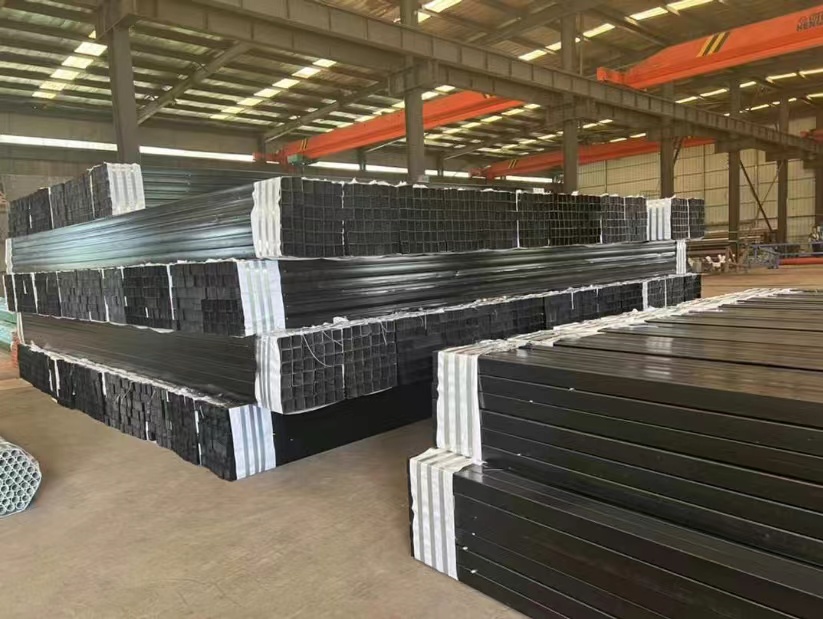
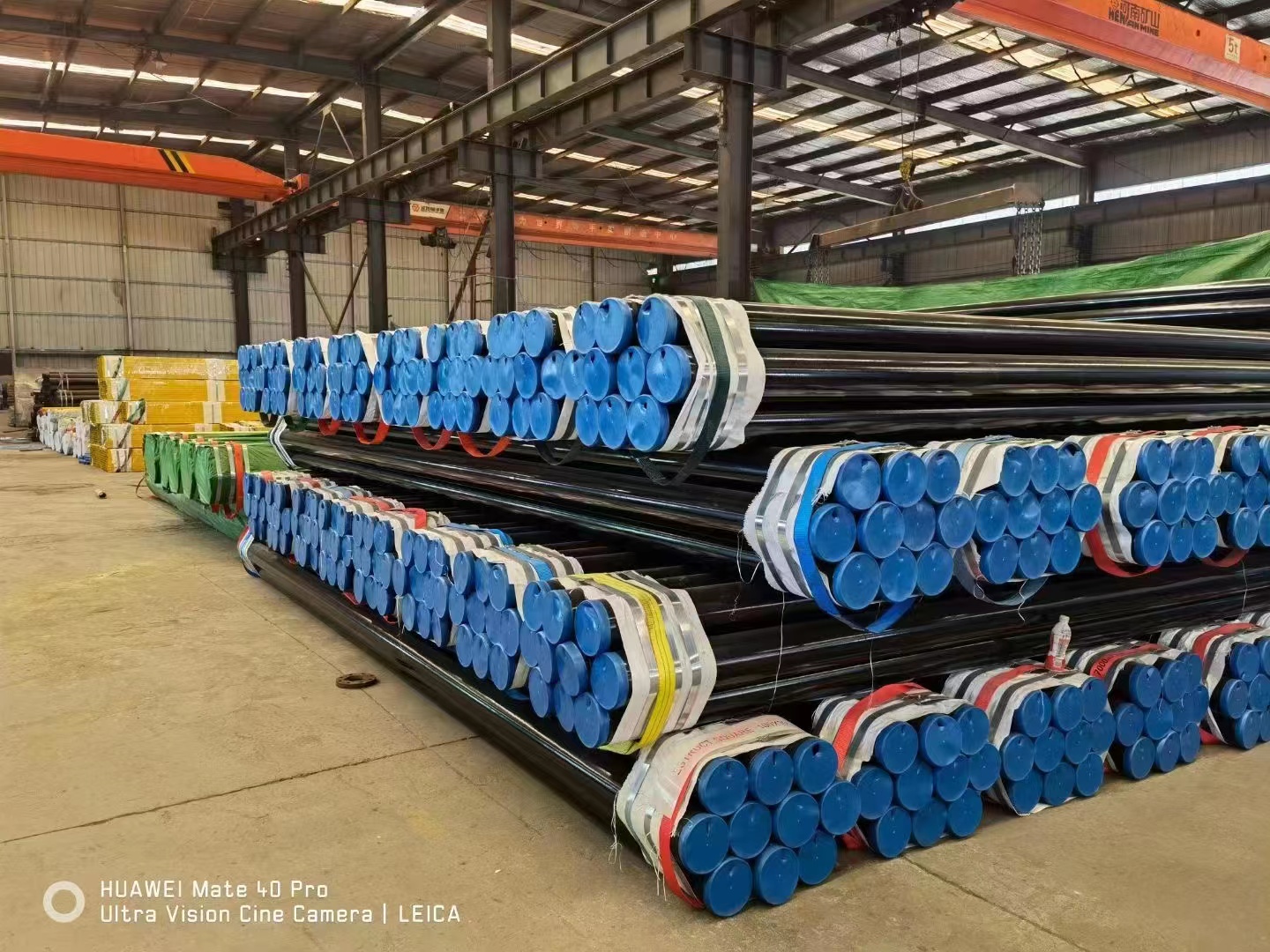
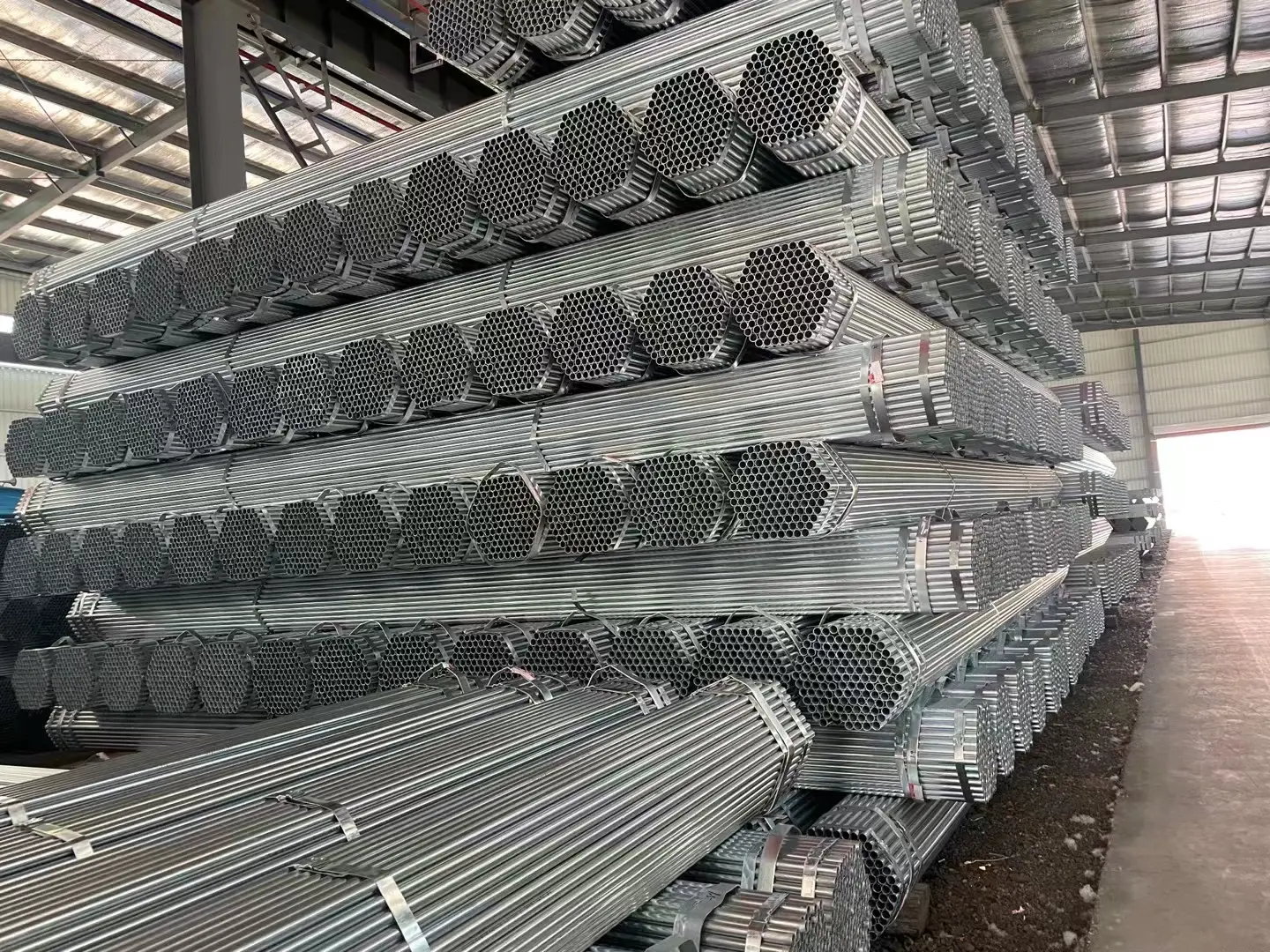
A transparent look inside our modern steel processing workshops, high-capacity warehouses, and raw material yards.
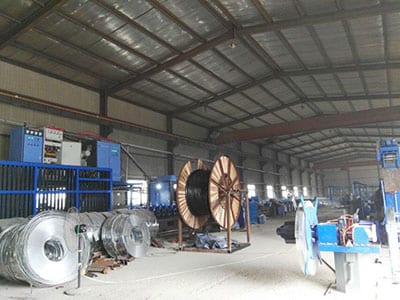
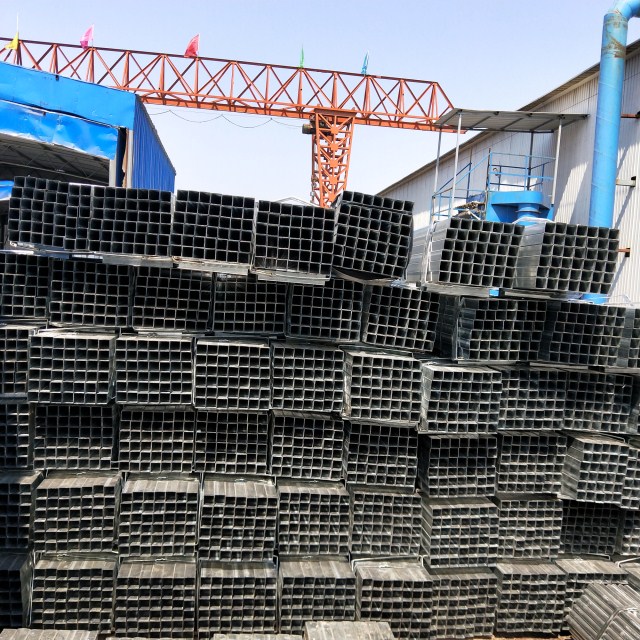
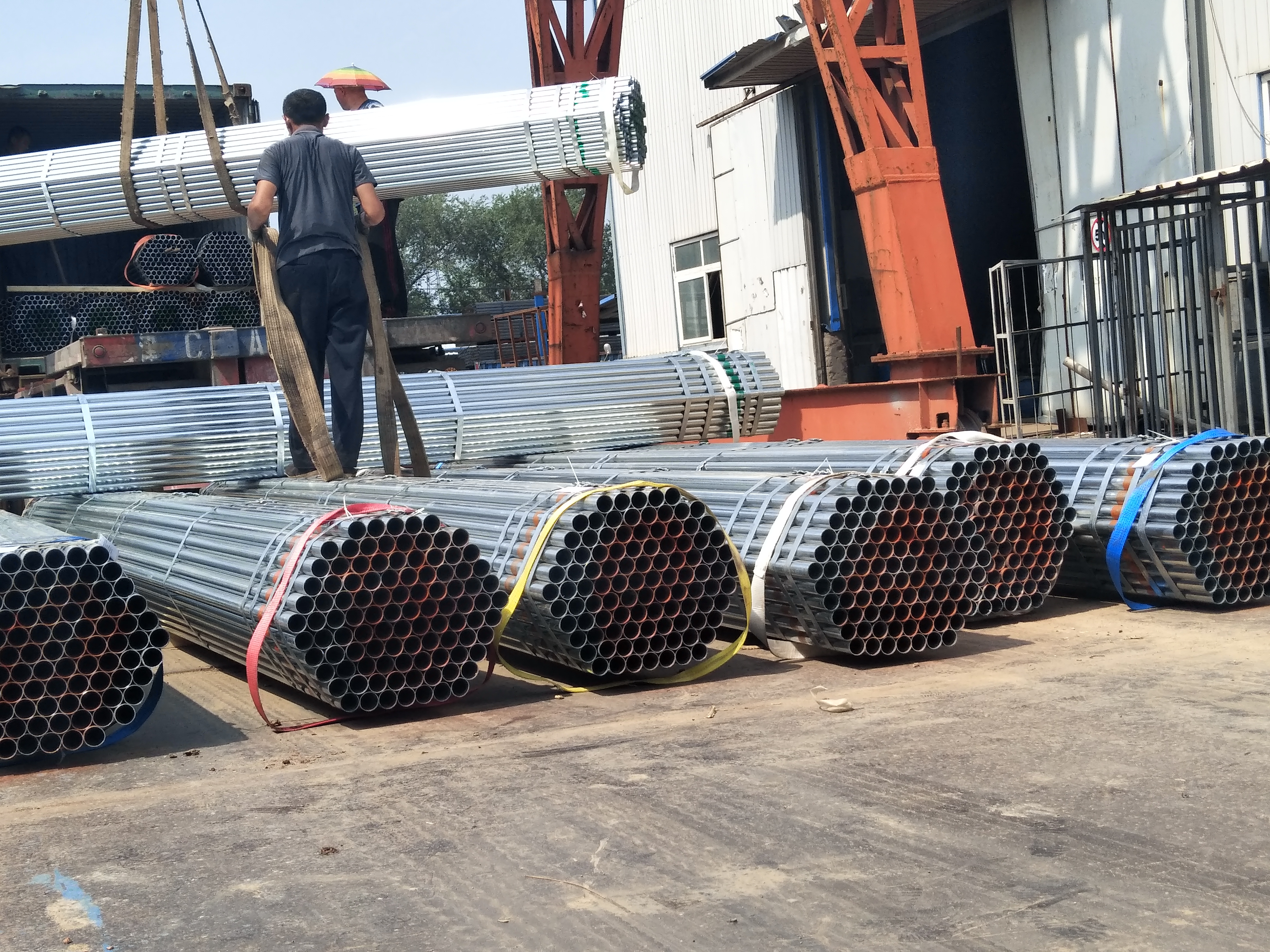
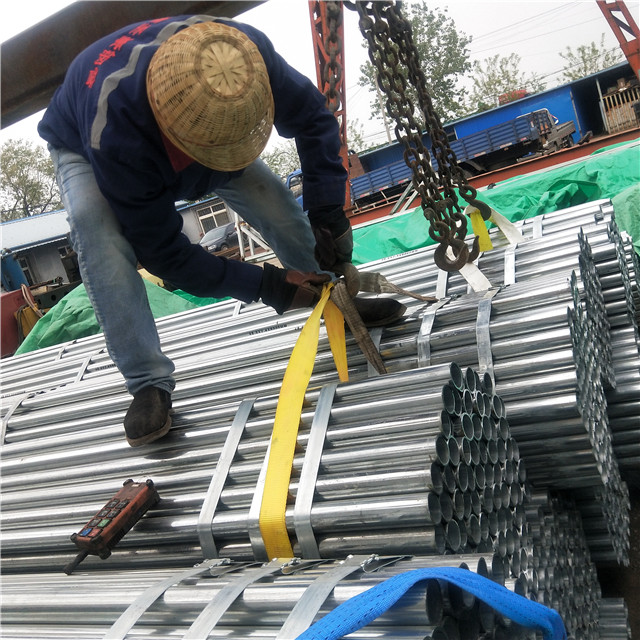
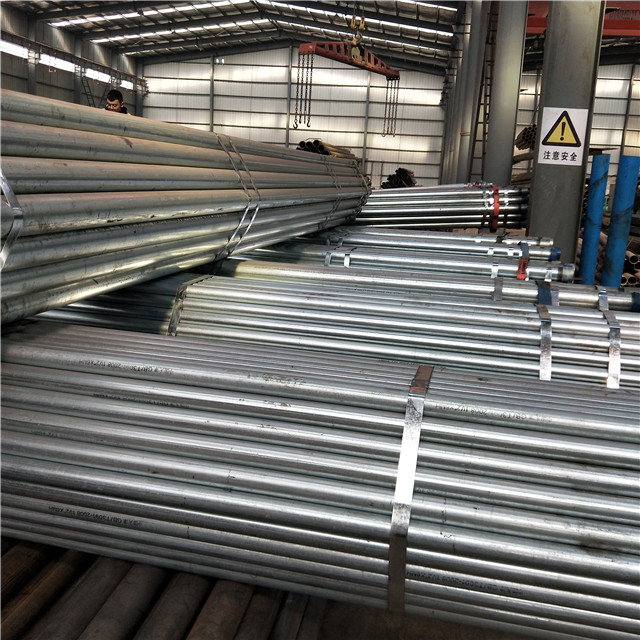
Modern procurement is shifting away from fragmented trading agents toward direct integration with primary producers. Global engineering firms in the United States, Europe, Australia, and the Middle East demand rigorous compliance with design parameters, thickness tolerances, and chemical compositions. Steel products such as China mild steel hot-dipped galvanized rectangular tubes are no longer commodity items; they are structural building blocks that require detailed mechanical testing, raw material mill test certificates (MTC according to EN 10204 3.1), and precise coating weights.
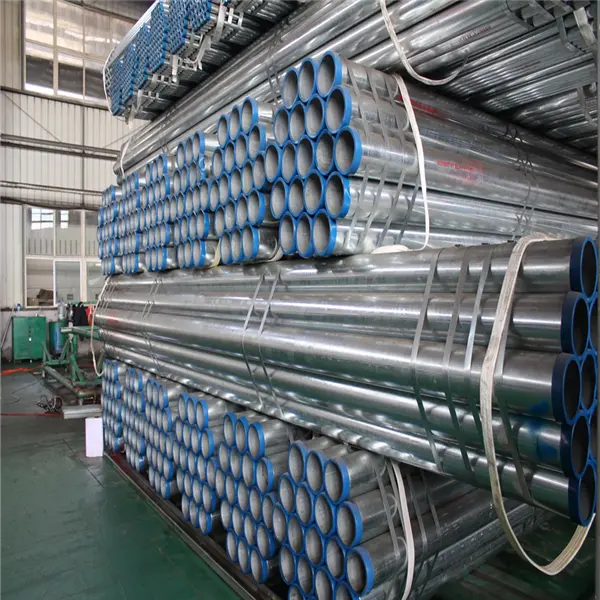
For instance, construction firms in high-seismic zones like Chile or New Zealand require structural hollow sections (SHS and RHS) fabricated from Q235B and Q345B steel to meet precise tensile yield points. Similarly, offshore infrastructure builders require API 5L line pipes to withstand deep-sea pressures, acidic environments, and sour gas transport. Direct pipeline integration with Tianjin Minjie ensures that buyers bypass intermediate margins, securing custom length specifications (up to 12 meters) and customized protective caps or specialized beveling.
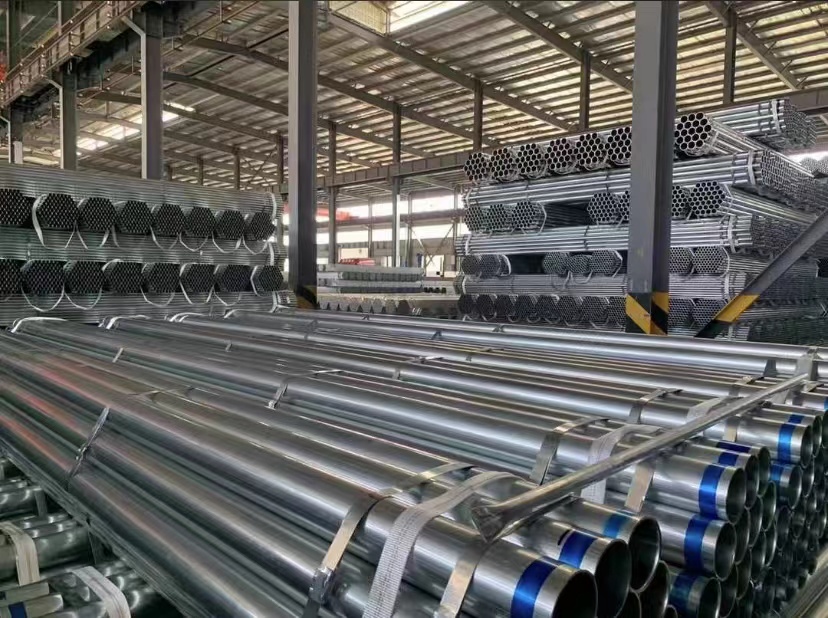
China's continued dominance in global steel manufacturing is rooted in its highly integrated supply chain clusters. Unlike factories scattered in remote areas, Tianjin's steel clusters offer an immediate geographic proximity to raw material producers, smelting works, cold-rolling mills, and zinc refineries. This ecosystem drastically reduces internal transport costs and minimizes the energy loss and oxidation that occurs during long transits of raw billets.
At Tianjin Minjie, this vertical integration is fully leveraged. With our 4 pre-galvanized lines and 3 hot-dipped galvanized lines operating in tandem, we processing steel from raw hot-rolled coils to finished, packed structural tubes in a continuous loop. Our close relationship with domestic shipping routes and proximity to XinGang Port means that we can secure container availability and schedule bulk cargo vessels even during high-demand shipping seasons.
Additionally, Tianjin Minjie's annual production capacity of over 300,000 tons gives us substantial purchasing power when sourcing raw zinc ingots and hot-rolled strips. This volume efficiency allows us to secure raw materials at prices lower than smaller producers, and we pass these savings directly to our global customers.
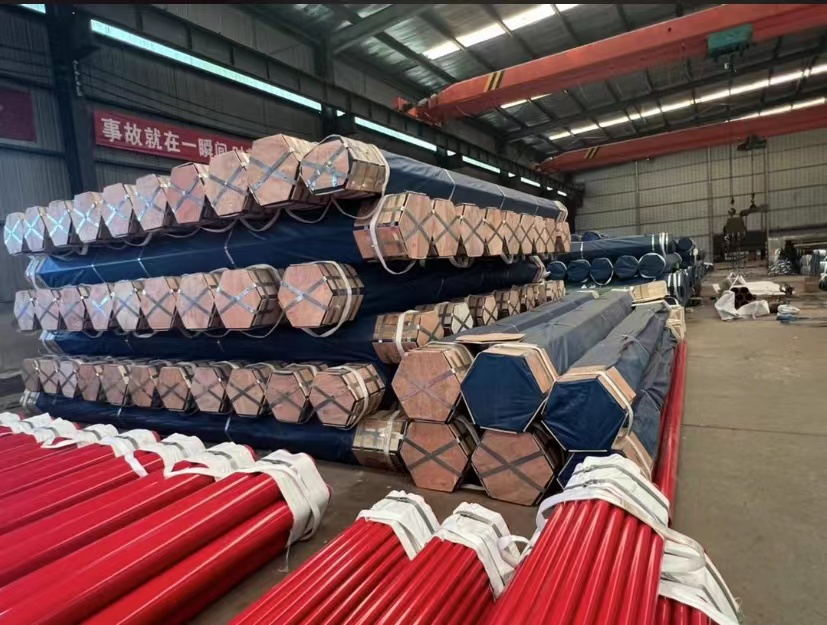
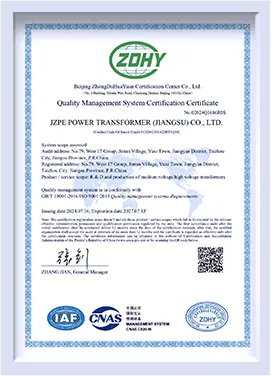
Verifiable third-party test certifications, environmental management standards, and mechanical inspection documents.
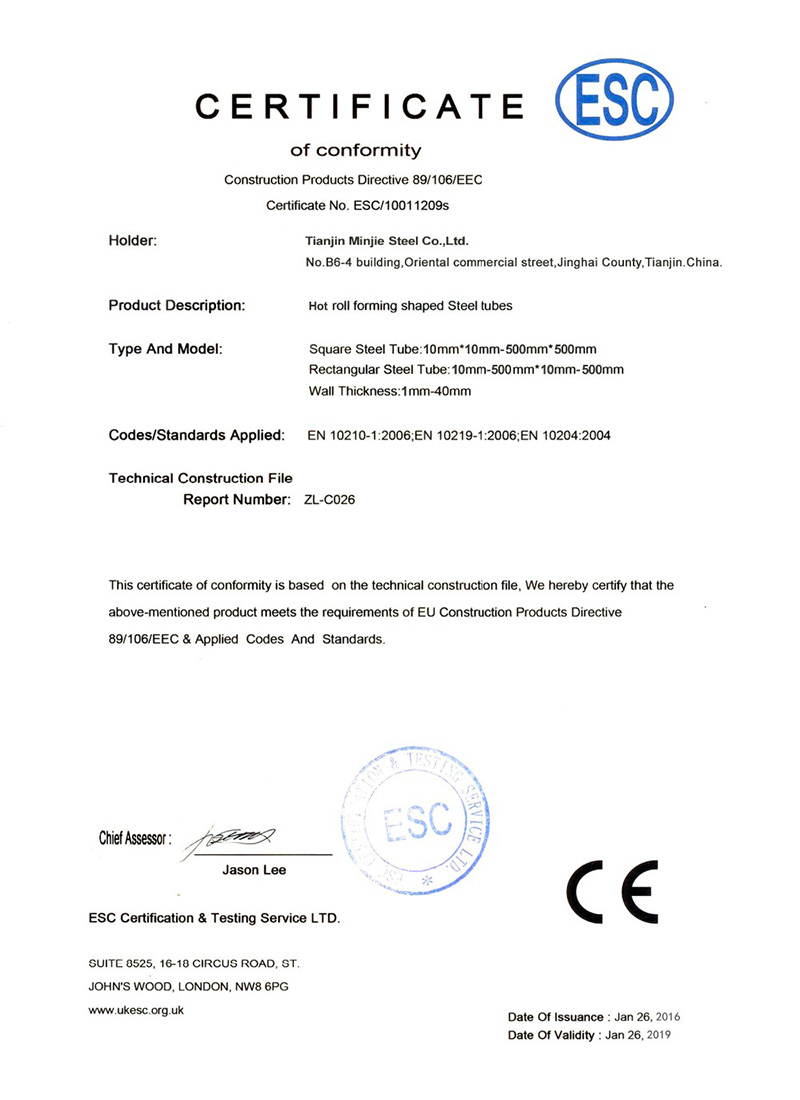
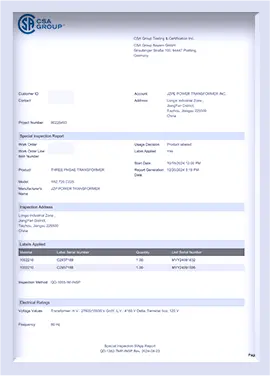
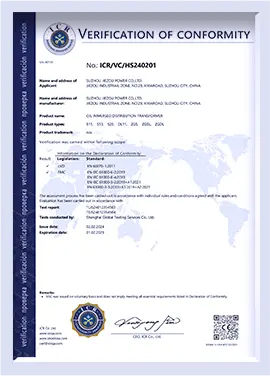
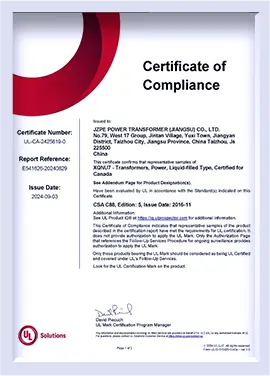
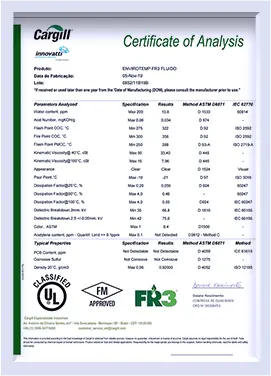
A key bottleneck in cross-border steel trade is navigating localized compliance, including anti-dumping duties, tariff classification codes (HS Codes), and regional quality standards. To streamline imports, Tianjin Minjie provides comprehensive, pre-verified documentation. We coordinate closely with international cargo inspectors—such as SGS, BV, and Cotecna—to conduct pre-shipment testing directly at our factory warehouses. This process ensures that variables like wall thickness tolerance (typically ±5% to ±10% depending on standards) and zinc coating thickness (e.g., Z100 to Z275 for pre-galvanized; up to 610g/m² for hot-dip galvanized) are thoroughly documented before the material is loaded.
To support projects in South Korea, Singapore, Australia, and the Middle East, our technical advisors provide localized assistance. We adapt our products to meet regional building codes, such as the Singapore Building and Construction Authority (BCA) BC1 requirements, Australian AS/NZS 1163 structural steel specifications, and European EN 10219 structural configurations. By resolving potential compliance issues at the engineering phase, we prevent customs delays and ensure smooth delivery at the port of destination.
The structural steel industry is undergoing a digital and environmental transformation. Buyers increasingly demand lower carbon footprints, trace-back material origins, and automated precision. Tianjin Minjie is actively modernizing its facilities, integrating AI-assisted ultrasonic weld inspection across our 8 ERW production lines. This technology detects structural voids or weld inconsistencies in real-time, automatically isolating defective tubes.
Furthermore, automated zinc bath temperature regulation on our hot-dipped galvanized lines ensures a highly uniform coating layer. This precision limits excess zinc buildup while maintaining standard compliance. This balance results in highly consistent dimensional profiles and reliable mechanical threads. As global developers adopt BIM (Building Information Modeling), the demand for tight dimensional tolerances (such as ASTM A500 Grade B/C structural tubes) will continue to rise. Our investment in advanced sizing and straightening machinery positions our factory to meet these future construction standards.
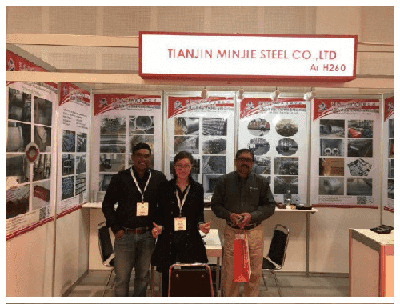
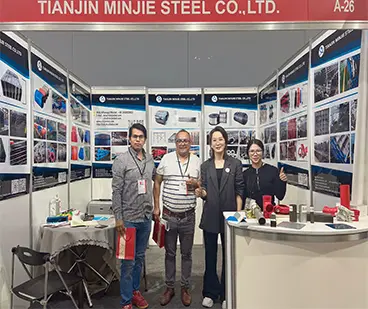
Tianjin Minjie attends major global industry exhibitions, including the Canton Fair, to showcase our latest patented piping systems and meet with long-term international partners.
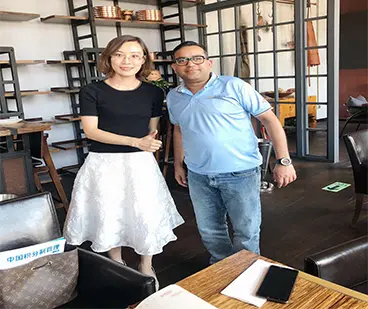
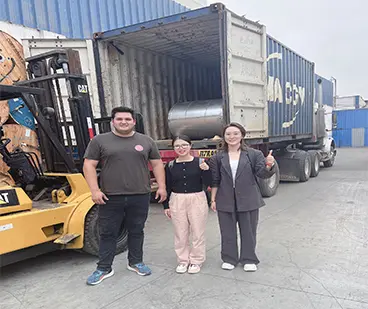
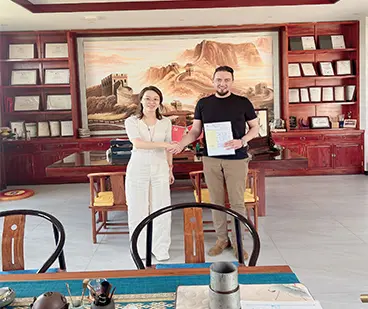
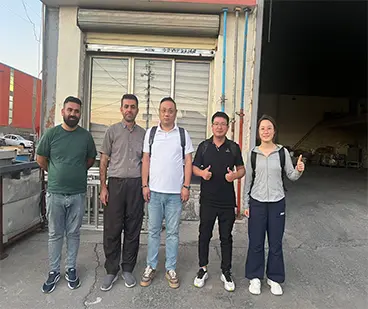
Building long-term international partnerships through transparent face-to-face factory audits and collaborative engineering design sessions.
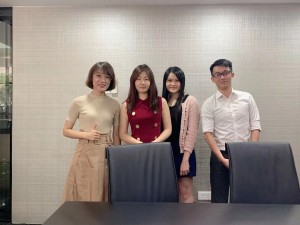
We traveled to Singapore to inspect structural project sites and review scaffolding safety standards. This visit resulted in a long-term supply agreement for customized galvanized scaffolding tubes.
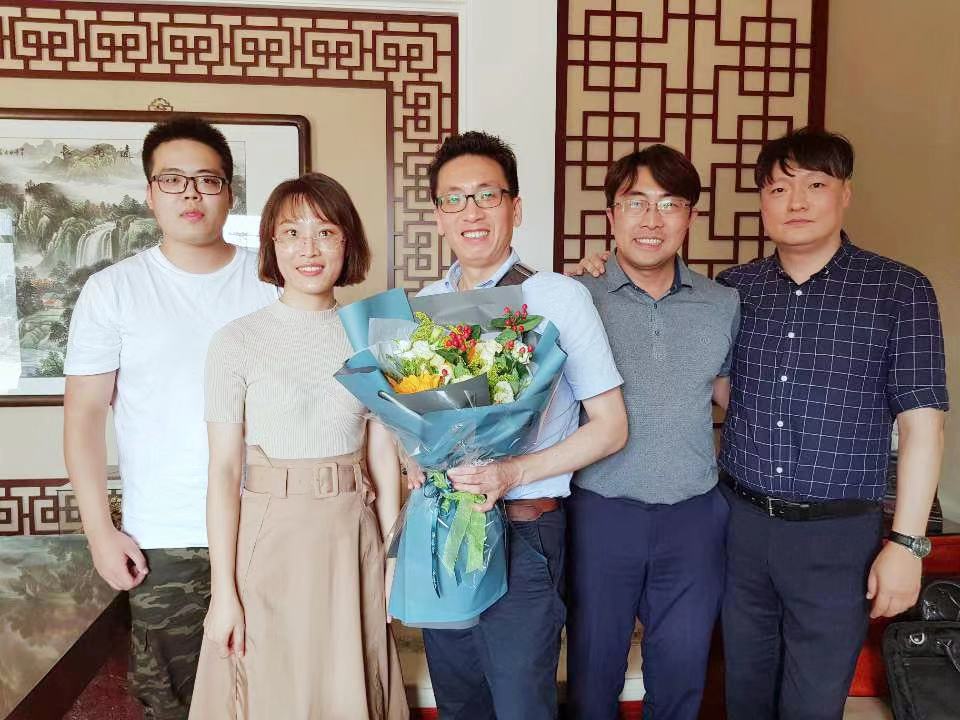
A leading South Korean engineering team visited our factory to align custom dimensions for complex greenhouse framing. We established tight tolerances for color-coated galvanized coils to meet their specifications.
A long-term Australian distribution partner visited our factory to audit our 3 hot-dipped galvanized lines. They confirmed compliance with AS/NZS 1163 structural steel requirements for regional distribution.
After auditing multiple regional mills, the Indian procurement delegation selected Tianjin Minjie. They signed a framework agreement for 10 structural container loads per month of ERW steel pipe.
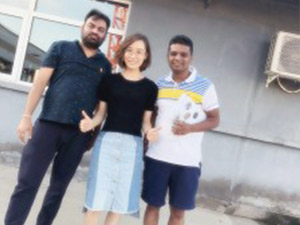
An infrastructure contractor visited our Tianjin facility. Impressed by our automated threading lines, they signed a contract for 1,000 metric tons of galvanized piping for municipal utility projects.
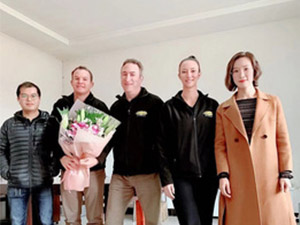
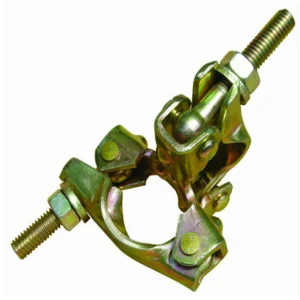
Met at the Canton Fair, our Saudi Arabian partner visited to finalize supply specifications for scaffolding fittings. We established a long-term supply line for Q235 scaffold couplers.
Custom-tailored steel products engineered for specialized structural, agricultural, and mechanical applications worldwide.
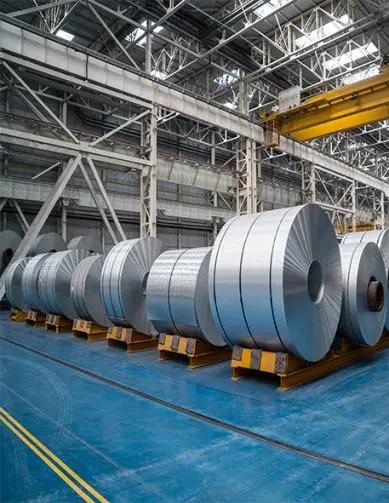
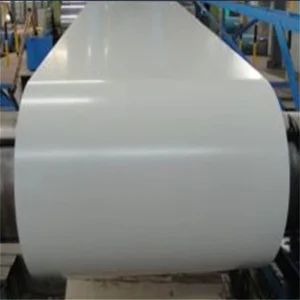
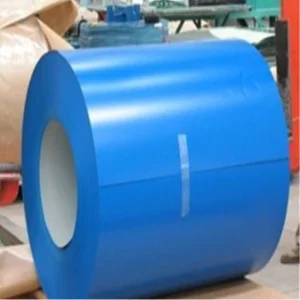
Hot dipped galvanized steel coil, pre-painted galvanized steel coil, and color-coated steel strip.
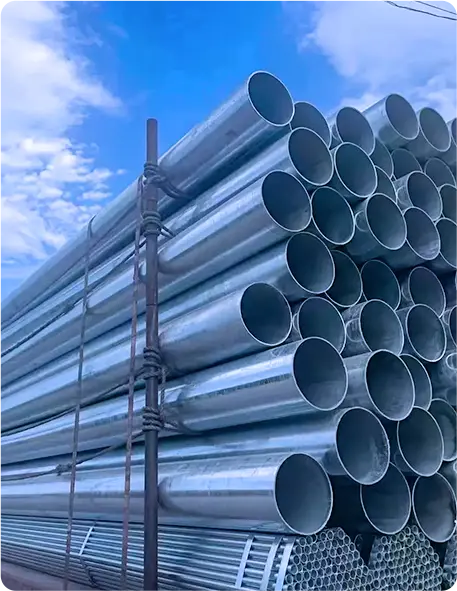
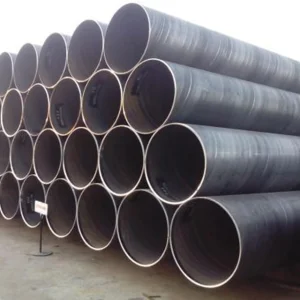
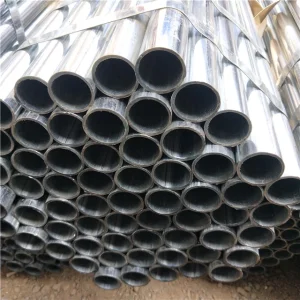
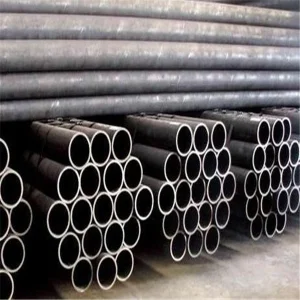
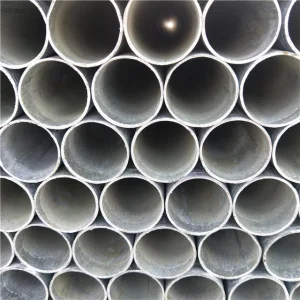
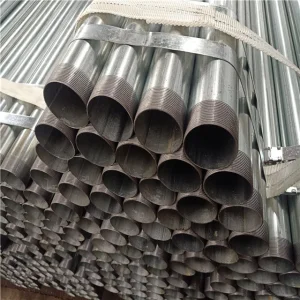
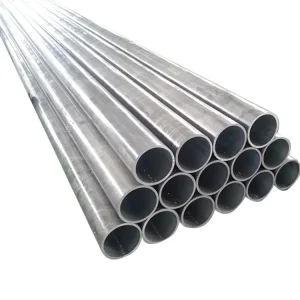
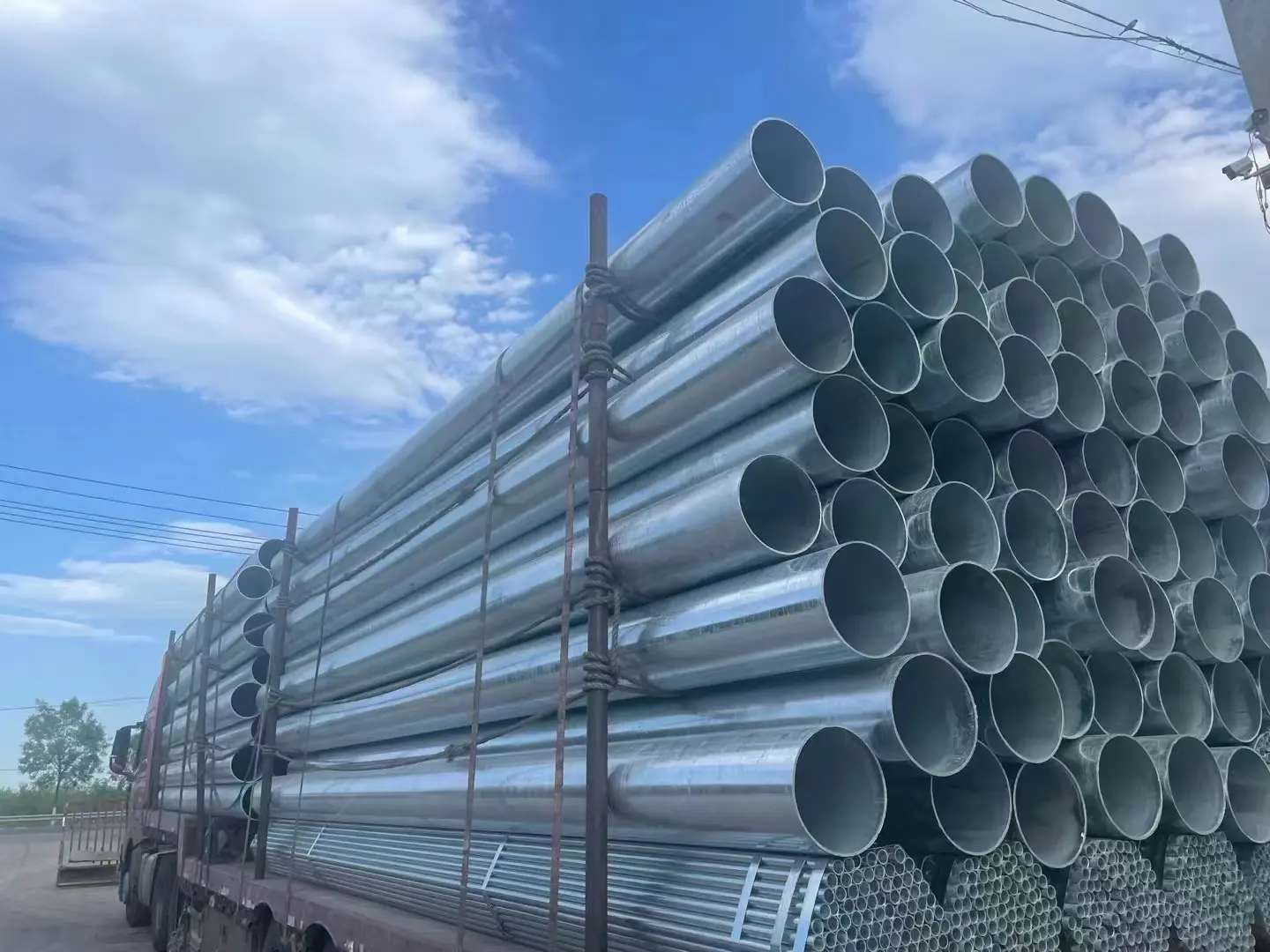
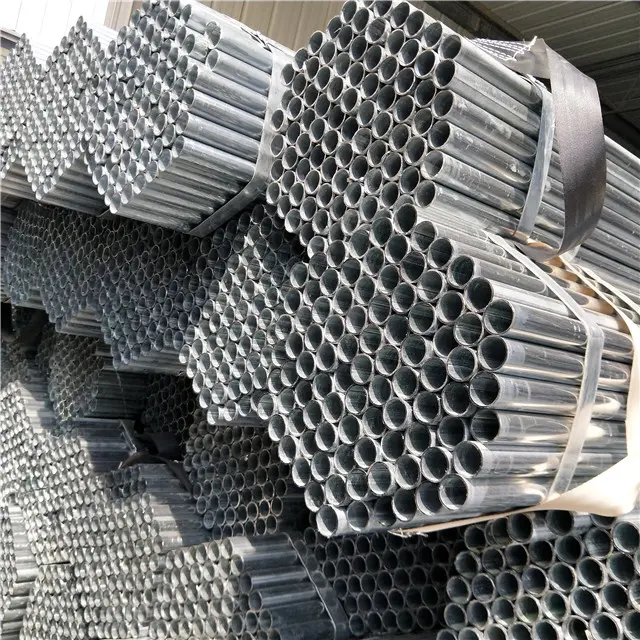
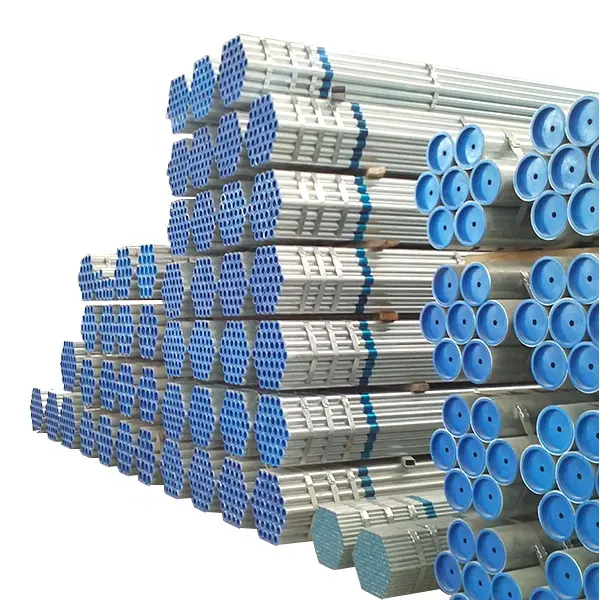
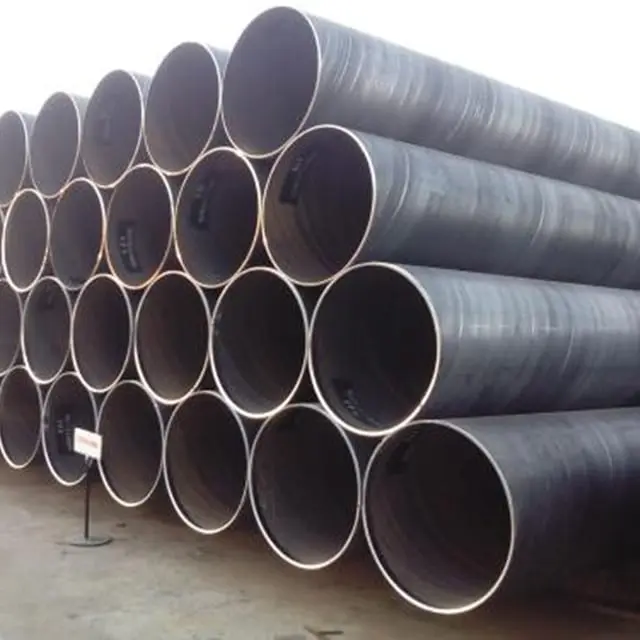
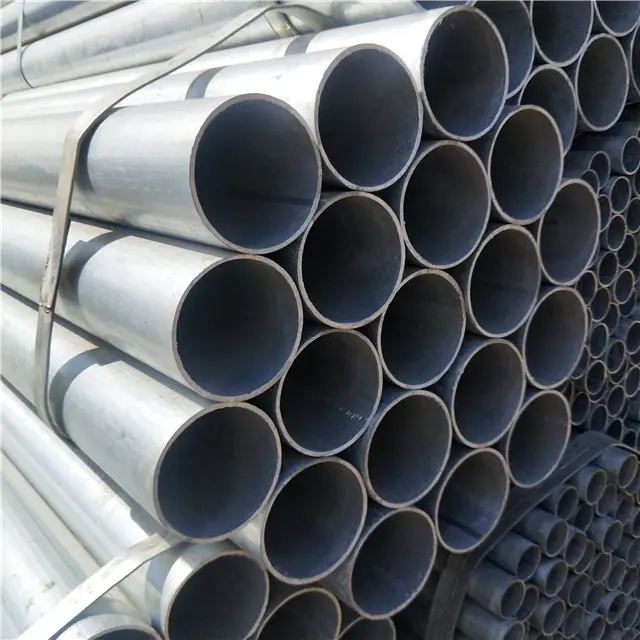
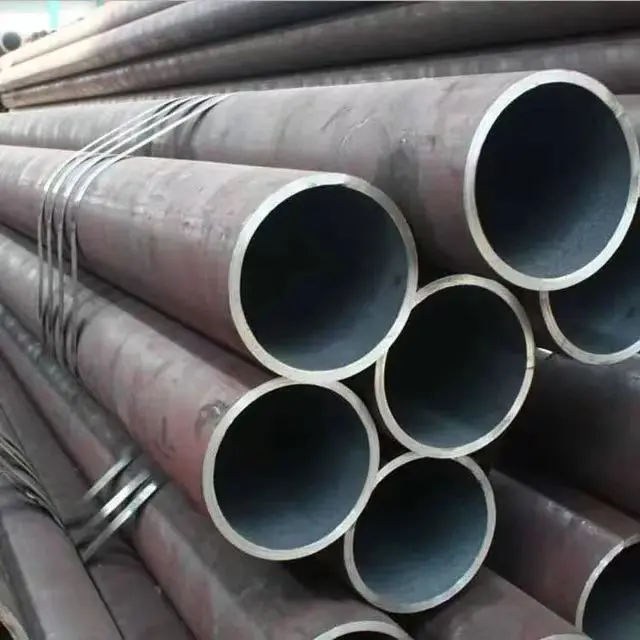
Hot Dipped Galvanized Steel Pipe, Pre-Galvanized Steel Pipe, and Zinc-Aluminum Steel Pipe.
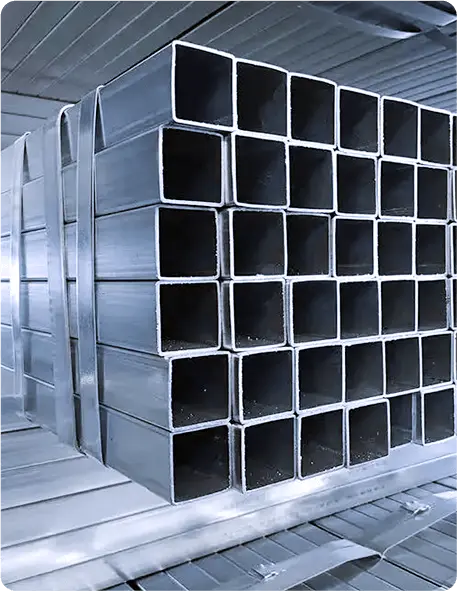
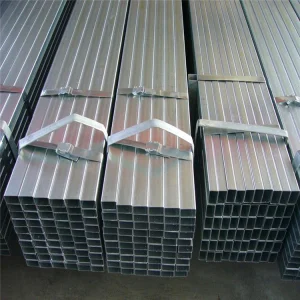
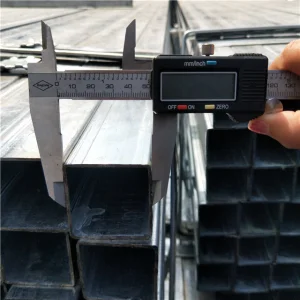
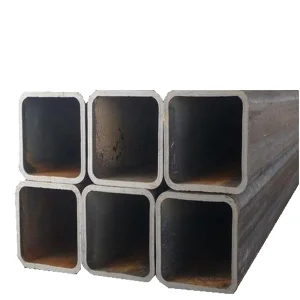
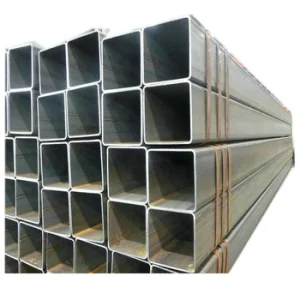
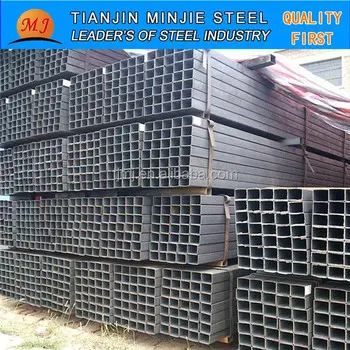
Square Steel Pipe, Rectangular Steel Pipe, and galvanized square steel pipe.
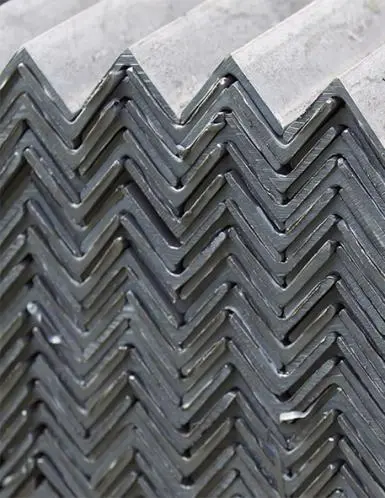
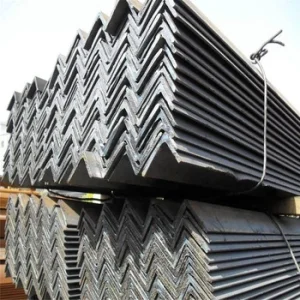
Hot Rolled Equal Angle Steel and Galvanized Angle steel.

Get answers to critical procurement questions regarding standards, shipping logistics, and customization options directly from our engineering team.
Review the rest of our product range, including heavy-duty industrial pipe, scaffolding planks, and structural steel angles.
Discover how our steel components are implemented across key infrastructure, civil engineering, and mechanical construction fields around the world.
 Minjie Steel