Premium grade structural sections, high-durability channels, and specialized steel profiles engineered for modern infrastructure demands.
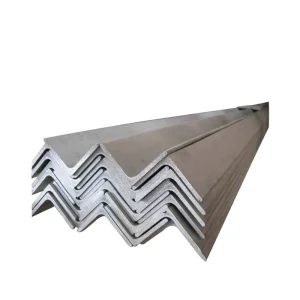
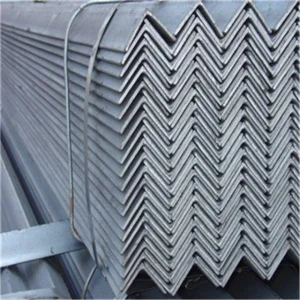
Within the global construction, architectural, and manufacturing sectors, standard profiles like traditional I-beams or structural steel plates represent only one facet of materials sourcing. The term "Other Steel Profiles" encompasses custom roll-formed structural shapes, specific C & Z purlins, customized solar brackets, precise square-welded components, and hot-rolled equal or unequal angles tailored for localized engineering specifications.
These dynamic structural components serve as the critical load-bearing backbone for high-stress systems such as electrical transmission towers, industrial greenhouse frameworks, offshore platform structures, and transportation corridor support networks. Chinese steel profile mills leverage complete chemical composition controls (optimizing elements like Carbon, Manganese, Silicon, Phosphorus, and Sulfur) to produce profiles that meet global performance guidelines under EN 10025, ASTM A36, and AS/NZS 3679 structural standards.
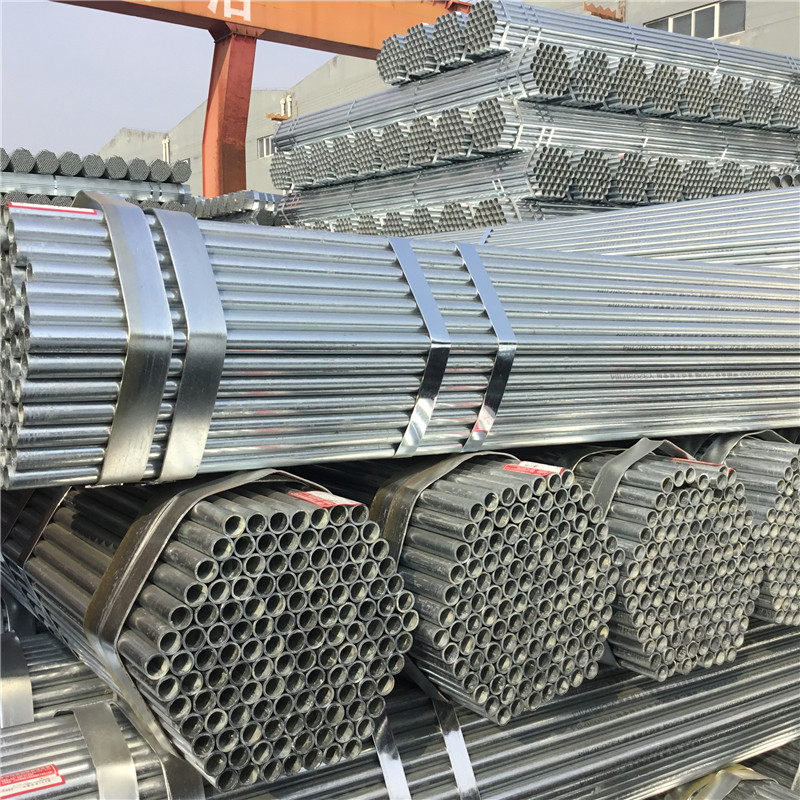
High-precision metallurgy and advanced profile geometry control designed to withstand demanding structural loads.
Integrating chemical controls for Q235B, Q345B, S235JR, and S275JR grades. Our structural steel elements deliver stable yield strength (up to 345 MPa for high-strength requirements) and superior elongation metrics (>22%), critical for seismic resistance.
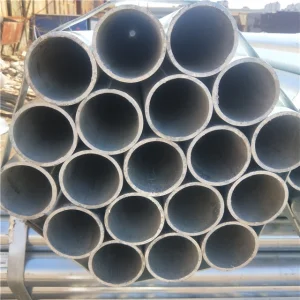
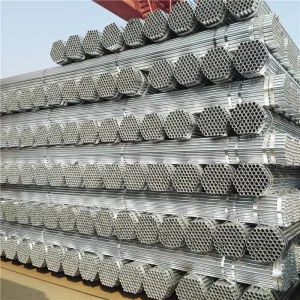
We execute advanced Hot-Dipped Galvanized (HDG) coating processes and pre-galvanization runs, achieving average zinc coatings of 40g/m² up to 600g/m² (85 microns thick) to guarantee long-term corrosion resistance in C3 to C5 corrosive environments.
Our mills maintain strict tolerances on Web thickness (t), Flange width (b), and structural deviations. Driven by state-of-the-art cold roll forming and ERW lines, output structures align precisely with GB/T 706-2016 and EN 10219 criteria.
Sourcing structural steel profiles internationally demands deep clarity regarding project conditions, regional code requirements, and environmental variables. Over our 25-year manufacturing journey, Tianjin Minjie Steel has streamlined production schedules to meet structural and supply demands in major markets:
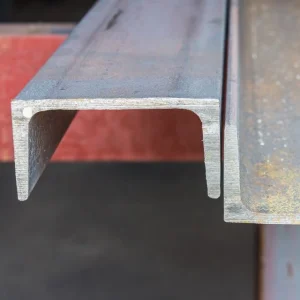
In renewable energy applications, steel profiles serve as the foundation for complex mounting arrays. Galvanized C and U-shaped steel channels must support solar tracking systems under sustained wind loads. By utilizing optimized zinc coatings and high-tensile structural profiles, our brackets withstand mechanical stress, thermal expansion, and coastal air corrosion.
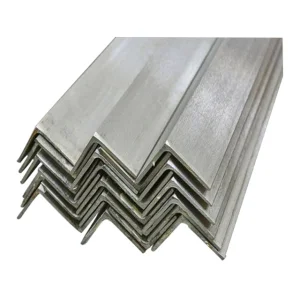
Grid transmission structures require structural integrity. Angle steel configurations, including Q235B and Q345B, form the core of utility towers. High dimensional consistency and specialized hot-dip galvanization protect against seasonal atmospheric shifts, preventing micro-crack propagation and structural failure.
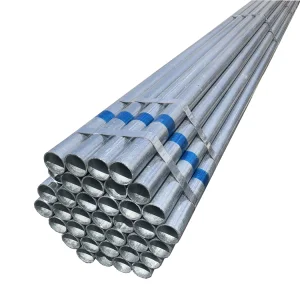
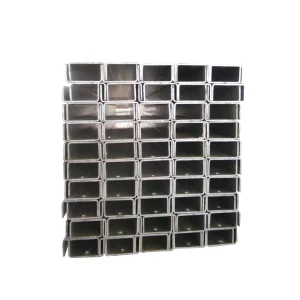
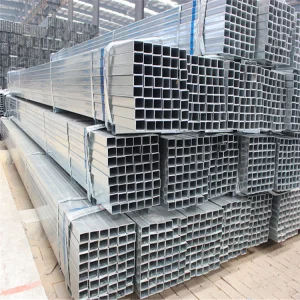
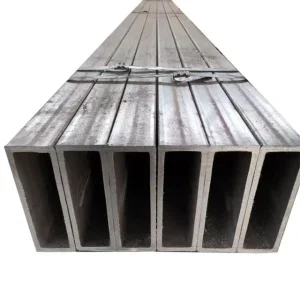
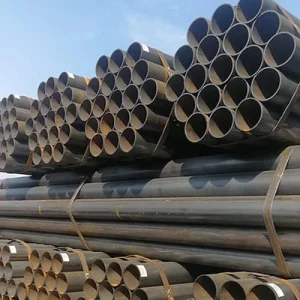
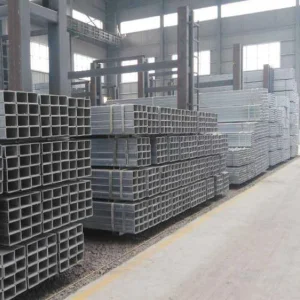
From agricultural machinery assemblies to heavy container frameworks, steel profiles are subjected to cyclic dynamic loads. Our structural tubes (40x40 to customized rectangual formats) are formed to minimize internal residual stress, preventing deformation under high-stress operating conditions.
Modern greenhouse operations require space-efficient structures that maximize natural light transmission. Our high-durability pre-galvanized and hot-dip galvanized profiles provide stable load-bearing capacity for span greenhouses, supporting hanging cultivation systems, irrigation setups, and overhead ventilation systems.
Real-world partnerships built on transparency, structural verification, and comprehensive third-party audits.
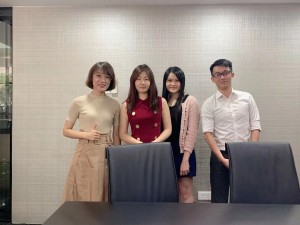
In September 2019, Singapore construction consultants audited our manufacturing plants, certifying structural carbon profile batches for infrastructure projects.
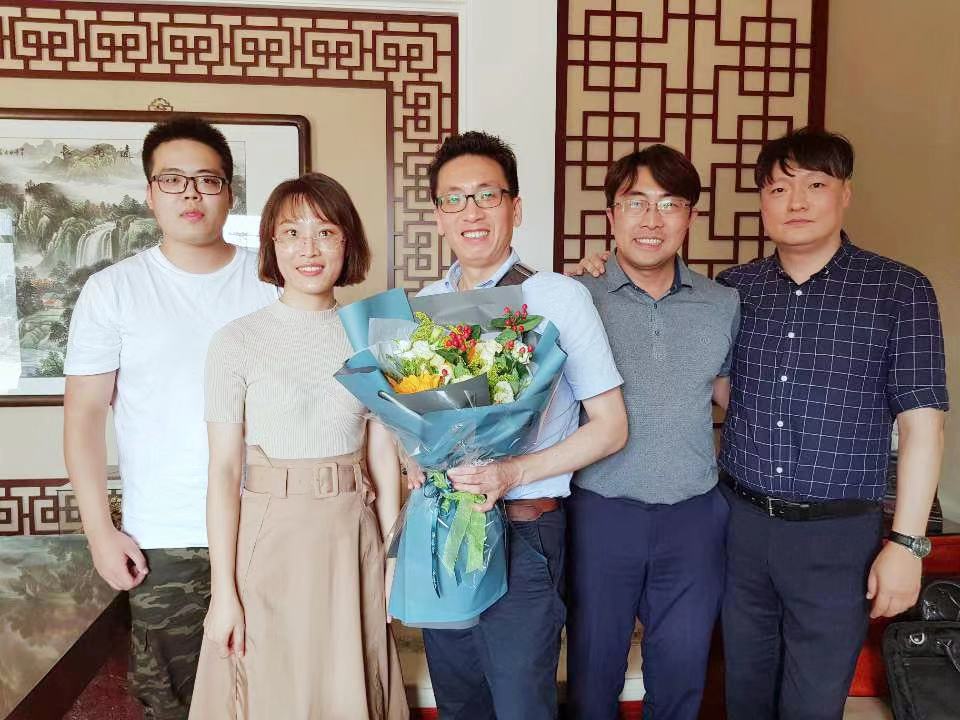
Collaborating closely on high-precision structural shapes, South Korean industrial design engineers visited our plant in 2019 to approve customized steel profile lines.
In November 2018, long-term Australian partners visited our hot-rolled profile mills, checking grain structures and compliance with AS/NZS 1163/3679 standards.

In 2019, Indian procurement experts visited our mills and signed a monthly supply agreement for structural steel profiles and hollow sections.
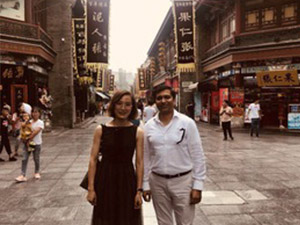
A Lebanese infrastructure company finalized a contract for 1,000 tons of specialized steel hollow structures during their site visit in June 2017.
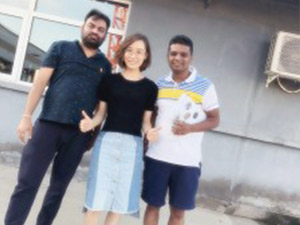
Following discussions at the Canton Fair, a Saudi construction firm visited our factory in 2018 to source structural channels and steel profiles for local development projects.
Sourcing structural steel requires strict adherence to international safety codes. Standard structural profile systems (such as Equal Angle Irons, BS/MS channels, or pre-galvanized C-beams) must undergo testing before leaving the mill. Below are the key engineering metrics evaluated in our quality assurance program:
For welded structural steel assemblies, weldability depends directly on the Carbon Equivalent Value. By maintaining CEV levels within ≤ 0.43% for standard structural profiles, we reduce the risk of hydrogen-induced cracking during onsite field welding. This is critical for heavy structures such as railway bridges and line towers.
In seismically active construction zones, structures must absorb energy through ductile deformation. Under ASTM and EN protocols, the yield-to-tensile ratio should ideally not exceed 0.85. Our specialized manufacturing lines optimize cooling parameters to yield properties that allow structural sections to absorb dynamic loads.
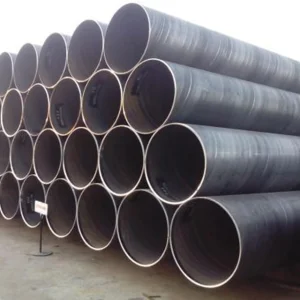
For steel structures in cold environments, low-temperature brittleness can lead to sudden structural failure. We conduct Charpy V-notch testing at temperatures ranging from 0°C down to -20°C. This guarantees that elements like our spiral welded pipes and heavy structural profiles maintain impact toughness and structural reliability under low temperatures.
To confirm coating durability, we perform standard bend tests and magnetic thickness testing. This ensures that the zinc layer remains bonded to the steel substrate, preventing peeling during shipping, field handling, cutting, and assembly.
Our manufacturing lines are calibrated to meet the following international standards:
Expert answers addressing the primary design, compliance, and logistics challenges in international steel sourcing.
The primary difference lies in their yield strength. Q235B steel offers a minimum yield strength of 235 MPa and is suitable for standard structural applications. Q345B steel (equivalent to S355JR or ASTM Grade 50) is a low-alloy, high-strength steel with a minimum yield strength of 345 MPa. It is used in heavy load-bearing designs, high-rise buildings, and transmission towers where structural weight optimization is required.
The choice depends on the project's exposure class (corrosivity category from C1 to C5). Standard pre-galvanized profiles offer 40g/m² to 120g/m² of zinc, ideal for protected dry environments or indoor framing. For outdoor exposure, heavy industrial sites, or agricultural greenhouses, hot-dip galvanization (HDG) with thickness levels above 600g/m² (equivalent to 85 microns) is recommended to ensure decades of corrosion protection.
For Europe, products must comply with EN 10025 or EN 10219 standards, supported by Factory Production Control (FPC) certifications. For Australia and New Zealand, compliance with AS/NZS 3679.1 (hot-rolled) and AS/NZS 1163 (hollow sections) is required. Our facility holds ISO9001 certification and produces profiles aligned with ASTM, DIN, JIS, and GB standards, with mill test certificates (MTC) provided for all shipments.
Our manufacturing plant is located 40 kilometers from XinGang Port (Tianjin), the largest seaport in Northern China. This close proximity reduces domestic transport time and costs, facilitates direct container or bulk shipping, and minimizes the risk of logistics delays for international orders.
Yes. Our factory provides post-processing services, including high-precision cutting, punching, slotting, end-face machining, and welding. Delivering pre-processed structural profiles helps reduce on-site labor costs, accelerates installation schedules, and minimizes waste at the project site.
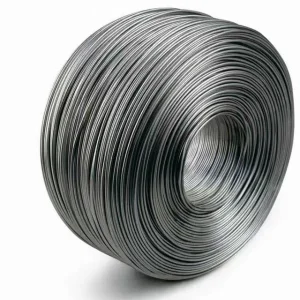
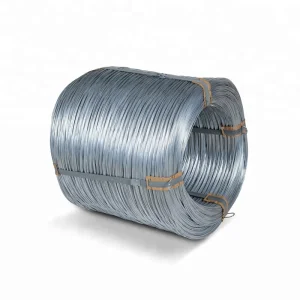
Our complete manufacturing range features spiral welded systems, pre-galvanized rectangular tubing, and industrial packaging wire.
 Minjie Steel