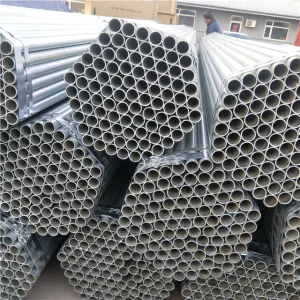
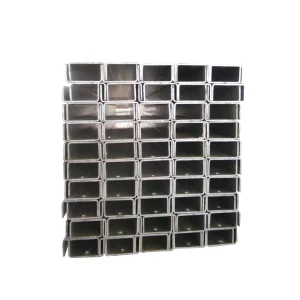
High-grade structural steel and pre-galvanized components engineered for precision installation, crash safety compliance, and long-term environmental protection.
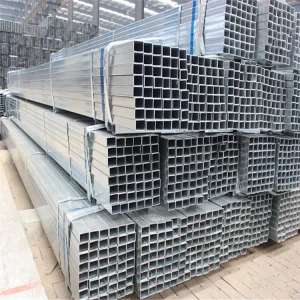
Road safety infrastructure is a primary pillar of global economic expansion and civil security. In an era marked by rapid urbanization, highway expansion, and high-speed transit networks, road guard rails (also known as safety barriers or crash barriers) are critical passive safety installations. By absorbing impact kinetic energy and redirecting aberrant vehicles back onto safe paths, modern guard rail systems prevent catastrophic roadway cross-overs and protect pedestrians, vehicle occupants, and structural support assets.
The global demand for high-strength steel guard rails continues to accelerate, propelled by multi-billion dollar infrastructure initiatives, metropolitan transit updates, and strict transport regulations. Internationally, major purchasing frameworks demand compliance with crash tests such as the American AASHTO M180 standard or the European EN 1317 standard. Meeting these criteria requires uncompromising structural consistency, precise chemical composition in steel substrates, and highly resilient hot-dip galvanization coatings designed to withstand severe corrosion in high-salinity coastal, sub-zero mountainous, and humid subtropical climates.
"Global infrastructure groups recognize that road safety barriers are not commodities, but precision-engineered safety structures. Minimizing life-cycle costs and maximizing corrosion resistance are key to modern municipal and commercial procurements."
Designed to deform progressively, absorbing vehicle kinetic energy to reduce terminal collision force and prevent secondary vehicle impact cascades.
High-thickness hot-dip galvanizing extends lifespan to over 25 years, reducing maintenance costs, lane closure fees, and replacement cycles.
Manufactured and tested to align directly with international regulatory baselines, satisfying strict domestic and cross-border safety standards.
China's steel manufacturing sector features highly integrated supply chains, automated production lines, and substantial raw material cost efficiency. Direct structural steel factories in regions like Tianjin provide key strategic advantages for global infrastructure contractors:
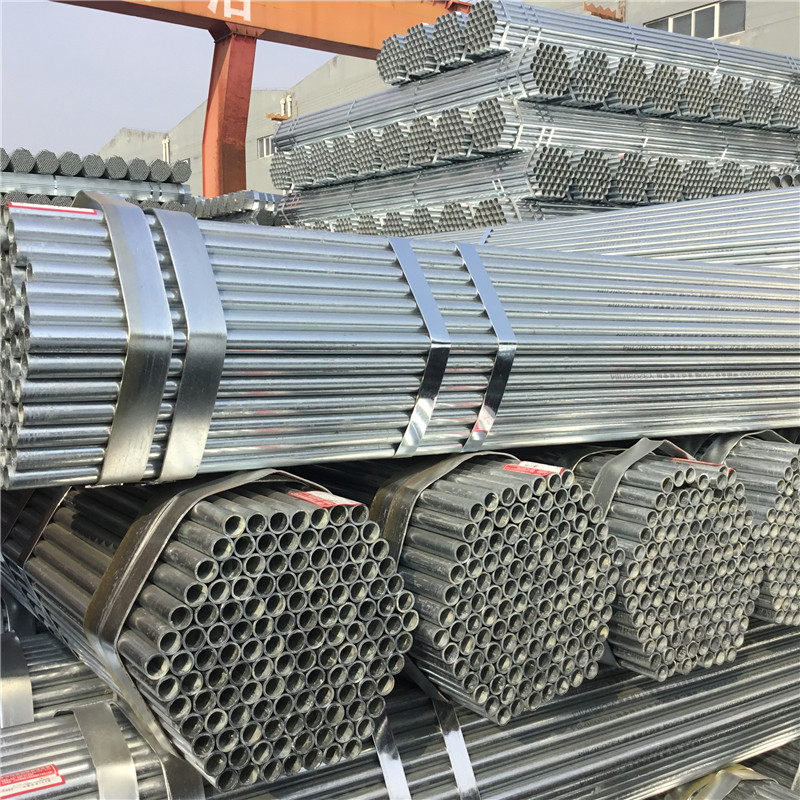
Founded in 1998, Tianjin Minjie Steel Co., Ltd has established itself as an experienced manufacturer and exporter of high-grade steel products and scaffolding solutions. Spanning a modern manufacturing campus of more than 70,000 square meters, our facilities are located just 40 kilometers from Xingang Port (Tianjin)—the largest maritime cargo port in North China—allowing for highly efficient logistics and fast shipping dispatches worldwide.
Minjie Steel operates an advanced production layout, hosting 4 dedicated pre-galvanized lines, 8 ERW high-frequency welded steel pipe lines, and 3 hot-dipped galvanized process lines. We maintain strict compliance with global quality and dimensional standards including GB, ASTM, DIN, and JIS, and our processes are certified under the ISO 9001 Quality Management System. Our technical research has yielded three utility patents: Groove Pipe, Shoulder Pipe, and Victaulic Pipe, demonstrating our capacity for technical innovation.
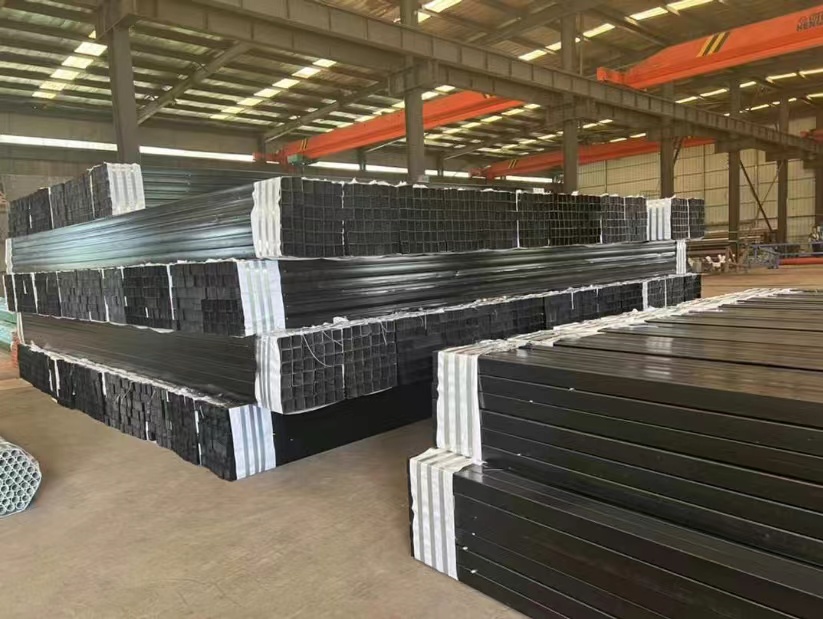
Under a modern quality control management system, our company maintains an annual output capacity exceeding 300,000 tons of various steel tubes and structural sections. Recognized repeatedly with quality and honor certificates from the Tianjin municipal government and municipal supervision authorities, our products are widely utilized in:
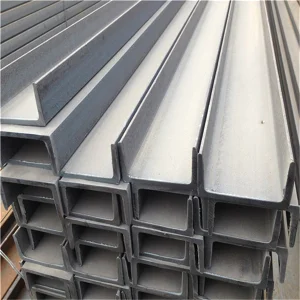
We work with clients in Singapore, South Korea, Australia, India, Lebanon, and Saudi Arabia. Our customer-first model is supported by professional technical advisers and experienced international trade managers. Whether you are executing a major highway infrastructure build in South East Asia or procuring high-volume C-channel supports for a solar frame array in Australia, our team provides technical support and engineering clarity to ensure project success.
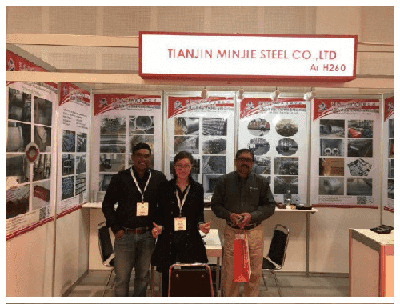
We regularly present our structural portfolios at the Canton Fair and overseas expos, establishing direct relationships with key infrastructure contractors.
ISO 9001, CE, and domestic quality standards verified by third-party testing institutions to guarantee material performance.
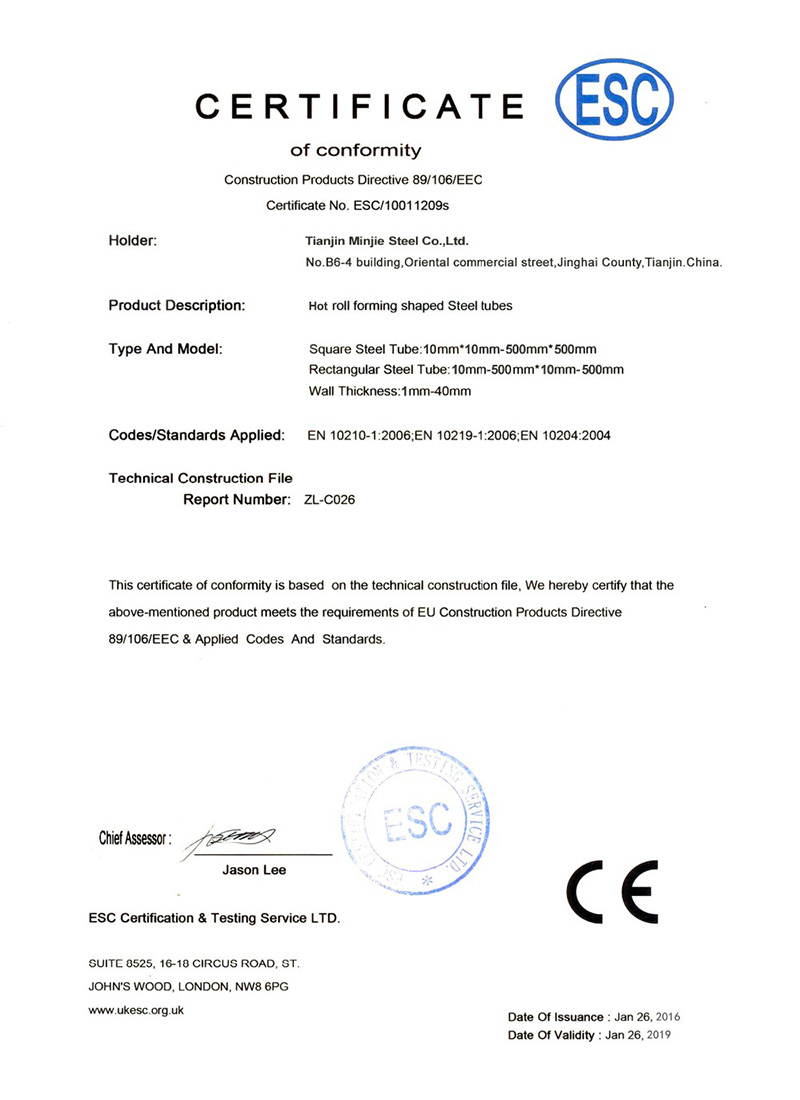
We welcome technical audits from consulting engineers and client representatives to verify our production capacities and hot-dip lines.
Road guard rail systems must be adapted to local environmental and crash conditions. Different roadways present distinct challenges that dictate steel class, profile shape, and structural post spacing:
| Installation Scenario | Primary Risk Factor | Recommended Profile / Specification | Zinc Coating Standard |
|---|---|---|---|
| Highways & Expressways | High-speed, multi-lane kinetic impact | W-Beam Guardrail, 3.0mm thickness, Sigma/U-posts | AASHTO M180 Class A (550 g/m²) |
| Mountainous & Winding Roads | Deep ravines, run-off-road hazards | Thrie-Beam (triple wave), closely spaced H-posts | ISO 1461 Min 85μm thickness |
| Viaducts & Bridge Crossings | Structural vehicle containment, drop-off hazards | High-containment steel barrier on concrete plinths | Double-dipped or powder-coated galvanized |
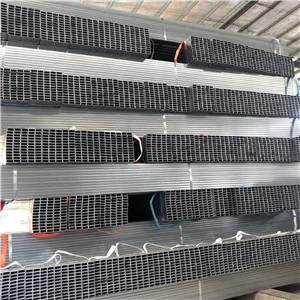
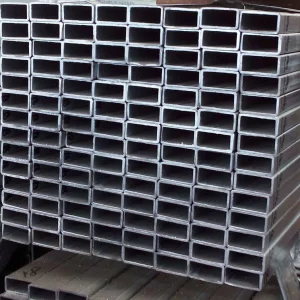
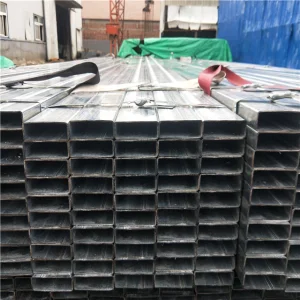
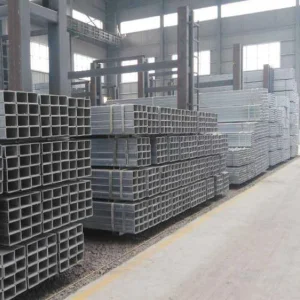
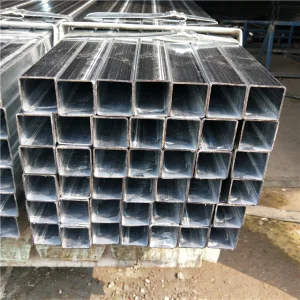
| Industrial & Pedestrian Zones | Forklift strikes, pedestrian traffic division | Galvanized rectangular/square tubes (Q235B/Q345B) | Pre-galvanized (120g/m² - 275g/m²) |
The road safety infrastructure industry is shifting toward materials with improved lifecycle profiles and lower maintenance requirements. Key industry trends include:
Procuring guard rail components directly from manufacturing origins requires systematic quality control to ensure structural integrity and field performance. EPC contractors and public works agencies should implement the following validation protocols during procurement:
Verify Mill Test Certificates (MTC) for precise carbon, silicon, manganese, phosphorus, and sulfur content. Conduct independent coupon tensile tests to confirm yield strength compliance.
Measure coating thickness using magnetic induction or electromagnetic gauges (ASTM E376). Ensure uniform zinc layer thickness, especially at structural bends and punched bolt slots.
Bundle structural components with protective timber dunnage to prevent mechanical friction during transit. Ensure dry container conditions to prevent wet storage stain (white rust).
Pro-Tip for Logistics: Our proximity to Tianjin Port allows us to optimize container packing. This helps reduce handling vibration, protect galvanized surfaces, and ensure cargo is delivered in proper condition.
Professional engineering and commercial answers to key questions asked by structural engineers and procurement managers.
The primary difference lies in the nominal sheet thickness of the steel. Class A guard rails feature a nominal thickness of 2.67mm (12-gauge), while Class B guard rails feature a nominal thickness of 3.43mm (10-gauge). Class B barriers are thicker and are typically used in heavy-duty containment zones, bridges, and sharp mountain road curves where higher kinetic impact forces are anticipated.
White rust (wet storage stain) occurs when closely stacked galvanized steel components are exposed to moisture and lack free air circulation. Minjie Steel prevents this by: applying a passivation treatment to the zinc surface, using steel and wood spacing blocks to allow air circulation between bundled profiles, and utilizing moisture absorbents and waterproof lining inside containers during shipping from Tianjin Xingang port.
For standard highway structures, Q235B (equivalent to ASTM A36 or S235JR) is commonly used due to its weldability and ductility. For high-containment structures and bridge installations, Q345B (equivalent to ASTM A572 Grade 50 or S355JR) is selected for its higher yield strength (345 MPa), which allows the post assemblies to withstand structural stress without fracturing.
Yes. W-beam guardrail sections can be pre-curved in our factory to fit convex or concave radii ranging from 1.5 meters to 45 meters. Pre-curving in the factory preserves the integrity of the hot-dip galvanized coating, avoiding the stress cracking that can occur when bending beams on-site during installation.
All shipments are provided with comprehensive documentation, including: ISO 9001:2015 Quality Management compliance certifications, Mill Test Certificates (EN 10204 3.1) showing chemical analysis and mechanical values, Hot-Dip Galvanizing weight reports, and SGS or Bureau Veritas third-party testing verifications upon request.
Further structural profiles, post sections, and specialized scaffolding accessories designed for civil transport infrastructure, viaducts, and bridge projects.
 Minjie Steel