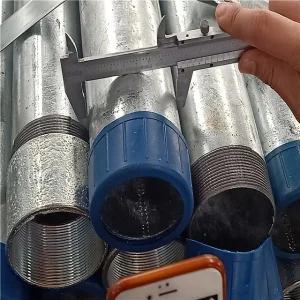
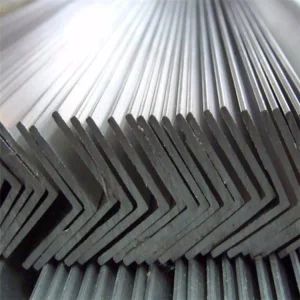
In modern structural engineering and commercial construction, the integrity of scaffolding systems depends on the reliability of their smallest components: scaffolding bolts, nuts, and coupling pins. As vertical structures reach greater heights and complex shapes, temporary support structures undergo extreme static and dynamic loads. Scaffolding bolts, primarily the classic T-bolts, collar bolts, and eye bolts, act as structural anchors that lock coupler assemblies to steel tubes. If these fasteners fail due to shear stress, thread wear, or corrosion, it poses severe risks to structural safety and site operations.
The international market has evolved from using standard commercial grade structural carbon steel fasteners to high-performance, heat-treated alloy steel fasteners designed for high tensile capacity and long-term reusability. Modern industrial standards demand scaffolding bolts that withstand heavy torque loads and harsh construction environments, including marine engineering projects, high-temperature petrochemical facilities, and offshore infrastructure. Understanding the metallurgy, thread tolerances, and corrosion protection coatings is essential for procurement officers and engineering directors choosing reliable manufacturing partners.
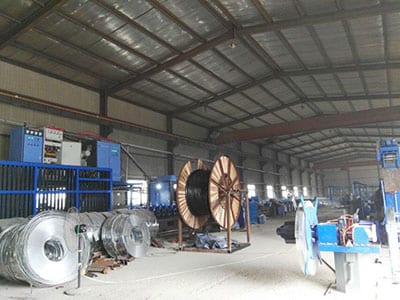
Established in 1998, Tianjin Minjie Steel Co., Ltd. has grown into a leading manufacturer and exporter of structural steel pipes, scaffolding systems, and integrated fastening products. Spanning a modern factory area of over 70,000 square meters, our facilities are located just 40 kilometers from Xingang Port (Tianjin), the largest shipping hub in North China. This location allows for fast logistics and efficient delivery of export containers to key global projects.
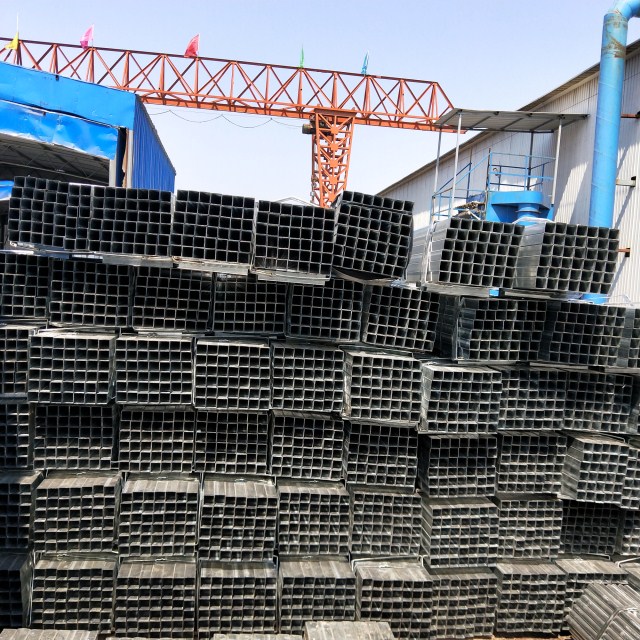
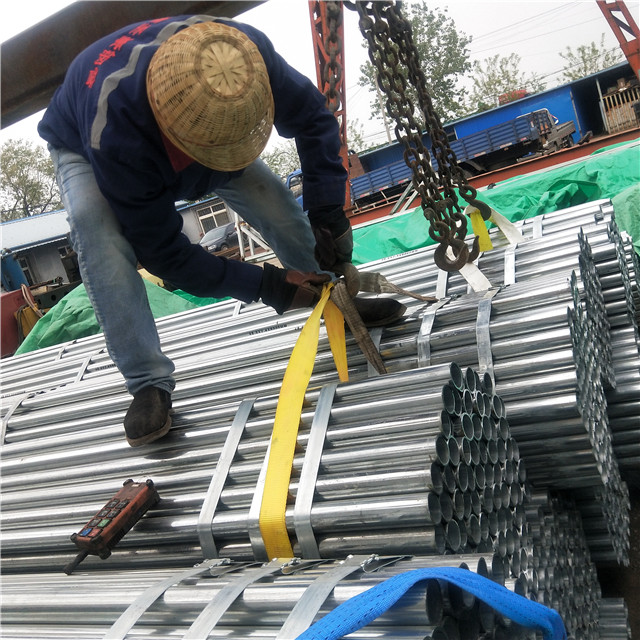
With 4 specialized pre-galvanized product lines, 8 High-Frequency ERW steel pipe lines, and 3 hot-dip galvanizing lines, Tianjin Minjie produces high-precision steel components that meet strict international specifications. Through continuous testing of mechanical properties, yield strength, and dimensional tolerances, we ensure our scaffolding pipes (such as high-tensile STK500) and supporting coupler bolts maintain structural integrity under extreme field conditions.
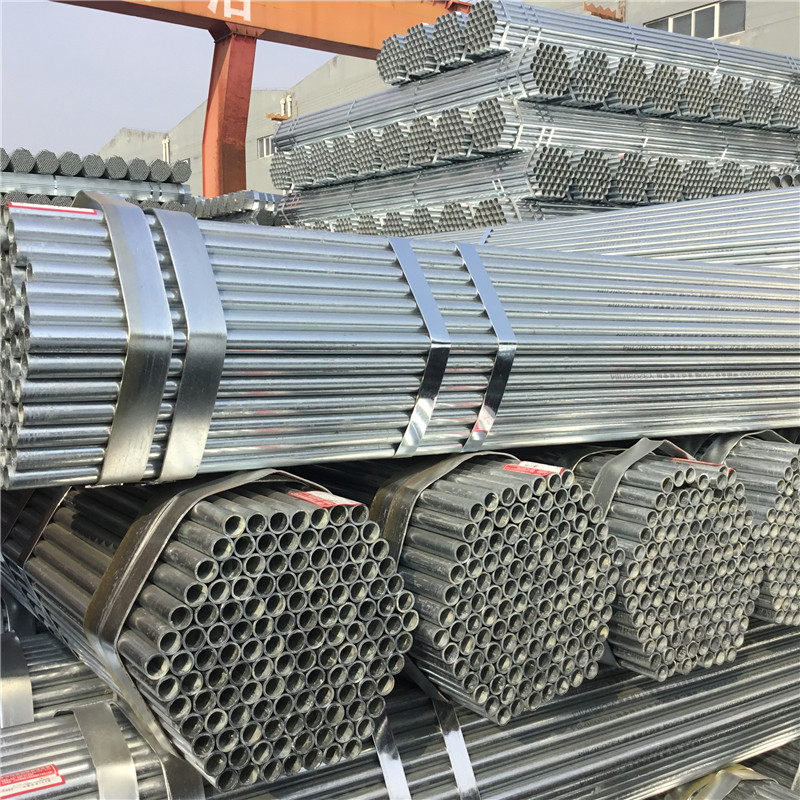
Fastening components perform differently depending on regional weather patterns, local code requirements, and job site environments. Selecting the right scaffolding bolt configuration requires evaluating these localized scenarios:
Marine projects expose scaffold assemblies to high humidity and salt spray. High-tensile scaffolding bolts used in these environments require hot-dip galvanized (HDG) or zinc-nickel coatings to prevent galvanic corrosion and hydrogen embrittlement.
Refineries deal with volatile chemicals and extreme heat. Scaffold systems must remain rigid and fire-safe. Special ASTM A325-equivalent carbon steel T-bolts are used here to maintain clamping force even under thermal cycling conditions.
For high-rise residential and commercial buildings, wind shear increases with altitude. Scaffolding couplers must hold tight. Heavy-duty eye bolts and drop-forged T-bolts provide the high torque tolerances needed to secure system scaffolds like Ringlock or Cuplock.
Our manufacturing process focuses on three key metrics: mechanical strength, thread accuracy, and rust prevention. Below is a breakdown of our technical specifications and roadmap for producing scaffolding bolts:
| Bolt Category / Metric | Material Grade Options | Tensile Strength (MPa) | Anti-Corrosion Surface Treatment | Applicable Standards |
|---|---|---|---|---|
| T-Bolt for Right-Angle Coupler | Carbon Steel Q235 / Q345B, Class 8.8 | 400 – 800 MPa | Electro-Galvanized (White/Yellow Zinc) | EN 74, BS 1139, GB 15831 |
| Collar Bolt / Hex Head Bolt | Medium Carbon Alloy Steel (40Cr / 35CrMo) | ≥ 800 MPa (Class 8.8 / 10.9) | Hot-Dip Galvanized (HDG) / Sherardized | ASTM A325, DIN 931, JIS B1180 |
| Eye Bolt for Anchoring | Drop Forged Carbon Steel (C15E / Q345) | ≥ 480 MPa | Zinc Flake Coating (Geomet) / HDG | DIN 580, EN 10219 structural compliance |
| Scaffolding Tie Nut & Rod | High-Strength Low-Alloy Steel | ≥ 650 MPa | Black Oxide / Electroplate Zinc | AS/NZS 1576, ANSI A10.8 |
Our Manufacturing Process & Quality Control:
1. Cold Heading / Hot Forging: High-precision cold headers form bolt blanks, while high-strength components undergo induction heating and hot forging to maintain continuous grain flow.
2. Thread Rolling: We roll threads post-heat treatment to prevent micro-cracks and ensure smoother thread movement when setting torque on site.
3. Heat Treatment (Quenching & Tempering): Controlled atmospheric furnaces heat structural steel to improve tensile strength and ductility.
4. Coating Control: Our hot-dip galvanizing lines achieve average coating thicknesses exceeding 50 microns (≥ 350g/m²), protecting components from atmospheric corrosion.
Global sourcing managers must balance competitive pricing with supply chain reliability. Tianjin, China's industrial steel hub, offers unique advantages that support reliable production:
Being located close to large state-owned steel mills ensures direct access to raw materials. This helps maintain stable steel wire rod and plate pricing even during periods of global supply chain volatility.
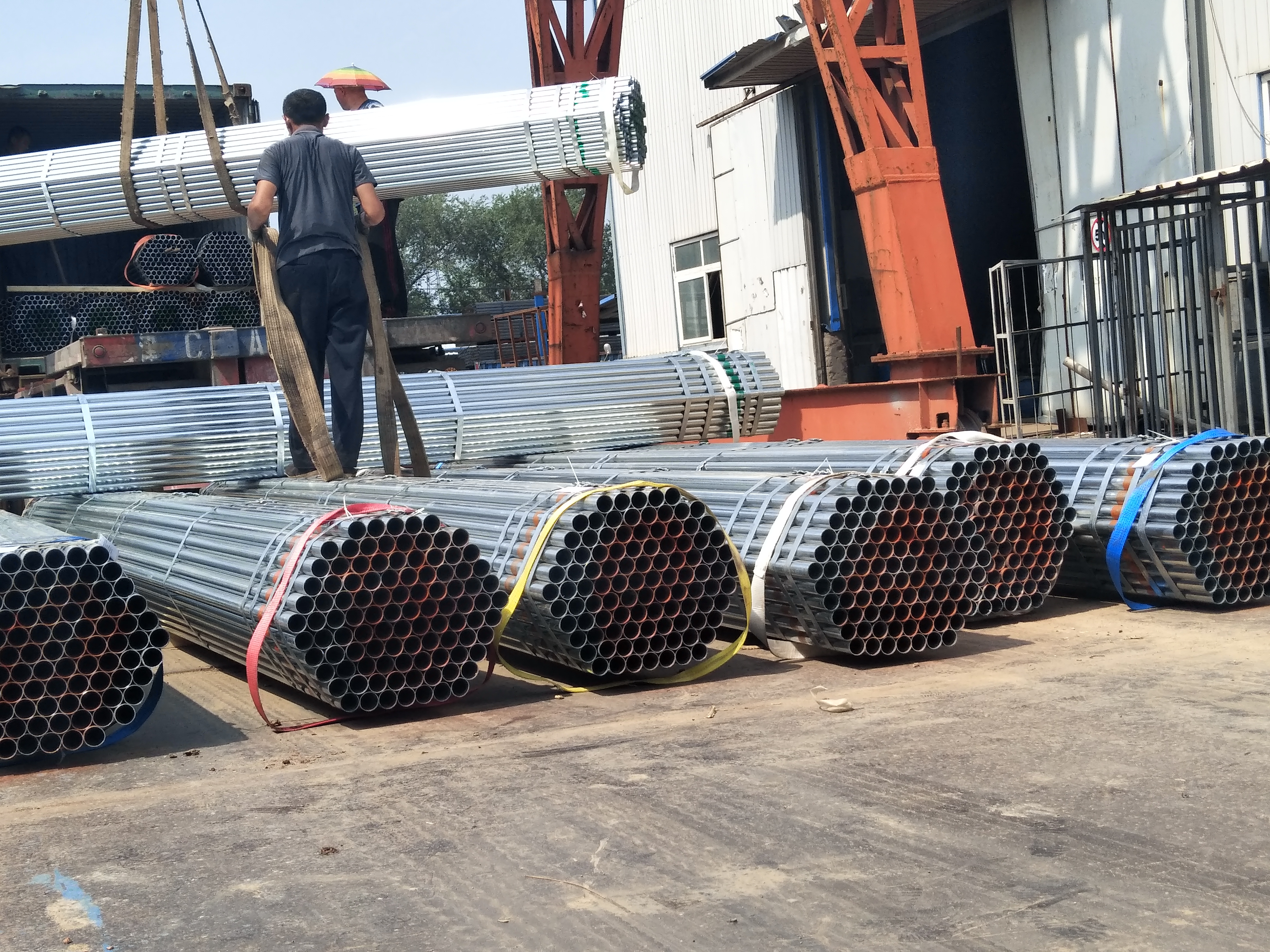
Our factory's location, just 40 kilometers from XinGang Port, lowers domestic trucking costs, reduces transit times, and minimizes the carbon footprint of transport before overseas shipping.
With 3 key pipe patents (groove, shoulder, and victaulic pipe connection systems) and an annual output exceeding 300,000 tons, our factory scales production quickly for large commercial orders.
To meet the requirements of international construction projects, scaffolding components must comply with standard testing protocols. In Europe, the EN 74-1 standard defines performance classes (Class A and Class B) for couplers and requires that the integrated T-bolts withstand specific tightening torques without thread stripping or structural distortion. In American markets, ASTM testing guidelines ensure that fasteners support structural loads safely.
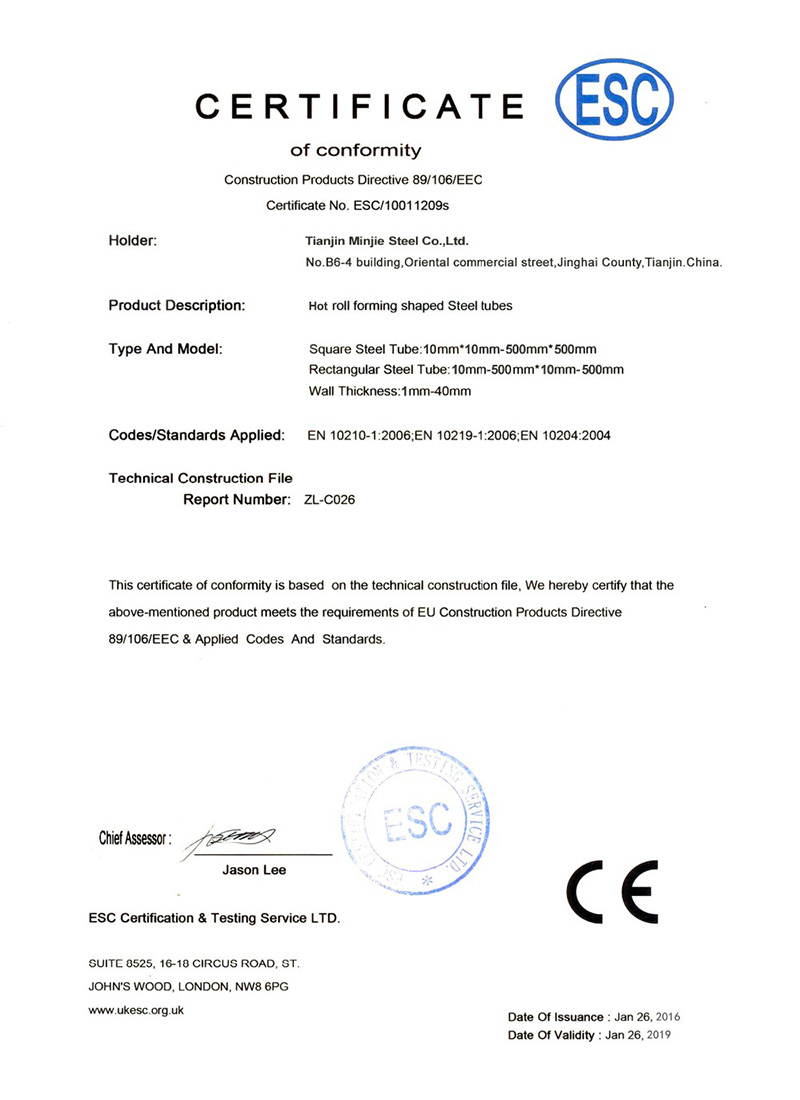
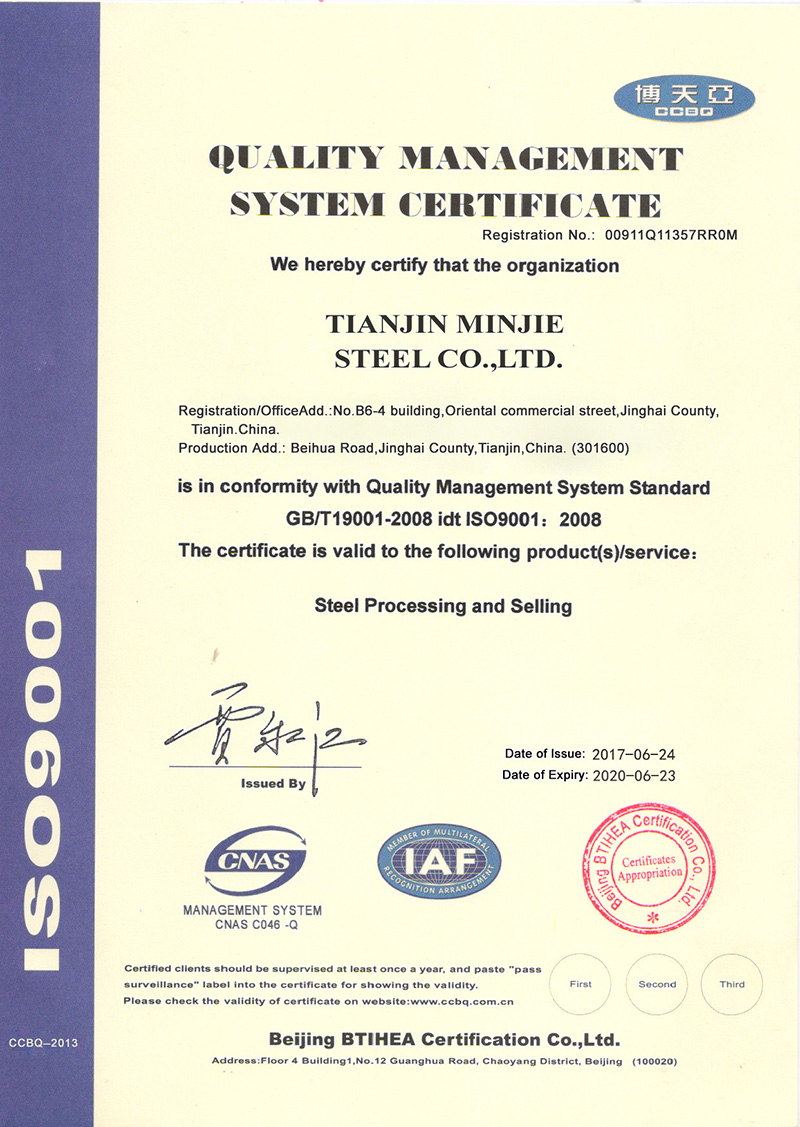
Tianjin Minjie operates under an ISO 9001 quality management system. Every batch of scaffolding bolts, structural pipes, and couplers undergoes thorough mechanical testing. Our on-site labs conduct tensile tests, slip resistance verification, coating thickness inspections, and salt spray testing. This ensures that every shipment meets client specifications and project regulations.
Collaborating on localized high-density scaffolding systems for major urban housing and transit projects since September 2019.
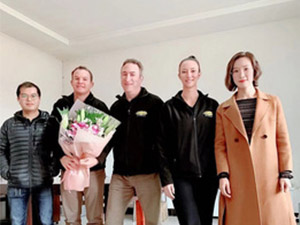
Regular visits by Australian engineering partners to inspect pipe-joining systems and zinc thickness compliance.

Supplying bulk high-tensile structural carbon pipes and scaffolding couplers for infrastructural initiatives in the Middle East.
Class 8.8 bolts undergo heat treatment (quenching and tempering) to achieve a minimum tensile strength of 800 MPa and a yield strength of 640 MPa. This high strength helps prevent the bolts from stretching or breaking when couplers are tightened to the torque levels required for high-elevation scaffold towers.
For standard structural applications, electro-galvanizing provides sufficient protection. However, for coastal environments, marine projects, or high-humidity job sites, we recommend hot-dip galvanizing (HDG) or zinc-nickel plating, as they offer much thicker zinc coatings that prevent red rust over longer periods of exposure.
Each manufacturing batch undergoes automated quality control. We perform chemical composition analysis, tensile testing, flattening/bending tests for tubes, and slip/shear tests on coupler assemblies. All products are manufactured in compliance with ISO 9001 quality management guidelines.
Yes. Our forging workshops can produce custom T-bolts, eye bolts, and specialized nuts to match your specific coupler dimensions, thread pitch requirements (UNC, Metric, BSW), and load capacities.
 Minjie Steel