Explore our top-tier manufacturing list of galvanized, carbon, and specialized steel profiles engineered for critical heavy load applications.
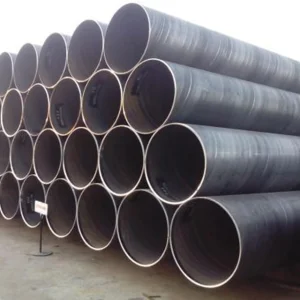
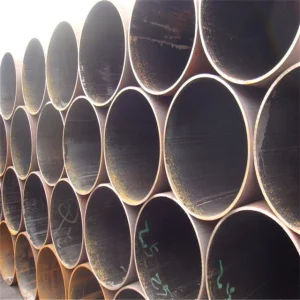
Analyzing structural shift towards highly durable, safety-engineered structural tubing in global construction and industrial environments.
In high-rise civil works, marine engineering, and infrastructure projects, scaffolding systems provide critical safety interfaces. The global construction industry has fundamentally transitioned from wooden structures to system scaffolding. This transition is catalyzed by stringent safety mandates under standard frameworks such as the European BS EN 39, British BS 1139, and American ASTM A53.
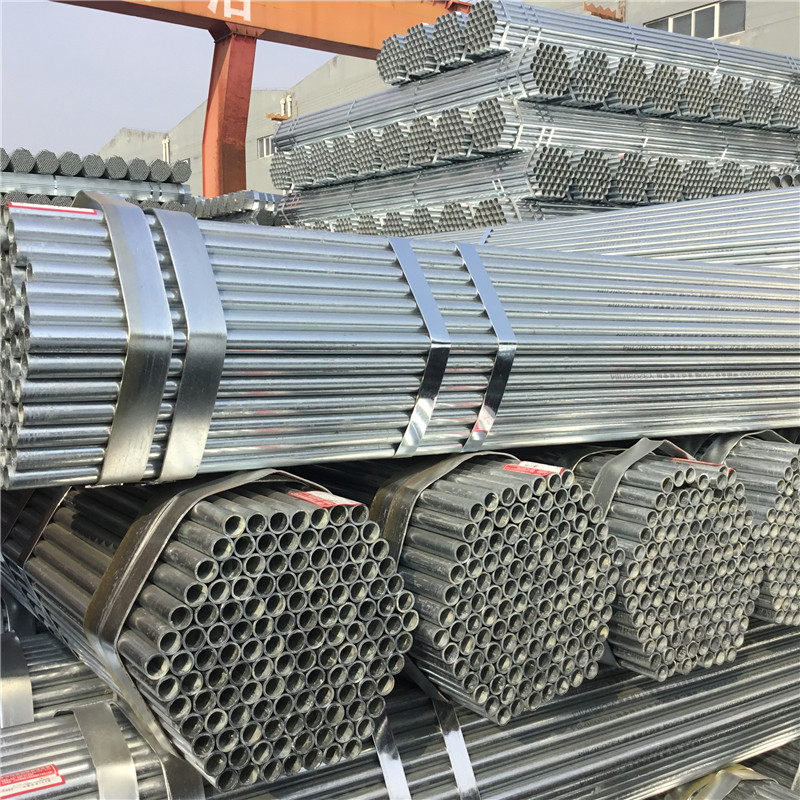
Modern construction projects demand high yield strength, predictable buckling loads, and high corrosion resistance. Suppliers are responding with high-grade carbon steels (such as Q235B, Q345B, and S235JR) subjected to advanced zinc protection treatments. Hot-Dipped Galvanizing (HDG) technology remains the gold standard, providing thick zinc coatings of 400g/m² to 600g/m² (equivalent to 55 to 85 microns). This coating provides galvanic protection that prevents rust even if the pipe suffers minor mechanical abrasions during transport or setting.
Current industry developments focus on reducing the dead weight of components while maintaining load capacities. High-strength steel grades such as S355 allow for thinner-walled tubes (e.g., 3.2mm instead of the traditional 4.0mm) without compromising structural safety. This reduction in weight lowers transportation emissions, reduces structural self-weight, and improves handling safety.
| Standard / Specification | Common Steel Grades | Standard Outer Diameter (OD) | Wall Thickness (WT) Options | Minimum Yield Strength | Primary Corrosion Protection |
|---|---|---|---|---|---|
| BS EN 39 / BS 1139 | S235GT | 48.3 mm | 3.2 mm / 4.0 mm | 235 MPa | Hot-Dipped Galvanized (≥ 40 microns) |
| ASTM A53 (Grade B) | Carbon Steel Gr. B | 48.3 mm (NPS 1-1/2") | 3.68 mm (Sch 40) / 5.08 mm (Sch 80) | 240 MPa | Black Lacquer / Pre-Galvanized / HDG |
| AS/NZS 1576 | C250 / C350 LO | 48.3 mm | 3.2 mm / 4.0 mm | 250 - 350 MPa | Heavy Duty Galvanizing (Min 500 g/m²) |
| JIS G3444 (STK 500) | STK 400 / STK 500 | 48.6 mm | 2.4 mm / 3.2 mm | 355 MPa | Zinc-Aluminum-Magnesium / HDG |
Decades of manufacturing expertise, engineering patents, and industrial capacity near the North China maritime gateway.
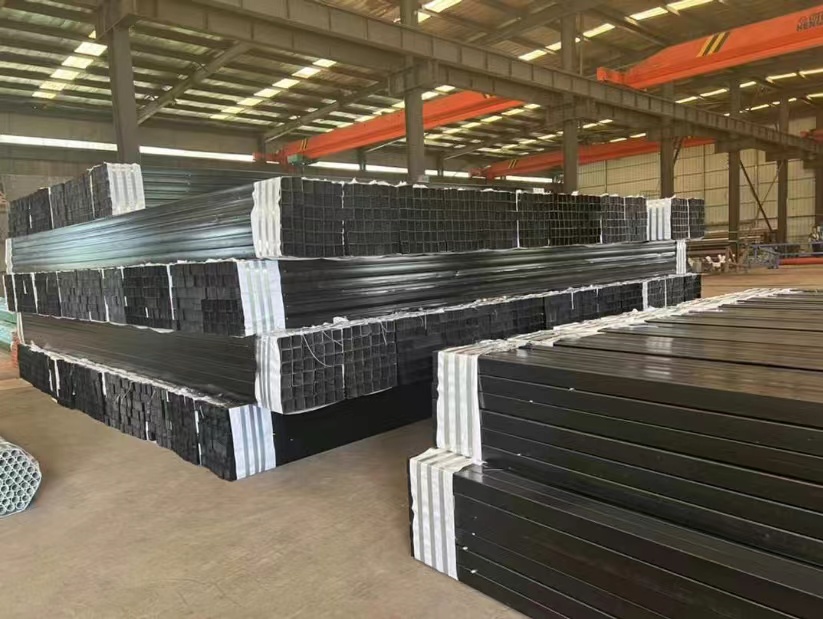
Established in 1998, Tianjin Minjie Steel Co., Ltd has evolved into a key manufacturer of structural and scaffolding steel tubing. Our manufacturing site spans over 70,000 square meters and is located 40 kilometers from XinGang Port (Tianjin), the largest multi-port gateway in Northern China. This logistics integration ensures efficient container and bulk cargo handling, minimizing handling times and transit damage.
Our core product lines feature high-yield carbon steel structural sections, including ERW welded steel pipe, pre-galvanized pipe, hot-dipped galvanized pipe, square and rectangular hollow sections, and scaffolding components. We hold three patents for pipeline engineering profiles:
Addressing compliance, yield tolerances, and supply chain integrity for engineering procurement officers worldwide.
Procurement officers and structural engineers evaluate scaffolding pipe vendors on specific criteria beyond price. Structural integrity is the primary requirement. Scaffolding pipes must support heavy loads under variable wind conditions and structural vibrations. Quality control begins with raw material sourcing. Tianjin Minjie Steel uses prime carbon steel coils from certified domestic mills to ensure chemical composition stability (including carbon, manganese, phosphorus, and sulfur limits).
Tolerances are critical. We use high-precision rolling mills and sizing dies to maintain thickness tolerances within the tightest ranges permitted by international standards. For example, BS EN 39 specifies outer diameter tolerances of ±0.5mm and wall thickness deviations under 10%. Consistent dimensions ensure couplings fit tightly, preventing slippage or misalignment.
"System stability depends on dimensional consistency. A wall thickness variation of just 0.5mm can reduce load capacity by over 12%, making precise sizing essential for on-site safety."
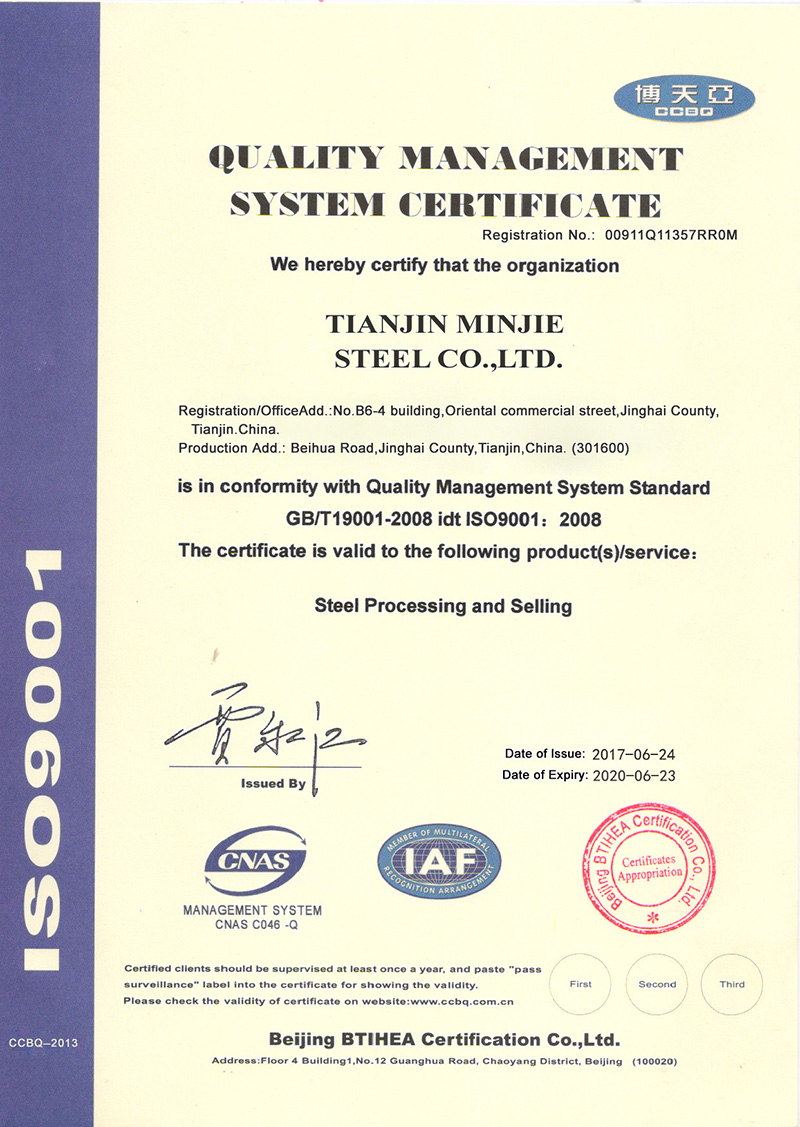
Our manufacturing configuration includes 4 pre-galvanized product lines, 8 high-frequency ERW steel pipe lines, and 3 hot-dipped galvanized processing lines. We produce steel sections under ISO 9001 quality management, verifying performance with non-destructive eddy current tests, hydrostatic checks, and physical flattening and bending test protocols.
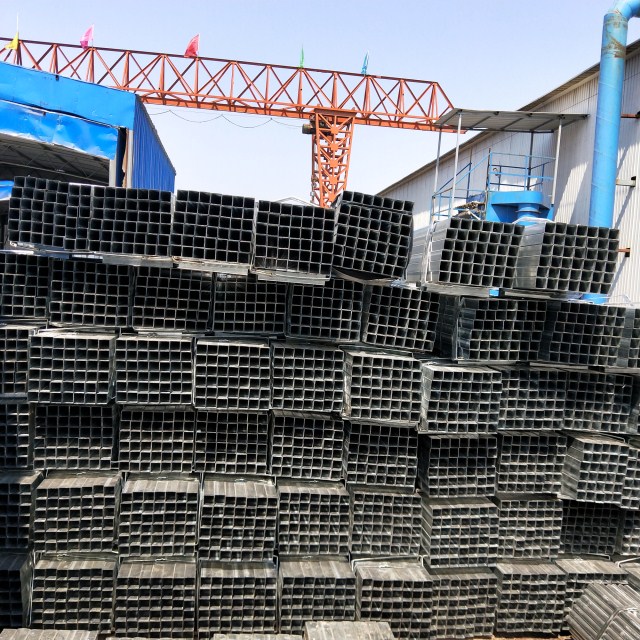
Our structural steel profiles support major civil, industrial, and agricultural operations across key global markets.
Our products are exported to projects worldwide. We maintain technical consultants in China and a dedicated support team to assist global contractors with standard verification, customs clearance, and logistics scheduling.
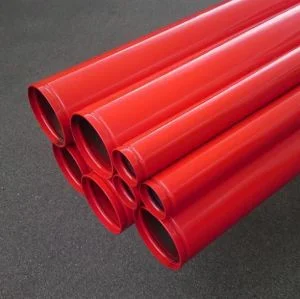
Tianjin Minjie's structural materials are used in construction, agricultural greenhouses, transportation safety systems, machinery fabrication, and heavy industrial plant framing. Whether supplying standard 48.3mm EN 39 tubes for European system scaffolds, schedule 40 welded round pipes for North American contractors, or specialized grooved fire mains for projects in the Middle East, our production lines conform to ASTM, GB, DIN, and JIS requirements.
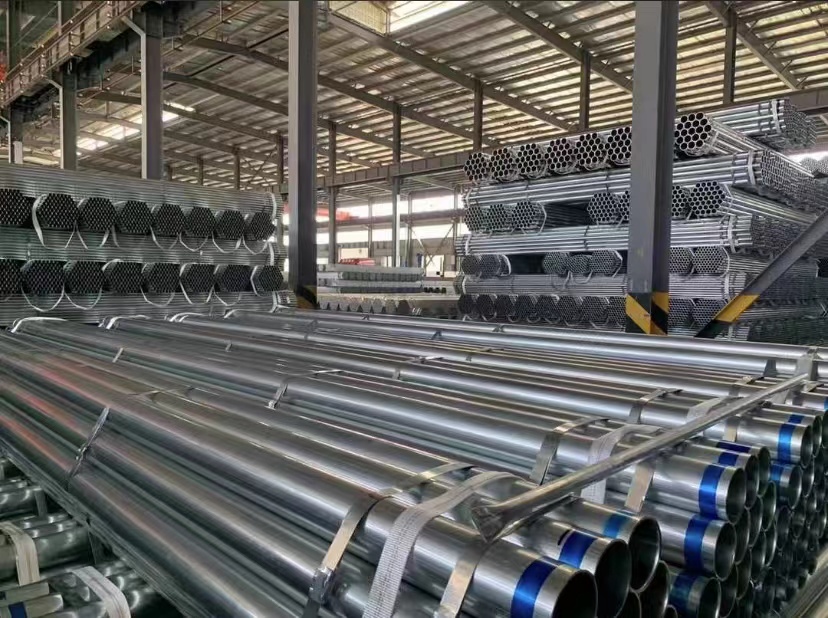
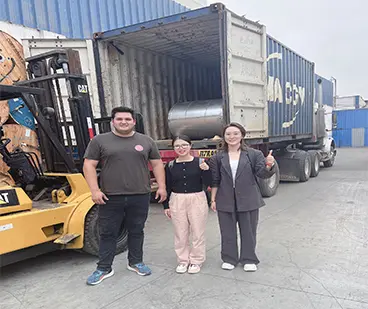
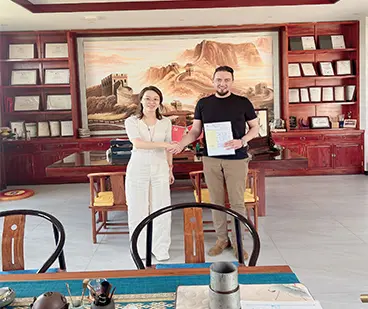
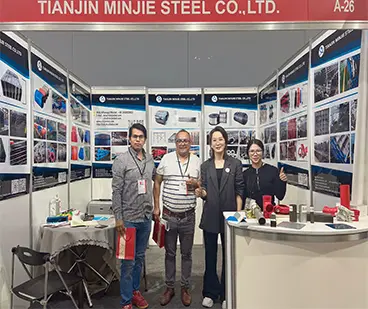
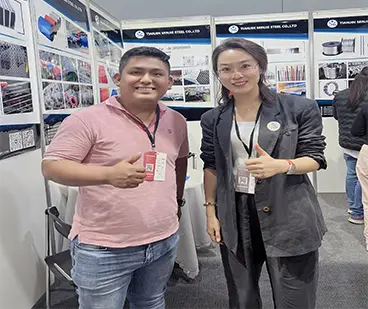
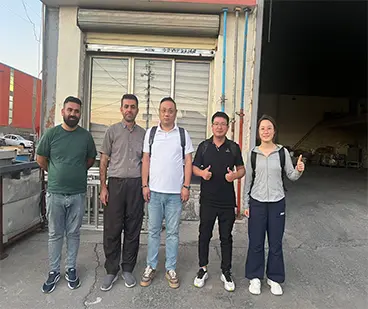
Documenting our international site operations and customer inspections over decades of partnership.
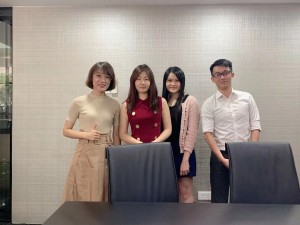
In September 2019, we visited clients in Singapore, establishing long-term agreements for marine scaffolding structural pipes.
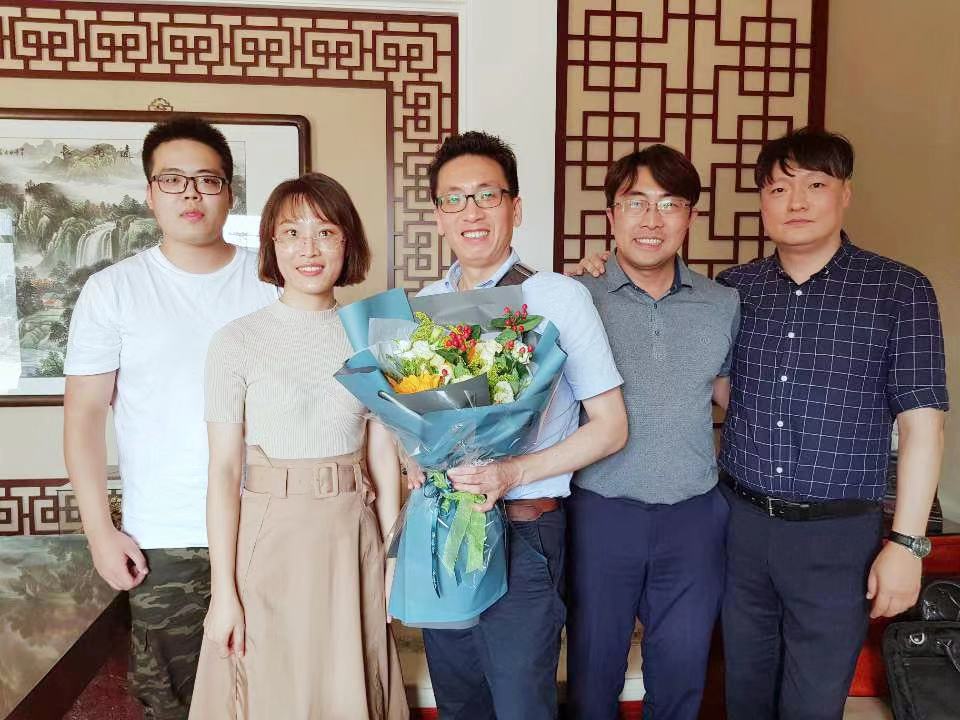
In 2019, Korean partners visited our facility to customize structural tubes matching their proprietary system locks.
Long-term Australian clients visited our production floor in November 2018 to audit our hot-dip galvanizing lines.
Indian infrastructure buyers inspected our heavy-duty structural lines and contracted for 10 containers monthly.
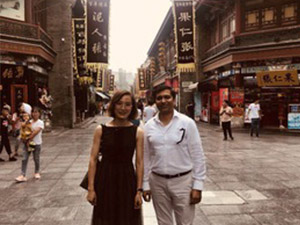
In June 2017, Lebanon partners visited our site and finalized orders for 1,000 tons of structural steel pipes.
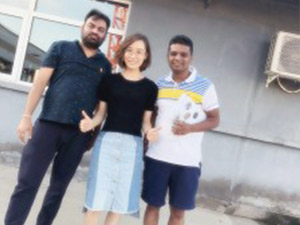
Following a Canton Fair meeting in 2018, Saudi buyers toured our plant and established supply routes for industrial staging.
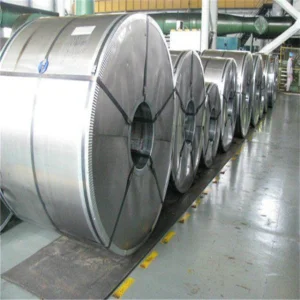
Premium hot-rolled and cold-rolled carbon steel coils awaiting processing.
Automated pipe mills forming structural round tubes with controlled heat-affected zones.
Automatic milling machines ensure pipe end geometry meets precise tolerance limits.
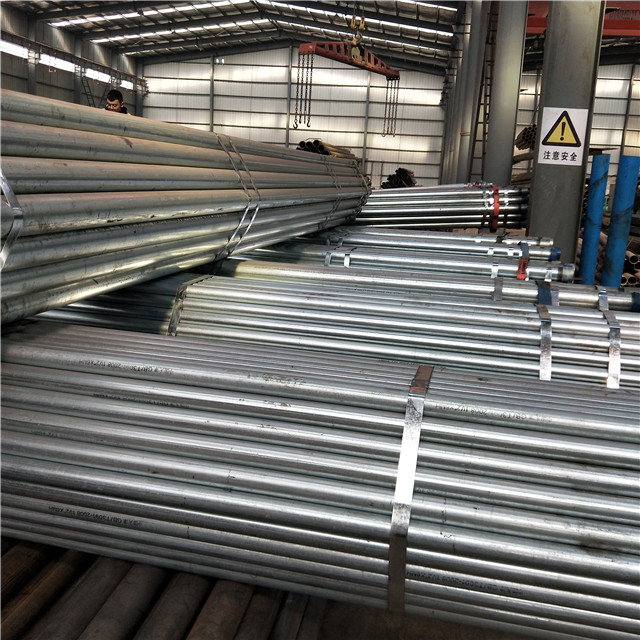
Inspecting zinc coating uniformity and smoothness on structural tubing.
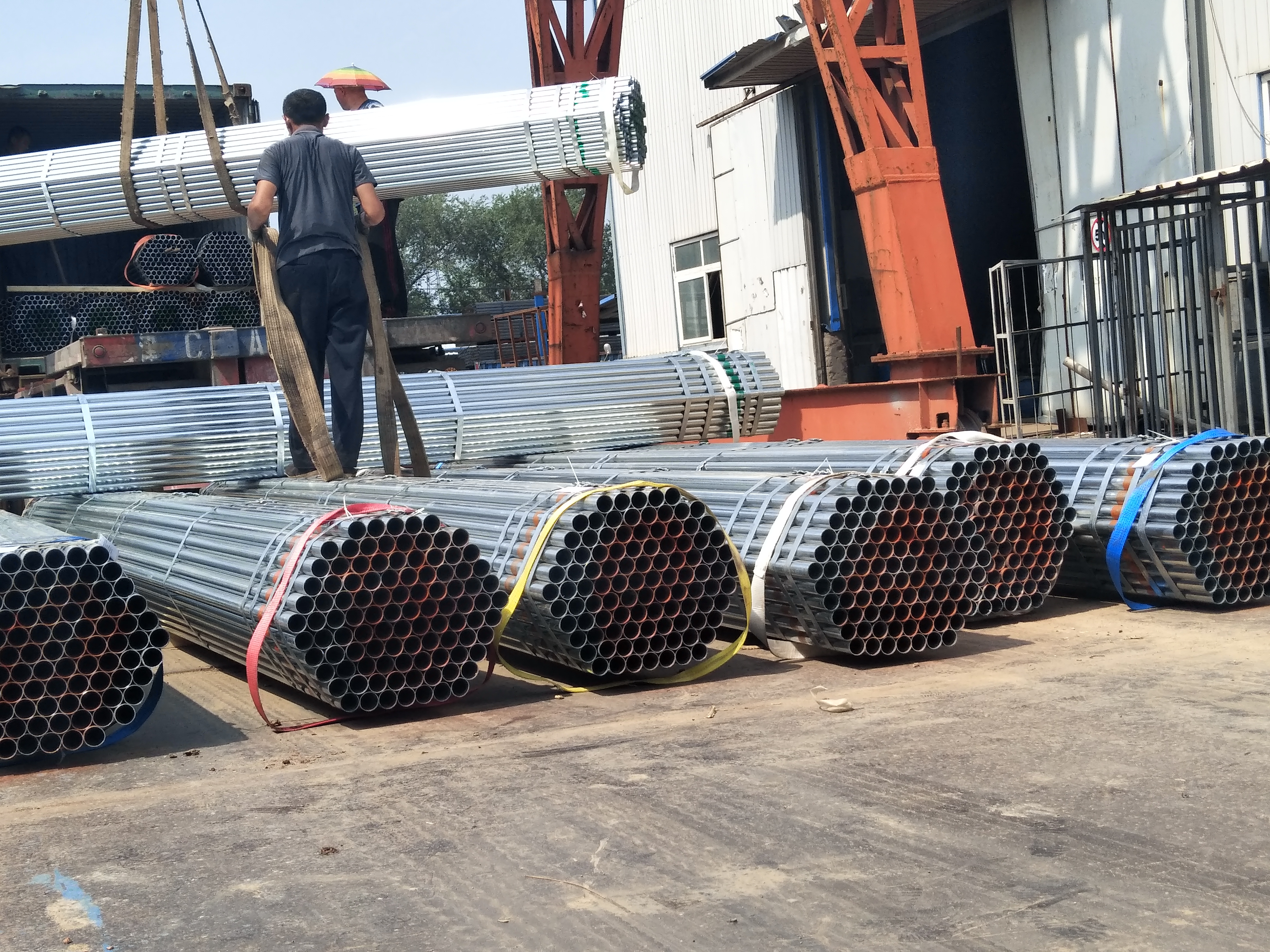
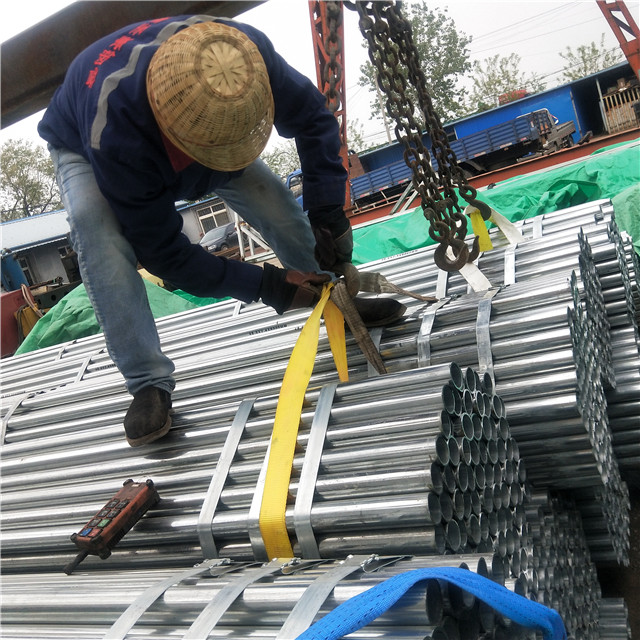
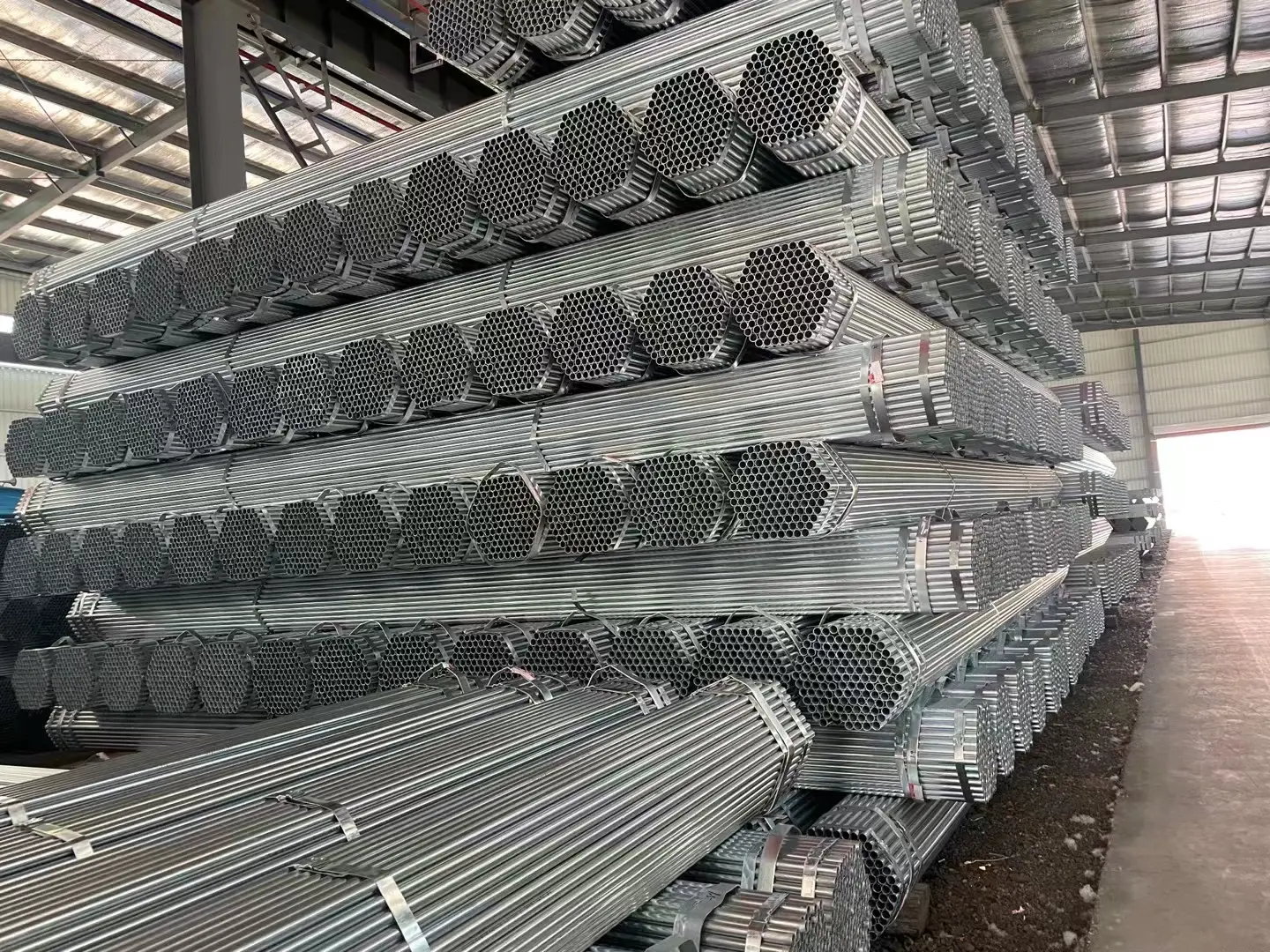
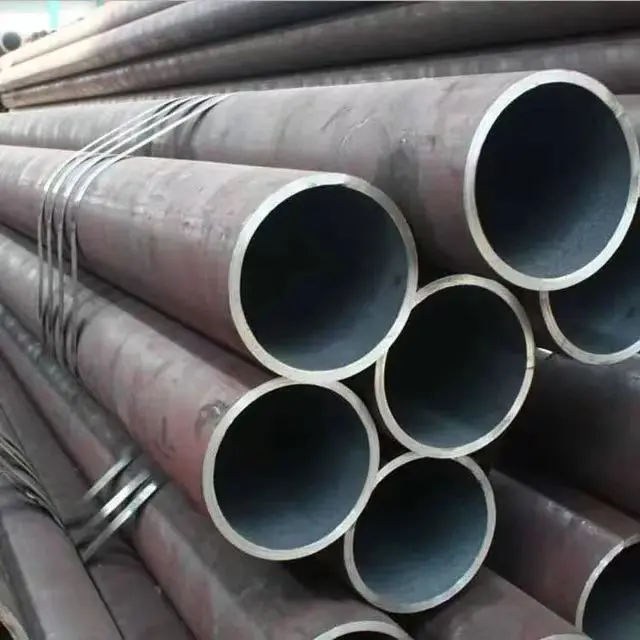
Finished pre-galvanized and black structural pipes organized for container transport.
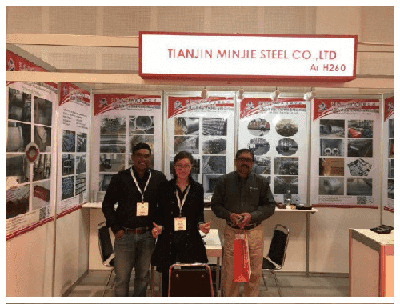
Minjie Steel exhibits annual technical innovations at the Canton Fair to connect with international buyers.
We manage a strict quality control workflow from design to third-party shipping inspection.
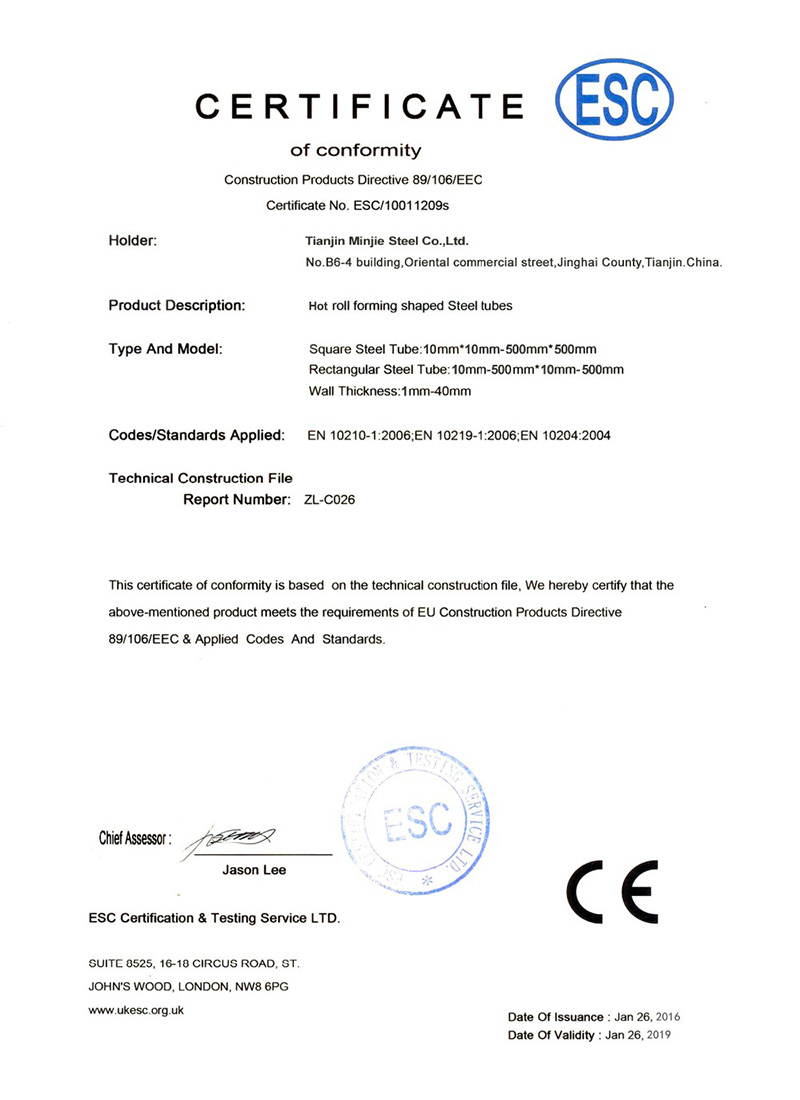
Engineering compliance is non-negotiable for critical structural applications. Tianjin Minjie Steel operates under a certified ISO 9001 Quality Management System. Our structural tubing meets European EN 10219 standards for cold-formed welded structural hollow sections, as well as BS EN 39 specifications for scaffolding configurations.
To meet the requirements of international contractors, we provide detailed mill test certificates (MTC) matching standard EN 10204 3.1. These documents confirm the chemical composition, yield strength, tensile strength, elongation, and hydrostatic test results. We cooperate with third-party testing organizations such as SGS, BV, and Lloyd's Register to inspect zinc thickness, weld line integrity, and mechanical strength prior to port dispatch.
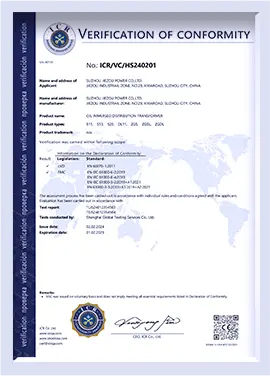
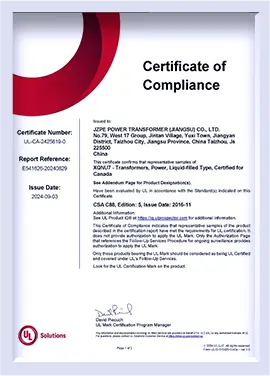
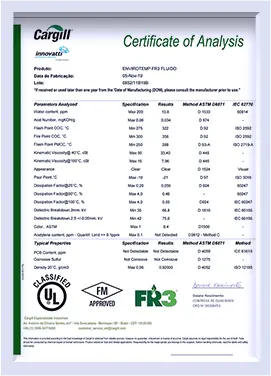
Our structural steel profiles, including heavy coils and multi-purpose sections, are designed to support global infrastructure systems.
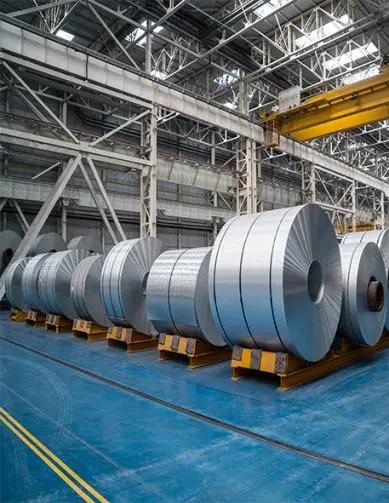
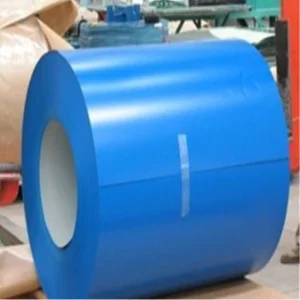
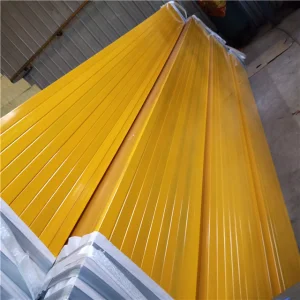
Hot dipped galvanized steel coil, pre-painted galvanized steel coil, Color-coated strip.
View Details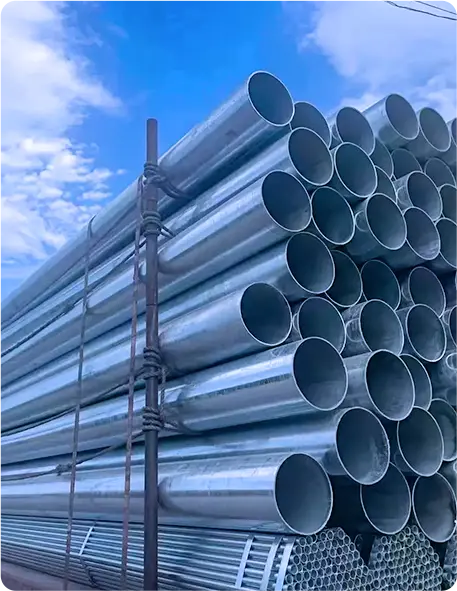
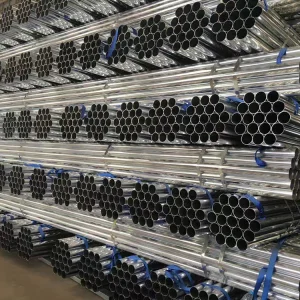
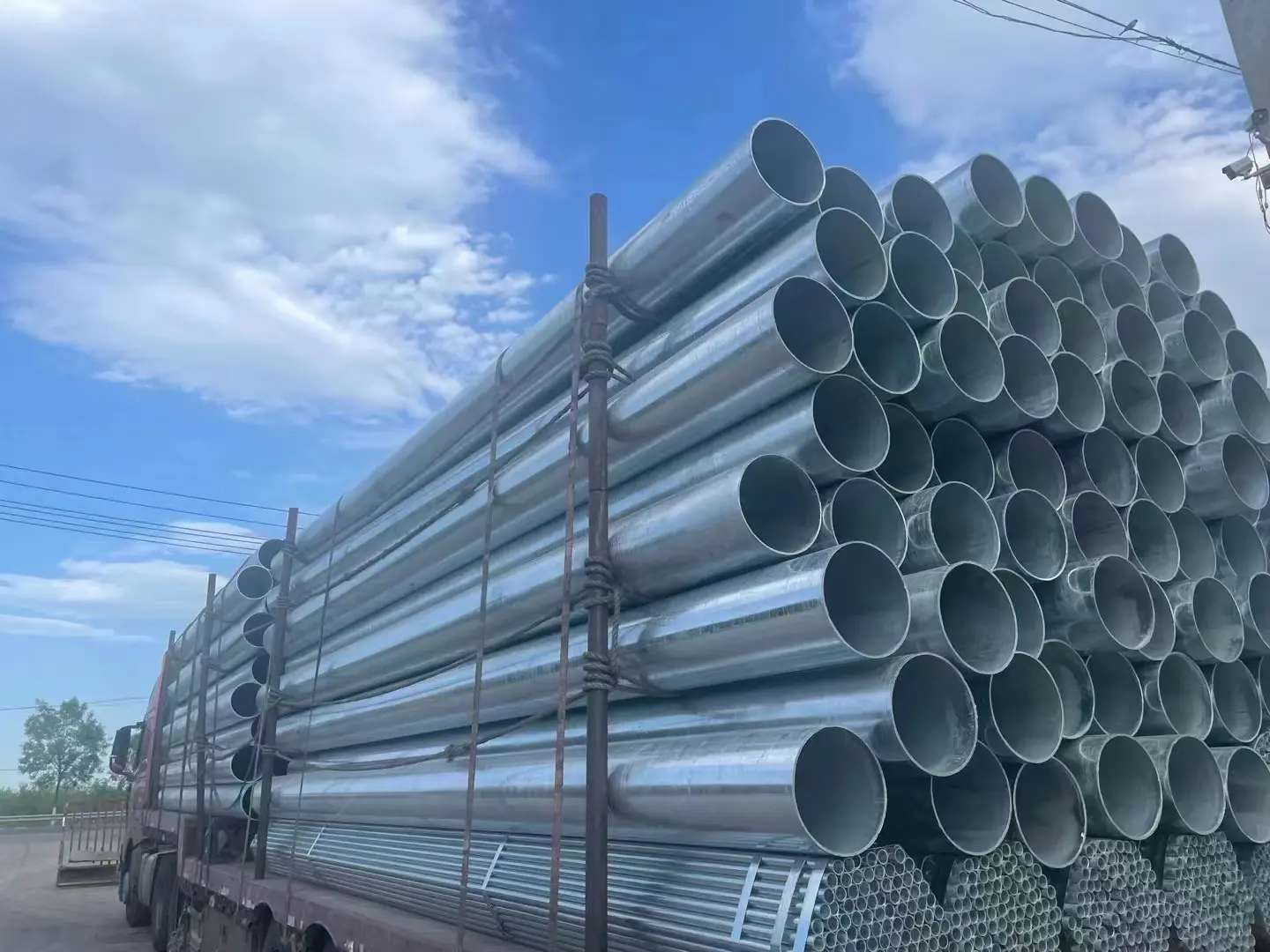
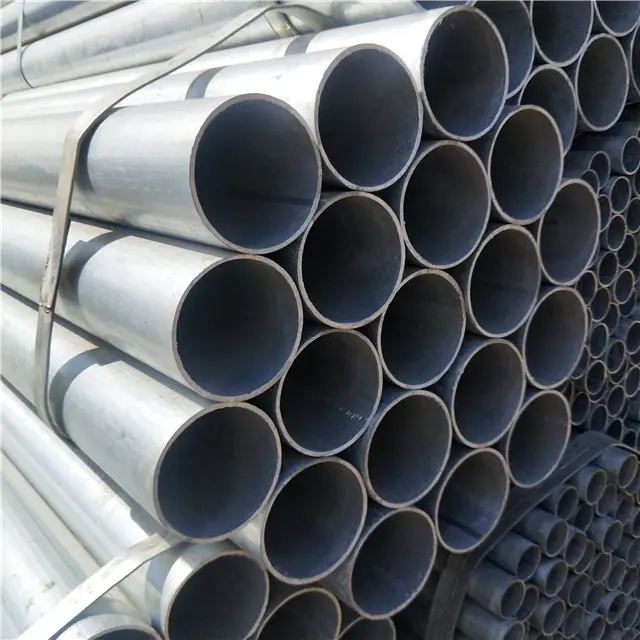
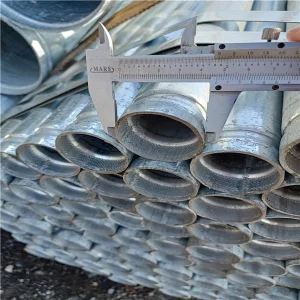
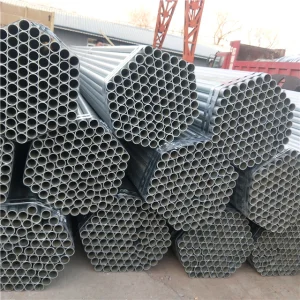
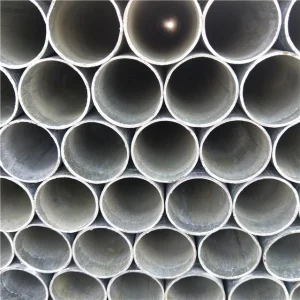
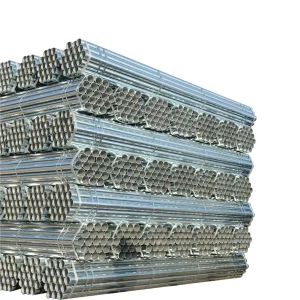
Hot Dipped Galvanized Steel Pipe, Pre-Galvanized Steel Pipe, Zinc-Aluminum Steel Pipe.
View Details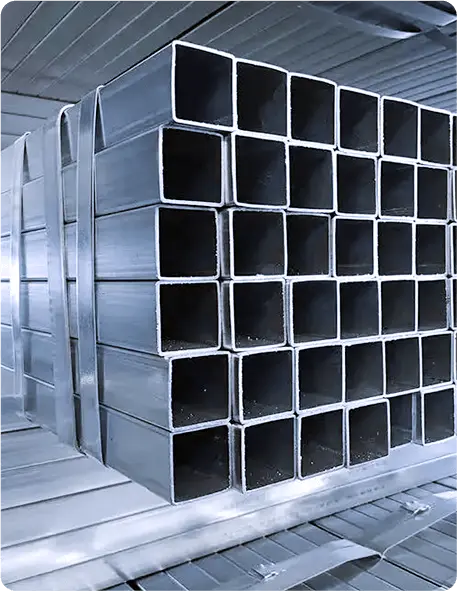
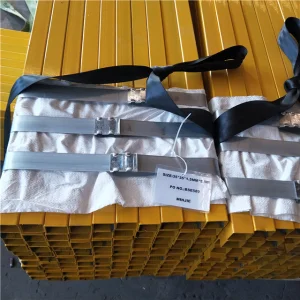
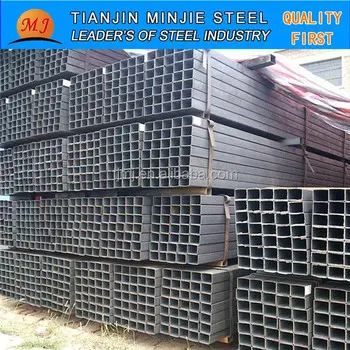
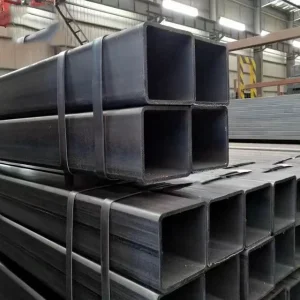
Square Steel Pipe, Rectangular Steel Tube, Galvanized Square Steel Pipe.
View Details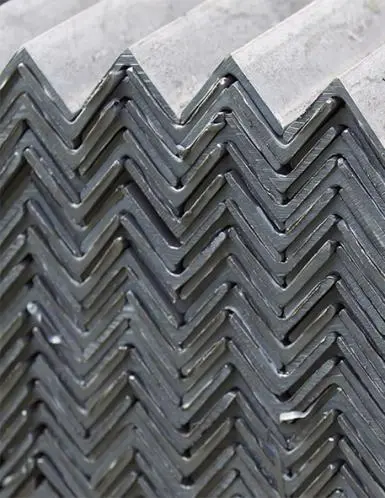
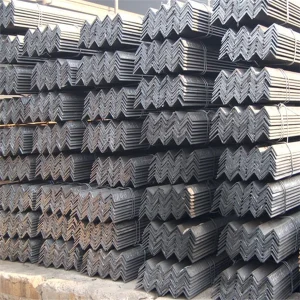
Hot Rolled Equal Angle Steel, Galvanized L-Profiles, Heavy Tower Structures.
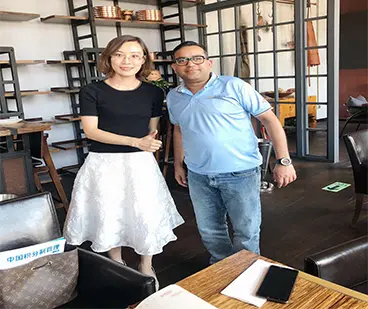
View DetailsReal-world deployments of our carbon steel structural pipe systems across various operating conditions.

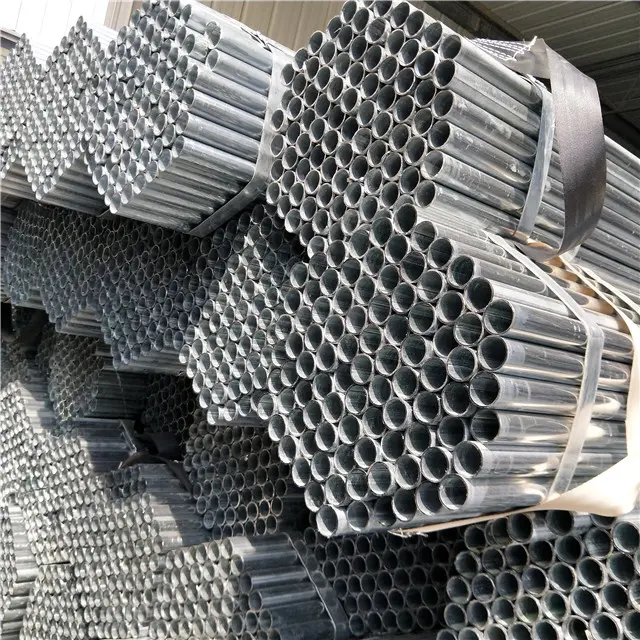
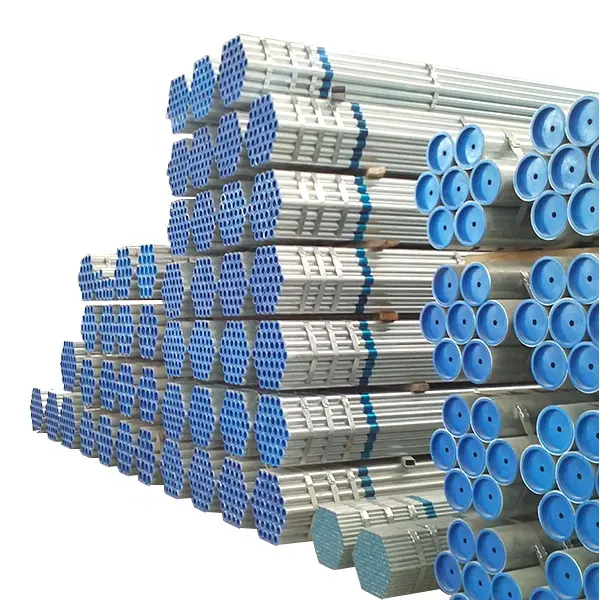
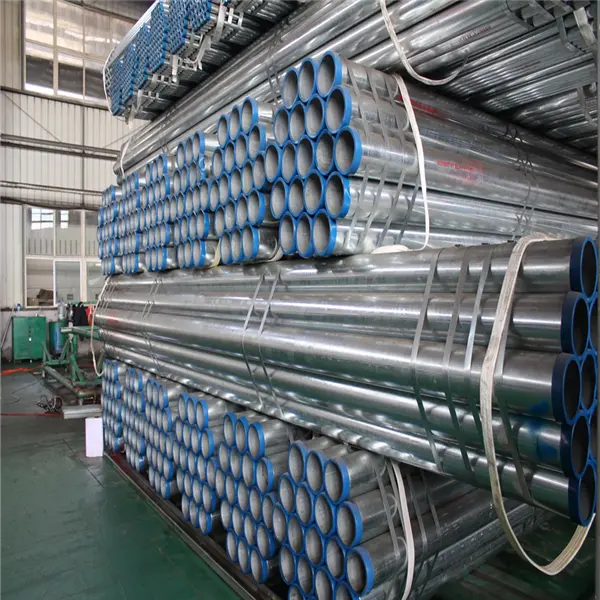
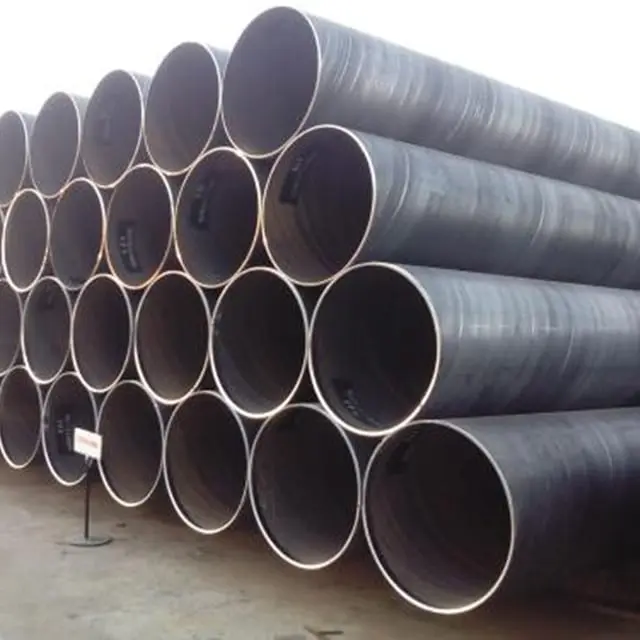
Integrating metallurgical advances, smart tracking, and sustainable coatings to meet evolving global demands.
The structural steel and scaffolding sectors are adapting to new technical requirements in infrastructure engineering. The focus is shifting toward higher durability, circular economy integration, and automated monitoring. Key development paths include:
Tianjin Minjie Steel aligns its development strategy with these changes. Our R&D team optimizes production parameters on our ERW and galvanizing lines to minimize energy consumption and control dimensional variations.
By refining our forming and welding parameters, we minimize heat-affected zones to prevent stress concentration points along structural weld seams. These process controls ensure that our structural sections can withstand the cyclic loads and repeated assembly typical of system scaffolding installations.
Key engineering information for sourcing structural scaffolding pipes and steel tubes.
BS EN 39 is the modern European standard that specifies requirements for loose steel tubes used in tube-and-coupler scaffolding. It defines requirements for steel grades (mainly S235GT), dimensional dimensions (48.3mm OD, with nominal wall thicknesses of 3.2mm or 4.0mm), and specific tolerance limits. BS 1139 is a broader British standard that covers scaffolding systems, design calculations, and auxiliary components. Many regional procurement documents reference BS 1139, but the steel pipes are typically manufactured and certified to meet the technical specifications of BS EN 39.
Zinc corrodes at a much slower rate than steel—approximately 1/10 to 1/30 the rate depending on atmospheric conditions. In marine environments (classified as C4 or C5 corrosion zones under ISO 12944), standard steel corrodes rapidly. A hot-dipped galvanized pipe with a zinc coating weight ≥ 500 g/m² (approx. 70 microns) provides a protective barrier and cathodic protection, yielding a typical maintenance-free lifespan of 15 to 25 years. Pre-galvanized pipes, which have a thinner zinc layer (approx. 15-20 microns), are better suited for dry inland climates or agricultural greenhouses.
ERW steel pipes provide a balanced combination of mechanical performance and cost efficiency. High-frequency ERW processes produce highly uniform wall thicknesses and concentric profiles, which are critical for calculating structural buckling loads in scaffolding columns. Modern ERW production lines include inline weld bead monitoring and heat treatment to normalize the weld zone, ensuring mechanical properties match the base metal. Seamless pipes are rated for high-pressure fluid containment but are generally over-engineered and cost-prohibitive for temporary structural scaffolding structures.
Slippage is prevented by ensuring the pipe's outer diameter matches standard coupler dimensions and maintaining surface quality. The outer diameter must be held to ±0.5mm, and ovality must be minimized. The pipe surface must be free from heavy scale, deep pitting, or excessive paint buildup that could reduce friction. Sizing dies on our production lines shape the tube ends to ensure snug, secure connections with standard scaffolding couplers.
Our patented grooved and shouldered ends allow for faster installation compared to traditional threaded connections or manual welding. Grooved pipes interface directly with standard mechanical couplings to create a flexible joint that tolerates structural movement and expansion. Shouldered end pipes are designed for rapid setup and teardown in temporary industrial piping networks and shoring applications, reducing onsite labor requirements and project timelines.
Carbon content dictates the balance between strength and weldability/ductility. Q235 (carbon content 0.14% - 0.22%) is highly ductile and easy to form and weld, making it the industry standard for standard scaffolding tubes. Q345 (carbon content up to 0.20% with additional micro-alloys) offers higher yield strength (345 MPa vs 235 MPa). This higher strength allows for thinner-walled tubes in heavy-duty shoring towers, reducing self-weight while maintaining structural safety margins.
We supply a complete selection of structural tubes, wire coils, and greenhouse framing systems to global construction standards.
 Minjie Steel