Engineered structural pipes and raw materials sourced from ISO 9001 certified manufacturing facilities.
Investigating technical specifications, compliance parameters, and manufacturing superiority of Chinese industrial piping networks.
Underwriters Laboratories (UL) listing and Factory Mutual (FM) approval represent the gold standard in mechanical and fire suppression safety worldwide. In pressurized fluid networks, particularly automatic fire sprinkler systems, components face immense stress, thermal variation, and the potential of hydraulic shock. Selecting products from a certified China UL FM Fittings Manufacturer is not merely a preference for international projects; it is a critical regulatory and risk-mitigation imperative.
UL standards (such as UL 213 for grooved couplings and fittings) evaluate products under severe mechanical and pressure testing, while FM approvals ensure reliability under real-world fire hazard environments. The dual certification validates that grooved pipe fittings, grooved elbows, tees, and couplings can safely handle rated working pressures up to 300 PSI or 500 PSI depending on system specs, mitigating any risk of catastrophic pipe disconnection during critical operations.
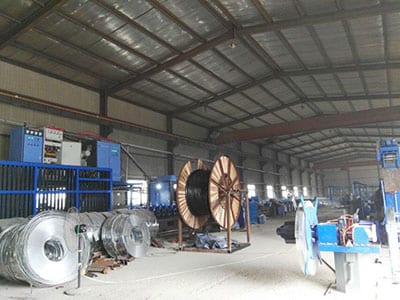
Established in 1998, Tianjin Minjie Steel Co., Ltd has emerged as a premium manufacturing power-house in Northern China. Spanning an expansive production footprint of over 70,000 square meters, the facility strategically sits only 40 kilometers from XinGang Port—the largest deep-water shipping gateway in Northern China. This unique geographical leverage minimizes domestic logistical transit times and ensures high shipping efficiency for our global partnerships.
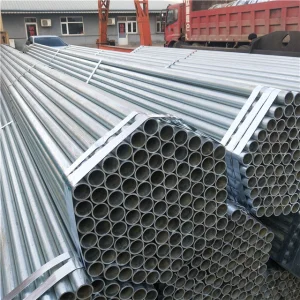
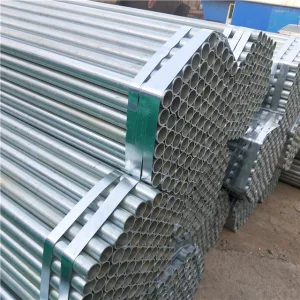
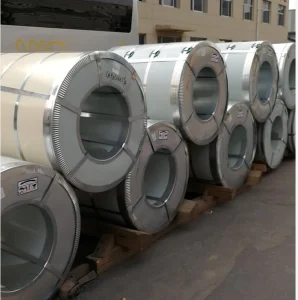
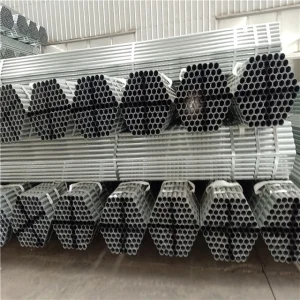
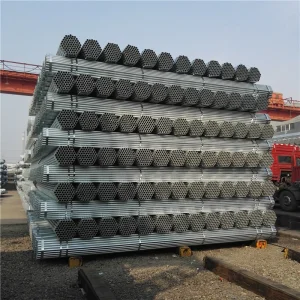
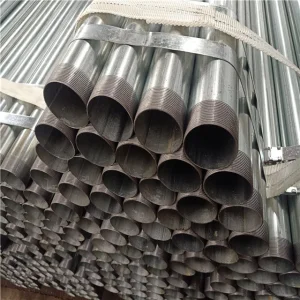
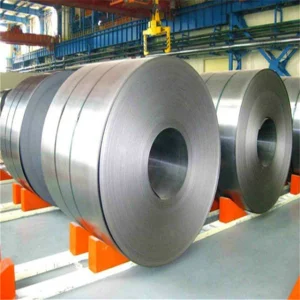
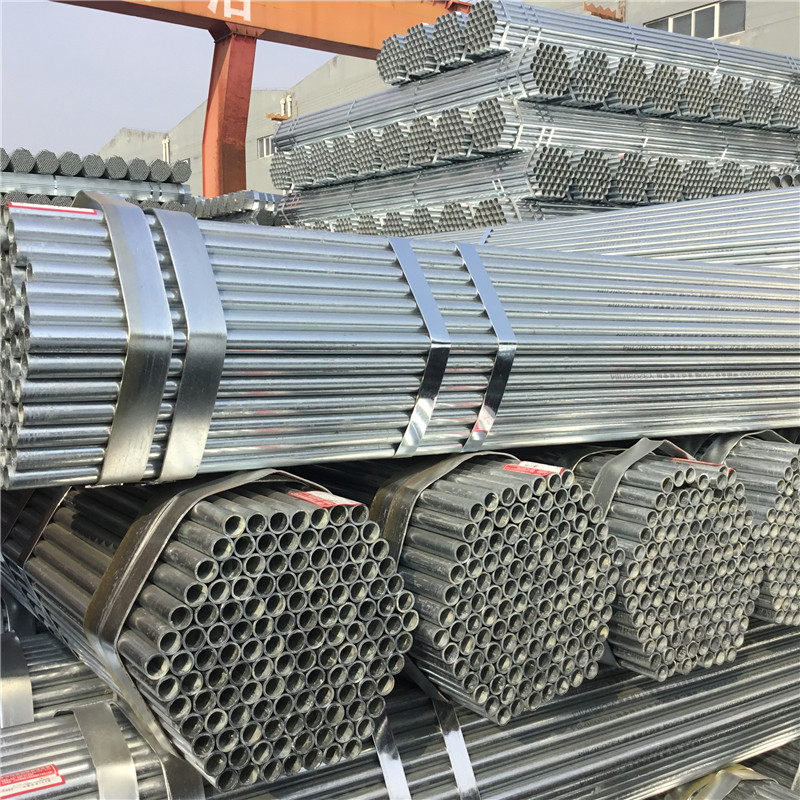
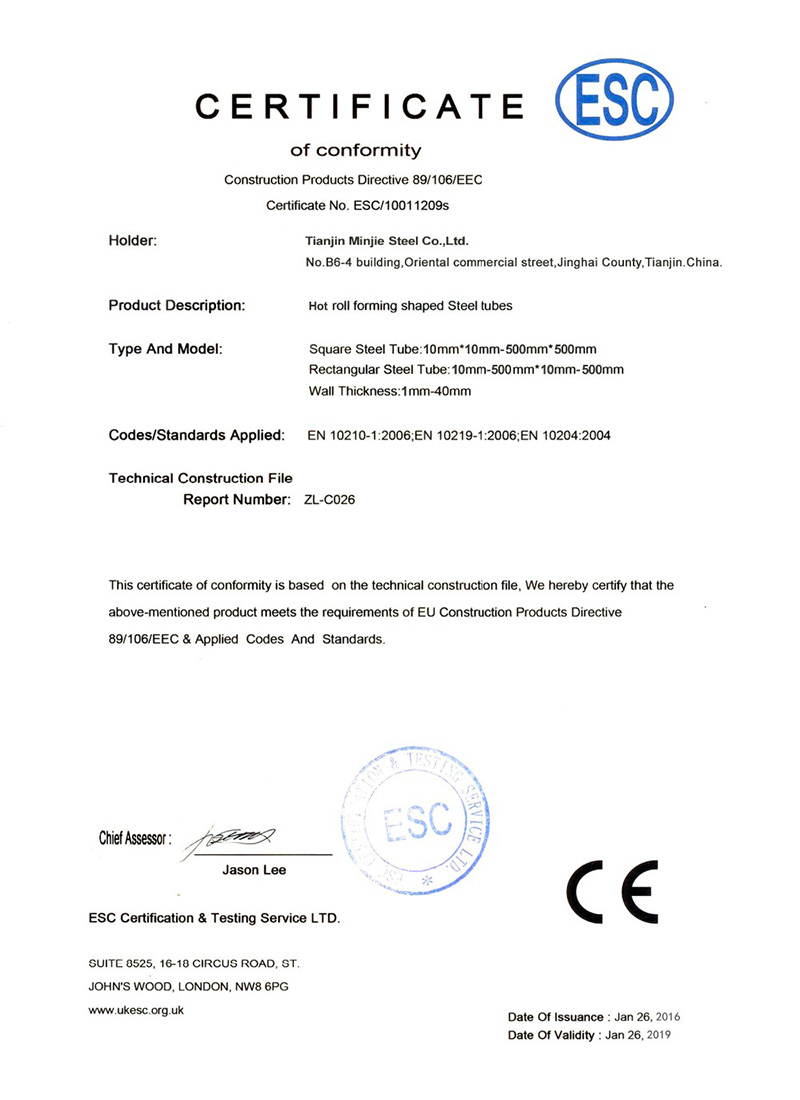
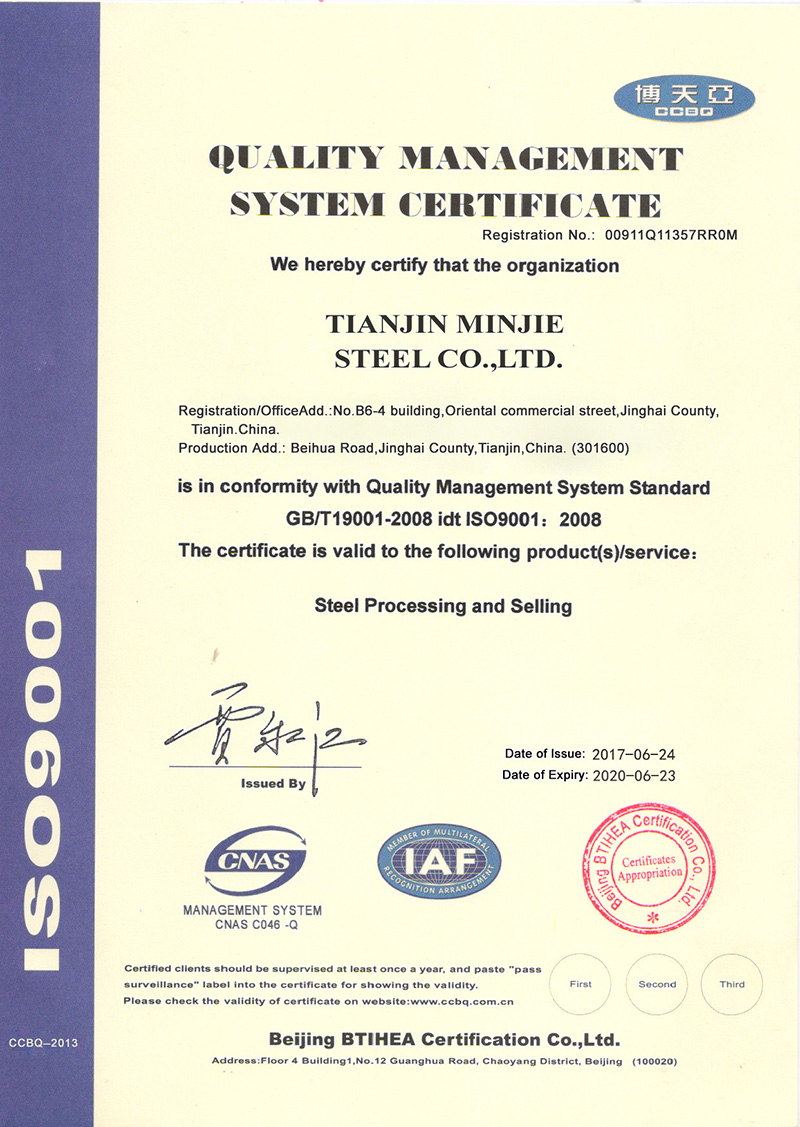
Minjie Steel stands out for its structural and pipe engineering expertise. Our proprietary technologies include 3 distinct utility and mechanical patents: Groove pipe, Shoulder pipe, and Victaulic pipe configurations. Backed by state-of-the-art facilities comprising 4 pre-galvanized product lines, 8 ERW steel pipe lines, and 3 hot-dipped galvanized processing lines, we maintain production tolerances according to standard international frameworks including GB, ASTM, DIN, and JIS. All factory processes run under strict adherence to ISO 9001 quality management guidelines.
Global procurement specialists are increasingly relying on Chinese factories for UL/FM grooved pipe fittings due to advanced manufacturing scaling, structural raw material integration, and high supply chain flexibility. Here is a look at the factors driving this preference:
Modern Chinese factories employ vertical integration, starting from pure pig iron smelting to ductile iron casting. This ensures a consistent nodularity rate above 90% (ASTM A536 standard). Optimal nodularity prevents fracturing under sudden seismic loads and rapid changes in line pressure.
Through electrostatic epoxy powder spraying and hot-dip zinc galvanizing, fittings receive protection against rust. Coating thicknesses consistently exceed 70 microns, outperforming local environmental standards and preventing red rust formation in dry pipe system damp zones.
By using CNC mold processing lines and automated grinding, grooved margins stay well within tight tolerances. Precision groove depth is critical to maintaining a leak-proof seal under changing temperature conditions and high building vibration.
Being based in Tianjin provides a key geographic advantage, offering direct access to iron and steel raw materials. Combined with efficient production methods, this enables competitive pricing on UL/FM fittings without sacrificing material quality.
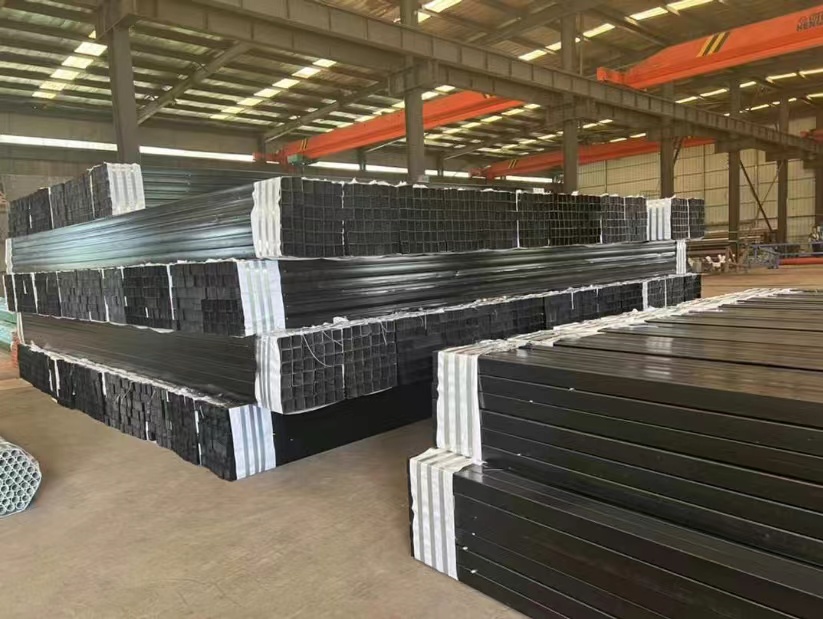
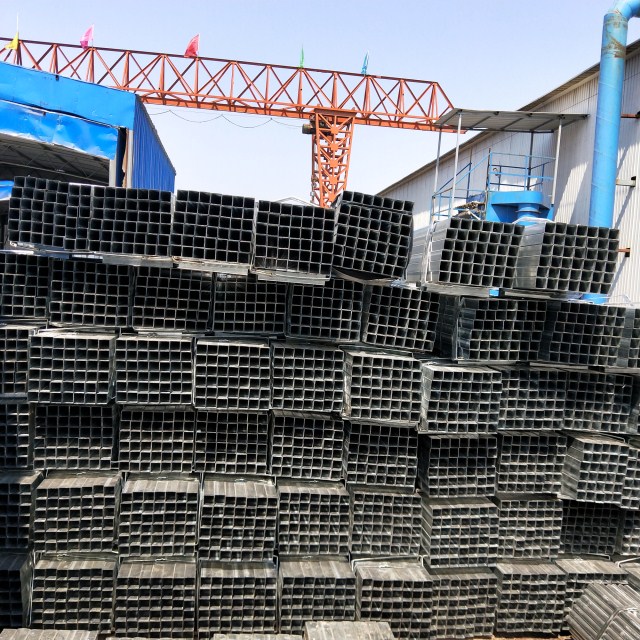
A major trend among global contractors is sourcing complete pipeline packages rather than individual components. As a key partner in this market, Tianjin Minjie provides unified solutions by supplying certified fittings alongside high-strength structural carbon pipes, square/rectangular tubes, and scaffolding assemblies.
| Pipe Category | Applicable Standards | Zinc Coating Spec | Primary Industrial Use Case |
|---|---|---|---|
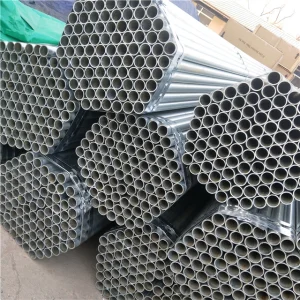
| Pre-Galvanized Pipes | ASTM A53, BS 1387, EN 10219 | Z60 to Z180 g/m² | Agricultural greenhouses, electrical conduits, light framing |
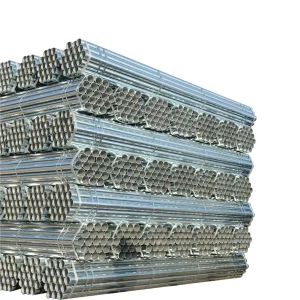
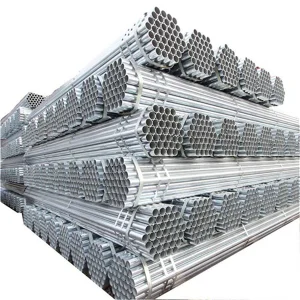
| Hot-Dip Galvanized Pipes | ASTM A53, BS1387, DIN 2444 | Over 300 to 500 g/m² | High-pressure fire mains, HVAC systems, municipal water networks |
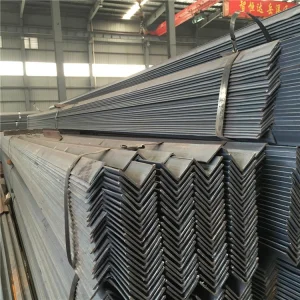
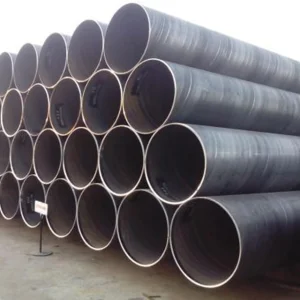
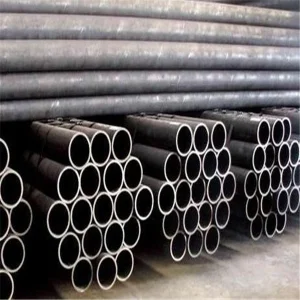
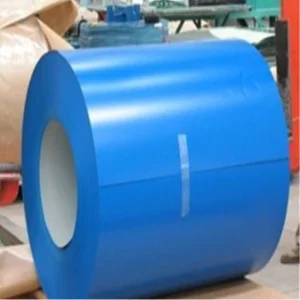
| ERW Carbon Steel Pipes | API 5L, GB/T 3091 | Black / Oiled / Painted | Heavy mechanical structures, oil/gas transportation pipelines |
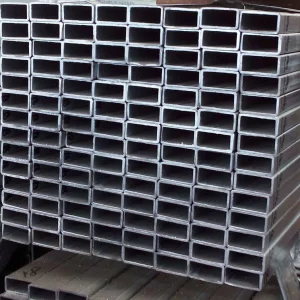
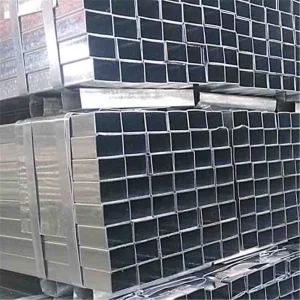
| Square & Rectangular Sections | EN 10219, ASTM A500 | Customized galvanizing | Automotive fabrication, solar brackets, building frames |
Selecting matching pipes and grooved fittings from a single source ensures consistent diameter sizing and coupling alignment. Grooved couplings feature a flexible, tight design that accommodates thermal movement and building settles, making them ideal for high-rise commercial structures and industrial facilities.
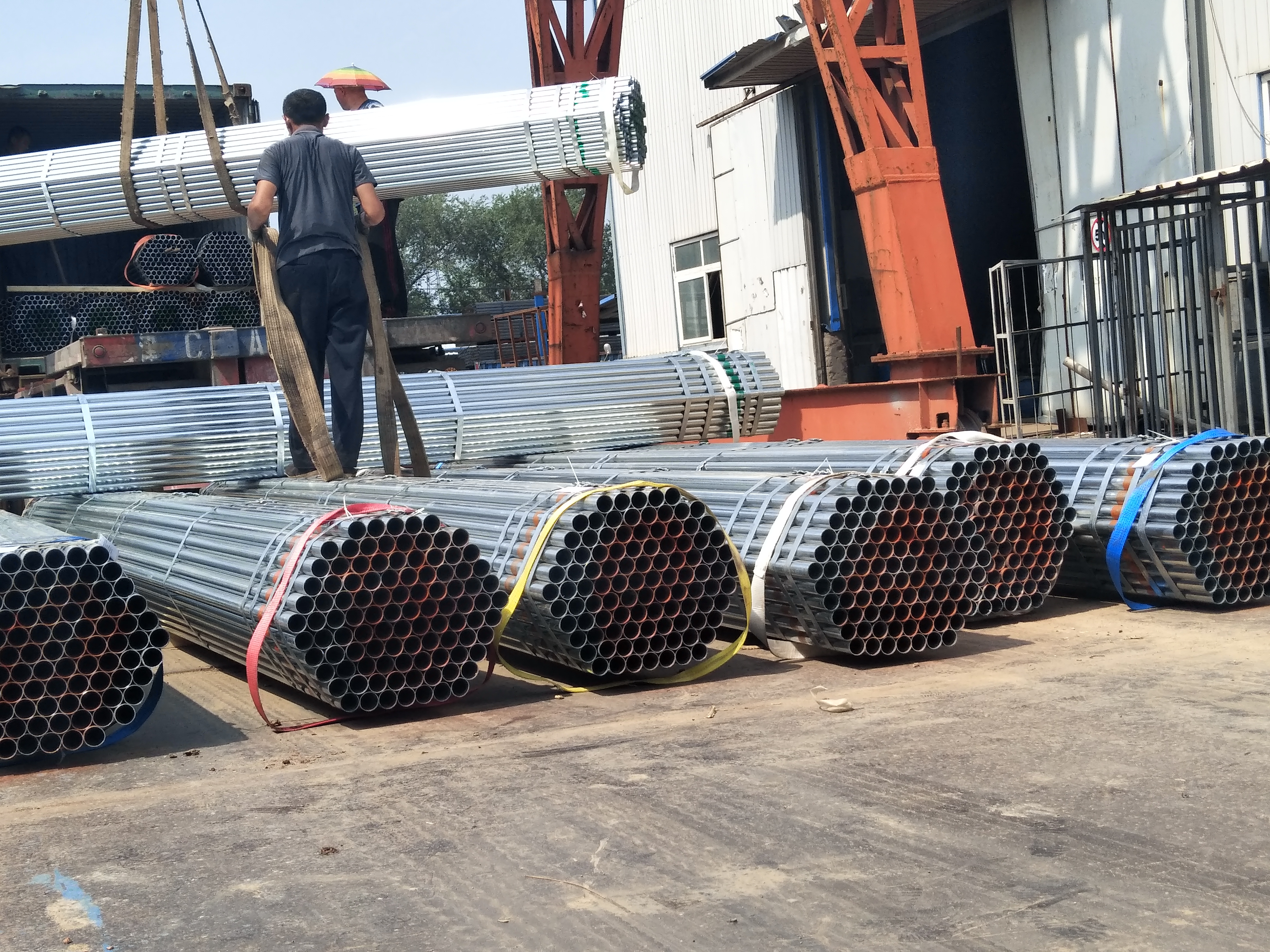
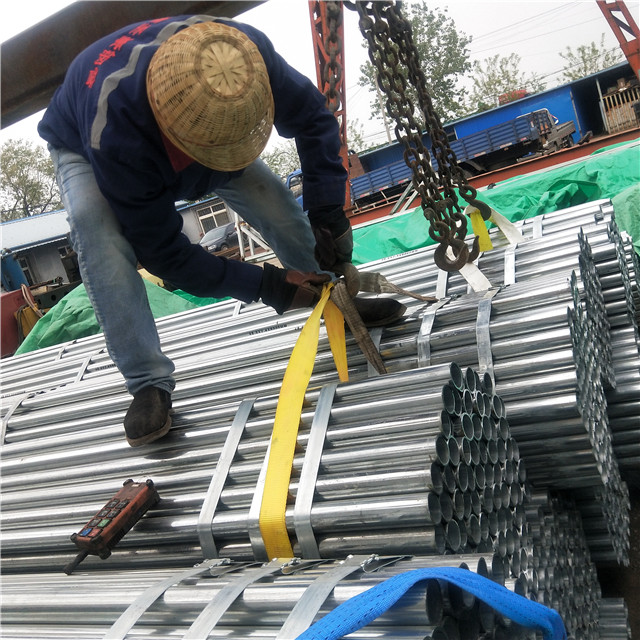
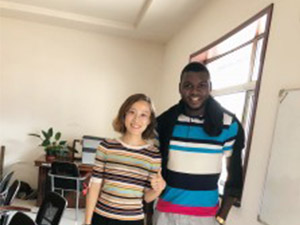
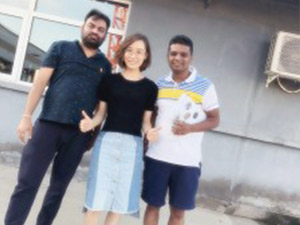
At Tianjin Minjie, we build trust with global buyers through open communication and clear quality verification. We regularly host factory visits for international clients and participate in key trade events like the Canton Fair. These face-to-face visits allow procurement managers to inspect our smelting processes, automated machining centers, and pressure testing labs firsthand.
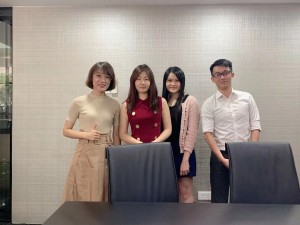
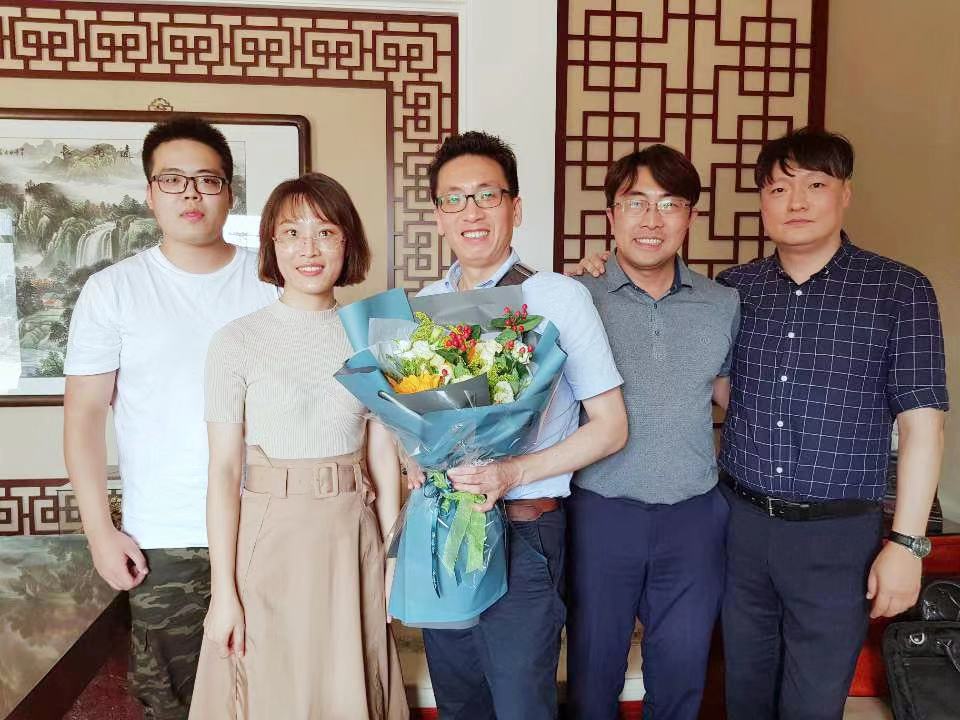
During these visits, we confirm compliance with specific regional requirements:
Expert answers addressing the key design, compliance, and logistical questions of mechanical engineers and global procurement officers.
UL (Underwriters Laboratories) focuses primarily on safety standards compliance and mechanical structural testing, certifying that the component will not fail under rated pressure limits. FM (Factory Mutual) focuses on property loss prevention and risk minimization in real-world environments, often requiring higher performance limits and testing fittings under extreme load and heat scenarios. Most modern high-hazard projects specify components that carry both UL listing and FM approval.
Ductile iron contains spherical graphite nodules, which prevent stress concentration and crack propagation, whereas grey iron contains flake graphite that behaves more brittly under stress. ASTM A536 Grade 65-45-12 ductile iron provides a minimum tensile strength of 65,000 PSI, yield strength of 45,000 PSI, and 12% elongation. This ensures the fittings can absorb water hammer shocks and seismic shifts without fracturing.
If a groove is cut too deep, it weakens the pipe wall and reduces its pressure capacity. If the groove is too shallow, the coupling keys cannot engage fully, which can lead to joint separation under pressure. Working with a manufacturer that maintains strict quality controls guarantees that grooved dimensions (A, B, C, and D tolerances) remain within AWWA C606 and international standards.
EPDM (Ethylene Propylene Diene Monomer) Grade E gaskets are standard for wet fire sprinkler systems operating between -30°F and 230°F (-34°C to 110°C). For dry piping systems or networks handling oil-polluted water, Nitrile (Grade T) or silicone compounds may be required to prevent elastomeric degradation and maintain joint seal integrity.
A high-quality selection of scaffolding pipes, round, rectangular, and hollow steel sections for structural engineering applications.
 Minjie Steel