In recent years, the Colombian building sector has witnessed a profound transformation. Driven by updating codes such as the NSR-10 (Norma Sismorresistente Colombiana), specifically Title J and Title K governing fire protection, municipal authorities in major commercial hubs like Bogotá, Medellín, Cali, and Barranquilla have heightened compliance frameworks. The integration of internationally recognized fire protection protocols, notably the National Fire Protection Association standards (NFPA 13 for fire sprinkler installations and NFPA 14 for standpipes and hose systems), has set clear quality thresholds for components used in municipal and industrial piping systems.
As a result, municipal design firms and mechanical contractors across Colombia are shifting away from traditional threaded or welded steel pipes towards engineered grooved galvanized pipe systems. The high seismic activity within the Andean region demands mechanical joint configurations that absorb vibration and structural deflection. Standard welded networks often experience catastrophic shear failure at welded interfaces during earth tremors. Conversely, grooved system joints provide nominal flexibility, ensuring the physical path of critical fire suppression fluids remains completely unimpaired.
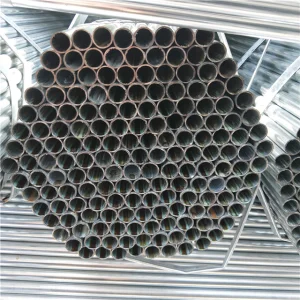
Under Title J of Colombia's NSR-10 code, structural materials must maintain high temperature resistance and structural ductility. Hot-dip galvanized steel tubing manufactured in accordance with ASTM A53 and ASTM A795 standard specifications meets these criteria by offering protection against interior pipe corrosion and external high-heat loading.
For Colombian construction contractors and local distributors, navigating the steel trade and sourcing reliable piping elements requires partnering with verified, high-volume manufacturers. Founded in 1998, Tianjin Minjie Steel Co., Ltd. stands as a premier supplier of fire pipe systems. Spanning over 70,000 square meters and located just 40 kilometers from XinGang Port—the largest maritime transport hub in Northern China—Minjie delivers unmatched logistically optimized, high-volume shipping configurations.
With an annual output of various pipe profiles exceeding 300,000 tons, Minjie employs 4 pre-galvanized product lines, 8 ERW high-frequency welded line assets, and 3 advanced hot-dipped galvanized chemical process lines. The core advantage of Tianjin Minjie lies in our proprietary patented line items, which include specialized groove pipes, shoulder pipes, and Victaulic-compatible connections. Every single batch complies with ASTM, DIN, JIS, and GB regulatory structures, backed by stringent ISO 9001 quality assurance programs. This ensures that every length of pipe arriving at the ports of Buenaventura or Cartagena offers perfect tolerance matching and immediate compliance certification.
In seismically active Colombian regions, rigid piping systems pose severe risks. When building designs flex under kinetic seismic waves, rigid pipelines exert high mechanical forces on building structures, leading to joint failures. Grooved piping systems utilize elastomeric gaskets housed within a metallic housing segment, clamped securely onto a cold-formed or hot-rolled groove at the pipe ends.
This configuration provides key operational advantages:
Importing bulk industrial steel components requires careful supply chain management. The maritime route from XinGang (Tianjin) to Colombian ports typically involves a transit window of 35 to 45 days. During this voyage, pipes are exposed to high salt spray and ambient relative humidity. Without proper chemical passivation and high-density galvanizing layers, raw steel pipes can arrive with oxidation, commonly referred to as "white rust."
Tianjin Minjie manages this risk through high-grade hot-dip galvanization processes. By maintaining a controlled zinc bath temperature and applying precise chemical chromate treatments, we form a multi-layered zinc-iron alloy coating. This ensures the pipes withstand harsh sea transits and deliver long-lasting service inside building spaces. Additionally, Minjie handles all packaging, container loading, and customs clearances at Xingang Port, facilitating a smooth transit to Colombia.
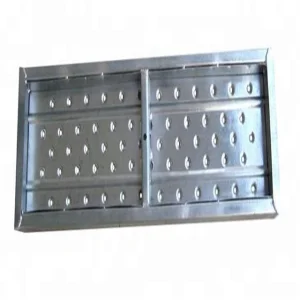
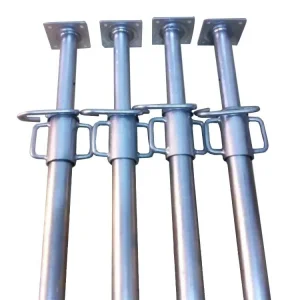
During the installation of overhead mechanical piping in complex commercial projects in Bogotá, contractors require stable support structures. Minjie supplies high-capacity Cuplock scaffolding systems, built to international safety standards, ensuring safe installations.
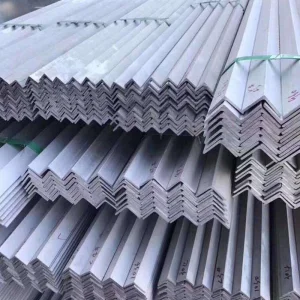
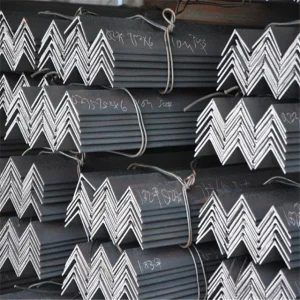
Under seismic guidelines, fire piping must be braced with angle irons. Minjie's high-quality equal angle steel sections provide the mechanical strength needed to securely anchor pipe networks to concrete ceilings and structural beams.
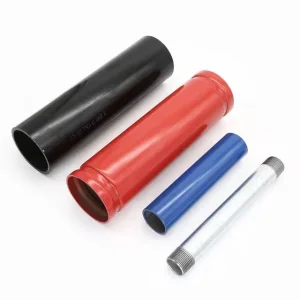
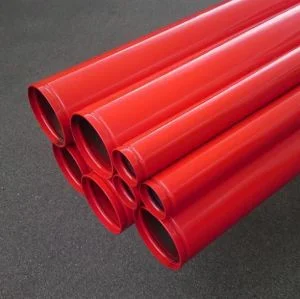
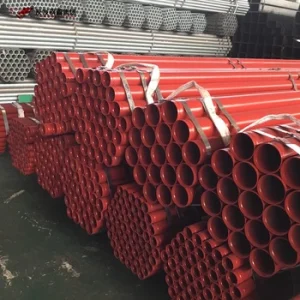
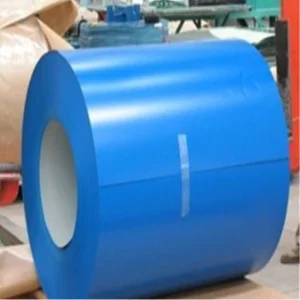
Minjie offers high-performance coatings, including pre-galvanized, hot-dip galvanized, and powder-coated finishes. These coatings protect steel tubes in humid environments, such as coastal warehouse terminals in Barranquilla.
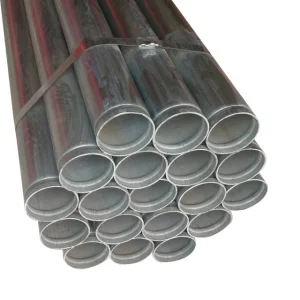
Under Title J and Title K of Colombia's NSR-10 building code, all critical mechanical pipe networks must adhere to verified structural ratings. For pressurized wet-pipe and dry-pipe fire sprinkler installations, steel pipes must conform to ASTM A53 (Grade A or B) or ASTM A795 standards. These materials are certified to withstand operating pressures and possess the structural ductility required in the event of seismic shifts.
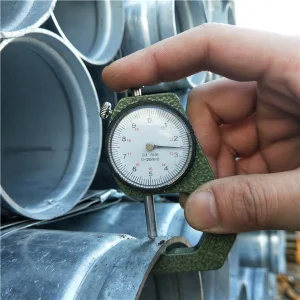
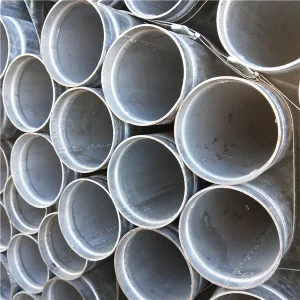
Hot-dip galvanizing involves coating fabricated pipes in a molten zinc bath, resulting in a thick zinc alloy layer on both the interior and exterior surfaces. This process offers superior corrosion protection compared to pre-galvanizing. The robust protection is essential for fire sprinkler networks where stagnant water can remain inside the pipe for long periods, accelerating corrosion in thinner protective layers.
Grooved couplings allow for angular deflection, rotation, and axial movement at each joint interface. Unlike rigid, welded pipelines that can crack or pull apart during seismic activity, grooved networks flex. This flexibility protects the system's integrity, ensuring fire suppression water flows continuously to active heads during a structural event.
Our proximity to XinGang Port (40 km) allows for quick ocean loading. Standard transit time to the Port of Buenaventura (Pacific coast) ranges from 30 to 35 days, while shipments to the Port of Cartagena (Atlantic coast) take approximately 38 to 45 days. We provide comprehensive export packaging, including anti-corrosive wraps and steel bands, to protect cargo during transport.
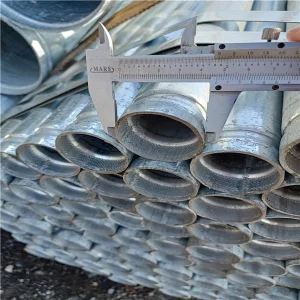
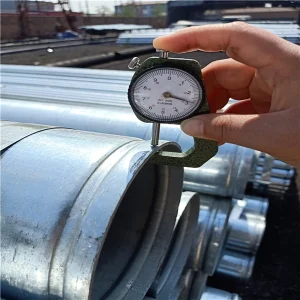
Yes. Minjie operates advanced grooving lines. We manufacture pipes in standard 6-meter lengths or produce custom lengths to match project designs, reducing the need for field fabrication. Grooves are manufactured to meet ASTM A795 dimensions, ensuring compatibility with standard coupling brands such as Victaulic and Gruvlok.
Partner with Tianjin Minjie Steel for certified, high-performance structural steel and fire sprinkler piping systems tailored to your project requirements.
Submit Request for Quote (RFQ) Minjie Steel