Engineered to meet the stringent technical guidelines of urban construction and deep-well industrial zoning in major Ethiopian trade sectors.
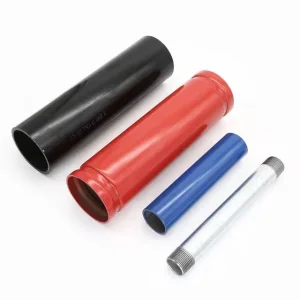
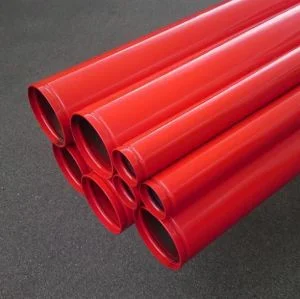
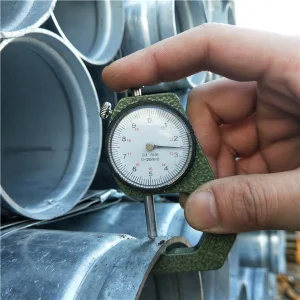
Ethiopia is undergoing an unprecedented structural transition driven by rapid urbanization, high-density residential development in Addis Ababa, and the continuous expansion of state-backed and private Industrial Parks (e.g., Hawassa, Bole Lemi, Adama, and Eastern Industrial Zone). As these economic corridors scale up, the fire safety requirements governing logistics hubs, textile factories, and high-rise commercial infrastructures have shifted from basic containment measures to strict international compliance frameworks.
Historically, civil engineering projects in East Africa relied heavily on field-welded carbon steel pipes for water conveyance and fire suppression systems. However, modern fire protection demands extreme durability, corrosion resistance, and speed of assembly. High ambient humidity in regional highlands, combined with seasonal moisture shifts, exposes low-grade steel to accelerated oxidation, creating critical blockages in sprinkler networks. To combat this, the Federal Democratic Republic of Ethiopia’s building safety regulations (incorporating EBCS guidelines) now recommend the integration of hot-dip galvanized and powder-coated steel piping with standardized grooved end designs.
Industrial parks require dedicated, high-flow wet-pipe and dry-pipe sprinkler systems utilizing ASTM A53 standard steel to handle continuous pressure requirements.
High-rise developments in Addis Ababa demand fire mains that can withstand pressures exceeding 1.6 MPa, eliminating the use of sub-standard welded tubes.
Areas along the East African Rift Valley require flexible grooved couplings rather than rigid joints to protect piping structures against tectonic shifts.
As municipal fire codes throughout Ethiopia harmonize with international standards (such as NFPA 13, NFPA 14, and BS EN systems), local engineering consultants are prioritizing structural and mechanical piping layouts with verified pressure and composition ratings. The industry is moving rapidly toward prefabricated fire loop components that drastically reduce site labor times while ensuring structural reliability.
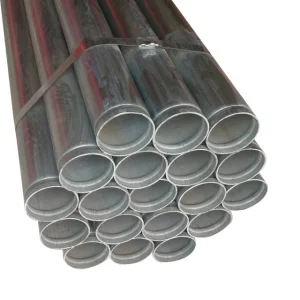
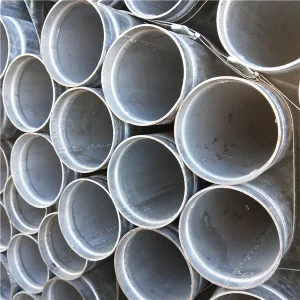
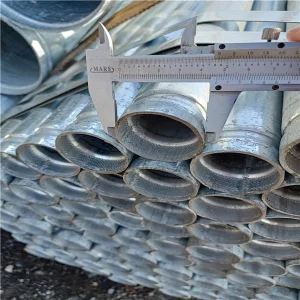
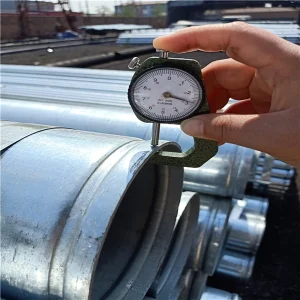
The shift from classic threaded or flange joints to grooved end connections represents the standard for modern installations. Grooved pipes feature rolled or cut channels near their ends, facilitating speed-locked connections via flexible or rigid mechanical couplings. This technology is vital in saving labor hours, and provides excellent vibration absorption, thermal expansion compensation, and deflection tolerance.
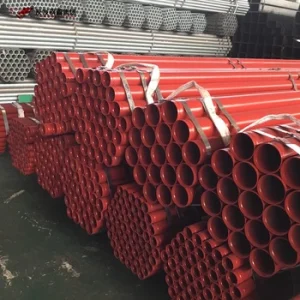
External weathering and indoor condensation are the primary enemies of fire sprinkler systems. By deploying double-treated steel components—specifically hot-dip galvanized pipes protected by an exterior high-adhesion red powder coating—our products achieve an operational life expectancy exceeding 30 years in highland conditions without interior scaling.
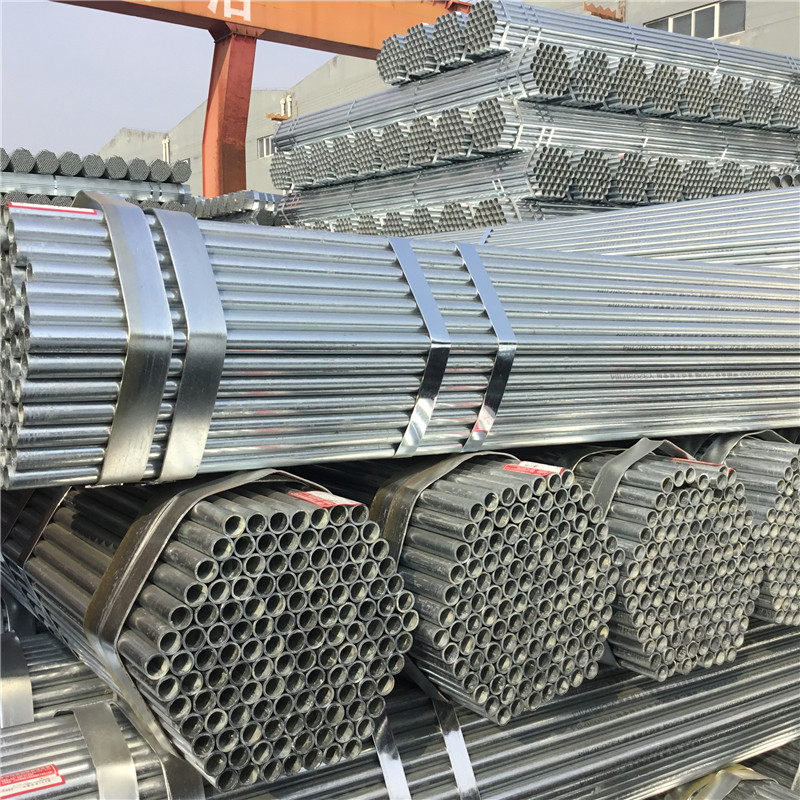
Tianjin Minjie Steel Co., Ltd. leverages advanced manufacturing, strategic geographic locations, and structural patents to supply stable pipelines globally.
Designing a reliable municipal fire main or commercial sprinkler system goes beyond selecting individual pipe dimensions. It requires integrating structural frames, seismic supports, and heavy industrial oil or gas piping structures. To facilitate direct supply chains, we manufacture holistic solutions that support construction work from start to finish:
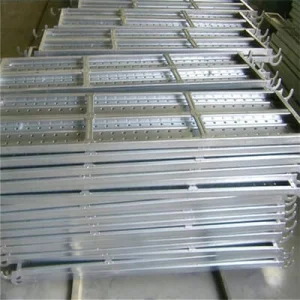
Our durable catwalks, hook steel decking planks, and Ringlock scaffolding configurations provide maximum work stability for crews deploying complex overhead pipe systems.
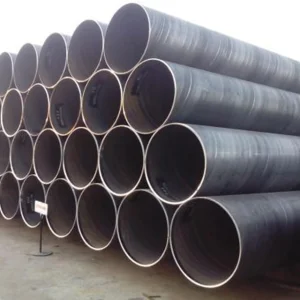
API 5L Spiral Welded (SSAW) and LSAW Carbon Steel Pipes handle long-distance water transmission from high-elevation water sources down to city distribution centers.
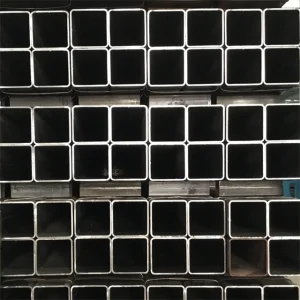
ASTM A500 and Q345B square and rectangular hollow structural sections are engineered to withstand structural loads and act as secondary framing elements in industrial plants.
Working directly with Ethiopian builders, our logistics team coordinates transport from Tianjin to the Port of Djibouti, ensuring smooth customs processing and prompt inland container transport to dry ports like Modjo. Our experience minimizes clearance delays, enabling seamless on-site delivery.
Our international footprint demonstrates the global trust in our manufacturing capabilities. From annual Canton Fair appearances to project-specific client consultations, our engineering teams consistently deliver verified products to diverse markets worldwide.
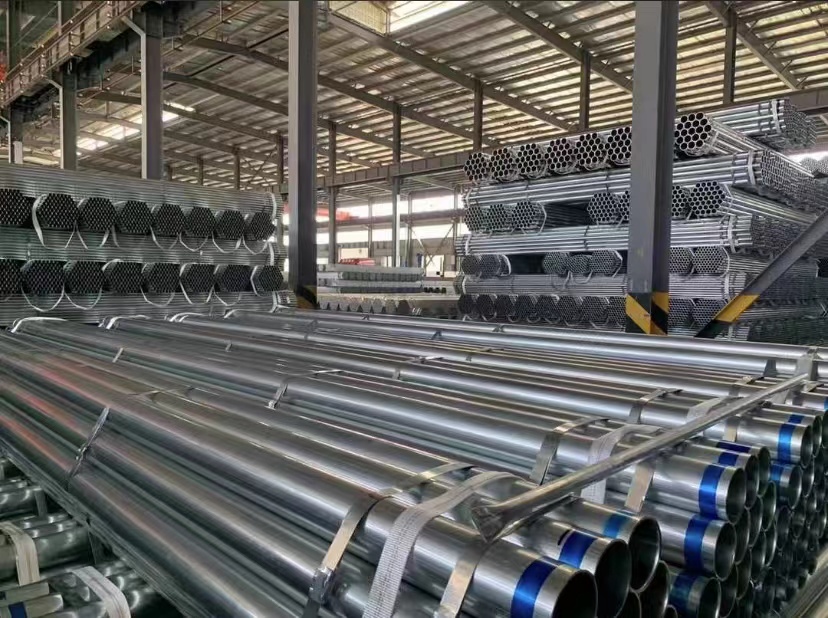
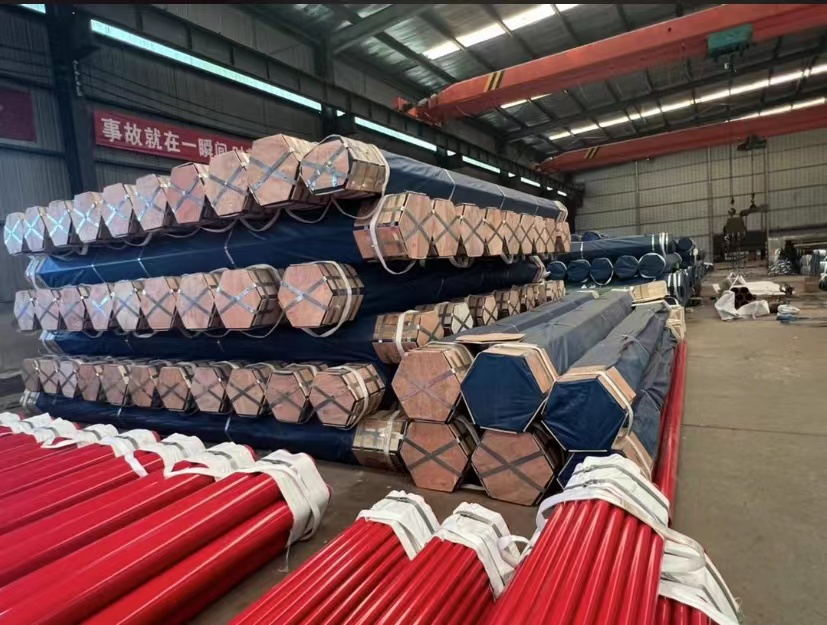
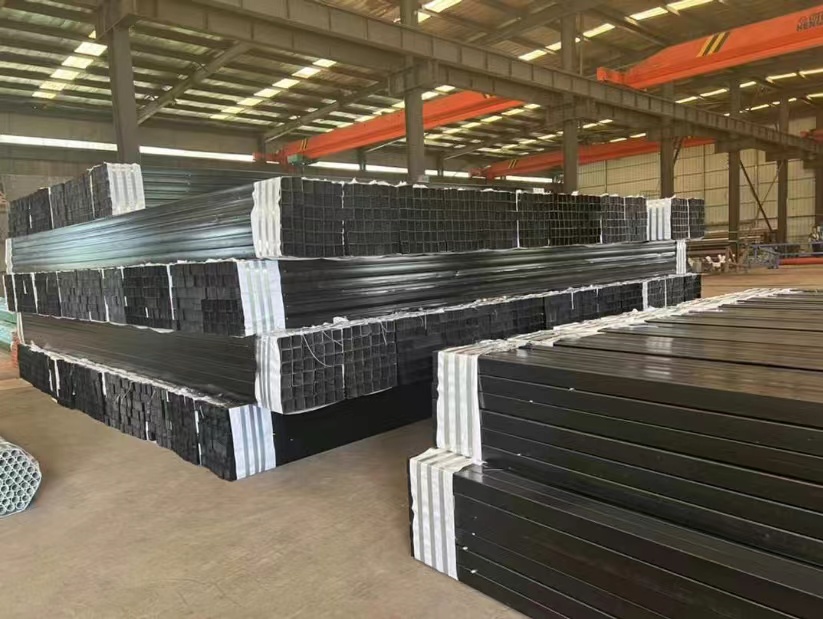
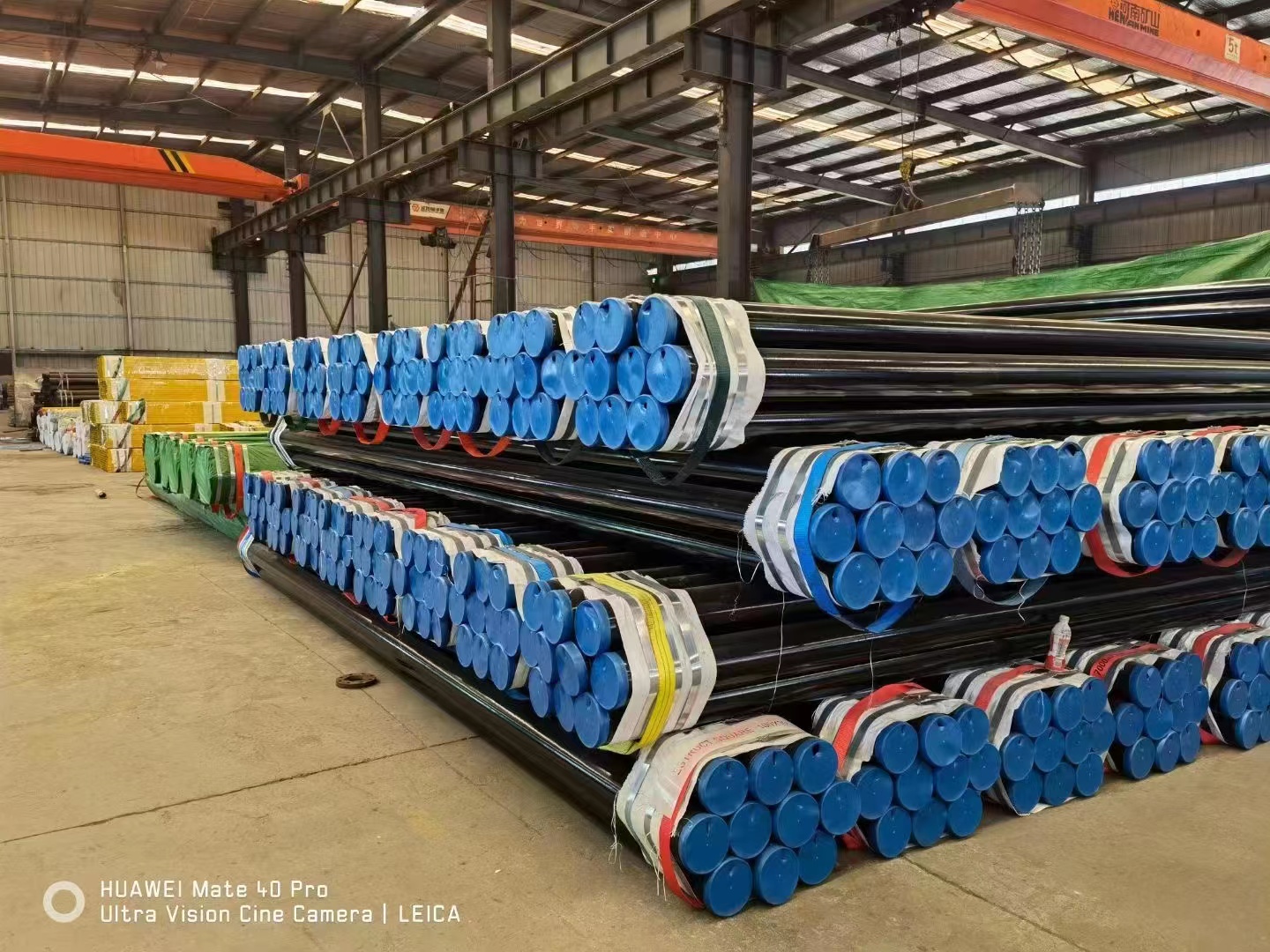
During global site audits and factory visits, clients from Singapore, South Korea, Lebanon, India, and Australia have verified our metallurgical capabilities and precision rolling machinery. We invite Ethiopian engineering teams and procurement officials to tour our production lines in Tianjin and review our testing methods firsthand.
Select from our certified range of steel tubes, structural hollow sections, scaffolding, and line pipes designed for East African industrial projects.
 Minjie Steel