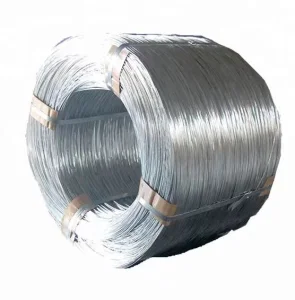
Engineered to withstand salt fog, coastal moisture, and extreme seasonal temperature changes in the New England area.
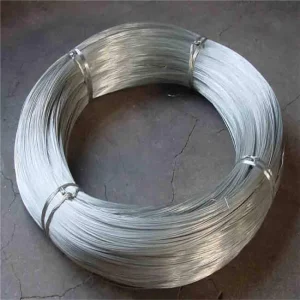
The Greater Boston area and New England's coastal industrial belt demand robust structural and metallic assets. Challenged by severe coastal salinity, sub-zero winter temperatures, and marine dampness, local projects prioritize materials designed for structural integrity. Hot dipped galvanized steel wire (HDG wire) is crucial in reinforcing coastal defense infrastructure, cable networks, marine fencing, and transportation systems.
Boston's redevelopment projects, highway structures, and utility transmission systems require steel wire with high durability. Under traditional atmospheric testing conditions, non-galvanized carbon steel degrades rapidly in marine microclimates like Logan Airport and South Boston Port. In contrast, hot dipped galvanized wire provides an alloyed zinc-iron protective layer. This barrier ensures that infrastructures achieve service life expectations exceeding 50 years.
To qualify for structural use in Massachusetts public works projects, hot dipped galvanized wire must adhere to precise federal and state material criteria. The standard specification is ASTM A641/A641M, covering zinc-coated (galvanized) carbon steel wire. This outlines specifications for coating weight classes (Class 1, Class 3, Class A, B, and C) to align with specific environmental conditions.
| Galvanization Grade | Zinc Coating Weight Range (g/m²) | Atmospheric Corrosion Life (Coastal Years) | Core Applications |
|---|---|---|---|
| Regular Coating | 30 - 90 | 5 - 10 Years | Nail fabrication, light-weight agricultural ties |
| Class 1 / Class A | 120 - 240 | 15 - 25 Years | Standard industrial fencing, core wire assemblies |
| Class 3 / Class C | 240 - 360+ | 40+ Years | Marine utilities, ACSR core support cables, bridge cables |
Additionally, controlling chemical composition is critical. Low-carbon galvanized steel wire utilizes wire rod drawn from grades like SAE 1006 or SAE 1008. These grades have strict limits on phosphorus and sulfur to ensure flexibility, high ductility, and uniform coating adhesion. For high-tensile projects, such as structural stay cables, carbon content is adjusted to SAE 1045 or higher, optimizing tensile strength without increasing susceptibility to hydrogen embrittlement.
Hot-dip galvanization creates a chemical bond between the steel and zinc layers, setting it apart from electro-galvanizing. Our factory routes steel wire through a multi-stage thermal and chemical process: chemical cleaning, fluxing, preheating, and immersion in a molten zinc bath maintained at approximately 450°C (842°F).
During immersion, a metallurgical reaction forms a series of zinc-iron alloy layers: the Gamma, Delta, and Zeta phases, topped by a pure Eta zinc outer layer. The inner alloy layers are harder than the base steel itself, providing excellent resistance to abrasion and mechanical wear. This makes our wire suitable for demanding installations like high-tension fencing and cable armouring.
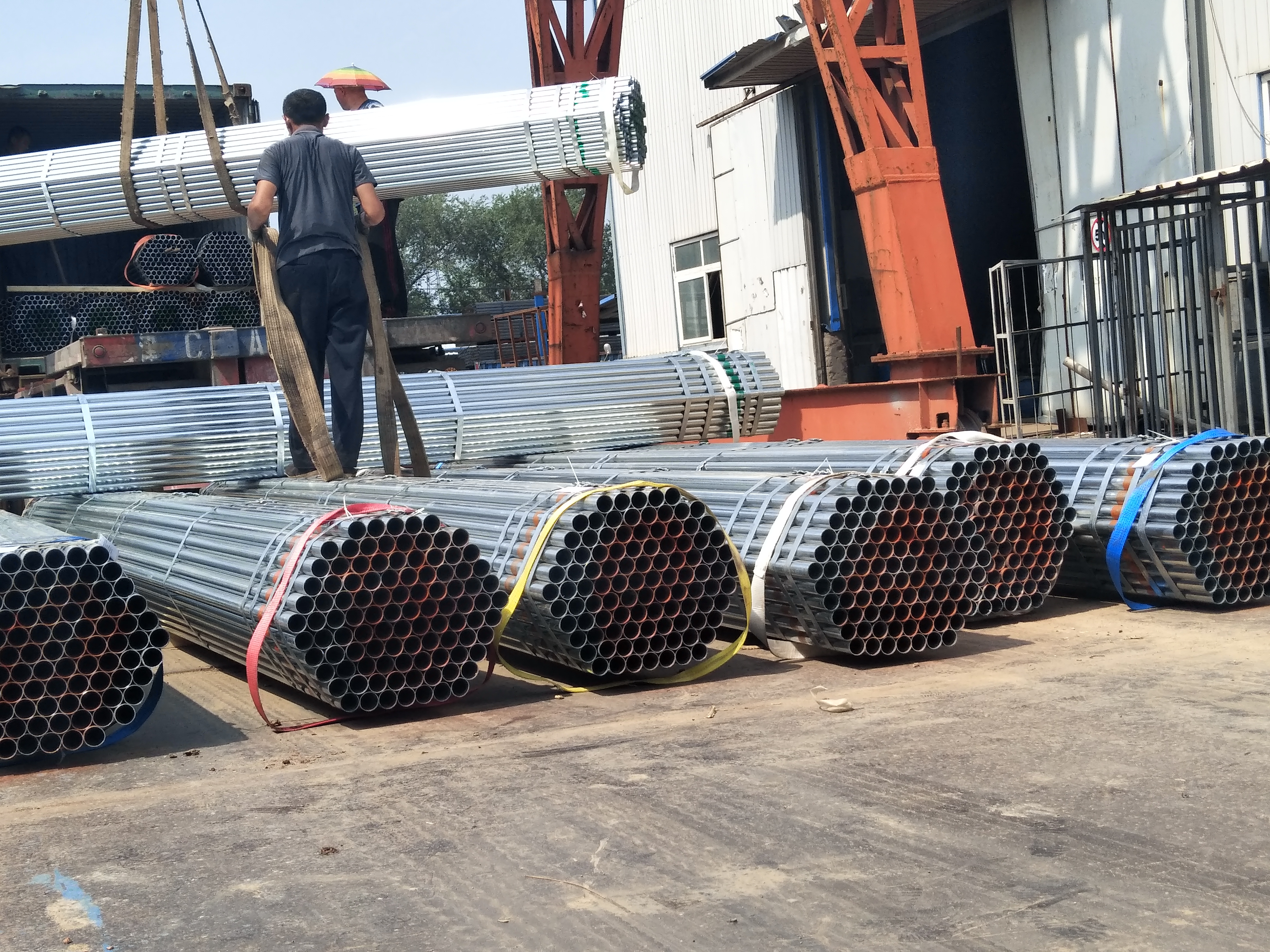
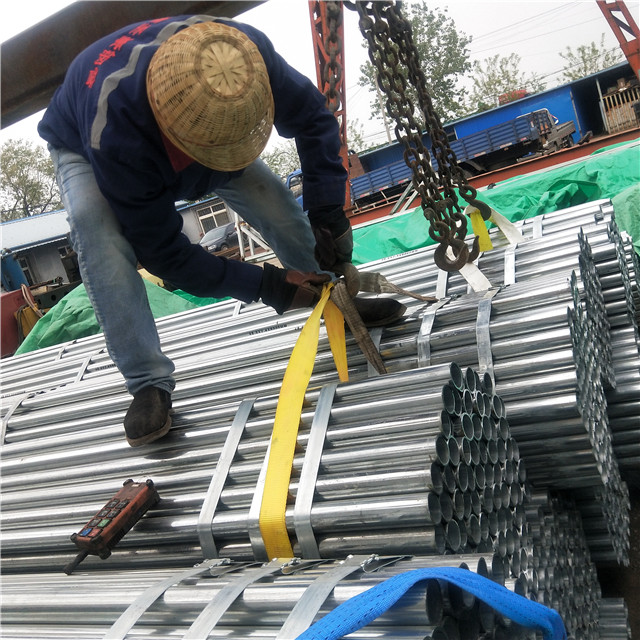
Tianjin Minjie Steel Co., Ltd is located 40 kilometers from XinGang Port—the largest shipping hub in North China. This location facilitates efficient transport to East Coast US destinations. Sourcing for Boston construction and infrastructure requires reliable shipping schedules and proper ocean-container protection. High-salinity ocean transit poses corrosion risks, making vapor corrosion inhibitor (VCI) packaging and heavy-duty steel wrapping essential for preserving cargo quality.
We manage direct-to-port ocean freight to the Port of Boston (Conley Terminal), ensuring predictable delivery timeframes. Our documents align with US Customs and Border Protection standards. By supplying mill test certificates (MTC) according to EN 10204 3.1, we verify compliance with mechanical and chemical requirements before shipment.
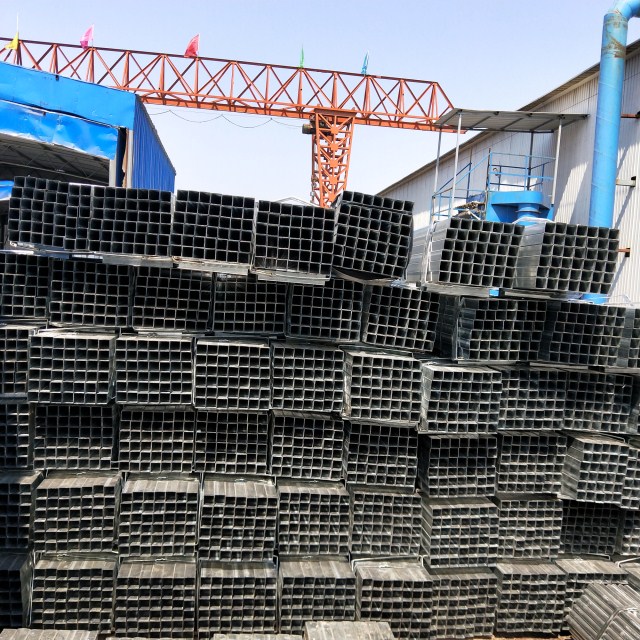
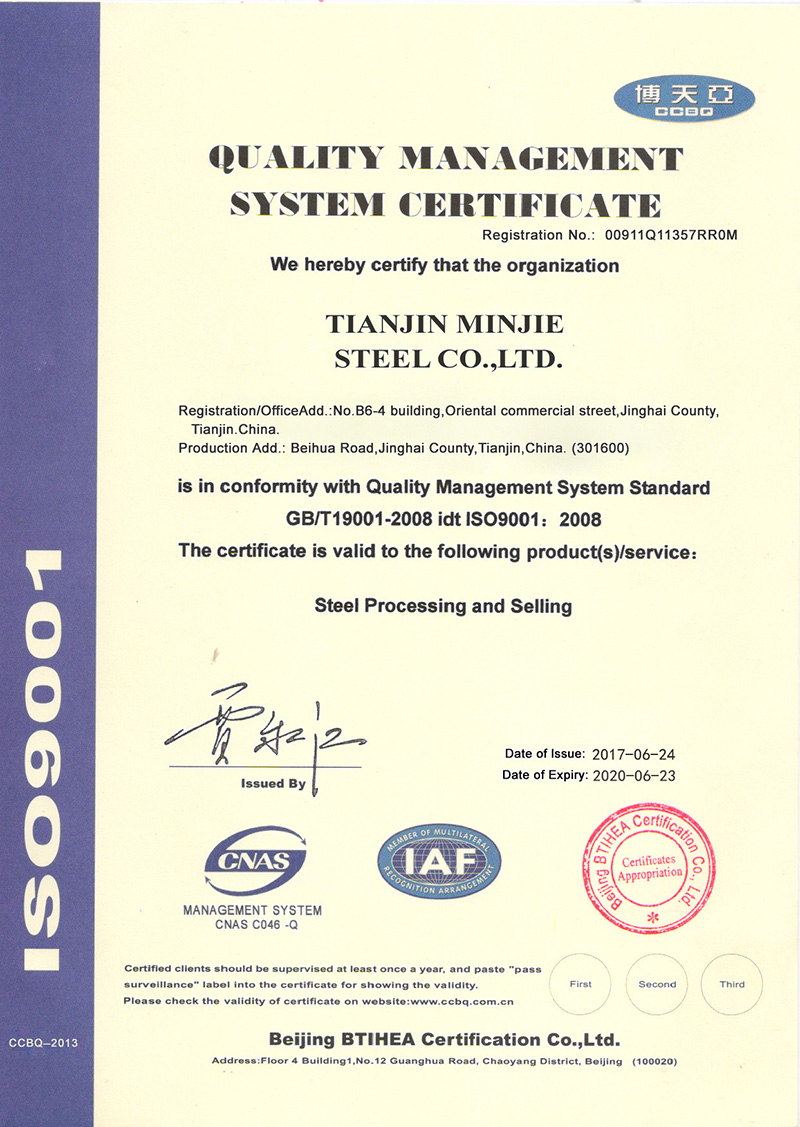
Established in 1998, Tianjin Minjie Steel Co., Ltd has developed into a reliable manufacturer of structural steel products. Spanning over 70,000 square meters, our facility operates advanced production lines, including 4 pre-galvanized product lines, 8 ERW steel pipe lines, and 3 hot-dipped galvanized lines. We hold ISO 9001 quality certification, reflecting our commitment to standardized manufacturing and testing.
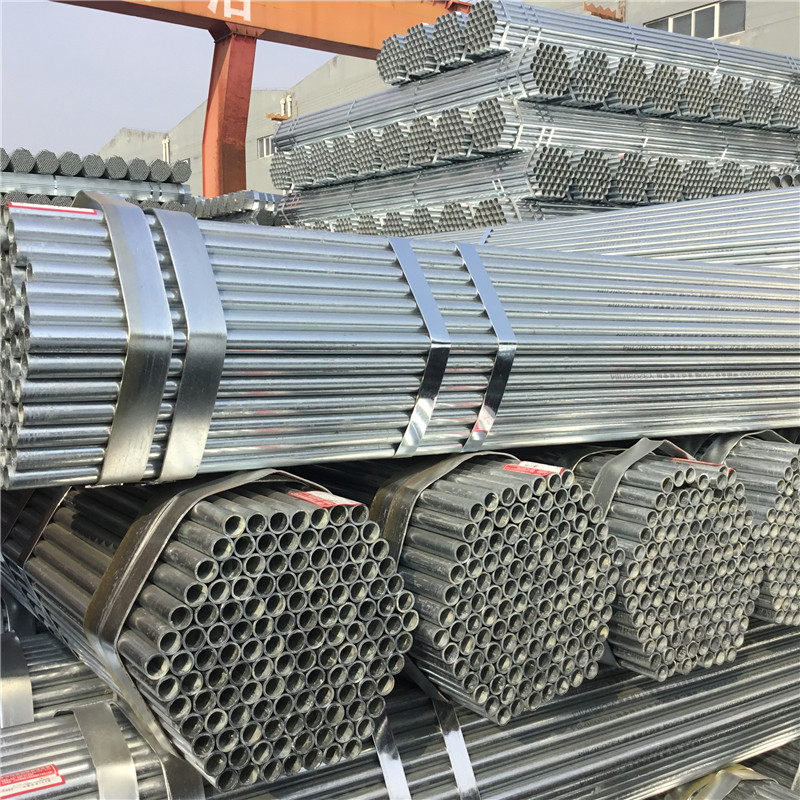
Our product range includes structural steel pipes, square and rectangular tubing, scaffold components, and high-tensile galvanized wire solutions. With a focus on technical support and global distribution, we export to markets in the Americas, Europe, Southeast Asia, and the Middle East.
We maintain strict quality control throughout our manufacturing processes. From the chemical composition of raw wire rods to final tensile strength testing, every step is documented. Our facility features custom wire-drawing machinery, inline annealing systems, and high-output hot-dip baths that ensure uniform coating thickness across continuous wire runs.
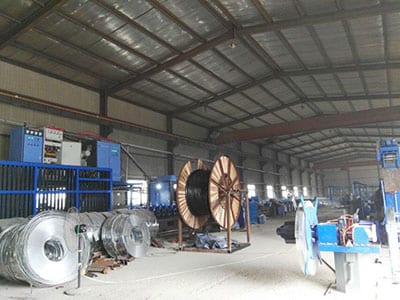
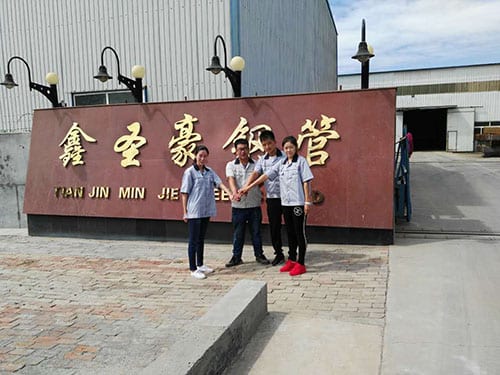
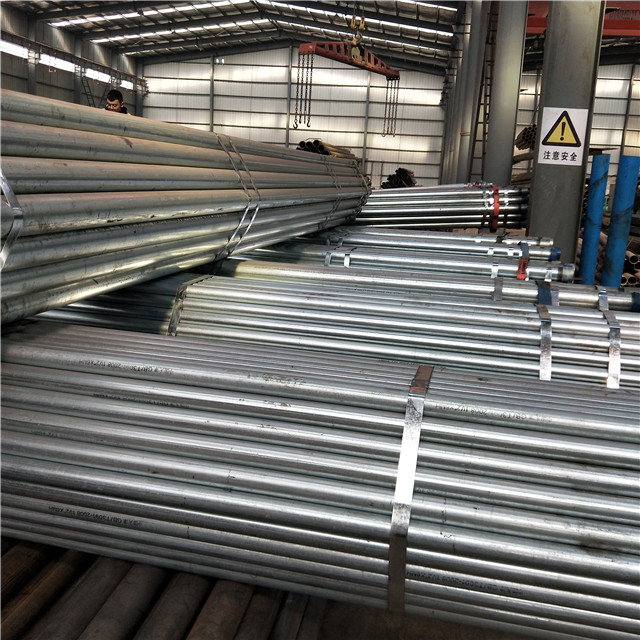
We host regular international audits at our facilities, verifying our adherence to international standards. These site visits allow global partners to inspect our operations and check certification compliance directly.
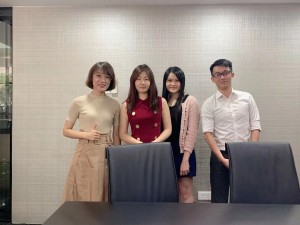
Collaborated on marine-grade structural pipe and wire specifications.
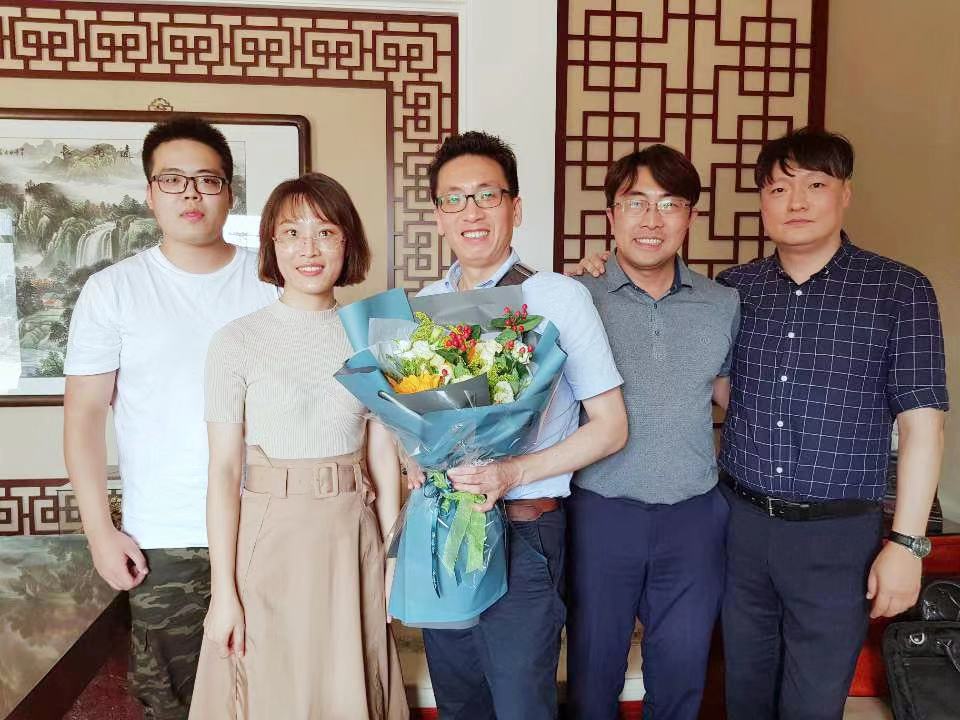
Cooperated on customized structural cable tension components.

Long-term supply contract verification for infrastructure components.
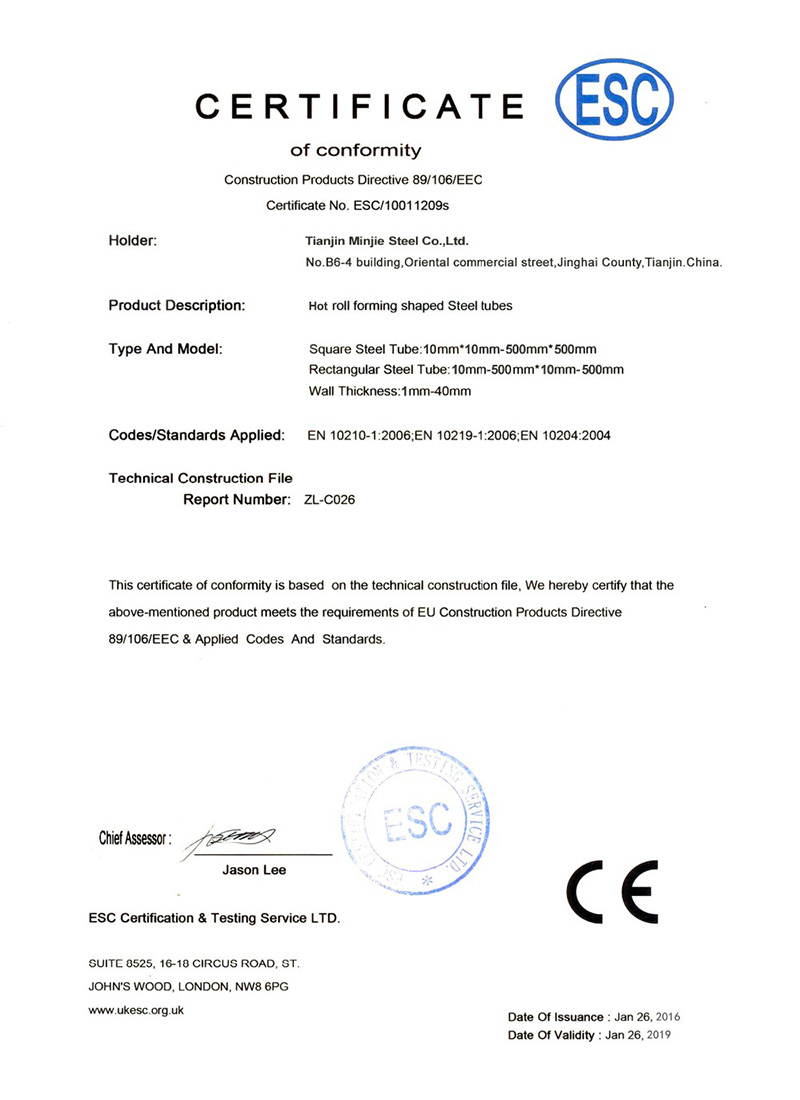
Our operations comply with the ISO 9001 management system. We supply mill test certificates showing chemical, physical, and coating characteristics for every batch, confirming compliance with standards like ASTM A641, ASTM A475, and EN 10244-2.
A1: Class A designates a specific zinc coating weight, which varies by wire diameter (for instance, 0.90 oz/ft² or ~275 g/m² for a 3mm wire). Class A provides reliable corrosion resistance in mildly corrosive coastal environments. For heavy-exposure marine projects near Boston Harbor, we recommend Class C or higher zinc-aluminum coatings to extend structural life.
A2: Electro-galvanizing produces a thinner, uniform zinc layer (typically less than 20 g/m²), which is suitable for indoor use or high-precision components. Hot-dip galvanizing forms a thicker zinc-iron alloy layer (often exceeding 250 g/m²) through a metallurgical reaction. This provides the durability and mechanical protection needed for outdoor, structural load-bearing projects.
A3: Hydrogen embrittlement is minimized by optimizing chemical compositions and managing acid pickling times. High-strength carbon wire undergoes controlled thermal cleaning and mechanical descaling to prevent hydrogen entry. We also maintain strict limits on bath temperatures during galvanization.
A4: Welding vaporizes the zinc coating in the weld area, which removes the protective layer and produces hazardous fumes. Welding should be performed before galvanizing. If welding must occur afterward, the weld zones should be cleaned and repaired using zinc-rich paints (such as ASTM A780 cold galvanizing compound) to restore corrosion protection.
A5: The zinc-iron alloy coating has a thermal expansion coefficient similar to the base steel, which prevents peeling, cracking, or flaking during freeze-thaw cycles. Our wire maintains its structural properties and protective barrier across typical winter and summer temperature swings.
A6: Manufacturing usually takes 15 to 25 days depending on standard specifications and volumes. Ocean freight from XinGang Port to the Port of Boston typically requires 35 to 45 days. We coordinate bookings and documentation to ensure on-schedule delivery.
A7: White rust occurs when zinc surfaces are exposed to moisture without adequate air circulation. We treat our galvanized wire with passivation agents, pack coils in water-resistant protective wrapping, and use desiccants inside shipping containers to control moisture levels.
Get detailed specifications, ASTM standards verification, and mill test certificates from our engineering team.
Send Inquiry NowManufactured to strict specifications, our wire is suitable for industrial, structural, and agricultural applications.
 Minjie Steel