 Minjie Steel
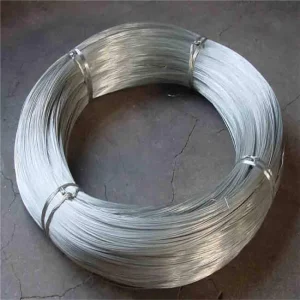
Premium-grade wire solutions customized for local industrial specs and coastal environments.
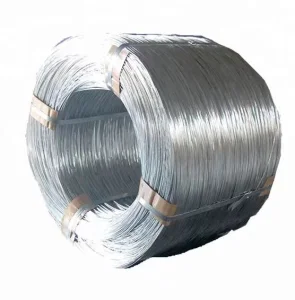
An in-depth look at Kenya's infrastructure projects, coastal atmospheric factors, and agricultural trends shaping galvanized wire demand.
Kenya is currently undergoing a massive structural transformation, driven by its Vision 2030 development blueprint and heavy investments in infrastructure, agriculture, and local manufacturing. As the economic hub of East Africa, the nation acts as a gateway for materials flowing into landlocked neighboring countries like Uganda, Rwanda, and South Sudan. Crucial to this industrial growth is the availability of high-quality anti-corrosive materials, prominently hot dipped galvanized steel wire.
From the expansion of the Standard Gauge Railway (SGR) to the transmission networks run by the Kenya Power and Lighting Company (KPLC), galvanized steel wire provides the structural integrity required to withstand the region's diverse environments. In the coastal areas around Mombasa and Malindi, the air is laden with salt and high humidity, which accelerates rust on standard steel products. Conversely, the agricultural zones of the Rift Valley demand high-tensile, long-lasting wire for trellising and security fencing. Sourcing directly from reputable global manufacturers like Tianjin Minjie Steel Co., Ltd. ensures compliance with local and international standards, guaranteeing structural reliability for decades.
To fully understand why hot dipped galvanized wire is superior to electro-galvanized alternatives in heavy-duty Kenyan applications, one must examine the metallurgical bonding process. Hot-dip galvanization involves cleaning the steel wire and immersing it in a molten bath of zinc at temperatures typically ranging around 450°C (850°F).
During immersion, a series of zinc-iron alloy layers are formed by a diffusion reaction between the iron in the steel and the molten zinc. This reaction creates a metallurgical bond that integrates the zinc coating directly into the steel substrate. The layers formed include:
| Parameter | Electro-Galvanized Wire | Hot-Dipped Galvanized Wire (Standard) | High-Zinc Hot-Dipped Wire (Premium) |
|---|---|---|---|
| Zinc Coating Mass | 10 - 25 g/m² | 40 - 120 g/m² | 200 - 360+ g/m² |
| Atmospheric Durability | 1 - 3 Years (Dry) | 5 - 15 Years (Standard) | 25 - 50 Years (Harsh/Marine) |
| Metallurgical Bond | Physical Adhesion | Zinc-Iron Alloy Diffusion | Zinc-Iron Alloy Diffusion (Thick) |
| Best Applications | Indoor bindings, minor handicrafts | Standard agricultural fences, construction | Coastal infrastructure, cable armoring, KPLC stay wires |
The choice of wire specifications varies drastically depending on the local geographical and industrial setting in Kenya:
How our centralized production, port-adjacent logistics, and patented technologies benefit East African buyers.
Established in 1998, Tianjin Minjie Steel Co., Ltd. has developed into a premier steel manufacturing power. Covering a sprawling facility of over 70,000 square meters, our factory is strategically located just 40 kilometers from XinGang Port (Tianjin), the largest maritime gateway in Northern China. This proximity translates to rapid transport to ships heading directly to the Port of Mombasa, reducing internal logistics costs and overall lead times for Kenyan importers.
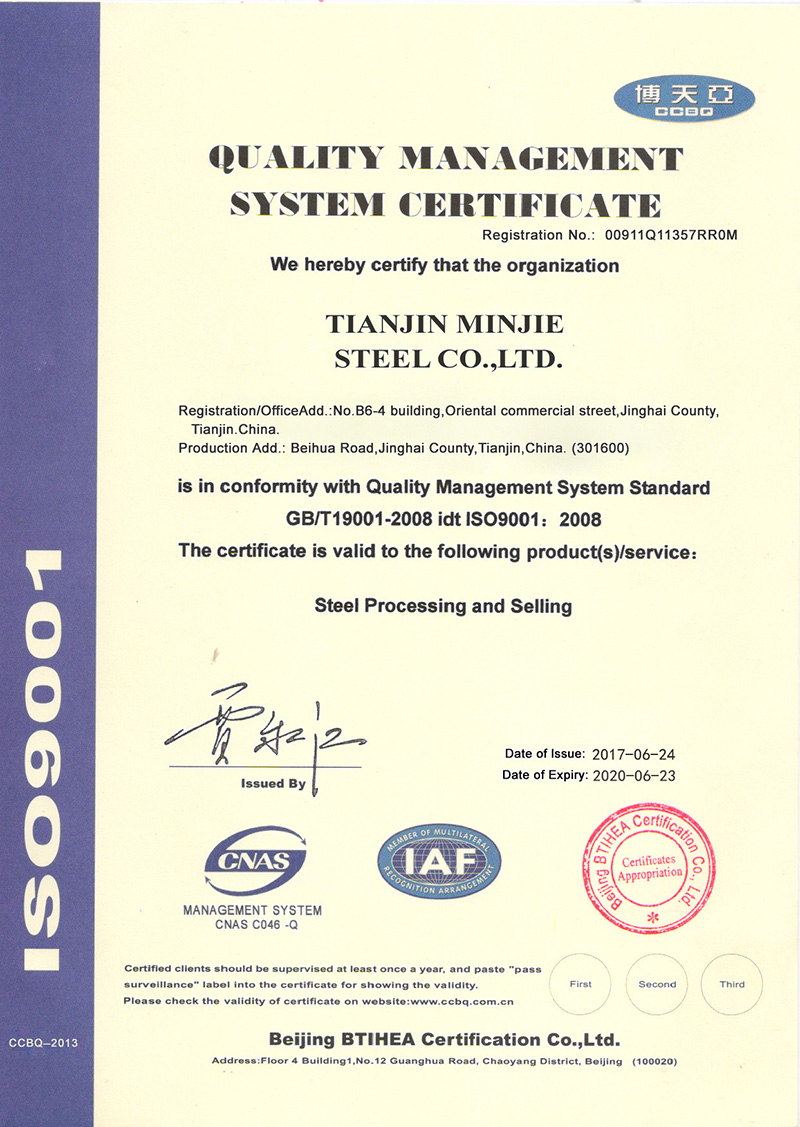
Our production facilities include 4 pre-galvanized lines, 8 ERW steel pipe lines, and 3 state-of-the-art hot-dipped galvanized processing lines. Operating in strict accordance with GB, ASTM, DIN, and JIS standards, our operations are certified under the ISO 9001 quality system, ensuring every batch of galvanized wire meets the stringent criteria expected by Kenyan civil engineers and agricultural networks.
Inquire About Bulk Pricing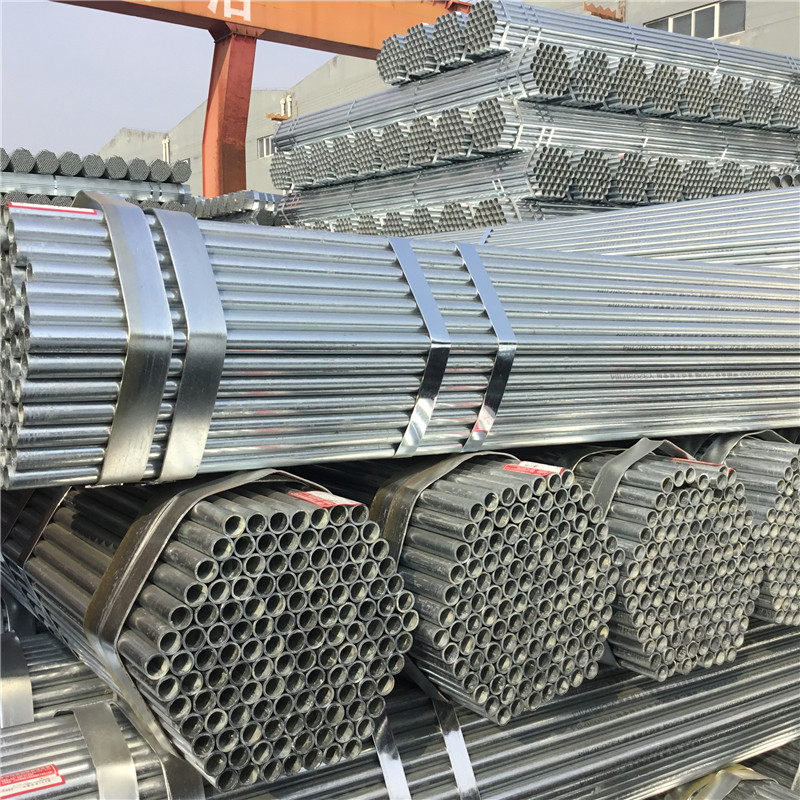
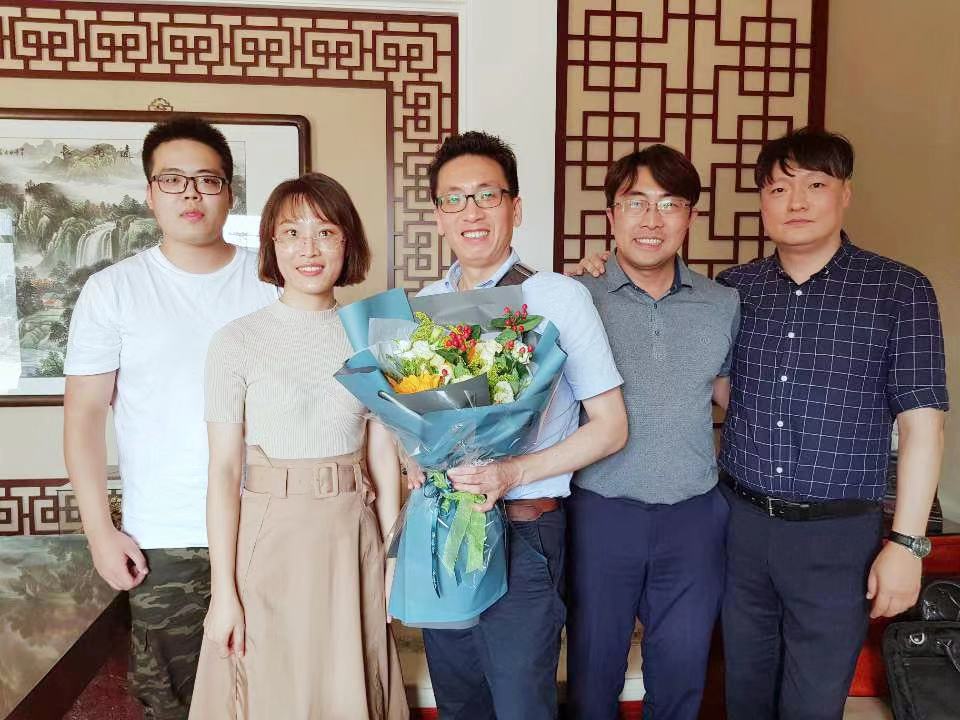
Our galvanized products are trusted worldwide. Below are highlights of global client visits and trade fairs demonstrating our industrial authority.
How we facilitate seamless import clearance through the Kenya Bureau of Standards (KEBS) Pre-Export Verification (PVoC).
Importing steel products into Kenya requires strict adherence to local regulatory frameworks. The Kenya Bureau of Standards (KEBS) implements the Pre-Export Verification of Conformity (PVoC) to Standards program. This program prevents substandard products from entering the Kenyan market, protecting public health, safety, and the environment.
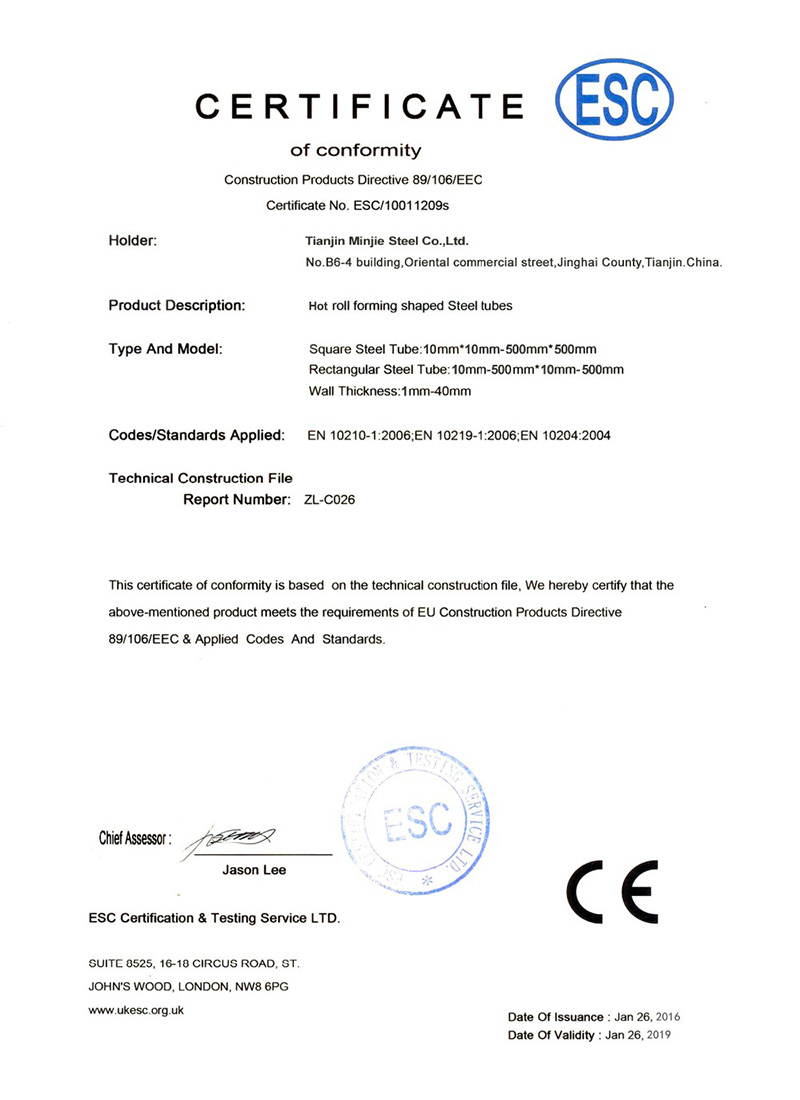
As an experienced global exporter, Tianjin Minjie Steel coordinates closely with international testing agencies like SGS, Intertek, and BV to facilitate the issuance of the essential Certificate of Conformity (CoC) before cargo departs Chinese ports. This guarantees that when the shipping container arrives at the Port of Mombasa, the customs clearance process runs smoothly, avoiding costly demurrage fees. Our steel wire is tested for tensile strength, elongation, coating thickness, and weight uniformity to ensure 100% compliance with East African standard specifications.
As the steel industry moves toward sustainable and higher-performing materials, we are upgrading our lines to produce advanced alloy-coated wires, such as Zinc-5% Aluminum-Mischmetal (Zn-5Al-MM) coatings. These alloys provide up to three times the corrosion protection of standard pure zinc coatings, allowing infrastructure projects along the Mombasa-Nairobi corridor to achieve a design life of over 50 years without maintenance. These innovations reduce raw zinc consumption, aligning with global green manufacturing practices and lowering the carbon footprint of structural projects.
Heavy-duty wire cores and high-elasticity spring components designed for Kenyan engineering standards.
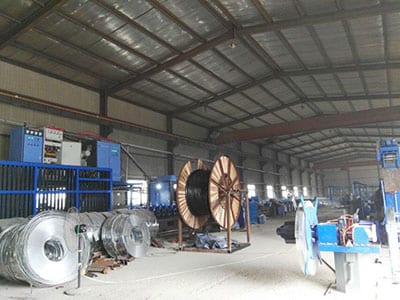
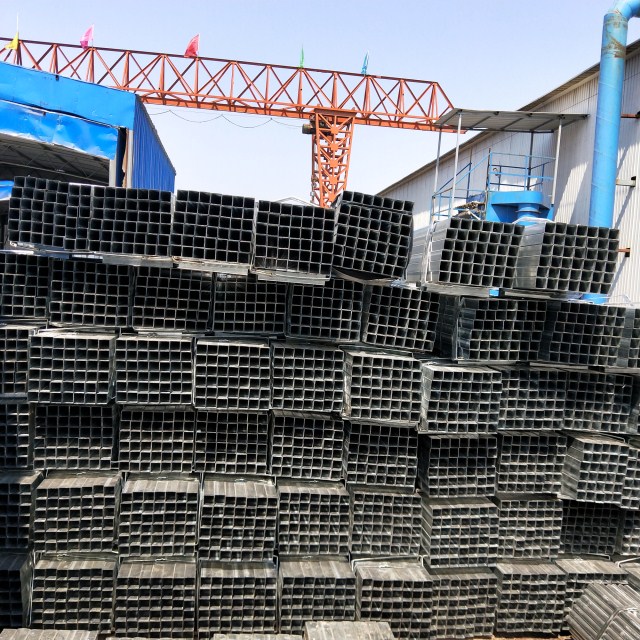
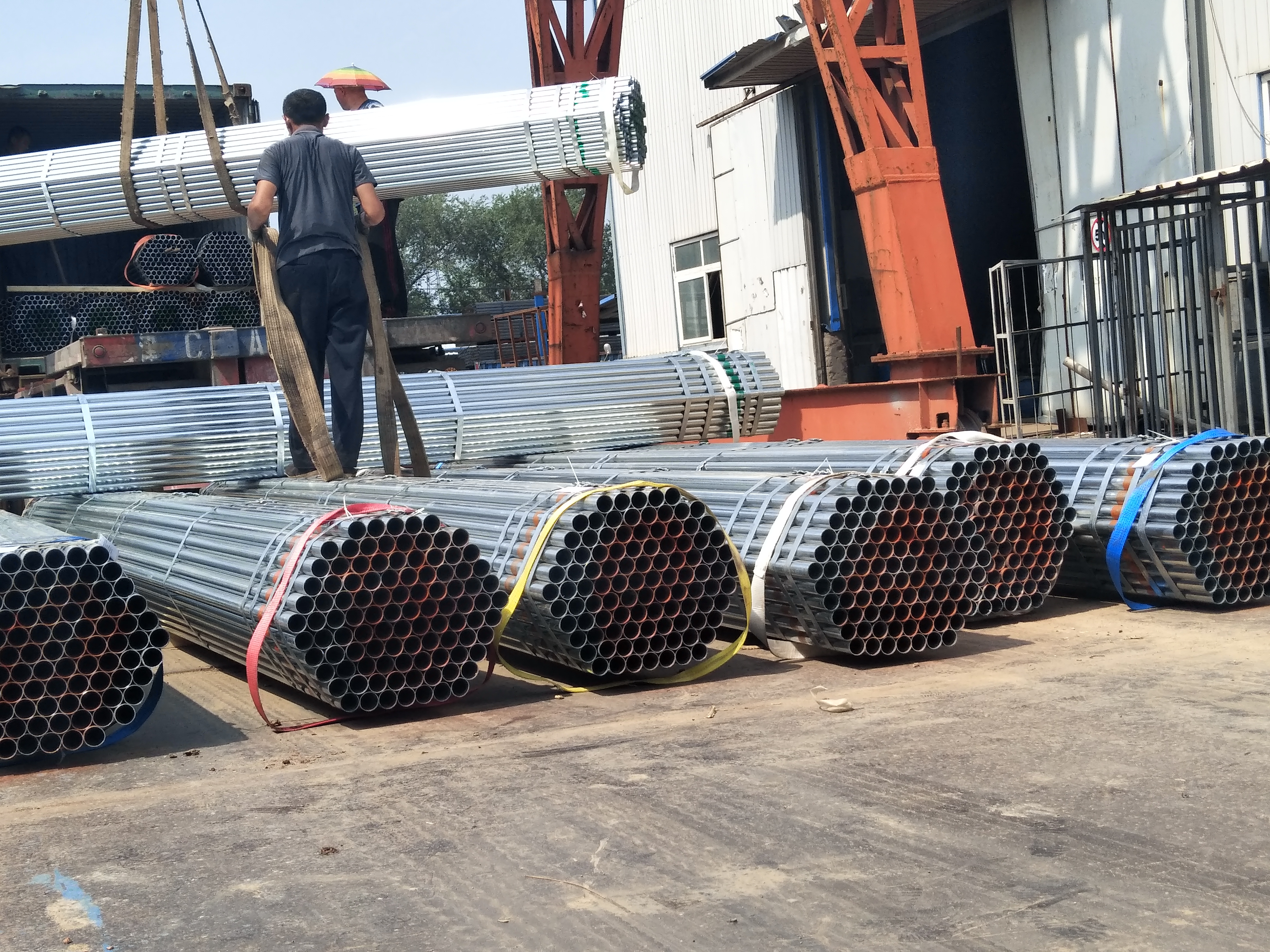
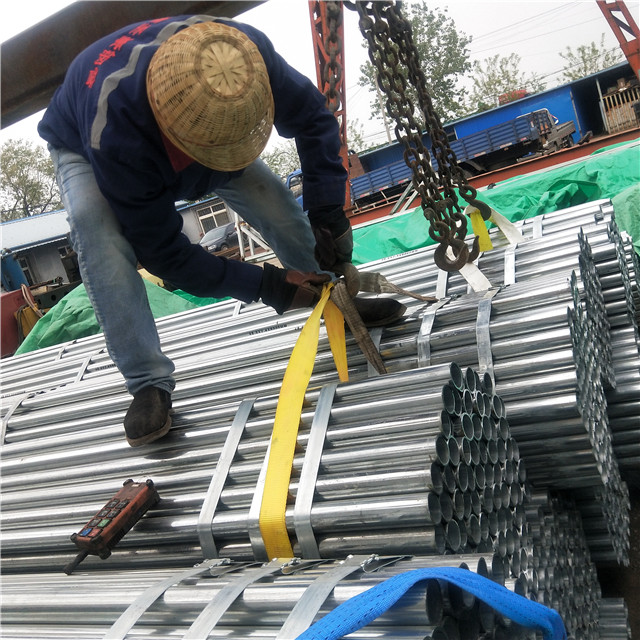
Authentic plant photos and quality system documentation verifying our professional capacity.
Expert advice on sourcing, importing, and specifying galvanized steel wire for the East African market.
For coastal environments such as Mombasa, Malindi, or Kilifi, we highly recommend using high-zinc hot-dipped galvanized wire with a zinc coating weight of 240 g/m² to 360 g/m² (heavy-galvanized). This thickness ensures resistance to saltwater corrosion and humid marine air, providing a design life exceeding 20-30 years.
We work directly with authorized third-party inspection firms (like SGS, Intertek, and BV) to carry out pre-shipment product testing and factory audits. Once the materials pass standard specifications, we handle the documentation required to issue the Certificate of Conformity (CoC), ensuring smooth clearance at Mombasa customs.
Hot-dipped galvanized wire is passed through a bath of molten zinc, forming a thick, chemically bonded zinc-iron alloy layer (coating weight 40-360 g/m²). Electro-galvanized wire uses electroplating to deposit a thin layer of zinc (10-25 g/m²). Hot-dipped galvanized wire is significantly more durable and suited for outdoor and structural applications.
For agricultural and perimeter fencing in Kenya, SWG 12 (approx. 2.6mm) and SWG 14 (approx. 2.0mm) are standard. High-tensile security fences often utilize SWG 12.5 (2.5mm) wire, offering a balance of tensile strength and cost efficiency.
Direct ocean freight shipments from Xingang Port (Tianjin) to the Port of Mombasa typically take between 25 and 35 days, depending on the shipping line (such as MSK, COSCO, or PIL). We offer custom packaging, moisture-barrier linings, and secure container strapping to prevent rust during sea transit.
Yes. We package galvanized steel wire in standard coils ranging from 25 kg to 800 kg. For retailers in Nairobi, Eldoret, and Kisumu, we can divide shipments into smaller 25 kg and 50 kg coils wrapped in protective plastic film and woven cloth to protect against dust and handling damage.
Explore our full line of specialized tension wires, fencing structures, and bridge cable components.
Tianjin Minjie Steel provides tailored zinc weights, custom diameters, and comprehensive KEBS certificate support to ensure compliant and durable installations.
Send Inquiry Now