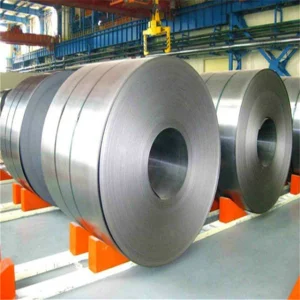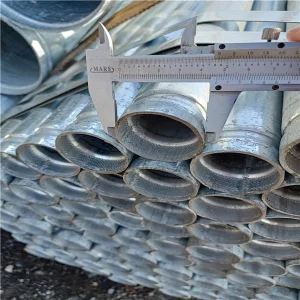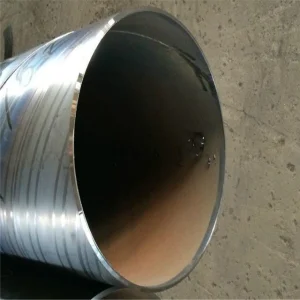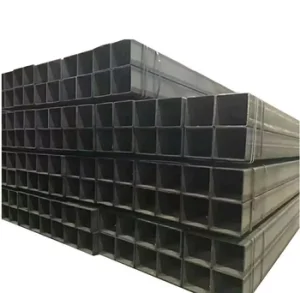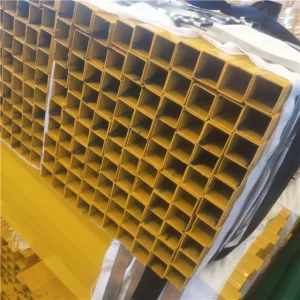
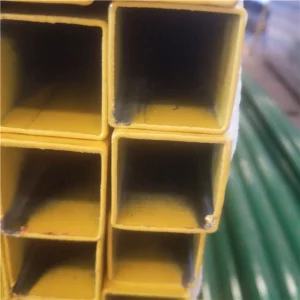
In high-latitude regions, particularly the Russian Federation, structural steel and conveyance pipelines undergo some of the most aggressive environmental degradation cycles on earth. The combination of sub-zero arctic temperatures reaching -60°C, thermal swing shifts, structural settling due to permafrost thaw, and industrial saline atmospheres near Baltic and Far Eastern ports demands a level of corrosion mitigation that standard wet paints simply cannot provide. This is where modern electrostatic thermoplastic and thermosetting powder coatings present an uncompromising solution.
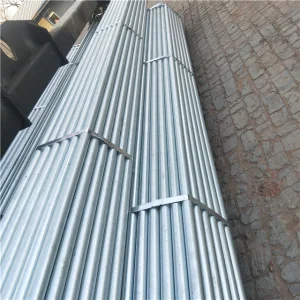
From an engineering standpoint, powder coating pipes creates a highly cross-linked polymer barrier. This barrier is exceptionally resistant to mechanical abrasion, impacts during sub-zero handling, and chemical deterioration. For municipal and private projects across Moscow, St. Petersburg, Novosibirsk, and Ekaterinburg, importing high-durability, pre-galvanized, ERW, and powder-coated steel tubes from leading Chinese facilities is a core strategy to reduce lifecycle cost (LCC) and satisfy GOST compliance rules.
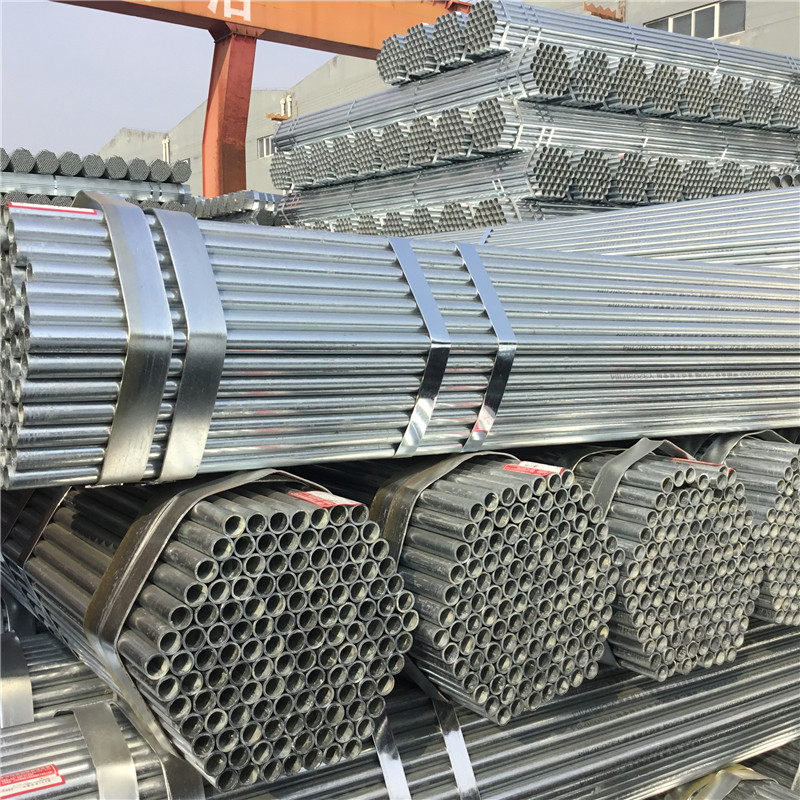
Unlike conventional liquid coatings, powder coatings emit virtually zero volatile organic compounds (VOCs) and provide a completely uniform film thickness (typically 60 to 120 microns) without runs, drips, or sags. When applied onto a high-quality pre-galvanized or hot-dip galvanized base steel, the synergistic effect offers over 1,500 hours of salt spray resistance (ASTM B117 standards), doubling the structural lifespan in cold, high-humidity environments.
Analyzing how specific industrial segments across Russia's federal districts implement and source powder coated tubing systems.
Used widely for municipal fencing, highway crash barriers, road sign support tubes, and architectural framework. Polyester coatings engineered with low-temperature Tg (Glass Transition) properties resist micro-cracking caused by extreme seasonal temperature fluctuations in Siberia.
Russia's massive agricultural push in the southern regions demands chemically resistant structures. Powder coated galvanized pipes offer exceptional resistance to ammonia, fertilizers, high moisture, and constant UV radiation inside modern poly-tunnel structures.
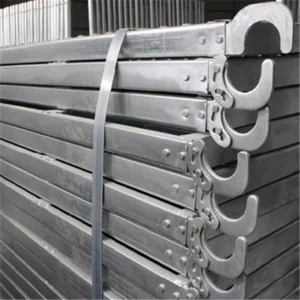
High-elevation storage systems and massive scaffolding grids in metropolitan construction zones like Saint Petersburg use square, rectangular, and round powder coated steel tubes to prevent mechanical wear and premature oxidation from continuous disassembly and exposure.
A data-backed look at how powder coated tubes stack up against other industrial pipe finishing methods.
| Performance Parameter | Powder Coated Galvanized Pipe | Hot Dip Galvanized (HDG) Pipe | Raw Black Steel Pipe | Critical Advantage |
|---|---|---|---|---|
| C1-C5 Corrosion Rating | C5-I / C5-M (Industrial/Marine Extreme) | C4 (High Atmospheric) | C1-C2 (Minimal/Low) | Maximum resistance in coastal & heavy chemical zones |
| Low Temp Impact Strength | Excellent down to -60°C | Moderate (brittleness risks) | High (prone to direct corrosion upon cracking) | Maintains flexible coating matrix under severe frost |
| Scratch & Abrasion Resistance | High (Thermosetting layer) | Moderate (Soft zinc layer) | None | Protects structural joints during bulk transit/install |
| UV Radiation Defiance | Superior (Polyester formulations) | Moderate (Leads to white rust) | Not applicable | Preserves structural paint aesthetics over decades |
| Total Estimated Lifespan | 25 to 40 Years | 15 to 25 Years | 2 to 5 Years | Lowers long-term infrastructure maintenance costs |
The core efficiency of powder coating lies in the physical physics of the electrostatic charge application. Fine powder particles containing resins, pigments, curing agents, and modifiers are fluidified and projected through an electrostatic spray gun. The gun imparts a positive electrical charge to the powder. The steel pipe, acting as an electrical ground, pulls the charged particles evenly across its entire profile, wrapping around corners and hard-to-reach weld zones. Once the electrostatic dry coat is applied, the pipe enters a curing oven heated to 180°C–200°C. In the oven, the powder melts, flows, and cross-links to form a robust, high-molecular-weight polymer membrane that chemically bonds with the underlying zinc oxide structure of the galvanized pipe.
A legacy of manufacturing excellence, advanced technology lines, and worldwide trade relationships built since 1998.
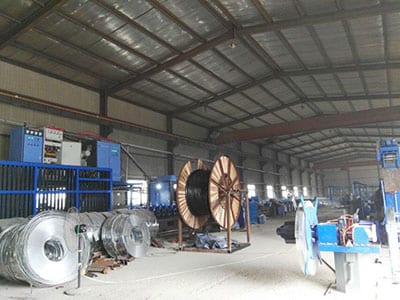
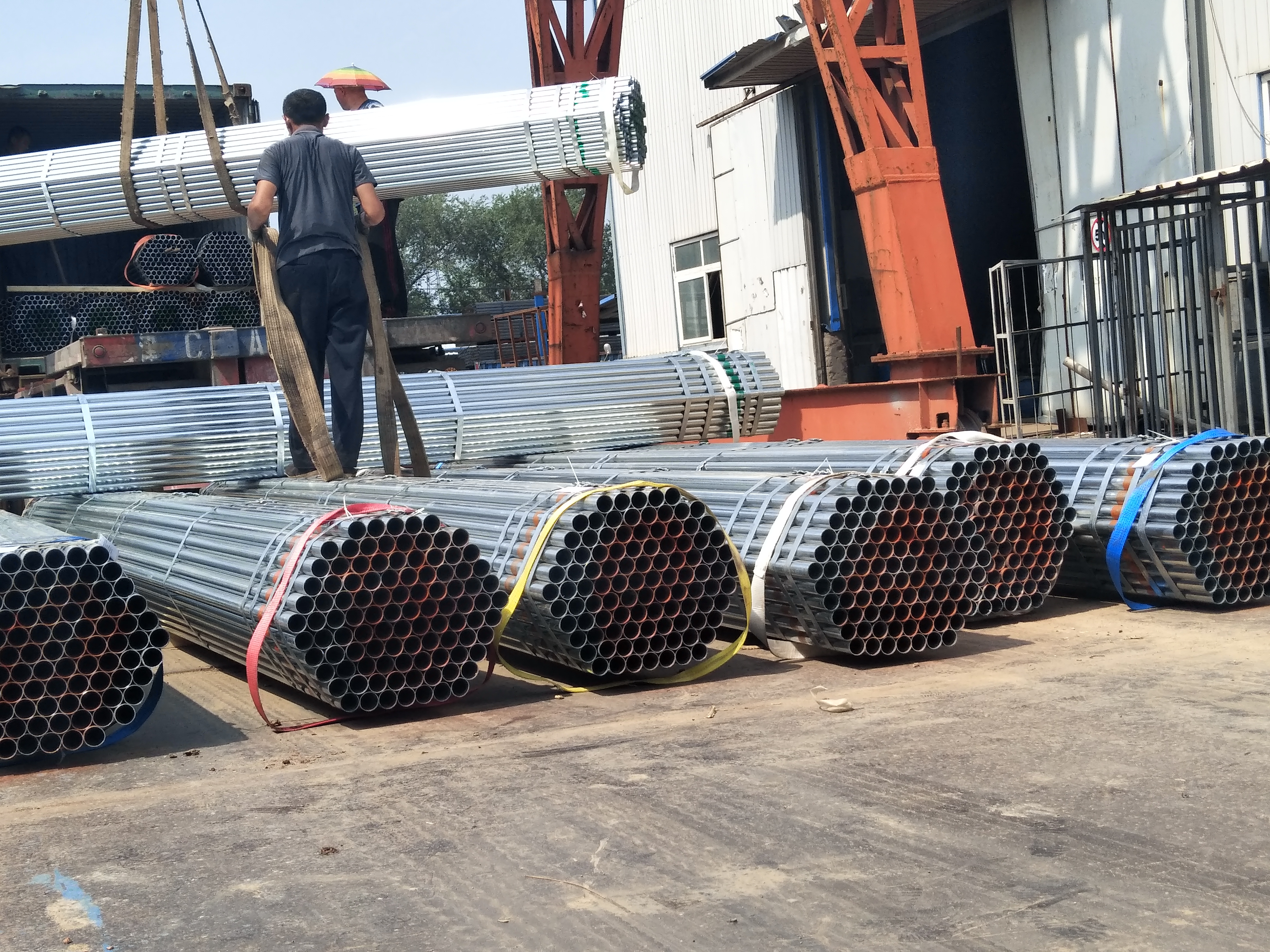
Tianjin Minjie Steel Co., Ltd was established in 1998. Our expansive manufacturing base covers over 70,000 square meters, strategically positioned only 40 kilometers from Tianjin XinGang Port—the largest logistical gateway in Northern China. This prime location guarantees rapid, cost-effective container and bulk shipping directly to Russian sea entryways and overland rail hubs.
Our core capabilities feature 4 pre-galvanized product lines, 8 ERW steel pipe lines, and 3 hot-dipped galvanized processing lines. We run all manufacturing steps in strict accordance with ASTM, GB, DIN, and JIS standards. Our processes are certified under the ISO9001 global quality management system, and our research team holds 3 distinct industrial design patents for Groove pipes, Shoulder pipes, and Victaulic pipe joint systems.
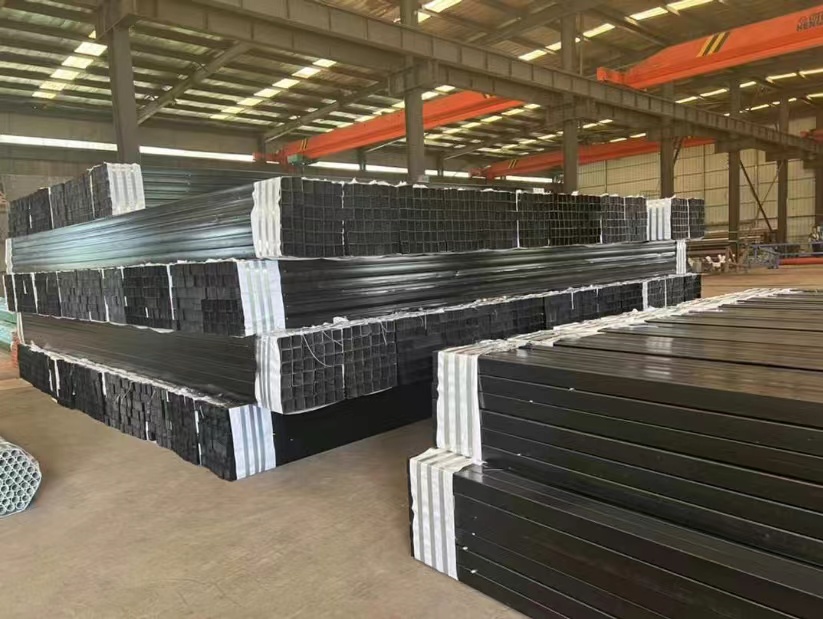
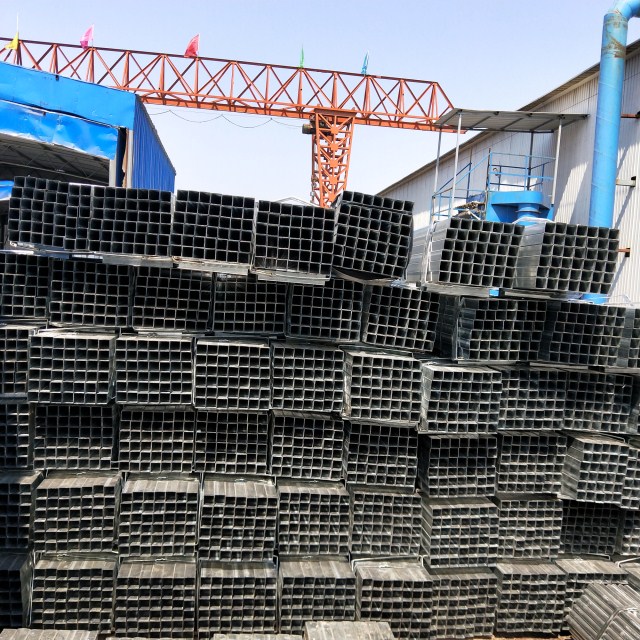
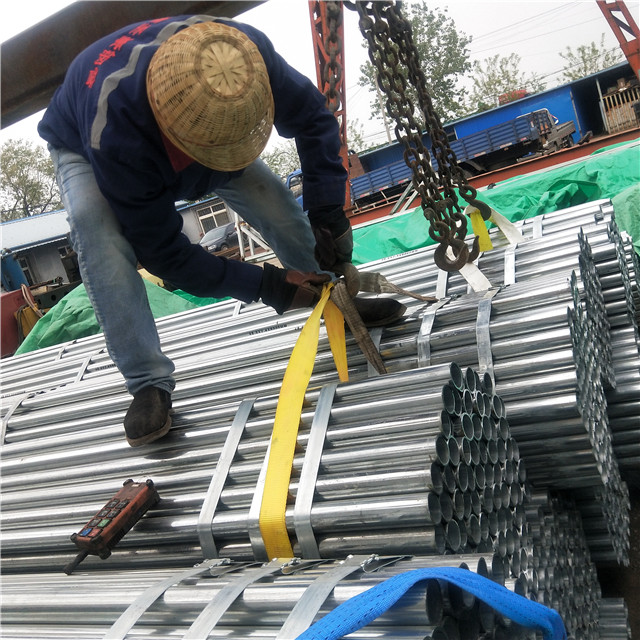
We boast an annual production capacity exceeding 300,000 metric tons of structural and commercial piping. Our product portfolio serves critical needs in heavy industrial framework, greenhouse frames, steel fencing, civil engineering, machinery production, and custom steel fabrications.
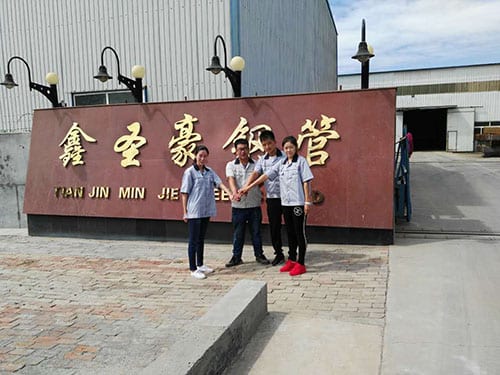
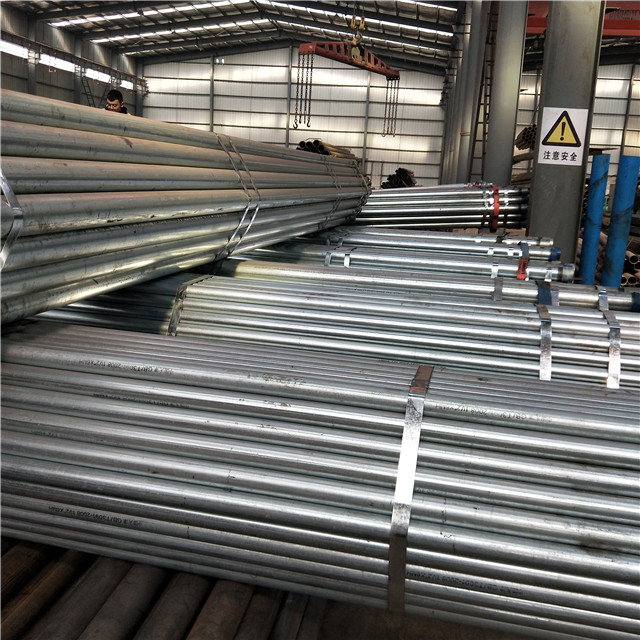
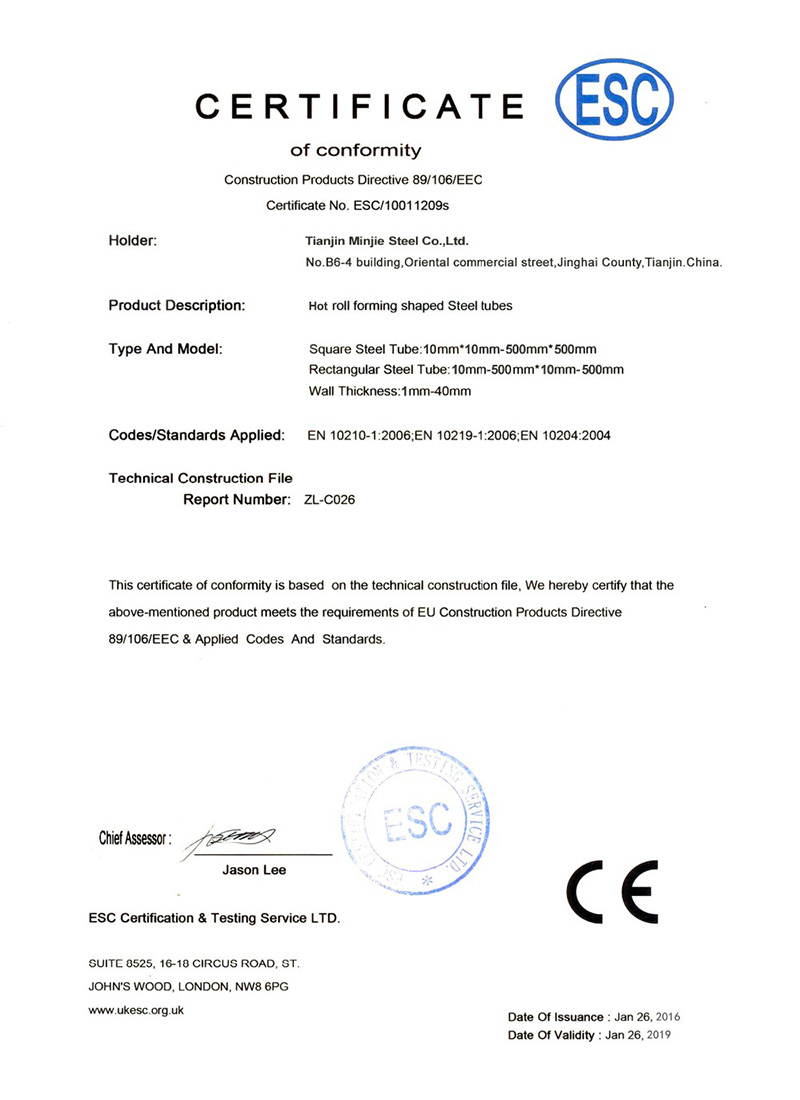
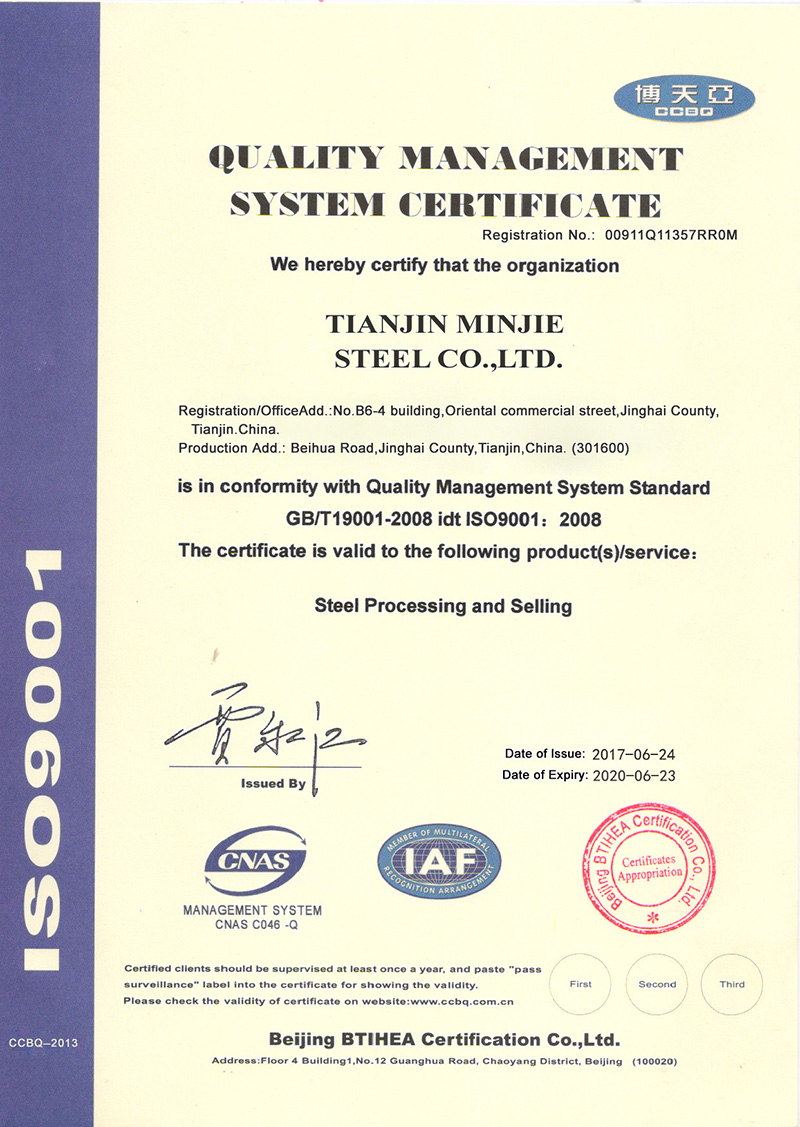
For decades, our engineers and sales advisors have engaged with leading metal buyers worldwide, fostering trust and repeat contracts.
Our sales footprint spans across Southeast Asia, Europe, Australia, the Middle East, and the Americas. By participating in global events like the annual Canton Fair, we connect directly with engineers and procurement agents, resulting in long-term trade relations. Statistically, more than 80% of clients who engage with us at international exhibitions proceed to tour our facility in Tianjin, verifying our output capabilities, raw material stock, and quality testing labs.
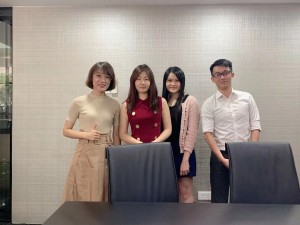
Our team travelled to Singapore to align specifications for municipal infrastructural contracts, receiving excellent ratings for our coating quality.

Long-term Australian commercial steel distributors routinely visit our Tianjin plant to inspect welding specs and coating thicknesses.
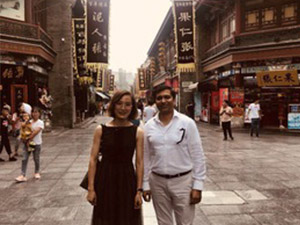
In June 2017, partners from Lebanon completed a facility inspection, executing an order for 1,000 metric tons of pre-treated pipes.
Answering vital engineering, logistics, and quality assurance questions regarding Sino-Russian industrial steel piping trades.
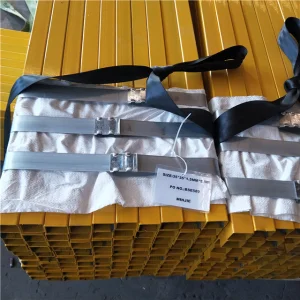
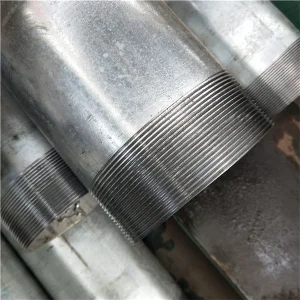
 Minjie Steel