 Minjie Steel
Key Spiral Welded Steel Pipes for Costa Rica Projects
Premium SSAW products adapted with advanced joint systems and corrosion coatings engineered for Costa Rican soil salinity and volcanic conditions.
Premium SSAW products adapted with advanced joint systems and corrosion coatings engineered for Costa Rican soil salinity and volcanic conditions.
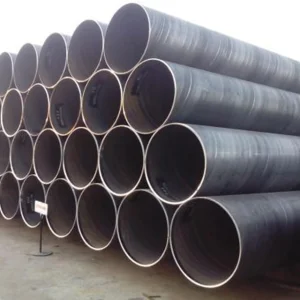
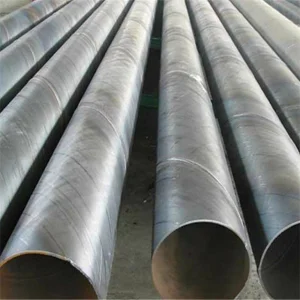
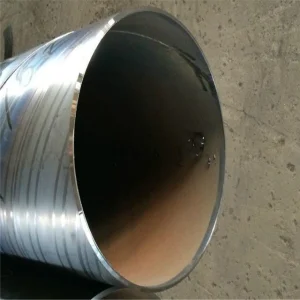
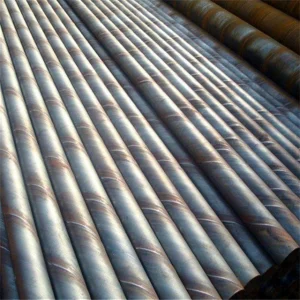
Costa Rica, characterized by its pioneering stance on ecological sustainability, renewable energy transition, and deep-water port modernization, presents a complex engineering landscape for steel pipeline deployments. The region's unique geography—spanning high-humidity tropical zones, volatile volcanic soils, and seismically active zones—imposes extreme mechanical and chemical stress on pipe systems. As municipal authorities, private contractors, and agricultural consortia scale up operations across Limón, Caldera, and the Greater Metropolitan Area (GAM), the structural integrity of fluid transportation pipelines becomes critical.
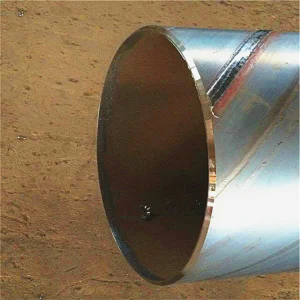
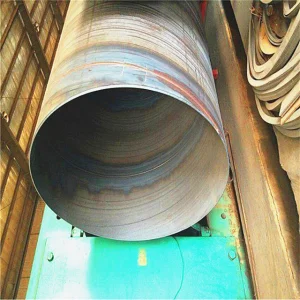
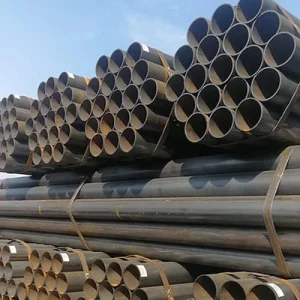
In this context, Spiral Welded Pipes (Submerged Arc Welded - SSAW) are rapidly replacing traditional longitudinal welded alternatives. The spiral fabrication process allows for the production of large-diameter pipes (extending past 2000mm) from narrower steel strips, yielding tight dimensional tolerances and superior resistance to high internal hoop stress and external soil pressure. Whether used for potable water conveyance under the control of AyA (Instituto Costarricense de Acueductos y Alcantarillados), geothermal energy penstocks in the Guanacaste province, or heavy-duty civil piling foundation work for coastal ports, Costa Rican projects demand unmatched compliance with global standards, including ASTM A252, API 5L, and EN 10219.
Municipal water delivery networks across Costa Rica face structural threats from high soil moisture, shifting seismic faults, and high pressure loads. Large-diameter SSAW pipes offer optimal solutions, allowing engineers to lay continuous, high-volume trunk lines. By utilizing advanced interior linings such as food-grade epoxy and cement mortar, and exterior protective barriers like 3-layer polyethylene (3LPE), suppliers can ensure the biological safety of drinking water while preventing chemical degradation from acidic soils.
The expansions of coastal ports require deep foundational steel piling to anchor dock systems and container terminals. Spiral welded steel pipes, manufactured to ASTM A252 Grade 3 specifications, provide the necessary structural stiffness and bending-moment resistance required to withstand high-velocity ocean currents and geological shifts. Additionally, the continuous helical weld of the SSAW pipe acts as a structural rib, optimizing the mechanical load-bearing capacity during high-impact diesel hammer pile-driving operations.
As a global leader in green energy, Costa Rica's energy grid relies heavily on geothermal plants and run-of-the-river hydroelectric systems. Transporting high-temperature steam and rushing water from mountain reservoirs demands heavy-wall carbon steel spiral pipes. The structural flexibility inherent in spiral welds helps absorb thermal expansion without localized weld fatigue, ensuring decades of safe, low-maintenance power production.
A breakdown of how custom steel pipe configurations address the geographical challenges of the Central American Isthmus:
Marine pile installations in Puerto Limón utilizing coal-tar epoxy and sacrificial anodes to combat heavy saltwater oxidation and tidal shear forces.
High-ductile steel pipes with custom slip-joint couplers designed to allow minor structural deflection without rupture during volcanic activity.
Precision-honed API 5L line pipes supporting high hydrostatic head pressure in mountain hydro-generation facilities.
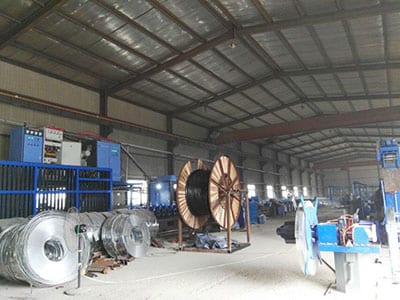
Recognizing the complex supply chain demands of the Central American region, Tianjin Minjie Steel Co., Ltd (established in 1998) offers a direct gateway to premium industrial-grade steel supply. Operating from a state-of-the-art facility covering over 70,000 square meters, Minjie's strategic location—just 40 kilometers from XinGang Port, the largest maritime hub in Northern China—allows for seamless shipping routes directly to Costa Rica's main ports (Puerto Caldera on the Pacific coast and Puerto Limón on the Caribbean coast).
Tianjin Minjie’s industrial advantage is rooted in precision engineering and vertical integration. With 4 pre-galvanized lines, 8 ERW steel pipe lines, and 3 hot-dipped galvanized process lines, the company manufactures products compliant with GB, ASTM, DIN, and JIS standards under strict ISO 9001 certification. Minjie holds 3 key structural patents: groove pipes, shoulder pipes, and victaulic coupling pipes. These patented joining solutions reduce installation time by up to 40% on Costa Rican project sites, eliminating the need for expensive, time-consuming field welding in challenging environmental conditions.
Tianjin Minjie's annual output exceeds 300,000 tons. Over the past two decades, our factory has built a robust reputation for consistency, serving critical infrastructure pipelines worldwide. Below are visual insights into our manufacturing hubs, quality certifications, and global footprint:
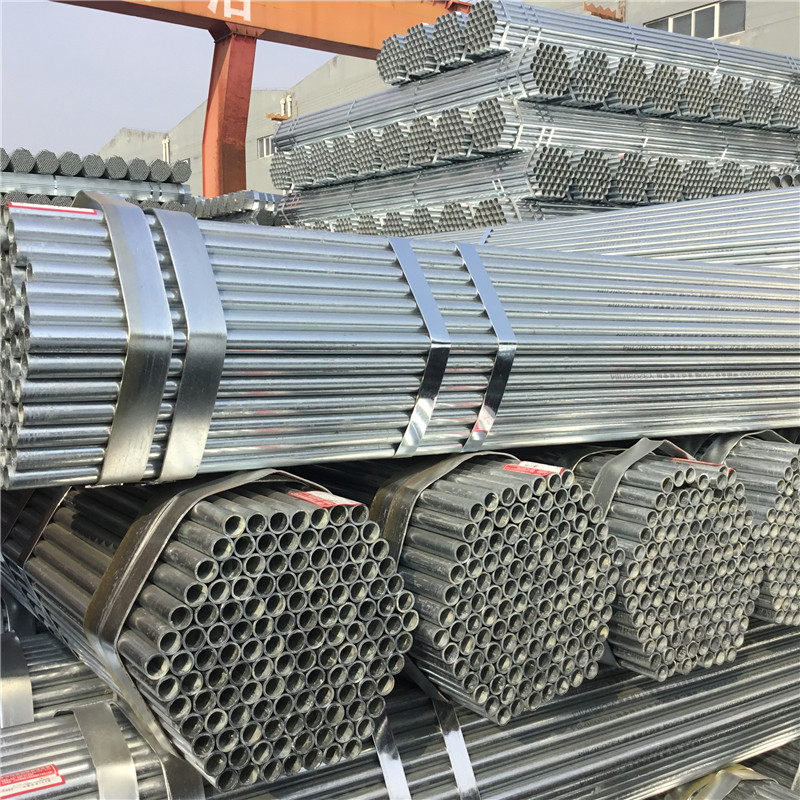
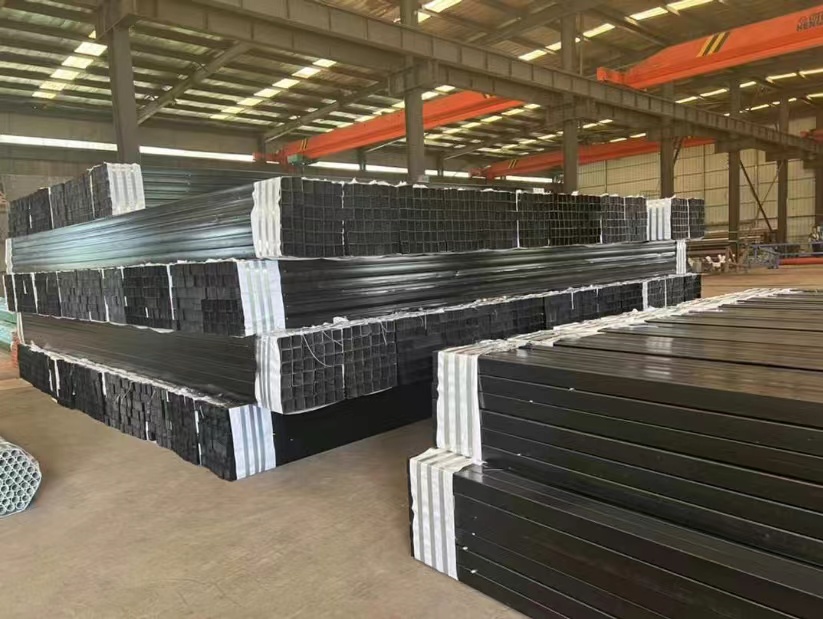
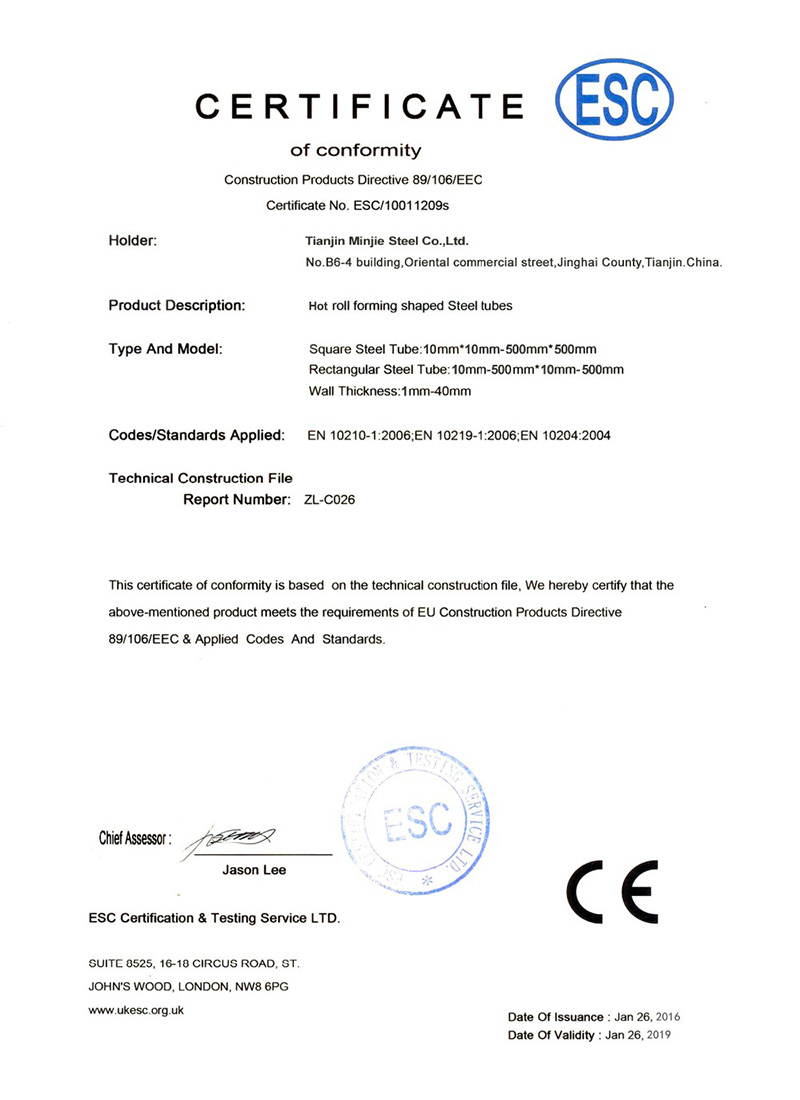
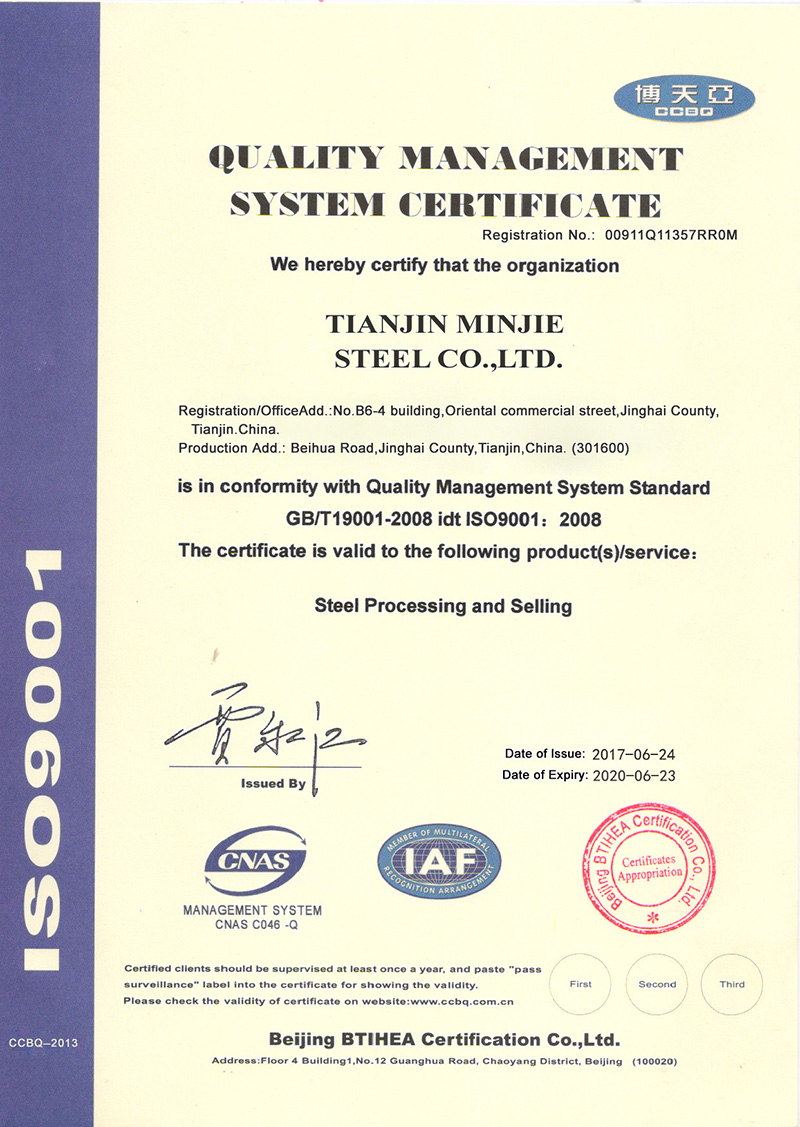
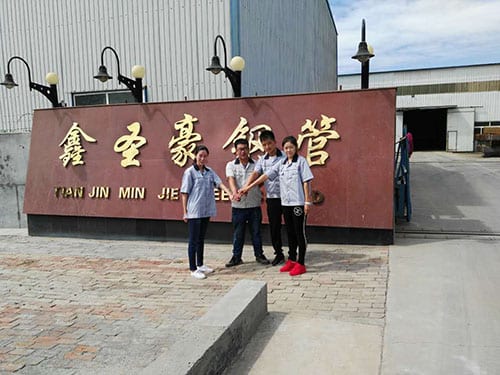
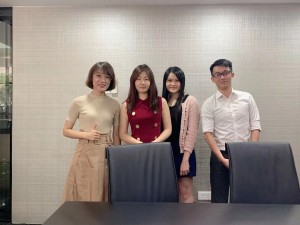
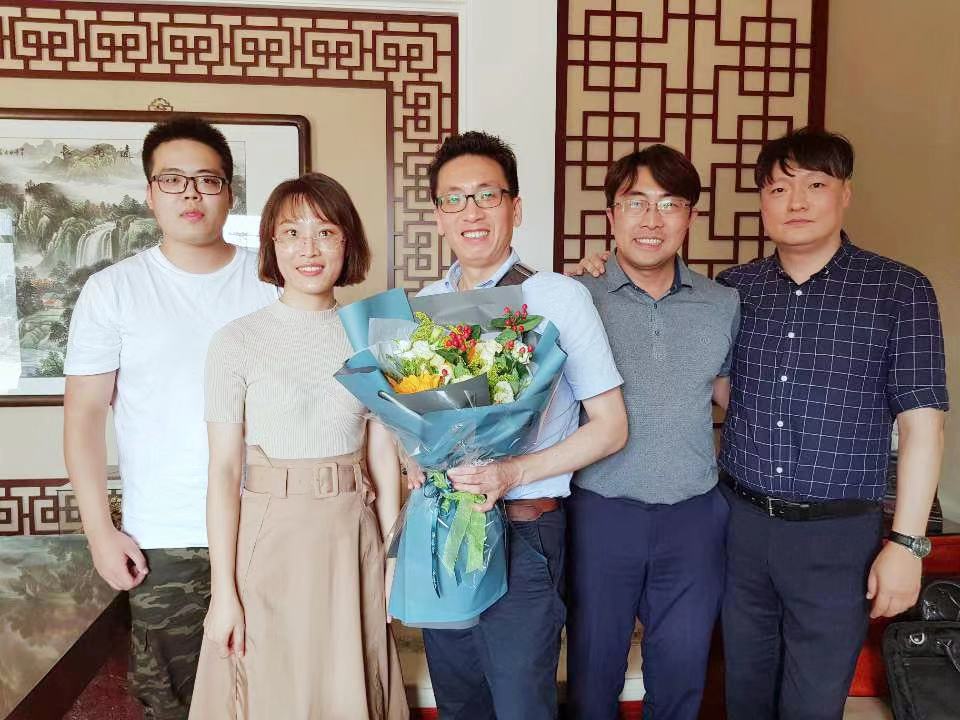
By constantly attending world-class trade events like the Canton Fair and hosting international audits, Tianjin Minjie has established reliable business ties in Singapore, South Korea, Australia, India, Lebanon, and Saudi Arabia. Our engineers collaborate directly with regional project teams to customize steel grades, pipe thicknesses, and anti-corrosive coatings, ensuring that our products meet the exact regulatory frameworks of the destination countries.
Procuring large structural steel pipe orders from overseas requires a reliable transport partner. A typical logistics workflow from Tianjin Minjie Steel to Costa Rica includes:
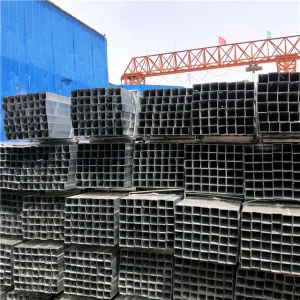
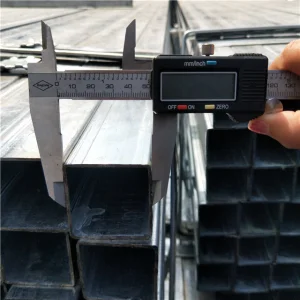
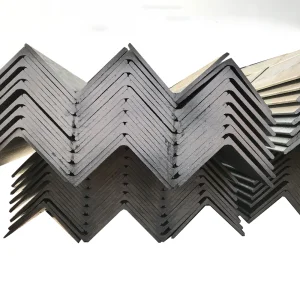
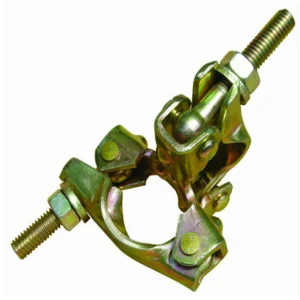
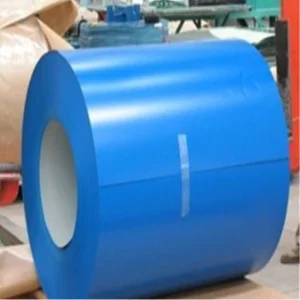
From dynamic industrial scaffolding components to high-protection galvanized profiles designed to match Costa Rican building structural codes.