Direct from factory sourcing solutions featuring custom sizing and high-grade corrosion protection
Quantifying scale, supply velocity, and compliance for modern fluid networks
Full dimensional coverage satisfying multi-national codes: DIN, ASTM, JIS, GB/T, and BS standards. Custom thickness matrices from light-gauge structural to extra-heavy wall schedules.
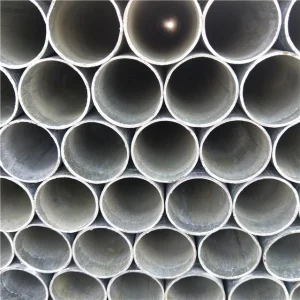
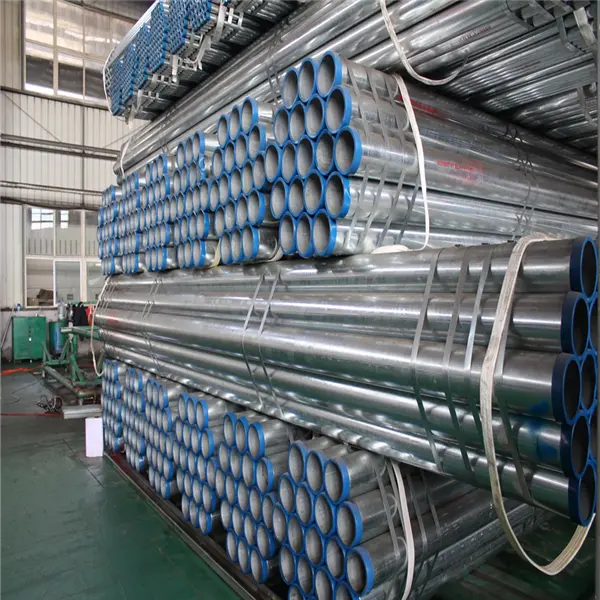
State-of-the-art zinc bathing systems (Pre-galvanized & Hot-dip galvanized) ensuring a resilient protective barrier against mechanical abrasion and aggressive microbiological soil conditions.
Direct routing via XinGang port ensures reduced ocean freight overheads, quick customs dispatch, and strict compliance with global maritime bulk and container loading protocols.
Efficient fluid logistics form the backbone of modern municipal planning, architectural construction, and rural irrigation networks. High-density urban areas require resilient pipe structures capable of sustaining constant pressure, shifting physical loads, and chemically varied environments. For sourcing managers, identifying cost-effective ("cheap") configurations without compromising on structural safety or life-cycle cost is a critical objective.
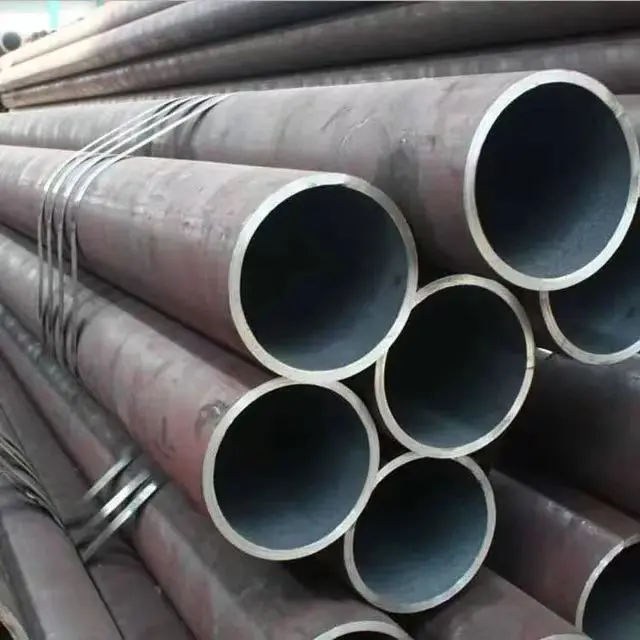
China's steel fabrication sector has transitioned from simple volume production to advanced micro-alloying and high-frequency precision induction welding (ERW). By utilizing integrated supply paths for hot-rolled steel coils and high-efficiency automation, manufacturers in industrial hubs like Tianjin deliver pipes that conform strictly to international specifications, providing significant cost advantages relative to Western counterparts.
When procuring plumbing components for water systems, physical sizing goes beyond simple diameter metrics. Wall thickness defines the maximum allowable operating pressure (MAOP) and limits deformation risks under static loads. Sourcing organizations must navigate multiple nominal standards:
| Nominal Size (NPS) | Metric Designator (DN) | Outside Diameter (OD) | SCH 40 Wall Thickness | BS 1387 Class (Medium) |
|---|---|---|---|---|
| 1/2" | DN 15 | 21.3 mm | 2.77 mm | 2.60 mm |
| 3/4" | DN 20 | 26.7 mm | 2.87 mm | 2.60 mm |
| 1" | DN 25 | 33.4 mm | 3.38 mm | 3.20 mm |
| 1-1/2" | DN 40 | 48.3 mm | 3.68 mm | 3.25 mm |
| 2" | DN 50 | 60.3 mm | 3.91 mm | 3.60 mm |
| 3" | DN 80 | 88.9 mm | 5.49 mm | 4.00 mm |
| 4" | DN 100 | 114.3 mm | 6.02 mm | 4.50 mm |
Water transport lines are vulnerable to electrochemical oxidation and internal scaling. Mild carbon steel pipes must be treated to prevent structural degradation. The two primary methods deployed by modern Chinese factories are Pre-Galvanization (PG) and Hot-Dip Galvanization (HDG).
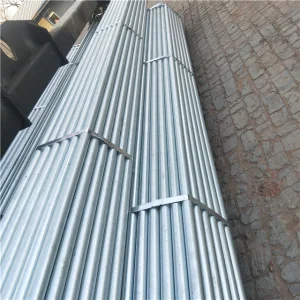
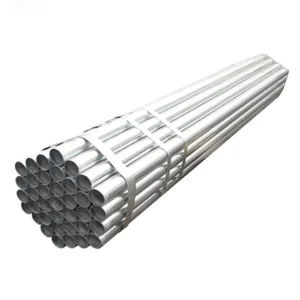
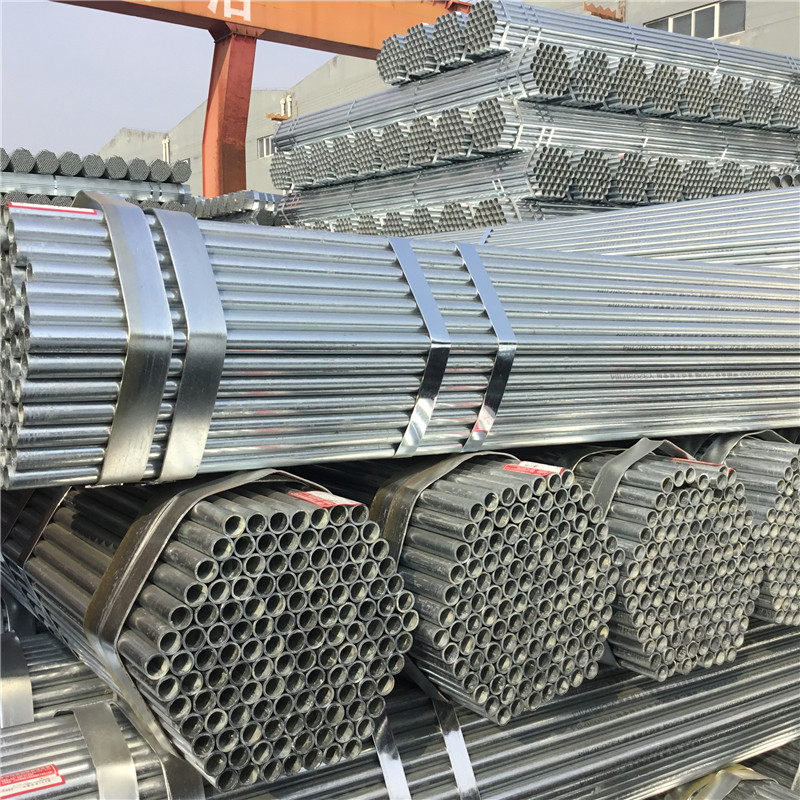
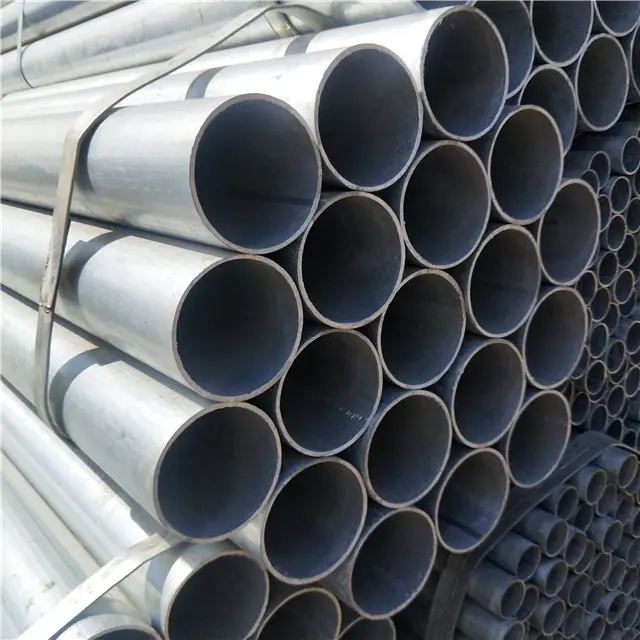
Pre-galvanized pipes are formed from steel sheets that have already been zinc-coated. This process yields a smooth, uniform surface layer (typically 60g/m² to 120g/m² of zinc), which is highly cost-effective for indoor plumbing, architectural structures, and agricultural greenhouses.
Hot-dip galvanized pipes are fully immersed in a liquid zinc bath at temperatures around 450°C after fabrication. This creates an iron-zinc alloy bond covered by a pure outer zinc layer. Delivering zinc masses between 300g/m² and 600g/m², this method is recommended for underground municipal distribution, HVAC lines, and heavy-duty outdoor fluid systems exposed to moisture and varied soil pH levels.
Procurement teams must vet candidate suppliers for process capabilities and testing infrastructure to ensure reliable product performance. A credible manufacturer should maintain:
A Professional Manufacturer and Exporter of Premium Steel & Scaffolding Products since 1998
Established in 1998, Tianjin Minjie Steel Co., Ltd. spans a modern facility of over 70,000 square meters, strategically situated only 40 kilometers from XinGang Port—the largest port in Northern China. This proximity enables efficient global transport and minimizes logistics costs.
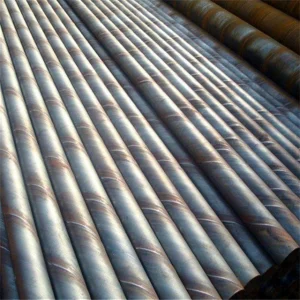
We are dedicated to the manufacture and export of structural and fluid steel products. Our core product portfolio features pre-galvanized steel pipes, hot-dip galvanized pipes, welded steel pipes, square & rectangular hollow sections, and scaffolding products. Focused on technological development, our engineering team has developed and patented three pipe joining systems: groove pipe, shoulder pipe, and victaulic pipe.
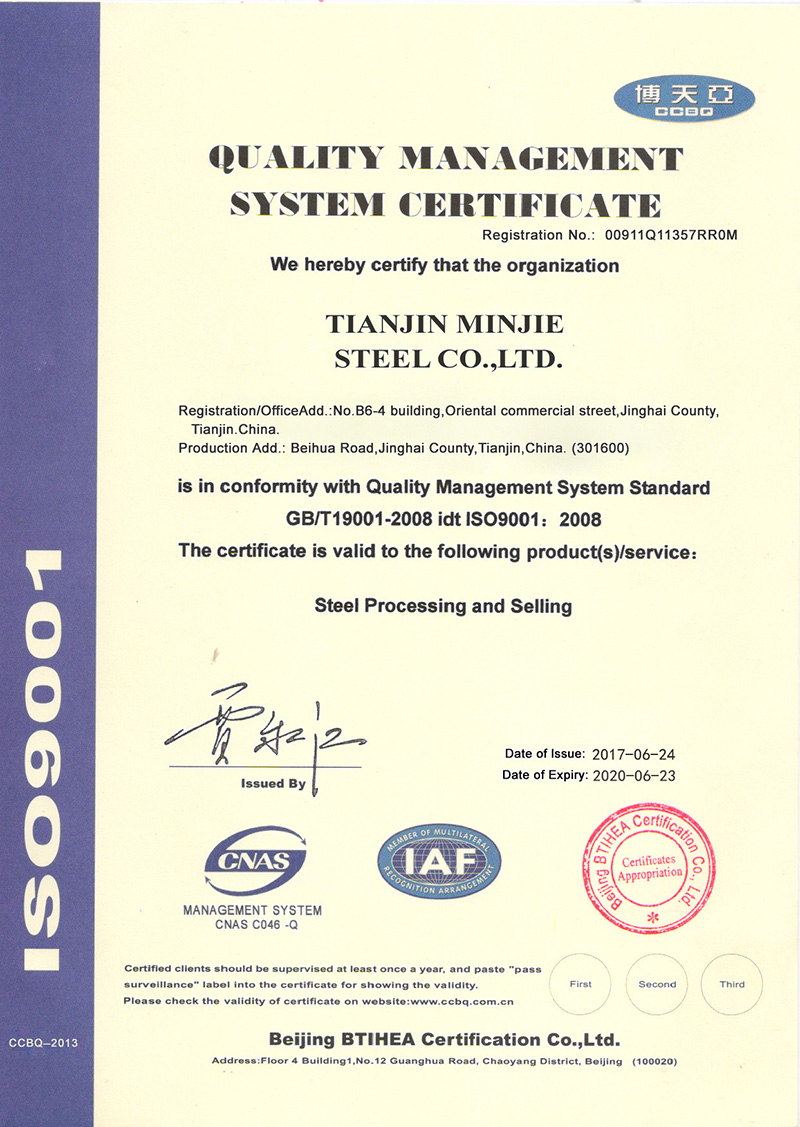
Our manufacturing facility houses 4 pre-galvanized production lines, 8 ERW steel pipe lines, and 3 hot-dipped galvanized process lines. Adhering to standards such as GB, ASTM, DIN, and JIS, our entire product catalog is manufactured under ISO9001 quality system certification.
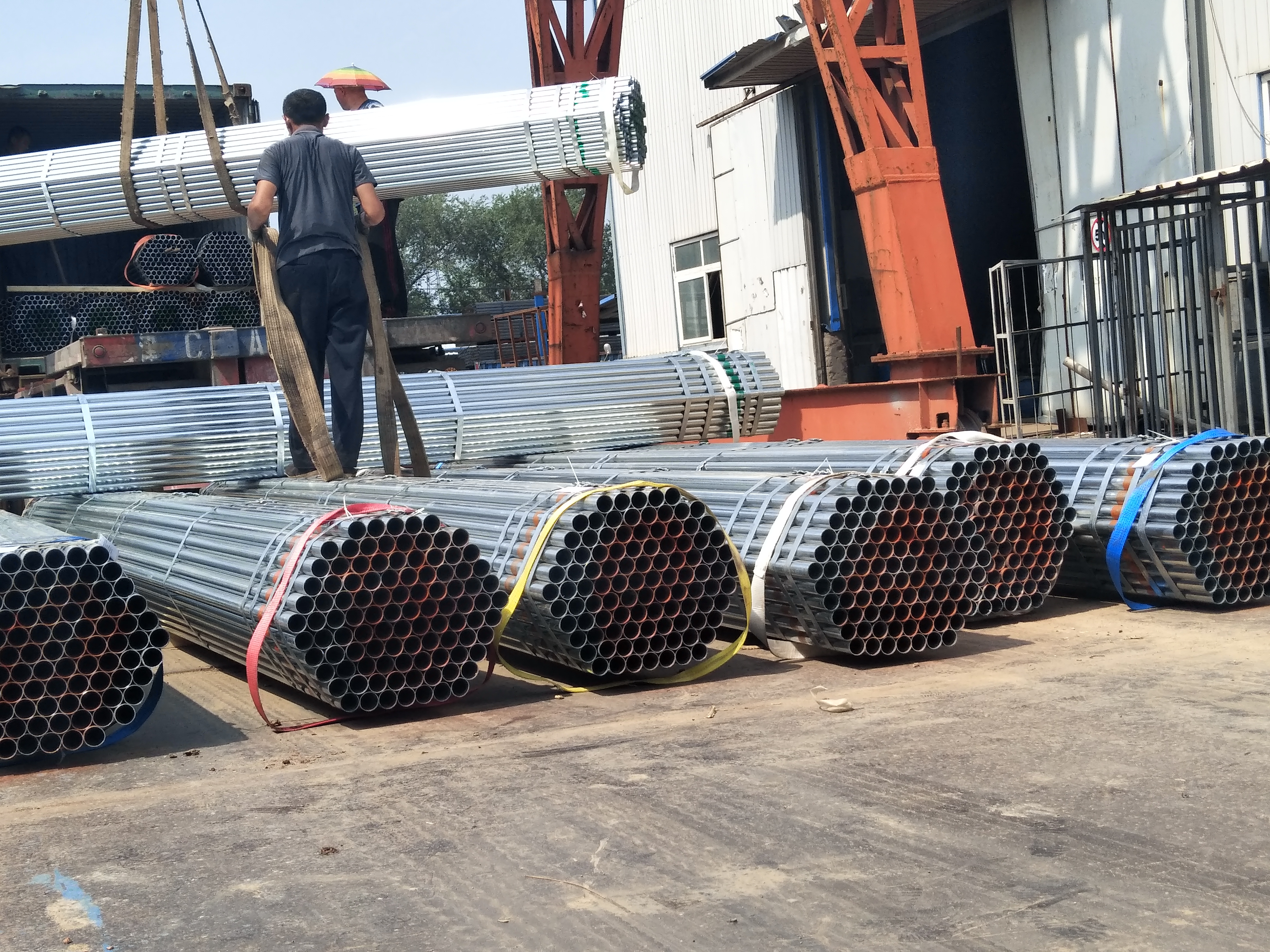
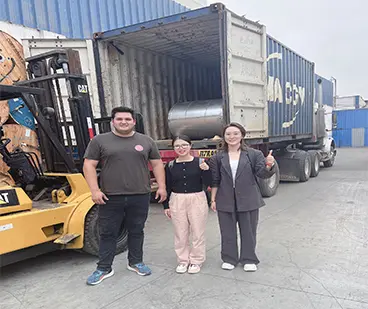
Export logistics and custom order coordination
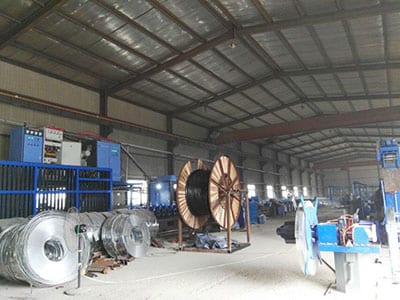
Continuous steel strip roll forming
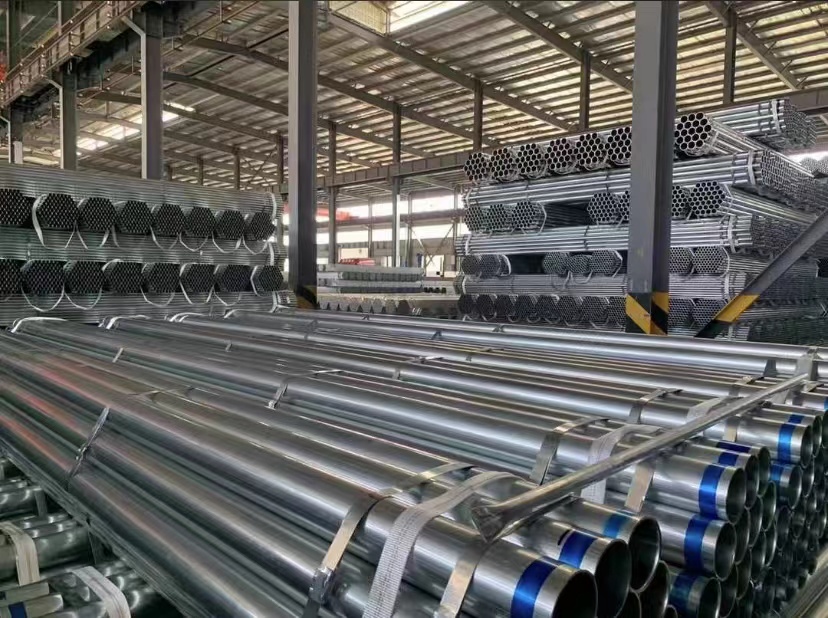
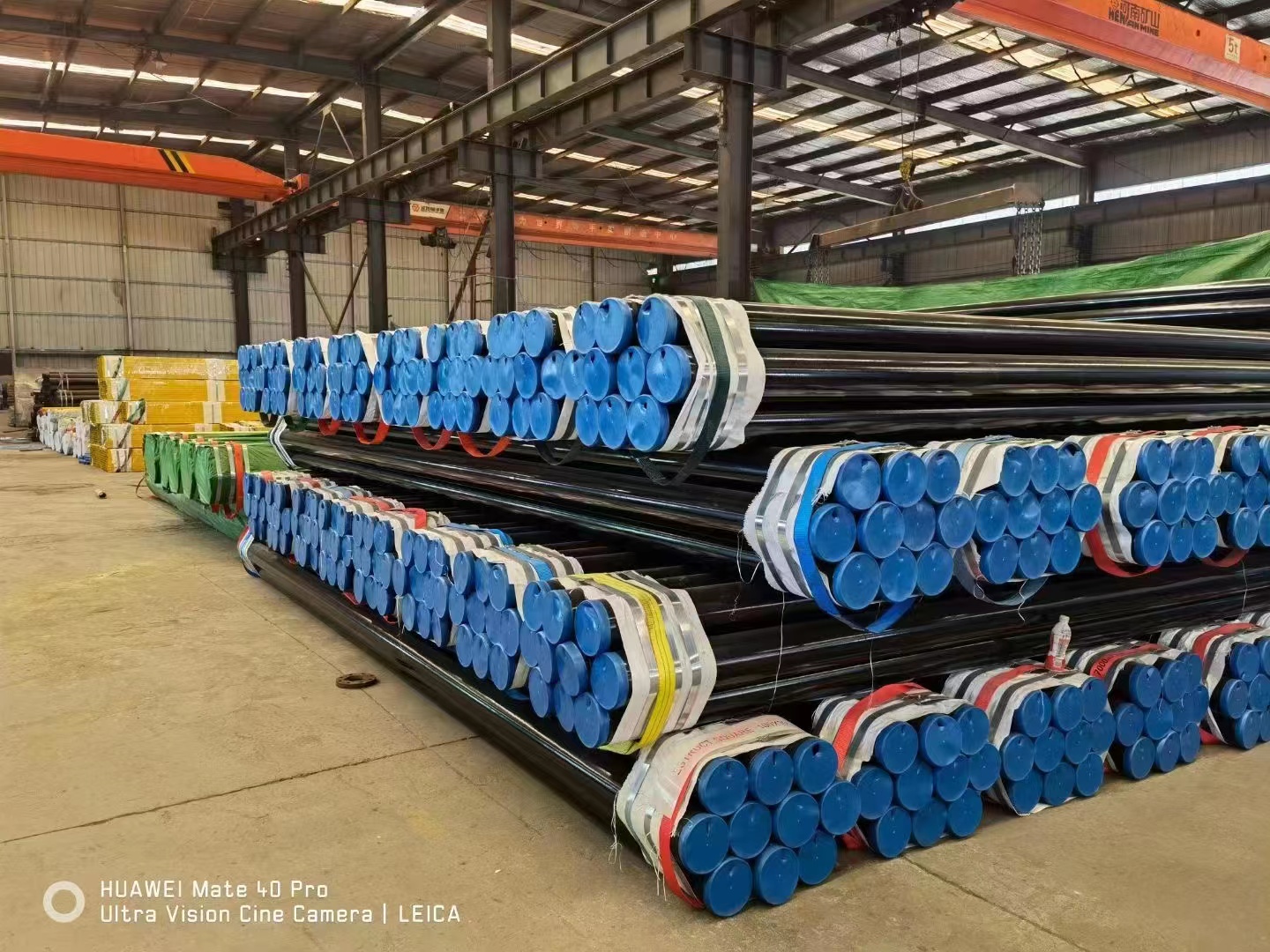
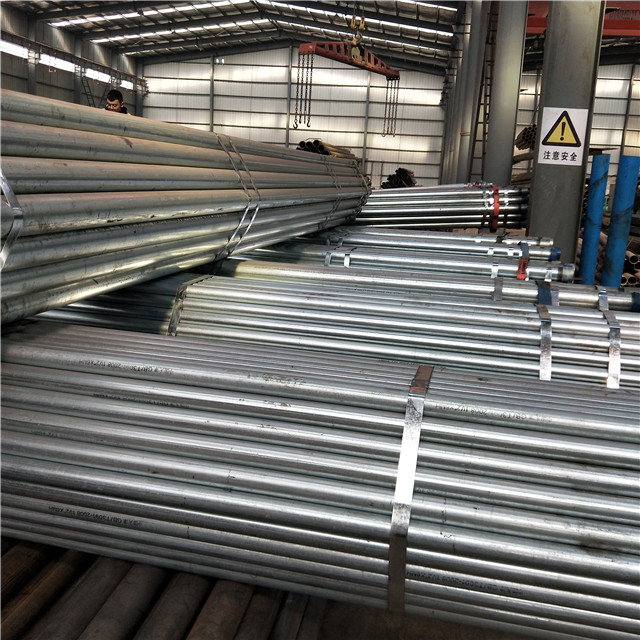
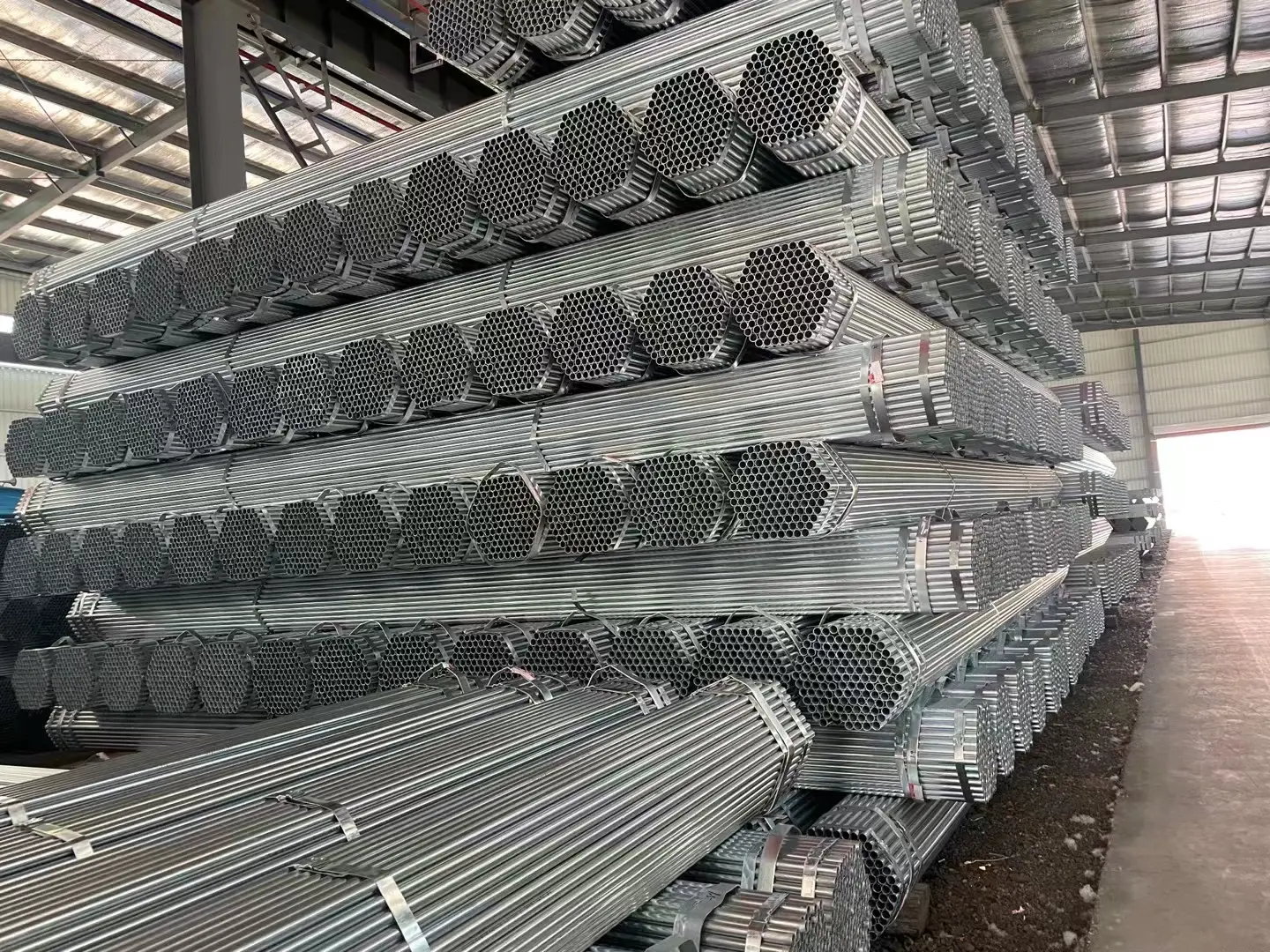
Indoor logistics and quality inspection yard
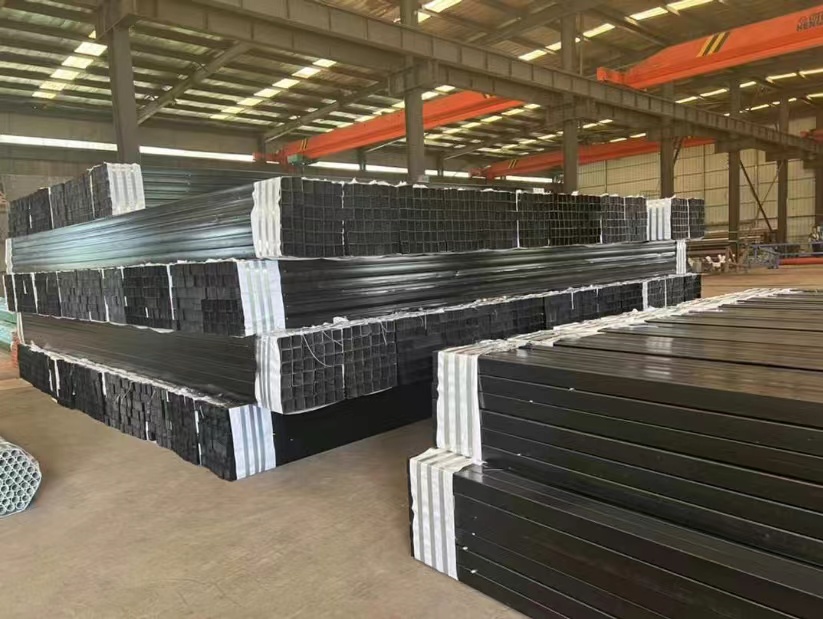
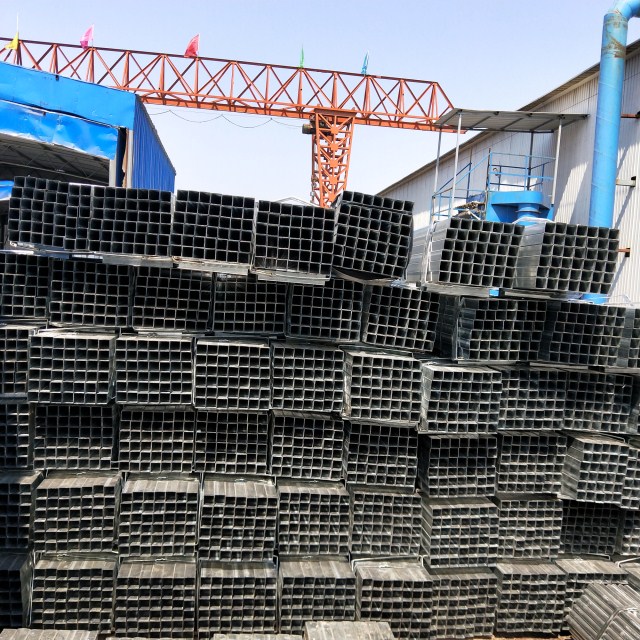
Forming square and rectangular tubing
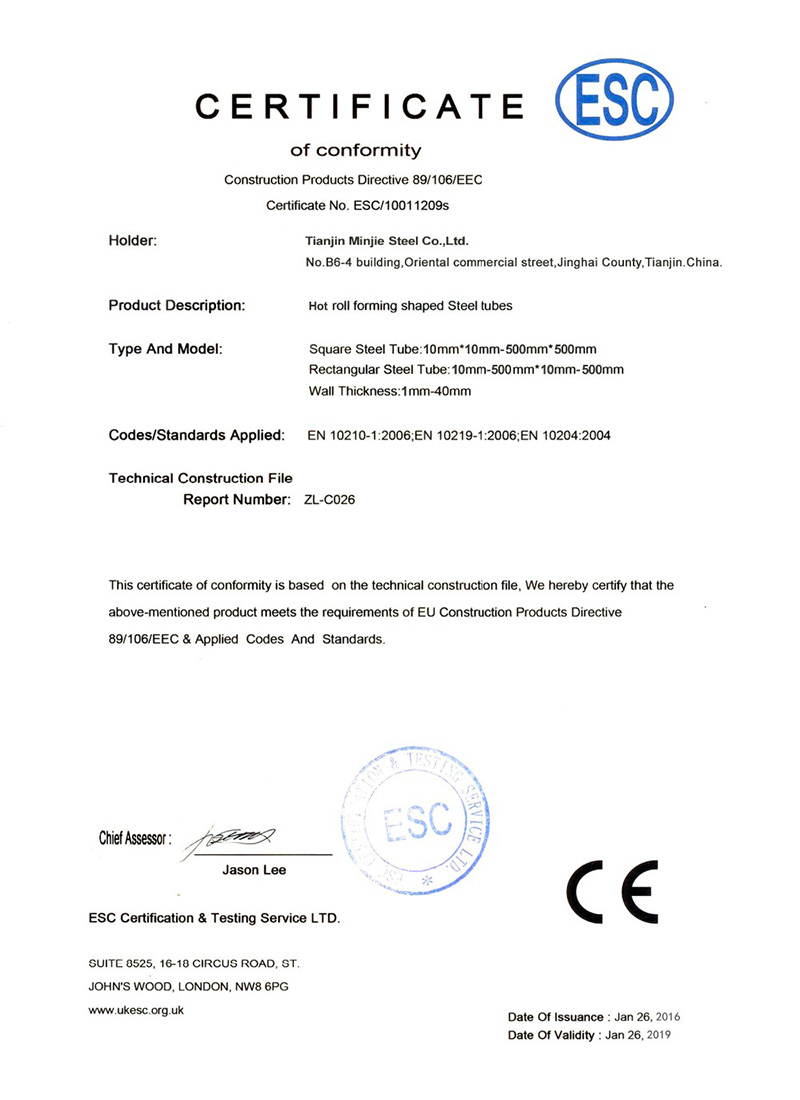
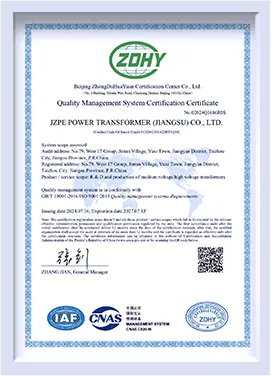
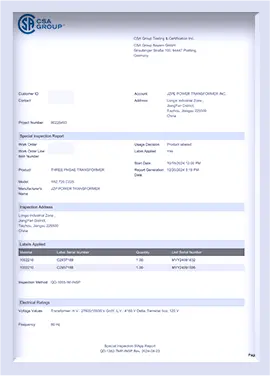
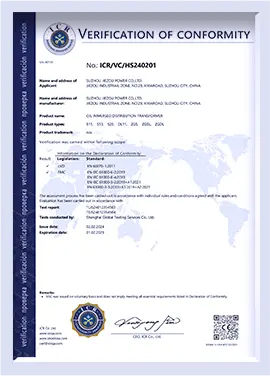
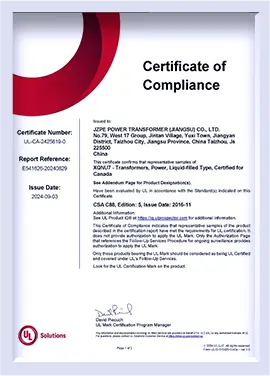
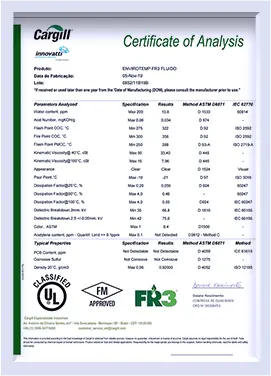
Operational photos showing production processes and quality assurance certificates
Post-welding temperature regulation
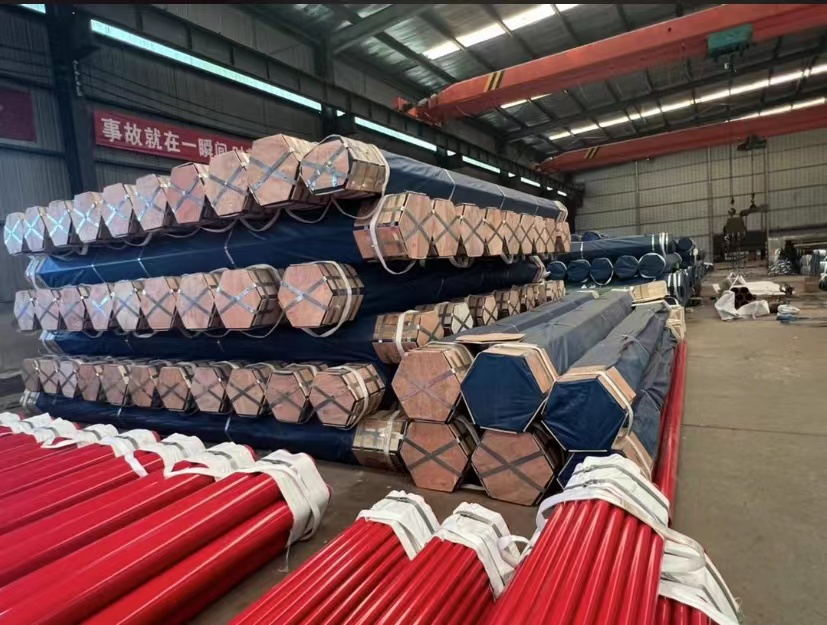
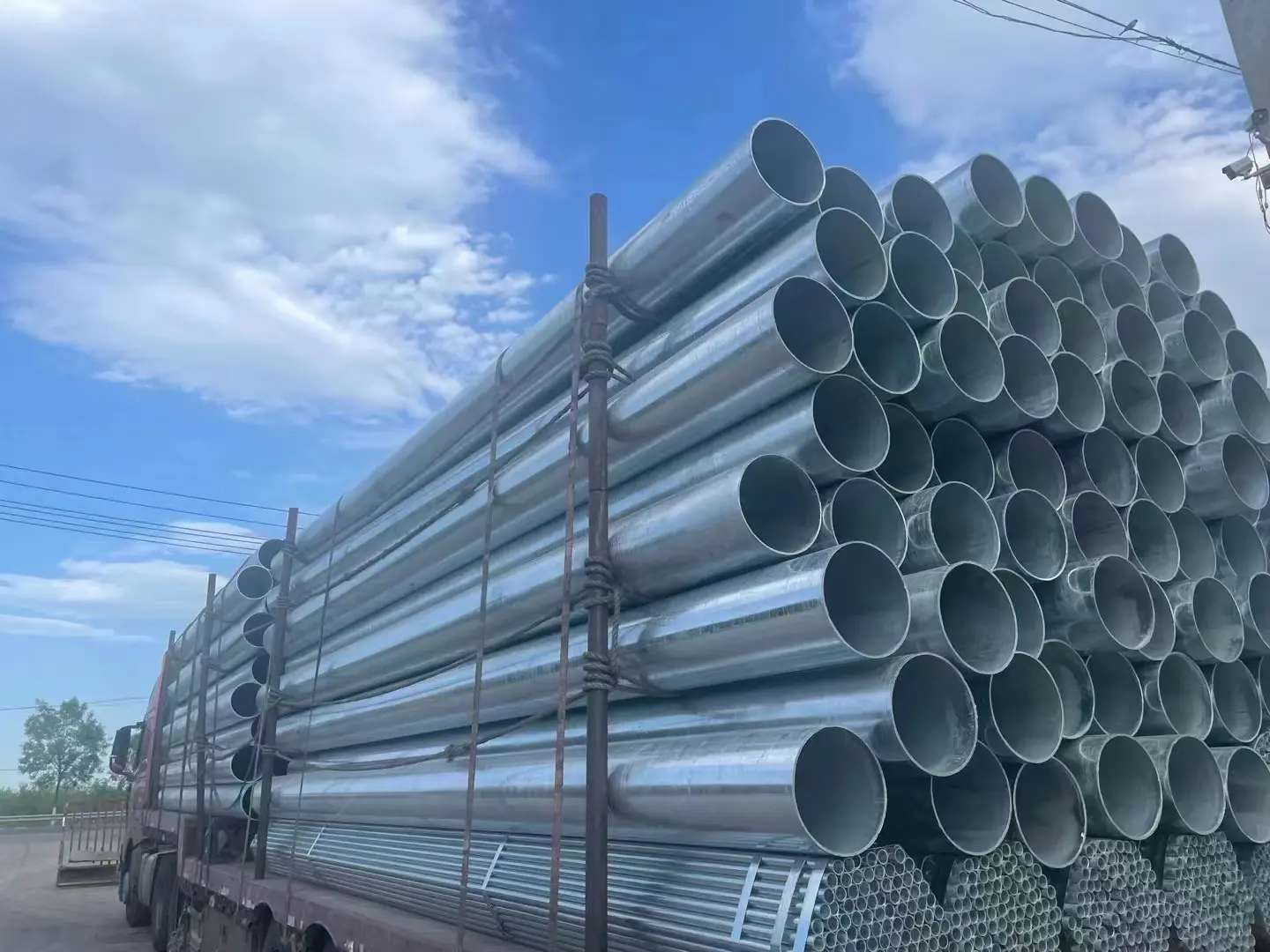
Secure steel strapping for sea transit
Removing oxide layer for zinc adhesion
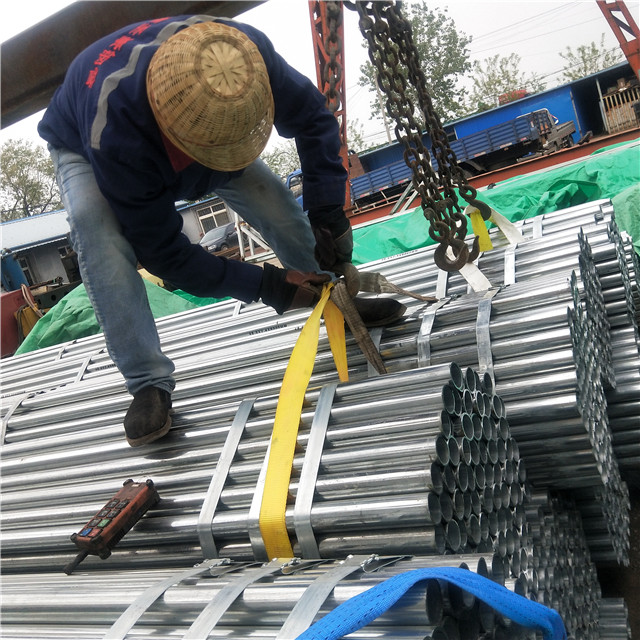
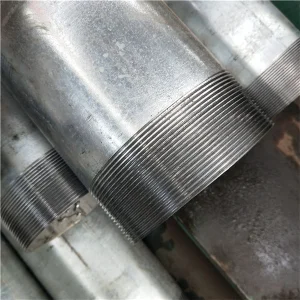
Precise pipe end processing
Metallurgical tests & weld seam inspection
Direct containerized packaging
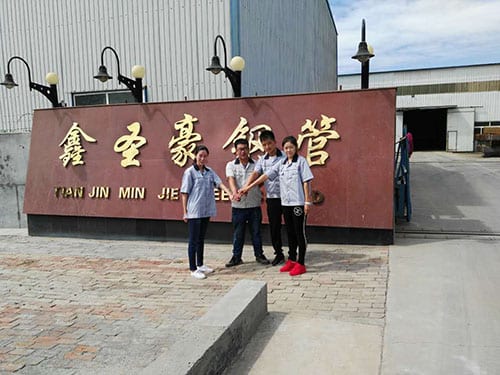
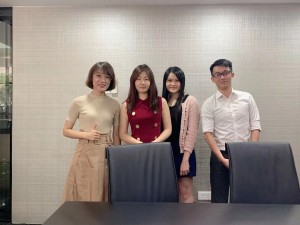
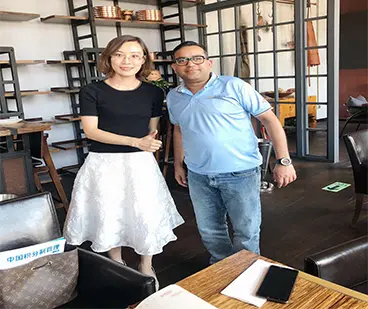
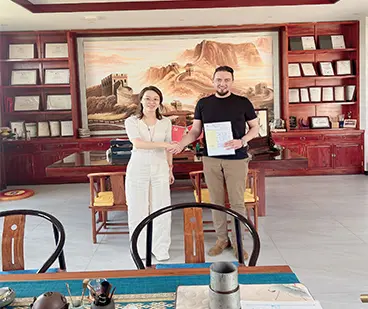
Building long-term international sourcing relationships through quality audits and site visits
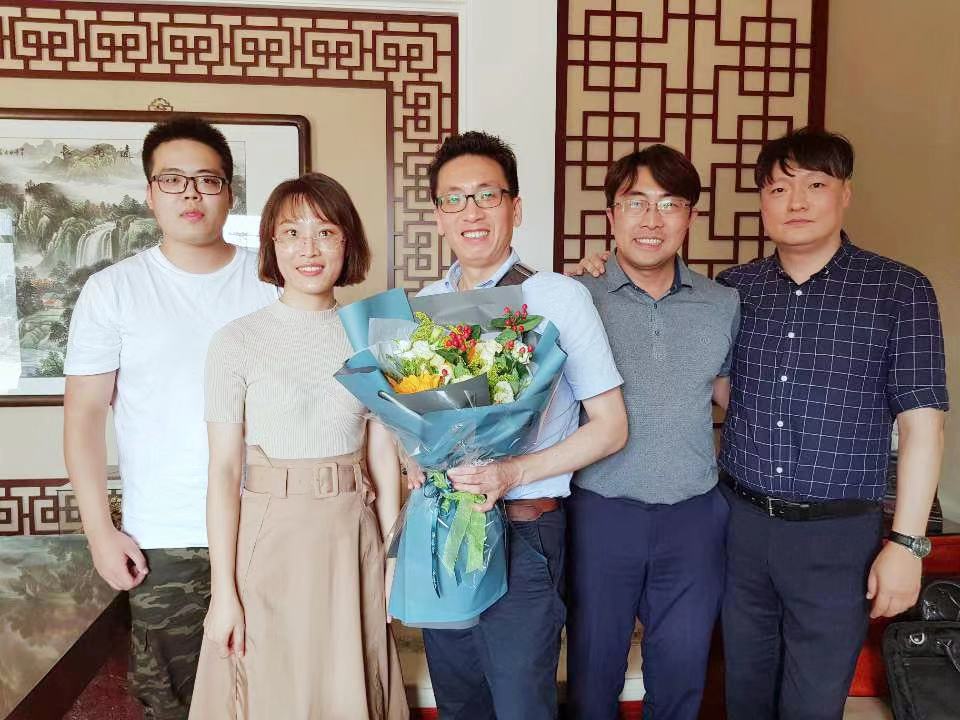
Collaboration on structural and fluid delivery frameworks.
Evaluation of custom structural components and tolerances.
Site inspection of galvanizing standards and pipe sizing.
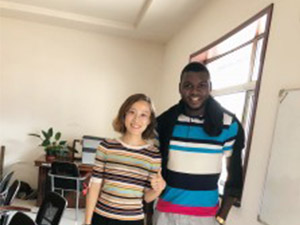
Regular supply contract for structural hollow sections.
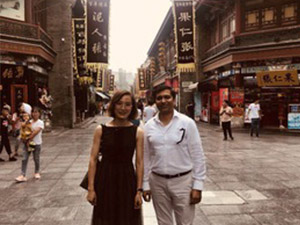
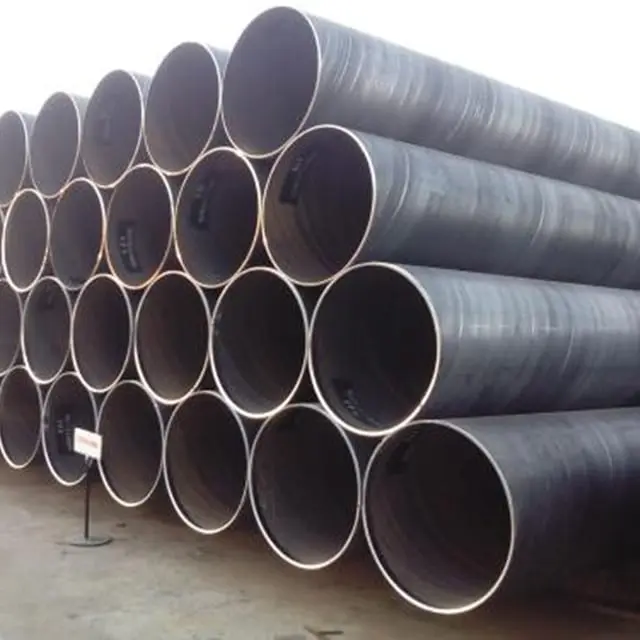
Ordering welded steel line pipes for utility deployment.
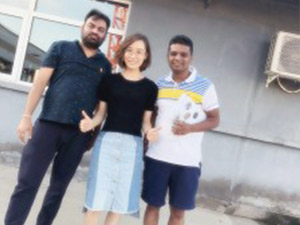
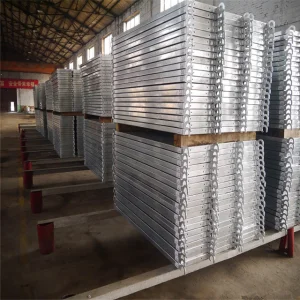
Water transmission and scaffolding supply framework.
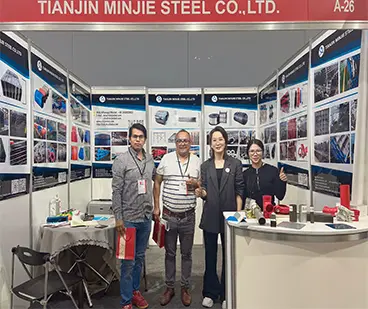
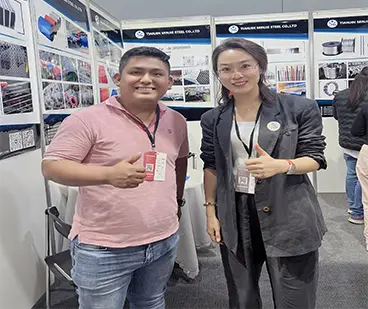
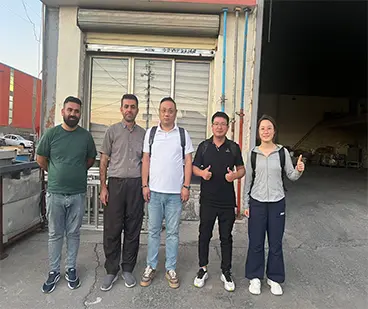
Our team participates in the Canton Fair annually, connecting with global procurement professionals. Approximately 80% of our contract partners schedule on-site inspections at our Tianjin manufacturing base post-fair to review production capacities and quality controls.
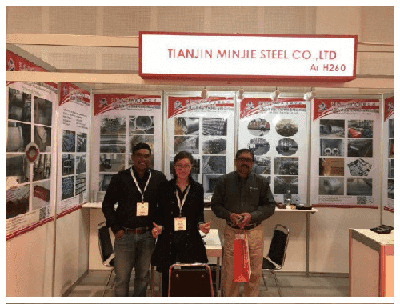
Four key product categories manufactured at our Tianjin facility
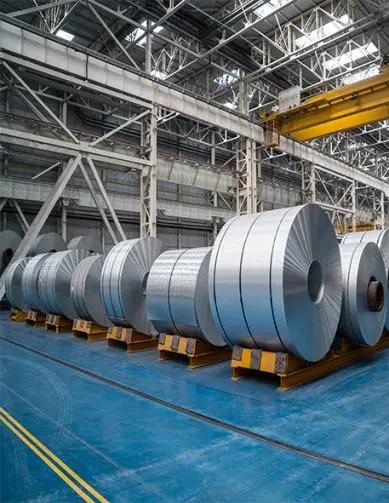
Hot-dip galvanized, pre-painted (PPGI), and color-coated steel strip.
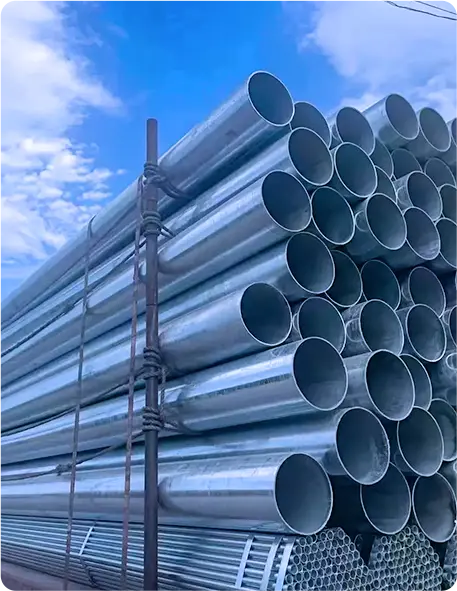
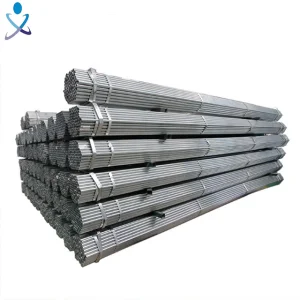
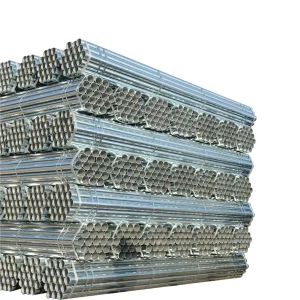
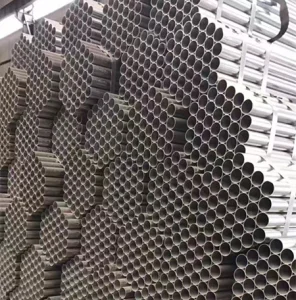
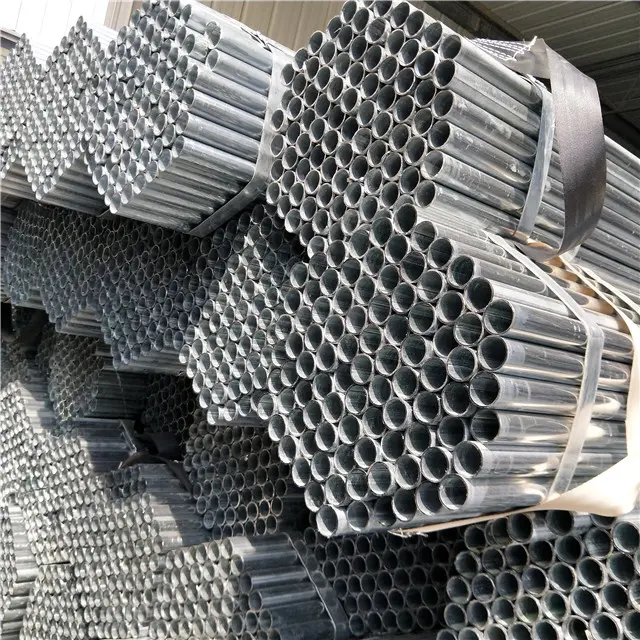
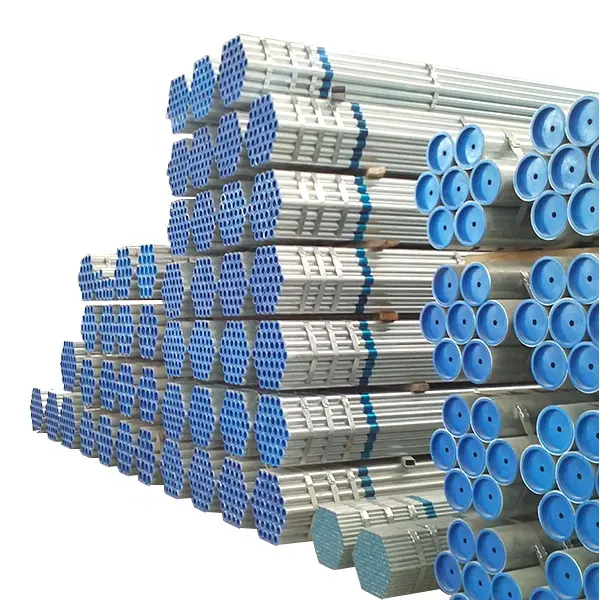
Hot-dip galvanized, pre-galvanized, and zinc-aluminum-magnesium alloy pipes.
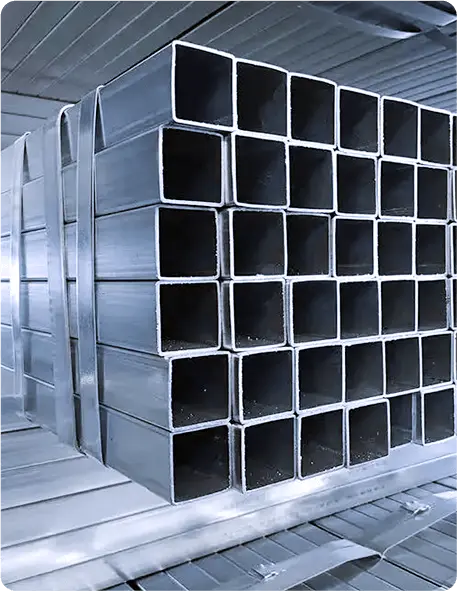
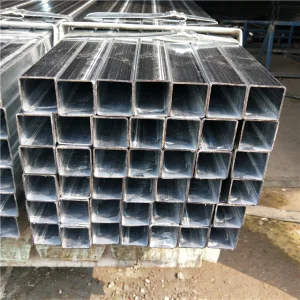
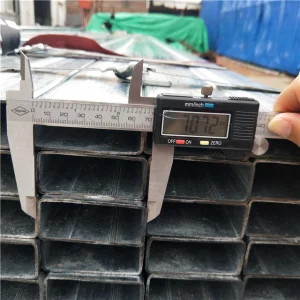
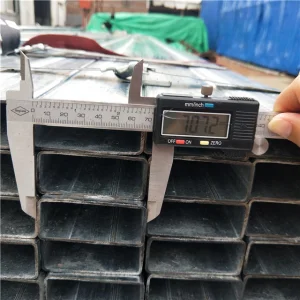
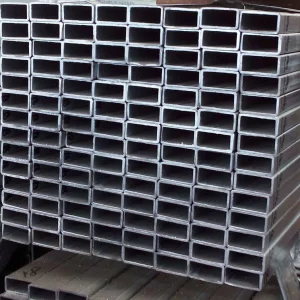
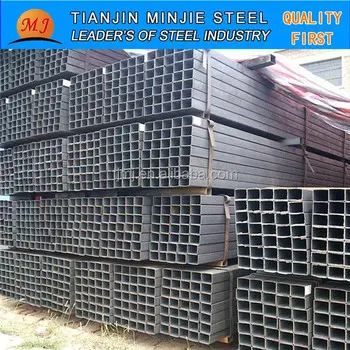
Square, rectangular, and shaped hollow profiles.
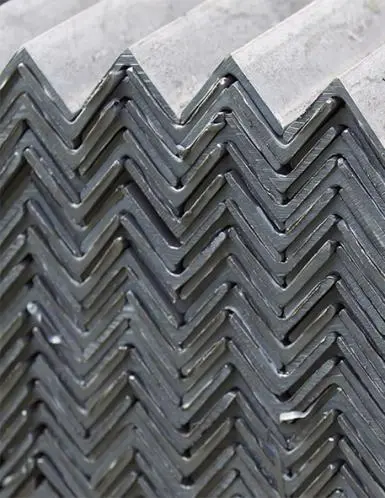
Hot-rolled equal and unequal structural steel profiles.
Our testing protocols confirm structural performance and dimensional accuracy before logistics dispatch.
Providing custom fabrication and delivery solutions for civil construction and utility projects

Technical answers to common questions about plumbing pipe procurement, standard specs, and logistics
Alternative shapes, couplers, and heavy-duty structural piping elements
 Minjie Steel