Direct supply of highly certified structural support members and access products manufactured to exceed international safety metrics.
Modern global infrastructure projects require access solutions that offer structural integrity without sacrificing portability. The demand for Aluminium Scaffolding Towers has grown exponentially over traditional steel towers due to the lightweight properties, high-strength characteristics of structural alloys (such as 6061-T6 and 6082-T6), and rapid assembly mechanisms. These towers deliver optimal safety, ease of mobility, and resistance to environmental stress.
For B2B procurement managers and safety coordinators, choosing the right manufacturer is not just a cost-benefit calculation; it is a risk mitigation strategy. Our products are designed to ensure safety in commercial operations, high-rise structural setups, and complex industrial maintenance tasks worldwide.
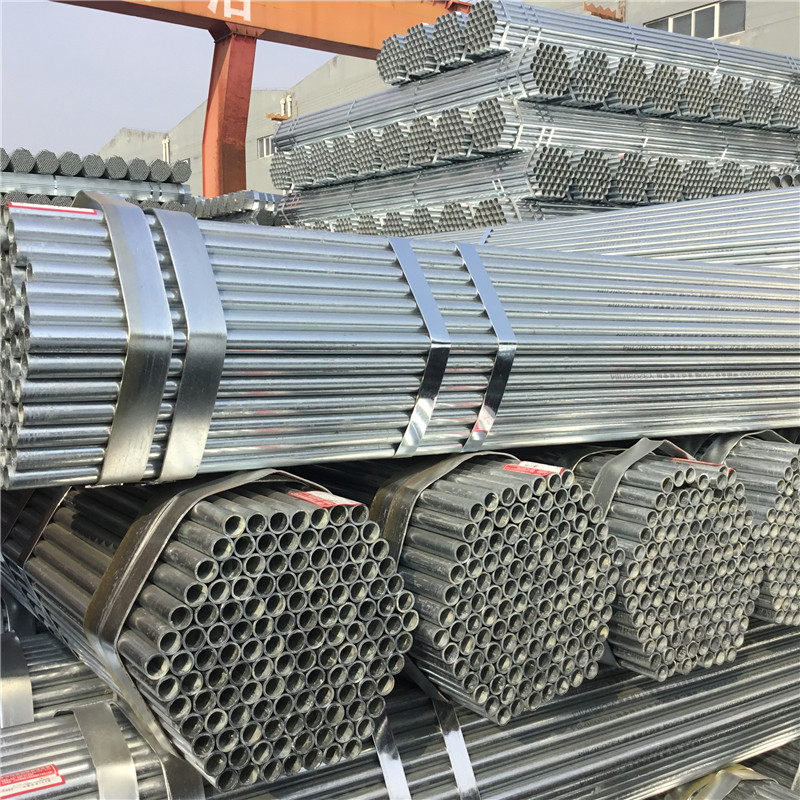
A Premier Industrial Manufacturing Hub with Decades of Steel and Structural Scaffolding Expertise.
Established in 1998, Tianjin Minjie Steel Co., Ltd has evolved into a global manufacturer and exporter of high-grade steel, scaffolding components, and customizable structural solutions. Occupying an expansive footprint of over 70,000 square meters, our facilities are located just 40 kilometers from XinGang Port—the largest port in Northern China—providing logistical advantages that ensure prompt global delivery.
Our manufacturing capacity is backed by rigorous technology and robust production infrastructure, including:
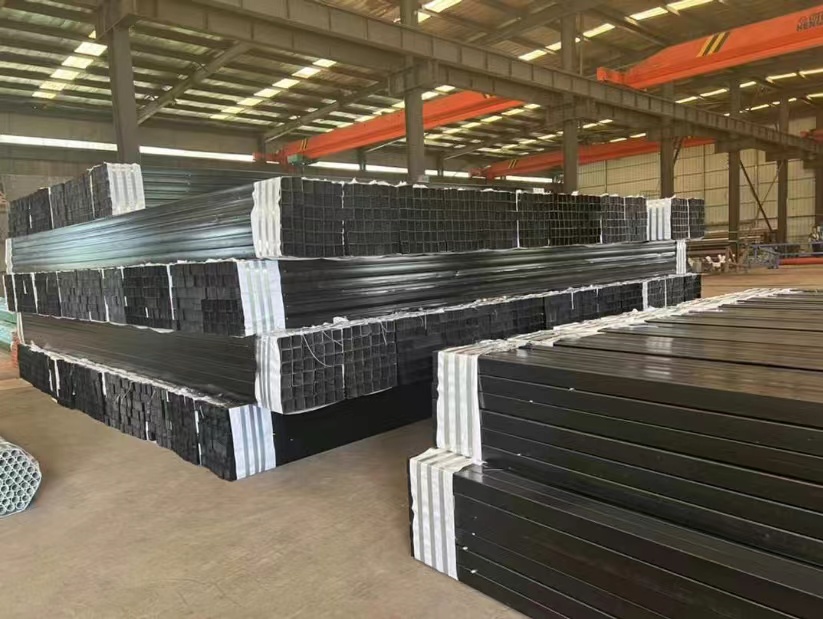
Global logistics, advanced manufacturing, and quality certifications form the foundation of our operations.
Why Tier-1 industrial buyers rely on China's integrated supply chain and engineering capability.
Direct integration with premium structural raw material suppliers ensures consistent access to T6-grade alloys. These materials undergo strict chemical testing to prevent grain boundary corrosion and structural weaknesses.
Our production facilities utilize automated robotic welding stations and laser cutting tables. This helps minimize human error, guarantees uniform weld penetration, and maintains consistent tolerance thresholds across all components.
We perform rigorous safety testing on our scaffolding products. This includes load capacity tests, structural compression analyses, wind load evaluations, and compliance checks with safety bodies like OSHA and EN 1004.
By leveraging an integrated industrial ecosystem and our proximity to Tianjin port, we minimize material handling waste and logistics overheads, passing the cost efficiencies directly to our clients.
How technological innovation and safety regulations are shaping the high-access scaffolding sector.
Global standards, such as the revised EN 1004-1:2020 standard, require mobile scaffolding towers to feature safer assembly sequences. These rules ensure that guardrails can be installed before the operative steps onto the platform. Manufacturers are responding by designing Advanced Guard Rail (AGR) frames and 3T (Through The Trapdoor) systems.
The industry is transitioning toward advanced structural grades like Aluminium 6082-T6. This material offers superior yield strength and tensile properties, allowing for higher load capacities while keeping the tower components easy to handle and transport.
Current engineering favors modular configurations that integrate with suspended cradles and cantilever decks. This flexibility allows a standard mobile tower to adapt to complex, asymmetrical building facades and tight spaces.
Demonstrating engineering capabilities, factory audits, and successful global partnerships.
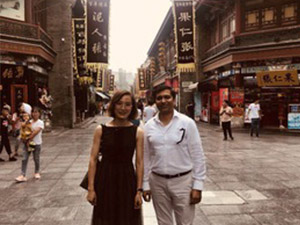
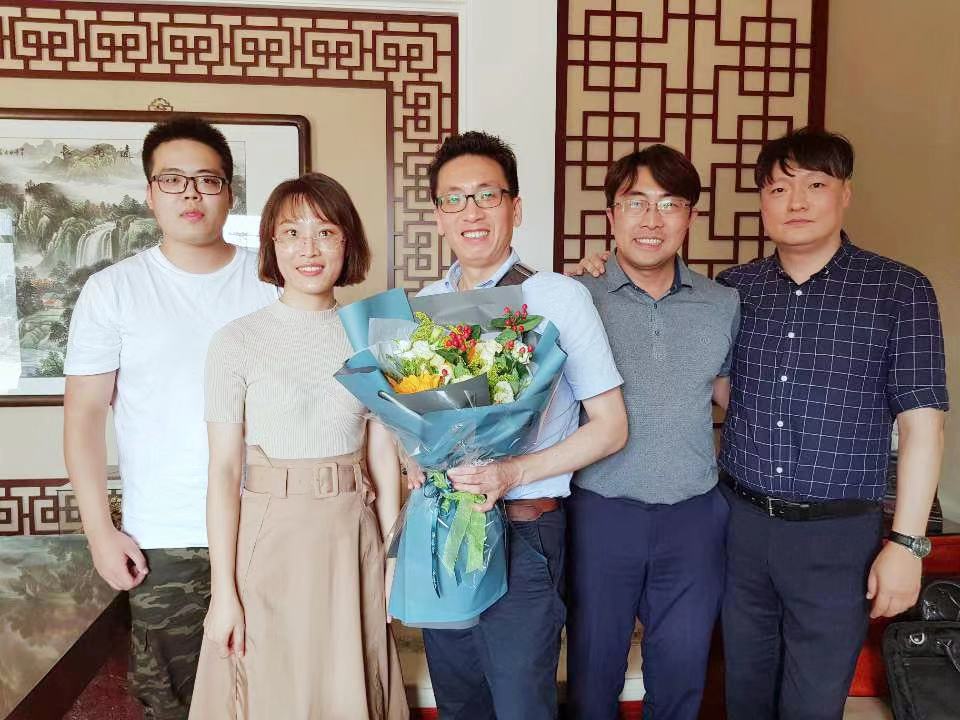
Over the years, Tianjin Minjie has welcomed customers from around the world to conduct factory audits. Our transparent production and quality controls have helped secure partnerships in key markets, including:
Reliable high-access solutions engineered for challenging working conditions.
Constructed with non-marking casters and anodized surfaces, our towers prevent particulate shedding, making them suitable for cleanrooms and microelectronics facilities.
Custom cantilever towers allow maintenance crews to safely work over aircraft wings or rail cars, providing secure access to difficult spaces.
For large-scale construction, our scaffolding structures serve as access systems and structural reinforcement supports, handling high workloads and harsh weather.
Essential technical and safety insights for scaffolding procurement managers.
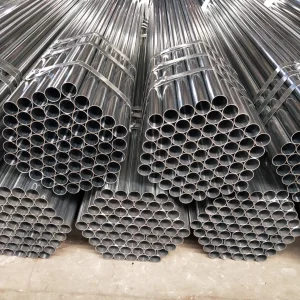
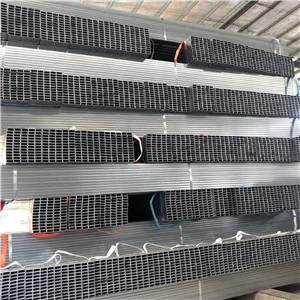
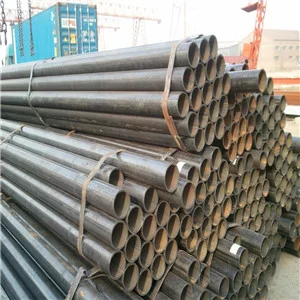
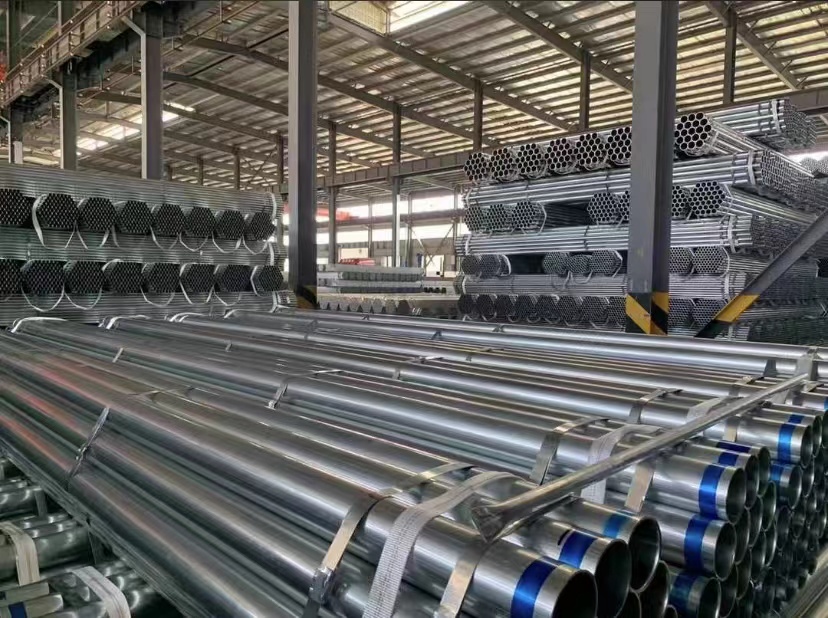
Explore our wider range of hot-dipped and pre-galvanized carbon steel tubing and structural components.
 Minjie Steel