Direct supply from our ISO 9001 certified manufacturing facilities, optimized for structural integrity and high environmental exposure.
Understanding the shift from traditional galvanization to 55% Aluminum-Zinc alloy coatings in structural engineering.
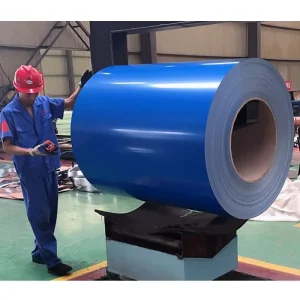
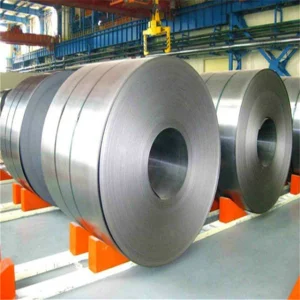
In modern industrial and structural projects, environmental degradation demands engineering materials that offer extended operational lifespans without recurring maintenance costs. This is where Aluzinc (also commonly referred to to globally as Galvalume or Zincalume) has altered the supply chain dynamics. Composed of approximately 55% Aluminum, 43.4% Zinc, and 1.6% Silicon by weight, this continuous hot-dip coated steel provides a synergistic barrier and sacrificial protection mechanism that outperforms traditional hot-dip galvanized (GI) coatings by up to 2 to 6 times, depending on the corrosive index of the localized zone.
The global industrial sectors—ranging from civil construction, roofing panels, solar racking structures, HVAC components, and automotive frames—have consistently transitioned to Aluzinc. The aluminum component forms a resilient, impermeable layer of aluminum oxide on the steel interface, acting as a physical barrier. Simultaneously, the zinc component provides cathodic (sacrificial) protection, protecting cut edges and exposed sheared sections from localized corrosion. The addition of silicon is critical; it retards the growth of the brittle intermetallic Fe-Al-Zn alloy layer during the thermal hot-dip coating process, thereby ensuring superior coating adhesion and mechanical ductility during subsequent forming, profile roll-forming, or deep drawing stages.
| Property / Standard | Aluzinc (Galvalume) Coils | Hot-Dip Galvanized (GI) | Electro-Galvanized (EG) |
|---|---|---|---|
| Coating Composition | 55% Al, 43.4% Zn, 1.6% Si | >99% Pure Zinc | Pure Zinc Electroplated |
| Corrosion Resistance | Outstanding (Up to 4-6x GI life) | Moderate (Dependent on thickness) | Low (Mainly for indoor/automotive primer) |
| Heat Reflectivity | High (~65% reflectivity at 300°C) | Low-Medium | Low |
| Cut-Edge Protection | Excellent (Zinc-rich dendritic phase) | Excellent | Minimal (Thin coating) |
| Typical Standards | ASTM A792/A792M, EN 10346 | ASTM A653/A653M, EN 10346 | ASTM A879/A879M |
Analyzing the dendritic solidification process and the strategic integration of micro-alloying elements.
The performance superiorities of Aluzinc products stem from their distinct microstructural solidification profile. When the molten alloy bath containing 55% Aluminum and 43.4% Zinc cools on the steel substrate, it solidifies into a biphasic structure. The primary phase consists of an aluminum-rich dendritic structure that begins solidifying first. As these dendrites grow, the remaining liquid alloy becomes increasingly concentrated in zinc. Finally, the zinc-rich phase solidifies in the interdendritic regions.
This microstructural configuration provides a dual-layer active shield:
As international environmental regulations like REACH and RoHS restrict the usage of hexavalent chromium (Cr6+) passivation chemistry, modern manufacturing facilities are shifting toward advanced trivalent chromium (Cr3+) and completely chrome-free organic treatments. Furthermore, research into incorporating magnesium (Mg) into the alloy pool—forming Zinc-Aluminum-Magnesium (ZAM) coatings—represents the current technological frontier. Magnesium promotes the development of an extremely dense and insoluble zinc-carbonate-magnesium oxide protective film, which actively heals cut edges significantly faster than standard Aluzinc chemistry.
How Aluzinc performs under diverse climatic stressors and specialized structural applications.
Traditional zinc coatings dissolve rapidly in chloride-rich marine environments. Aluzinc's aluminum oxide outer layer resists salt-fog penetration, making it ideal for coastal roofing, sub-frames, and marine harbor outbuildings where exposure to airborne sea-spray is constant.
For photovoltaic plants situated in desertic or agricultural zones, the support structures face harsh UV exposure, high thermal cycling, and wind-blown sand abrasion. The hardness of the Aluzinc surface ensures the support structure resists mechanical wear while providing 25+ years of corrosion resistance without requiring post-installation touch-ups.
HVAC systems face constant moisture condensate internally and atmospheric acidic components externally. The thermal stability of Aluzinc up to 315°C prevents yellowing and scaling, while its chemical resistance makes it the standard for industrial HVAC ductwork, heat exchangers, and chimney components.
A global benchmark in structural steel and advanced coating technology manufacturing.
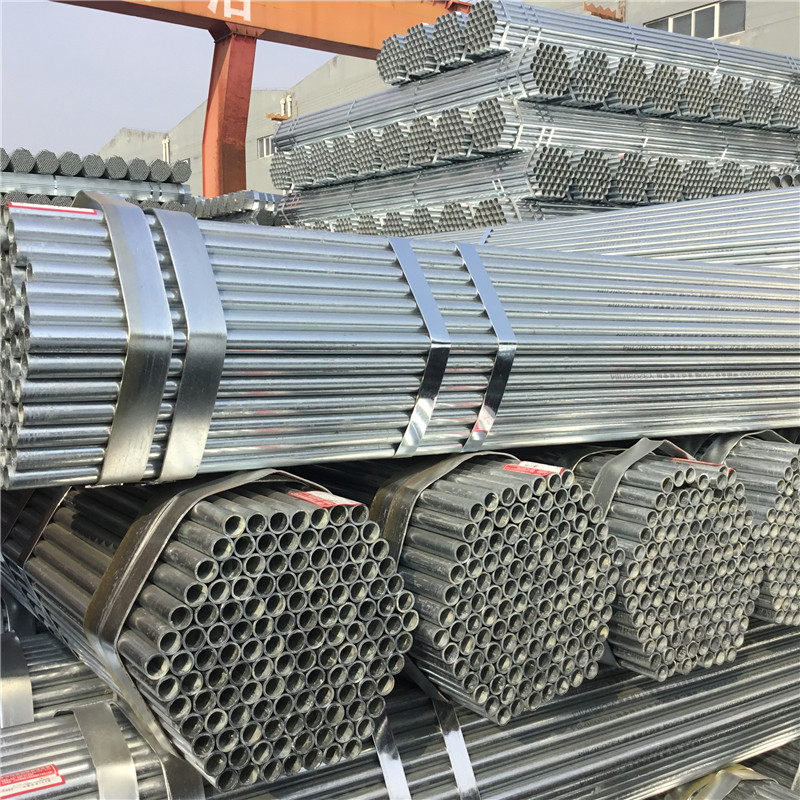
Founded in 1998, Tianjin Minjie Steel Co., Ltd. has expanded into an advanced manufacturing facility spanning over 70,000 square meters. We are strategically situated only 40 kilometers from XinGang Port, the primary maritime shipping hub in Northern China. This logistical proximity guarantees minimized land transit times and reliable global shipping logistics.
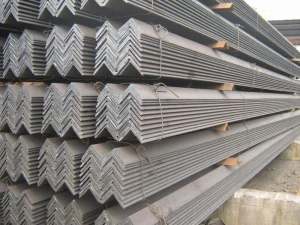
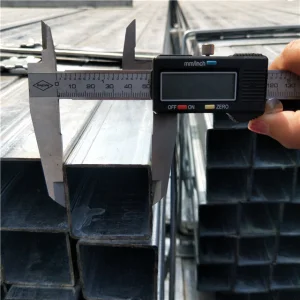
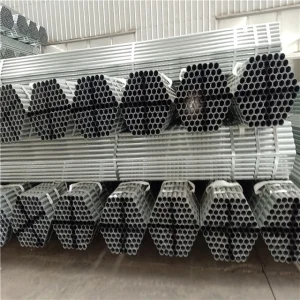
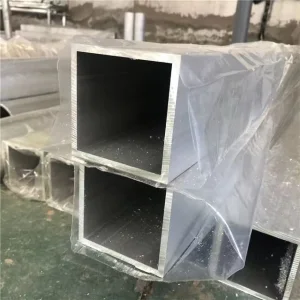
As a leading manufacturer and exporter of structural steel products, our core production lines include pre-galvanized steel pipe, hot-dip galvanized pipe, welded steel pipe, square & rectangular hollow sections, and structural scaffolding systems. Demonstrating our commitment to engineering innovation, we have secured 3 technological patents: groove pipe, shoulder pipe, and victaulic connection systems.
Our production facilities host 4 dedicated pre-galvanized product lines, 8 ERW high-frequency induction steel pipe production lines, and 3 hot-dip galvanizing process lines. We operate strictly in compliance with international standards, including ASTM (American Society for Testing and Materials), GB (Chinese National Standards), DIN (German Institute for Standardization), and JIS (Japanese Industrial Standards).
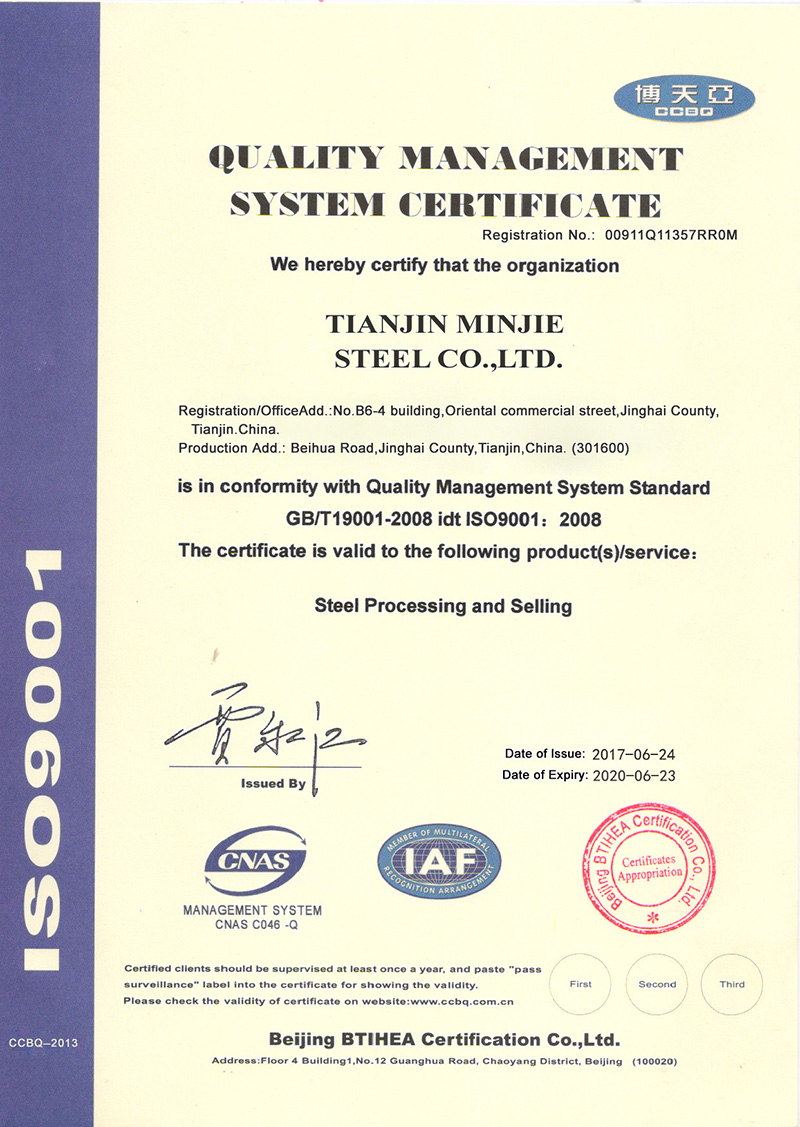
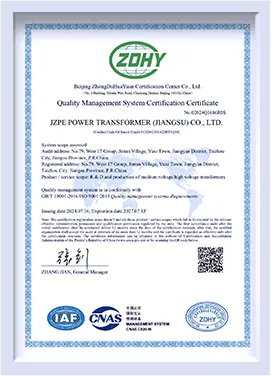
All operations are fully certified under the ISO 9001:2015 Quality Management System. This structure ensures that every batch of raw steel entering our facility and every finished coil or structural pipe dispatched undergoes rigid metallurgical testing, coating thickness verification, and mechanical stress analysis.
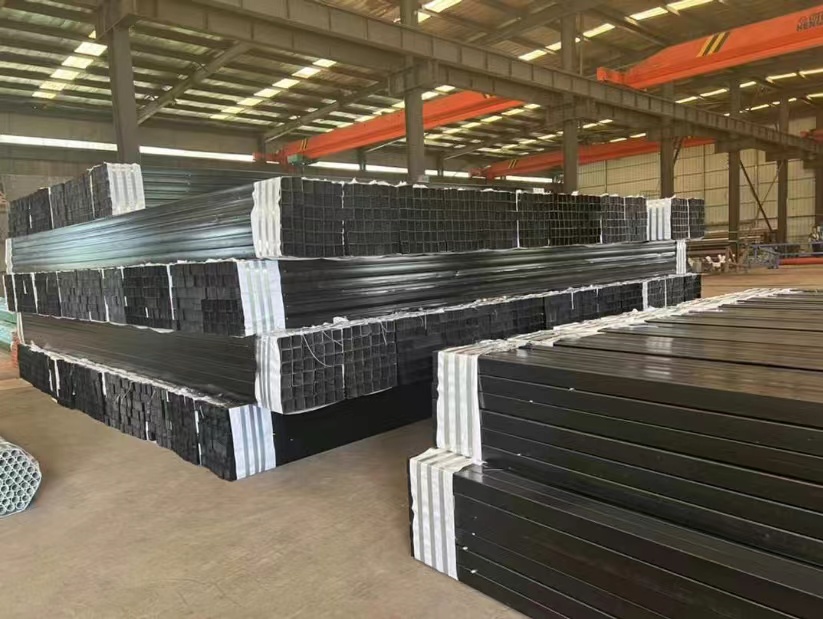
Exporting engineered steel products to international markets with complete localized project compliance.
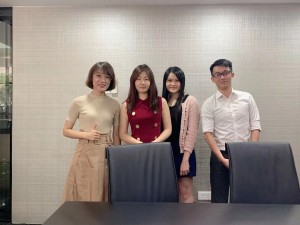
In September 2019, our technical team visited Singapore to finalize delivery schedules for high-rise building structural elements. Our commitment to strict tolerance controls and surface quality earned deep commendation from local structural engineering partners.
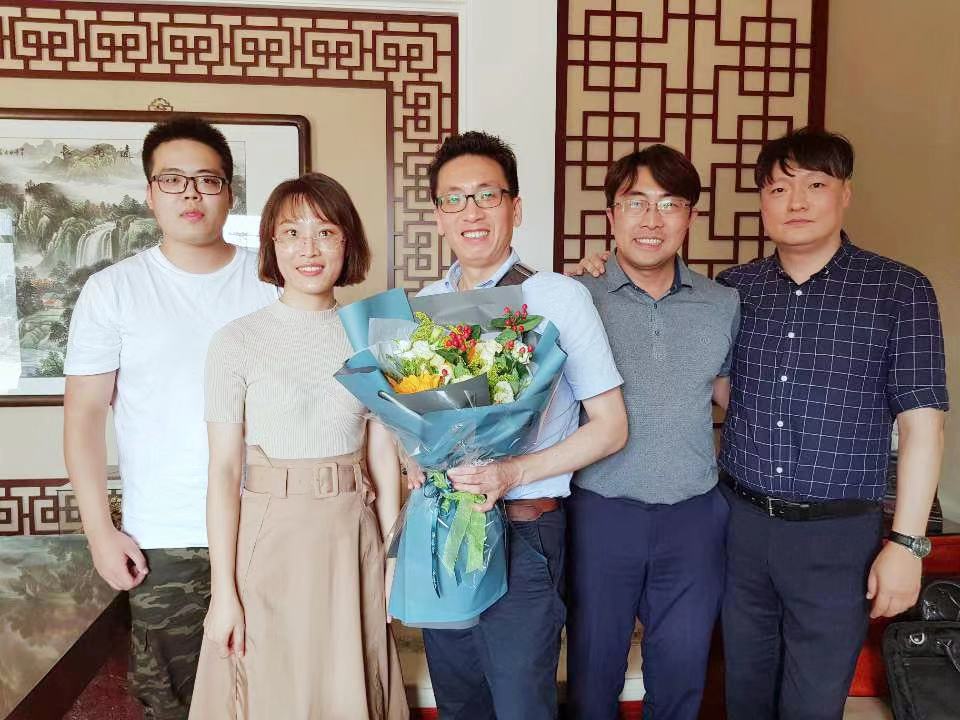
In 2019, key technical representatives from South Korea visited our Tianjin plant with custom profile designs. We modified our forming rolls to produce bespoke structural components, paving the way for long-term contract logistics.
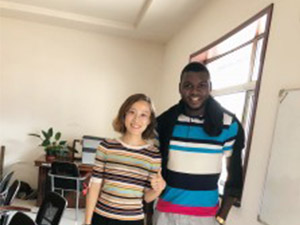
Our long-term Australian distributors visited in November 2018 to perform comprehensive audits on our quality control labs and verify compliance with AS/NZS standards, confirming our role as their primary supply route.
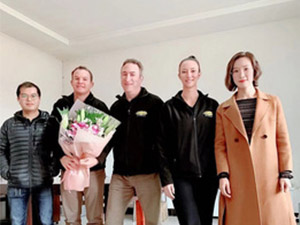
In 2019, following site audits of multiple Northern China factories, an Indian EPC firm selected Tianjin Minjie to supply structural steel, immediately establishing a monthly commitment of 10 structural containers.
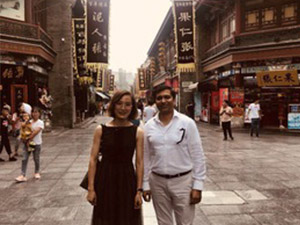
In June 2017, a delegation from Lebanon signed an immediate contract for 1,000 tons of ERW and galvanized structural pipe, following chemical analysis and tensile verification testing of our steel grades in our laboratory.
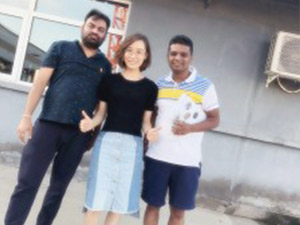
Following introductory meetings at the Canton Fair, a prominent Saudi contractor visited our Tianjin processing plant in 2018 to establish supply agreements for high-grade corrosion-resistant structural sections.
Continuous presence at international trade channels and rigorous certification processing.
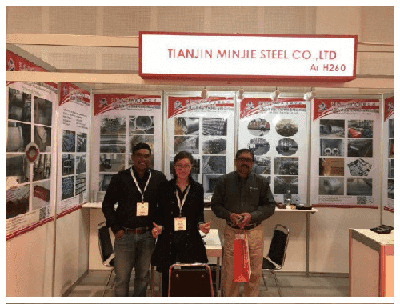
Our company maintains a continuous presence at the Canton Fair every year. These exhibitions allow us to present our latest technological innovations directly to international buyers. Our showcase in 2017 attracted a large volume of global buyers, with over 80% subsequently visiting our Tianjin factory to verify our raw material storage, line speeds, and mill test reporting systems. We continue to adapt our structural alloys and custom roll-forming capabilities to match the evolving demands of our global partners.
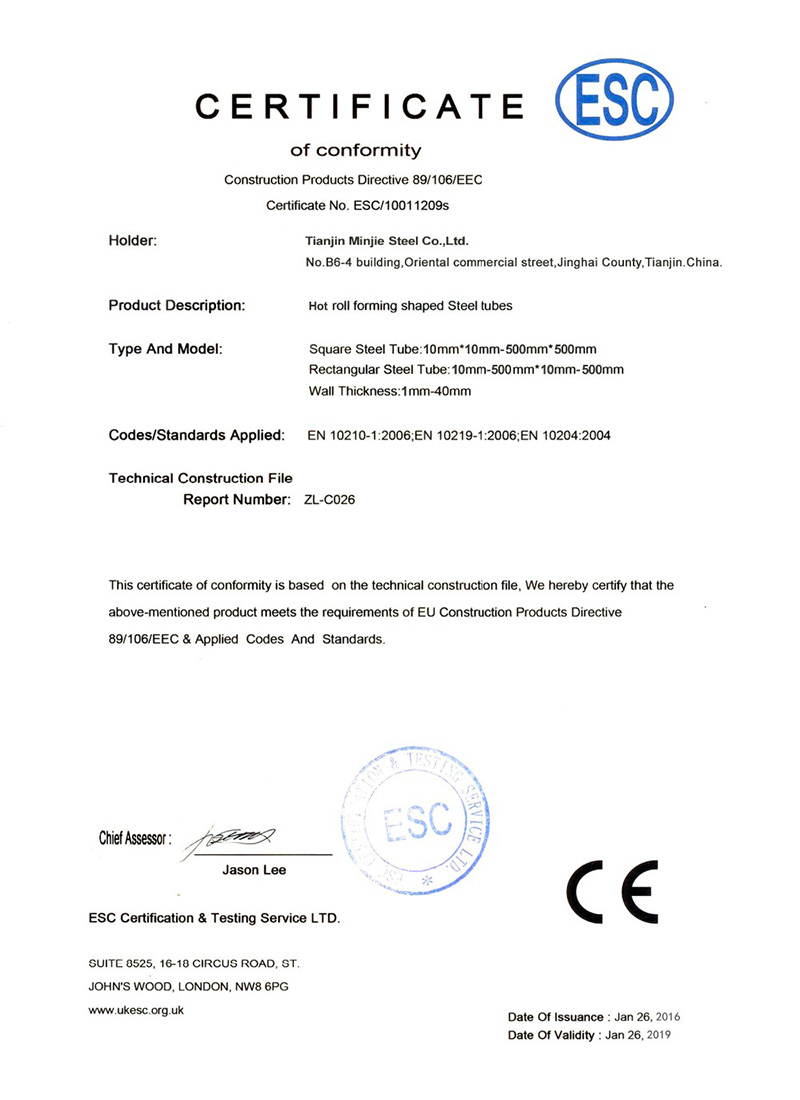
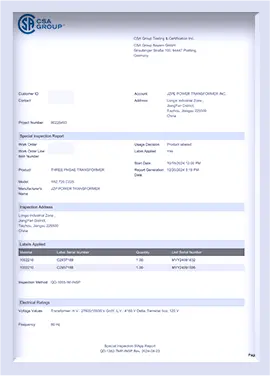
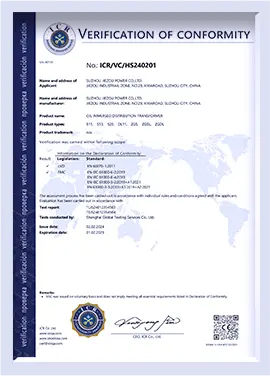
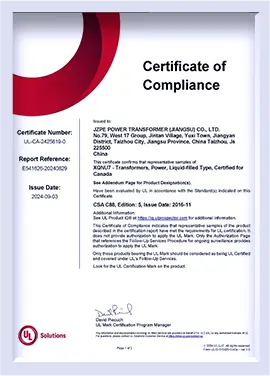
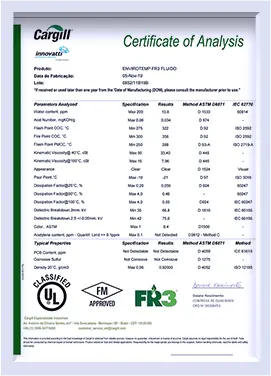
To support global imports without local custom complications, our materials comply fully with the necessary certification pathways. We provide Mill Test Certificates (MTC) according to EN 10204 3.1. Our physical testing laboratories perform chemical analysis, mechanical testing (yield strength, tensile strength, elongation), and coating thickness validation (using electromagnetic eddy-current methods) to verify compliance with international regulations.
| Certification | Authority | Standards Covered | Verification Areas |
|---|---|---|---|
| ISO 9001:2015 | International Accreditation Forum | Quality Management Systems | Production line tracking, raw material tracing, instrument calibration |
| EN 10219 Standard | TUV / SGS Audited | Cold-formed welded structural hollow sections | Dimensional tolerances, yield strength validation, ultrasonic weld testing |
| ASTM A500 / A792 | ASTM International | Structural tubing & Al-Zn alloy coated steel sheets | Alloy coating weight (g/m²), paint adhesion, mechanical elongation |
Addressing essential questions regarding structural integrity, coating performance, and global supply chains.
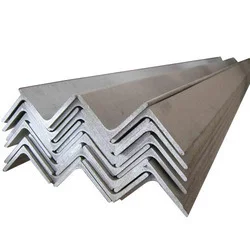
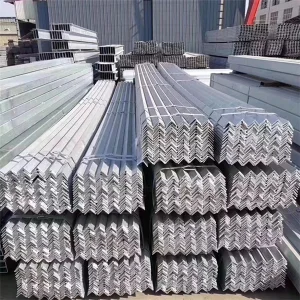
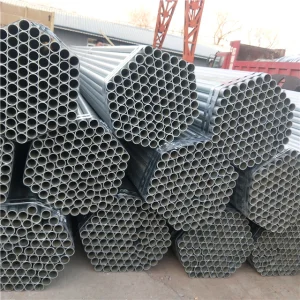
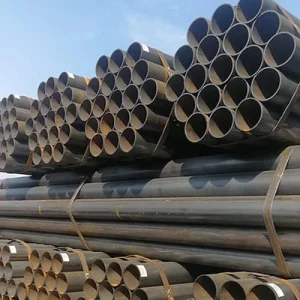
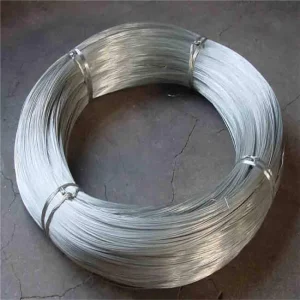
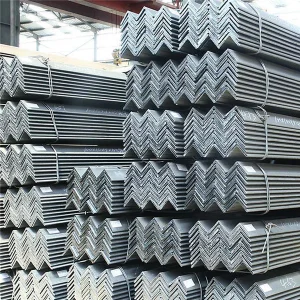
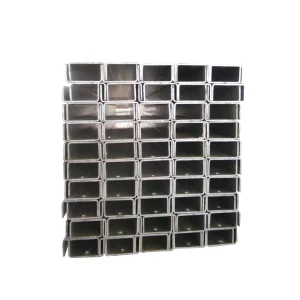
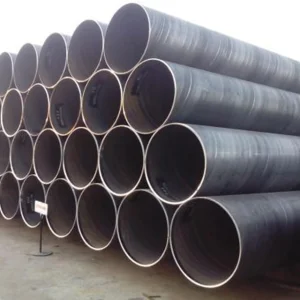
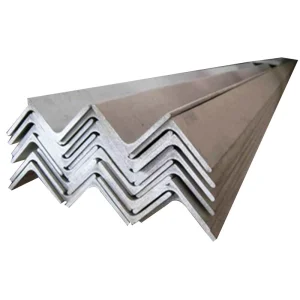
A broad selection of round pipes, structural angles, PC wire, and spiral welded profiles from our Tianjin manufacturing plants.
 Minjie Steel