Premium manufacturing materials engineered to meet strict international standards including GB, ASTM, DIN, and JIS.
Understanding Chromium Carbide Overlay (CCO) microstructures and performance metrics in aggressive impact and sliding abrasion environments.
In modern industrial processing, machinery components are constantly subjected to severe wear, friction, and heavy impact. As a leading engineering partner, Tianjin Minjie Steel Co., Ltd. integrates wear protection theory with robust carbon steel structural materials. Heavy industries are rapidly transitioning from traditional alloy steels to specialized Chromium Carbide Overlay (CCO) wear plates to extend equipment lifespan, minimize downtime, and optimize maintenance cycles.
What sets high-quality CCO plates apart is their unique metallurgical composition. Through advanced open-arc or submerged-arc weld cladding, a primary layer of wear-resistant chromium carbide is deposited onto a tough structural substrate (often Q235B or Q345B carbon steel). The resulting microstructure features hard M7C3 primary carbides embedded in a ductile, shock-absorbing austenitic matrix. These carbides reach micro-hardness values exceeding 1500 HV, enabling them to resist continuous sliding abrasion from sand, ore, cement, and coal slurry.
Our standard CCO plates exhibit bulk hardness ratings of HRC 58 to 62, offering up to 30 times the wear resistance of conventional carbon steels.
A primary carbide volume fraction of 30% to 45% guarantees consistent wear resistance even under elevated working temperatures up to 600°C.
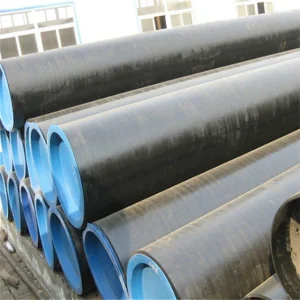
Built upon robust substrates such as Q235B equal angles, carbon pipes, and hollow sections to ensure excellent weldability and structural integrity.
Global procurement teams in mining, cement, and power generation face critical challenges when selecting wear liners. It is not simply about hardness; it is about performance under standard testing conditions. Procurement specifications should align with ASTM G65 Procedure A, the industry benchmark for dry sand/rubber wheel abrasion testing. Suppliers must guarantee minimal mass loss during these tests, proving the effectiveness of the chromium carbide distribution.
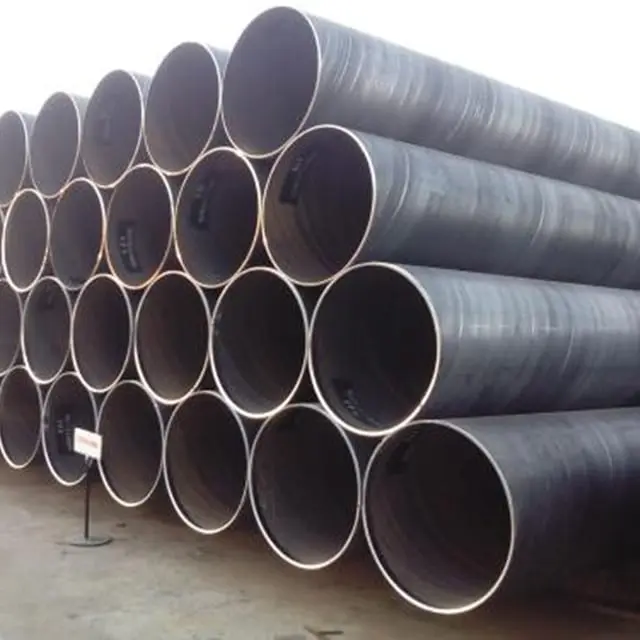
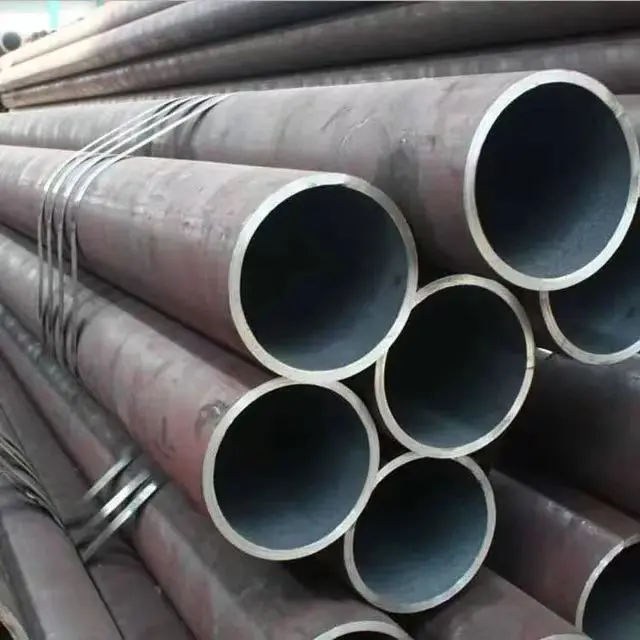
Additionally, matching the right substrate is crucial. By utilizing high-grade substrates like Q235B angle bars and seamless carbon steel pipes, fabricators can safely bend, roll, and weld CCO wear plates directly into complex geometries, including chutes, cyclones, hoppers, and pipeline elbows.
Tianjin Minjie Steel Co., Ltd. was established in 1998. Our factory covers more than 70,000 square meters, located just 40 kilometers from XinGang port, which is the biggest port in the north of China.
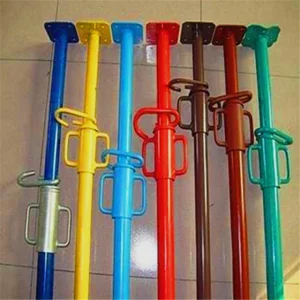
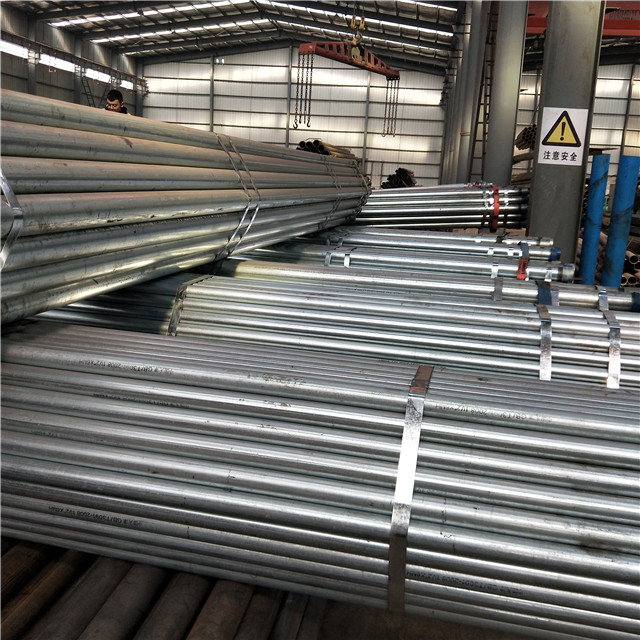
We are a professional manufacturer and exporter of steel products. Our core product portfolio includes pre-galvanized steel pipes, hot-dip galvanized pipes, welded steel pipes, square & rectangular tubes, and advanced scaffolding products. We have developed and received 3 patents: groove pipes, shoulder pipes, and victaulic pipes.
Our manufacturing facilities boast 4 pre-galvanized production lines, 8 ERW steel pipe production lines, and 3 hot-dipped galvanized processing lines. We manufacture strictly according to GB, ASTM, DIN, and JIS standards. All products are verified under the ISO9001 quality management system.
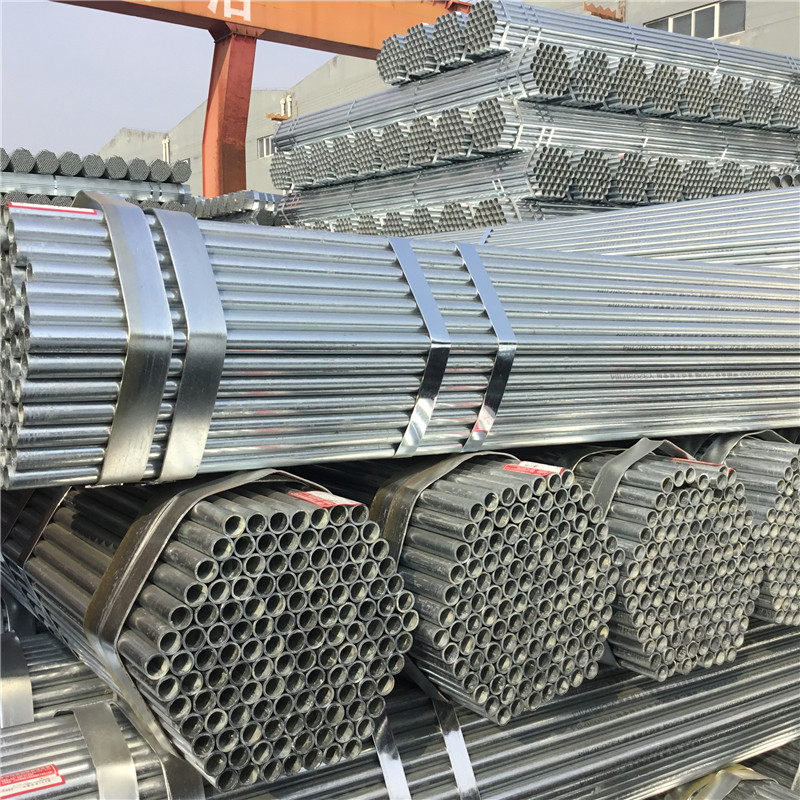
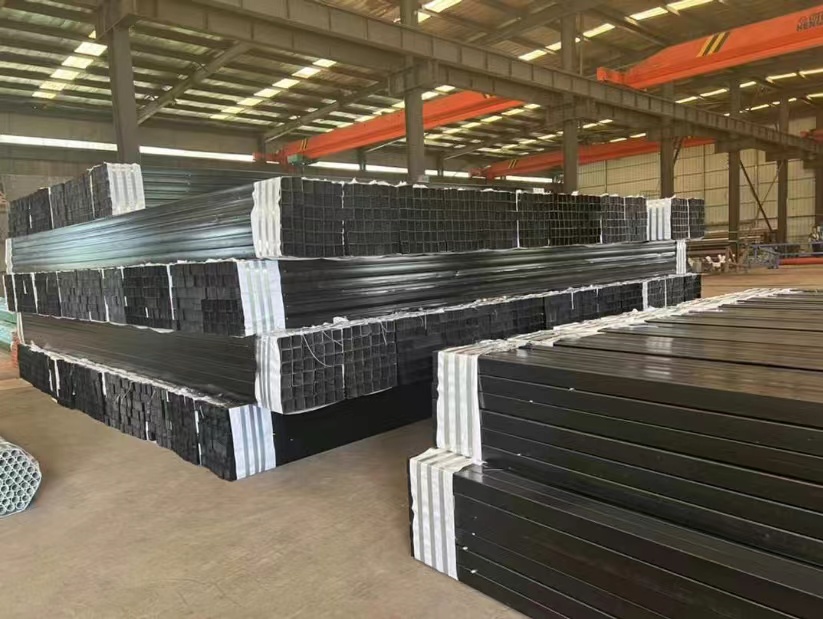
Our annual output of various pipe models exceeds 300,000 tons. We have consistently obtained honor certificates issued by the Tianjin municipal government and the Tianjin Quality Supervision Bureau.
Our products are widely applied to heavy machinery, structural steel fabrication, agricultural vehicles and greenhouses, automotive manufacturing, railways, highway safety fences, container internal structures, furniture, and custom steel works.
Our company retains top-tier professional technical advisors in China alongside a team of expert technicians. We export products worldwide. We believe that our high-quality structural steels provide the perfect substrate and structural framework for demanding CCO wear plate integrations.
Trusted by engineering firms, logistics ports, and processing hubs worldwide.
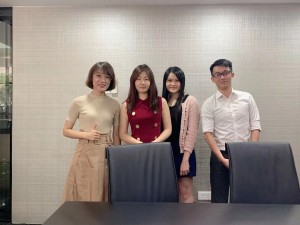
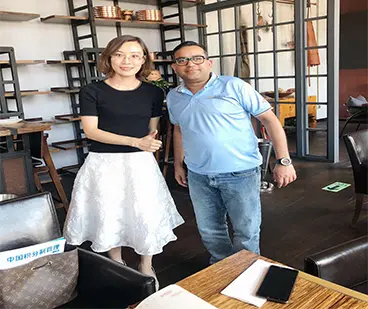
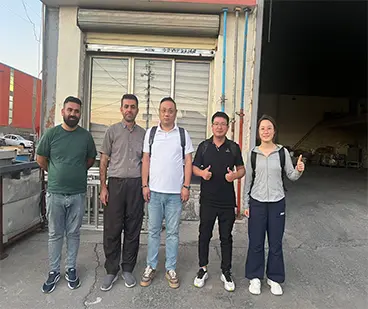
In September 2019, our team visited clients in Singapore to cement long-term relationships and coordinate structural supply timelines.
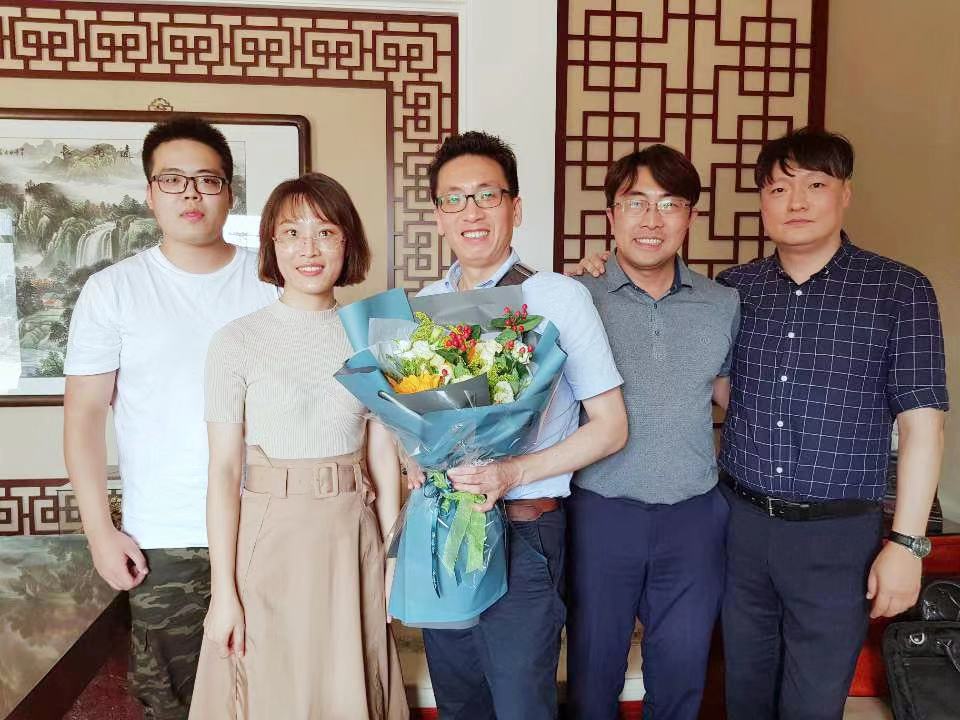
In 2019, Korean engineering teams visited our production facilities with custom design requirements, initiating deep structural steel collaborations.
Our long-standing Australian partners visited in November 2018 to perform comprehensive audits on our structural carbon pipes and scaffolding lines.
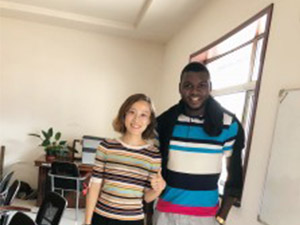
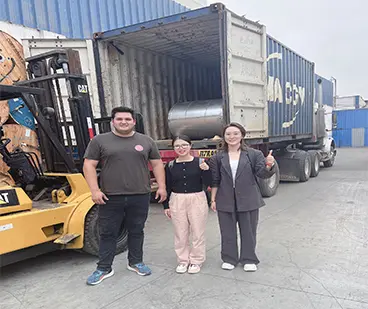
Following dynamic factory inspections in 2019, our Indian clients secured a long-term supply agreement for 10 structural steel containers per month.
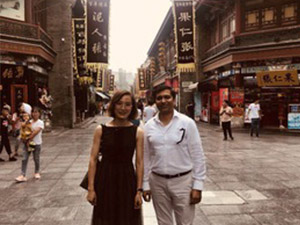
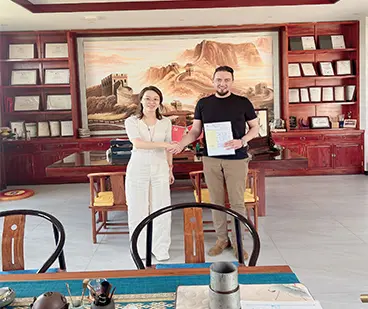
In June 2017, a delegation from Lebanon placed an immediate order for 1,000 tons of high-grade structural steel pipes upon evaluating our fabrication lines.
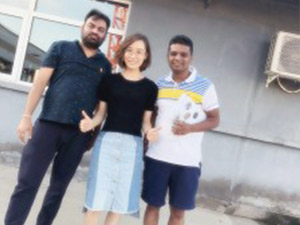
First established at the Canton Fair, our Saudi Arabian partners visited our plant in 2018 to establish a secure supply chain for industrial construction projects.
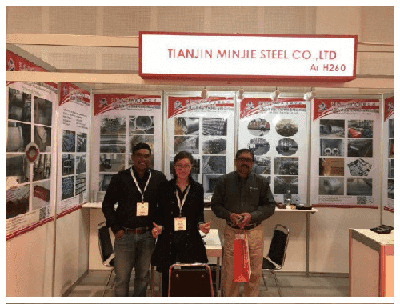
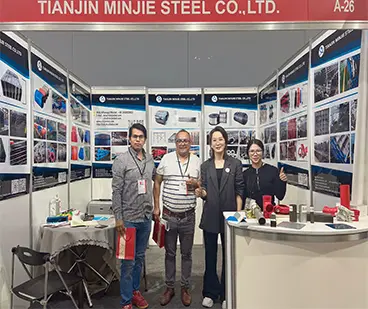
Tianjin Minjie Steel presents its structural innovations at the Canton Fair annually, welcoming subsequent visits from over 80% of our booth inquiries.
Integrating heavy structural steel profiles to form complete industrial wear-protection frameworks.
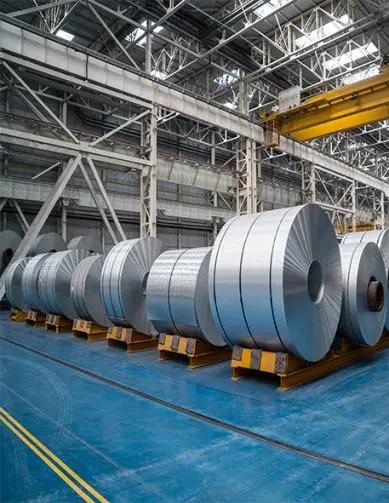
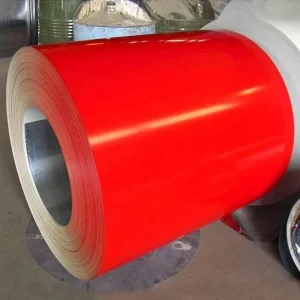
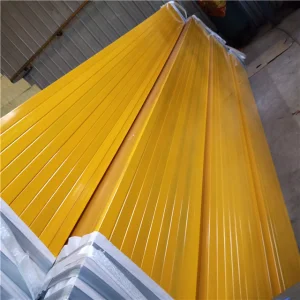
Hot-dipped galvanized, pre-painted (PPGI), and color-coated steel strip coils for industrial cladding and protective profiling.
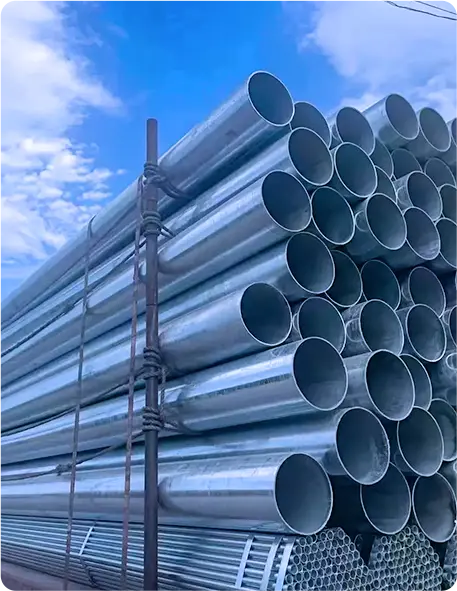
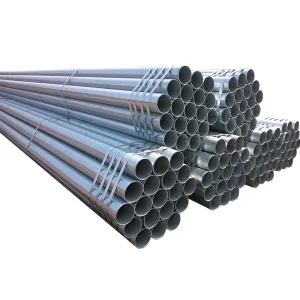
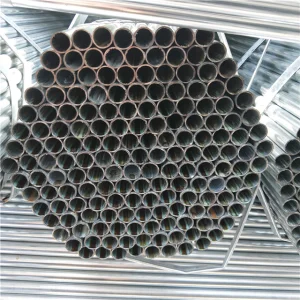
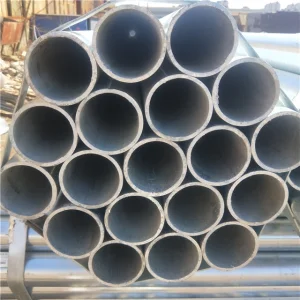
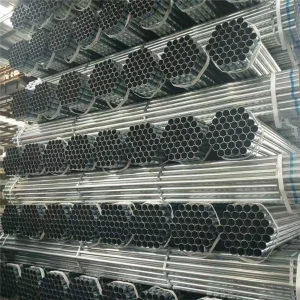
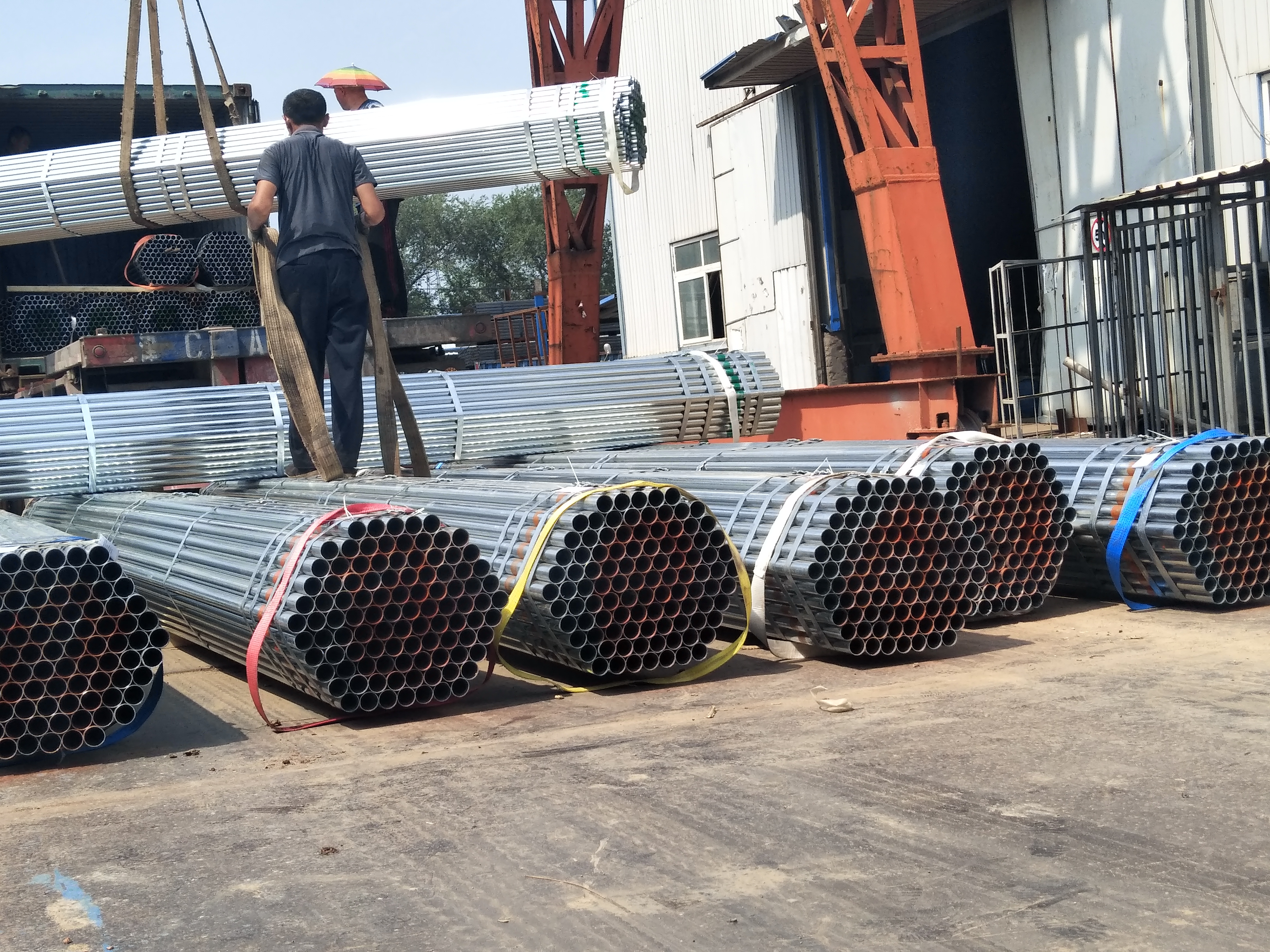
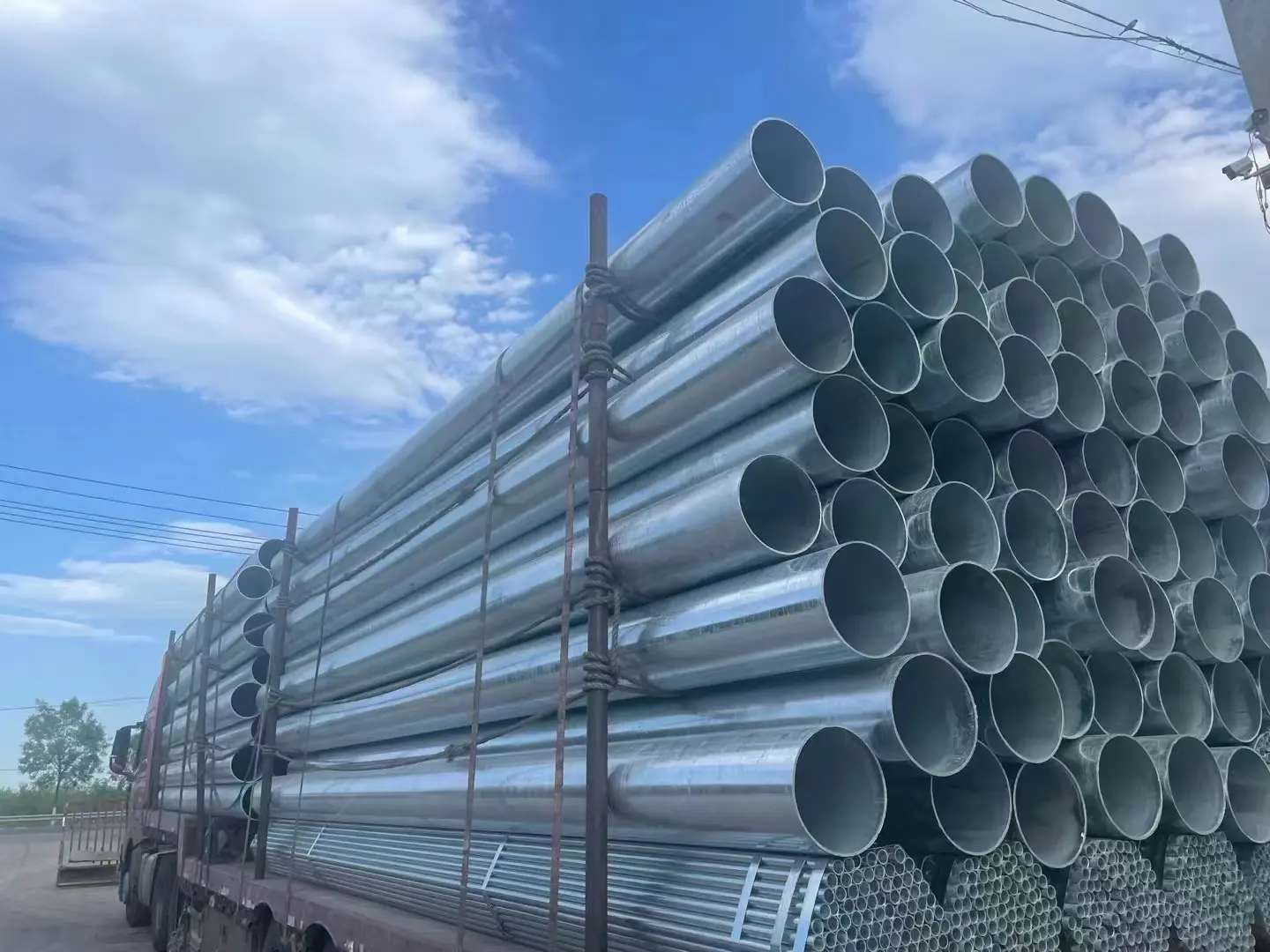
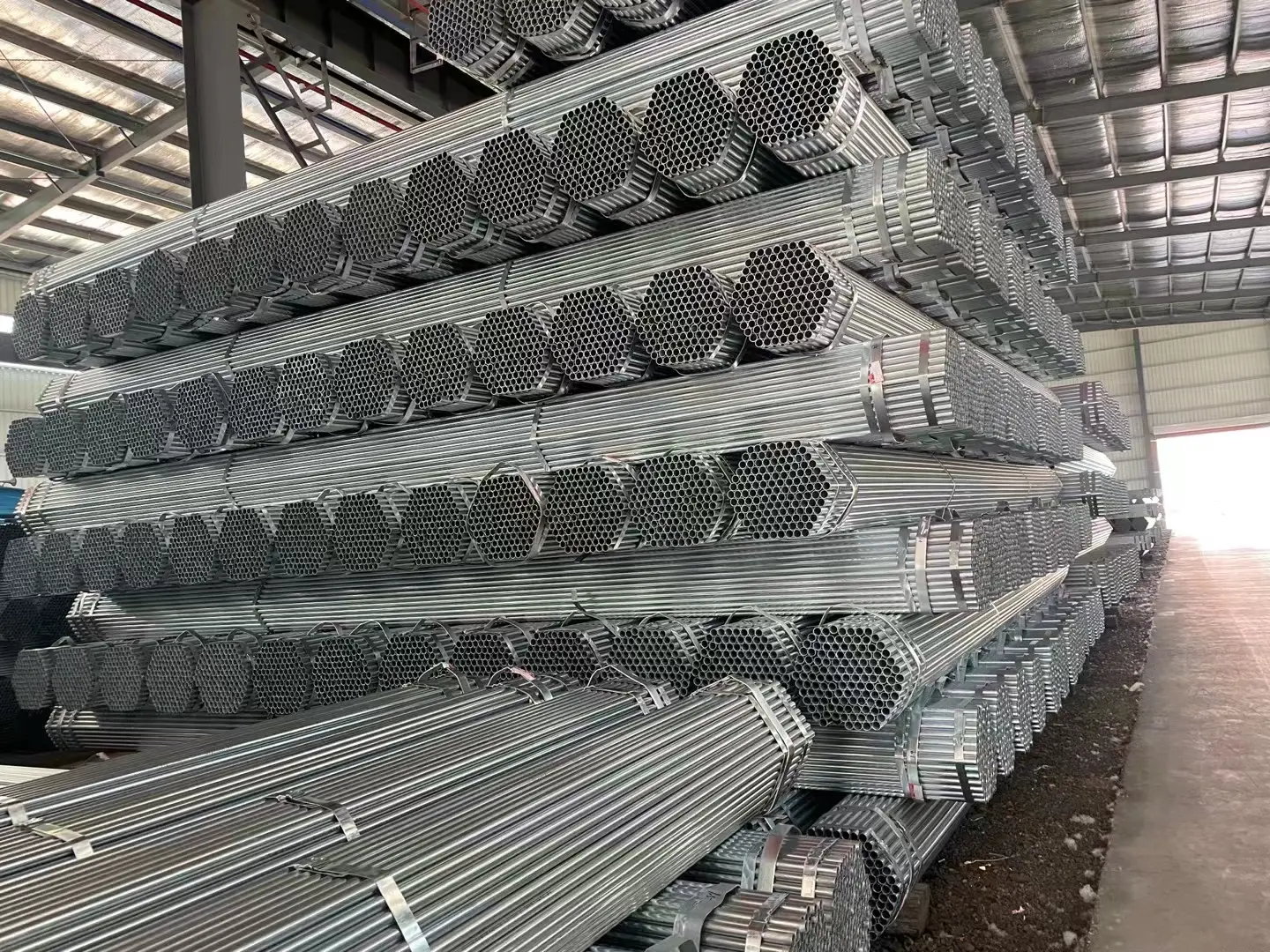
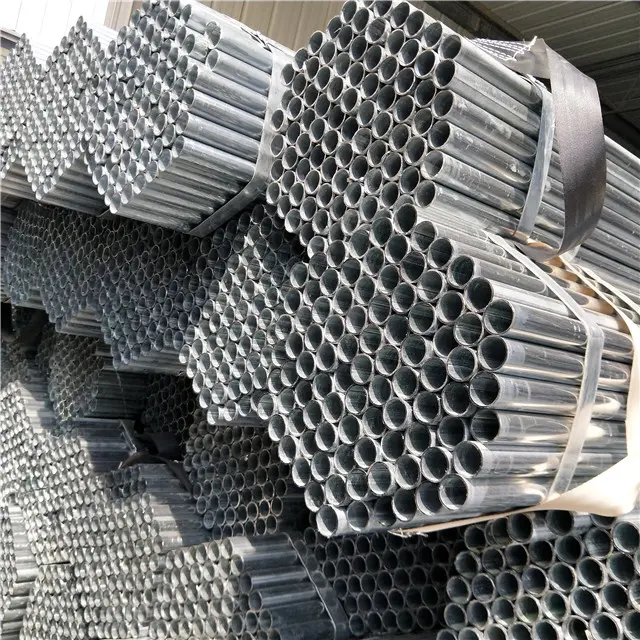
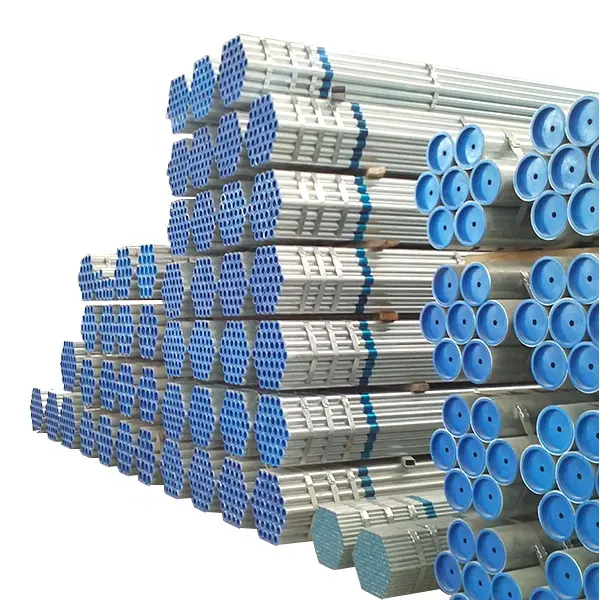
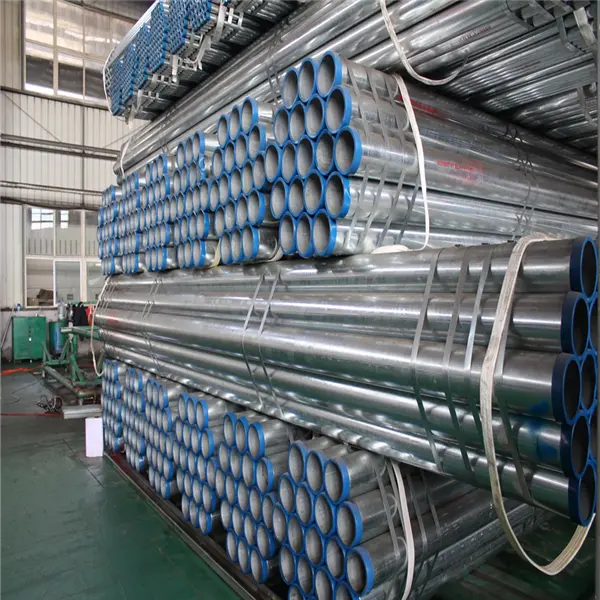
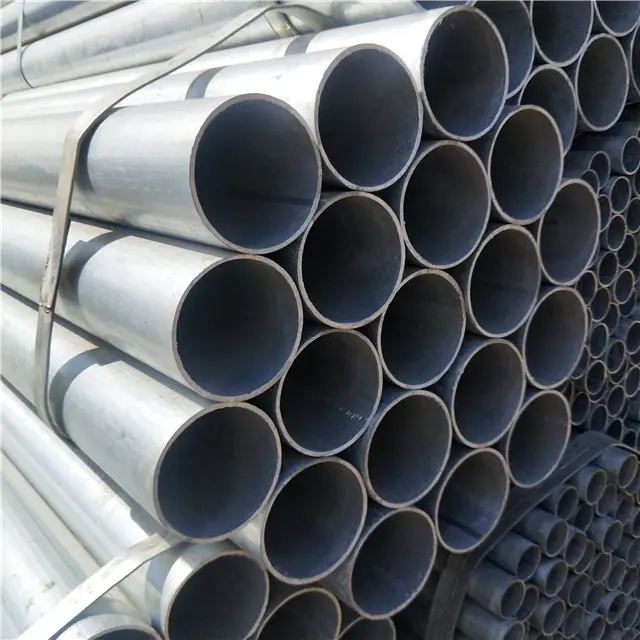
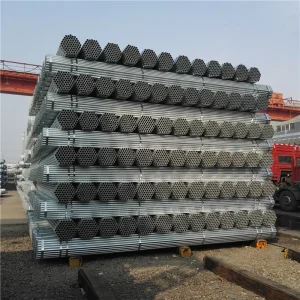
Hot-dipped, pre-galvanized, and zinc-aluminum-magnesium coated round steel pipes for wear material conveyance and support frames.
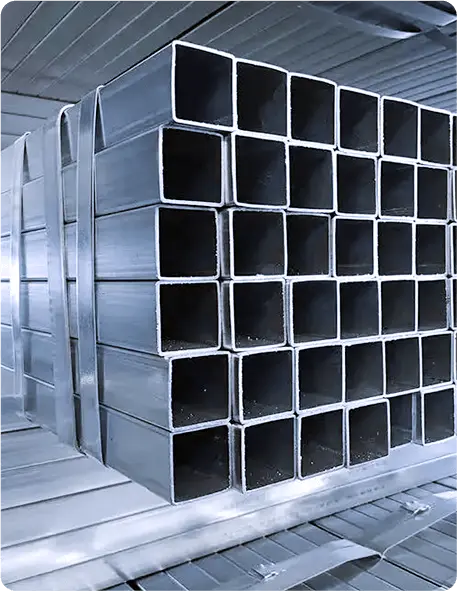
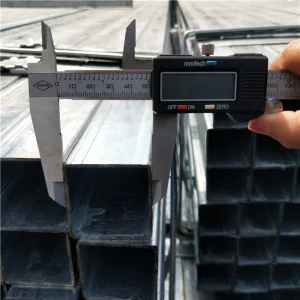
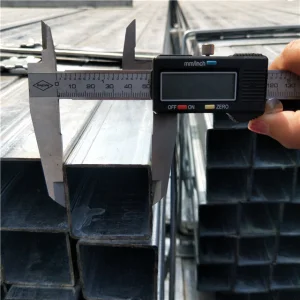
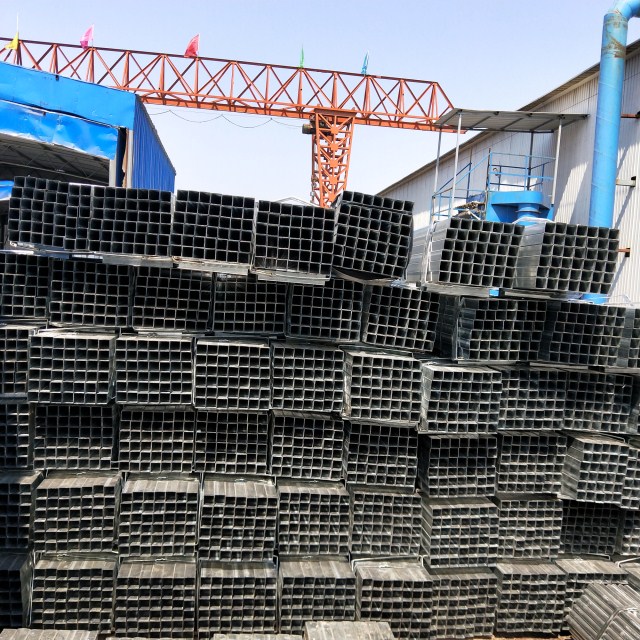
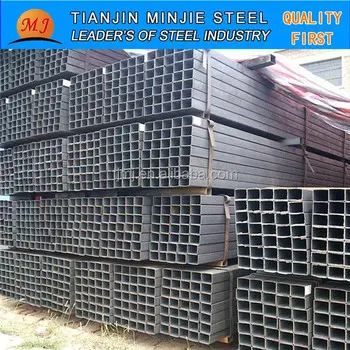
Square and rectangular structural hollow sections engineered to construct the load-bearing frames of heavy material hoppers and silos.
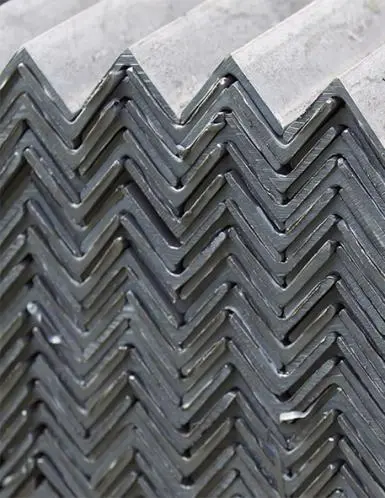
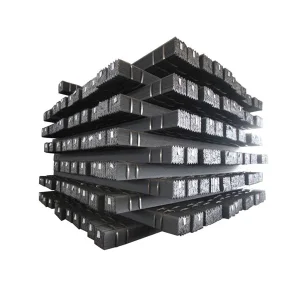
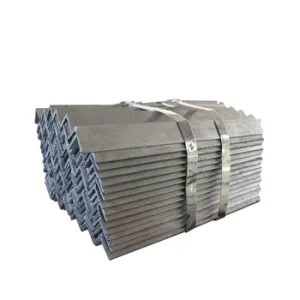
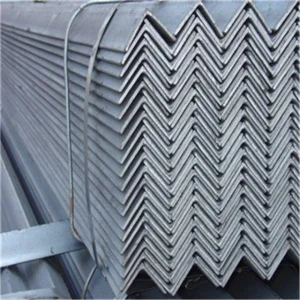
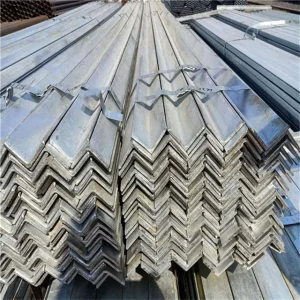
Hot-rolled structural angle iron, available in galvanized configurations, designed for edge sealing and wear liner fastening.
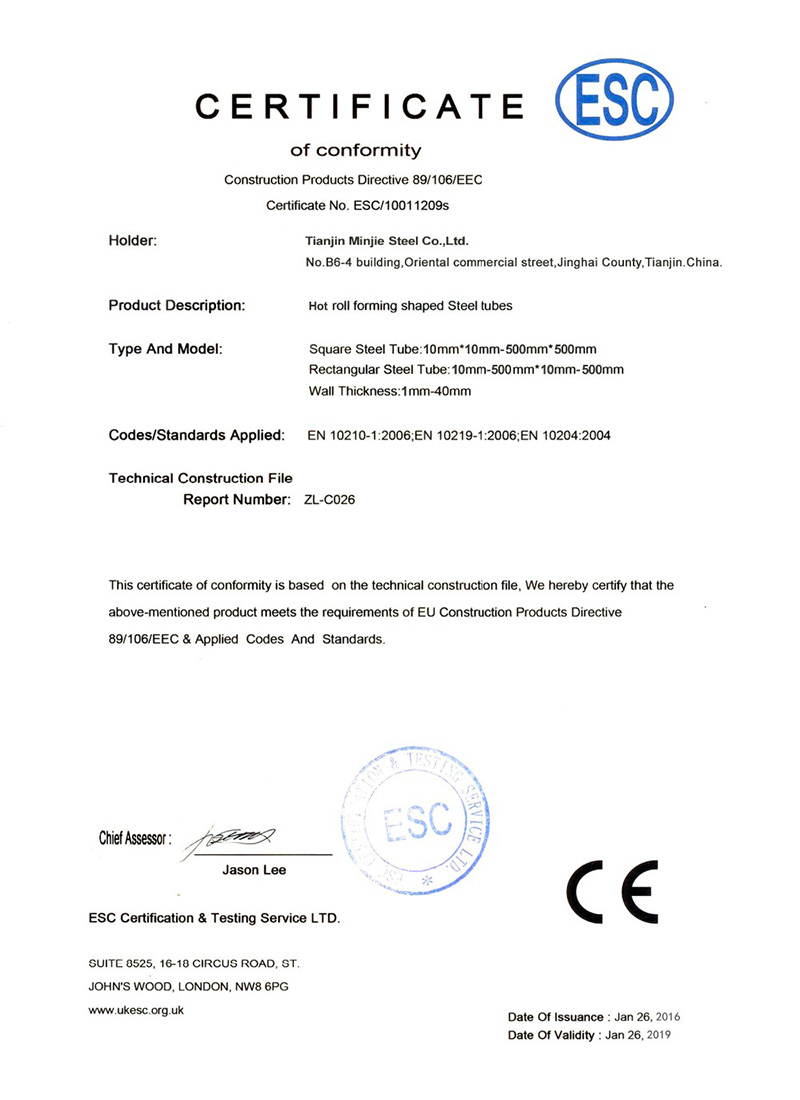
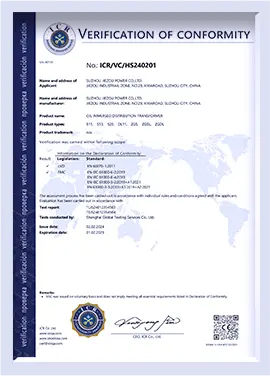
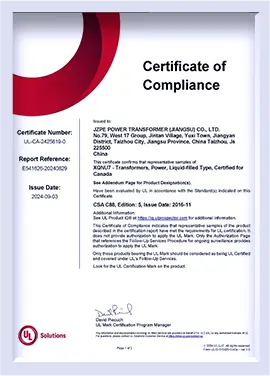
ISO 9001:2015 Certification
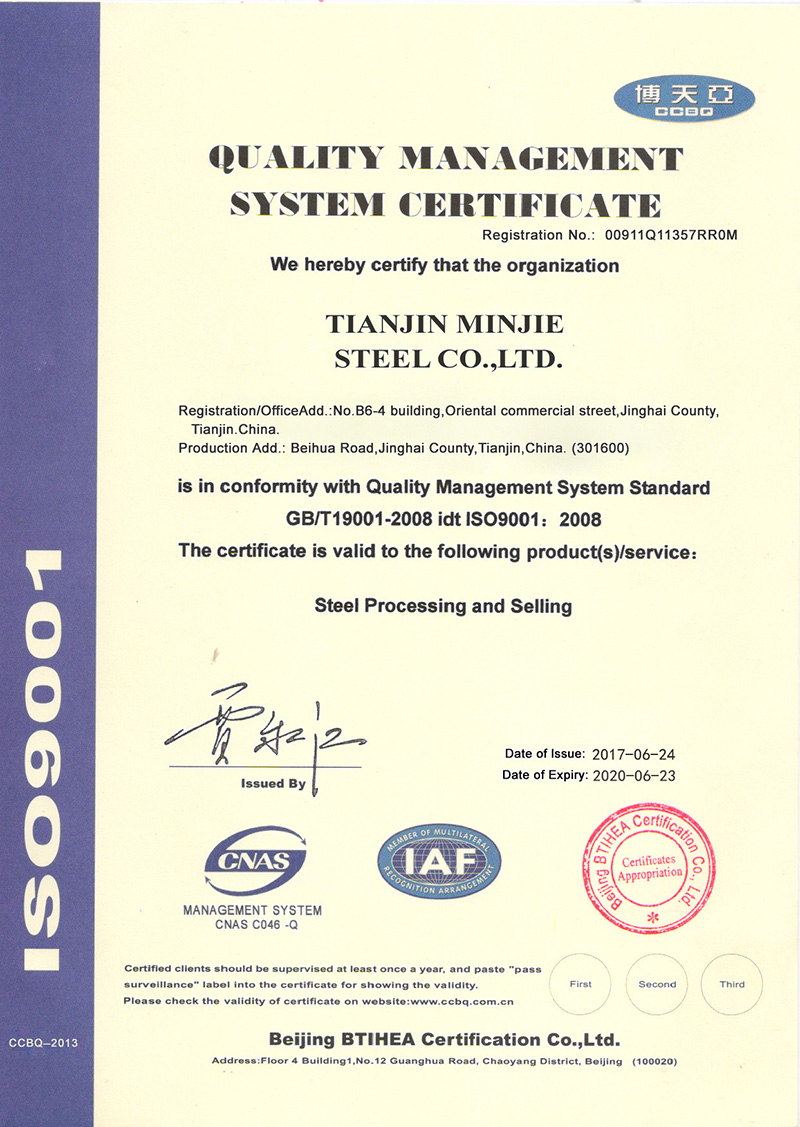
Export Compliance Certification
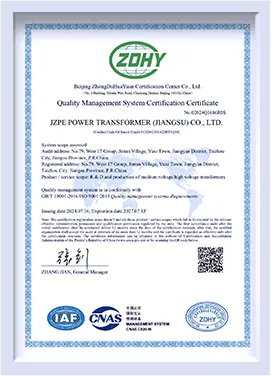
Technical whitepaper insights into wear mechanisms, advanced cladding paths, and future sustainability metrics.
While standard chromium carbide overlay plates satisfy the majority of ambient-temperature sliding abrasion environments, modern high-temperature industrial environments—such as blast furnace tops, cement kiln discharge chutes, and biomass fuel injectors—demand advanced metallurgy. The industry is currently moving towards complex carbide chemistries. By alloying traditional chromium-iron structures with strong carbide formers such as Niobium (Nb), Titanium (Ti), and Boron (B), the service limits of CCO wear plates are successfully extended from 600°C to over 750°C. These micro-alloying additives form fine, highly dispersed refractory carbides that restrict grain-boundary sliding and resist thermal oxidation.
Manual and semi-automatic weld overlay processes frequently suffer from inconsistent dilution rates from the base carbon steel substrate. Excessive dilution lowers the carbon and chromium percentages in the active wear layer, significantly reducing performance. The integration of high-precision CNC multi-wire cladding systems represents the next technological step. These automated systems closely regulate energy input, ensuring a uniform deposit thickness while keeping base metal dilution below 10%. Consequently, the very first layer of cladding achieves bulk hardness levels of HRC 58-62, ensuring uniform wear resistance across the plate's entire surface area.
From a sustainability standpoint, utilizing CCO wear plates significantly reduces structural carbon emissions over a plant's operating life. Although the initial carbon footprint of a hardfaced plate exceeds that of conventional structural steel, the extended service life—which is up to 30 times longer—reduces the overall demand for steel production, shipping, and installation labor. Using structural elements such as Tianjin Minjie’s equal angles and carbon tubes to build durable, modular lining assemblies allows operators to replace only worn sections, rather than entire hopper configurations, maximizing resource efficiency.
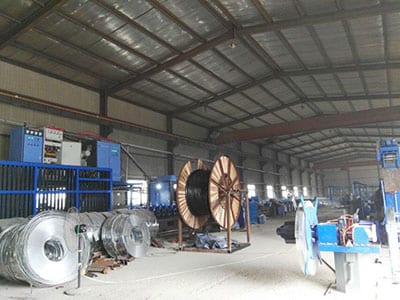
Proven execution across international heavy engineering, mining structures, and mechanical builds.

Addressing structural, chemical, and design questions from procurement officers and lead design engineers.
A standard high-performance Chromium Carbide Overlay (CCO) plate contains 3.5% to 5.5% Carbon (C) and 25% to 35% Chromium (Cr) in the overlay layer. The balance is Iron (Fe) with trace amounts of Manganese, Silicon, and occasionally Niobium or Boron to enhance wear resistance and temperature tolerance. The high carbon and chromium contents promote the formation of primary M7C3 chromium carbides during welding solidification.
Yes. The base substrate of a CCO wear plate (typically Q235B or ASTM A36 structural carbon steel) is highly weldable. You can weld the base metal directly to your structural support frames using standard carbon steel welding electrodes (e.g., E7018). The chromium carbide layer itself should not be welded to structural elements, as it is prone to relief cracking and lacks structural ductility.
Surface cracks, or stress relief cracks, are normal and expected in CCO wear plates. They develop during the cooling phase of the cladding process to release residual thermal stresses. These cracks run perpendicular to the weld bead direction and terminate at the substrate boundary, meaning they do not affect the plate's wear resistance or risk structural failure.
Quenched-and-tempered (Q&T) wear plates like Hardox (typically 400-500 HBW) are homogenous alloy steels that offer moderate wear resistance alongside high impact toughness, making them suitable for structural components. CCO wear plates rely on extremely hard chromium carbides (up to 62 HRC) and are designed for severe sliding abrasion. They outperform Q&T plates in service life by 4 to 10 times in slide-abrasion applications, but have lower overall structural impact resistance.
If the underlying structural steel (such as structural pipes, channels, or angle bars) lacks proper yield strength or chemistry control, the entire assembly may fail under high-stress conditions. Working with ISO9001 certified mills like Tianjin Minjie ensures that the structural substrates, piping systems, and framing structures meet design limits, safeguarding the integrity of your wear lining installations.
Completing your procurement cycle with audited steel components, greenhouse tubes, and heavy structural connections.
 Minjie Steel