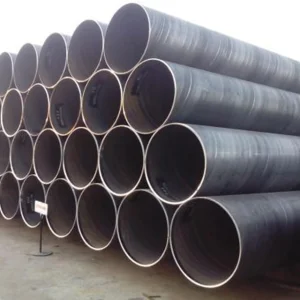
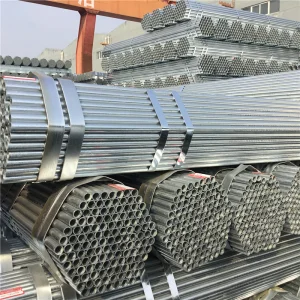
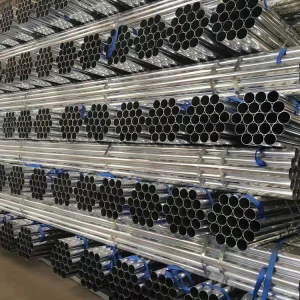
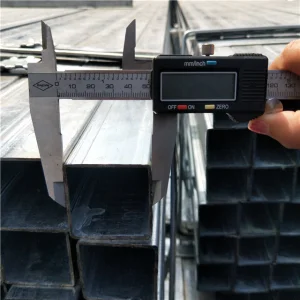
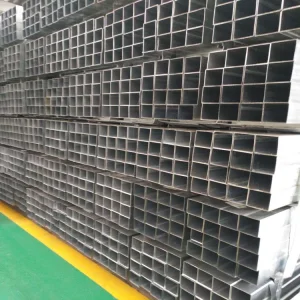
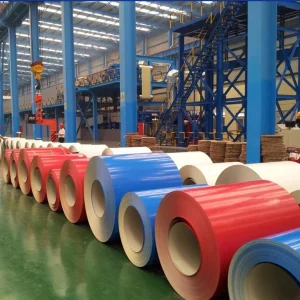
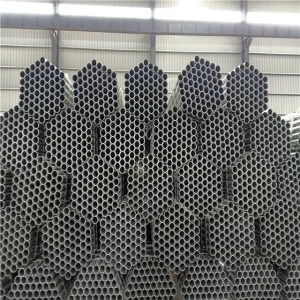
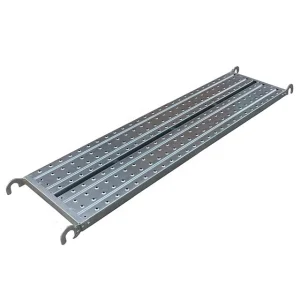
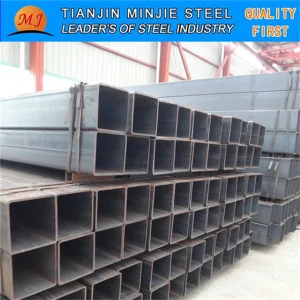
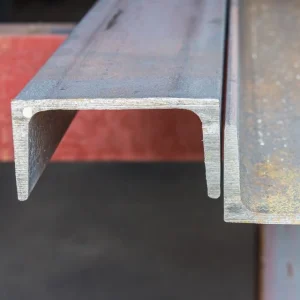
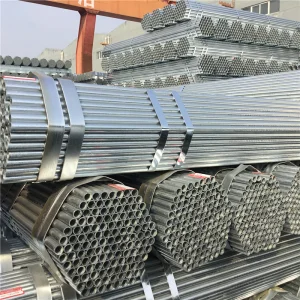
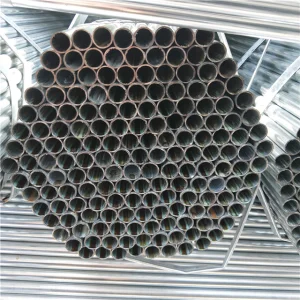
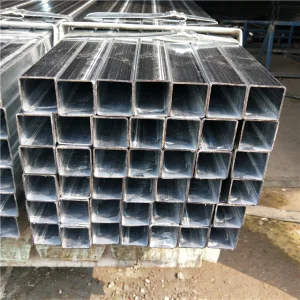
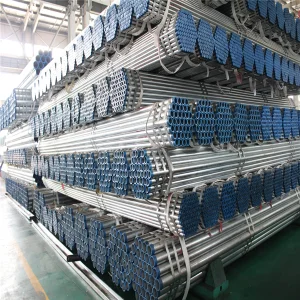
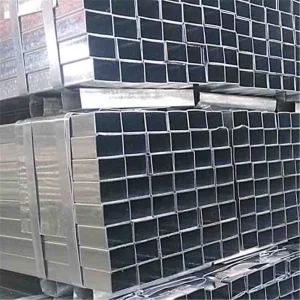
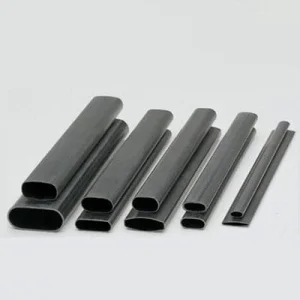
Explore our key industrial piping, structural sections, and prepainted sheets engineered for global distribution. Each product undergoes meticulous quality testing to align with ASTM, DIN, JIS, and GB standards.
Check plates, also internationally recognized as chequered plates, diamond plates, or floor plates, are flat structural steel elements featuring a regular, raised surface pattern on one side. This distinct geometry provides critical slip-resistance, enhanced surface traction, and mechanical durability. In heavy-duty commercial infrastructure, marine architecture, and high-safety logistics sectors, the configuration of check plates is not just an aesthetic consideration but a critical safety mandate.
Across the globe, the rapid expansion of transport terminals, logistics complexes, heavy-duty processing plants, and marine cargo platforms drives the demand for reliable check plate materials. Selecting the correct metallurgical compositions—whether utilizing hot-rolled carbon steel, pre-galvanized structures, or high-alloyed materials—significantly affects the lifecycle cost, load-bearing threshold, and environmental resilience of structural installations.
The primary engineered design of check plates is safety. Raised pattern variations (like the five-bar, one-bar, or diamond layout) elevate safety indices in wet, oily, or dust-prone environments.
Manufactured using robust steel grades (such as Q235B, Q345, ASTM A36), these plates handle dynamic loads, resisting indentation and deformation under continuous traffic.
By applying specialized zinc coating layers (via hot-dip galvanization or prepainted processes), the underlying steel is protected from atmospheric corrosion and industrial chemical runoff.
China stands as the global epicentre for steel processing, providing distinct supply chain benefits that result in cost-efficient, high-volume, and reliable industrial steel plate supply. High-capacity operations in key industrial zones like Tianjin process raw iron ore, hot-rolled steel coils, and galvanized coatings with streamlined oversight.
Why international procurement networks choose Chinese manufacturers:
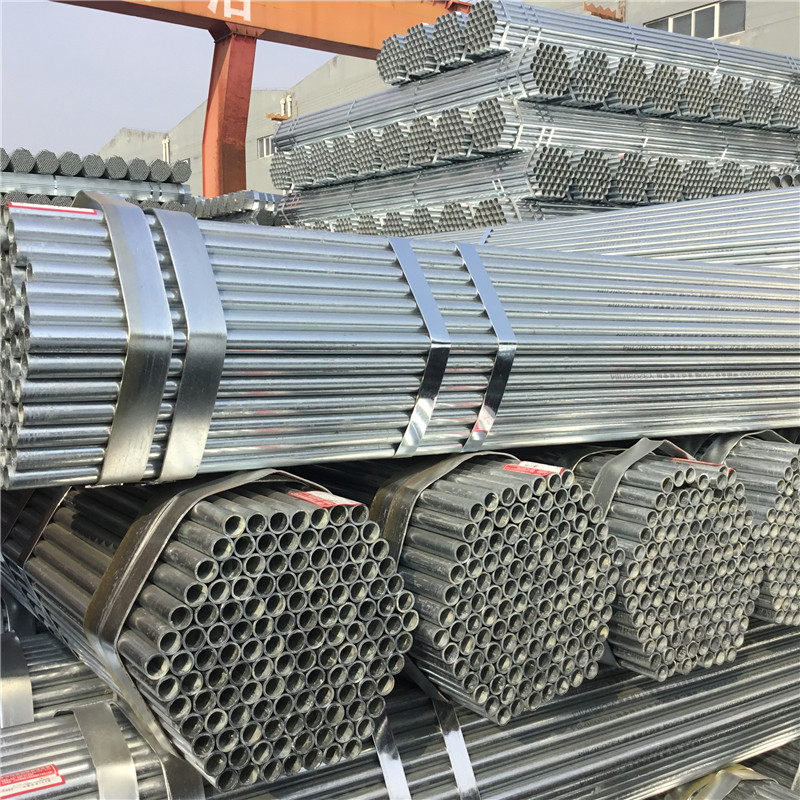
Established in 1998, Tianjin Minjie Steel Co., Ltd has built a reputation for excellence in structural steel fabrication and global distribution. Spanning over 70,000 square meters of modernized facilities in Tianjin, the enterprise is strategically positioned just 40 kilometers from XinGang Port. This proximity enables efficient transport of structural steel materials to global buyers across Europe, the Americas, Southeast Asia, and the Middle East.
With state-of-the-art machinery including 4 pre-galvanized product lines, 8 ERW steel pipe lines, and 3 hot-dipped galvanized processing lines, Tianjin Minjie Steel offers extensive custom fabrication capabilities. The enterprise's check plates, structural U-channels, square/rectangular tubes, scaffolding planks, and GI pipes operate under ISO 9001 quality management, guaranteeing top-tier longevity and structural reliability.

Visiting Singapore to review specialized project demands and establish custom supply programs.

Collaborating with Korean structural engineers on tailored structural framework designs.

Long-term partners reviewing steel output capacity and structural welding parameters.

Establishing supply agreements for heavy structural steel and piping systems for dry environments.
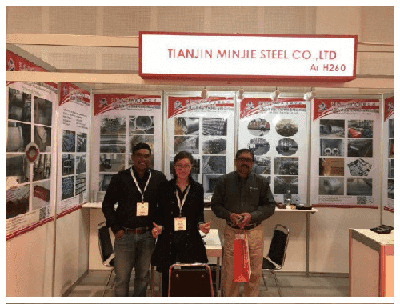
Showcasing our annual line of ERW pipes, scaffolding components, and check plate steel coils.
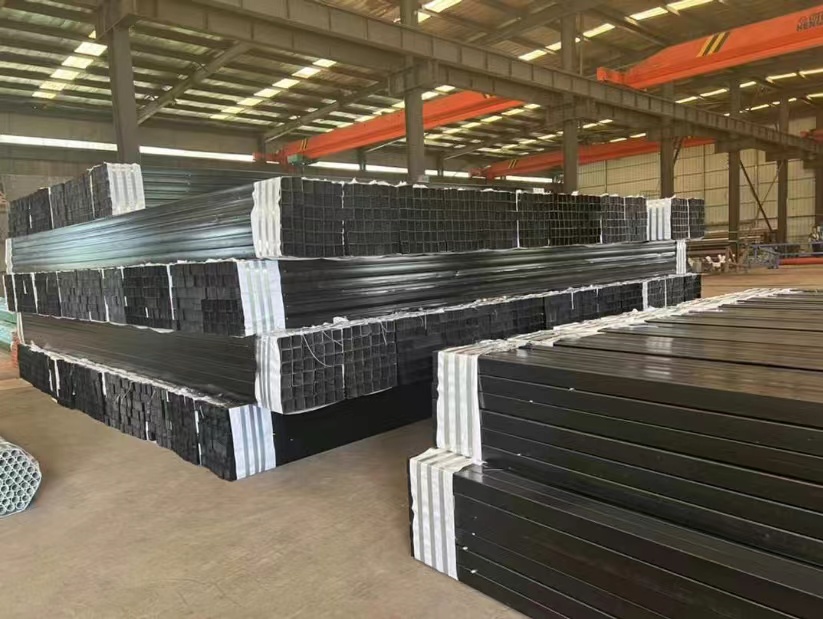
Streamlined packaging and transport protocols to ensure zero-defect maritime delivery.
To ensure structural safety, mechanical properties must be carefully aligned with the application context. Choosing the right steel grade governs the tensile strength, elasticity, and anti-corrosion behavior. Below is a detailed technical summary of standard check plate metrics.
| Steel Grade (Standard) | Yield Strength (Min) | Tensile Strength | Standard Thickness Range | Optimal Corrosion Treatment |
|---|---|---|---|---|
| Q195 (GB/T 700) | 195 MPa | 315-430 MPa | 1.2 mm - 3.0 mm | Pre-Galvanized / Electro-Galvanized |
| Q235B (GB/T 700) | 235 MPa | 370-500 MPa | 1.5 mm - 12.0 mm | Hot-Dip Galvanized / Stoved Paint |
| Q345 / S355 (EN 10025) | 345 MPa | 470-630 MPa | 2.0 mm - 16.0 mm | Hot-Dip Galvanized / Uncoated (Oiled) |
| ASTM A36 (ASTM) | 250 MPa | 400-550 MPa | 1.5 mm - 10.0 mm | Zinc Coated / Prepainted PPGI |
Check plates serve as crucial safety and structural elements across diverse sectors. Their versatile profiles allow them to be customized for specific mechanical environments:
Installed inside chemical processing plants, automotive assembly sites, and manufacturing hubs. The slip-resistant surfaces protect workers from slip hazards in areas prone to machine runoff or condensation.
At busy marine drydocks and cargo ports like XinGang, high-salinity maritime air calls for hot-dip galvanized check plates that resist rust while handling heavy container cranes and heavy forklifts.
Integrated into vehicle steps, heavy-duty truck beds, railcars, and emergency fire escapes. Light-gauge checkered plates are formed to provide light, strong safety elements.
When importing check plates from Chinese factories, establishing strict quality control parameters at the outset prevents project delays and ensures structural integrity. Ensure your inspection team verifies the following critical performance criteria:
At Tianjin Minjie Steel, quality is built into every step of our manufacturing. Our processing mills run under strict quality management systems to produce structural steel that complies with global standards.
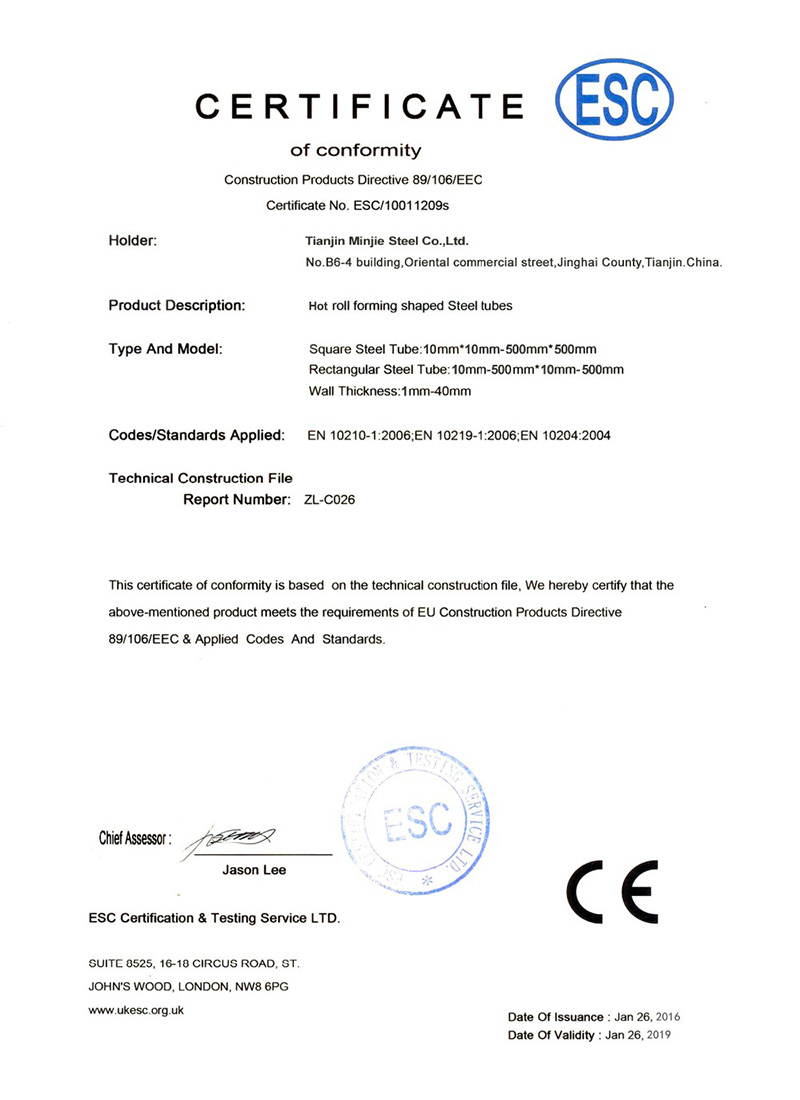
Certified operational procedures across all ERW and hot-dipped production lines.
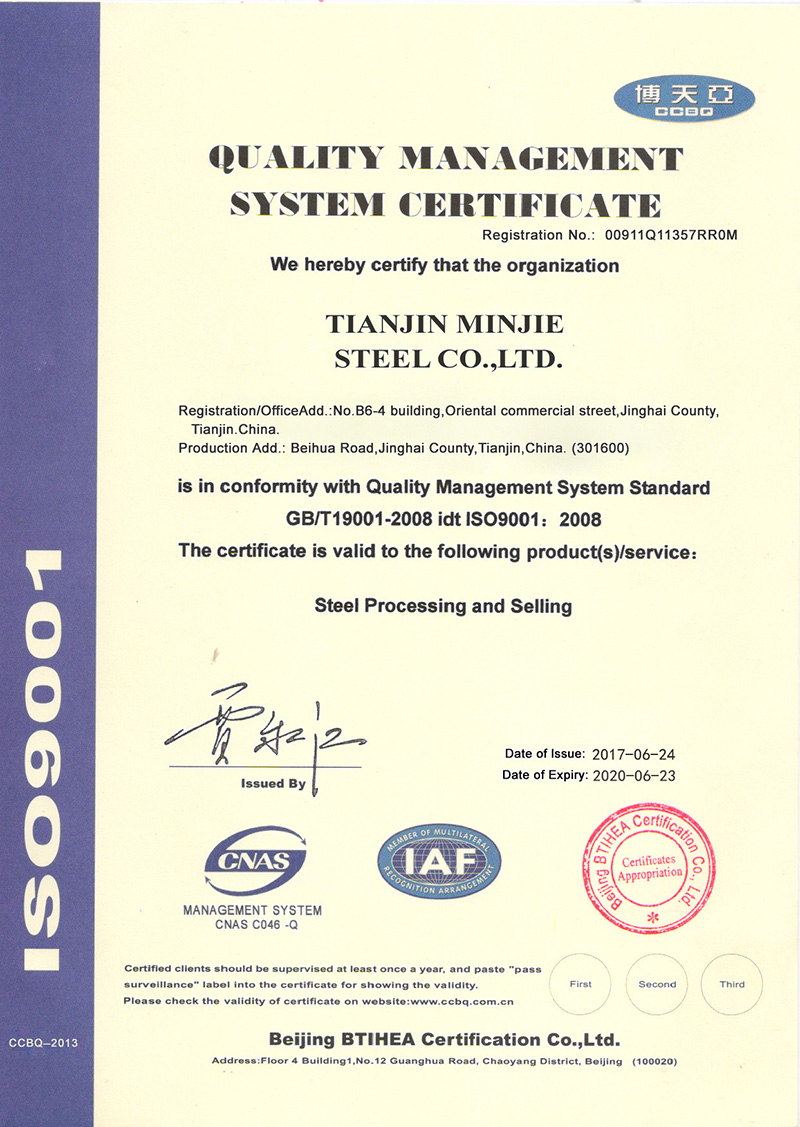
Official structural certifications confirming compliance with ASTM, DIN, JIS, and GB protocols.
The global steel manufacturing sector is undergoing rapid evolution. Key advances in metallurgy, rolling technologies, and environmental accountability shape how check plates are manufactured and applied globally:
Moving beyond standard hot-dip galvanizing, modern manufacturers introduce ZAM alloy coatings. This chemical shift provides superior corrosion resistance in high-humidity coastal sites, making ZAM check plates highly cost-efficient.
By optimizing rolling temperature cycles, manufacturers produce high-tensile, thinner-gauge check sheets. These materials offer the necessary load-bearing capacity while lowering total component weight for transit fleets.
In response to international carbon borders (such as Europe's CBAM), Chinese factories are updating blast furnace configurations and relying on recycled energy systems to reduce carbon emissions per ton of steel.
Get answers to common technical, logistics, and process queries when sourcing structural check plates from China.
Browse our structural tubes, scaffolding components, and hollow sections designed to meet structural safety and stability demands across major construction projects.
 Minjie Steel