Precision engineering meets international compliance. Explore our top-tier catalog of structural steel and infrastructure pipe components.
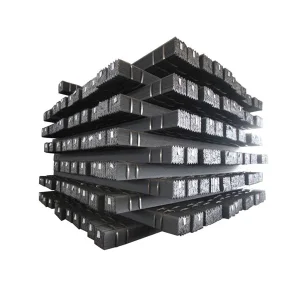
Corrugated rods, commonly referred to as reinforcing bars (rebars) with patterned deformations, play a fundamental role in global infrastructure and concrete structural integrity. By introducing a profile with ribs or indentations, these components establish a mechanical interlock with concrete matrices. This interlock drastically reduces slippage risks, distributing tensile and shear stresses dynamically across critical architectural structures. In an era driven by high-density urban residential complexes, extensive transport networks, and seismic-resistant public utilities, the commercial demand for corrugated rods has transitioned from basic structural inputs to high-specification engineering components.
Globally, national regulatory boards impose strict criteria on the mechanical profiles and yield points of these rods. Sourcing departments analyze physical parameters such as elongation under stress, ductility profiles, and environmental resilience. Sourcing from verified manufacturing hubs allows contractors to satisfy regional standardizations like ASTM A615 (North America), BS 4449 (Europe/UK), and AS/NZS 4671 (Oceania). As smart city initiatives progress, corrugated rods must integrate with specialized coatings (epoxy, pre-galvanization, hot-dip zinc plating) to survive intense structural applications in marine locations, seismic zones, and chemicals-rich environments.
Rapid urbanization in developing countries drives massive investments in subways, bridges, and skyscrapers, requiring high-strength corrugated steel.
Regions prone to tectonic activities utilize specific grade corrugated rods that possess excellent yield ratio tolerances to absorb seismic energy.
Advancements in pre-galvanization and alloy coatings guarantee longevity, reducing structural decay in harsh climatic applications.
Established in 1998, Tianjin Minjie Steel Co., Ltd. has evolved into a leading force in structural steel fabrication and exporting. Spanning a state-of-the-art facility of over 70,000 square meters, our infrastructure is strategically situated just 40 kilometers from XinGang Port—the largest maritime gateway in northern China. This geographical alignment guarantees swift logistics, reduced drayage expenses, and seamless international shipping coordinates for global purchasers.
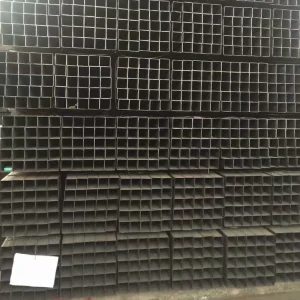
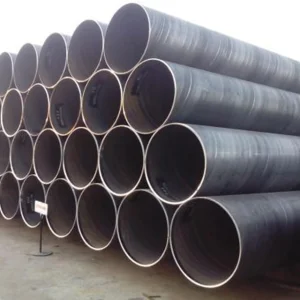
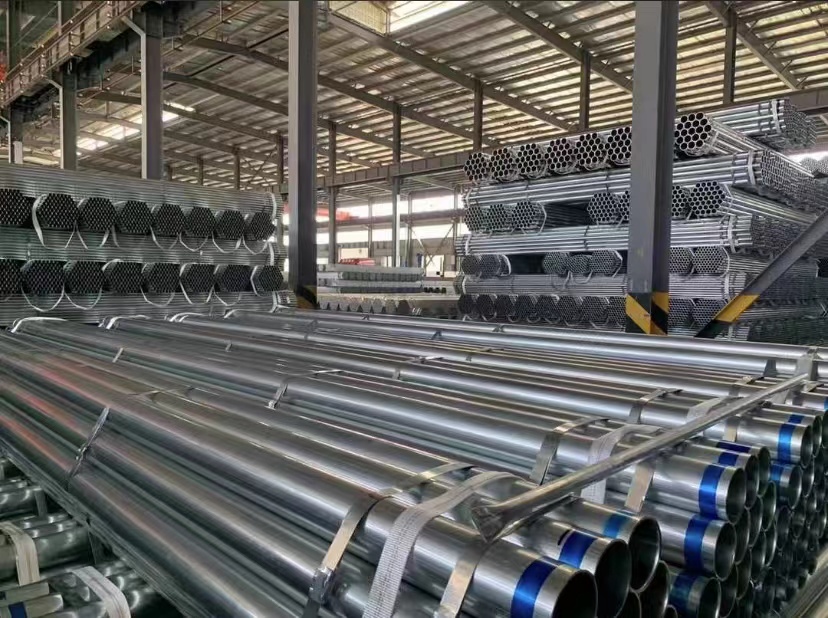
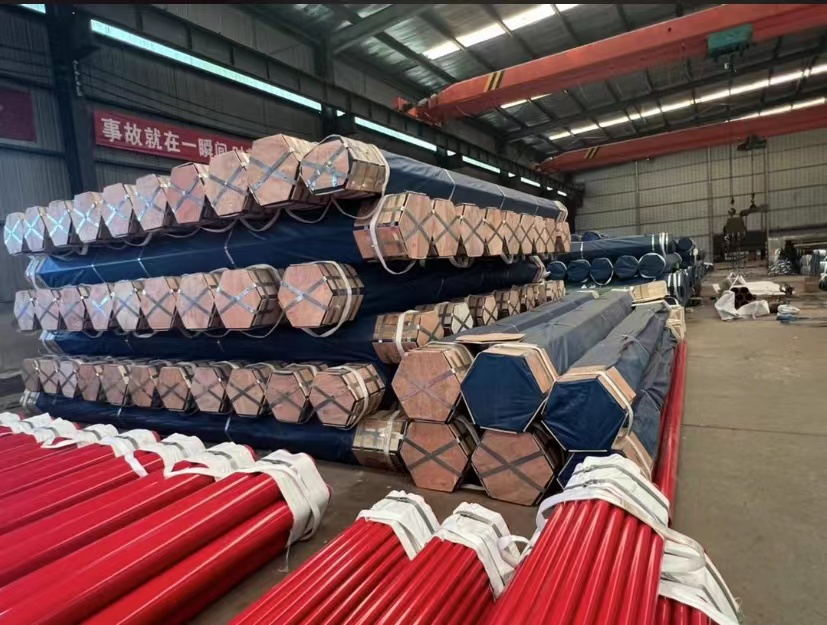
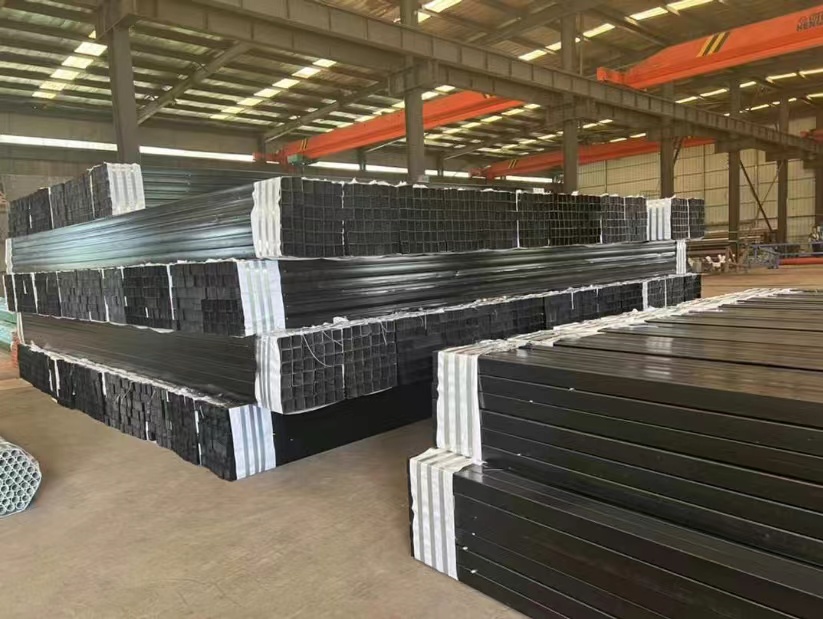
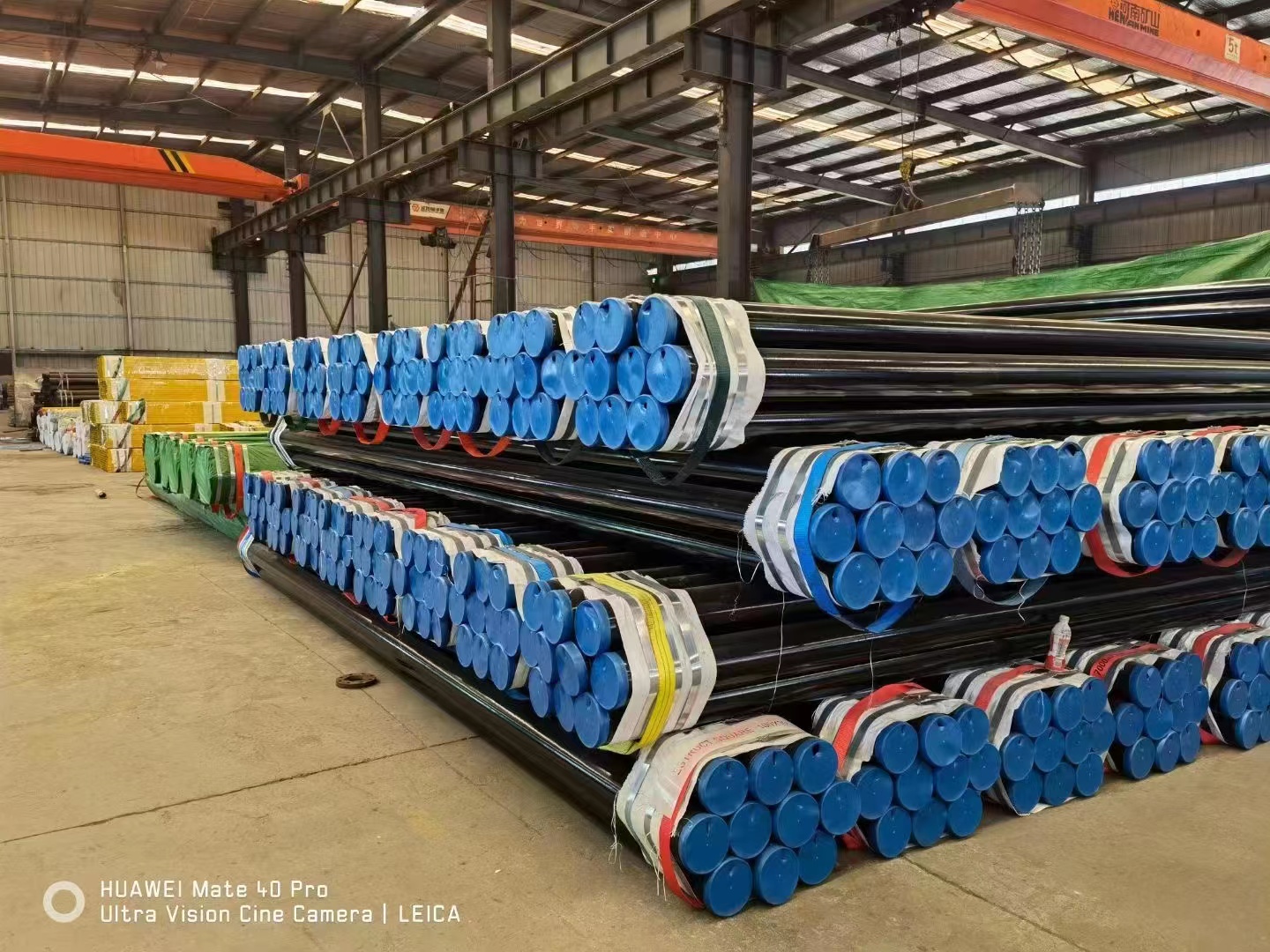
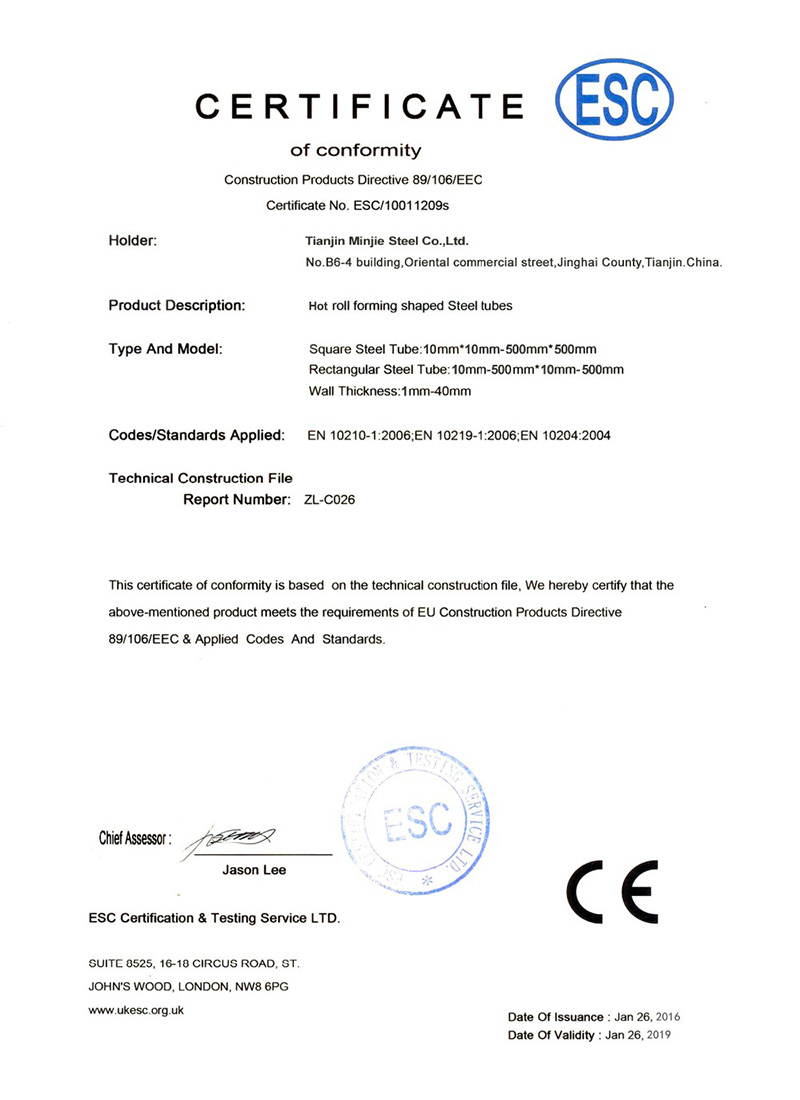
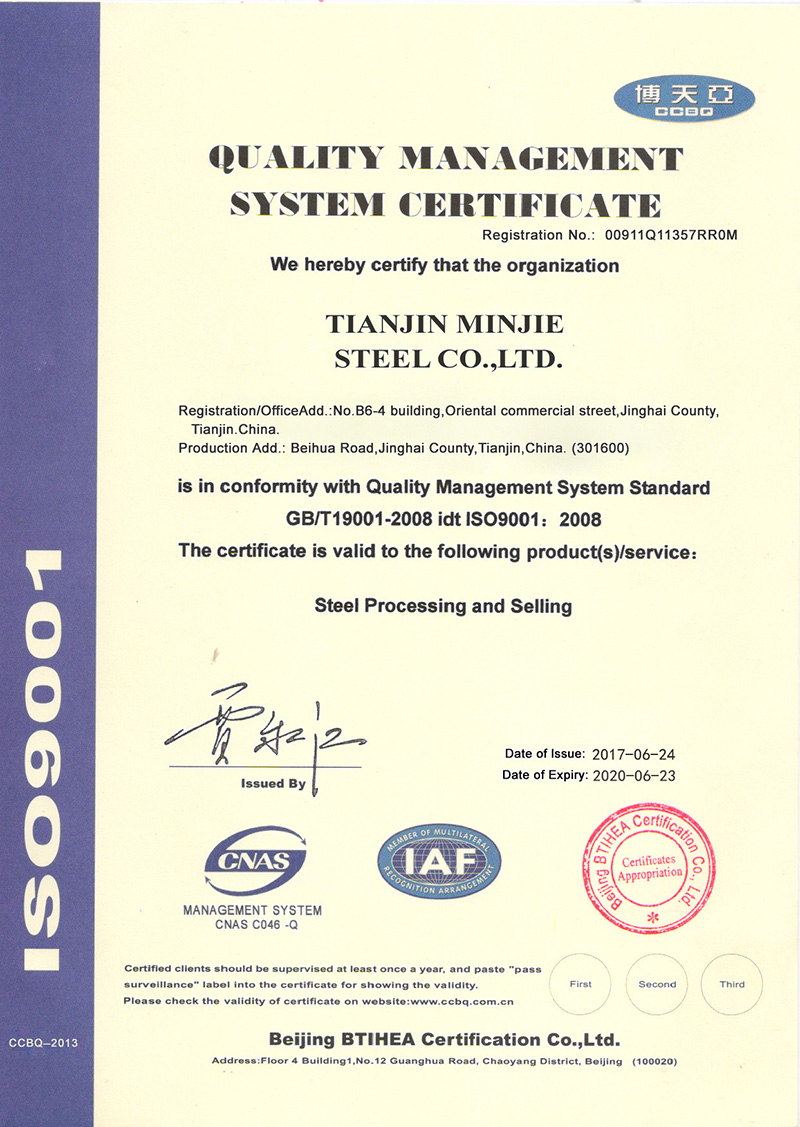
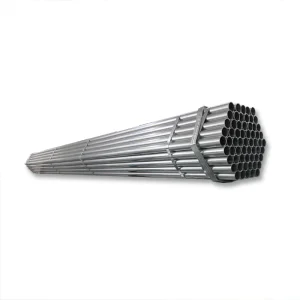
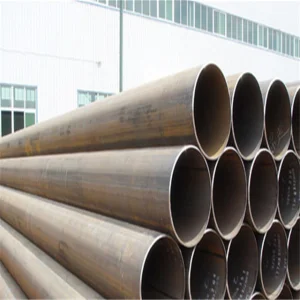
We operate an extensive fleet of manufacturing equipment, featuring 4 pre-galvanized product lines, 8 ERW (Electric Resistance Welded) steel pipe production lines, and 3 hot-dipped galvanized process facilities. These units are built to produce steel sections complying with GB, ASTM, DIN, and JIS standards, all verified under the rigorous ISO9001 quality management framework.
Demonstrating our commitment to design innovation and technical superiority, Tianjin Minjie Steel has registered and holds 3 utility patents: Groove Pipe, Shoulder Pipe, and Victaulic Pipe designs. These proprietary achievements enable us to deliver customized pipe connection systems that optimize installation processes across structural scaffolding and agricultural operations.
Purchasing corrugated rods and associated structural framing from China yields major cost-to-quality advantages for international buyers. Chinese mills operate within an integrated industrial ecosystem that links raw material refining directly to steel forming. This proximity minimizes raw material transport costs and speeds production turnarounds. At Tianjin Minjie Steel, our integrated process chain delivers:
With an annual yield exceeding 300,000 tons of structured pipe and steel profiles, we scale production smoothly to support large-scale infrastructure projects without delaying delivery schedules.
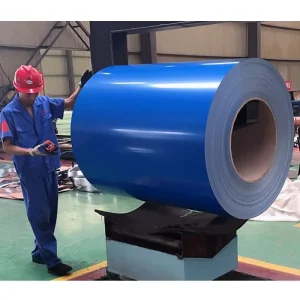
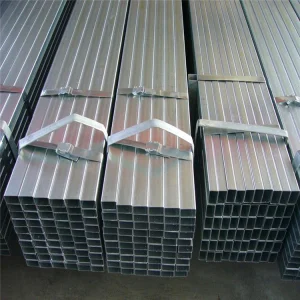
Our hot-dipped zinc and pre-galvanization processes establish uniform coating profiles. They protect corrugated steels and structural tubes from aggressive chemical environments.
Positioned 40km from XinGang Port, we bypass interior logistics bottlenecks, reducing overland freight costs and securing predictable ocean freight loading times.
Furthermore, our operational philosophy is founded on rigorous metallurgical control. From testing chemistry profiles to measuring final rib dimensions, each batch is tracked via raw material heat numbers and test reports. This process allows us to guarantee that the mechanical properties of our products align perfectly with customer-specified standards.
Corrugated rods and structural steel sections are applied across diverse industrial frameworks, designed to withstand varying loads and environmental demands. Below are key engineering applications:
| Application Sector | Typical Steel Grade & Specifications | Mechanical/Structural Requirement | Tianjin Minjie Solution Benefit |
|---|---|---|---|
| Commercial & Civil Building | Q235, Q345, ASTM A615 Gr 60 | High yield strength, tension load handling, seismic resistance | High bond strength with concrete, compliant with ASTM/GB standards |
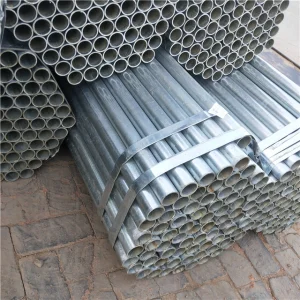
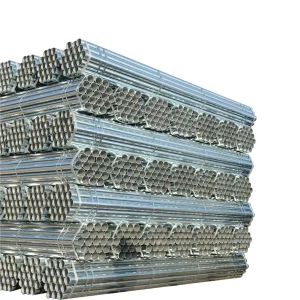
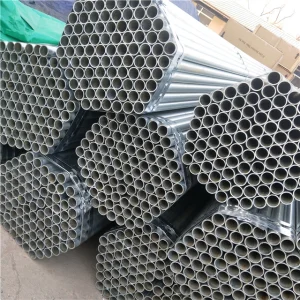
| Modern Agriculture & Greenhouses | Pre-galvanized / Zinc-Aluminum pipes | Atmospheric corrosion protection, high structural stability | Hot-dip galvanized coatings resist oxidation in humid microclimates |
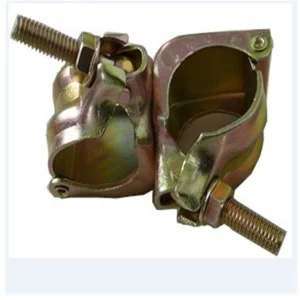
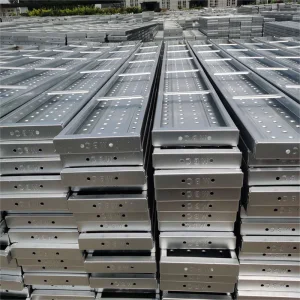
| Scaffolding & Temporary Supports | Q195, Q235, Scaffolding Pipes & walking boards | Repeated cycle stability, anti-slip profiles, safety under stress | Includes pressed swivel clamps & walking boards certified for load limits |
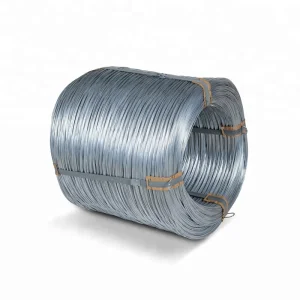
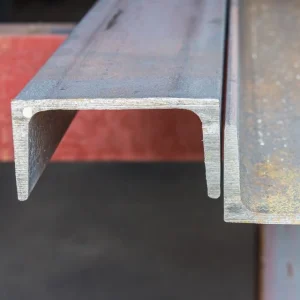
| Logistics Infrastructure & Fencing | Hot-rolled sections, U-channels, Galvanized wires | Impact deflection, outdoor longevity, ease of fabrication | Accurate dimension control allows simple welding and fast installation |
Our products are also used in heavy vehicle structures, railway systems, highway barriers, and container framing. By matching the correct carbon steel grades with specialized zinc coatings, we ensure that every delivery matches the specific load profiles and service lifespans of the installation site.
Tianjin Minjie Steel has established global distribution channels, supplying structural steel to regional distributors and contractors worldwide. Our customer visits and case histories demonstrate the level of partnership we maintain with our global clients:
In September 2019, our sales and engineering team visited key infrastructure clients in Singapore, securing supply agreements for high-grade structural framing and reinforcing components.
In 2019, South Korean clients visited our facility to inspect custom profiles and joint designs, resulting in new product developments to meet regional codes.
Our long-term Australian partners visited our facility in November 2018 to review quality control workflows and audits, extending our multi-year supply contracts.
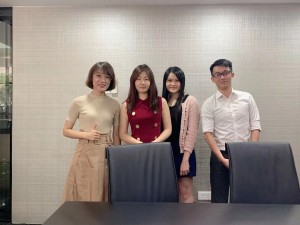
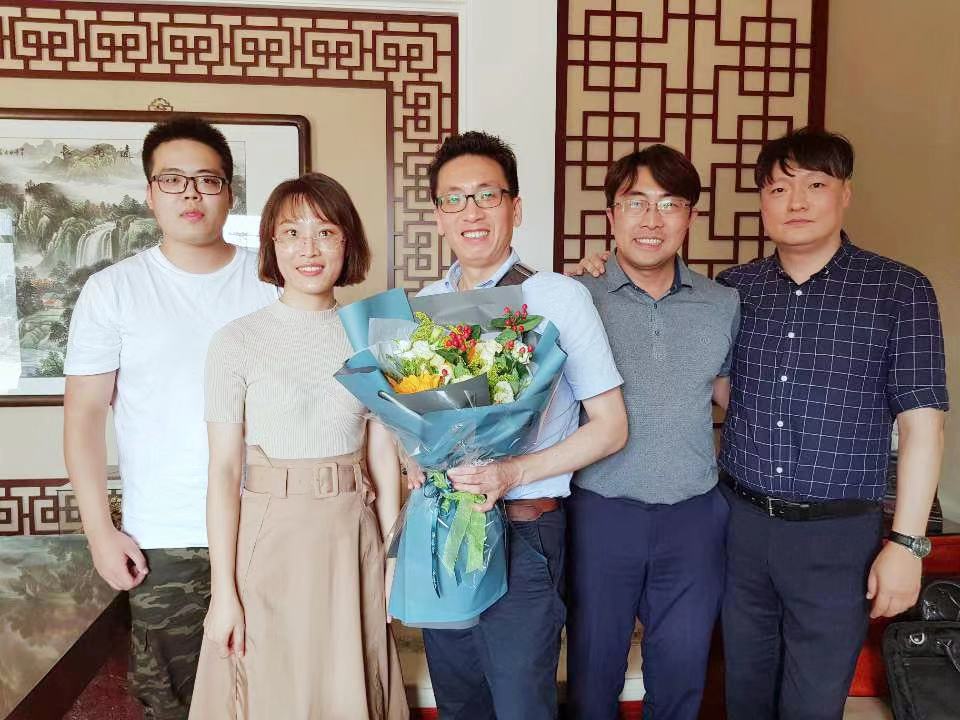
Further visits from clients in India, Lebanon, and Saudi Arabia confirmed our competitive pricing and quality standards. Our presence at the annual Canton Fair provides global buyers with direct access to our manufacturing team, with over 80% of client meetings leading to physical factory audits at our Tianjin facilities.
In the steel industry, structural failure is not an option. Tianjin Minjie Steel enforces strict process controls to ensure each batch meets quality and tensile standards. All raw steel coils are sourced from state-owned mills and undergo thorough chemical checks (for Carbon, Manganese, Silicon, Phosphorus, and Sulfur) before entering production.
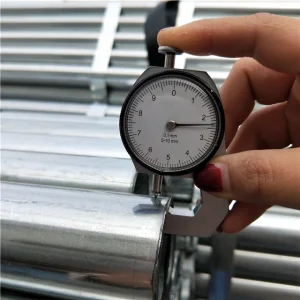
Our ISO9001 certified plant employs non-destructive testing (NDT), automated weld seam tracking, and hydrostatic tests on pressure tubes. Pre-galvanized pipes receive a high-adhesion coating, while hot-dip processes apply zinc layers ranging from 220g/㎡ to 500g/㎡, protecting materials from underground and seaside corrosive agents.
Each shipment is accompanied by a mill test certificate (MTC) matching EN 10204 3.1 specifications. This complete transparency ensures that engineers, building inspectors, and supply chain managers can verify steel grade details before installation.
The steel industry is moving toward high-efficiency alloys and environmentally conscious production. Key shifts impacting global procurement of corrugated steel and tubing include:
Increasing demand for HSLA grades (like Q355 and Q420) allows structural engineers to reduce overall steel weight in frameworks without sacrificing safety margins.
Global regulations favor manufacturing processes with lower carbon emissions, driving steelmakers to adopt energy-efficient blast furnaces and advanced recycling options.
Builders increasingly seek custom-machined steel pipes, pre-bent corrugated shapes, and modular scaffolding assemblies to reduce onsite labor times.
To streamline B2B procurement and manage risk when importing structural steel components, sourcing teams should follow a structured evaluation plan:
Clear answers to common questions about technical specifications, ordering processes, and shipping terms.
Complete your project procurement with our full selection of scaffolding structural shapes and specialty pipes.
 Minjie Steel