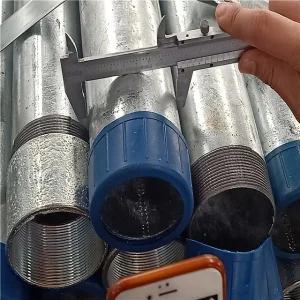
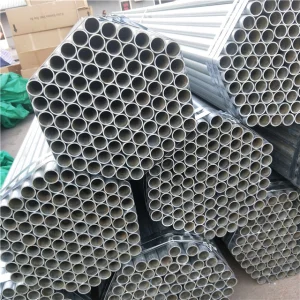
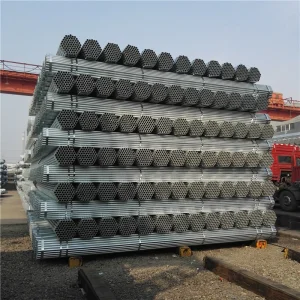
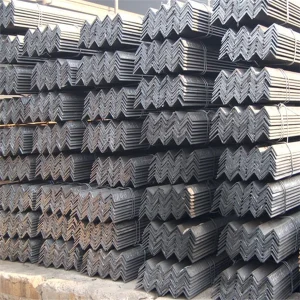
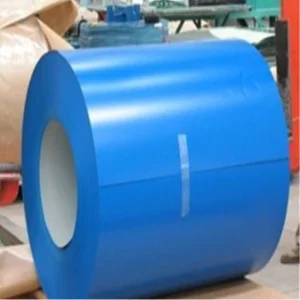
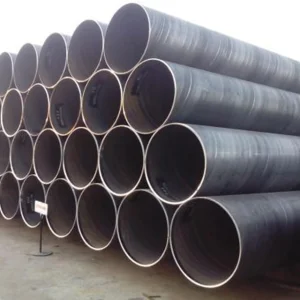
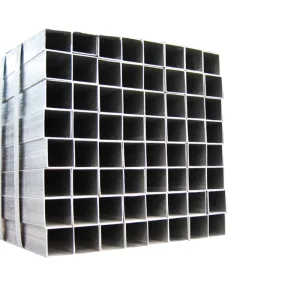
Engineered structural sections adhering to rigorous standards: BS1387, EN10219, ASTM, and JIS
A Technical Guide on Electric Lifting Scaffolding, Climbing Systems, and Advanced Steel Manufacturing Ecosystems
Modern civil construction, particularly for high-rise buildings exceeding 100 meters, has rapidly evolved away from heavy, manual-assembly modular scaffolding. The paradigm has shifted toward Electric Lifting Scaffolding (commonly referred to as Self-Climbing Scaffolding, or SCS). These advanced systems utilize synchronized electric chain hoists and smart central control consoles to lift or lower massive scaffolding platforms structure-by-structure as construction moves vertically.
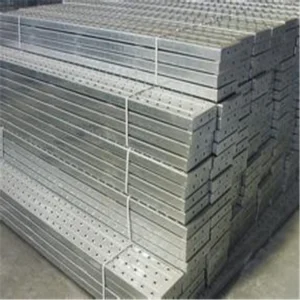
Safety, structural integrity, and efficiency form the cornerstones of this technology. By utilizing electric hoists mounted onto permanent wall-attachment brackets, electric lifting scaffolding minimizes the human error associated with repeatedly erecting and dismantling traditional scaffolding poles at extreme heights. However, an electric climbing system is only as reliable as its load-bearing framework. Standardized structural components, high-strength galvanized steel hollow sections, pre-galvanized tubes, and heavy-duty walkway walk boards form the crucial structural spine that guarantees zero material failure under extreme wind and mechanical loads.
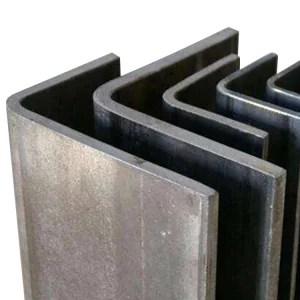
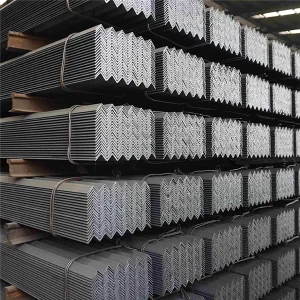
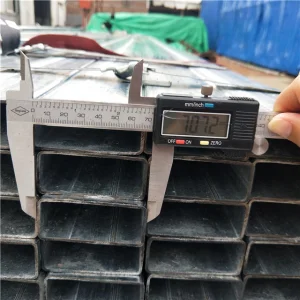
In high-stress electric climbing systems, tensile strength and weather resistance are non-negotiable. Standard 1.5-inch DN40 (48.3mm) scaffolding tubes represent the industry standard. When sourcing scaffolding structural framework, contractors evaluate steel grades like Q235, Q345, and S355JR. S355JR mild steel angle bars and hollow sections provide excellent mechanical yield strength, ensuring the scaffolding cage can support concrete pouring platforms, heavy tools, and labor forces simultaneously.
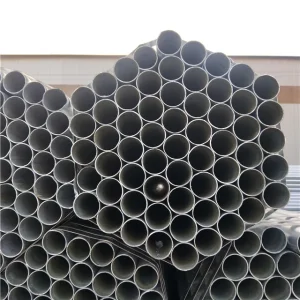
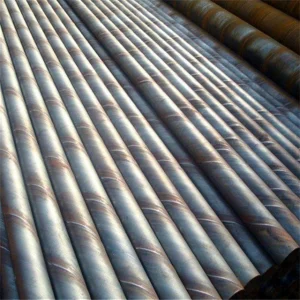
Corrosion mitigation is another critical safety metric. High-rise projects are subjected to severe wind loads, changing humidity, and corrosive coastal atmosphere. High-quality hot-dip galvanized pipes and pre-galvanized steel pipes with uniform zinc coatings safeguard the load-bearing columns from internal rust, preventing catastrophic structural degradation. Additionally, components such as galvanized walk boards (Q235 steel) must incorporate slip-resistant perforations and secure interlocking hooks to ensure safe footing during elevated operations.
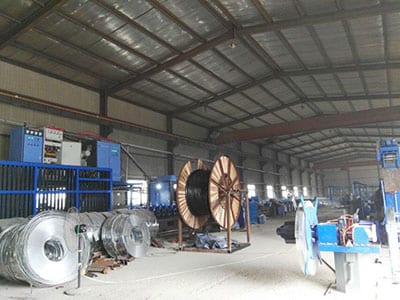
Tianjin Minjie Steel Co., Ltd. (established in 1998) stands at the forefront of this industrial sector. Centered near XinGang Port (just 40 kilometers away) in Northern China, the logistics pipeline ensures seamless shipping to global destinations. Operating within a Factory 4.0 blueprint, the facility integrates advanced production machinery, including:
By holding ISO 9001 certifications and patent designations (such as groove, shoulder, and victaulic pipe systems), Tianjin Minjie provides high-elevation contractors with custom structural elements designed to fit modern mechanized climbing scaffolding configurations.
For procurement managers in Singapore, South Korea, Australia, Lebanon, and Saudi Arabia, sourcing construction components from reliable Chinese factories is a balance of price competitiveness and structural performance. A strict quality control process is essential to mitigate field risk.
Tianjin Minjie’s international credentials and customer history illustrate this global reach. In September 2019, key technical teams met clients in Singapore to verify site dimensions. Similarly, collaboration in Australia, Lebanon (ordering 1000 tons of structural steel pipes), and Saudi Arabia (established via Canton Fair relationships) showcases the value of on-site verification. When sourcing structural components for electric scaffolding, global projects benefit from testing material strength under ASTM and EN guidelines to prevent system failures in the field.
Tianjin Minjie’s advanced manufacturing facilities, material storage areas, and global client collaborations.
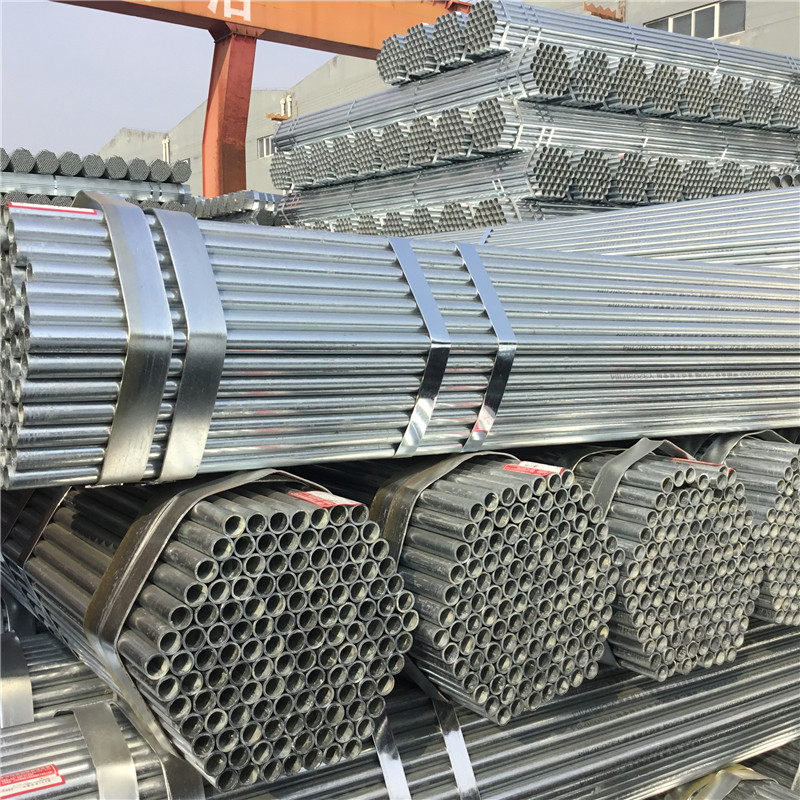
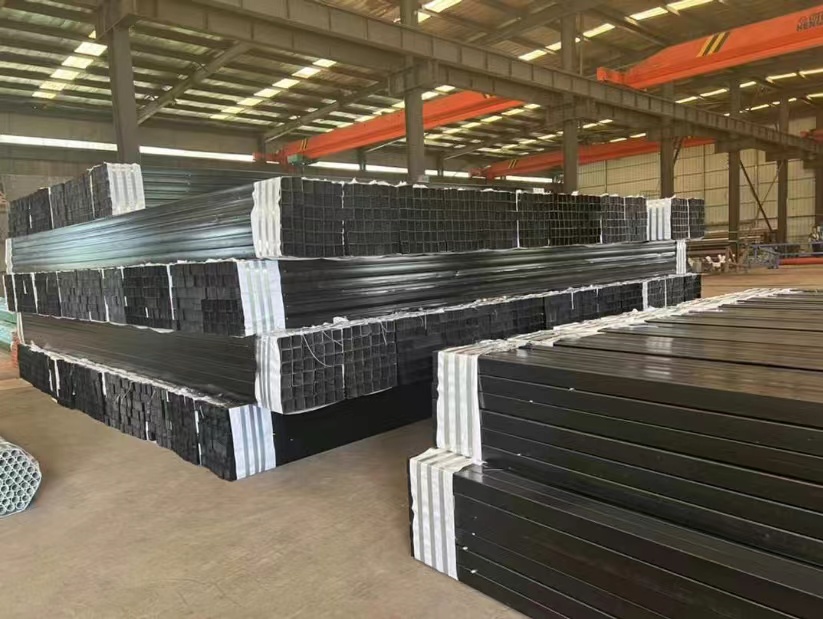
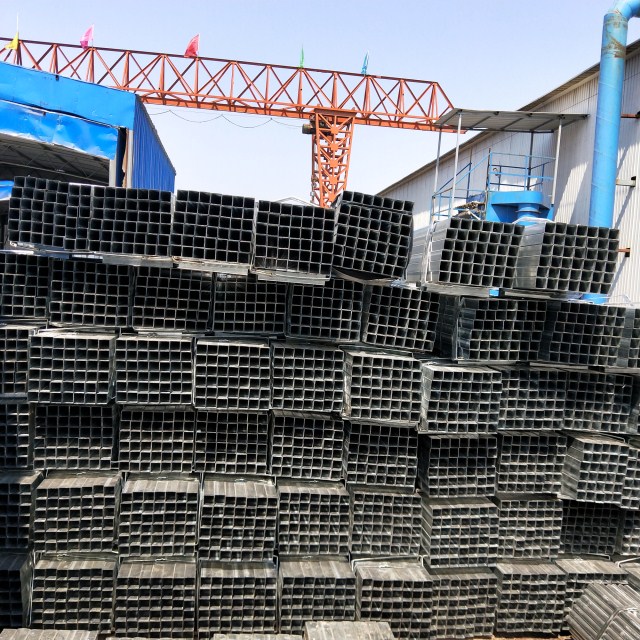
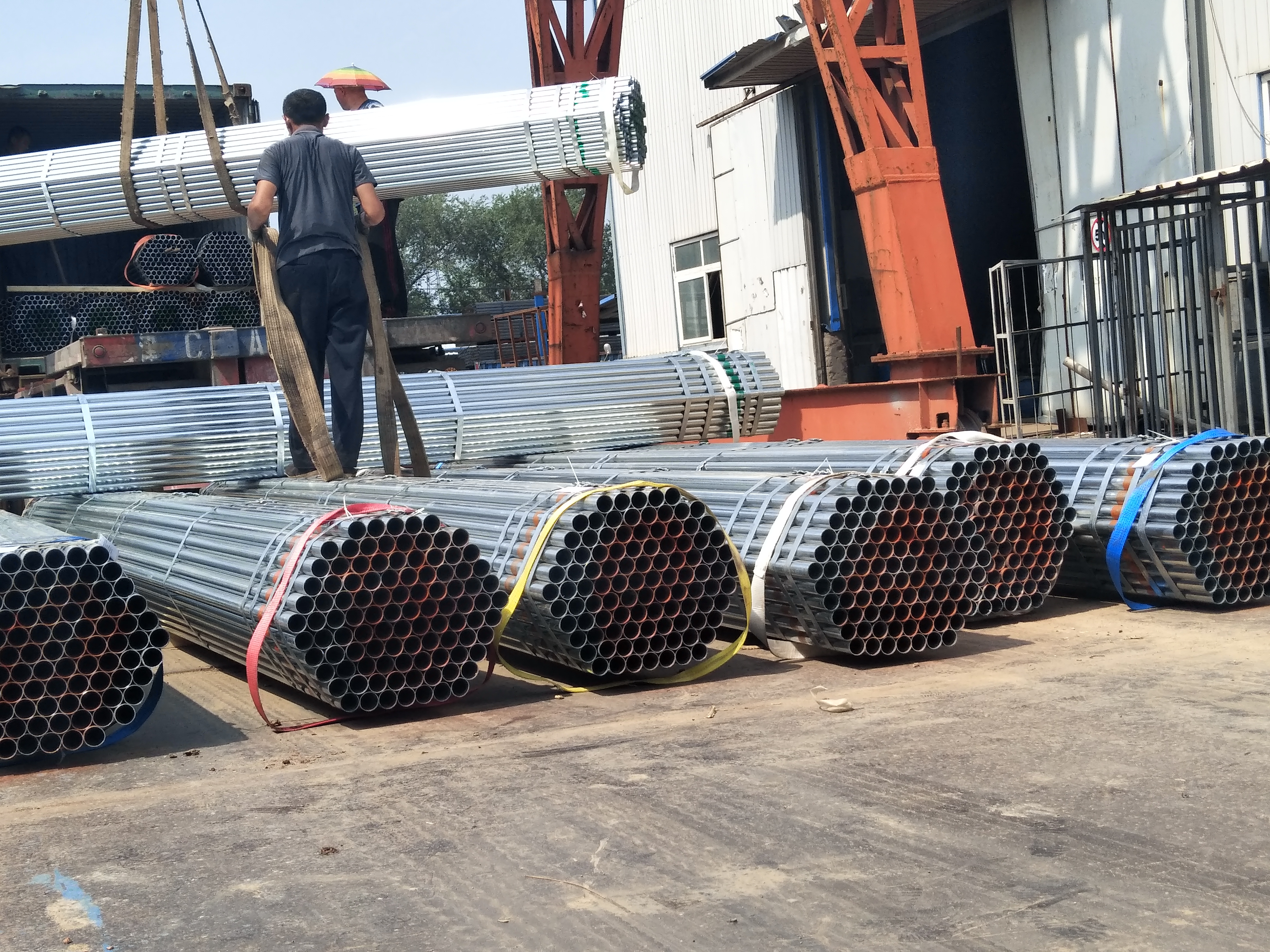
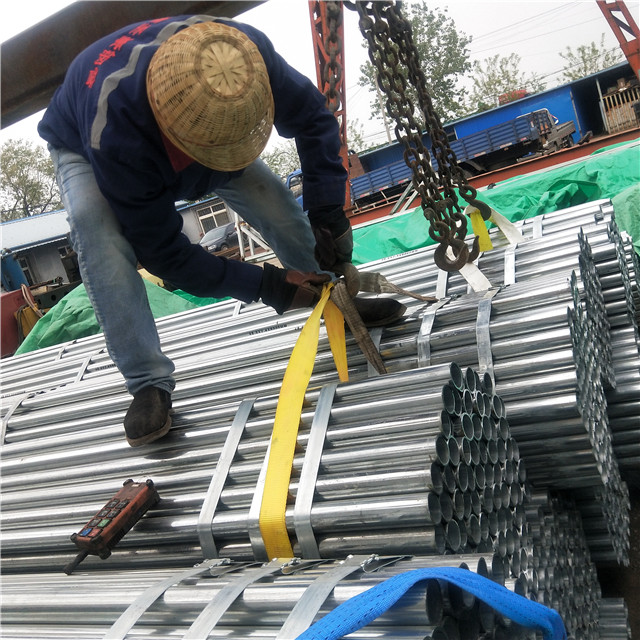
Selecting and designing structural elements for electric climbing scaffolding systems requires a balance between weight and load-bearing capacity. Traditional modular steel scaffolding must be manually built up from the ground, which requires significant amounts of tube steel and labor. In contrast, Electric Climbing Scaffolding (ECS) wraps around the structure and climbs using hydraulic or electric motor systems. This approach reduces overall scaffolding steel weight by up to 50% compared to full-height scaffolds, while providing a fully enclosed, safe working platform.
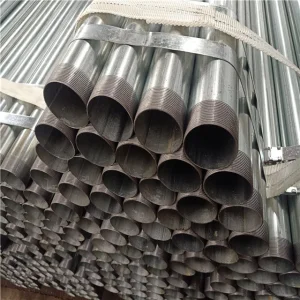
The anchor points bear the primary gravity loads and wind loads of the scaffolding system. Structural engineers specify high-strength steel hollow sections and equal angle configurations (such as SS400 carbon steel or S355JR structural profiles) to build these brackets. Standardized BS1387 galvanized threaded steel pipes connect the scaffolding framework to the building's concrete core, ensuring stability during vertical movement.
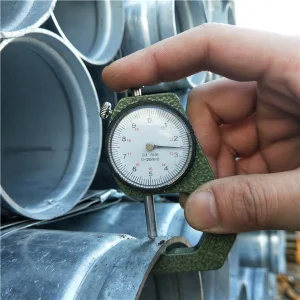
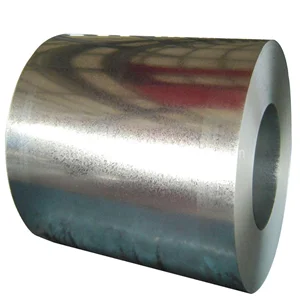
The service life of scaffold components depends heavily on the galvanization process. Pre-galvanized tubes, made from pre-coated steel strips, offer a smooth finish and a zinc coating thickness of about 15–20 micrometers (approximately 100–120 g/m²). This is suitable for general applications, greenhouse structures, and standard scaffolding frames.
For heavy industrial projects, high-rise buildings, and coastal areas, hot-dip galvanized pipes are the preferred option. The steel is dipped in molten zinc after welding, creating a zinc coating thickness of 40–80 micrometers (exceeding 300–500 g/m²). This thicker layer protects the steel from environmental damage and extends the lifespan of the scaffolding tubes through multiple construction cycles.
To maintain safety at high elevations, factories must manufacture and test steel pipes to international standards:
Expert answers for B2B procurement managers, structural engineers, and logistics specialists
Full-spectrum metal solutions manufactured for durability and extreme structural loading applications
 Minjie Steel