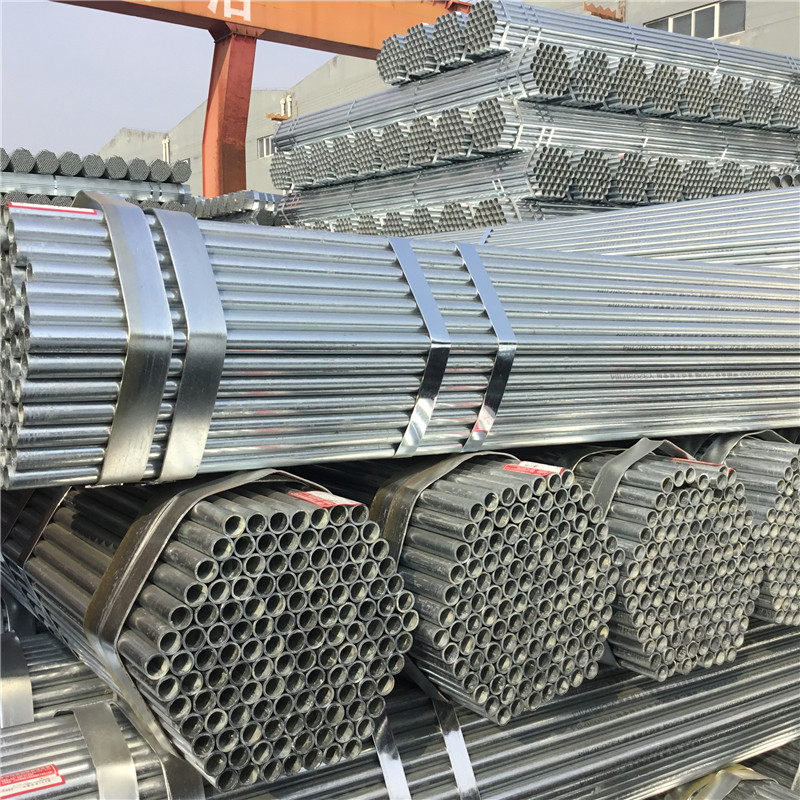
Precision-manufactured structural pipes, square sections, and connection units engineered to sustain extreme crash loads and atmospheric corrosion.
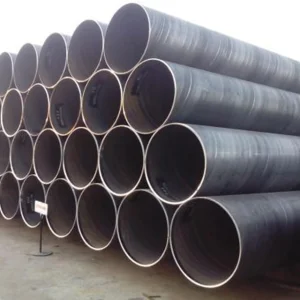
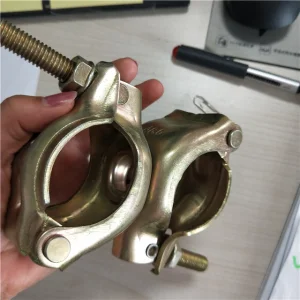
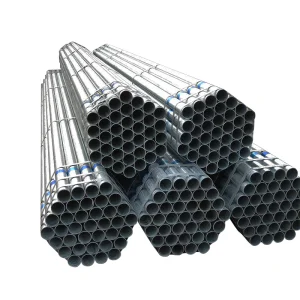
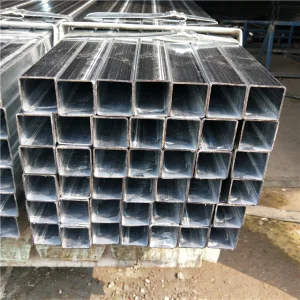
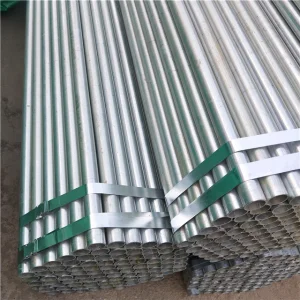
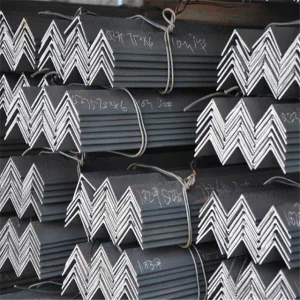
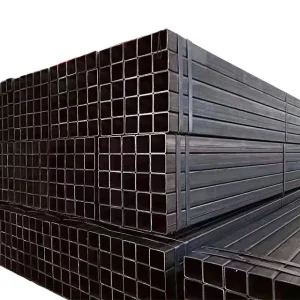
Guardrails are not merely passive steel barriers; they are highly engineered energy-attenuating life safety systems. The primary function of a high-performance guardrail is to redirect, slow down, or stop errant vehicles before they collide with hazardous structural obstacles. The structural physics of guardrails relies on controlled plastic deformation. When a vehicle impacts the rail, the steel undergoes dynamic bending, converting kinetic energy into mechanical work and heat, thus minimizing occupant deceleration forces.
Choosing the correct steel chemistry and coating thickness is critical. For highway applications, W-beam and Thrie-beam profiles must satisfy specific mechanical properties like high yield strength to prevent shearing, yet retain enough ductility to absorb severe dynamic impact without snapping. This requires premium Q235B, Q345B, or S355JR structural carbon steel, treated with heavy anti-corrosion protection such as hot-dip galvanizing to withstand harsh climatic exposures.
To qualify for national highway networks, structural steel components must align with rigorous crash-test criteria and metal tolerances.
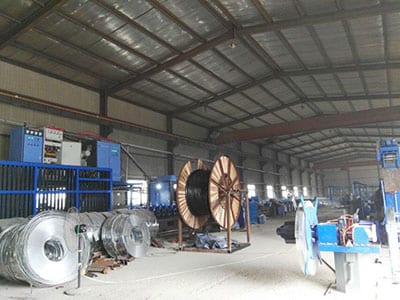
A state-of-the-art manufacturing infrastructure supplying premium structural steel to the global infrastructure industry.
Established in 1998, Tianjin Minjie Steel Co., Ltd has grown to become a leading manufacturing pioneer in steel pipes, structural hollow sections, and scaffolding systems. Strategically located within 70,000 square meters of advanced industrial facilities, the factory is positioned just 40 kilometers from XinGang Port (Tianjin)—the primary maritime logistics gateway of Northern China. This logistical alignment guarantees accelerated global dispatch and reduced inland freight exposure.
Our commitment to metallurgical R&D has yielded 3 core patents representing structural jointing innovations: Groove pipe, Shoulder pipe, and Victaulic pipe system solutions. Our machinery park includes:
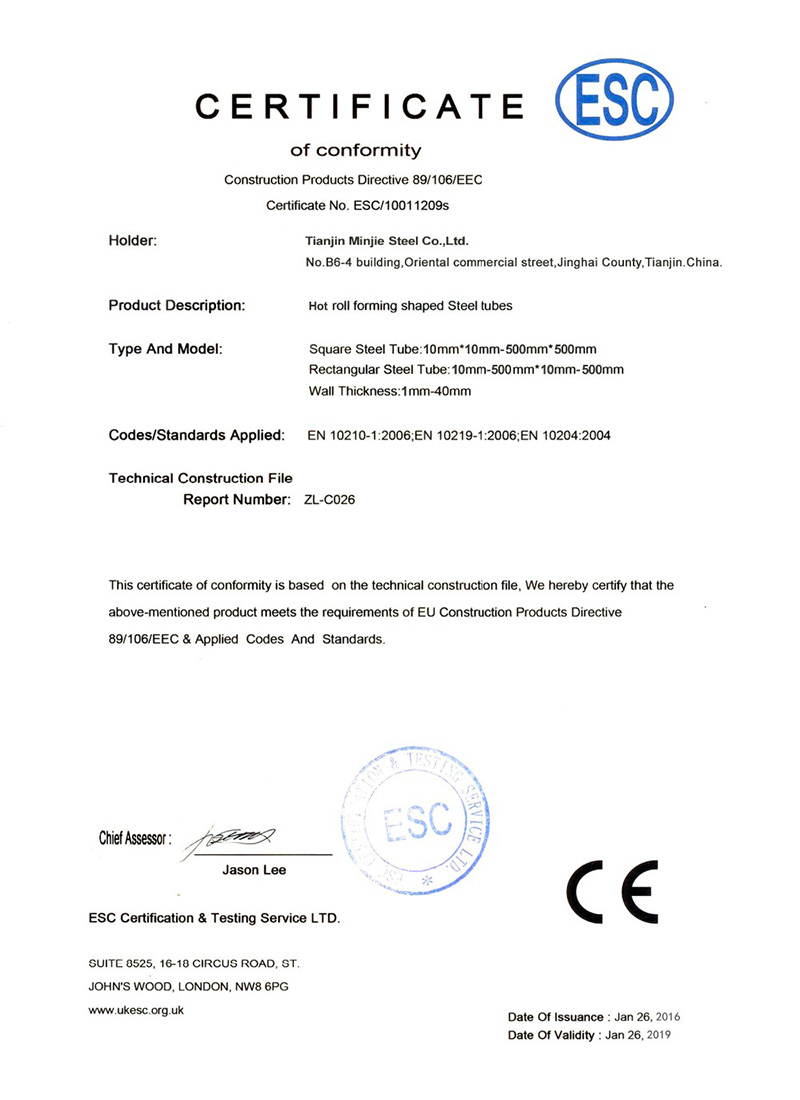
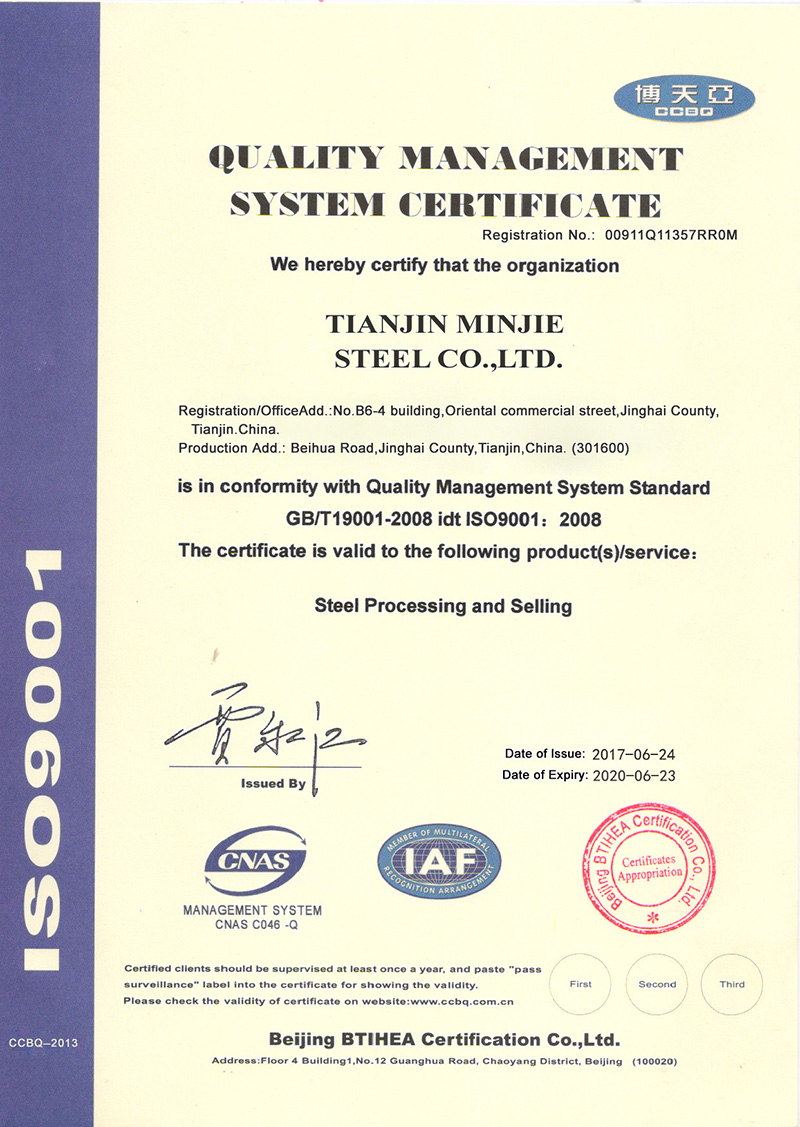
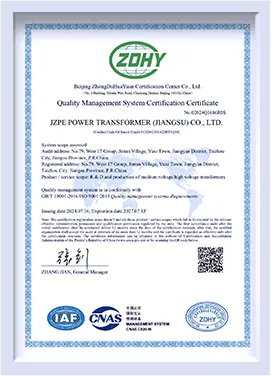
All operations strictly conform to global manufacturing metrics, certified under ISO 9001 Quality Management Systems, and comply with ASTM, GB, DIN, and JIS standards.
Emerging technologies in smart infrastructure barriers, material alloy refinements, and green corrosion resistance.
Future intelligent highways demand active feedback systems. Modern guardrails are evolving to integrate piezoelectric strain sensors, optical fibers, and IoT communication nodes. These modules send instantaneous alerts to municipal maintenance networks when a barrier experiences structural deflection, speed-impact events, or severe fatigue deformation, maximizing post-accident response times.
Traditional hot-dip galvanizing is facing evolution through ZAM alloys. Incorporating 1-3% magnesium and 1-3% aluminum creates a highly crystalline barrier film that self-heals cut edges and mechanical scratches. ZAM coatings provide up to 3 to 4 times the corrosion resistance of traditional galvanization, significantly lowering the lifecycle cost of barriers in salt-laden coastal and high-humidity environments.
Sustainable engineering demands reductions in embodied carbon footprint. The steel sector is shifting toward closed-loop water treatment, heavy metal filtration, and regenerative acid recovery in pickling lines. Suppliers focusing on low-emission processes align with clean-energy mandates, offering strategic advantages for green municipal procurement bids globally.
China's steel fabrication superiority is built on raw material proximity, continuous metallurgical advancements, and high production speeds. At Tianjin Minjie Steel, our integrated process chain minimizes waste, maintains tight tolerances, and guarantees structural consistency.
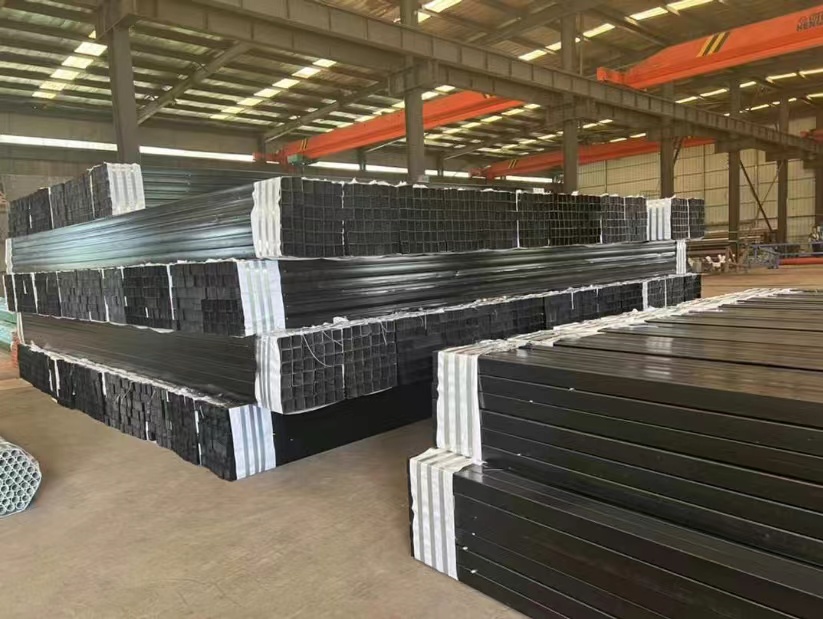
By executing ERW tube production, pre-galvanization, and cold roll forming within one contiguous facility, we eliminate multi-stop transit costs and thermal efficiency losses. Additionally, our location in Tianjin provides direct access to primary hot-rolled steel coil supplies from key domestic mills, shielding our procurement channels from sudden market shocks.
With an annual output of over 300,000 tons of structural steel products, we run high-volume production cycles without sacrificing accuracy. Automation safeguards weld integrity, while mechanical testing verifies every batch matches ISO9001 certifications before shipping.
A professional roadmap designed to assist international purchasing agents, engineers, and government contractors in mitigating supply chain risks.
Procurement specifications should mandate verified Mill Test Certificates (MTC) matching EN 10204 3.1. Steel composition must show controlled carbon equivalent values (CEV) to maintain weldability and impact resistance at below-freezing temperatures.
Ensure the factory uses high-purity zinc ingots (99.995% Zn). Specify the target environment class (e.g., C3, C4, C5) to define the required thickness, avoiding early corrosion and reducing structural maintenance costs.
Wall thickness variations, pipe out-of-roundness, and straightness errors must fall strictly within ASTM A500 or EN 10219 parameters to ensure hassle-free assembly on site.
Our structural steel products are exported worldwide, backed by on-site technical support and factory inspection opportunities.
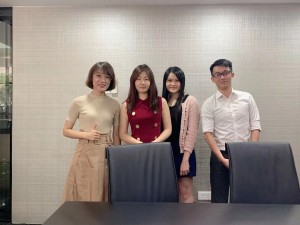
In September 2019, our delegation traveled to Singapore to inspect active infrastructure sites, verify performance, and build strategic relationships with regional clients.
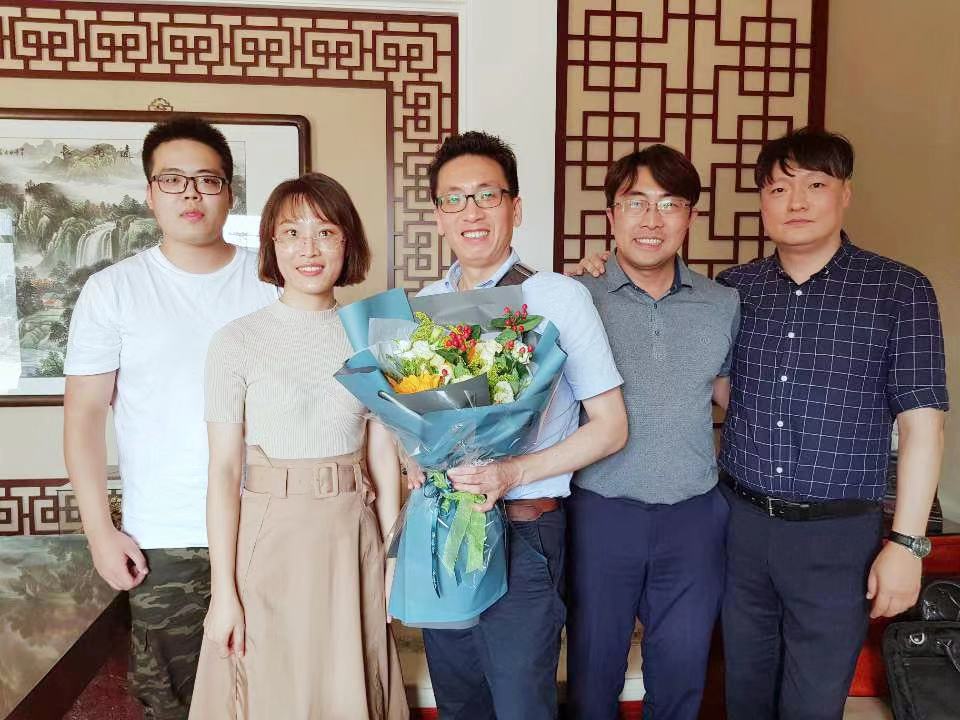
In 2019, South Korean engineers visited our facility to review and optimize structural shapes for specialized heavy-vehicle crash protection systems.
Our long-term Australian partners visited our facility in November 2018 to confirm our manufacturing capacity and double-check compliance with local safety standards.

In 2019, after visiting several regional factories, an Indian procurement group chose our facility to supply 10 containers of structural pipe monthly.
A Lebanese B2B procurement delegation finalized a 1,000-ton structural steel pipe contract on-site in June 2017 to support regional infrastructure projects.
Following initial talks at the Canton Fair, our Saudi Arabian partners visited our plant in 2018 to establish a steady, multi-year supply chain connection.
Tianjin Minjie Steel participates in the Canton Fair annually, attracting buyers worldwide. Around 80% of our clients coordinate post-fair site visits to our Tianjin factory to verify our quality control measures firsthand.
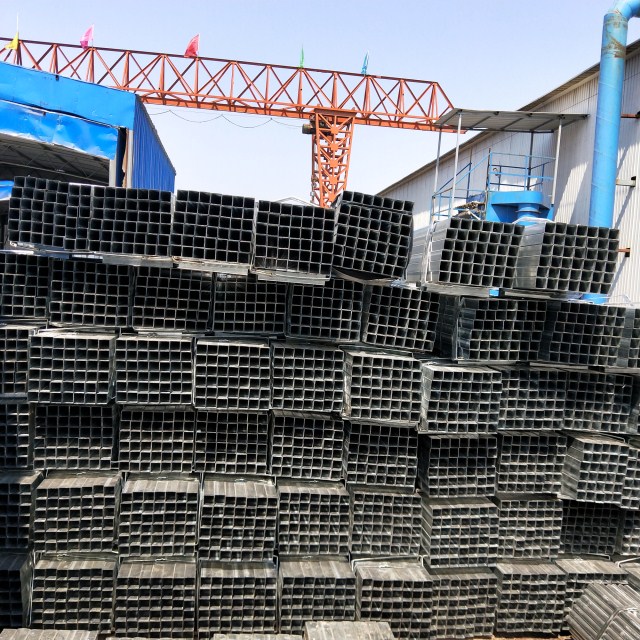
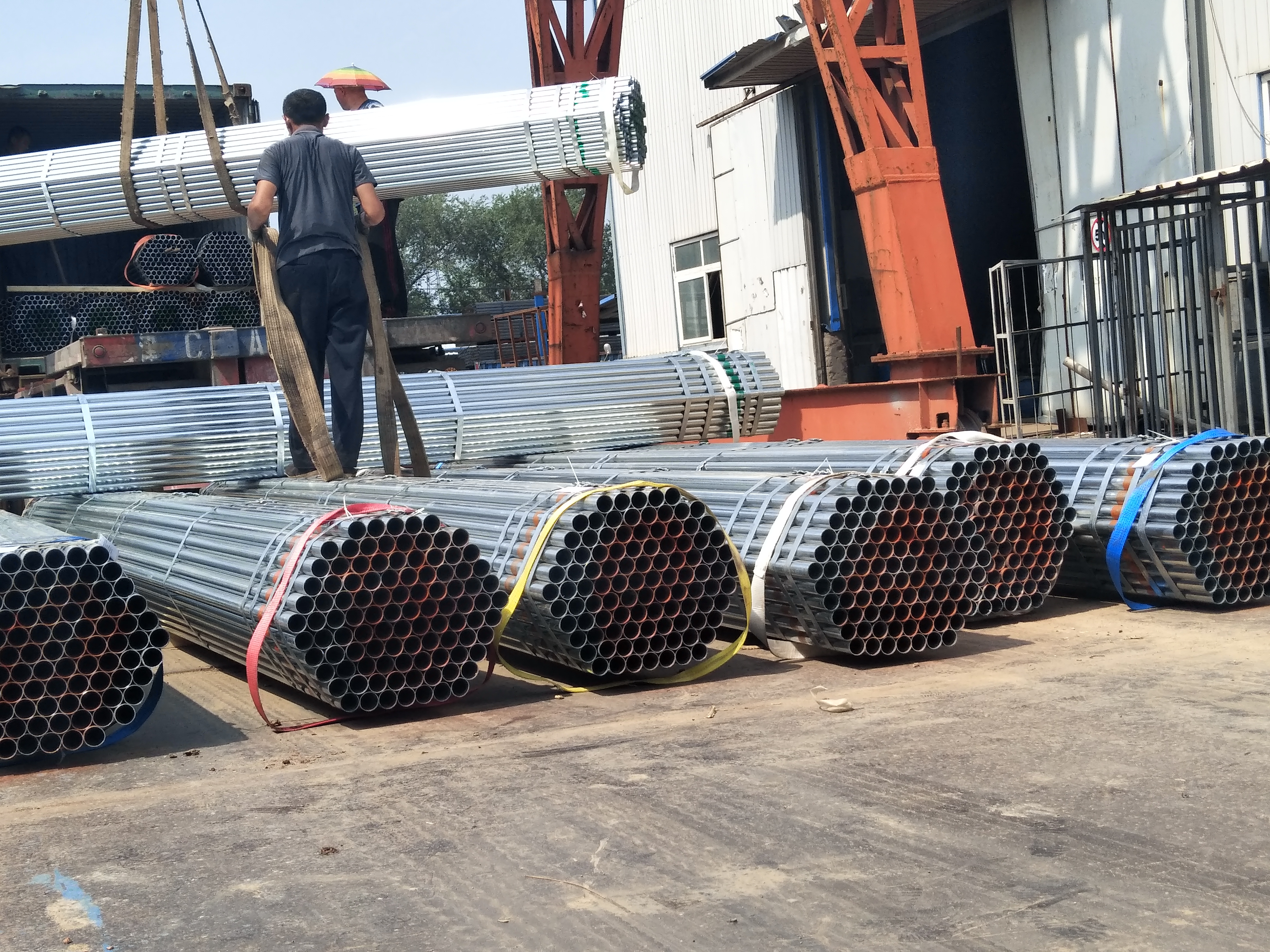
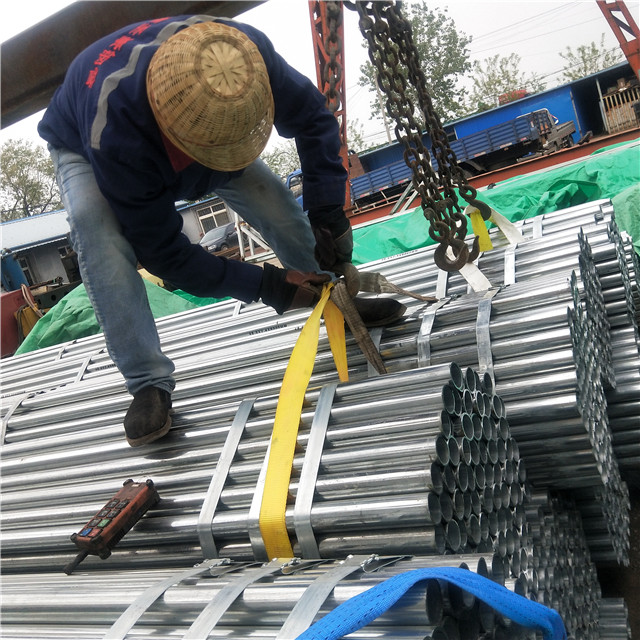
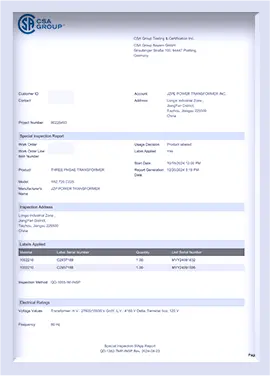
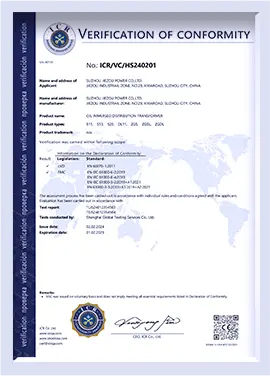
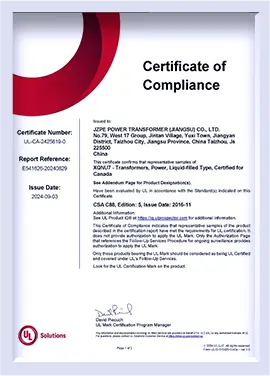
Our Quality Management System meets international standard structures to guarantee reliability. Every production run undergoes rigorous tests to confirm mechanical strength, coating thickness, and weld integrity.
Our testing labs execute destructive and non-destructive evaluations, including hydro-testing, ultrasonic testing, weld-line checks, and coating measurement. This ensures that every pipe, tube, and coupler complies with client project demands.
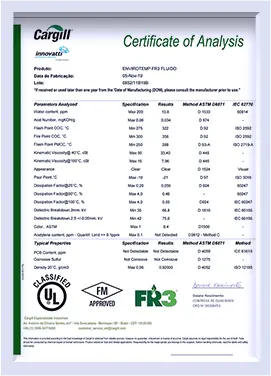
Get direct answers to common questions about guardrail procurement, steel grades, galvanization lifespans, and logistics.
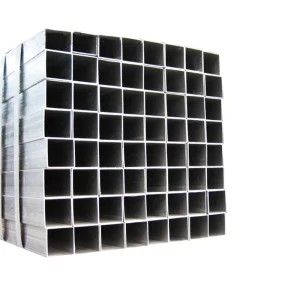
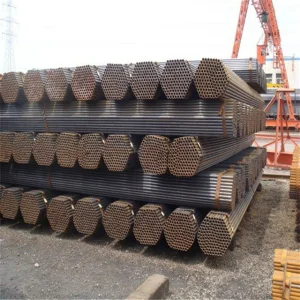
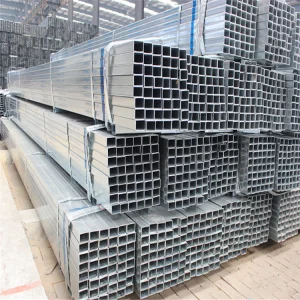
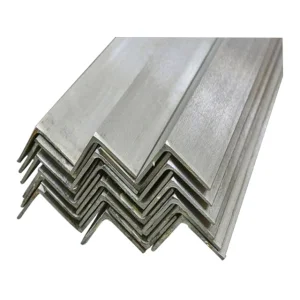
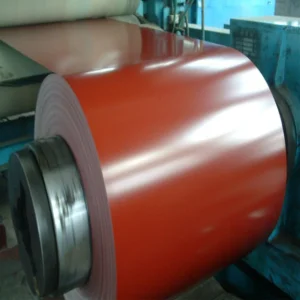
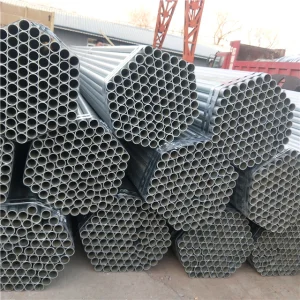
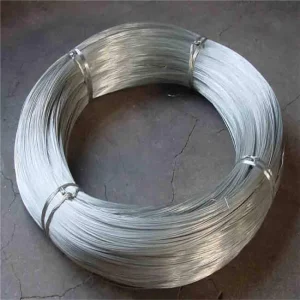
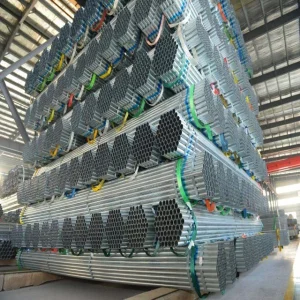
High-tolerance tubes, angle sections, wire fencing, and structural elements designed to meet strict commercial infrastructure and civil building standards.
 Minjie Steel