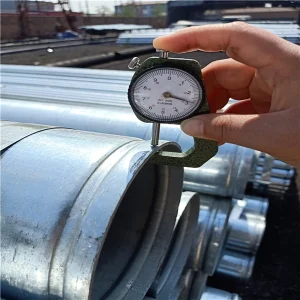
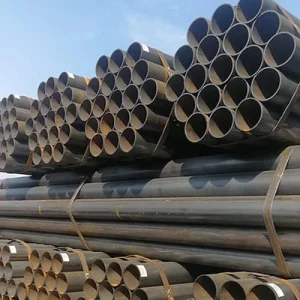
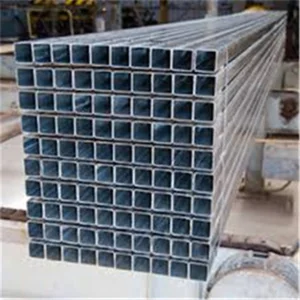
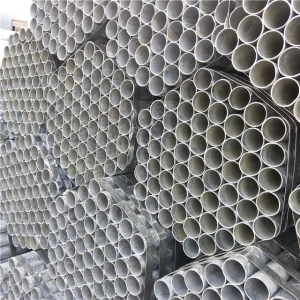
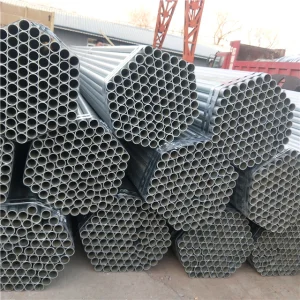
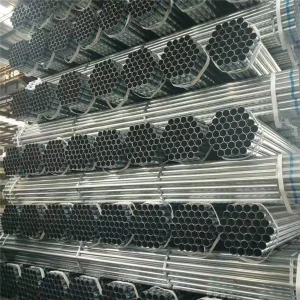
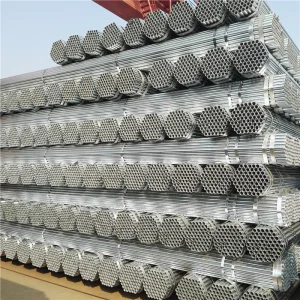
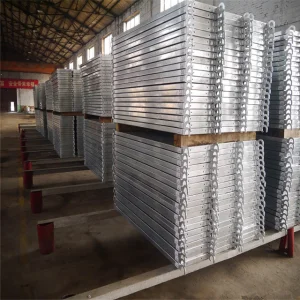
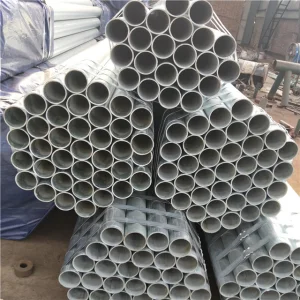
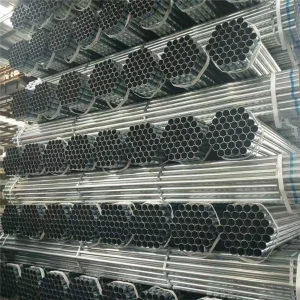
High-performance hollow sections, ERW precision tubes, and structural steel designs manufactured to rigorous ASTM, EN, DIN, and JIS standards.
Pioneering High-Quality Steel Prefabrication and Structural Steel Export Since 1998.
Established in 1998, Tianjin Minjie Steel Co., Ltd. has grown into an industrial powerhouse covering more than 70,000 square meters of state-of-the-art manufacturing facilities. Strategically positioned just 40 kilometers from XinGang Port—the absolute largest seaport gateway in Northern China—we boast logistical efficiencies that dramatically lower transit lead times and shipping costs for international infrastructure procurements.
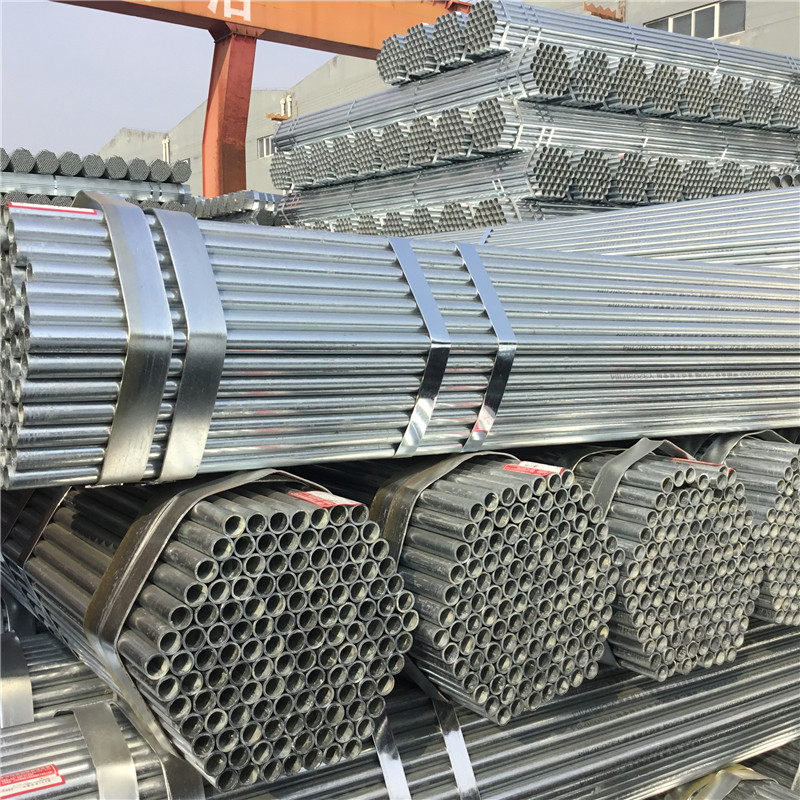
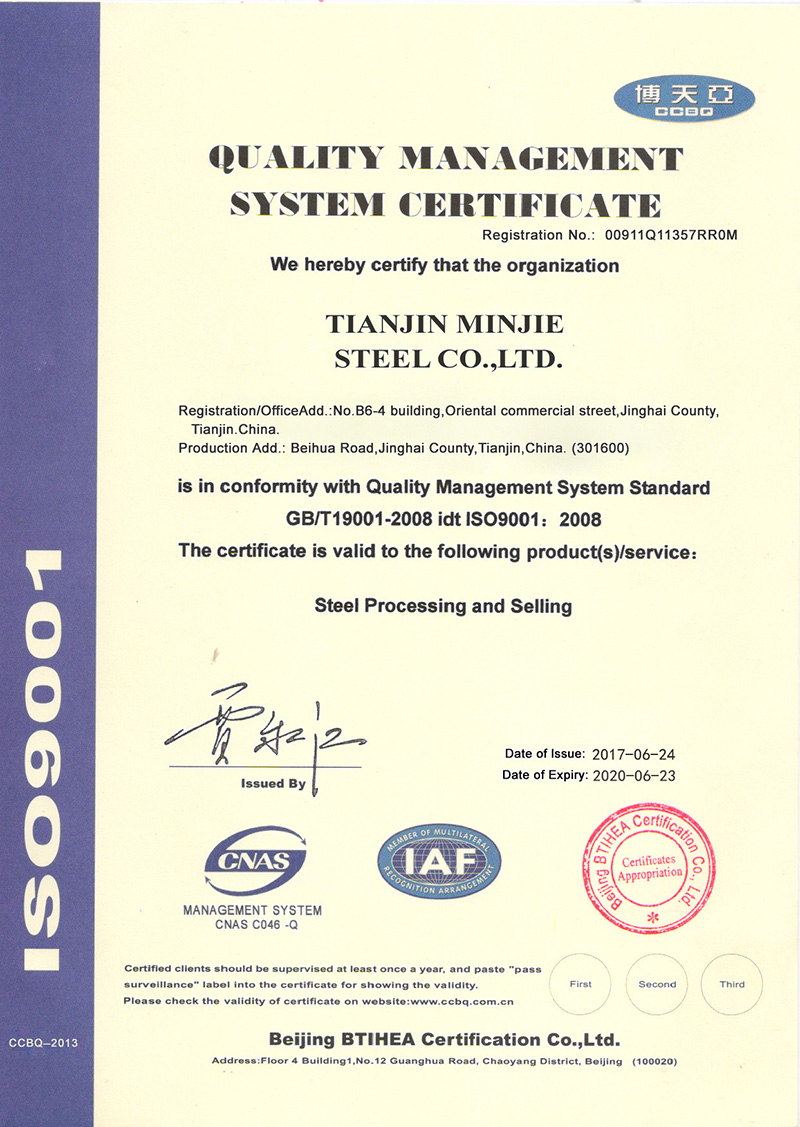
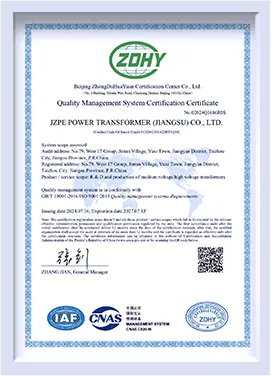
Our core competency spans professional manufacturing, metallurgy customization, and global distribution of structural steel sections. Our primary offerings feature high-grade structural I-beams, H-beams, pre-galvanized pipes, hot-dip galvanized tubes, welded structural conduits, square and rectangular hollow sections, and custom scaffolding assets. With a dedication to engineering ingenuity, we have developed and hold 3 key utility patents: the Groove Pipe system, the Shoulder Pipe connection, and the Victaulic Joint pipe alignment. Our certifications verify our unwavering compliance with strict ISO 9001 standard frameworks.
Annual Output (Tons)
Factory Area (Sqm)
Proprietary Steel Patents
Years of Engineering Excellence
Our production facilities are configured to handle massive structural demands with flawless repeatability. The plant utilizes a suite of modern manufacturing equipment, including:
All heavy structural products are manufactured in strict conformance with leading global structural standards including GB, ASTM, DIN, and JIS, and undergo thorough destructive and non-destructive quality testing protocols before containerization.
Exploring innovations in metallurgy, coating longevity, and automated structural prefabrication.
The modernization of construction requires steel structural members that display high strength limits without compromising weldability. Our metallurgical roadmap incorporates High-Strength Low-Alloy (HSLA) chemistry, allowing structural engineers to minimize overall building weight. By using micro-alloying elements like vanadium, niobium, and titanium, our structural steel meets superior yield points (e.g., S355JR, S355J2, Q355B) while maintaining low carbon equivalent values (CEV), avoiding weld cracking during field erection.
Corrosion mitigation is undergoing a fundamental shift away from standard hot-dip galvanizing to high-efficiency Zinc-Aluminum-Magnesium alloy coatings. This chemical blend offers self-healing properties on cut edges and scratch points. Our future roadmap integrates this coating system to provide up to four times the atmospheric corrosion protection of standard coatings. This advancement extends the maintenance-free life cycle of structural steels in marine environments from 20 years to more than 50 years.
Our engineering support processes now bridge the gap between design and fabrication through detailed integration with Building Information Modeling (BIM) programs like Tekla Structures. By rendering structural I-beams, H-beams, and connection plates into dynamic 3D BIM formats, we guarantee precision dimensional accuracy at our production lines. This process mitigates design clashes, speeds up production schedules, and yields assemblies that install smoothly on site.
Engineering load-bearing structural frameworks engineered to support complex, high-stress architectural demands.
Heavy-duty structural sections, particularly structural I-beams, play a foundational role in modern industrial and commercial design. From high-capacity warehouses utilizing clear-span portal frames to modern high-rise office towers, structural steel provides the necessary strength to weight ratio needed to bridge large open spaces safely. Our manufactured profiles are optimized to resist dynamic load paths, seismic shear forces, and wind pressures.
Additionally, our structural steel products serve key roles across multiple macro-economic sectors:
| Steel Grade | Yield Strength (Min) | Tensile Strength |
|---|---|---|
| Q235B / S235JR | 235 MPa | 370 - 510 MPa |
| Q355B / S355JR | 355 MPa | 470 - 630 MPa |
| ASTM A36 | 250 MPa | 400 - 550 MPa |
| ASTM A572 Gr. 50 | 345 MPa | 450 MPa (Min) |
How automated manufacturing and strategic shipping access reduce global procurement risks.
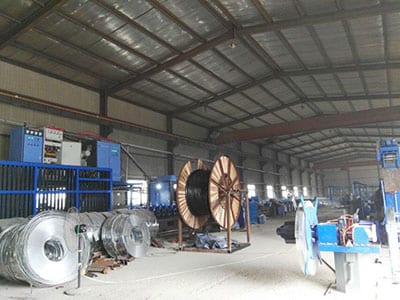
Our manufacturing facility has integrated automated cutting, welding, and surface treatment systems to maintain high dimensional accuracy across large volume orders. Continuous material handling systems feed raw steel into structural sizing lines, reducing human handling and processing variations. This modern setup allows us to easily scale production to meet large structural orders, ensuring consistent quality and predictable delivery timelines.
Proximity to transport nodes is a key factor in global steel supply chains. Situated only 40 kilometers from XinGang Port (Tianjin Port), our facility benefits from direct road transport access to deep-water shipping. This close proximity helps us bypass long overland transport routes, protecting finished structural components from weather exposure and moisture during inland transit while keeping logistics costs competitive.
Aligning structural designs with domestic construction standards and international safety regulations.
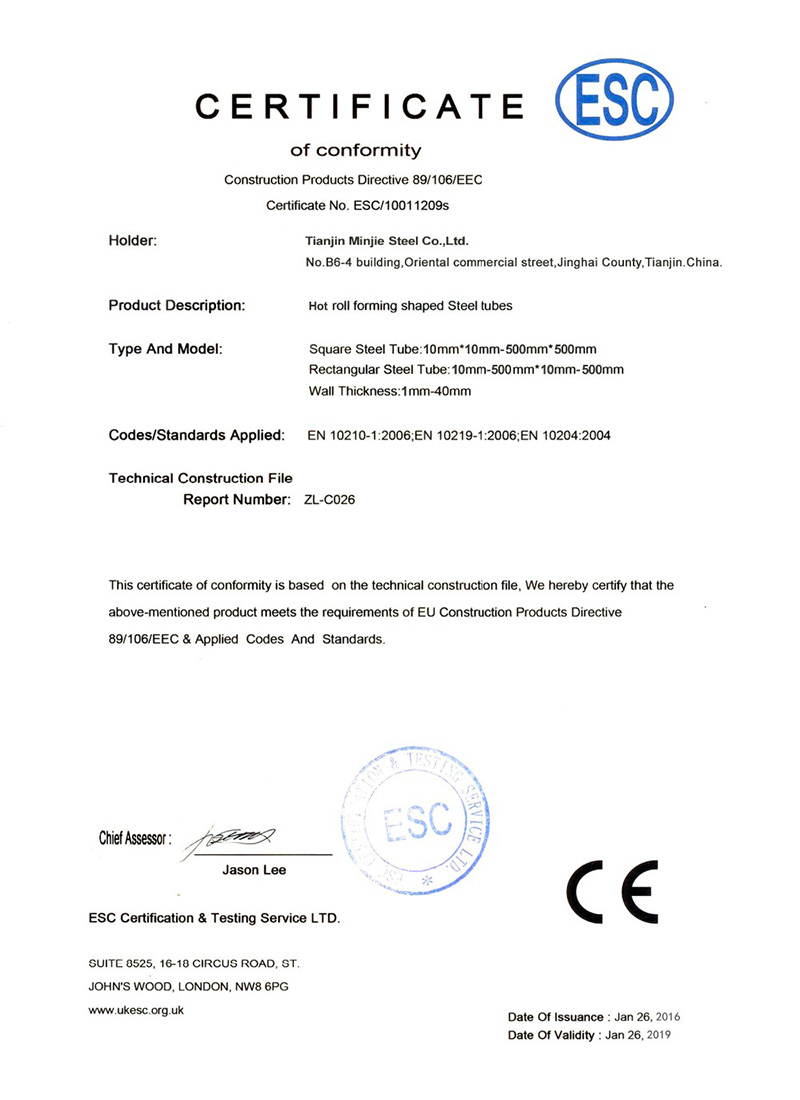
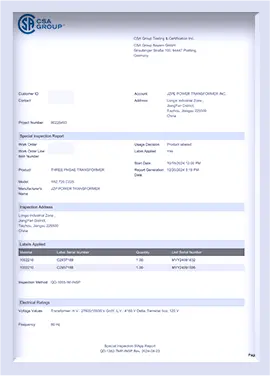
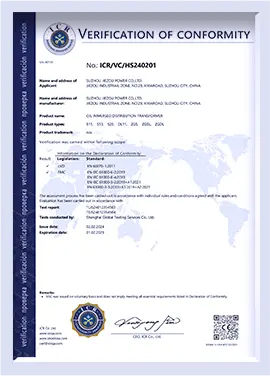
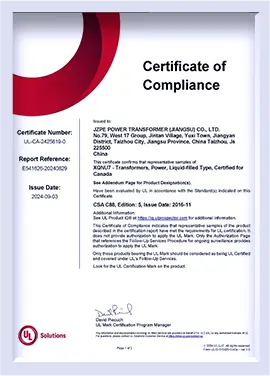
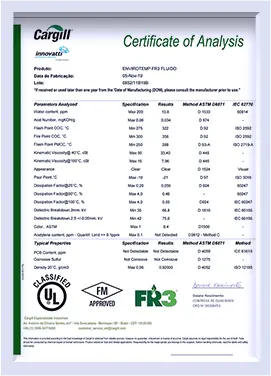
Navigating global building codes is a critical factor when procuring structural steel for international jobs. A structural component that meets Chinese GB standards must be carefully cross-certified to satisfy ASTM (American Society for Testing and Materials) or EN (European Norm) frameworks. Our quality control team works with third-party testing services (such as SGS, TÜV, and Bureau Veritas) to verify compliance with standard requirements, including:
Every shipment is accompanied by Mill Test Certificates (MTC) conforming to EN 10204 Type 3.1 or 3.2. These documents verify the complete chemical analysis and mechanical testing history of each production run, ensuring full traceabilty back to the original steel melt.
Key considerations for international sourcing: anti-dumping duties, freight costs, and supply line protection.
Procuring structural steel requires evaluating more than just the baseline price per metric ton. Sourcing leads should calculate the Total Cost of Ownership (TCO), accounting for ocean freight rates, clearing import tariffs, and local port handling fees. Utilizing hot-dip galvanized components reduces long-term maintenance costs and extends the structural life of the building, providing a lower lifetime cost compared to painted steels.
Trade tariffs and anti-dumping regulations vary widely between import destinations. Minjie Steel works closely with compliance specialists and shipping lines to evaluate customs and trade requirements before shipping. We compile detailed origin documentation to ensure a transparent clearing process at destination ports, helping prevent unexpected customs holds or duty updates.
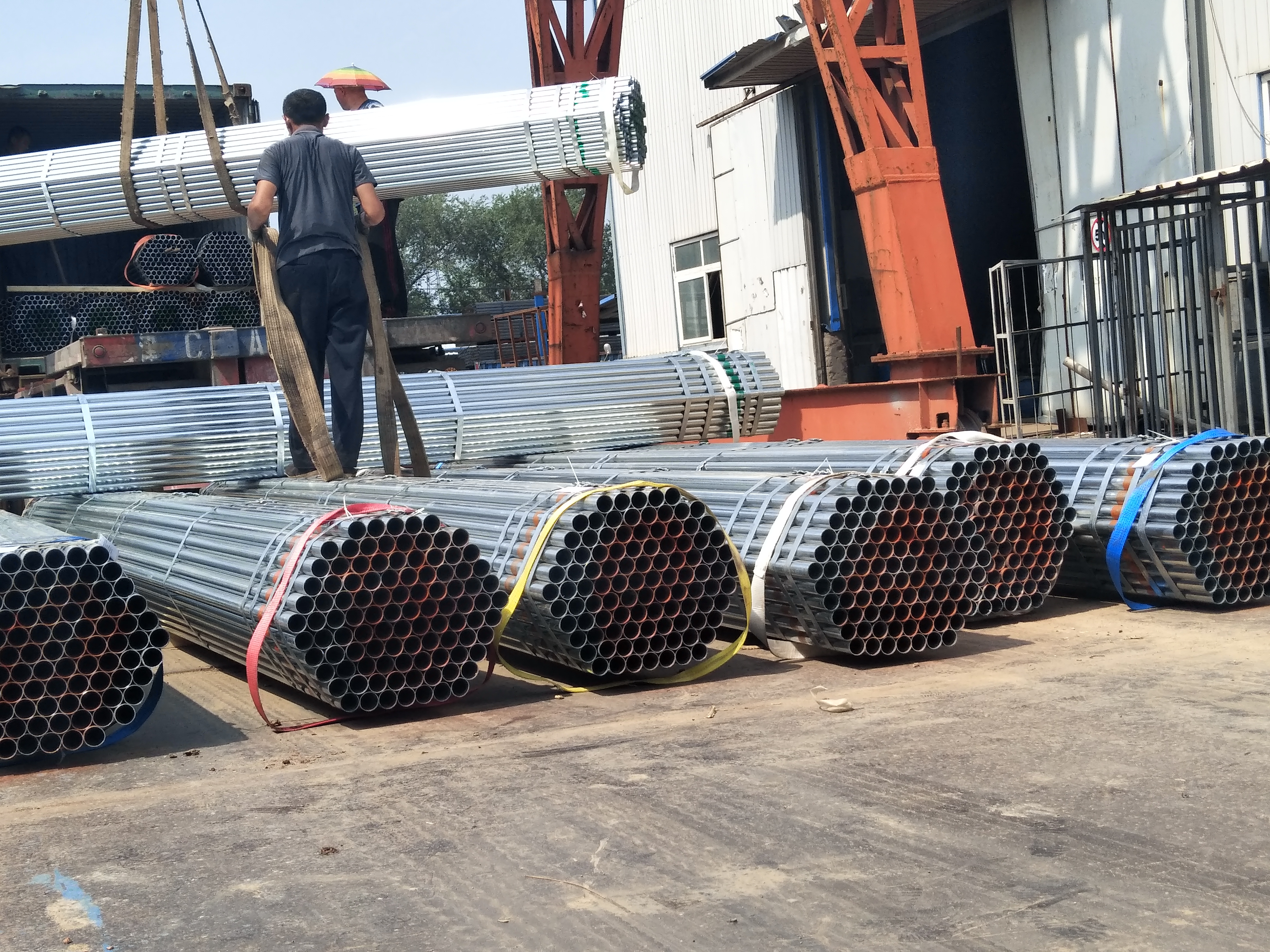
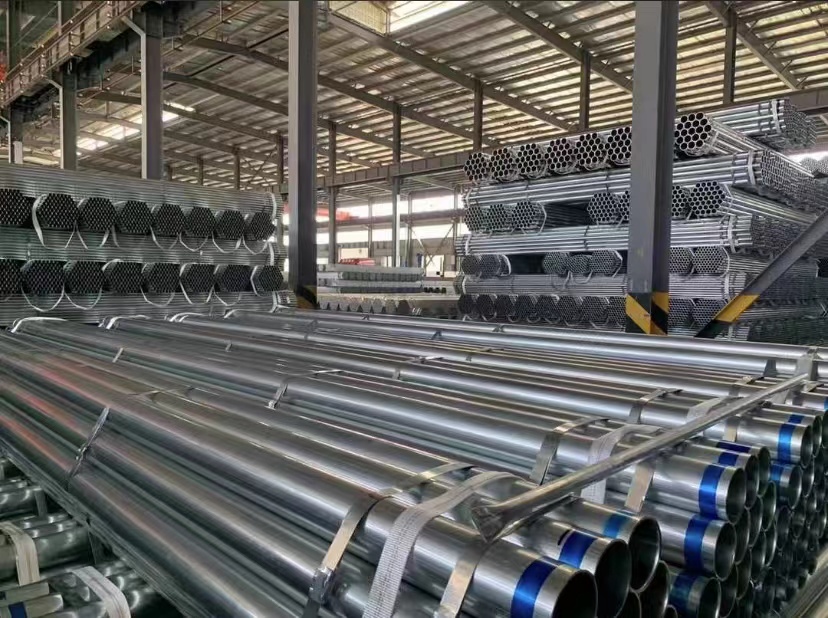
Ocean shipping exposess steel structural elements to moisture and salt-spray. To prevent surface corrosion, we package our components using heavy-duty strapping, ocean-worthy plastic wrapping, and secure steel dunnage. This packaging helps maintain product finish and dimensional alignment, ensuring structural sections arrive on site in ready-to-erect condition.
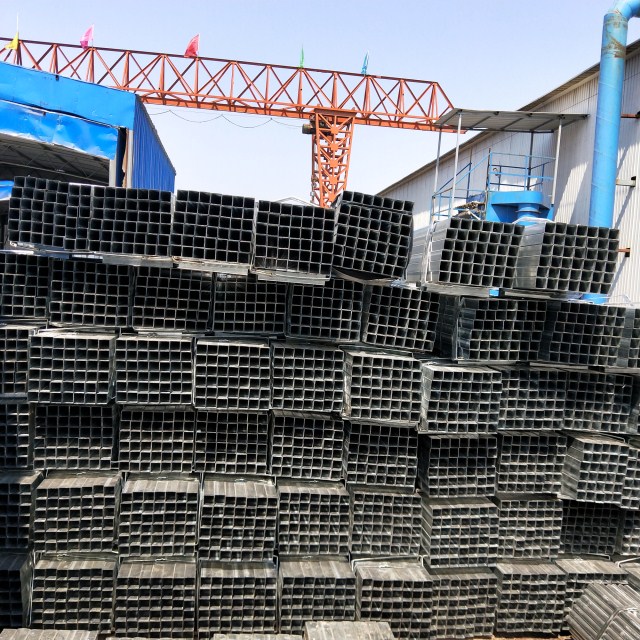
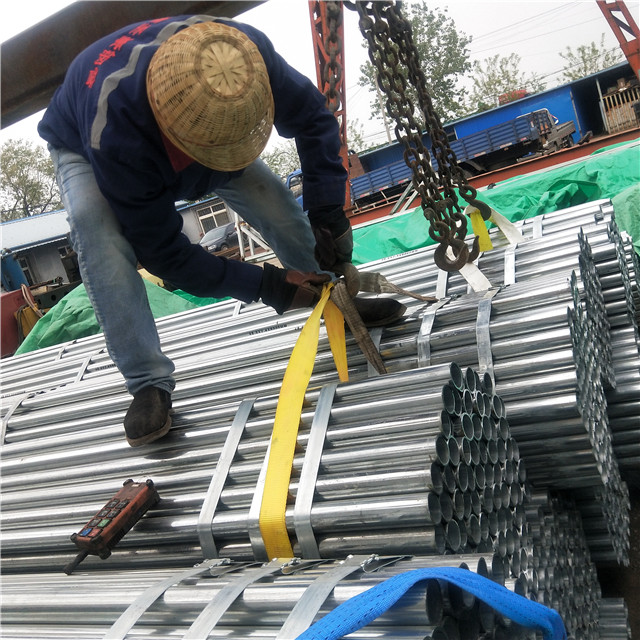
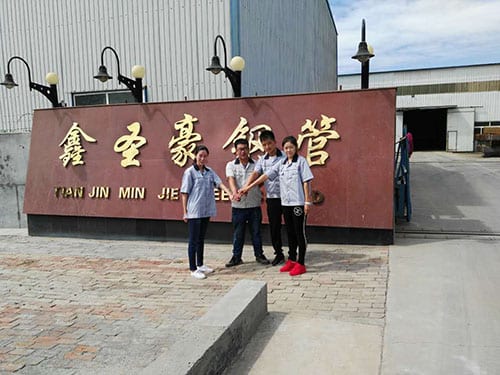
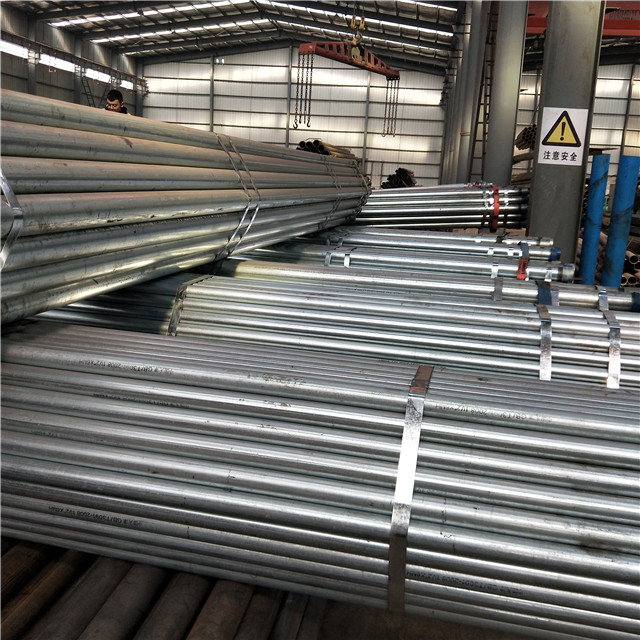
Take an inside look at our 70,000-square-meter processing facilities, advanced raw material storage yards, and automated packing bays.
Demonstrated field performance and successful client collaborations spanning major global markets.
Our professional technical advisers and engineering support teams service projects globally. With decades of manufacturing experience, we have built trusted relationships with global partners:
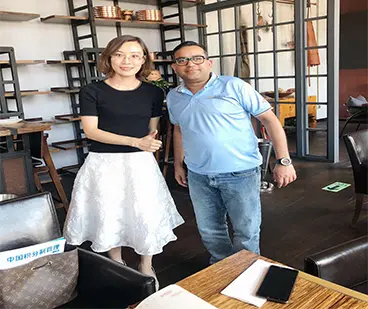
Singapore (September 2019): We traveled to Singapore for client consultations, coordinating supply schedules and securing approvals for major local construction projects.
South Korea (2019): Collaborative design sessions with South Korean engineering clients resulted in custom structural steel components manufactured to meet local seismic codes.
Australia (November 2018): Long-term Australian clients visited our Tianjin facility to audit our quality assurance systems and verify compliance with regional AS/NZS codes.
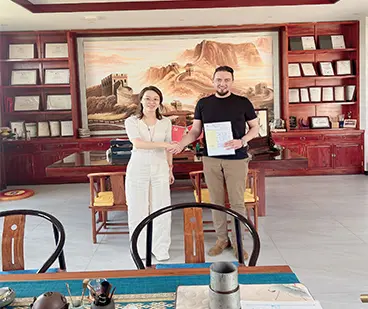
India (2019): Following comprehensive plant audits, Indian procurement leads signed long-term supply agreements for monthly shipments of 10 containers.
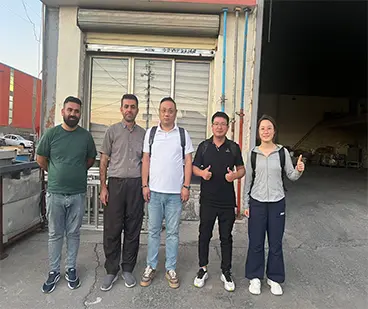
Lebanon (June 2017): Lebanese developers toured our facility, leading to an immediate order of 1,000 tons of structural steel tubing for infrastructure work.
Saudi Arabia (2018): Initiated at the Canton Fair, our partnership with Saudi developers has grown to include ongoing supply agreements for structural steel in regional warehousing projects.
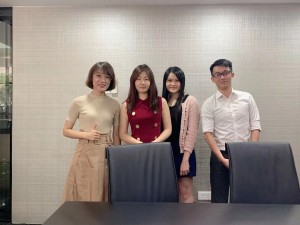 Singapore Visit
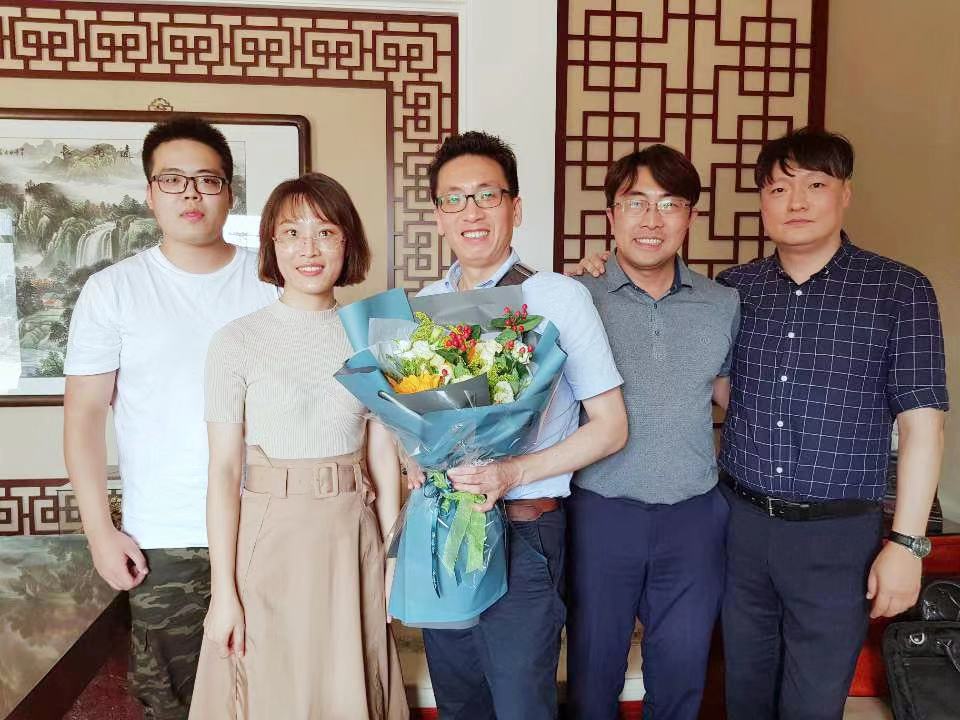 South Korea Visit
 Australia Audit
 Saudi Cooperation
 Lebanon Tour
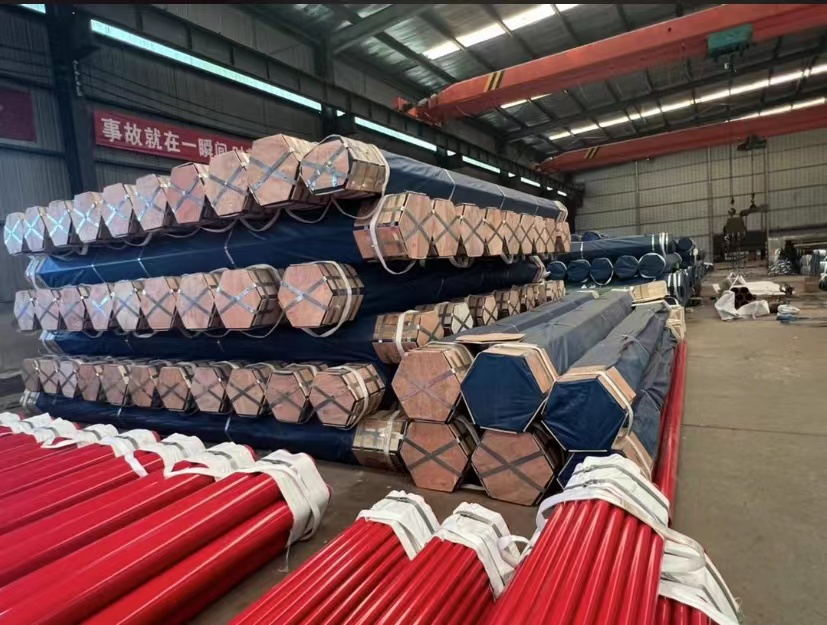 Client Inspection
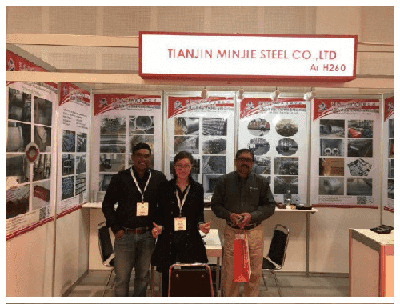
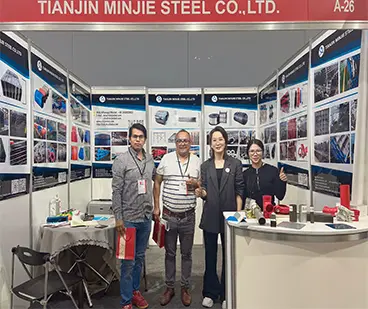
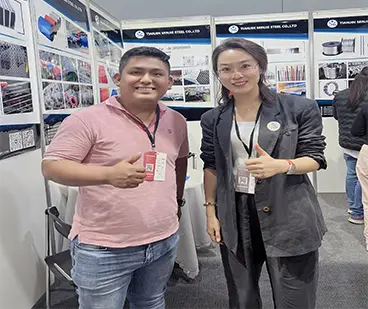
Minjie Steel participates annually in the prestigious Canton Fair. Our exhibits draw interest from global buyers seeking certified structural steel solutions. Over 80% of our booth contacts choose to visit our production facility in Tianjin to inspect our manufacturing lines first-hand.
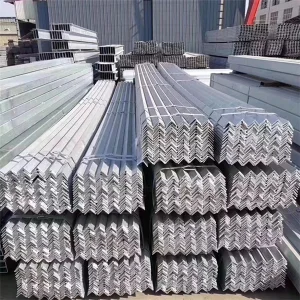
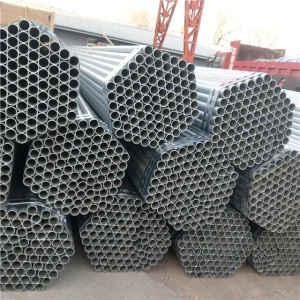
Through our display of core products—including galvanized structural tubes, structural angle steel, and customized hollow sections—we provide direct visibility into our product quality, material consistency, and production scale.
A deep dive into our most in-demand structural steel classifications.
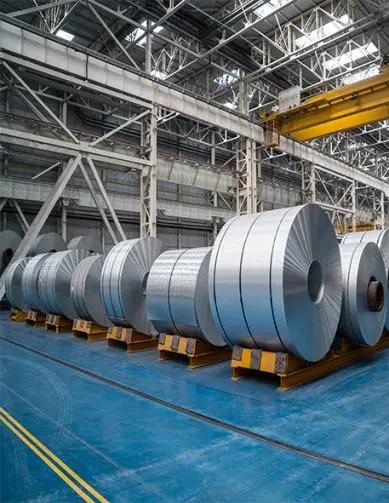
Hot-dipped galvanized steel coil, pre-painted steel coil, and color-coated steel strip configurations engineered for robust construction panel profiling.
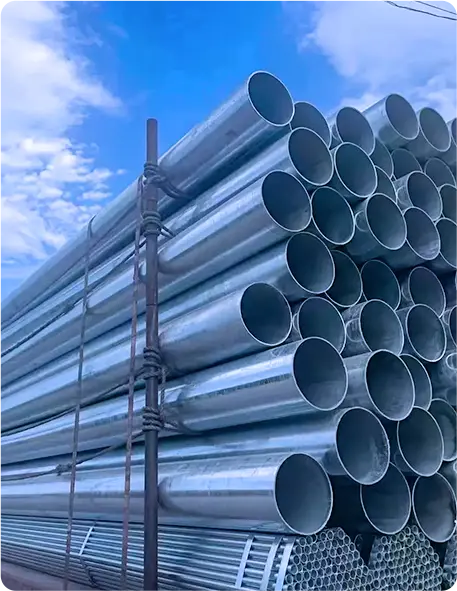
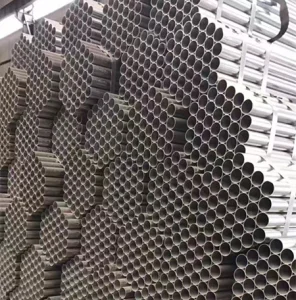
Hot-dipped, pre-galvanized, and zinc-aluminum-magnesium alloy coated structural conduits designed to withstand harsh ambient environments.
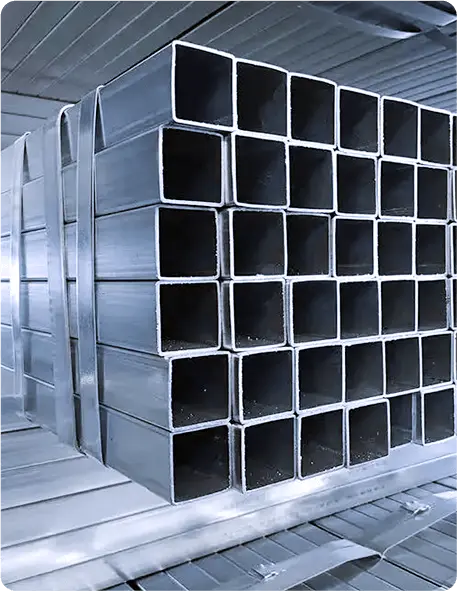
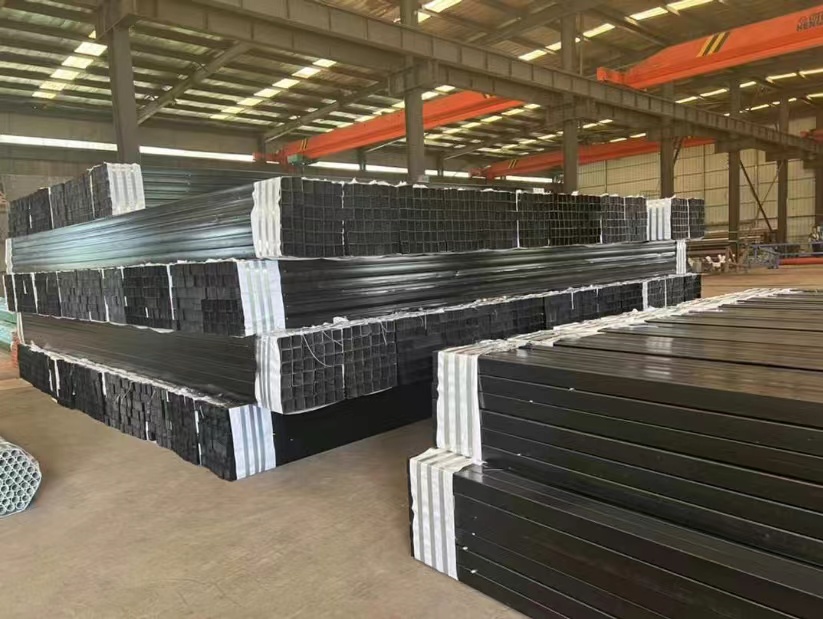
Structural hollow sections (SHS) and rectangular hollow sections (RHS) constructed for high load capacity and clean structural integration.
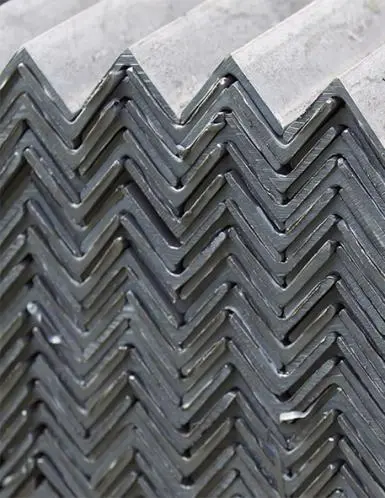
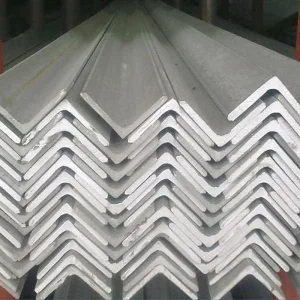
Hot-rolled equal and unequal structural angles, hot-dip galvanized for long-term corrosion resistance in heavy civil framing.
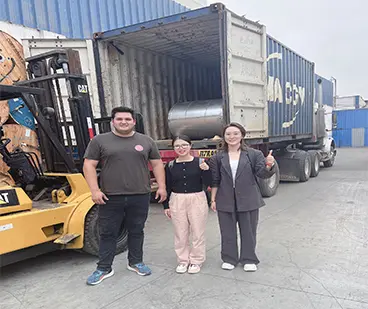
Verified configurations and product deliveries deployed on infrastructure projects worldwide.

High-tolerance rectangular profiles configured for heavy machinery structural chassis.
Low carbon structural pipe optimized for high-load temporary support frameworks.
Designed with custom zinc coatings to withstand coastal marine exposures.
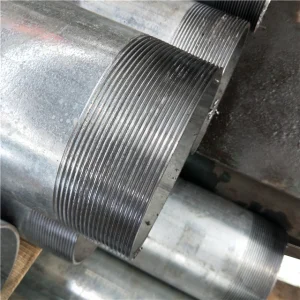
Threaded structural tubes optimized for municipal utility distribution networks.
Supporting diverse construction requirements with verified structural steel plates, structural angles, and custom scaffolding components.
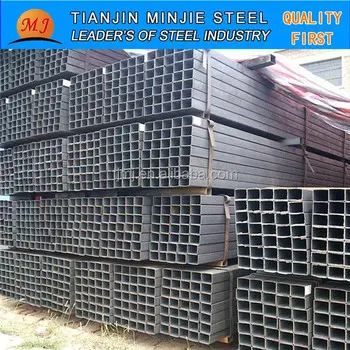
Reliable rectangular steel pipes for machinery structural frames meeting EN 10219 standards.
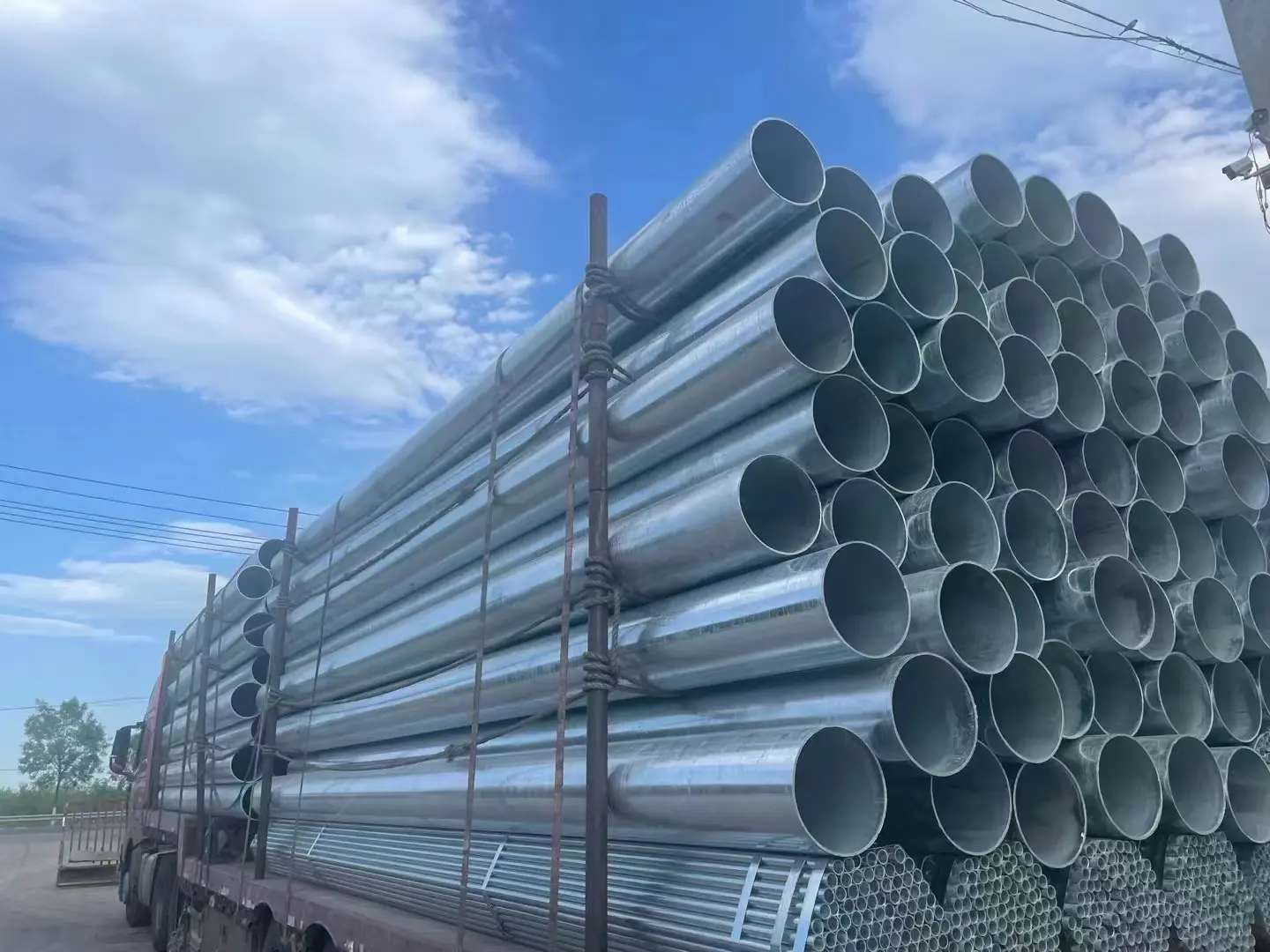
Galvanized steel pipe 2 3/8 inch scaffolding pipe Q235B low carbon steel pipe for civil construction.
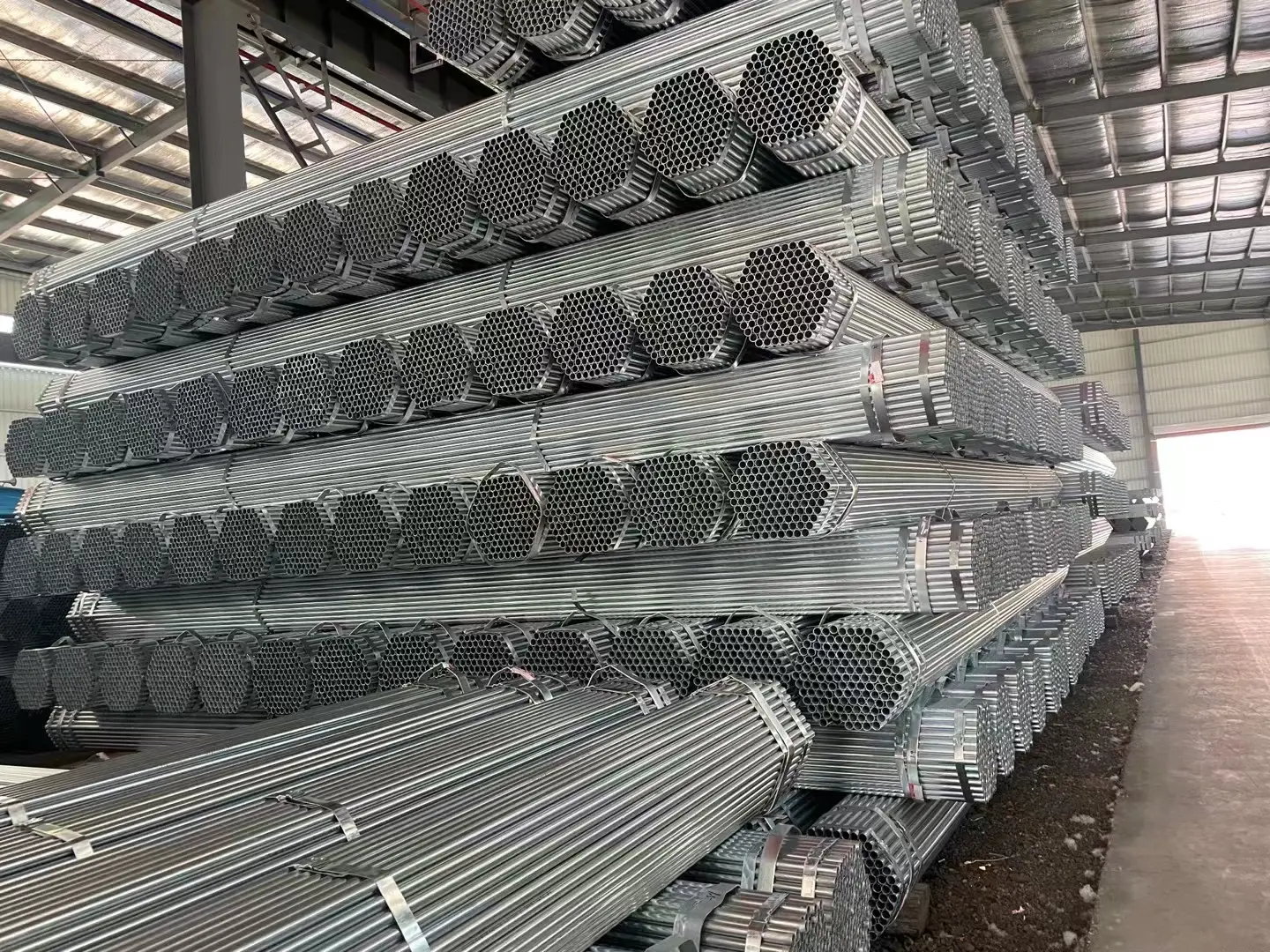
Galvanized structural steel pipe construction tube, hollow type design for steel fencing configurations.
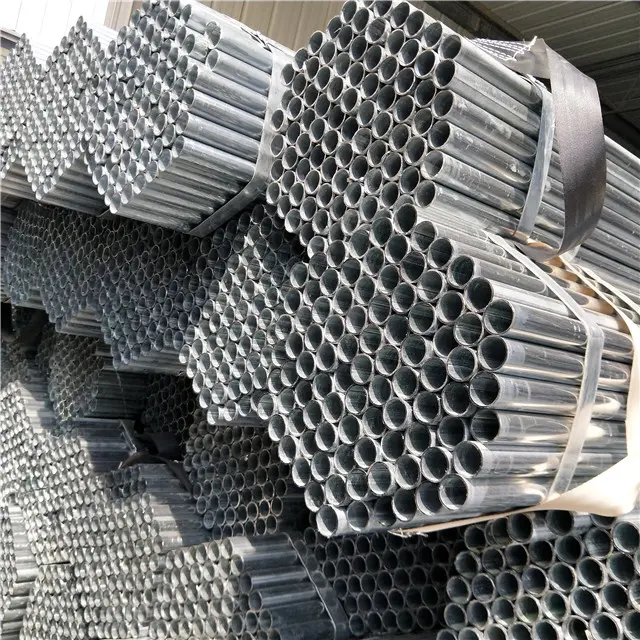
BS1387 compliant pre-galvanized steel pipe engineered for reliable liquid containment systems.
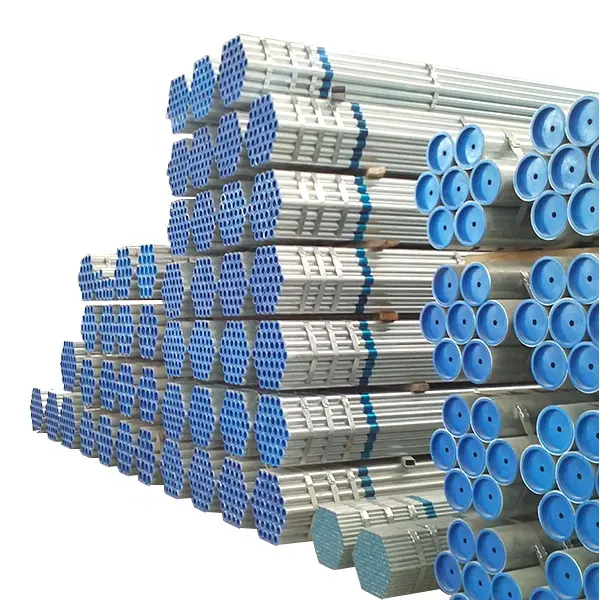
Tianjin metal building materials, GI galvanized ERW carbon steel welded pipe for architectural framing.
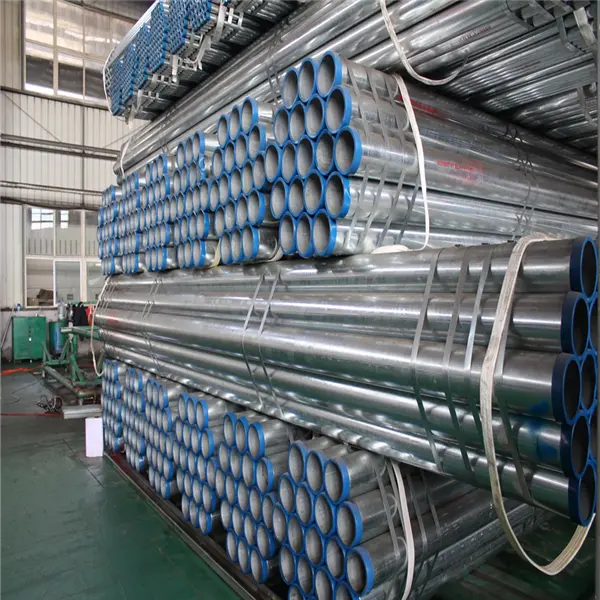
Customized welded steel pipes, GI galvanized ERW carbon steel welded pipe designed for structural framing.
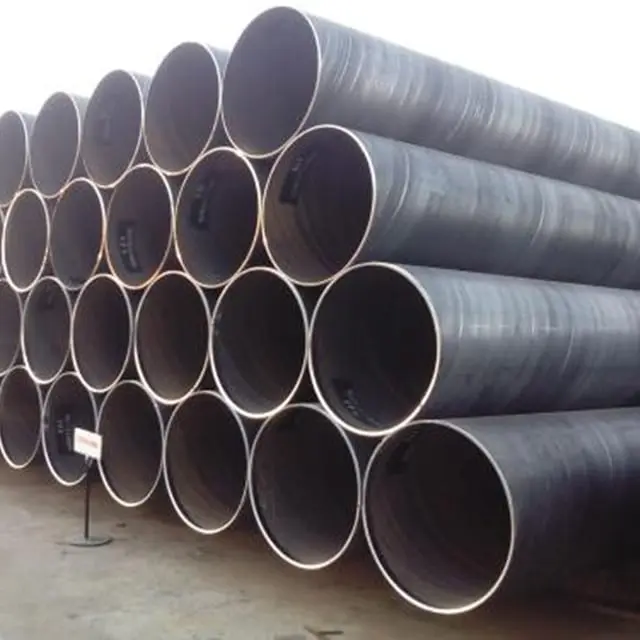
Heavy caliber Q235B spiral welded pipe, optimized for high load industrial structures and conduits.
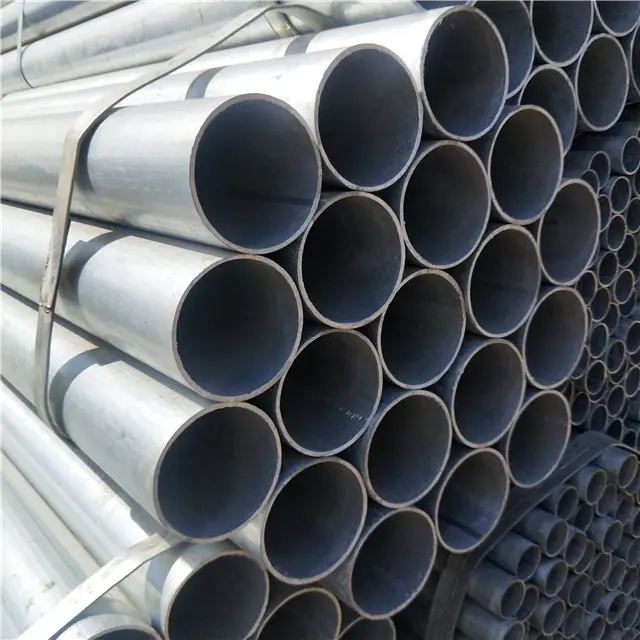
High precision round structural profiles, hot-dip galvanized for reliable outdoor performance.
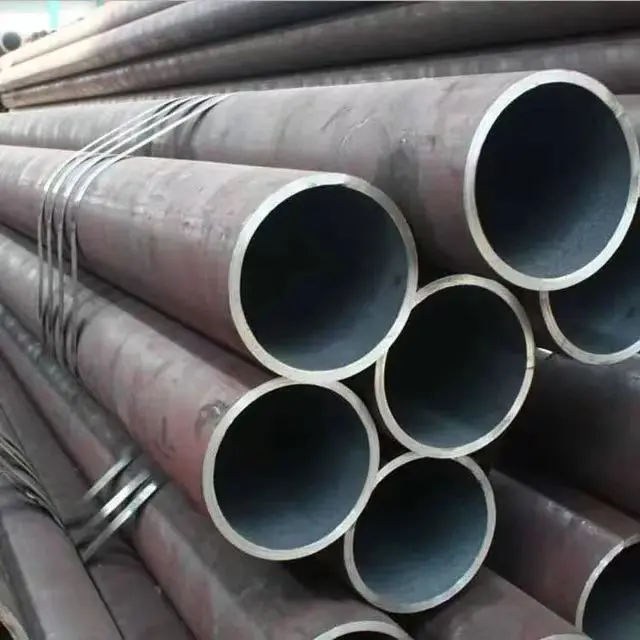
Q345 structural grade black welded steel pipe, optimized for high load-bearing infrastructure applications.
Technical clarifications and procurement guidance for international structural steel sourcing.
Chinese steel grades (like Q235B and Q355B) align closely with international standards like ASTM A36 and A572 Grade 50. Q235B (yield strength ≥235 MPa) is typically used for general structural applications, similar to ASTM A36. Q355B (yield strength ≥355 MPa) is a high-strength low-alloy (HSLA) option comparable to ASTM A572 Grade 50, often selected for high-load designs.
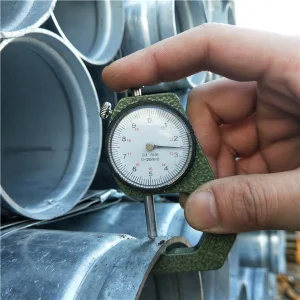
Our 8 ERW lines utilize high-frequency induction welding monitored by real-time ultrasonic inspection systems. This ensures consistent penetration and a clean weld seam. Finished tubes undergo hydrostatic pressure testing and electromagnetic inspection to verify weld performance before shipping.
We offer pre-galvanized styles for moderate environments and hot-dip galvanized (HDG) treatments for highly corrosive settings. Our HDG lines conform to ASTM A123 and EN ISO 1461, providing zinc coating masses from 450 g/m² up to 610 g/m² (85 microns thickness) to protect structures in marine or chemical locations.
Our factory is located just 40 kilometers from XinGang Port, Northern China's largest sea gateway. This close proximity allows us to move structural steel to the shipping docks quickly, reducing inland transport costs, transit times, and exposure to moisture compared to inland factories.
All shipments include Mill Test Certificates (MTC) conforming to EN 10204 3.1. These documents verify the complete chemical composition (carbon, manganese, silicon, phosphorus, sulfur) and mechanical test results (yield point, tensile strength, elongation, impact resistance) to ensure traceability.
Yes, we work with client design specifications using advanced engineering files and BIM integration. Our production lines can handle customized hole punching, profile cutting, edge preparation, and structural weldments to ensure components align with project requirements.
 Minjie Steel